
Guest post by FARID ALVIE
It could be other things. (It certainly was other things.) But it could quite as easily be its incomparable food and music that has drawn kings, foreign army generals, enlightened mystics and famous globe-trotters to ancient Sehwan. Standing on the west bank of the mighty Indus, Sehwan – or Siwasitan as Ibn Batuta describes it in his travel accounts – is most famous for being the place chosen by Hazrat Laal Shahbaz Qalandar to settle in in the 13th century. The shrine of the great sufi saint draws hundreds of thousands of people to its doors from all across Pakistan every year. The bazaar around the shrine plays host to a panoply of tongues and customs; the courtyard of the mazaar offering hospitality to visitors from out of town. The impressive gold dome of the shrine is the center from which all activity – cultural, social, religious, political – appears to emanate. Like many of Sindh’s other ancient towns, Sehwan is steeped in a history that continues to breathe.
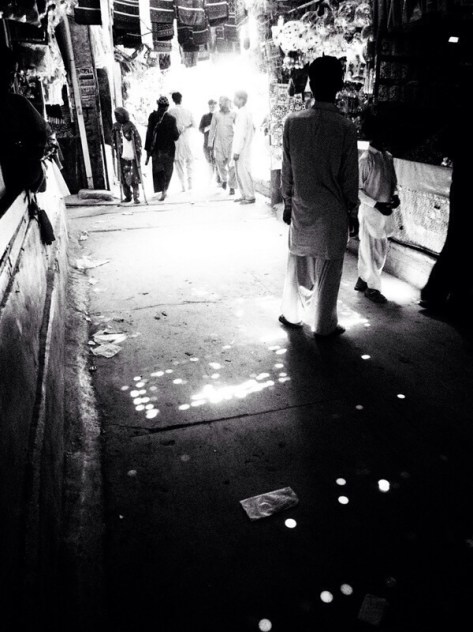
Through the bazaar:
Inside Bodla Saeen’s shrine:
The courtyard of Bodla Saeen’s mazaar:

Visitors at Bodla Saeen’s shrine:
The Sehwan bazaar at night:
Hazrat Laal Shahbaz Qalandar’s shrine.

Pray area, Hazrat Laal Shahbaz Qalandar’s mazaar:
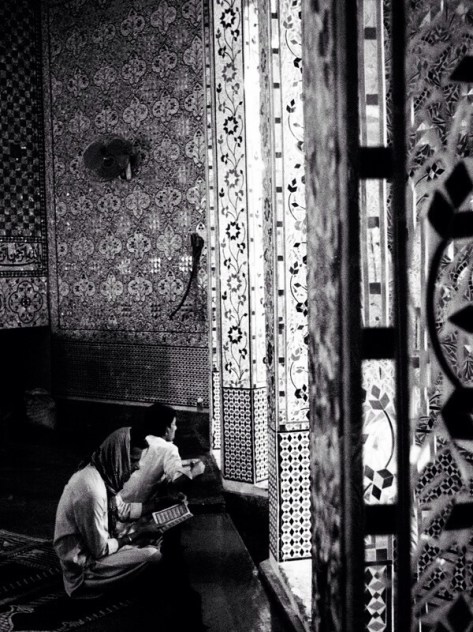
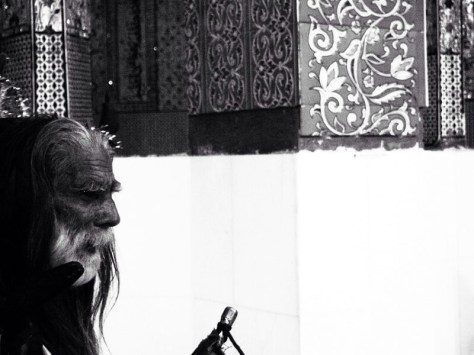
Mystic, Hazrat Laal Shahbaz Qalandar’s mazaar:
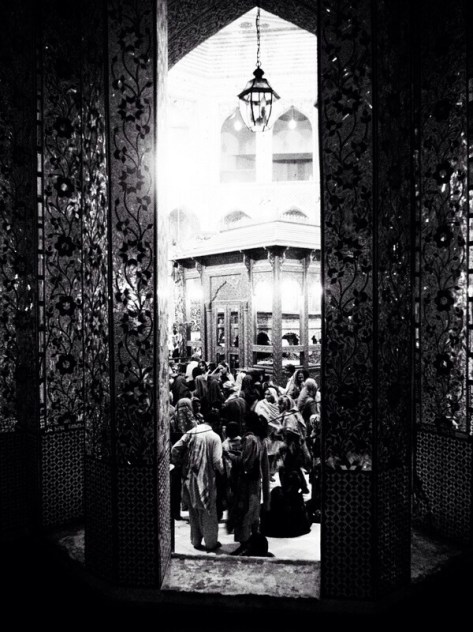
Kalaam being sung in the courtyard of the shrine of Hazrat Laal Shahbaz Qalandar:

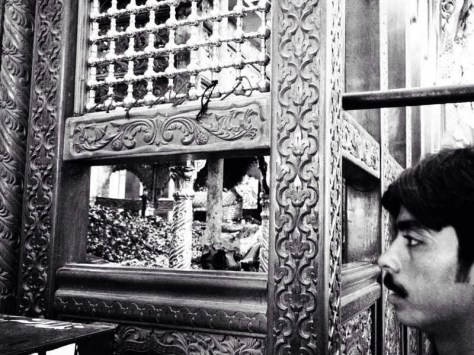
Inside the shrine of Hazrat Laal Shahbaz Qalandar:

The door that leads to the courtyard, Hazrat Laal Shabaz Qalandar’s mazaar:

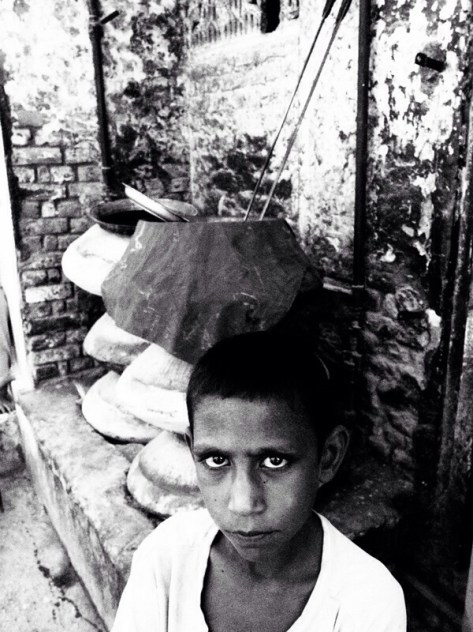
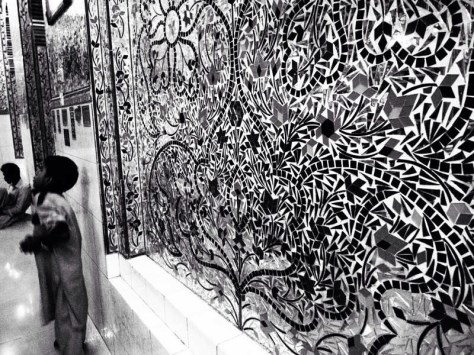
A young boy stands beside the area where the langar (food) is prepared, outside Hazrat Laal Shahbaz Qalandar’s shrine:
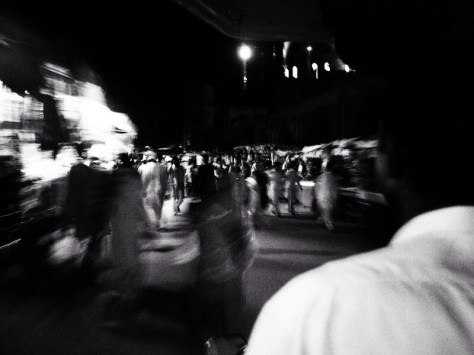
Sehwan bazaar during the day:
(Journalist Farid Alvie tweets as @faridalvie.)
 KAFILA - COLLECTIVE EXPLORATIONS SINCE 2006
Please show this place with map, so that we know exact location
LikeLike
Can you spell g-o-o-g-l-e?.
LikeLike