All posts by subhash gatade

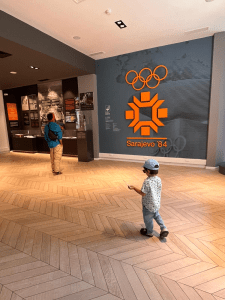
From Sarajevo 1984 to FIFA 2026 – The Lessons We Forgot, the Borders We Built : Praveen Verma

This is a guest post by Praveen Verma

FIFA 2026 is exposing how politics is building borders where sports should be building bridges. Sarajevo 1984 proved otherwise, and we are choosing to forget.

When Sarajevo, in the former Yugoslavia, hosted the Winter Olympics in 1984, the world was deeply divided. The Cold War had frozen diplomacy, nuclear tensions were high, and ideological rivalry shaped almost every aspect of international politics. Only four years earlier, the Moscow Olympics had been boycotted by much of the Western bloc following the Soviet invasion of Afghanistan. Four years later, the Soviet Union and its allies would retaliate by boycotting the Los Angeles Olympics. Sport had become another battlefield of geopolitics.

Yet Sarajevo offered a different vision. In the heart of socialist Yugoslavia, athletes from rival political systems competed on the same slopes, shared the same Olympic Village, and celebrated the same spirit of competition. For a brief moment, sport succeeded where diplomacy had failed. It reminded the world that sports could transcend ideology and that human interactions could soften political divides.

Sarajevo was no historical accident. It was built upon the diplomatic legacy forged in Belgrade two decades earlier. There, the Yugoslav capital hosted the founding conference of the Non-Aligned Movement, bringing together newly independent states determined not to become instruments of either the American or Soviet blocs. This was not pure idealism; Yugoslavia also sought material and diplomatic legitimacy. Yet the outcome was still a deliberate creation of space where dialogue could survive when ideological confrontation had become the global norm. Sarajevo carried that philosophy into international sport. It transformed an arena of potential confrontation into a meeting place for humanity, proving that even during the Cold War, sport could build bridges where politics had erected walls.

Forty‑two years later, the world approaches the FIFA World Cup 2026 under very different geopolitical circumstances but with surprisingly familiar political tensions. The tournament, jointly hosted by the United States of America, Mexico, and Canada, should have stood as a powerful symbol of international cooperation. Instead, preparations have been clouded by concerns over immigration restrictions, visa delays, and the unequal treatment of some participants and supporters in the United States, where the majority of tournament matches are scheduled to be played.

However, the problem is not unique to one government but reflects a continental system of control. Delayed visas, obstacles faced by national delegations, and the ‘ICE‑nisation’ of security measures have exposed the extent to which the universal ideals that international sport claims to defend have given way to political expediency. If access to the world’s biggest sporting event is shaped by political relationships rather than sporting merit, the promise of football as a truly global game is inevitably weakened.

The travel restrictions imposed by the Trump administration have also prevented many supporters from participating nations from travelling to the United States, Mexico, or Canada to watch their teams, with nationals from 39 countries facing additional entry barriers or outright bans.

For athletes, uncertainty begins long before the opening whistle. Delays in travel documents, difficulties affecting medical teams and technical staff, and complicated cross-border arrangements have disrupted preparation and recovery. A participating country’s nutritionist was denied a visa for 60 days over a clerical error, while a European counterpart received approval in 48 hours. The contrast captures the disparity. That is not bureaucracy, but hierarchy. Such delays are not random but reflect a system where applicants from African consulates wait up to seven months for an appointment, while European applicants often clear within days. A football team is far more than eleven players. Coaches, physiotherapists, analysts, nutritionists, and support personnel are indispensable to every national squad. When some delegations face barriers that others do not, equality on the pitch begins to erode long before kick‑off. If the Cold War weaponised sport through boycotts, the new weapon is exclusion. The former was a refusal to participate, the latter is a refusal to permit.

The problem, however, extends beyond logistics. It is philosophical. International sport was founded on the belief that fierce competition could coexist with mutual respect. Stadiums and sporting arenas have long been among the few places where geopolitical rivalries are expected to fall silent if not disappear altogether. Yet when political disagreements determine who may travel, who faces additional scrutiny, and whose supporters can enter the host country, sport ceases to transcend politics and instead becomes another arena in which geopolitical rivalries are played out.

Sarajevo understood a different principle. During one of the most dangerous periods of the twentieth century, it demonstrated that sport could create common ground where politics had created barriers. It offered the world a temporary ceasefire from ideological confrontation and showed that dialogue could begin not only in conference halls but also on ski slopes, sporting arenas, and Olympic podiums. Sarajevo was no utopia. The Soviet boycott of the Los Angeles Olympics came just months later, proving that state rivalries did not dissolve. But Sarajevo was a conscious pause, an intentional ceasefire, and that act of will is precisely what 2026 seems unwilling to attempt.

That lesson appears increasingly forgotten. More than ever, international sport should challenge political divisions rather than mirror them. If football is truly the world’s game, every qualified team, every athlete, every member of a delegation, and every supporter should be able to participate with the same dignity and respect, regardless of the political relationship between governments.

History remembers Sarajevo not simply because it staged a successful winter Olympics, but because it defended the universal idea that sport belongs to humanity before it belongs to states. Belgrade built a diplomatic bridge; Sarajevo widened that bridge into the world of sport. FIFA 2026 now faces the same test. 

The tournament will ultimately be remembered not only for the champion who lifts the trophy, but also for whether it upheld the ideals that make international sport worth celebrating. FIFA’s slogan proclaims that ‘Football Unites the World’. A slogan, however, is measured not by the words printed on banners, but by the principles reflected in practice. If politics determines who may travel, who waits at borders, and who competes under unequal conditions, football no longer unites the world; it merely reflects its divisions.

Sarajevo demonstrated political foresight; FIFA 2026 risks being remembered for political myopia. In 1984, Sarajevo asked, Can we compete without conflict? In 2026, we are answering, only if you arrive from the right country.

Praveen Verma is Assistant Professor of History at Sri Venkateswara College, University of Delhi

Marxism, Metaphor and the New Socialist Initiative – Ravi Sinha

 Ravi Sinha is an activist-scholar who has been associated with progressive movements for around five decades. Trained as a theoretical physicist, Dr. Ravi has a doctoral degree from MIT, Cambridge, USA. He worked as a physicist at University of Maryland, College Park, USA, at Physical Research Laboratory, Ahmedabad and at Gujarat University, Ahmedabad before resigning from the job to devote himself full time to organizing and theorizing. He is the principal author of the book, Globalization of Capital, published in 1997, co-founder of the Hindi journal, Sandhan, and one of the founders and a leading member of New Socialist Initiative

Lessons from the Recent Conflicts in West Asia -Talmiz Ahmad

Democracy Dialogues Series 44

Organised by New Socialist Initiative

Theme : Lessons from the Recent Conflicts in West Asia

Speaker : Talmiz Ahmad Author, Columnist, Ex Ambassador to Saudi Arabia, Ex – Director General of the Indian Council of World Affairs (ICWA)
Date and Time :

6 PM ( IST), Sunday, 19 th July 2026

Join Zoom Meeting
https://us02web.zoom.us/j/87175249495?pwd=ockovgad75fm9x7aVAKbJvPwvyhy8a.1

Meeting chat link
https://us02web.zoom.us/launch/jc/87175249495

Meeting ID: 871 7524 9495
Passcode: 227740

Abstract :

 After a quick overview of the recent wars in West Asia, I will look at some “lessons” that these conflicts have for us. These will include:

* the enduring importance of the Palestinian issue as a vestige of the age of imperialism
* Has the holocaust given Israel impunity from  all crime?
* Nature of future conflict: precision targeting in which energy,     food and technology “corridors” will be the principal battlegrounds
* Armed confrontations between the colonial and colonised states: lessons from asymmetric conflict
* The reality and limitations of US power
* The outlook for “World Order”
* Are we looking at an emerging “clash of civilisations”?
* Recurring patterns in West Asian history
* In this global turbulence, where does India fit in?

About the Speaker :

Talmiz Ahmad joined the Indian Foreign Service in 1974. Early in his career, he was posted in a number of West Asian countries such as Kuwait, Iraq and Yemen and later, between 1987-90, he was Consul General in Jeddah. He also held positions in the Indian missions in New York, London and Pretoria. He was the head of the Gulf and Hajj Division in the Ministry of External Affairs in 1998-2000.

He served as Indian Ambassador to Saudi Arabia twice (2000-03; 2010-11); Oman (2003-04), and the UAE (2007-10). He was also Additional Secretary for International Cooperation in the Ministry of Petroleum and Natural Gas in 2004-06, and Director General of the Indian Council of World Affairs (ICWA), New Delhi, in 2006-07. In July 2011, the Saudi Government conferred on him the King Abdul Aziz Medal First Class for his contribution to the promotion of Indo – Saudi relations.

After retirement from foreign service in 2011, he worked in the corporate sector in Dubai for four years. He is now a full-time academic and holds the Ram Sathe Chair in International Studies, Symbiosis International University, Pune.

He has published four books: 

Reform in the Arab World: External Influences and Regional Debates (2005); 

Children of Abraham at War: The Clash of Messianic Militarisms (2010), 

The Islamist Challenge in West Asia: Doctrinal and Political Competitions after the Arab Spring (2013). 

West Asia at War: Repression, Resistance and Great Power Games, ( April 2022, Harper Collins )

He writes regularly in the Indian and West Asian media and lectures on the politics and economics of West Asia, Eurasia and the Indian Ocean, political Islam and energy security.

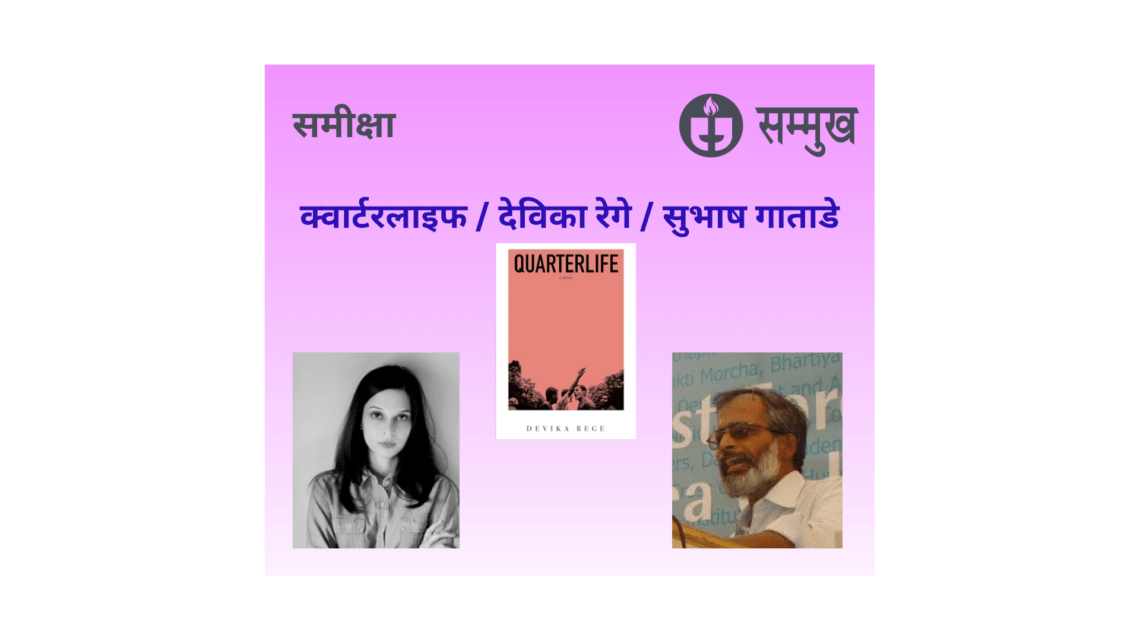
क्वार्टर लाइफ / देविका रेगे / सुभाष गाताडे

‘क्वार्टर लाइफ’ यानी नई सदी में पुराना भारत

कुछ रचनाएं, कुछ किताबें मन में ठहर जाती हैं। आप कह सकते हैं कि उनकी ओर बार बार लौटने का मन करता है, निश्चित ही उनकी यह ख़ासियत इस वजह से पैदा होती है कि वे आप के मन के कुछ तारों को छेड़ने में कामयाब होती हैं, आप की दुखती रग को कहीं छू देती हैं। देविका रेगे (https://devikarege.com/about) के पहले उपन्यास ‘क्वार्टरलाइफ’ Quarterlife के बारे में मैं यही कह सकता हूँ।

क्वार्टरलाइफ अर्थात चौथाई  जीवन। उम्र का वही पड़ाव जब आप को पहली बार एहसास होता है कि आप की अपनी ‘राय होने की क्या खुशी होती है’ ‘that age when you discover the pleasure of opinion’, भविष्य को लेकर चिन्ता भी होती है, पसोपश भी होते हैं, ज़िन्दगी के दूरगामी निर्णय लेने के ज़बरदस्त दबाव में होते हैं, ख़ुद पर ही संदेह, ख़ुद की खोज का यह दौर होता है। …

उपन्यास के पन्नों पर आप ‘पहचान की राजनीति से लेकर काॅरपोरेट लूट और आदर्शवाद की सीमाएं, इन सभी की छटाओं को देख सकते हैं। उपन्यास के यह सभी किरदार अपने आप में भारत के इस बदलते रूप का एक अंश लेकर चल रहे हैं। जैसे जैसे वह न्यू इंडिया से टकराते हैं, वे उस गहरे में विभाजित और जटिल वातावरण के बारे में सचेत होते जाते हैं। नतीजा होता है कि लगातार विस्तारित होती एक कहानी जो उत्सव की एक रात तक उरूज तक पहुंचती दिखती है, जब समूची बंबई सड़कों पर है और सुषुप्त असंतोष फूट पड़ता है।’ ( Read the complete text here : https://sammukh.com/subhash_gatade/)

सत्य के अन्वेषी और ‘अंधेरे की आदत’ वाला समाज

…… ‘समाजवादियों ने हिन्दू राष्ट्र को किस तरह मुमकिन बनाया ?’

..समाजवादी धारा की यह परिणति भारत की वाम शक्तियों के सामने भी कुछ सवाल निश्चित ही खड़े करती है।

अगर 60 के दशक में समाजवादी धारा के अग्रणी कांग्रेस को शिकस्त देने के लिए ‘शैतान के साथ भी हाथ मिलाने को तैयार होने’ की बात रख रहे थे, पहले उपचुनावों में और बाद में राज्य विधानसभा के चुनावों में भारतीय जनसंघ के साथ मंच साझा कर रहे थे, गठबंधन कायम कर रहे थे, उन उथल पुथल के दिनों में वाम की शक्तियों का क्या रूख था ?

क्या उन्होंने गैर कांग्रेसवाद के नाम पर संघ-भारतीय जनसंघ को वैधता दिलाने वाली सियासत का उसूली आधार पर विरोध किया या नहीं ? कहीं ऐसा तो नहीं कि अस्पष्टता के चलते या urgency के भाव के चलते मौन ही रहे ,  उसी ‘सिद्धांत’ से हमकदम चलते रहे ?

क्या हमारे लिए यह आत्मपरीक्षण का विषय होना नहीं चाहिए कि आपातकाल के बाद जिन जयप्रकाश नारायण को दूसरा महात्मा कहा गया था, यहां तक कि आपातकालविरोधी संघर्ष को ‘दूसरी आज़ादी’ के नाम से महिमामंडित किया गया था, जिसने एक तरह से पहली दफा राष्ट्रीय स्वयंसेवक संघ को वैधता दिलायी, नयी  स्वीकृति प्रदान की और केन्द्रीय मंत्रिमंडल में भी स्थान दिलवाया, उस जयप्रकाश नारायण को लेकर कम्युनिस्टों का रूख क्यों बहुत अस्पष्ट रहा ?

किसी परिघटना को समझने में हमारी भूल हो सकती है, किसी व्यक्ति-संगठन की असलियत जानने में हम गड़बड़ी कर सकते हैं, लेकिन यह बात समझ से परे है कि राष्ट्रीय स्वयंसेवक संघ, उसके पीछे की फासीवादी प्रेरणाएं या स्वाधीनतापूर्व आन्दोलन तथा स्वाधीनता के बाद के आंदोलनों में उनकी निरंतर विवादास्पद भूमिका पर विस्तार से तथ्य पेश किए जाते रहने के बावजूद बाद के दिनों में क्या फौरी राजनीतिक लाभ के नाम पर उसके आनुषंगिक संगठनों के साथ जुड़ने से परहेज करने में प्रगतिशील ताकतें, वाम की शक्तियां सचेत रह पायीं ?.. ( Read the full text here : https://nayapath.in/seekers-of-truth-by-subhash-gatade/)

‘India, China and the New World Order : Is the Onus on India to Change and Adapt?’ – Chandran Nair

https://youtu.be/zwuv8g-SP5s

Democracy Dialogues Series 43

Organised by New Socialist Initiative

Theme : 

India, China and the New World Order : Is the Onus on India to Change and Adapt?’

Speaker :
Chandran Nair
Author, Thinker and Political Analyst
Founder and CEO of the Global Institute For Tomorrow (GIFT)

Abstract:
In a conversational and interactive mode, the speaker will broadly be covering the following aspects of the theme:

1. Neighbourhood, Geopolitics, New World Order – The troubled relations between the two Asian giants have, by now, a history of several decades. In India, the constraints of domestic politics (largely flowing from liberal democracy and competitive electoral politics) appear to make it difficult for the Indian rulers to serve India’s strategic interests and to formulate an appropriate foreign policy. How should India deal with the strategic challenges arising from the emerging New World Order?

2. Political Economy for India – India is often projected to emerge as the next economic powerhouse of the world, but the facts on ground pose many challenges. The path to export-led growth as traversed by China appears to be closed for India. Furthermore, a strong State that can guide and force private capital to work in national interest is impossible in the liberal democratic and capitalist India. How to visualize a political economy suitable for India?

3. Woes of Liberal Democracy – Competitive electoral politics often activates the social, religious and sectarian fault lines of Indian society. It has, for example, paved the ground for the rise of the Hindutva forces. What can be done about such challenges thrown up by liberal democracy?

4. Civilizational Discourse – China and India are often cited as the two glorious and largest ancient civilizations. China is cited as the civilizational state that has managed to tame modernity for its own ends. How can India accomplish something similar in its own way?

Speaker :
Chandran Nair is the founder and CEO of the Global Institute for Tomorrow, an independent Pan-Asian think tank that explores the dynamic relationship among business, society, and the state, as well as the rules governing global capitalism

Nair was born in Malaysia, he studied chemical engineering in the UK, at 28, he joined the anti-apartheid movement in South Africa, later earned a master’s degree in environmental engineering from Bangkok.

He has authored / co authored many books, here is a representative list of his publications : Understanding China : Governance, Socio-Economics, Global Influence (2026) ;  Dismantling Global White Privilege : Equity for a Post-Western World (2022) ; The Sustainable State: The Future of Government, Economy, and Society (2018) ; Consumptionomics: Asia’s Role in Reshaping Capitalism and Saving the Planet  (2011) ;  

He is also the creator of The Other Hundred, a non-profit global photo journalism initiative to present a counterpoint to media consensus on some of today’s most important issues.

Chandran was chairman of Environmental Resources Management (ERM) in Asia Pacific until 2004, establishing the company as Asia’s leading environmental consultancy.

Chandran has served as Adjunct Professor at the Hong Kong University of Science and Technology and the Lee Kuan Yew School of Public Policy in Singapore. He is a Member of the Executive Committee of The Club of Rome and a Fellow of the Royal Society of Arts.

India in the World – Mostly Through Lens of Iran War – Ravi Sinha

Theme :India in the World – Mostly Through Lens of Iran War

Speaker : Ravi Sinha

Abstract :
The unipolar world that came into existence at the end of the Cold War is on the way out and a new world order, potentially a multipolar one, is in the offing. This epochal change, as evidenced in the miraculous rise of China and the re-emergence of Russia on the world stage, appears to have gained acceleration with the war in West Asia in which the Iranian nation has handed an astonishingly courageous response to the aggressors. A broad framework to understand this epochal transition was presented in a study group by Comrade Ravi Sinha

Part 1 of this video contains the basic presentation followed by further elaboration of the argument in the Q/A session in Part 2.
New Socialist Initiative (NSI)

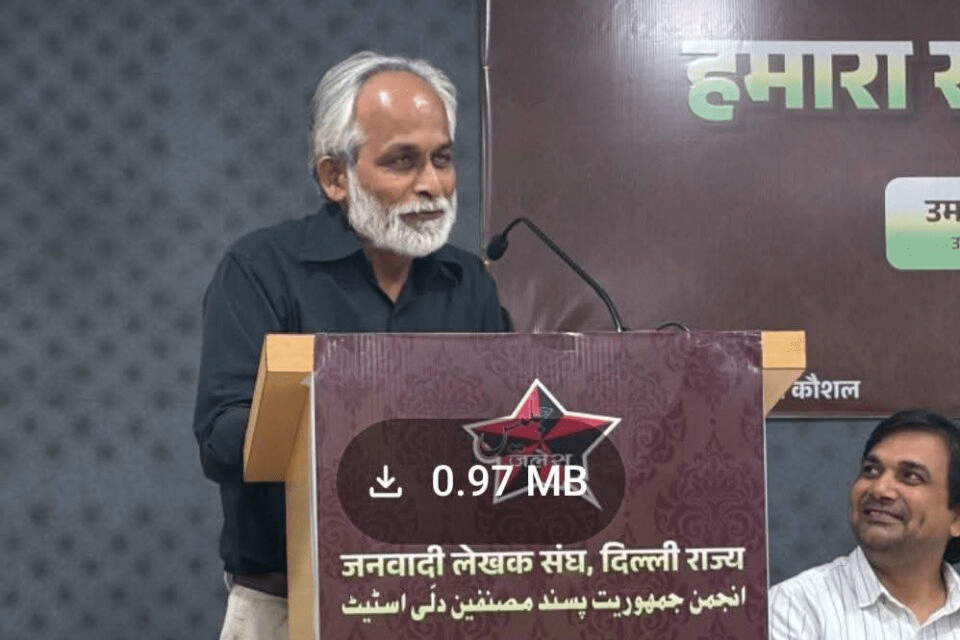
‘सत्य को बयां करने के रास्ते की मुश्किलों के बारे में’ क्या लेखक सचेत और सक्रिय हैं?

(जनवादी लेखक संघ, दिल्ली के 10 वें राज्य सम्मेलन (4 अप्रैल 2026)  में प्रस्तुत वक्तव्य का संशोधित एवं विस्तारित रूप, सम्मेलन के विचार सत्र का फोकस था : हमारा समय और लेखक की भूमिका)

प्रस्तावना

हम एक नाजु़क वक्त़ से गुजर रहे हैं।

कोई भी प्रबुद्ध व्यक्ति – जो न्याय, अमन और बराबरी की चाहत रखता हो, समूची मानवता को तरक्की के रास्ते पर ले जाना चाहता हो, यह दावा नहीं कर सकता कि उनमें से किसी ने भी इस बात का तसव्वुर भी किया होगा कि 21 वीं सदी की तीसरी दहाई में हम ऐसे दौर से रूबरू होंगे।

एक ऐसा दौर जहां हम और वे की सियासत उरूज पर दिख रही है, आबादी के अच्छे खासे हिस्से को अमनुष्य घोषित करना, दीमक, कीड़ों, मकौड़ों की श्रेणी में शुमार करना एक सम्मानित उद्यम में रूपांतरित हुआ है। नागरिक शुद्धता की कवायदों के जरिए – अवांछितों को, अधर्मियों को, असहमतों को -गणतंत्र के दायरों से भी बाहर सरहद पार मुल्कों के बियाबान में ढकेल देने की मुहिमों पर इन्साफ के रखवाले कहे गए संस्थानों से भी मुहर लग रही है।

इस खत़रनाक समय को अलग-अलग ढंग से परिभाषित किया जा रहा है। 

कोई कहता है कि यह ऐसा दौर है जब यह प्रतीत हो रहा है कि समूचा समाज एक उन्मादी खुशी के साथ एक गर्त में जा रहा है और उसे इस बात का कोई इल्म भी नहीं है।

मेरे एक मित्र – जो एक प्रख्यात मार्क्सवादी  विचारक हैं – कहते हैं, यह ऐसा दौर है जब समाज को गोया अंधेरे की आदत हो गयी है, मद्धिम सी रौशनी से भी उसकी आंखें चुंधिया जाती हैं। ( Read the full text here : https://janchowk.com/is-the-author-aware-ofand-actively-engaged-withthe-difficulties-inherent-in-the-path-of-articulating-the-truth/)

RSS at 100: Caste, Savarkar, and the real roots of RSS | The Federal

Nilanjan Mukhopadhyay speaks with Subhash Gatade

https://www.youtube.com/watch?v=tpgQi1LaRgo

In The Federal’s ‘RSS at 100’ series, Nilanjan Mukhopadhyay speaks with Subhash Gatade, author of Godse’s Children and Modinama, about the deeper social roots of the Rashtriya Swayamsevak Sangh (RSS). Gatade argues that the RSS must be understood not just through Hindu-Muslim politics, but through the caste churn in Maharashtra, the challenge posed by Jyotiba Phule’s anti-caste movement, and the predominance of Brahmin leadership within the organisation. The discussion also examines Savarkar’s influence, Golwalkar’s ideology, the RSS-Hindu Mahasabha relationship, and the strategic shift towards ‘inclusive Hindutva’ in later decades.

हिन्दुत्व वर्चस्ववाद :  अतीत का गंधाता कुआं 

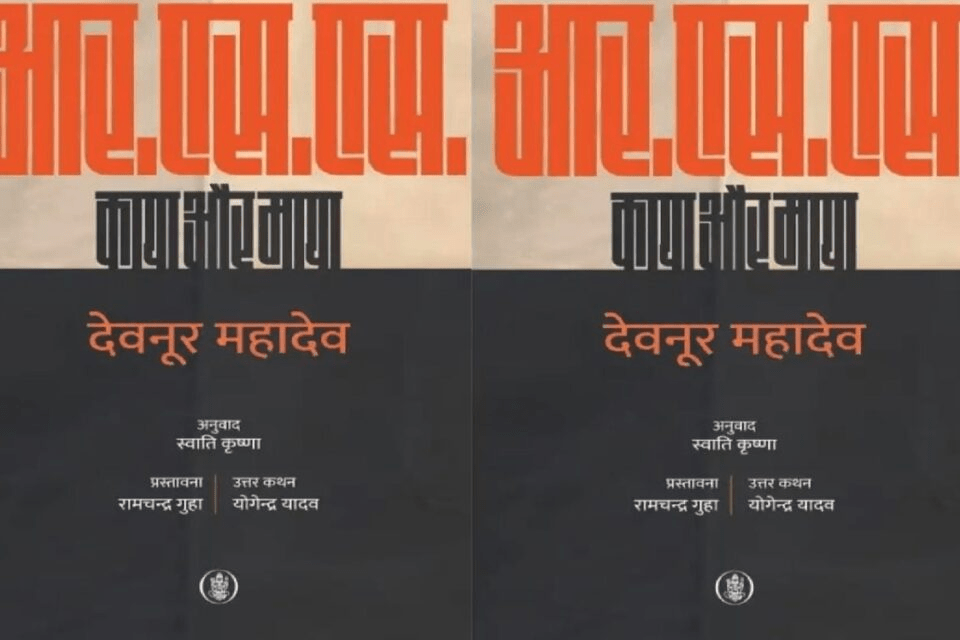
आर एस एस – काया और माया” की समीक्षा

धर्मान्ध लोग – जो हंसना भूल गए हैं, रोना भूल गए हैं, और करूणा भूल गए हैं – ऐसे ‘इन्सान’ हैं जो एटम बम से भी ज्यादा ख़तरनाक हैं

– पी लंकेश के काॅलम ‘कहां मैं भूल न जाउं’ से

(पेज 6, ‘आर एस एस – काया और माया’ से)

…कन्नड भाषा के अग्रणी साहित्यकार एवं सामाजिक कार्यकर्ता देवनूर महादेव की हिन्दी में प्रकाशित ताज़ा किताब ‘राष्ट्रीय  स्वयंसेवक संघ – काया और माया’ ( आर एस एस – आलू मत्तू अगला ‘ नाम से मूल कन्नड़ में प्रकाशित किताब का हिंदी अनुवाद है ) इस मामले में एक नया पत्थर गाड़ती प्रतीत होती है। जैसा कि सभी जानते हैं वर्ष 2022 में मूल कन्नड में प्रकाशित इस किताब ने हाल के समय में बिक्री का रेर्कार्ड कायम किया है, वह न केवल कन्नड, तेलूगू, मराठी, अंग्रेजी, हिन्दी में प्रकाशित  हुई है बल्कि इस किताब को काॅपीराइट से मुक्त करके और लोगों को प्रकाशन की छूट देकर संघ के असली स्वरूप को जन-जन तक पहुंचाने में किताब ने वितरण के मामले में और किताब या संघ के बारे में चर्चा होने के मामले में एक किस्म का मील का प्रत्थर कायम किया है। कन्नड़ और तेलुगु में इसकी एक लाख से भी अधिक प्रतियां बिकी हैं और अन्य जुबानों में दसियों हज़ार से अधिक प्रतियां।   

ध्यान रहे कि जिस बेबाकी से देवनूर महादेव ने संघ के बारे में लिखा है, उतनी साफगोई बहुत कम लोग दिखा पाते है। किताब की भूमिका ही इस बात को उजागर करती है, आप लिखते हैं :

‘.. आर एस एस इस देश को कहां ले जाने की कोशिश कर रहा है ? इस संगठन के बारे में आम धारणा और इस संगठन के असली चाल-चरित्र के बीच फर्क क्या है ? इस सवालों पर जनमानस को जागृत  करने’ / पेज 23-24/ के लिए यह किताब लिखी गयी है। भारतीय लोककथाओं में चर्चित मायावी की कथा के बहाने जिसकी जान सात समुंदर पार किसी तोते में समायी होती है, जो बहुरूपिया है और मानवलोक में तरह तरह की ज्यादतियां करता है और उसका कोई कुछ बिगाड़ नहीं पाता क्योंकि जान ‘तोते के रूप में गुफा में सुरक्षित है’ वह संघ की असलियत जानने और उजागर करने के लिए ‘आर एस एस के अतीत के बदबूदार कुएं में ’ ( पेज 23) झांकने के लिए निकले हैं और दिखाई दिए ‘भयावह दृश्य ‘ / (पेज 24 ) का एक अंश किताब के रूप में सामने ला रहे हैं ।.. [ Read the full review here :https://janchowk.com/review-of-rss-kaya-aur-maya-hindutva-supremacism-a-stinking-well-of-the-past/]

India Under Modi: Shrinking Democracy, Growing Inequalities – Professor Atul Kohli

https://www.youtube.com/watch?v=XJgzRcNOytQ

Democracy Dialogues Series 42

Organised by New Socialist Initiative

Theme :

India Under Modi: Shrinking Democracy, Growing Inequalities

Speaker: 

Professor Atul Kohli

David K.E. Bruce Professor of International Affairs at Princeton University, USA

Sunday 25 th January, 2026

—————-

Abstract:

Modi’s rule in India is characterized by shrinking democracy and growing economic inequalities.  The presentation will focus both on the rise of Modi and on Modi’s ruling record.  The following points will be emphasized: growing economic inequalities under Congress governments after 1991 fractured the party’s voter base, paving the way for Modi’s rise; religious polarization and corporate power have grown simultaneously under Modi; India’s billionaires thrive amid the democratic decline; institutional checks have been eroded and the opposition has been fractured: the judiciary, media, and election bodies have failed to counter executive power; and there is little evidence to suggest a superior economic record in India after 2014: industrial growth has been sluggish, job creation minimal, and welfare spending flat.

About the Speaker: Professor Atul Kohli is a world-reknowned political scientist. He is the David K.E. Bruce Professor of International Affairs at Princeton University. His principal research interests are in the area of political economy of developing countries. He is the author of India Under Modi: Changing State and Society (with Kanta Murali), (2025); Greed and Guns: Imperial Origins of the Developing World, (2022); Imperialism and the Developing World: How Britain and the U.S. Shaped the Global Periphery (2020); Poverty amid Plenty in the New India (2012) (a Foreign Affairs Best Book of 2012 on Asia and the Pacific); State-Directed Development: Political Power and Industrialization in the Global Periphery (2004) (winner of the Charles Levine Award (2005) of the International Political Science Association); Democracy and Discontent: India’s Growing Crisis of Governability (1991); and The State and Poverty in India (1987).  He has also edited or coedited ten volumes (most recently, Business and Politics in India, 2019; and States in the Developing World, 2017) and published some sixty articles. Through much of his scholarship he has emphasized the role of sovereign and effective states in the promotion of inclusive development.

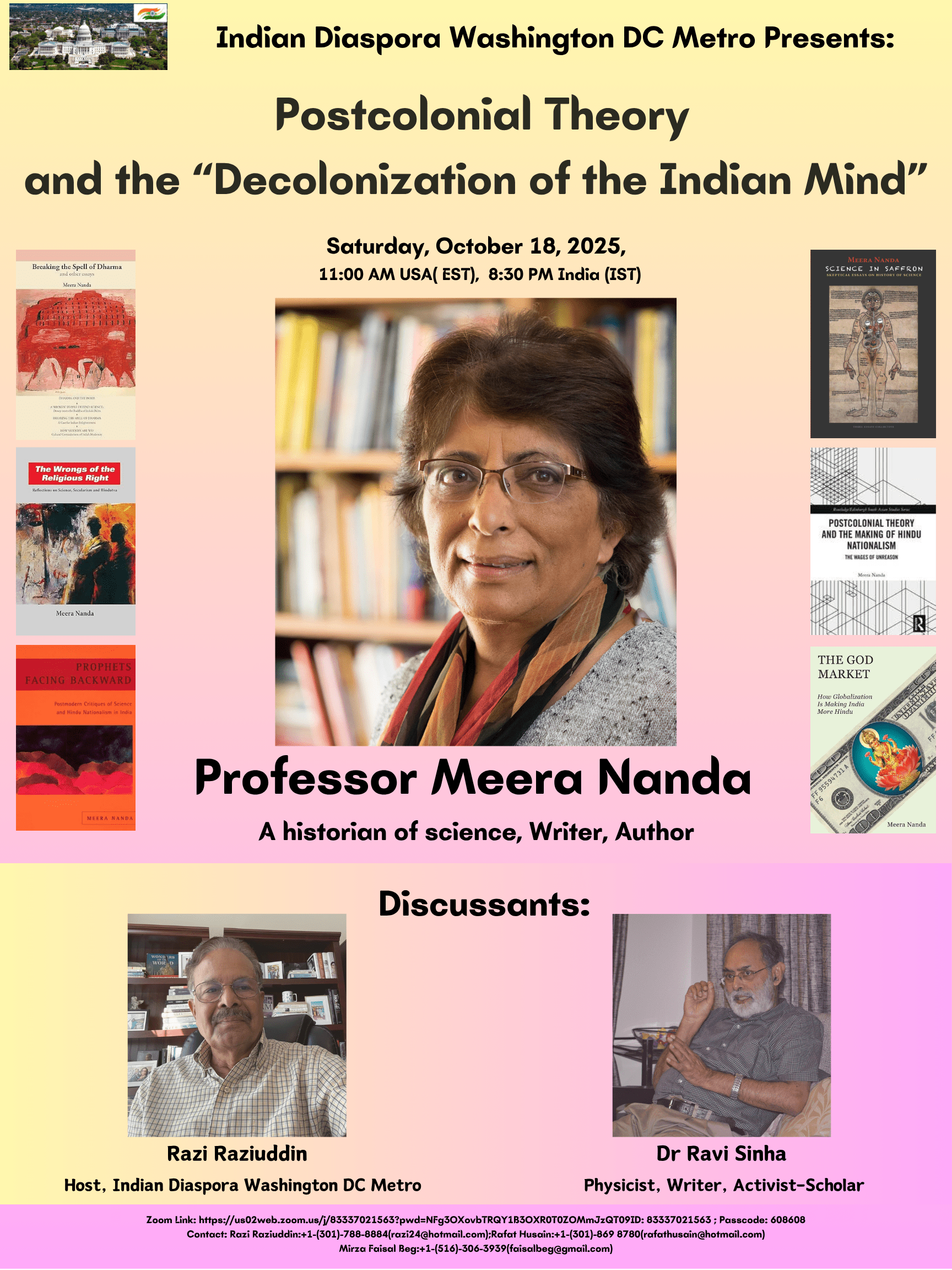
Postcolonial Theory and the “Decolonization of the Indian Mind” : Professor Meera Nanda

Indian Diaspora Washington DC lecture series

Topic: Postcolonial Theory and the “Decolonization of the Indian Mind”

Speaker: Professor Meera Nanda

Books as Crime ? – Whether J and K High-court Will End the ’Unprecedented Situation’ ?  

‘So you are the little woman who wrote the book that made this great (American) civil war’
— Abraham Lincoln to Harriet Beecher Stowe, author of Uncle Tom’s Cabin

The Writers’ Police !

Bruno Fulgini, a nondescript employee at the French Parliament, would not have imagined in his wildest dreams that his tedious and boring job at the Parliament library would lead him to a treasure hunt of another kind.

Nearly two decades back one witnessed him metamorphose into an author and editor, thanks to the sudden discovery of old files of the Paris police, which provided details of its surveillance work done way back in 18 th century. A report filed by AFP then, quotes Fulgini tell us that ’Beyond criminals and political figures, there are files on writers and artists. In some cases, they go far in their indiscretions.’….

It was clear to these protectors of internal security of a tottering regime that the renowned literati then viz. Victor Hugo, Balzac or Charles Dickens, might be writing fiction, but their sharp focus on the hypocrisy of the aristocrats or the livelihood issues of ordinary people is adding to the growing turmoil in the country. They knew very well that they might be writing fiction for the masses but it is turning out to be a sharp political edge that hit the right target and is becoming a catalyst for change.

The Parisian police was engaged in tracking down the daily movements of the writers, was more subtle in its actions; its present-day counterparts in the West do not seem to have such patience.

The strongest democracy in the world namely the US has of late become a site of an ’unprecedented’ ’Multi-level barrage of US book bans’ as per PEN America [1]….

And now there are indications that the biggest democracy in the World namely India is keen to follow the footsteps of the strongest democracy ?
Or it is too early to say that .[ Read the full article here : http://mainstreamweekly.net/article16227.html

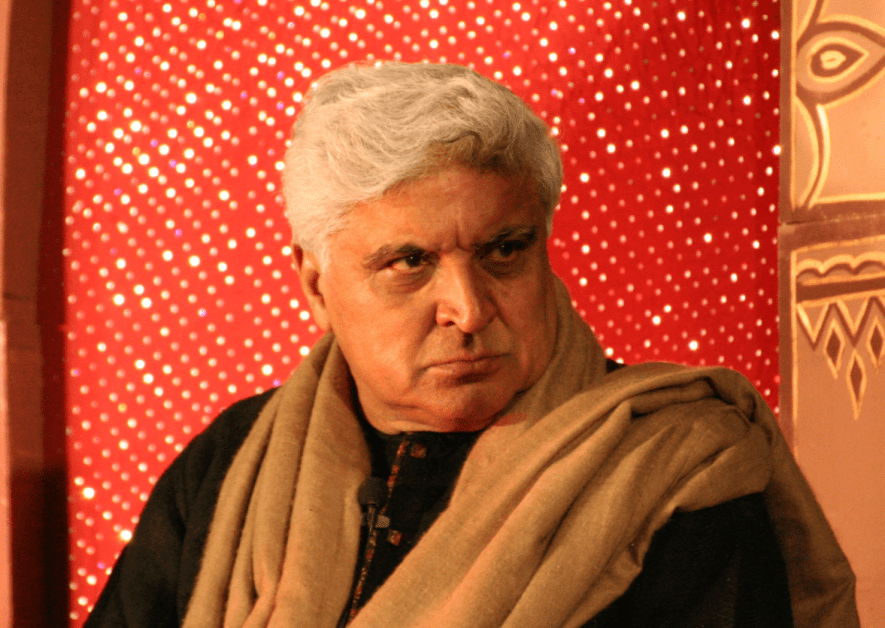
Rightwing-Rightwing ‘Bhai Bhai : Who Fears Javed Akhtar?

A ‘unity of purpose’ has been witnessed between Hindu and Muslim supremacists, who consider themselves the sole spokespersons of ‘their community’.

There are rare occasions when literary academies associated with governments wilt under mob pressure.

Rarer are occasions when they even cancel the very programme they had organised with much fanfare.

It has been more than 10 days that West Bengal witnessed such a spectacle, when the West Bengal Urdu Academy suddenly postponed a programme where it intended to discuss ‘Urdu in Indian Cinema’ for four consecutive. Javed Akhtar — one of the foremost living Urdu poets — was also invited as a key speaker in the programme.

Two prominent Islamist organisations in Kolkata, Jamiat Ulema-e-Hind and the Wahyahin Foundation, had protested the invitation, as they considered Akhtar’s views on religion problematic, labelling him as someone who “speaks against religion and God”.

Akhtar is a declared atheist and openly talks about it on public fora, and that had irked these people.

The organisations even threatened to launch a state wide agitation — much on the lines of their agitation against Bangladeshi author Taslima Nasreen which as everyone knows had forced her to leave the state (2007) — if the government did not heed their demand.

Mamata Banerjee, the West Bengal Chief Minister, did not want to take any risk as elections to the state Assembly are not too far.

( Read the full article here : https://www.newsclick.in/rightwing-rightwing-bhai-bhai-who-fears-javed-akhtar)

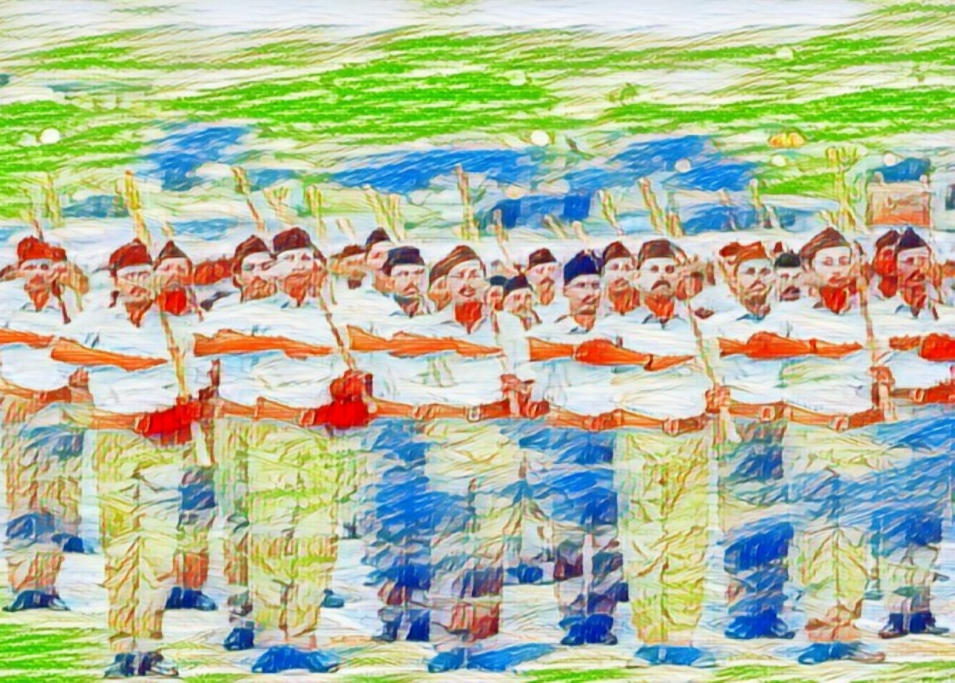
RSS Centenary: In Search of an Icon!

[Centenary celebrations of RSS – the biggest ‘self-proclaimed’ cultural organisation in the world — comprising of Hindus are on.

Much is being said about its longevity etc., and much will be said about it in coming days, it remains to be seen if it is ready to take a fresh look at some discomforting aspects of its own history when it is embarking on a journey towards what it calls as ‘new horizons]

Ram Lila, the dramatic folk re-enactment of the life of Rama is still popular in Northern India.

Anyone who has watched this programme — especially in villages or towns — might have noticed a particular scene where god curses a sage for his misdemeanour that he will get a donkey’s face for his actions and will not even realise that he has got this new face.

One is reminded of this story — which tells us the great hiatus between claims and reality — whenever an individual or a formation starts bragging about its achievements that have no basis in reality.

Leaders of the Hindutva Supremacist movement in this part of South Asia look no different when they declare from the rooftops the “great role their political ancestors have played during the freedom movement”. It is a different matter that any objective student of India’s history — especially of the Independence struggle — is conversant with hundreds or thousands of pages, books, monographs written or documented to underline the contrary, their meek behaviour and compromising role during the very struggle. [https://www.newsclick.in/rss-centenary-search-icon]

Punjab: Why Proposed ‘Law Against Blasphemy’ Needs to be Discarded

The CCG’s concern that the proposed PPOHS Act is ‘unconstitutional’ and is an ‘open invitation to ‘oppressive misuse’ needs to be heeded.

Image : Courtesy Fiickr

Whether history will repeat itself, that is the question being asked about Punjab government’s renewed attempt to enact a law supposedly against ‘sacrilege’?

Anyone who is a keen observer of the social-political developments in the state knows very well that it has a history of such efforts (2015 and 2018) where similar attempts were made to amend laws related to sacrilege, and both attempts proved unsuccessful as they failed on the yardstick of constitutionality.

As per reports, the proposed Punjab Prevention of Offences against Holy Scriptures Bill, 2025 (PPOHS Act), which was recently referred by the state legislature to a committee for further discussion, has come under the scanner of experts of the Constitution and concerned citizens.

A leading voice among them, namely the Constitutional Conduct Group (CCG) — a platform of retired civil servants and diplomats– has in an open communication underlined how Punjab government’s proposed ‘PPOHS Act’ is ‘unconstitutional’ and is an ‘open invitation to oppressive misuse’ .

[ Read the full article here : https://www.newsclick.in/punjab-why-proposed-law-against-blasphemy-needs-be-discarded]

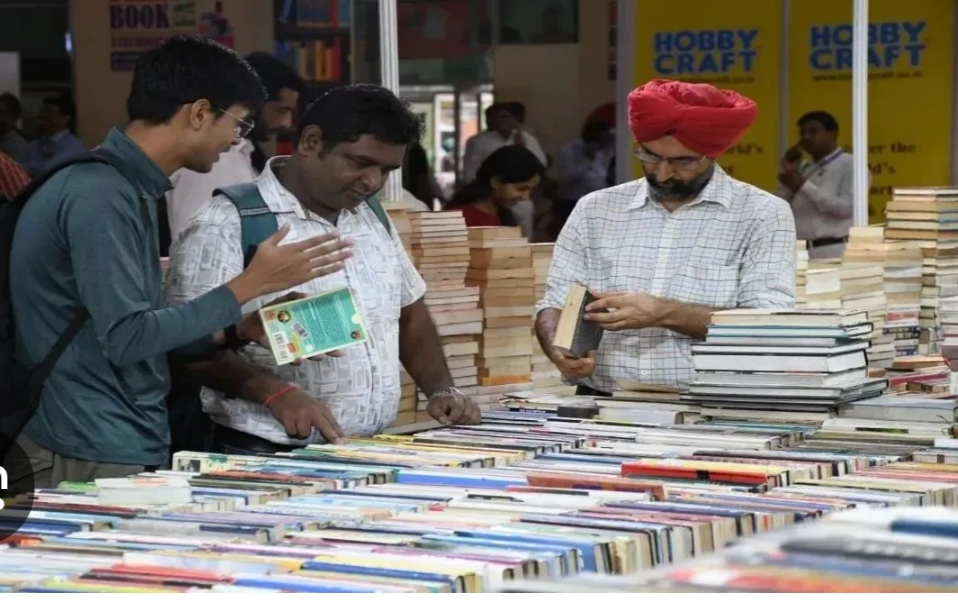
When Police Comes Visiting Bookshops!

How saffron forces weaponise ignorance and stigmatise intellectauls

Silence gives consent

[Qui tacet consentire videturIn Latin]

“Intellectual terrorists” are “more dangerous than cross-border terrorists”

These were the pearls of wisdom of the then Human Resource Development minister, who was addressing a conference of the Bharatiya Janata Yuva Morcha (December 19, 2001).  Murli Manohar Joshi had even asked the ‘nationalist youths’ to counter ‘both types of terrorism effectively.’

…It would be 25 years soon since these objectionable remarks were targeted at India’s topmost historians, scholars, public intellectuals, even provoking followers to deal with them effectively’ like the way they deal with ‘cross border terrorists.’

Later commenting on these controversial remarks, the legendary historian Romila Thapar had famously said: ‘And then the government fell. But the books continued!”

Time for Thought Police?

As everybody can see, there is a sea change in the situation since the past more than a decade in this part of South Asia…

…..The target of attacks has now become broader, more expansive and more unpredictable. It is no longer restricted to ‘leftist’ ‘progressive’ writers, historians.

The recent move to ban 25 books on Kashmir history at a single go ‘for propagating false narrative and secessionism‘ — written by a spectrum of national and international scholars — which even do not share a similar world view, books which had been in circulation for years, even decades together is a case in point.

This list of authors includes, A G Noorani, Arundhati Roy, Anuradha Bhasin, Sumanta Bose, Victoria Schofield and several others… [Read the full article here : https://www.newsclick.in/when-police-comes-visiting-bookshops]

A Strategy for India’s Tryst with Its Destiny : Arun Maira

Democracy Dialogues Lecture 41

Organised by New Socialist Initiative

Title: A Strategy for India’s Tryst with Its Destiny

Speaker: Arun Maira, Author, Thinker, Former Member of the Planning Commission of India

Date and Time: August 31, 2025, 6 PM IST 

The lectures are also live streamed at facebook.com/newsocialistinitiative.nsi

Abstract:

I will share what I have learned about the process of transforming complex systems, the changes necessary in ideologies, and in the way in which public policies are being made, for India to progress towards its vision of poorna swaraj. The following points indicate an outline of the argument I plan to make in the talk:

• Global governance has broken down. The world is in disorder.

• India is strategically vulnerable. It is a long way off from its ‘tryst with destiny’ of poorna swaraj.

• India must become much more self-reliant, and less dependent on the US and China to protect its strategic autonomy. It must find its own democratic path to strengthen its society and economy. The US (and the West) cannot provide a blueprint. 

• Development and progress are processes of learning.

• Nations are complex ‘self-adaptive’ systems.

• Power and wealth in a system accumulate by a process of cumulative causation.

• The process of change must be democratic for new ideas to emerge.

I have explained such ideas in my book, Reimagining India’s Economy: The Road to a More Equitable Society, published this year, and in some previous books.

About the Speaker:

Arun Maira is an eminent author, a strategic thinker and a former member of the Planning Commission of India. He had joined the Commission at the invitation of then Prime Minister Dr Manmohan Singh himself. Mr. Maira has had a distinguished career as an enlightened business leader and management consultant. He worked as Executive Director on the Board of Tata Motors and later as the Chairman of Boston Consulting Group. He has authored many books including Transforming Systems: Why the World Needs an Ethical ToolkitTransforming Capitalism: Improving the World for EveryoneRedesigning the Aeroplane While Flying: Reforming InstitutionsShaping the Future: A Guide for Systems leaders; and most recently, Reimagining India’s Economy: The Road to a More Equitable Society, published in June 2025.

Citizens as Infants? – Judiciary ‘Schools’ People in Patriotism

Could it be argued that Bombay HC’s highly debatable decision on a peaceful rally against Gaza genocide is an attempt not to inconvenience the ruling dispensation?

It was the year 1763, when Genevaís ecclesiastical assembly ordered one Robert Covelle to genuflect and listen to a reprimand for having fathered an illegitimate child. Covelle refused to kneel and turned to Voltaire for help.

Voltaire, a leading light of enlightenment, outraged at the very idea that religious authorities daring to make a citizen kneel, wrote a pamphlet against genuflection comparing the act with a tyrant punishing slaves or pedant correcting children. The rest of the philosophes rallied behind Voltaire and after six years of agitation, the Genevaís ecclesiastical assembly was forced to abolish genuflection from its code 

Meera Nanda, writer and historian of science discusses, this episode in one of her monographs

Rereading this episode and seeing if around two-and-half centuries ago, the Church could be compelled to see incongruence, injustice and unreason in its own ruling, can a a similar thing be possible vis-à-vis the judiciary in the 21st century in the ‘biggest democracy in the world’?

This poser is related to a recent debatable decision of the Bombay High Court, which has rightly received enough opprobrium.

( Read the complete article here : https://www.newsclick.in/citizens-infants-judiciary-schools-people-patriotism_

Why No ‘Gita’ Recitation in Schools ?

Is a resistance of some kind slowly emerging from the teaching community to save the secular character of education and foil Supremacist designs?

Representational Image. Image Courtesy: Pexels

“To learn to read is to light a fire.

Every syllable that is spelled out is a spark.” –

 – Victor Hugo

 Victor Hugo, (1802- 1885), the great French poet, novelist, and dramatist, once considered a national hero and a living symbol of republicanism in France, would not have imagined in his wildest dreams that a day would arrive where one of his famous quotes ‘“There is in every village a torch – the teacher; and an extinguisher – the priest”, would suddenly start reverberating across a section of learned people engaged in educating future generations in far away India, rather discreetly.

Close on the heels of an intervention by concerned citizens/activists on education in Uttar Pradesh, to stop Ramayana and Vedic workshops in Schools, as it violates Article 28 of the Constitution that specifically enjoins the State not to use public funds for religious instruction, one has come across two important and bold interventions from honourable members of the teaching community themselves, especially in the Hindi belt.

FIR For Asking ‘Light the Lamp of Knowledge’?

The police case against a school teacher from Bareilly for a Kanwad song is a case in point. The ‘offence’ of the teacher, Rajneesh Gangwar, is that he was singing a song in front of students asking them “not to bring kanwars“, instead “go light the lamp of knowledge’. A purported video of the incident, has gone viral. [ Read the complete article here : https://www.newsclick.in/why-no-gita-recitation-schools]

South Asian Futures in a Tri-Polar World : Professor Pervez Hoodbhoy

Democracy Dialogues Series – Lecture 40
Organised by New Socialist Initiative

Theme :
South Asian Futures in a Tri-Polar World

Speaker :
Professor Pervez Hoodbhoy
Eminent Physicist, author, public intellectual

Time and Date :
6 PM (IST)
Sunday , 27 th July 2025

The lecture is also live streamed at facebook.com/newsocialistinitiative.nsi

Abstract:

The Cold War and the collapse of the Soviet Union are long behind us, and we’re now hurtling toward a tri-polar world dominated by America, Russia, and China. These three powers vy to shape global influence, often competing but sometimes colluding. As the saying goes, “When elephants fight, the grass gets trampled.” So, the central question for this lecture is: What path are the nations of South Asia—including Afghanistan and Iran—likely to take? What alternatives and tools do they possess to navigate this landscape? Most importantly, what vision of society and power should guide them toward a viable future?

Speaker :

Professor Pervez Hoodbhoy is a nuclear physicist, author, and a prominent activist who is particularly concerned with promotion of freedom of speech, secularism, scientific temper and education. He is the founder-director of The Black Hole in Islamabad and as the head of Mashal Books in Lahore, he leads a major translation effort to produce books in Urdu that promote modern thought, human rights, and emancipation of women.

Prof Hoodbhoy received his undergraduate and doctoral degrees from MIT and has taught  physics and mathematics at Forman Christian College-University in Lahore, at the Quaid-e-Azam University (QAU) in Islamabad and later at Lahore University of Management Sciences (LUMS).

He is a recipient of the Baker Award for Electronics and the Abdus Salam Prize for Mathematics. He was visiting professor at MIT, Carnegie Mellon University, and the University of Maryland. In 2003 he was awarded UNESCO’s Kalinga Prize for the popularization of science.

Here is a list of a few of his publications :

– Pakistan: Origins, Identity and Future, published by Routledge (London, New York), 2023.
– Confronting the Bomb – Pakistani and Indian Scientists Speak Out, (edited) Oxford University Press, 2013.
– Education and the State – Fifty Years of Pakistan, (edited) Oxford University Press, 1998.
– Islam & Science: Religious Orthodoxy and the Battle for Rationality, published by ZED Books, London, in 1991 with translations in Turkish, Malaysian, Indonesian, Arabic, Spanish, Sindhi, and Urdu.
– Proceedings of School on Fundamental Physics and Cosmology, co-edited with A. Ali, World Scientific, Singapore, 1991.