
Guest post by VIVEK KUMAR
(Translated by Nivedita Menon from a widely circulating post earlier attributed to Saroj Mishra, on social media, originally in Hindi.
UPDATE: We have since heard from the author himself. This post was written in 2010 by VIVEK KUMAR (Vivek Asri) and so we have made the necessary changes. Here is the link to VIVEK KUMAR’s original post.
Update 2 : The Hindi original can also be read here on Kafila.)
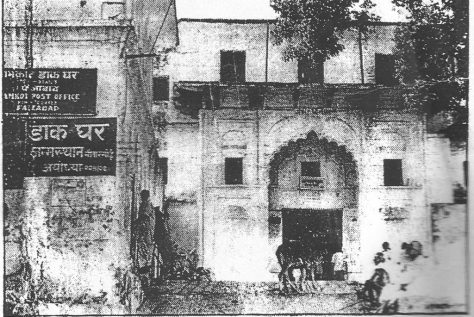
This 300 year old Janmasthan temple in Ayodhya, built on land donated by a Muslim zamindar, was demolished in August 2020 to accommodate an expanded vision of the new Ram Mandir. Image courtesy The Wire
They say Ram was born in Ayodhya; in Ayodhya he played and roamed around as a youth, grew into adulthood, was sent from there into exile in the forest, and then returned to rule there. There are temples in Ayodhya to commemorate every moment of his life. Where he played, there is Gulela Mandir. Where he studied there is Vashishta Mandir. Where he sat and ruled, there is a mandir. Where he ate his meals, there is Sita Rasoi. Where Bharat stayed, there is a mandir. There’s Hanuman Mandir, Kop Bhavan. There’s Sumitra Mandir, Dashrath Bhavan. There are many many such temples and all of them are about 400 to 500 years old. That is to say, these temples were built when Hindustan was ruled by the Mughals, by Muslims.
How strange! How did Muslims permit these temples to be built? They are remembered after all, for destroying temples. Under their very noses an entire town was gradually transformed by temples and they did nothing! What sort of usurpers were these who kept giving land for temples? They must be liars who say that the land where Gulela Mandir stands was given by the Muslim rulers. And certainly the documents in Digambar Akhara must be fake, in which it is written that the Muslim rulers donated 500 bighas of land for the specific purpose of building temples. And it cannot be true that Nawab Siraj ud-Dowlah provided the land on which Nirmohi Akhara stands. No, the only truth is Babur and his Babri Masjid!
Now it seems Tulsi too was wrong, who was alive around 1528, as he was born in 1511 by the Gregorian calendar. People say it was in 1528 that Babur destroyed a Ram Mandir at the spot where Ram was born, and built Babri Masjid. Surely Tulsi would have known about this in his time. Even as Babur was demolishing the birth place of Ram, Tulsi was writing “maang ke khaibo, masit mein soibo” – I eat by begging for alms, I sleep inside the masjid. And then he wrote Ramcharitmanas. How could Tulsi feel no sadness at all for the destruction of the Ram Mandir and the building of Babri Masjid upon its ruins? Surely he must have written about it somewhere?
Truth and falsehood have lost all meaning in Ayodhya.
For five generations Muslims have grown flowers there. These flowers have all been consecrated at the temples, on the deities, on Ram.
Muslims have made wooden sandals there since who knows when. Sanyasis, sages, devotees of Ram, have all worn these khadaus made by Muslims.
Sundar Bhavan Mandir was entirely run by one Muslim for four decades. In 1949, it was taken over by Munnu Mian who remained its manager till December 23, 1992. When sometimes, as it happened, devotees were fewer, and Munnu Mian himself clapped the kartal rhythmically during prayers, did he wonder, perhaps, what was the truth and what the lie of Ayodhya?
On every brick of a temple built by Agarwals, is inscribed the figure, 786. All the bricks for buiding this temple were given by Raja Hussain Ali Khan. What is the truth here? Were the Agarwals who built the temple out of their minds? Was Hussain Ali Khan insane, that he was donating bricks to build a temple? The hands raised in prayer here cannot be identified as Hindu or Muslim, they all come here to worship. The one figure 786 made this temple belong to all. Is December 6, 1992 the only truth?
After December 6, 1992, the government took over most of the temples of Ayodhya. They were all locked down. Aarti ended. People stopped going to them. Did the deities seated behind closed doors curse those who clambered up on a dome with the ambition of laying their hands on Ram?
From the ancient temples of Ayodhya is there an exhalation of the stink of blood, the blood that was shed in the name of Ram in Ayodhya and in Bharat ?
Ayodhya is the story of the transformation of a town into an “issue.”
Ayodhya is the story of the death of a civilisation.


Thanks Nivedita for translating and circulating this eye opening article. Solidarity and best wishes Pritam Oxford
LikeLiked by 1 person
Thanks, Nivedita for the translation. I have a question: if we want to carry this article’s Gujarati translation on another website is there a permission process?
LikeLike
You just have to state that the Gujarati is translated from the English translation of Vivek Kumar’s original piece in Hindi and that both these are available on Kafila. And give the link.
Thanks
LikeLike
Of course you can translate directly from the Hindi original too, and just give the link to that.
LikeLike
Thank you very much. I hope can”forward” it to others !
LikeLike
Yes of course. You can share the link.
LikeLike
Bless you.
Your name itself makes you stand out.
The way Ram’s name is being used to divide
shows the smallness of the people involved.
Ram ji shows us to include, not exclude.
With best wishes.
LikeLike
Ultimately, better sense and truth must necessarily prevail.
LikeLiked by 1 person
Yes, that was a good sentiment, expressed in 2010! It is now 2024 and the erroneous sentiment’s omnipresence will ensure that Ram’s Greatest Disciple continues to rule from Ayodhya! Seems ‘ultimately’ is not yet!
LikeLike
Dear Nivedita Menon,
I recently had the privilege of reading your insightful translation of the article in hindi by Saroj Mishra on the intricate history of Ayodhya, a piece that masterfully unravels the complexities surrounding the town’s transformation and the subsequent impact on a civilization. The article serve as a powerful reminder of the rich cultural tapestry that defines our nation.
I express my deepest appreciation for the article’s meticulous exploration of Ayodhya’s past, challenging prevailing narratives, and offering a nuanced perspective that goes beyond religious divides. The article narrative skillfully weaves together the coexistence of temples and mosques, highlighting the contributions of various communities to the sacred land.
As a reader, your reflections on the nostalgia for a time when diversity was celebrated resonate deeply with my own experiences. Your article has rekindled my hope for a return to an India where unity and tolerance prevail over fear and animosity. I remember Rabindranath Tagore’s poem, which serves as a personal reminder of the values that once defined our nation ” IN that heaven of freedom, let my country awake.”.
Thank you.
Ali Rizvi, Boston, MA
LikeLike
What is one to believe unless it is authenticated by established historians and archeologists. Or should one appreciate ex Ambassador Pawan k. Verma’s opinion that both the British as well as the Mughal’s did not diminish but instead enriched our civilization.
But then Shashi Tharoor recounts how the former bankrupted our country.
LikeLike
A lovely essay gracefully translated. It almost states what requires saying but was not said at the right time. It is assumed that Babri Masjid was built as an act of spite, and that the damage to Hindu self-respect required it to be demolished. To me, with my odd placement as someone from a Muslim family who is the disciple of a Hindu mahatma, that was obviously false. Babri masjid was built deliberately in a sacred spot, a place for Muslim Ram bhakts to say their namaz. I asked the lawyer arguing for the Muslim side to raise the point, but he insisted on my providing him with representative Muslim Ram bhakts at a moment’s notice, which I could not do.
The general point that is now almost incomprehensible is that it is not only possible to be Muslim and Hindu at the same time. It is actually a fact, in spades. I have it on high authority. My guru, Swami Pranavananda Saraswati had been meditating for some months in preparation for a special ceremony. He pointed out a crystal yantra he had been using, gifted to him by his elder guru bhai, Swami Prakashananda Saraswati. Whenever anyone of the Saraswati order (to which all the Shankaracharyas belong) wants a crystal yantra, he told me, there is only one source they trust as authoritative. It is a family of brahmins in Banaras who have been Muslims for the past seven hundred years. So there you have it. Perhaps the highest Vedic functionaries in the land are Muslims.
LikeLike
Great Contribution
At times when one liner facts are being fed to the masses and their vision is becoming narrower everyday, such articles need to be read and shared to make us understand the actual heritage that we had and save our consciousness from the distorted narratives.
Thanks
LikeLiked by 1 person
Hi, I am Sabita Lahkar from Assam. So thankful to you that you have wrote, I mean translated this wonderful and eye-opening piece. I would like to translate the article into Assamese. Should I do that giving all credit to you and the original writer? Please let me know. Btw, I’m a journalist by profession for last 25 years. Thank you.
LikeLike
We tried to identify Saroj Mishra to whom this piece is attributed to take their permission to translate and post. But after a point we stopped trying because we respect their decision to remain unidentified. However, the piece is circulating widely on different media so we decided to go ahead. The original Hindi is also now posted on Kafila. Please feel free to translate from either language. You need to give credit only to the original writer and link to Kafila.
LikeLike
Readers of this post may also want to read this beautiful translation by Banojyotsna Lahiri of a poem written by Rabindranath Tagore about 120 years ago – “There is no god in that temple.”
LikeLike
Beautifully composed, educative and intellectually explained… I hope it reaches the masses and makes a difference.
LikeLike
Here is the original article for your reference:
https://www.dw.com/hi/%E0%A4%A4%E0%A4%B9%E0%A4%9C%E0%A5%80%E0%A4%AC-%E0%A4%AE%E0%A4%B0-%E0%A4%9C%E0%A4%BE%E0%A4%A8%E0%A5%87-%E0%A4%95%E0%A5%80-%E0%A4%95%E0%A4%B9%E0%A4%BE%E0%A4%A8%E0%A5%80-%E0%A4%B9%E0%A5%88-%E0%A4%85%E0%A4%AF%E0%A5%8B%E0%A4%A7%E0%A5%8D%E0%A4%AF%E0%A4%BE/a-6039621?fbclid=IwAR1xIdc0_daX9gAa32s7tKh_22EfaVBQ93ucbfk92ZqOtL5pYp2DInhg_9A
LikeLiked by 1 person
Thank you Vivekji. We have made the necessary changes. Thank you for writing this moving and heartfelt requiem to Ayodhya that voices the pain in so many hearts, and has touched so many thousands of us.
LikeLike
Brilliant article,thanks for translating.
What wilful destruction of our country’s beautiful syncretic civilisation
LikeLike
Nivi
I have translated Prof Vivek Kumar’s text into Tamil and circulated it.
இராமனின் அயோத்தி
பேராசிரியர் விவேக் குமார்.
இந்தி மொழியாக்கம் – நிவேதிதா மேனன்.
ஆங்கிலம் வழித் தமிழில் – வ. கீதா
_____________________
இராமன் அயோத்தியில் பிறந்ததாக சொல்லகிறார்கள். அயோத்தியில் அவர் விளையாடினார், இளைஞராக இருந்த போது சுற்றித் திரிந்தார், இங்கிருந்து தான் வனவாசம் சென்றார், பிறகு திரும்ப வந்து நாட்டை ஆண்டார்… அவரின் வாழ்வின் ஒவ்வொரு தருணத்தையும் நினைவுபடுத்தும் வகையில் அயோத்தியில் பல கோயில்கள் உள்ளன. அவர் விளையாடிய இடத்தில் குலேலா மந்திர். அவர் படித்த இடத்தில் வசிட்ட மந்திர். அவர் ஆட்சிப் புரிந்ததாக சொல்லப்படும் இடத்திலும் ஒரு கோயில் உள்ளது. அவர் உணவு உட்கொண்ட இடம் சீதையின் சமையலறை என்று அழைக்கப்படுகிறது. பரதன் தங்கிய இடத்தில் ஒரு கோயில். அனுமனுக்கு கோயில்…சுமித்திரைக்கு, தசரதனுக்கு… இப்படி 400, 500 ஆண்டு கால கோயில்கள் நகரெங்கும். இந்த கோயில்கள் அனைத்தும் முஸ்லிம்களால், முகலாயர்களால் இந்துஸ்தானம் ஆளப்பட்டக் காலக்கட்டத்தில் அமைக்கப்பட்டவை.
என்ன விநோதம் இது? முஸ்லிம்கள் எப்படி கோயில்களை கட்ட அனுமதித்தனர்? அவர்கள் கோயில்களை அழித்ததாக அல்ல சொல்கிறார்கள்! அவர்களின் கண்களுக்கு முன் இத்தனை கோயில்கள் கட்டப்பட்ட போது அவர்கள் சும்மா இருந்தார்களா? ஏதும் செய்யவில்லையா? என்னமாதிரியான ஆட்சியாளர்கள் அவர்கள் – கோயில்கள் கட்ட இடம் கொடுத்துக் கொண்டே இருந்தார்களே… அது பொய்யான செய்தியாகதான் இருக்க வேண்டும். குலேலா மந்திர் முஸ்லிம் மன்னன் கொடுத்த இடத்தில் உள்ளது என்பது பொய்யாகத்தான் இருக்க வேண்டும். திகம்பர அக்காடாவில் உள்ள ஏடுகள் அவர்கள் 500 பீகா அளவிலான நிலத்தை வழங்கினார்கள் என்று குறிப்பிடுகின்றன. அதுவும் பொய்யோ என்னவோ? நிம்ரோ அக்காடா உள்ள இடம் அந்த அமைப்பைச் சேர்ந்தவர்களுக்கு நவாப் சிராஜ் உத் தவுலாவால் வழங்கப்பட்டது என்ற செய்தி எப்படி உண்மையாக இருக்க முடியும்? பாபர், அவர் கட்டியதாக சொல்லப்படும் மசூதி – இவை மட்டுமே உண்மை.
அப்படி என்றால் இராமாயணம் பாடிய துளசிதாசரும் உண்மையை சொல்லவில்லையோ என்று தோன்றுகிறது. பாபர், கோயிலை இடித்து மசூதி கட்டிய ஆண்டு 1528இல்தான் என்பார்கள். அந்த ஆண்டு துளசி உயிருடன் இருந்தார். அவர் பிறந்தது 1511இல். இப்படி ஒரு சம்பவம் நடந்திருந்தால் அவர் அதைப் பற்றி குறிப்பிட்டிருப்பார் தானே. பாபர் இராமன் பிறந்த இடத்தை அழித்ததாக சொல்லப்படும் காலக்கட்டத்தில்தான், “நான் யாசித்து உண்ணுகிறேன், மசூதியில் படுத்து உறங்குகிறேன்” என்று துளசி பாடினார். இதற்கு பிறகே இராமசரித்திரமனஸ் காவியத்தை எழுதினார். இராமருக்கான கோயில் இடிக்கப்பட்டு, அதன் சிதிலங்களின் மீது மசூதி எழுப்பப்பட்ட நிகழ்வு அவருக்கு ஏன் வருத்தம் அளிக்கவில்லை? அவர் இது குறித்து எங்காவது எழுதியிருக்க வேண்டுமே? ஏன் செய்யவில்லை?
அயோத்தியில் உண்மை, பொய் ஆகிய சொற்களுக்கு பொருள் இல்லாமல் போய்விட்டது.
5 தலைமுறைகளாக முஸ்லிம்கள் இங்கு பூந்தோட்டங்களை வளர்த்துள்ளனர். இந்த பூக்கள் கோயில்களில் – கடவுளருக்குகாக, இராமனுக்காக… யாருக்குத் தெரியும், எப்போதிலிருந்து என்று, ஆனால் காலங்காலமாக முஸ்லிம்கள் சன்னியாசிகளுக்கு, அடியார்களுக்கு, இராமனின் பக்தர்களுக்கு செருப்புகளை தைத்துக் கொடுத்துள்ளனர்.
சுந்தர பவனம் கோயிலை 40 ஆண்டுகளாக முஸ்லிம்கள்தான் பராமரித்து வந்தனர். 1949ஆம் ஆண்டு முன்னு மியான் இந்த பொறுப்பை ஏற்றார். டிசம்பர் 23, 1992 வரையில் தனது கடமையை நிறைவேற்றினார். கோயிலுக்கு போதுமான பக்தர்கள் வராத சமயங்களில், வழிபாட்டு பாடல்கள் பாடப்பட்ட போது அங்குள்ள தாள வாத்தியங்களை இசைக்கத் தயங்காத அவர், அயோத்தியில் எது பொய், எது உண்மை என்பது குறித்து யோசித்திருப்பாரோ?
அயோத்தியில் அகர்வால் சமுதாயத்தினர் கோயில் கட்ட முற்பட்ட போது அவர்கள் கொணர்ந்த செங்கற்கள் ஒவ்வொன்றிலும் 786 எண் பொறிக்கப்பட்டிருந்தது. அவற்றை வழங்கியவர் ராஜா ஹூசைன் அலி கான். இந்த உண்மையை என்னவென்று சொல்வது? அகர்வால் மக்களுக்கு என்ன பித்து பிடித்திருந்ததா? அல்லது ஹூசைன் அலி கான்தான் சித்தம் தப்பியிருந்தாரா? ஒரு கோயில் கட்ட அவர் ஏன் செங்கற்களை இலவசமாக வழங்கினார்?
வழிபாட்டில் இணைந்த கரங்களை இந்து, முஸ்லிம் என்று பிரிக்க இயலாது, அவர்கள் அனைவருமே கடவுளை வழிட வந்தவர்கள். 786 என்ற அந்த எண் இந்த கோயிலை அனைவருக்குமானதாக ஆக்கியது.
டிசம்பர் 6, 1992 மட்டும்தான் உண்மையா?
டிசம்பர் 6, 1992க்குப் பிறகு அயாத்தியின் கோயில்கள் அனைத்தும் அரசின் கட்டுபாட்டுக்குள் வந்தன. அனைத்தும் இழுத்து மூடப்பட்டன. கோயில்களில் தீபாராதனை செய்யஇயலாமல் போனது. மக்கள் கோயில்களுக்கு செல்வதை நிறுத்திக் கொண்டனர்.
பாபர் மசூதியின் மீது ஏறி இராமனை தமது கைப்பிடிக்குள் கொண்டுவர விரும்பியர்களின் ஆணவத்தை பார்த்து மூடிய கதவுகளுக்கு பின்னால் இருந்த கடவுளர்கள் அவர்களை சபித்தார்களா?
அயோத்தியின் பழைய கோயில்களில் இரத்தவாடை அடிக்கிறதோ? இராமனின் பெயரில், பாரதத்தின் பெயரில் சிந்தப்பட்ட இரத்த வாடை அடிக்கிறதோ?
ஒரு நகரம் ஒரு பிரச்சனையாக உருமாற்றப்பட்ட கதைதான் அயோத்தி,
ஒரு நாகரிகத்தின் மரணம் பற்றிய கதைதான் அயோத்தி.
.
LikeLike
Thank you, Geetha. Solidarity!
LikeLike