No To Ambedkar-Periyar in ‘Modern Day Agraharam’?

Whether discussing issues of contemporary concern among students, raising debates around them on the campus – taking inspiration from the ideas of leading social revolutionaries of 20th century – should be construed as an act of creating ‘social disharmony’ or ‘spreading hatred’ ?

Any sane person would rather reject this weird proposal but it appears that the bureaucrats in the Ministry of Human Resources Development (MHRD) think otherwise. It was evident in the way they acted on an anonymous complaint regarding the activities of a group of students in IIT Madras which calls itself ‘Ambedkar-Periyar Study Circle’ (APSC) – which comprises mainly of dalit, bahujan and adivasi students. Perhaps they were worried that the particular students group, has been critical about PM Modi’s policies and has been raising issues of caste, communalism as well as corporate loot of resources and challenging the ‘development’ narrative which is popular these days among a section of people. The impetuosity with which they acted when they wrote to the management of the Institute can also be gauged from the fact that in this process they violated the recommendations of the CVC (Central Vigilance Commission) itself which has ‘barred’ organisations from taking action on such (anonymous) complaints.

As of now the issue of ‘derecognition’ of APSC by the IITM management, has snowballed into a major controversy, with issues of curtailment of freedom of expression, infringement of autonomy of educational institutions and dominance of caste in higher education all coming to the fore. Continue reading No To Ambedkar-Periyar in ‘Modern Day Agraharam’?

अटाली और हम

(यह ब्योरा पिछले शनिवार को दिल्ली के हरियाणा भवन के सामने अटाली की मुस्लिम विरोधी हिंसा पर रोष जाहिर करने को किए गए प्रदर्शन के बाद लिखा गया था.तब से अब तक स्थिति में काफी बदलाव आया है.कल ही खबर आ गई थी कि मुसलमान गाँव लौट गए हैं.शर्तें अभी बहुत साफ़ नहीं हैं.कहा जा रहा है कि हमलावरों पर कार्रवाई भी होगी और मस्जिद भी बनेगी. एक खबर यह है कि मुसलमानों को आश्वस्त किया गया है कि मस्जिद की चहारदीवारी प्रशासन बनवाएगा.यह भी कि हालात बेहतर होने पर दोषियों को पकड़ा जाएगा.गाँव में हिंदुओं का एक तबका है जो इस हिंसा से दुखी और शर्मिंदा है.लेकिन नौजवानों को लेकर आशंका है.फिर भी यह मुज़फ्फरनगर से ‘बेहतर’ तो है ही.

सवाल कुछ हैं:

  • क्या जांच की जाएगी कि यह हिंसा कैसे हुई?क्या यह स्वतःस्फूर्त थी या इसके पीछे एक तैयारी थी?
  • क्या हरियाणा में,और जगहों की तरह ही, मुसलमानों के अत्यंत अल्पमत में होने के बावजूद मुस्लिम-विरोधी वातावरण का निर्माण किया जा रहा है?
  • अटाली में जो मुसलमान लौटे हैं, उनके नुकसान की भरपाई का पैमाना क्या होगा?
  • हमलावरों पर कार्रवाई होगी या लौटने दिए जाने और फिर गाँव में शांति से रहने के एवज़ में मुसलमानों को शिकायतें वापस लेनी होंगी या कमजोर करनी होंगी?
  • क्या आस-पास के विश्वविद्यालय, राजनीतिक और सामाजिक संगठन मुसलमानों के लौटने की इस प्रक्रिया के बाद समाज में  इस विषय पर विवेकपूर्ण संवाद की कोई पहल करेंगे?)

हम हरियाणा भवन के सामने हैं. एक ‘वाटर कैनन’ सामने खड़ी है.दिल्ली पुलिस के जवान लाठियों के साथ तैनात.महिला-पुलिस भी.मई की बेरहम धूप है जो जलती चादर की तरह हमें लपेटे हुए है.सामने किसी पुराने कार्यक्रम के फ्लेक्स-बैनर की दरी बना दी गई है.उस पर पचीस-तीस औरतें-मर्द सिकुड़कर एक दूसरे से सटे हुए बैठे हैं.एक छोटा बच्चा गोद में.ऐसे मौकों पर दीखनेवाले दिल्ली के पुराने पहचाने चेहरे.शबनम हाशमी देख रही हैं कि पानी का इंतजाम ठीक है कि नहीं.नासिरुद्दीन पीछे बैनर सीधा करवा रहे हैं.प्रेस-फोटोग्राफर जमा हो रहे हैं.दरी पर इकठ्ठा लोग धूप से बचने को चेहरा लपेट रहे हैं. एक ने कहा, “शुक्र है, नीम की छाँव है.” फिर सर उठाया, वृक्ष जैसे उसकी नाजानकारी पर सर हिला रहा था. “नहीं, नहीं, नीम नहीं है. कौन-सा पेड़ है?” कोई दिल्लीवाला बता नहीं पाता.सालों-साल छाया देने के बाद भी उसे न पहचानने पर पेड़ छाया समेट नहीं लेता. उदासीन इंसानों की इस जमात पर रहम का साया बनाए रखता है. फिर पेड़ से मुँह मोड़ हम घड़ी देखने लगते हैं. वृक्ष से अपरिचय से मनुष्यता की योग्यता में कमी तो नहीं आती, इसका आश्वासन हमें है. Continue reading अटाली और हम

Saffron Emergency on Campuses! Ban for those who critique and impunity for those who silence dissenting voices: Sucheta De

This is a guest post by Sucheta De

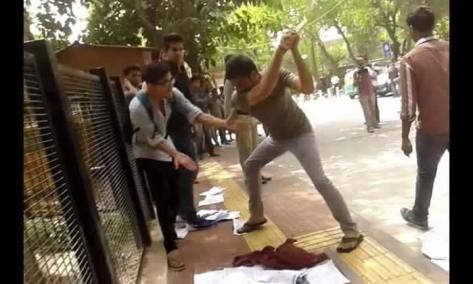
ABVP Beating up AISA activists at Delhi University May 2015

The task of higher education in any era besides imparting professional skills should also be to encourage critical consciousness among youth whereby they can critically perceive the surrounding situations and critically reflect on their actions and thoughts and thus contribute to the betterment of the society. Unfortunately, the onslaughts on affordable quality higher education that could inculcate such a consciousness just seem to increase with every passing day under the saffron regime. Today what we face in campuses across the country is a saffron emergency that is being ably executed through two key instruments- On one hand we have the obedient Vice Chancellors and Directors inside University offices who mutely nod their heads to each and every diktat of the MHRD and on the other hand there are the rod-wielding saffron activists on campus streets, ready to violently shut down any sound of protest. In the week that just got over, these twin instruments able demonstrated their functioning!!

Continue reading Saffron Emergency on Campuses! Ban for those who critique and impunity for those who silence dissenting voices: Sucheta De

The Modi Government’s First Year has been disappointing for Persons with Disabilities: Avinash Shahi

Guest Post by AVINASH SHAHI 

Arguably, the Narendra Modi-led NDA II government in the country seems least interested in addressing the woes of disabled people. Such indifference is not surprising. When the campaigning for the 16th Lok Sabha elections was at its peak, Mr Modi thundered from the podium that the “country does not want a deaf and dumb handicapped government”. His irresponsible reference to disability could have potentially accentuateed negative attitudes against the disabled. Fearing such a possibility and upholding their right to dignity as disabled persons, this group strongly condemned his statement. Continue reading The Modi Government’s First Year has been disappointing for Persons with Disabilities: Avinash Shahi

Imperial Ejaculations – Reflections on “Ten Books that Shaped Empire”: Dilip Menon

Guest Post by Dilip M. Menon

Unlike Salman Rushdie, I did not grow up kissing books, I merely collected them. From provision stores, sidewalks, and from booksellers who were eccentric enough to try and survive by selling second hand books, in the small towns and yet-to-become cities of post independent India. The books came with a fine patina of dust that no amount of smacking against one’s thigh or the flat of one’s palm could get rid of. Kissing them was out of the question. In what was called the mofussil, or the provinces, the detritus of empire and the war that ended it gathered, as the collections of effects of the British who departed, as much as those who stayed on and died, gathered in the auction houses and bookstores.

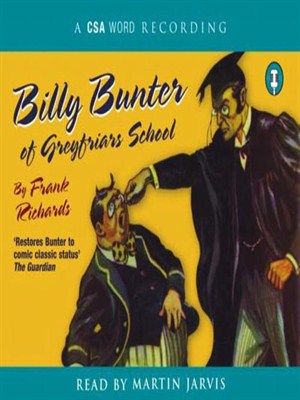
It was on a summer afternoon in 1973 that I cycled down to the local provision store in Pune and saw beside the sacks of rice, wheat and spices, a pile of books, periodicals and rather lurid posters of European women with very long legs and few clothes on. I had always imagined Europe to be a cold place. In the pile were old Penguins; books by Enid Blyton, Anthony Buckeridge, Capt. WE Johns, Rider Haggard; periodicals like Boys Own Weekly, Gem, and Magnet; and of course the war comics (the staple reading of Allied troops posted in India and South East Asia), from which I learnt my German. At school, during the break, we were always running through the corridors shouting Schnell, Schnell and calling our Kamerads Schweinhunds. But on that summer day, I found two authors that I had not heard of: George Orwell and Frank Richards. The former had written a book about some fat pigs and the latter, one about a fat boy, and being rather plump myself, I was favourably disposed.

{AC8E3D54-0D18-423F-A888-DAE1A6C73C6C}Img400 Continue reading Imperial Ejaculations – Reflections on “Ten Books that Shaped Empire”: Dilip Menon

Bread and Circuses? No sir, circuses alone will do.

Edited and updated version of the post.

I had the great fortune to be invited as an audience member to a live interaction with Union HRD Minister Smriti Irani last evening, televised live on Aaj Tak. I say “great fortune” because despite the fact that I walked out of this “interaction” in speechless disgust around an hour into the programme, I probably learned more about the state of politics and media in this country in one evening than I could have from years of academic study. And the irrelevance of academics was exactly what was on display last evening, never mind that the topic of the interaction was the state of higher education in the country.

I reached the venue – the auditorium of Khalsa College, Delhi University – at about 5.15 pm for a 5.30 pm programme. The mood was surprisingly charged, even electric for what I imagined would be a sober discussion on somewhat boring topics like syllabus formation, university infrastructure, promotions and pensions, the points system, and most importantly, the changes proposed under the Choice Based Credit System (CBCS). The auditorium was already packed – not so much with teachers and students – but with a large number of ABVP activists, BJP volunteers, and committed party supporters from within and outside the University. Nothing wrong with having a politically committed section dominating the audience of course. But if the resultant mix is innocently termed “the public” – the term the anchor used was “janta” – then that constitutes the first point of deception. I took a seat in the second row as instructed, surrounded by triumphant, pumped-up BJP supporters shaking hands with each other, suddenly feeling small and irrelevant, having come prepared with questions on Delhi University. At one point, turning to speak to the person next to me, I encountered a gentleman who introduced himself only as a “social worker” and asked me to elaborate on the problems with the university. As I began to list them however, he cut me short with a wave of a hand to say the government will prevail over all of them, and turned back to gaze admiringly at the life-sized posters of Modi all around us. I realised the person knew absolutely nothing about the University or teaching as a profession, and couldn’t care less.

Two anchors from Aaj Tak – Anjana Om Kashyap and Ashok Singhal – were on stage, interacting intermittently with the audience. At one point, Kashyap turned to the audience and said she was aware that there were many eminent professors in the first two rows who had been invited by Aaj Tak, but that she would begin the interaction with the Minister first with general questions on politics, and then move on to the topic of the evening – higher education. Nobody seemed happy with this, but having little choice, we vaguely nodded our assent. In walked Irani, striding up confidently on to the stage. Without so much as acknowledging the audience or making eye contact, she began to banter with the anchors, saying she only had half an hour and had not agreed to two hours, etc. While this time bargaining was going on, the crowd began to settle down somewhat, and the cameras began to roll. As planned and announced, Kashyap began with politics, asking Irani about her Twitter war with Rahul Gandhi and with her frequent visits to Amethi. As far as I or anybody who cares deeply about what is happening to Delhi University and other universities in the country was concerned, THAT WAS THE END OF THE EVENING.

Continue reading Bread and Circuses? No sir, circuses alone will do.

Telangana Politics: A Saga of Promises and Betrayals : Gaurav J Pathania

This is a Guest Post by GAURAV J PATHANIA

As the twenty-ninth Indian state, Telangana owes its formation to the half-a-century-long mass movement and countless sacrifices by its people. In the movement for separate statehood, thousands of university students lost their lives, families and careers.

After the initial upheaval in 1969, the movement peaked again in 2009, thanks to Osmania University students who spearheaded fresh activism, and rising to become the real heroes of the movement. Throughout these trying times, hundreds of students were arrested and jailed, yet the government could not break the spirit of the movement. And so, just before he took oath of office on June 2, 2014 as the first Chief Minister of the new Telangana state, K. Chandrashekar Rao (KCR), the head of the ruling party Telangana Rashtra Samiti (TRS), promised to rescind the police cases lodged against Telangana activists during the movement, as well as create one lakh jobs for the new state’s youth. Continue reading Telangana Politics: A Saga of Promises and Betrayals : Gaurav J Pathania