All posts by Nivedita Menon

Sita’s Voice in the Assamese Ramayana: Tilottoma Misra

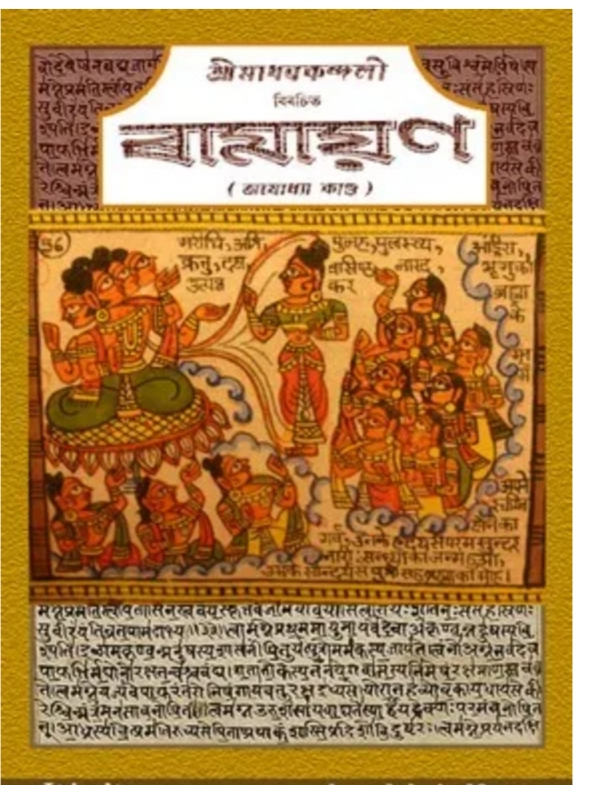
An excerpt from Sita’s Voice in the Assamese Ramayana: Selected Verses from the RAMAYANA of  Madhava Kandali and UTTARAKANDA by Sankaradeva, Translated, with Introduction and commentary  by TILOTTOMA MISRA (Zubaan: April 2024 Forthcoming) 

The figure of Rāma has seldom attracted the Assamese vaiṣnava devotees as much as that of Kṛṣṇa. Rāma has been considered as an incarnation of Viṣṇu, while Kṛṣṇa has been worshipped as Viṣṇu himself. Significantly, there is also no known religious sect in Assam which claims to be “exclusively Ramaite”. While there are many references to Kṛṣṇa in the copper-plate inscriptions found in Assam which date back to the early seventh century, there is hardly any mention of Rāma in the early literary records of the region. Biswanarayan Shastri has observed that while a large number of temples dedicated to Rāma or Māruti exist all over India, there is no evidence of the existence of such a temple with the images of Rāma or Maruti, intact or in ruins, in Assam. According to him even in the architecture of ancient Assam, there is no known evidence of the Rāma legend being represented anywhere.

The Rāmāyaṇa of Mādhava Kandalī, therefore, as well as the two kāṇḍas prefixed and appended to it by Mādhavadeva and Śaṅkaradeva, have never held “that exalted position in popular estimation which the Rāmacarita-mānasa of Tulsidas has been occupying for the last few centuries in north India.” Rāma and Sītā seldom attained the stature of divinity in the imagination of the Assamese people although the heroic and miraculous elements in the Rāmāyaṇa and ‘Rāma-kathā’ have continued to be a lively ingredient of folk-drama and musical performances of the ojā-pāli. It is understandable therefore that for the common people of this region the Assamese Rāmāyaṇa is hardly the religious text that the Bhāgavata-purāṇa is. Continue reading Sita’s Voice in the Assamese Ramayana: Tilottoma Misra

वह एक काला दिन था: विवेक आसरी

Guest post by VIVEK ASRI

वह एक काला दिन था
अंधेरे में जो चमकते कण नजर आ रहे थे
वे दरअसल, सूरज की रोशनी की कोशिश का अंजाम थे
जिसे धूल ने अपने आगोश में ले रखा था
यह धूल उड़ी थी
इंसानों को रौंदकर निकले जानवरों के कदमों से
दूर से देख रहे लोग चमकती धूल को देखकर
आह्लादित थे आनंदित थे
उन्हें रौंदे गए लोगों की चीत्कार सुनाई नहीं दे रही थीं
क्योंकि हर ओर उन जानवरों की आवाजें थीं
जो इंसानों को रौंद कर बढ़ रहे थे
हवा में बसी खून की महक उन तक नहीं पहुंच रही थी
क्योंकि उन्हीं के बीच के कुछ लोग जानवरों से समझौता किए बैठे थे
और उड़ा रहे थे हवा में इत्र
पूरी गहमा-गहमी में सिर्फ चमकती धूल का जिक्र था
जबकि अंधेरे को धूल के बैठ जाने का इंतजार था
क्योंकि वह एक काला दिन था
जो एक बहुत काली रात की तरफ बढ़ रहा था।।

Patriarchy and Misogyny in Sandeep Reddy Vanga’s ‘Animal’: Bebaak Collective

This guest post was written by HASINA, with co-authorship contributions from Sanjhana and Mridul from Bebaak Collective, ‘Voices of the Fearless,’ a collective dedicated to addressing the citizenship rights of marginalized communities.

A thread of commonality that ties together Indian society – from familial space to the entertainment industry, from the personal sphere to the political sphere – is the oppression of gender minorities under patriarchy. The longstanding structures of patriarchy and misogyny subject women to various forms of violence and abuse within and outside the household. Such a harsh reality of society is reflected by the popular media and film industry very promptly. The new movies that are being directed and the new music that’s being produced are a great reflection of how we, as a society, have failed women and queer communities. The peppy lyrics that objectify and hyper-sexualise women’s bodies and the movies that glorify toxic masculinity do nothing but perpetuate and normalise gendered violence. As we step into the New Year, we must ask ourselves if we can leave these outdated notions behind and step into a society that fosters peace, equality, and love amongst all.

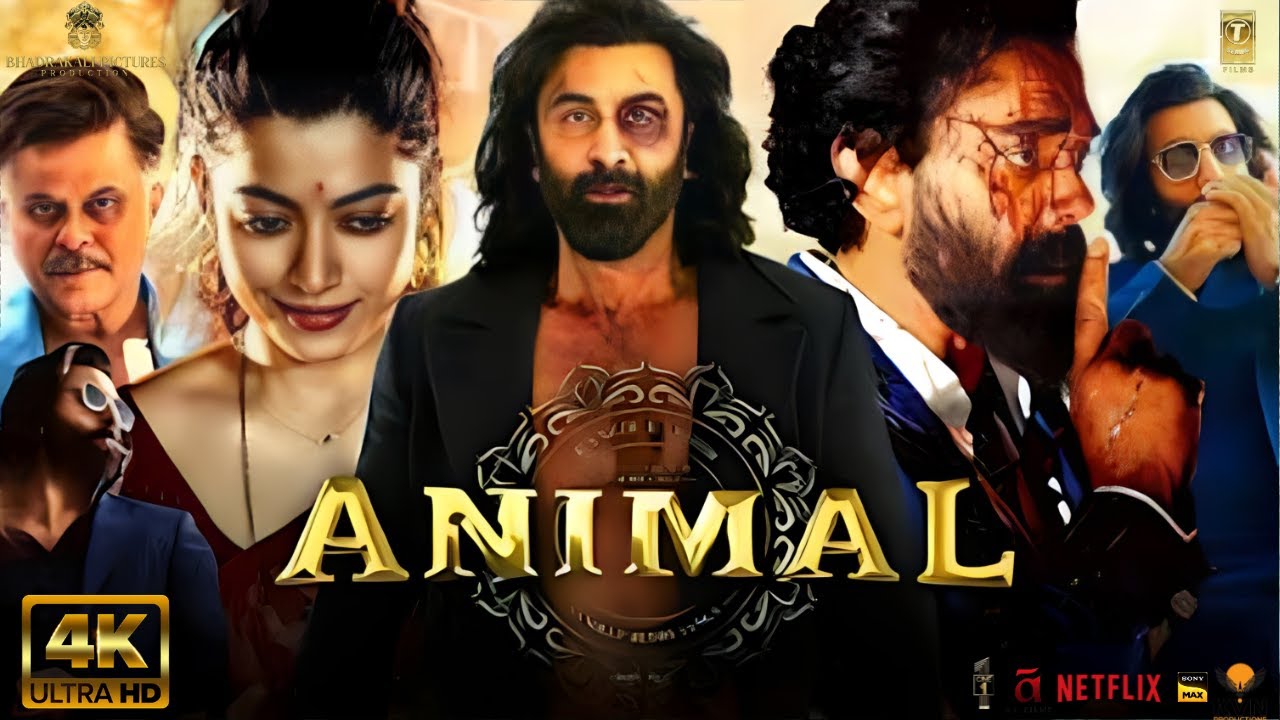
When we talk about violence, we cannot leave out the impact of mainstream popular media on the larger Indian society. Sandeep Reddy Vanga’s newest blockbuster- Animal, is a disturbing film laden with sexism, misogyny, and toxic masculinity. Continue reading Patriarchy and Misogyny in Sandeep Reddy Vanga’s ‘Animal’: Bebaak Collective

Statement of Support for Prof. Sameena Dalwai, Jindal University

This is a statement of support for Prof. Sameena Dalwai from the global and national academic community. We, the undersigned writers and teachers, are deeply concerned with the ordeal that Sameena Dalwai has faced for the past several weeks.

Education is key to the spirit of democracy. Autocratic regimes fear critical thinking and educators that foster it. In the series of relentless attacks on Indian universities, Prof. Sameena Dalwai is the latest.

It started with an email exchange on 7 November 2023, about Palestine shared within the university faculty that was leaked to the trolls. Dalwai was targeted as being ‘Hindu-phobic’ even though her email called for tolerance of opposing ideological views within the safe space of universities. Continue reading Statement of Support for Prof. Sameena Dalwai, Jindal University

Ram’s Ayodhya: Vivek Kumar

Guest post by VIVEK KUMAR

(Translated by Nivedita Menon from a widely circulating post earlier attributed to Saroj Mishra, on social media, originally in Hindi.

UPDATE: We have since heard from the author himself. This post was written in 2010 by VIVEK KUMAR (Vivek Asri) and so we have made the necessary changes. Here is the link to VIVEK KUMAR’s  original post.

Update 2 : The Hindi original can also be read here on Kafila.)

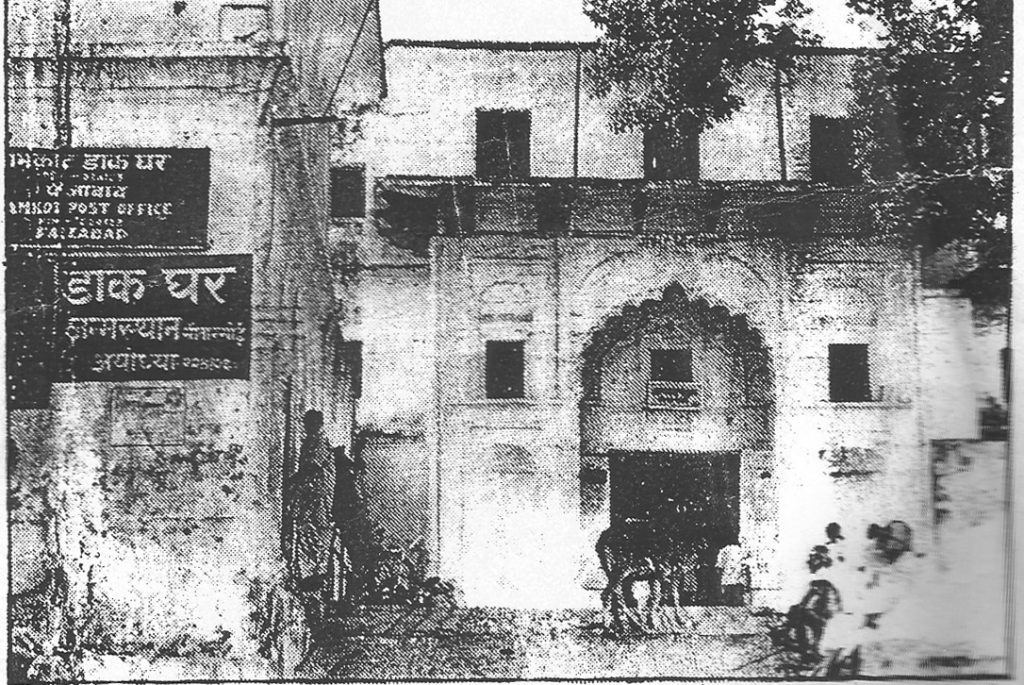
This 300 year old Janmasthan temple in Ayodhya, built on land donated by a Muslim zamindar, was demolished in August 2020 to accommodate an expanded vision of the new Ram Mandir. Image courtesy The Wire

They say Ram was born in Ayodhya; in Ayodhya he played and roamed around as a youth, grew into adulthood, was sent from there into exile in the forest, and then returned to rule there. There are temples in Ayodhya to commemorate every moment of his life. Where he played, there is Gulela Mandir. Where he studied there is Vashishta Mandir. Where he sat and ruled, there is a mandir. Where he ate his meals, there is Sita Rasoi. Where Bharat stayed, there is a mandir. There’s Hanuman Mandir, Kop Bhavan. There’s Sumitra Mandir, Dashrath Bhavan. There are many many such temples and all of them are about 400 to 500 years old. That is to say, these temples were built when Hindustan was ruled by the Mughals, by Muslims.

How strange! How did Muslims permit these temples to be built? They are remembered after all, for destroying temples. Continue reading Ram’s Ayodhya: Vivek Kumar

Academics in India condemn restrictions on academic freedom related to Palestine

As academics and other concerned persons, we, the undersigned, are outraged at the manner in which discussions on the ongoing war against Palestine are being silenced on Indian campuses, and in the public sphere more broadly. We are issuing this statement to call upon university administrators and the government to respect our academic freedom. We would also like to remind everyone of India’s own long history of anti-colonial struggle which has historically provided the lens through which the Palestinian struggle for self-determination, equality and human rights has been viewed in India.

We object to the way in which any discussion of the historical context of the occupation of Palestine and the barbaric Israeli assault on Gaza, along with the denial of food, fuel and water, since October 7th 2023, is being projected as support for the brutal terror attack on civilians in Israel by Hamas on October 7th.

We object to the Israeli ambassador’s interference with academic freedom on Indian campuses. This disrespects the competence of Indian scholars to analyze historical and political situations for themselves. Continue reading Academics in India condemn restrictions on academic freedom related to Palestine

Palestine lives! (But do you condemn Hamas?)

This post is based on a presentation at a panel discussion on “Israeli war against Palestinian people in Gaza” organised by Janhastakshep in Delhi on October 20, 2023.

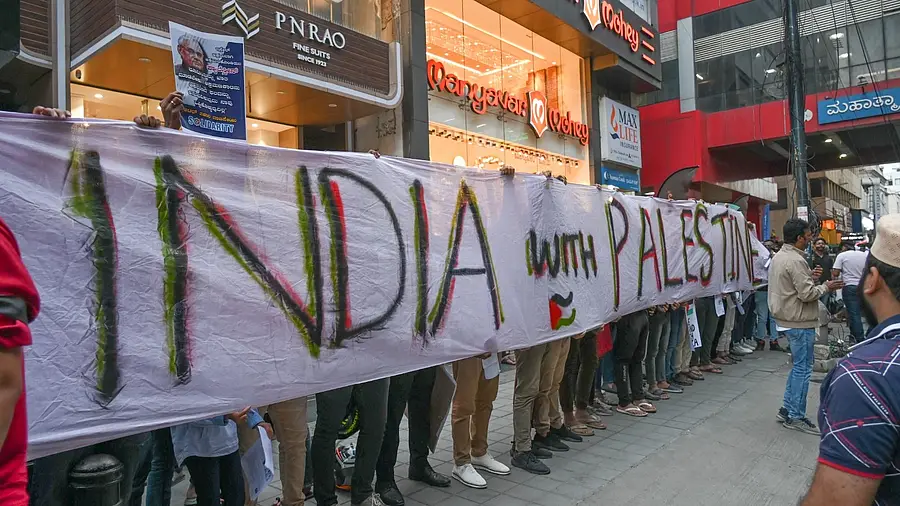
Palestine solidarity protest in Bangalore

But do you condemn…

We are expected to begin every discussion on the latest phase of the ferocious 75 year old war Israel has been waging on the Palestinian people, by answering the question – “But do you condemn the Hamas action?”

Sometimes, because stronger words are needed, they say “dastardly” Hamas action, as a television anchor recently did, trying to push Palestinian writer Susan Abul Hawa to place on Hamas the responsibility for the ongoing “humanitarian crisis”  She did not.  Nor did she accept the banal term humanitarian crisis, terming it instead, an intentional genocidal war.

This belligerent question comes from beginning with “secondly”,  as the Palestinian poet Mourid Barghouti  said –

“If you want to dispossess a people, the simplest way to do it is to tell their story, starting with ‘secondly’ “.

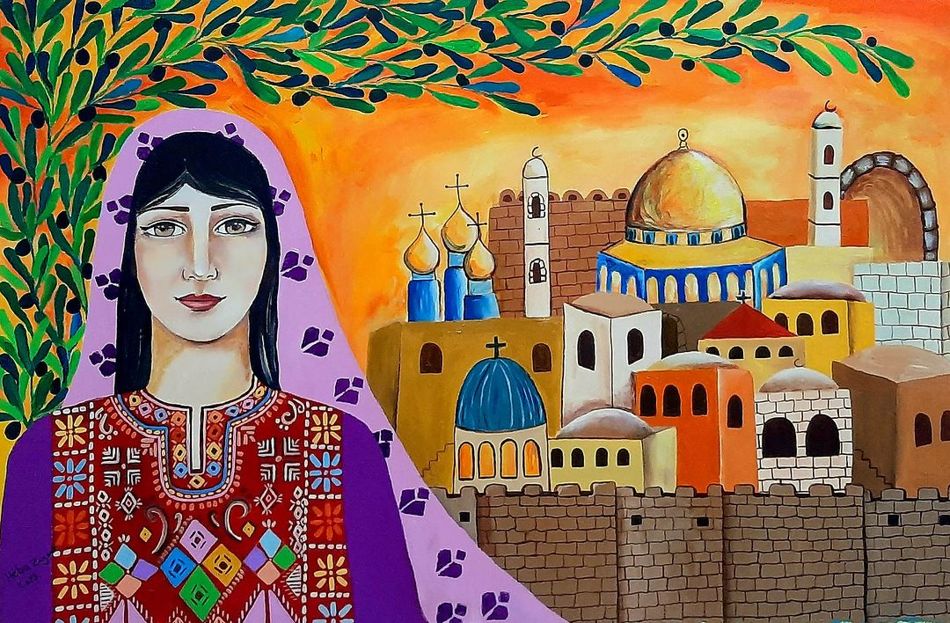
“Jerusalem is my city” by the artist Heba Zagout, killed by Israeli bombardment in Gaza along with two of her children, in October 2023

Continue reading Palestine lives! (But do you condemn Hamas?)

Public Libraries Must Be Free! Free Libraries Network (FLN) at the G20

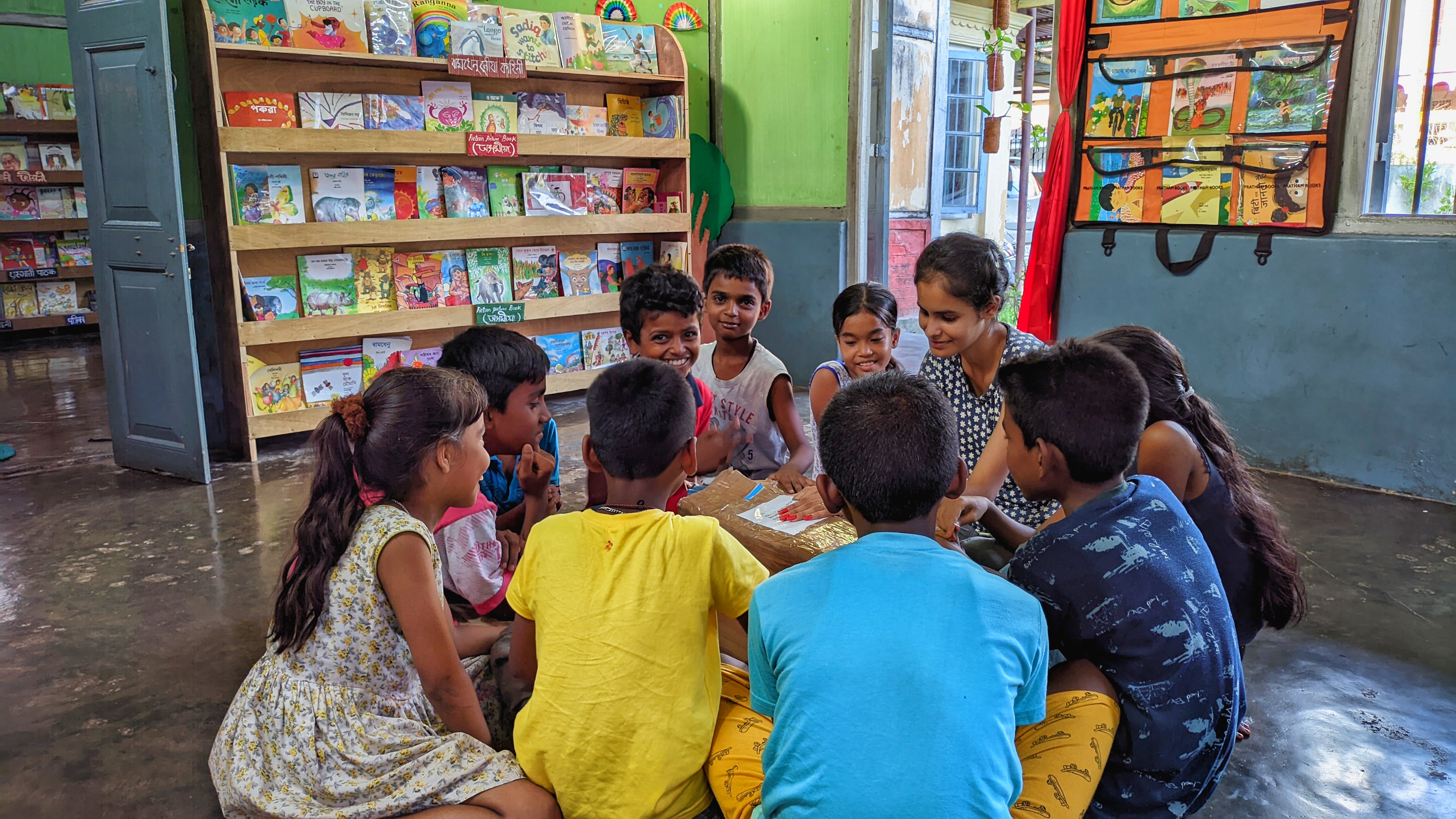
Katha Kanan Library, Nagaon, Assam

The “Rome Declaration of the G20 Culture Ministers” (2021) inserted culture in the G20 process, recognising it for its social and economic value, and stating a commitment to the protection of cultural heritage and expressions at risk. This Declaration recognises the need for strengthening and developing effective, sustainable, inclusive and coordinated management models and tools for protecting cultural heritage at risk. The International Federation of Library Associations and Institutions (IFLA) has recognised this as an opportunity for libraries and documentary cultural heritage experts to play a vital role in developing these models and tools, as well as benefiting from them. As a result the upcoming G20 meeting in India will showcase libraries. This statement is by the Free Library Network, a member of IFLA, drawing attention to the imperative need for India to have a free library policy.

The Free Libraries Network (FLN), is a coalition of free libraries and librarians advocating for free library access and the right to read in India and South Asia.  FLN believes in universal access to reading materials and information. FLN offers a platform for sharing resources, best practices, and insights about free libraries in India. Although it does not own or operate libraries, FLN plays an integral role in coordinating and acting on policy issues related to access to knowledge resources.

The FLN Statement

The Free Libraries Network (FLN) will participate in the Festival of Libraries by the Ministry of Culture, Government of India at Pragati Maidan, New Delhi on August 5 and 6, 2023. This conference, focused on the library landscape in India, is an opportunity for library advocates across the country to discuss the need for a public library system that offers free access to books and information to all people.

During the conference, FLN members will be contributing to three panels, aimed at sharing insights on free libraries’ potential in promoting reading, thinking and community discussions, as well as in such libraries’ potential to undo the historic exclusion of the vast majority of people from reading and to promote the Constitution’s vision of equality. Additionally, FLN members will engage in various advocacy activities both inside and outside the conference venue, appealing for a policy that guarantees free library access to all. Continue reading Public Libraries Must Be Free! Free Libraries Network (FLN) at the G20

Response to Law Commission of India on UCC: Feminist Working Group on Law Commission Submission on the UCC

In response to the LCI ‘s invitation to “stakeholders, including public and recognised religious organisations” to share their views on the Uniform Civil Code, some feminist groups and individuals came together in Delhi on July 4-5 2023 to draft a considered response. The UCC has been debated in feminist circles for decades, and a broad consensus has gradually emerged since the 1990s that gender justice and not uniformity should be the focus of reforms of laws pertaining to family, whether governed by Personal Laws (religious communities) or customary laws (Scheduled Tribes). The following response emerged on the basis of these discussions, which in turn drew on the long history of serious engagement with the issue in feminist circles for decades.

To,

The Hon’ble Chairperson and members,

Law Commission of India

14 July 2023

Sub: Response of feminist, queer and women’s rights groups and individual feminists to Public Notice of the Law Commission of India dated 14/06/2023, soliciting views on the Uniform Civil Code (UCC).

Respected Chairperson and members of the Law Commission of India,

We, the undersigned, write to you as representatives of feminist, queer and women’s rights groups, as well as concerned citizens, who have been working on issues related to gender justice and equality for women from diverse communities across the country. We draw upon our collective experience over many decades, as we respond to the current discussion on the proposed Uniform Civil Code.

Our submission is in three parts:

  1. Concerns related to the procedure adopted to initiate these discussions by the Law Commission of India (LCI).
  2. Comments on substantive issues of uniformity, equality and non-discrimination vis à vis gender justice.
  3. Governing principles for any efforts towards gender justice for all

Continue reading Response to Law Commission of India on UCC: Feminist Working Group on Law Commission Submission on the UCC

Statement against the arbitrary termination of KNMA employee Dr Sandip K. Luis

UPDATE

This statement has been issued by concerned individuals in support of Sandip K Luis. We are publishing it here on Kafila in solidarity and to amplify the call, as we routinely do with many such statements. Those who issued the statement have nothing to do with Kafila, although some individuals associated with Kafila have also endorsed the statement. We feel this clarification is necessary as some reports say that the group that issued this statement runs Kafila. This is incorrect.

Link to endorse this statement at the end.

We the undersigned, artists,  academics and other concerned individuals,  have come to know that Dr Sandip K. Luis, Manager, Curatorial Research & Publications at the Kiran Nadar Museum of Art (KNMA),  has arbitrarily been terminated from work. The action was taken  for a Facebook post he made on 15th May 2023 which was critical of the chairperson of the museum Ms. Kiran Nadar in her individual capacity, for supporting and publicly endorsing a series of propaganda events of the current  government of India being showcased at the National Gallery of Modern Art (NGMA) in Delhi.

The Facebook post was also published here:

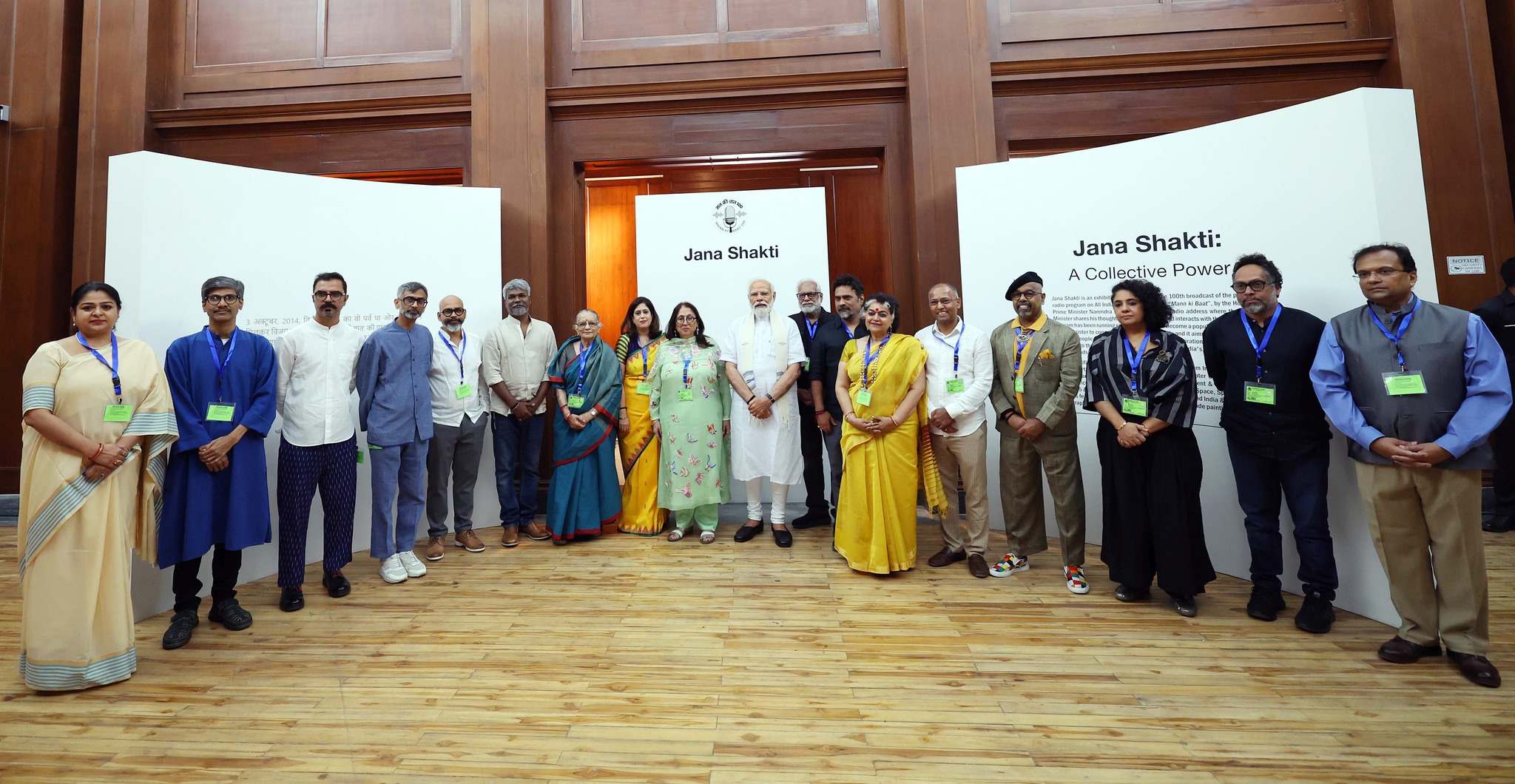
Decoding Jan Shakti at National Gallery of Modern Art -there is no Schindler’s List! 

We strongly condemn Sandip’s termination from employment and demand his immediate reinstatement by KNMA.

Subsequent to the inauguration of an exhibition in May 2023, titled Jana Shakti (a celebration of the Prime Minister’s monthly radio propaganda Mann ki baat) curated by Alka Pande, supported by Ms. Nadar as the Advisor,  a number of articles appeared in the press and on social media that called out art world luminaries, for participating in what was obviously a self-aggrandizing  exercise of the government of India. Continue reading Statement against the arbitrary termination of KNMA employee Dr Sandip K. Luis

Dismantle the structures of sexual violence, NOT the protesters’ tent! Statement by concerned citizens

On the day that the Prime Minister was inaugurating a new Parliament house, democratic space was being crushed outside.

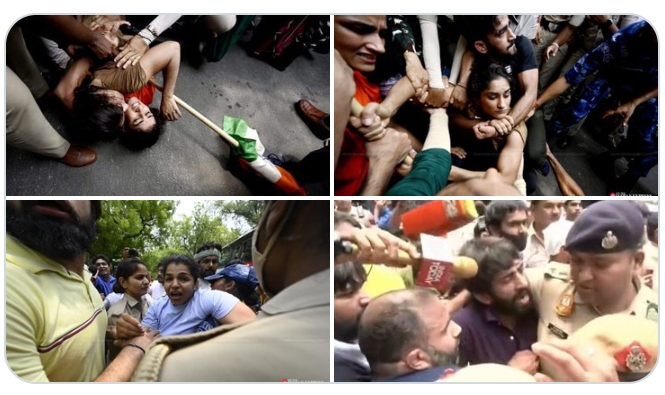
More than 1150 people including activists, lawyers, academics, former civil servants, artists and concerned citizens have released a statement condemning the brutal police action against the protesting wrestlers and those who had come out in support of their call from all over Delhi, Haryana and Uttar Pradesh for a Mahila Samman Mahapanchayat today.

We, concerned individuals, are absolutely horrified to see the violence unleashed by the government and police today, to suppress the powerful grassroots support for our brave wrestlers and their struggle against Wrestling Federation of India chief Brij Bhushan Sharan Singh, who stands accused of sexual harassment of women wrestlers stretching back over a decade. The wrestlers have been protesting since 18th of January, 2023. They had given a call to all women’s organisations, activists and all other civil society organisations to join a Mahila Samman Mahapanchayat outside the new parliament building today, i.e 28 May 2023.

Thousands of women from Delhi and nearby states responded to the call.  Fearing the  collective strength of Indian women – the police pre-emptively blocked all border roads, shut down proximal metro stations, and cordoned off roads. This is how scared a patriarchal State is of the sight of the women of India standing shoulder to shoulder with each other. Despite this crackdown, the government was unable to block the flow of solidarity; activists and concerned citizens found ways of trying to reach the protest site. Continue reading Dismantle the structures of sexual violence, NOT the protesters’ tent! Statement by concerned citizens

STOP THIS WITCH HUNT – DON’T MISUSE PMLA AGAINST SCHOLARS AND ACTIVISTS! Statement by concerned citizens

Over 500 concerned citizens, democratic rights’ activists across movements, women’s groups, students and academics condemned the misuse of the Prevention of Money Laundering Act (PMLA) against scholars and activists, raising constitutional issues and asking for the government’s accountability.

We the undersigned women’s organisations and concerned individuals strongly condemn the continuous and repeated harassment of a number of women activists and intellectuals, by the Enforcement Directorate(ED), under the guise of an inquiry, in Delhi. This is a clear abuse of its extraordinary and draconian powers under the Prevention of Money Laundering Act (PMLA). As in the case of the Unlawful Activities Prevention Act (UAPA), there are increasing instances of the misuse of PMLA, especially against persons who are vocal critics of the government and its policies, and those who raise issues of the poor and oppressed sections of society. The ED is being used as an intimidation tool for political vendetta, where the process is the punishment for the detention of dissenters.

In the course of the last few months, several women scholars and activists have been summoned repeatedly, made to wait long hours, often interrogated without any woman officer present throughout, asked to furnish documents over and over again, in an ED investigation. In a clear case of evergreening the inquiry, the process has become endless. It is quickly turning into a fishing expedition, with all kinds of irrelevant documents and personal information being demanded, such as those about other family members, having no relevance to the inquiry whatsoever. Continue reading STOP THIS WITCH HUNT – DON’T MISUSE PMLA AGAINST SCHOLARS AND ACTIVISTS! Statement by concerned citizens

Social Suffering in a World without Support – Report on the Mental Health of Indian Muslims: Bebaak Collective

Report by Bebaak Collective, December 2022

Bebaak Collective (‘Voices of the Fearless’) was founded in 2013 as an informal association of grassroots activists to advocate for the rights of Muslim women and community. It is a platform for engaging with feminist thought and practice, human rights issues, and the anti-discrimination struggle. It has been working in Uttar Pradesh, Gujarat, Maharashtra, and Rajasthan. With the rising onslaught against marginalised communities, the Collective has evolved into an advocacy group that strongly adheres to constitutional values and believes that the rights and principles enshrined in our constitution are inalienable from every Indian citizen, irrespective of their caste, gender, sexuality or religion.

Relatives of a victim of the Delhi pogrom 2020 in mourning. Source: The Guardian

Foreword

Mental health and its socio-political determinants are beginning to emerge from a shroud of silence and stigma into public discourse. There are several possible reasons for this, the most visible being the pandemic and the many narratives of suffering it brought to the fore from among the most vulnerable sections of society. Even before the pandemic, the relationship between social disadvantage and the mental health of certain communities and groups (some more than others) has been studied in the Indian context. Some examples of these include the mental health of women, homeless persons, Dalit, Bahujan, and Adivasi communities, and queer and trans persons. However, the mental health of Indian Muslims has been severely underrepresented and almost invisible within the mental health or development literature in India. Continue reading Social Suffering in a World without Support – Report on the Mental Health of Indian Muslims: Bebaak Collective

Decoding Jan Shakti at National Gallery of Modern Art -There is no Schindler’s List! Sandip K Luis

This post originally appeared on social media and refers to the on-going Jan Shakti exhibition at National Gallery of Modern Art (NGMA), Delhi, which according to its description, displayed “works of India’s top artists on themes covered in Mann Ki Baat such as Swachhata, water conservation, agriculture, space, India’s northeast, Nari Shakti, Yoga, and Ayurveda.”

For some days now, certain videos and photos of PM Narendra Modi, the authoritarian Supreme Leader now ruling one-sixth of the world’s population, have been circulating on social media. He is seen visiting the new exhibition ‘Jan Shakti: A Collective Power’ at NGMA dedicated to his propagandist radio programme Mann Ki Baat.

About a week ago, an uproar, however scattered, erupted on social media when this exhibition, guest-curated by Alka Pande, was opened to the public since the occasion also witnessed the presence and participation of some of the celebrated personalities of the Indian artworld. To name some of them, since they would be recorded in history’s hall of shame – Atul Dodiya, Vibha Galhotra, Riyas Komu, Ashim Purkayastha, G.R. Iranna, Thukral and Tagra, Manjunath Kamath, Jagannath Panda and  Kiran Nadar in her role as the “adviser” to the exhibition. Almost all of these luminaries and “top artists” (as it is reported in the media) again appeared when the PM visited the show, proudly posing for a photo with him.

New Delhi, May 14 (ANI): Prime Minister Narendra Modi poses for a photograph with a group while visiting Jana Shakti, an exhibition at the National Gallery of Modern Art in New Delhi on Sunday. (ANI Photo)

Continue reading Decoding Jan Shakti at National Gallery of Modern Art -There is no Schindler’s List! Sandip K Luis

75th year of Nakba – In solidarity with the Palestinian struggle

Yesterday, May 15, 2023 marked the 75th anniversary of Nakba or the dispossession of the people of Palestine by the Zionist state of Israel. This is the text of a talk delivered at an event organized by India Palestine Friendship Forum.

Stamp issued in 1981

In September 2012,  I had the incredible good fortune to visit Palestine. We stayed in Ramallah, visited and interacted with colleagues at Birzeit University and spoke at a conference organized by Muwatin, a research institute based in Ramallah. We met  a large number of inspiring people who pushed the frontiers of our minds, and we came away humbled and moved by the dignity of a people living through the brutal occupation of their lands by the  Zionist state of Israel, with limitless courage and bubbling sense of humour intact. Continue reading 75th year of Nakba – In solidarity with the Palestinian struggle

Letter to Consul General, Iranian Consulate, Mumbai: Indian women’s organisations

The following letter, signed by over 300 individuals from different national and regional organisations was handed over at the  Iranian Consulate in Mumbai by six representatives on September 29, 2022.  It was received politely and acknowledged.

Mr. Abolfazi Mohammad Alikhani
Consul General,
Iran Consulate, Mumbai.

Sir,

We, women and women’s organization from India, are writing this letter to register our horror at the  brutal attacks on the women and citizens  of Iran as they protest the killing of Mahsa Amini at the hands of the Gasht-e-Ershad. These brutal attacks have resulted in and continue to result in further deaths and imprisonments.

These brave women of Iran are demanding freedom from the Morality Police and the State imposing upon them what they must or must not wear and how to wear it; what they must and must not do, or act, or behave. They are rejecting this control. The men of Iran are giving full support and putting their bodies on the line alongside them. The resulting violent repression is heinous and inhuman.

We stand in solidarity with the women of Iran who came out in public to protest killing of Mahsa Amini and to voice their demands for  freedom, equality and autonomy. Continue reading Letter to Consul General, Iranian Consulate, Mumbai: Indian women’s organisations

In solidarity with the Iranian people fighting for democracy and justice: Ayesha Kidwai & Nivedita Menon

This post is jointly written by AYESHA KIDWAI AND NIVEDITA MENON

On this international day of solidarity with the Iranian people, two feminists from India send you our greetings, in complete awe of your courage, your creativity, your solidarity with one another, your relentless resistance in the face of cruel and brutal repression.

Watching the panel discussion on Jadaliyya on the ongoing struggle of the Iranian people against the authoritarian regime, we were struck by the complexity of the arguments being made. The struggle is not against Islam, and it is not about hijab everywhere and at all times. What we are witnessing in Iran is reflected all over the world wherever there is resistance to the gendered ways in which all states control populations – whether by compulsory conscription in wars the people have no interest in, or by making the hijab central to the reason of state – in Iran by compulsory veiling, in France and in India by compulsory unveiling of the Muslim woman; or in the USA by denying autonomy over their bodies to women by criminalizing abortion. Continue reading In solidarity with the Iranian people fighting for democracy and justice: Ayesha Kidwai & Nivedita Menon

Feminist reflections on the brave women of Iran: Ayesha Kidwai

Guest post by AYESHA KIDWAI

Women in Iran cast off their hijabs and occupy the streets.

Looking at these women in this photo, I think of what feelings they struggle with at this moment.

How many emotions populate this picture? Courage, triumph, feelings of being exposed, fear, the sense of a point of no-return being crossed…

But one knows they have found the one thing that will carry them beyond this moment—the long, deep embrace of sisterhood.

Inquilab Zindabad is not only said with clenched fists, it’s said with interlinked arms and bodies curved into each other. Continue reading Feminist reflections on the brave women of Iran: Ayesha Kidwai

Why no Admissions this year in Central Universities? JNUTA statement

Did you even know this? That there have been no admissions this academic session so far, to any Central University,  as the results of the new UGC mandated centralized Common Universities Entrance Test (CUET) are yet to be announced as late as September 2022, when the academic session was to have begun in July/August. The UGC Chairperson M Jagadesh Kumar (who ran JNU to the ground in his extended tenure) has tweeted that results for the Undergraduate courses will be announced latest by September 15th. The exams for Postgraduate  courses were conducted only this month!

And I dare you to find a single news item that reports the CUET as the large scale massive failure it is. At best you get bland information such as that undergraduate admissions are about to begin in Deli University this month and that classes are expected to begin on October 20th.  No questioning of why there has been a three month delay already and even now everything is only “expected”!

And again earlier this month, as late as September 2022, the National Testing Agency informed Central Universities it will be unable to conduct the Common Test for the Ph.D programme, and the universities will, at this point, START the process of conducting these exams themselves.

The first time in India admissions to universities were severely delayed was due to the Covid virus in 2020-21, but different universities had different processes and could accomplish admissions by the end of the year. In the last year too there was delay, but as universities were still holding different entrance text exams,   universities differed in when they managed to complete admissions in 2021. This academic year, however, when there are no pandemic induced closure of any university, the situation is the worst ever, due entirely to a targeted human endeavour to destroy India’s public university system, by imposing an unmanageable, centralised examination that lakhs and lakhs of students all over the country must take for admission into universities.

That this disaster for public universities and for two generations of students is not making  the news, let alone the headlines, says much about the state of the media in India today.  That nobody will be held accountable for this national disaster is almost unbelievable except that  we have had to to believe so many unbelievable developments in our unfortunate country since 2014, that perhaps the destruction of public universities seems minor in comparison?

Please take a look at the detailed critique provided by the JNUTA.

Continue reading Why no Admissions this year in Central Universities? JNUTA statement

SL Govt – Stop Labeling Student Protestors and Activists as Terrorists! South Asian Feminists

Statement released by feminists from Sri Lanka, Bangladesh, Pakistan, Fiji, Malaysia and India, August 27, 2022

We are a group of feminists writing to call urgent attention to the extra-constitutional attempts of the Government of Sri Lanka (GoSL) to suppress dissent. Lacking a popular mandate, hunting down student protestors and activists, including a LGBTIQ activist has become a central strategy of the political élite to retain power. The latest move by the GoSL is to brand three student leaders and the student union they represent, the Inter University Student Federation (IUSF), as ‘terrorists’.

Wasantha Mudalige, Convenor of IUSF, Galwewa Siridhamma thero, Convenor of the Inter-University Bhikkhu Federation, and Hashan Jeewantha, a student activist, were among the 20 arrested on August 18, 2022, for participating in a peaceful protest led by the student movement. All three of them are prominent student leaders who have been at the forefront of struggles for socio-economic justice in Sri Lanka, particularly against numerous ongoing attempts to dismantle free education. Continue reading SL Govt – Stop Labeling Student Protestors and Activists as Terrorists! South Asian Feminists

Why remember Partition? And what to remember? Ayesha Kidwai

AYESHA KIDWAI reflects on the injustice done to Bilkis Bano on the 75th anniversary of India’s independence, by the release of the 11 convicted rapists (who raped her during the Gujarat carnage of 2002, and killed her 3 year-old daughter), by way of her translation of Krishn Chander’s short story written in 1948, entitled Ek Tawaif ka Khat, 

Our readers would remember that Ayesha has had translations posted here on Kafila earlier, some into Hindustani from English. Now you can visit her site to read all of her translations as and when she posts them there.

Here is the link to Ayesha Kidwai’s site.

Here we publish her preface and an extract from the translation. The whole story may be read on her site.

PREFACE BY AYESHA KIDWAI

There have been many in India and Pakistan (and what eventually became Bangladesh) who have always remembered the Partition of 1947. They remembered it as it the long Partition of India drew out, because they bore the marks of it on their bodies and in their families, they remembered it as they were in Parliament trying to build a state that would never face such a terrible event of rupture ever again; they remembered it even when they apparently appeared to forget it, because the only way to not let the events of terrifying trauma — of the looting, abduction, sexual violence, exile and murder— overshadow the present and the futures that had to be built. At every stage in the last 75 years, there have been people in both countries who have taken instruction from the horrors of the long Partition to interrogate what must not be done, what was must be changed, what must be erased.

Continue reading Why remember Partition? And what to remember? Ayesha Kidwai