Category Archives: Identities

പൊതുചർച്ചായിടം അങ്കത്തട്ടല്ല : കേരളത്തിലെ മുസ്ലിംജനങ്ങളെക്കുറിച്ച് ചർച്ച ചെയ്യുന്നവരോട്

കേരളത്തിലെ മുസ്ലിംജനങ്ങളെക്കുറിച്ച് പൊതുമണ്ഡലത്തിൽ വ്യാപകമായിത്തീർന്നിരുക്കുന്ന തെറ്റിദ്ധാരണകളെ തിരുത്താനുള്ള ഒരെളിയ ശ്രമമാണ് ഈ ലേഖനം.

വിമർശനാത്മകമായി ചിന്തിക്കുന്നവരും പരന്ന വായനയുള്ളവരും  പൊതുമണ്ഡലചർച്ചായിടങ്ങളിൽ ധാർമ്മികമായ മേൽനില സദാ അവകാശപ്പെടുന്നവരുമായ ബുദ്ധിജീവികളുടെ എഴുത്തുകളിൽപ്പോലും ഈ വാദങ്ങൾ പ്രത്യക്ഷപ്പെടുന്നത് അപകടകരമായിത്തോന്നുന്നതുകൊണ്ടാണ് ഇതെഴുതുന്നത്. കേരളത്തിലെ ജനജീവിതത്തെ സസൂക്ഷ്മം വീക്ഷിക്കാൻ നമ്മെ സഹായിക്കുന്ന വസ്തുതാശേഖരങ്ങളും ചരിത്രപഠന-സാംസ്ക്കാരികപഠനസംപത്തും കൈയിലുള്ളപ്പോൾ ആത്മനിഷ്ഠനിരീക്ഷണങ്ങളെ മാത്രം ആശ്രയിച്ചുകൊണ്ട് ബുദ്ധിജീവികൾ നടത്തുന്ന ഇടപെടലുകൾ ഗുണത്തെക്കാളേറെ ദോഷം ചെയ്യുമെന്ന് സംശയം വേണ്ട.

പ്രത്യേകിച്ചും, ഹിന്ദുത്വവാദഭീകരത സർവ്വത്തേയും വിഴുങ്ങാൻ ഒരുങ്ങിനിൽക്കുന്ന നമ്മുടെ കാലങ്ങളിൽ മുസ്ലിംസമുദായത്തെക്കുറിച്ച് പറയുംപോൾ, വിശേഷിച്ചും ഭൂരിപക്ഷസമുദായത്തിലെ മേൽത്തട്ടുകാർ പറയുംപോൾ, ശ്രദ്ധ ആവശ്യമാണ്. ഭൂരിപക്ഷതാതാത്പര്യങ്ങളാൽ രൂപപ്പെട്ടുവരുന്ന സാമാന്യബോധത്തെ കണ്ണുമടച്ച് ആശ്രയിക്കുന്ന രീതിയെ പ്രതിരോധിക്കാനാണ് ഞാനിവിടെ ശ്രമിക്കുന്നത്. (മേലാളാവബോധത്തിൻറെ വാഹനമായാണ് സാമാന്യബോധത്തെ Marx മുതൽ Bourdieu വരെയുള്ള സമൂഹശാസ്ത്രജ്ഞന്മാർ കണ്ടത്. അതിനെ വിമർശിക്കലാണ് സമൂഹശാസ്ത്രത്തിൻറെ മുഖ്യധർമ്മമെന്ന് അവർ അവകാശപ്പെട്ടതും അതുകൊണ്ടു തന്നെ).

അതുകൊണ്ട് ഈ ലേഖനത്തിൽ പറയുന്ന പല കാര്യങ്ങളും പുതിയ അറിവല്ല. കേരളീയപൊതുബോധത്തിൽ നിന്ന് ഭൂരിപക്ഷമേധാവിത്വം അവയെ മായ്ച്ചുകളഞ്ഞുവെന്ന് തോന്നുന്നതുകൊണ്ടാണ് അവ ഇവിടെ ആവർത്തിക്കുന്നത്. Continue reading പൊതുചർച്ചായിടം അങ്കത്തട്ടല്ല : കേരളത്തിലെ മുസ്ലിംജനങ്ങളെക്കുറിച്ച് ചർച്ച ചെയ്യുന്നവരോട്

On the Murder of Writer and Rationalist “Niloy Neel” in Bangladesh : Statement by Mukto Mona

Niloy Neel

Following the murders of Rajeeb Haider, Avijit Roy, Washiqur Rahmna, and Ananta Bijoy Das, today, the Mukto-Mona writer, blogger, and activist Niloy Neel has been hacked to death. He wrote in Mutko-Mona as well as in Istishon, and Facebook under the name of “Niloy Neel” (twitter: #NiloyNeel). In addition to writing, Niloy Neel was involved in various social justice movements and was the founder of the Bangladesh Science and Rationalists Association.

Ansar Al Islam, the Bangladesh branch of Al Qaeda in the Indian Subcontinent (AQIS) has claimed responsibility for murdering Niloy Neel in his own home, in front of his family, because of his writing. The fundamentalists continue in their tradition of responding to the pen with machetes; the government of Bangladesh continues to supply the fundamentalists with all that is necessary to keep their machetes honed. One by one the enlightened, the freethinking writers, and activists of Bangladesh, are being brutally murdered. Their only crime is taking a stand against injustice, and superstitions prevalent in society. A machete may kill, in a cowardly manner, a human being of flesh and bone; it cannot kill their ideology. Our fight will continue. With all our strength we will continue to speak our minds, our dreams. For as long as there is even a single member of the freethinking community alive; for as long as a single sentence written by freethinking writers survives.

Niloy Neel’s FB status regarding lack of safety:

“Two men were following me two days ago. This happened when I was on my way back from attending the rally organized to protest “The Murder of Ananta Bijoy Das.” First, when I reached a certain place via public bus, they came with me to the same spot. Then, when I got on to a Laguna to reach my destination, one of them climbed aboard the Laguna with me. On the Laguna I realized this was the same guy who was on the bus with me, but there were two of them then. I thought to myself, well, it’s possible; perhaps one of them was going somewhere else so he took a different route.

Until then it seemed as usual. But on the Laguna, the young man was continually texting from his cellphone which made me suspicious. When I exited the Laguna before I reached my actual destination, he got off with me. I was quite scared, and hurried into a unfamiliar alley. Later when I looked back, I noticed that another young man, who had also been on the bus, had joined this young man, and they had not followed me into the alley; they were waiting at the alley entrance. Then I was quite certain that I was being followed. Because even if their destination was the same, they reached their through separate routes, following me. I went farther into the alley, and took a rickshaw keeping the hood up, and traveled to my destination. I reached in apparent safety with the help of a friend nearby.

When I tried to lodge a General Diary about this incident, I faced an even more bizarre situation. A police officer had told me in confidence that the police do not want to accept General Diaries like this because the officer who accepted such a General Diary, related to the personal safety of an individual, remains accountable to ensure the personal safety of said individual. If the said individual faces any difficulty, then the relevant police officer may even lose his job for negligence in duty. This is what I saw when I visited the thanas to file a General Diary. When the surveillance on me had occurred, I had had to pass by several thanas, and so today when I visited one that had been in the vicinity, they refused to accept my General Diary. They told me this isn’t under our jurisdiction, go to this other thana, it’s their jurisdiction, and also, leave the country as soon as possible.”

On May 15, 2015, Niloy had been followed by some people when he was returning from participating in a protest rally for the murder of Ananta Bijoy Das. When he realized what was happening, he had gone to the police station to file a General Diary (GD). His GD was not accepted. He posted in detail about this incident on Facebook, where he expressed fear that his life was under threat. With his life he has proved that people who are atheists, non-religionists, secular, anti-fundamentalist, and pro-freedom-of-speech are not safe in Bangladesh; as if they have no other choice than to leave their country. They are not safe even in their own homes—Niloy Neel was murdered in his house. One man gained entrance to his house by pretending to be there to rent an apartment; then others entered, locked everyone in the house in one room, while hacking Niloy to death in the other. Niloy died right there; his blood spattered over all the books he loved, his computer.

niloy neel के लिए चित्र परिणाम

The Mukto-Mona family will always remain by the side of Niloy Neel’s family. The pain of losing a child or a husband in this untimely and brutal manner is not to be forgotten. But know that there are thousands of us beside you—and we will be there forever. To send any information about Niloy Neel, and for Niloy’s family to contact Mukto-Mona for any support, please write to: contact@mukto-mona.com

Mutkto-Mona strongly condemns the continuing murders of writers, bloggers, and humanists. We call to the government of Bangladesh: Do not pander to fundamentalism anymore. Because no state has been spared by compromising with fundamentalists. Take immediate and effective steps to quell fundamentalism, and to create public awareness against it.

മാതൃഭൂമി പത്രാധിപർക്ക് ഒരു തുറന്ന കത്ത്

പ്രിയ പത്രാധിപർക്ക്

ഇതൊരു വിടവാങ്ങൽ കത്താണ്. Continue reading മാതൃഭൂമി പത്രാധിപർക്ക് ഒരു തുറന്ന കത്ത്

Of Housing, Jobs and Everyday Communalism: Saidalavi P.C.

Guest post by SAIDALAVI P.C.

“True generosity consists precisely in fighting to destroy the causes which nourish false charity”

Paulo Freire, Pedagogy of the Oppressed

On the evening of 21 February, 2015 I and my friend walked through the narrow lines of Vasant Kunj, New Delhi looking for an accommodation for him. On both sides of narrow roads, three-storied buildings blocked sun rays reaching the ground. Here and there scrapheap assaulted our nostrils and a flock of bees and mosquitoes hovered around the area keeping watch. Our eyes waded through the gates of the buildings looking for a signboard announcing vacancies. We pushed a gate open and entered the building looking for the owner. A middle-aged man announced his presence pushing his belly in front of him. We asked, room koi khali hai, bhayya (Is there any room vacant, brother?) He scrutinised us for a moment. May be nonplussed by seeing no marks of our identity (we are clean shaven, well-dressed, normative secular self with supposedly a neutral identity in public) he was bit confused and his lips contorted a bit towards the left. Impassively, he nodded us to follow him since the room was on the second floor. My friend was visibly satisfied by the room, it was well-furnished, with a bathroom, kitchen and a balcony. He said he would take it. Listening to it, the owner’s face had taken a bit more serious expression, and at last he asked what our names are. It seemed our neutral identity was the bomb he wanted to diffuse. The moment we uttered our names, his facial expression changed into one who is caught by colic, he was startled and flushed, and his ears instantly became red. We were unable to make sense of what he was thinking. Then, he spoke hoarsely and told us to leave immediately. He said that if he had known earlier that we were Muslims, he wouldn’t have invited us to see the rooms. He never let rooms to Muslims. We tried to reason with him by asking why he is not renting it to Muslims.

Continue reading Of Housing, Jobs and Everyday Communalism: Saidalavi P.C.

Who gets caught – From death row convicts to ‘criminals by birth’: Anuja Agrawal

Guest Post by Anuja Agrawal

The recent reports regarding the findings of the Death Penalty Project of the National Law University, Delhi, confirm some of the worst fears we have about our criminal justice system: the system is exceedingly tilted against the interests of the poor, disadvantaged and the marginal while the rich and the advantaged often get away, literally, with murder. The results are very important as such systematic studies help in confirming what are often vague impressions and unconfirmed suspicions.

While this study focuses only on the convicts on death row, what we urgently need is data which give us a caste and community wise breakup of the incarcerated population as a whole. While some may think that this would be useful in establishing the ‘criminality’ of some social groups, in fact this data, when juxtaposed with degrees of conviction, will help in establishing not only the conditions in which people take to criminal activities but also how our system is systematically biased towards particular groups.

Continue reading Who gets caught – From death row convicts to ‘criminals by birth’: Anuja Agrawal

Tough Girls in a Rough Game: Normalizing public discussion of ‘She things’ in Bangladesh — Nazia Hussein

Guest post by NAZIA HUSSEIN

On 28- 29 May, 2015 the play titled It’s a She Thing was first staged in Dhaka, Bangladesh. Inspired by Eve Ensler’s Vagina Monologues, eleven young Bangladeshi women decided to develop a local adaptation with their own accounts of sexual, aesthetic, psychological and emotional experiences of being a woman. Many of the stories were written by the performers themselves while some were taken from Naripokkho, a nationwide women’s advocacy organization. Continue reading Tough Girls in a Rough Game: Normalizing public discussion of ‘She things’ in Bangladesh — Nazia Hussein

Teesta, Yakub and Hijab – The Triple Tests of Nationalism: Saif Mahmood

Guest post by SAIF MAHMOOD

If you are Indian but not a supporter of the present Government, on social media your loyalty to your country will be tested on the following touchstones :

  1. Have you said anything against the CBI’s palpably malicious agenda against Teesta Setalvad or even hinted that, even if the CBI’s allegations are taken on their face value, she is entitled to anticipatory bail ?
  2. Do you think that the decision to hang Yakub Memon deserves one last re-look ?
  3. Have you criticised the manner in which female Muslim and Christian PMT aspirants were told to take off their hijabs and scarfs if they wished to take the test and / or the intemperate language in which the Supreme Court refused to interfere in the matter?

If the answer to any of the above questions is in the affirmative, you have just failed the loyalty test; and failed you have, irrespective of the reasons that you may have for your answers. Continue reading Teesta, Yakub and Hijab – The Triple Tests of Nationalism: Saif Mahmood

हेडगेवार का पथ: मिथक और यथार्थ

‘आधुनिक भारत के निर्माता: डाक्टर केशव बलिराम हेडगेवार’ के बहाने चन्द बातें

(Photo : Courtesy – http://www.flickr.com)

राष्ट्रीय स्वयंसेवक संघ के आनुषंगिक संगठन भाजपा के केन्द्र में तथा कई राज्यों में सत्तारोहण के बाद शिक्षा जगत उनके खास निशाने पर रहा है। विभिन्न अकादमिक संस्थानों में अपने विचारों के अनुकूल लोगों की महत्वपूर्ण पदों पर नियुक्ति करने से लेकर, स्वतंत्रामना अकादमिशियनों पर नकेल डालने के प्रयासों से लेकर, पाठयक्रमों में बदलावों तक इसे कई तरीकों से अंजाम दिया जा रहा है। पिछले दिनों केन्द्रीय मानव संसाधन मंत्राी सुश्री इराणी ने संघ से सम्बधित शैक्षिक संगठनोें से प्रस्तावित नयी शिक्षा नीति के मसविदे के बारे में बात की, जिसका प्रारूप नवम्बर में रखे जाने की योजना है। इसके अलावा विभिन्न संस्थानों और विश्वविद्यालयों में खाली हुए या होने वाले पदों पर नियुक्तियों के मसलों पर भी बात हुई।

सूबा राजस्थान – जो केन्द्र में सत्तासीन भाजपा सरकार की कई नीतियों के लिए एक किस्म की प्रयोगशाला की तरह काम करता रहा है, फिर चाहे श्रमिक कानूनों में बदलावों का मामला हो, पंचायतों के चुनावों में खड़े रहने के लिए न्यूनतम शैक्षिक योग्यता तय करने का मामला हो – एक तरह से शिक्षा जगत में आसन्न बदलावों के मामले में भी एक किस्म की ‘मिसाल’ कायम करता दिख रहा है। स्कूलों के रैशनलायजेशन/ यौक्तिकीकरण के नाम पर सतरह हजार सरकारी स्कूलों को आदर्श स्कूल में मिला देने का मामला हो या पूर्ववर्ती अशोक गहलोत सरकार द्वारा कायम हरिदेव जोशी पत्राकारिता विश्वविद्यालय को बन्द करने का निर्णय हो या राजीव गांधी ट्राइबल युनिवर्सिटी को उदयपुर से डुंगरपुर जिले के बनेश्वर धाम जैसे अधिक दुर्गम इलाके में भेजने का मामला हो, उसने इस दिशा में कई कदम बढ़ाए है। अब अपने ताज़े फैसले में उसने संघ के संस्थापक सदस्य केशव बलिराम हेडगेवार की जीवनी को खरीदने की सिफारिश राज्य के कालेज पुस्तकालयों की है। अपने सर्क्युलर में शिक्षा विभाग की तरफ से कहा गया है कि कालेज के पुस्तकालय अकादमिक राकेश सिन्हा द्वारा लिखित ‘आधुनिक भारत के निर्माता: डाक्टर केशव बलिराम हेडगेवार’ नाम से किताब को पुस्तकालय हेतु मंगवा लें।

प्रस्तुत निर्णय की तीखी प्रतिक्रिया हुई है, राज्य सरकार पर आरोप लगा है कि वह शिक्षा के केसरियाकरण को बढ़ावा दे रही है। प्रस्तुत कदम को ‘देश के युवाओं के मनमस्तिष्क पर हिन्दू राष्ट्र की मानसिकता लादने के तौर पर, सामाजिक विभाजन पैदा करने के े कदम के तौर पर’ देखा जा रहा है। यह भी आरोप लगे हैं कि उसका मकसद है युवाओं के मनों को हिन्दू बनाम गैरहिन्दू के आधार पर बांटना, उपरी तौर पर सांस्क्रतिक और धार्मिक तौर पर बहुवचनी दिखना, मगर एक ऐसे समाज को प्रचारित करना जो हिन्दू समाज व्यवस्था से निर्धारित हो।’ Continue reading हेडगेवार का पथ: मिथक और यथार्थ

Modasa – It is just a Beginning

How Hindutva Supremacists are rushing to give themselves Clean Chit in terror related cases

(Picture : Courtesy – Indian Express)

Introduction

Whether investigations into Hindutva terror related cases are changing course? A series of apparently unconnected developments definitely strengthen the belief.

Close on the heels of renowned public prosecutor Rohini Salian’s revelations that she is being pressurised to go slow on the Malegaon bomb blast case (2008) and news of no of witnesses turning hostile in the Ajmer bomb blast case (2007) and sudden decision of the NIA to shift the Sunil Joshi murder case back to M.P,  has come the news that the NIA has finally decided to close the Modasa bomb blast case citing ‘insufficient evidence’.

As is being rightly said it is the first concrete indication that with the assumption of power by the BJP investigations into Hindutva terror related cases a shift in emphasis is visible. Perhaps an indication of the changed times is the statement by a senior Minister that there is ‘nothing like Hindu terror in the country’ despite being aware of the fact that the NIA, the premier investigating agency formed after 2008 terror attack in Mumbai to focus on terror related cases, is handling at least a sixteen high profile cases supposedly involving Hindutva terrorists and many of their top bosses are still under scanner.

Bomb blast at Modasa, part of Sabarkantha district then and recently made into a separate district, which witnessed one death and injuries to many, is one of the least explored bomb blast in the country. The following write-up tries to discuss the blast, discusses the prevalent ambience then when bombs were discovered at different places without anyone claiming responsibility for it, the interim findings of the NIA when it took over the particular case during the UPA II regime and the announcement by the then home minister P Chidambaram that the central probe agency has achieved a “breakthrough” in the 2008 Modasa (Gujarat) blast case.

The sudden turnaround by the NIA is baffling and incomprehensible, to say the least. Continue reading Modasa – It is just a Beginning

IMA, NCERT and Existing Inequalities – Issues Around Availability and Accessibility of Health Care: Sarojini N. B. and Deepa V.

Guest post by SAROJINI N.B. and DEEPA V

[A story appeared on 11 July 2015 in some newspapers about the Indian Medial Association demanding deletions from a class VII NCERT textbook. An immediate response appeared in Kafila to some of the issues raised by IMA.

This post, whose authors Sarojini and Deepa were centrally involved in the writing of the textbook in question, here put certain things in perspective. They present this as an initial clarificatory response to the news report. ]

We are writing regarding an article “Docs oppose ‘negative’ portrayal by NCERT” that appeared in the front page of The Hindu on 11 JUly 2015, Delhi edition by Bindu Shajan Perappadan. The article refers to the chapter “Role of the Government in Health” in the NCERT’s social science textbook on Social and Political Life-II for Class VII students. The article reports that the IMA has written to President Pranab Mukherjee, Prime Minister Narendra Modi and the Ministries of Health and Education, pointing to the “objectionable description” of private healthcare services. The IMA has also demanded “immediate remedial action” stating in their letter that the “matter should be taken seriously and the NCERT should be directed to delete or re-write this chapter”.

In 2007, several NCERT text books were developed, including the textbook in question Social and Political Life-II for Class VII, through a consultative and contributory process in which many of us were involved. The process led by NCERT was a progressive attempt at reviewing and developing content on a range of subject areas and issues in the country, in order to generate knowledge that is as contemporary and comprehensive as possible, and encourages critical and analytical thinking on the part of students.  While the issues were complex, authors / contributors as a group attempted to develop chapters that would reflect an understanding that is rooted in social, economic and political realities, while making them interesting and comprehensible for class VII students. The chapters foreground existing inequalities and discuss the issues around availability and accessibility of health care – including some key characteristics of the private and public health sector. Continue reading IMA, NCERT and Existing Inequalities – Issues Around Availability and Accessibility of Health Care: Sarojini N. B. and Deepa V.

‘Merit’ Kills: An Open Letter to the National Commission for Scheduled Castes from Kerala

[This was sent to me by a group of concerned people. They prefer to stay nameless only because our educational institutions, especially technical institutions, which were never really liberal at any point, are now turning notoriously illiberal. The letter points to grave injustice which needs to be investigated and ended. The death of the young female Dalit student is a repeat almost of a similar suicide in Kerala by another female dalit student of Engineering a few years ago, who met her end strangled by ‘merit’, greed, and callous indifference. Here, the greed of the private sector in technical education cannot be blamed.]

Continue reading ‘Merit’ Kills: An Open Letter to the National Commission for Scheduled Castes from Kerala

Appeal to Release Raif Badawi, a Saudi Blogger: Peoples Alliance for Democracy and Secularism

Guest Post by Peoples Alliance for Democracy and Secularism

To:

The Ambassador,
Embassy of Saudi Arabia at New Delhi,
2- Pachchimi Marg, VasantVihar,!
New Delhi-110057  Fax: 00911126144244

This is an appeal regarding Raif Badawi, a blogger and Saudi citizen, founder of the website ‘Free Saudi Liberals’. Mr Badawi has been under arrest since 2012 for insulting Islam and apostasy. He was sentenced to be punished with 10 years in prison along with 1000 lashes (50 lashes to be received on every Friday) and a fine of one million riyals. Though he was cleared of charges of apostasy in 2013, there are new reports that indicate he may be tried again under the same charge.

We are mindful that India and Saudi Arabia have long-standing friendly political and commercial relations and that large numbers of Indians live and work in your country. It is because of this that we feel constrained to convey to you our concerns. Raif Badawi is a public intellectual who communicated his thoughts to the public through a blog. We do not believe that any of its contents constituted a threat to the state. To the contrary, his advocacy for secularism and the separation of religion and state is a suggestion that would strengthen it.

Whether or not his ideas are pleasing to your government, the fact remains that as a member state of the United Nations, Saudi Arabia is presumed to be respectful of the freedom of speech that is provided for under Article 19 of Universal Declaration of Human Rights, 1948. This article states: ‘Everyone has the right to freedom of opinion and expression; this right includes freedom to hold opinions without interference and to seek, receive and impart information and ideas through any media and regardless of frontiers‘.

The sharing of information and ideas is a basic human practice and natural right that should be available to everyone regardless of their nationality or identity and (barring extremist incitement) should not be restricted by law. The state should protect and promote our rights instead of restricting them.

It has been reported that Raif Badawi received the first set of lashes on 9 January, after Friday prayers outside the Al-Juffali Mosque in Jeddah. The next round of punishment has been suspended on medical grounds to give his wounds time to heal prior to wounding him again. We consider this an example of barbaric cruelty, not befitting any member state of the UNO. Such practices are a travesty of justice and will bring you only disrepute.

We are Indian citizens who speak for human rights both within our own country and beyond. We are in solidarity with Raif Badawi and all those demanding freedom of speech in Saudi Arabia. We condemn the inhuman punishment being meted out to him as we condemn all measures that punish people for defending human rights and sharing their thoughts

We ask that Saudi Arabia:
•  Immediately suspend the punishment of Raif Badawi,
•  Release Raif Badawi and provide him security,
•  Take measures towards the provision of full freedom of expression in Saudi Arabia

Submitted by:

Ravi Nitesh, Peoples Alliance for Democracy and Secularism
, Dipak Dholakia
, Rajashri Dasgupta, 
Prithvi R Sharma, 
Rana P Behal, 
Shamsul Islam, 
Suman Keshari, 
Aseem Shrivastava, 
Viren Lobo
, Sabyasachi Bhattacharya, Kashif Ahmed Faraz, R.Sasankan, Journalist, Delhi , Rohit Sharma, Pilani, India
, Mandeep Singh from Revolutionary Youth Student Front
, Firoz Ahmad, Public School Teacher
, Chaman Lal, 
J.S.Bandukwala
, Devika Mittal (Mission Bhartiyam), 
Apoorvanand
, Sudha Vasan
, Dheeraj Gaba, 
Nawed Akhter, 
Dilip Simeon , Shabnam Hashmi, Rohini Hensman 
Ovais Sultan Khan, Ram Puniyani, Vinerjeet Kaur, Kiran Shaheen
, Battini Rao, Convener, Peoples Alliance for Democracy and Secularism (PADS)
, Javed Anand
, Harsh Kapoor
, Subash Mohapatra, Global Human Rights Communications, Bhubaneswar 
Sagar Rabari, Ahmedabad
, Nayanjyoti
, Shailendra Dhar, Journalist, Nihal Parashar
, Linus Ayangwoh 
Embe, Peter Marshall , Sudarshan Juyal
, Dhruv Singhal (Political Science student), 
Mohammad Imran, NRISAHI, Suresh Bhat
, Prof. S Ratnagar, Mumbai
, Ilma Iqbal
, Michael Karadjis
, Vasantharajan, Research Scholar , Rabin Chakraborty, 
Shruti Arora
, Hiren Gandhi, 
Anand Patwardhan, Dr. D. Gabriele, Mukul Mangalik, Neeraj Malik, academic, 
Suhas Borker
, Virginia Saldanha, Mumbai , Kasim Sait
, Waliullah Ahmed Laskar
, Kaveri Rajaraman, University of Hyderabad, 
Parth Sarthu
 Ram
, Mahesh Elkunchwar,  
Suman Kumar , Kamayani Bali Mahabal, 
Syed Ghazanfar Abbas, Jawad Mohammed
, Prof. Anil Sadgopal, Shiksha Adhikar Manch, Bhopal
Satya Pal, Secretary General – South Asian Fraternity 
Deepak Kabir / Veena Rana, Dastak, Lucknow 
Madhu Sarin
, Kavita Panjabi, Kolkata
, Xavier Dias Editor, Khan Kaneej aur ADHIKAR ,Jharkhand India , Muhammad Murad, from Pakistan, Sindh
, Sanjay Halder
, Gurpreet Singh, Ravi Tripathi, Francis Gonsalves
, Subhash Gatade, New Socialist Initiative, 
Shahid Siddiqui
, P.I. Jose, 
Ishwarbhai Prajapati, 
Deepak Kabir
, Fr. T.K.John , Professor 
Rohan Dandavate – TPI WORD, Daniel Varghese
, Sanjay T , Prasanth Menon
, Zakia Soman and Dr. Noorjehan SN from Bharatiya Muslim Mahila Andolan , Antony Aruloraj, New Delhi, India, 
Aarti Tikoo
, Ashish Biswas, Online Journalist, Dhaka, Bangladesh, 
Devaki Khanna, 
Alok Chadha
, Renu Singh, Samir Dholakia, Mushtaq Dar
, Narinder Singh Sandhu, 
P R Vaidya, Bombay
, Dr V Prasad
, Ameeque Jamei
, Padma Velaskar, Bhanu Bharti, Shuddhabrata Sengupta, Delhi
, M.Balanna, PADS, Andhra Pradesh
, Ajay Kumar, PADS Andhra Pradesh
, Roja Ramani Mahila Sravanti, Kurnool

‘Are you a Mulla or one of us?’

Apoorvanand with Ali Javed and Satish Deshpande

It has been ten days since the Muslims of Atali have returned.  Normalcy has been restored.  Or it is being restored, if we are to believe the grave voice of the police officer on the phone who very politely advises us against entering this Haryana village that was hit by anti-Muslim violence on 25th May.

“Please come back after a week.  The situation is very sensitive here, you should understand.  A misinformed ‘outside’ intervention might break the delicate peace we have managed here.”

We do not want to test the patience of the police men and women guarding the peace of  Atali, braving the merciless sun beating down on them.

“We are here precisely to understand this process of restoration of peace,” we make a vain attempt to convince the officer. “Your academic curiosity can wait, we cannot take a chance with outsiders. Memories of the conflict get revived with such visits.”

It is not very difficult to sense his growing irritation as we persist, but the phone line gets disconnected and cannot be re-connected.

We are not here to collect ‘facts’.  These are already known and follow a familiar storyline involving claims of harassment of women and, of course, a disputed mosque.  What is new and unfamiliar in Atali is that, despite their unresolved grievances, the Muslims were ultimately persuaded to return by their Hindu co-villagers.

However reluctant it might be, such a return is unheard of in the numerous instances of communal violence of the last decade.  On the contrary, geographies centuries old have been permanently altered in places like Gujarat or Muzaffarnagar.  Villages have turned their back on their own neighbours of several generations, and far from calling them back, have only stoked the hatred.  What is it about Atali that makes it different?

We are here to see the Atali that has brought back its Muslims. Continue reading ‘Are you a Mulla or one of us?’

Suicide of a ‘Criminal’ or Murder of the Stigmatized? : Anuja Agrawal

This is a guest post by ANUJA AGRAWAL

Criminal sets self ablaze outside police station’, says a small news item in a local edition of a leading newspaper. The report suggests that a 22- year- old ‘criminal’ set himself ablaze outside a police station in Nanded district, Maharashtra, after some members of his family were arrested. It claims that the young man was a known ‘property offender’ with three cases against him and goes on to describe how the police had been assaulted by his family members when they had gone to investigate a case filed against him by a local trader.  Why a ‘hardened’ criminal should have committed suicide outside the police station would elude the readers if they pondered over the content of this news item. But by now most of us would have moved to the next ‘story’ Continue reading Suicide of a ‘Criminal’ or Murder of the Stigmatized? : Anuja Agrawal

June 1984 – 31 Years Later, Sikhs Are Mapping Their Stories: Ravleen Kaur

Guest post by RAVLEEN KAUR

When June 1984 comes up in conversation, the same talking points invariably arise – “it was the state’s burden to attack; they had no choice”, “Bhindranwale had to be taken down”, or “Punjab was already bleeding”.

What these oft-repeated phrases – a product of the tight PR messaging campaign on the part of the government – glide over is the scope of human suffering that occurred in June 1984 – and most glaringly, suffering that was perpetrated by those in power, by those who had been elected in a democracy to uphold the rights and dignity of the people who they killed in 1984.

Anthropologist Talal Asad has noted the “notorious tactic of political power to deny a distinct unity to populations it seeks to govern, to treat them as contingent and indeterminate.”

With the belief that every Sikhs who was alive in 1984 has a story to tell, the 1984 Living History Project is depicting the unity in trauma of a people, who, in 1984, felt attacked as a people. The 1984 Living History Project is working to give a platform to ordinary people who lived through the massacres of both June and November. The project was initiated in 2012 by Sikh millennials.  Realizing that the generation who experienced 1984 firsthand was getting older and that time was running out to capture their stories, they began a grassroots effort to capture as many stories and testimonies from Sikhs worldwide, one video narrative at a time. The first videos were their own parents and grandparents, recorded on smart phones and edited and shared rather seamlessly. The Project’s web platform allows easy Steps to make and share videos; something other Sikhs around the world have been doing through the 30th and 31st anniversary years of 1984.  Continue reading June 1984 – 31 Years Later, Sikhs Are Mapping Their Stories: Ravleen Kaur

The Modi Government’s First Year has been disappointing for Persons with Disabilities: Avinash Shahi

Guest Post by AVINASH SHAHI 

Arguably, the Narendra Modi-led NDA II government in the country seems least interested in addressing the woes of disabled people. Such indifference is not surprising. When the campaigning for the 16th Lok Sabha elections was at its peak, Mr Modi thundered from the podium that the “country does not want a deaf and dumb handicapped government”. His irresponsible reference to disability could have potentially accentuateed negative attitudes against the disabled. Fearing such a possibility and upholding their right to dignity as disabled persons, this group strongly condemned his statement. Continue reading The Modi Government’s First Year has been disappointing for Persons with Disabilities: Avinash Shahi

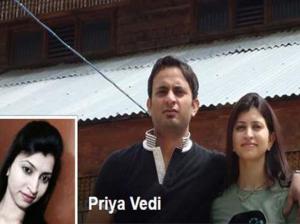
The Priya Vedi Suicide: Diwas Raja Kc and Alston D’Silva

This is a guest post by Diwas Raja Kc and Alston D’Silva

Image Courtesy: www.pardaphash.com
Image Courtesy: http://www.pardaphash.com

On the 18th of April this year, Dr. Priya Vedi of AIIMS tragically ended her life and left a Facebook note incriminating her husband—fellow doctor at AIIMS Dr. Kamal Vedi—for “torturing” her mentally, clearly implying that his homosexuality was the reason for her suicide. Her distress is apparent in the note as she recounts the lack of intimacy in her marriage and her discovery of the husband’s sexual activities as a gay man before and during the marriage. At the end she includes a plea to all gay men to not “marry to a girl to save yourself,” to not play with the emotions of a girl and her family. It should not be surprising that some condolent commentators have placed the blame specifically on Kamal Vedi’s alleged sexual orientation, even calling for legal action. Even within the LGBT community, the tendency has been to first put culpability on the man’s opportunistic participation in the institution of marriage. There is a sense that this incident ought to serve as a teaching moment for gay men, who are argued to require an ethical code, who need to fixate on the deliverance of their conscience, and whose rights—as Sandip Roy pointed out—”mean nothing without responsibility.” But despite Priya Vedi’s strongly felt sentiments, must we proceed as if the case of her fatal end is a logical and natural consequence of gay men’s irresponsible intrusions into the sanctum of marriage? After all, such intrusions are routine, and the ensuing heartbreaks are sometimes even known to be productive of powerful empathy between straight women and gay men.

Continue reading The Priya Vedi Suicide: Diwas Raja Kc and Alston D’Silva

South Africa in the Twilight of Liberalism: Richard Pithouse

[Note: Recent events in South Africa – from raging student movements across university campuses to xenophobic violence in the streets of Durban – seem to echo so many struggles both inside and outside the university “here.” This is the first of hopefully several posts from South Africa, that seek to listen and travel across.]

Guest Post by RICHARD PITHOUSE

South Africa was supposed to be different. We attained our freedom, such as these things are, after everyone else but Palestine. It was late in the day but the afternoon sun was glorious and the best people, people who had passed through the long passage of struggle, told us that we would be able to avoid the mistakes made everywhere else.

There was a mass movement that, whatever its limits, had won tremendous popular support and carried some noble ideals through its travails. Its leaders cast long shadows. Our Constitution, we were always told, was as good as they get. Liberalism, apparently vindicated by history, had its evident limits but there was, it was said, lots of room for deft manoeuvre within those constraints. We were assured that there was room for everyone at what Aimé Césaire had called the ‘rendezvous of victory’.

For a long time the presence of all kinds of features of the past in the present was widely understood as something that would be resolved in time. Land would be redistributed, schools would flourish, houses would be built, there would be jobs – the kind of jobs that reward hard work – and universities would emerge, bright and bold, from their cocoons spun by settler culture. Time, it was generally believed, was on the side of justice and the eventual redemption of the suffering, striving and struggles of the past.

Continue reading South Africa in the Twilight of Liberalism: Richard Pithouse

Ambedkar’s Ideology – Religious Nationalism and Indian Constitution: Ram Puniyani  

Guest Post by RAM PUNYANI

In order to gain larger legitimacy, RSS has been making claims of sorts. One of that which was made few months back was that Gandhi was impressed by functioning of RSS. Now on the heels of that comes another distortion that Ambedkar believed in Sangh ideology (Feb 15, 2015). This was stated recently by RSS Sarsanghchalak, Mohan Bhagwat. There cannot be bigger contrasts between the ideology of Ambedkar and RSS. Ambedkar was for Indian Nationalism, Secularism and social justice while the RSS ideology is based on two major pillars. One is the Brahmanic interpretation of Hinduism and second is the concept of Hindu nationalism, Hindu Rashtra.

Where does Ambedkar stand as for as ideology of Hinduism is concerned? He called Hinduism as Brahminic theology. We also understand that Brahmanism has been the dominant tendency within Hinduism. He realized that this prevalent version of Hinduism is essentially a caste system, which is the biggest tormentor of untouchables-dalits.

Continue reading Ambedkar’s Ideology – Religious Nationalism and Indian Constitution: Ram Puniyani  

Updating of “National Register of Citizens” and Recent Political Developments in Assam: Abdul Kalam Azad

Guest post by ABDUL KALAM AZAD

On 21st July, 2010 one of my close family relatives, Mydul Mullah (25) was one among the thousands of marginalized Muslims of Barpeta district who were demonstrating in front of Deputy Commissioner’s office at district headquarter demanding an error-free fresh NRC (National Register of Citizens). Eventually, police brutally cracked down on the picketers and fired upon them for the ‘crime’ of exercising their democratic right to peacefully protest. After the police firing Mydul Mullah along with his three comrades Khandakar Matleb (20), Siraj Ali (27) and Majam Ali (55) succumbed to the bullet injuries. The Tarun Gogoi led Assam government was forced to suspend the faulty NRC pilot project due to unprecedented public outrage.

The question of ‘illegal migration’ from Bangladesh has been one of the most significant and emotive topics in the political milieu of Assam for almost half a century now. .

The six-year long movement (1979-1985) against illegal immigration, popularly known as the Assam Movement, spear headed by All Assam Students Union claimed itself to be a secular and nonviolent new social movement of ‘indigenous’ people to drive out the illegal immigrants. But analyses of scholars and social scientists like Prof. Hiren Gohain, Prof. Monirul Hussain, Dr. Debabrata Sarma, Diganta Sarma etc. reveal that as soon as the Assam movement accommodated right wing RSS workers into its leadership, the whole movement turned against Muslims of Bengali origin in Assam. Heinous massacres like that of Nellie, Chaolkhuwa, Nagabandha etc. were orchestrated against Muslims of Bengali origin and in broad day light thousands of people were killed. After six years of deadlock, the movement culminated in the signing of the ‘Assam Accord’ with the Government of India in 1985. The accord says that the immigrants, who came to Assam after 25th of March, 1971 will be detected and deported from Assam. One of the mandates of the accord was to update the 1951 National Register of Citizen to facilitate identification of illegal immigrants from Bangladesh in Assam.   Continue reading Updating of “National Register of Citizens” and Recent Political Developments in Assam: Abdul Kalam Azad

And then they came for Oyasiqur Rahman Babu !

Courtesy : m.bangladeshtime.com

….It is not the young who are writing obituaries for the old,…I have seen the blood shed by so many young people steadily mounting up until now I am submerged and cannot breathe. All I can do is take up my pen and write a few articles, as if to make a small hole in the mud through which I can draw a few more wretched breaths. What sort of world is this ? The night is so long, the way so long….

( Lu Xun, Written for the Sake of Forgetting, P 234, Selected Works of Lu Xun, Vol III, Beijing)

Md Oyasiqur Rahman Babu , aged 27 years is dead. A travel agency executive by profession and a secular blogger by passion he was killed by radical Islamists in Tejgaon, Dhaka when he was going to office in Motijheel. The three assailants – who did not personally know each other – met just for planning the murder and then executed it with military precision.

Thanks to the courage exhibited by trans genders living nearby who caught hold of these murderers while the locals who watched the act before their eyes just dithered to move. Zikrullah, a student of Hefazat-e-Islam’s Hathazari Madrasa in Chittagong, and Ariful, student of Mirpur Darul Uloom Madrasa – were caught while the third member of the team, Abu Taher of Mirpur Darul Uloom, managed to flee the spot. The arrestees said they had killed Oyasiqur for writing on religious issues. It is a different matter that none of them had read his blog, they even did not know what blogging is, they  just executed the order issued by some mastermind. Continue reading And then they came for Oyasiqur Rahman Babu !