In light of the Planning Commission’s cruel joke of pegging the poverty level at an expenditure level of Thirty Rupees day, I wanted to bring our attention to a recent report compiled by Clifton D’Rozario in his capacity as an advisor to the Commisioners on the right to food. The report may be downloaded from here
This press statement was issued by theJAMMU AND KASHMIR COALITION OF CIVIL SOCIETY on 19 October 2011
Over the last 22 years in Jammu and Kashmir, the Armed Forces Special Powers Act (AFSPA) and Cr.P.C. 197 has provided absolute legal impunity to the armed forces and the Jammu and Kashmir Police.
The Government of India claims that despite the imposition of AFSPA, mechanisms of justice are functional and deliver whenever anyone is found indulging in human rights abuses, but facts provided by the state institutions contradict the claim of the Indian state. Continue reading Lies about sanctions under AFSPA: JKCCS→
“Truth and Reconciliation Commission (TRC)” is a recent addition in the lexicon of the Kashmir conflict/dispute. IT gained currency after recent confirmation of reports about presence of unmarked, unidentified and mass graves in Kashmir. The idea of a TRC for Kashmir raises questions about its relevance and context, especially unidentified graves and enforced disappearances.
Truth and reconciliation commissions have been established in the past with varied powers and purposes, usually at points where the parties involved are ‘emerging out of conflict’ or are at ‘transitional stage’, and after modalities have been established for conflict resolution.
Threatening people whose views you don’t like with violence is a sure-shot way of letting the world know who is right and whose argument is morally superior. To those who attacked Prashant Bhushan today for the comments he made in this video below, thank you for bringing more attention to them!
This is how “integral” a part of India Kashmir is – so integral that voices that doubt it must be silenced with vigilante force!
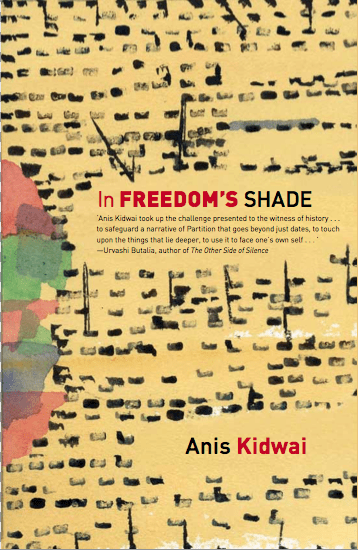
In Freedom’s Shade, by Anis Kidwai; translated from Urdu by Ayesha Kidwai; Penguin Books India 2011, Pp 382, price Rs. 450
Anis Kidwai belonged to the illustrious Kidwai family of Barabanki. The family has made more than a signal contribution to the making of India. Not only in politics and governance but also in diverse fields of creative endeavour. This short piece, though, is not about her or about her family but her most remarkable record of the unfolding tragedy in the Capital of India and in its surroundings in the aftermath of independence and partition.
Anis Kidwai, though extremely politically aware with sharp and clear views on what she saw happening, was not a political activist and would have probably continued to lead a well settled, almost sedentary life in Mussoorie, had the unthinkable not happened. Her husband, Shafi Ahmad Kidwai, the administrator of the Municipality, who had almost single handedly tried to keep peace in Mussoorie when everyone else had either given up or joined the rioters, was murdered.
Justice Markandey Katju, who has upon retirement just been appointed head of the Press Council of India, today addressed the media at his residence in Delhi. Towards the end of his speech, he said:
Before I conclude, I once again repeat my appeal to the Indian Government through the Prime Minister to release Dr Khaleel Chishty who is in Ajmer Jail. He is 80 years old and has not very long to live. He was an eminent virologist in Karachi Medical College and was a PhD from Edinburgh University. He is a heart patient and has many other ailments also. He is unable to walk. In the name of humanity I appeal to the Indian Government to release him and allow him to get back to home in Karachi to his wife and daughter who live there. The Pakistan Government honoured my appeal and released Gopal Das from a Pakistani jail. I am sad that the Indian Government has not yet honoured my appeal made several months ago to the Hon’ble Prime Minister, the Hon’ble Home Minister, and His Excellency the Governor of Rajasthan. In my opinion, the prestige of our country will be invreased if Dr. Chishty is released, whereas if he dies in jail, we will be disgraced. Continue reading Gopal Das is free, Khaleel Chishty is not→
The police today raided my house between 6.30 and 7 am. I was out of the house when they did it. One of those days when I was not at home. They came with a search warrant and said that a khatarnak Naxalite was being shielded in my house.
My family was unable to gather the name, but they had come looking for a woman they said some Sunit / Sumit Sodi. The Bajaj Nagar police station of Jaipur, which very well knows my house, brought them. It was led by the DY SP of our area Rajendra Singh Shekhwat and they also sent police outside the People’s Union for Civil Liberties office. The Chhattisgarh raid was led by one Mr. Memon who was in plain clothes. His rank we do not know. He got papers from a court that my house has to be searched. Continue reading Kavita Srivastava: ‘Chhattisgarh Police Raided My House Today in Collusion with Jaipur Police’→
PRESS STATEMENT: We, the undersigned, express our deep concern regarding the continuous arrests of Indian and Pakistani fishermen and confiscation of their boats by each country of the other. The poor, innocent fishermen go to sea to catch fish and in the deep sea it becomes virtually impossible for them to recognise where their countries waters end and other’s start.
The fishing season has begun couple of days ago and boats in a big number go to the mid-sea to catch and earn some money. Both the governments need to recognise the fact that these traditional fishermen go to the mid-sea for their livelihood. Arresting them and confiscating their boats means depriving their families from the livelihood, and causing them extreme distress. Continue reading Release Indian and Pakistani fishermen with their boats→
This statement come from theRIGHT TO FOOD CAMPAIGN
October 3rd, 2011
Arbitrary Raid on Kavita Srivastava’s house: Latest act of harassment of human rights workers
We condemn in the strongest possible terms the arbitrary raid this morning (3 October), in Jaipur, on the house of Kavita Srivastava, General Secretary of PUCL and convenor of the Right to Food Campaign’s steering group. This is yet another instance of harassment of human rights workers under the cover of fighting Naxalism. Kavita Srivastava is the convenor of the Steering Committee of the Right to Food Campaign and PUCL is the petitioner in the Supreme Court case on the Right to Food which has recently challenged the Government on the issue of the poverty line. Continue reading Statement condemning raid on Kavita Srivastava’s house: Right to Food Campaign→
As the session of the Jammu and Kashmir legislative assembly opens in Srinagar, Amnesty International is writing to all members of the legislative assembly (MLAs) to raise human rights concerns in the house and ensure that such issues are not ignored during the session.
Although there appears to be a consistent decrease in the overall numbers of members of armed groups operating in Jammu and Kashmir (J&K), human right violations continue to remain a significant and widespread concern in the state.
Amnesty International calls on all MLAs to raise human rights issues during the assembly session and call upon the state government to take immediate action required to remedy the situation. In particular, Amnesty International asks you to raise the specific issues below. While not an exhaustive list of human rights concerns in the state, discussion on these would indicate the commitment to human rights of the state legislative assembly and be an important step towards improving the human rights of all residents of Jammu and Kashmir.
This release comes from the INTERNATIONAL PEOPLE’S TRIBUNAL ON HUMAN RIGHTS AND JUSTICE IN INDIAN-ADMINISTERED KASHMIR (IPTK)
Srinagar, September 26, 2011
To: Honourable Members Jammu and Kashmir Legislative Assembly Government of Jammu and Kashmir
Re.: Unknown and Unmarked Graves of Kashmir: Investigation, Prosecution, and Reparation
We appeal to the Members of the Jammu and Kashmir State Legislative Assembly to address the following urgent issues in light of the findings put forward by the State Human Rights Commission of Jammu and Kashmir (SHRC) pertaining to unknown and unmarked graves. The SHRC investigated unmarked graves in Bandipora, Baramulla, Kupwara, and Handwara districts across 38 graveyards and verified 2,156 unidentified bodies in unidentified graves, as documented in its report of July 2011. Continue reading Unknown and Unmarked Graves of Kashmir: Investigation, Prosecution, and Reparation: IPTK→
In a damning revelation, a Right to Information application has revealed the Jihadi Literature that Delhi Police recovered from amongst the belongings of the slain terrorists killed in an encounter at Batla House in Delhi two years ago. The hateful, provocative and extremist nature of the recovered literature should be a matter of alarm for everyone. Given below is the cover of the book that contained the Jihadi Lit: Continue reading Revealed: The Jihadi Literature that Delhi Police Recovered from the Terrorists They Killed in Batla House→
Update: The Press Trust of India confirms the Kashmir angle. See more updates at the end of this post.
David Barsamian
David Barsamian, founder director of Alternative Radio, and independent radio legend, was deported on arrival from New Delhi airport in the early hours of Sept 23. Details are awaited since David is probably still on the plane back. But between his arrival sometime after midnight, and his being “put back” on a flight at 3am, David was able to only make a quick call to his ‘home’ here in Delhi, to the family of his longtime sitar guru, Debu Chaudhuri. Continue reading India deports radio broadcaster David Barsamian upon arrival at Delhi airport→
Senkodi, a 20 year old woman, part of Makkal Mandram a commune in Kancheepuram immolated herself outside the collector’s office on the 29th of August in Kancheepuram. She left a letter saying that it was in solidarity with the campaign against the death penalty awarded to Perarivalan, Murugan and Santhan in the case relating to Rajiv Gandhi’s killing. Growing up in the commune Senkodi was part of the struggles that were around her such as those for land and other rights of marginalised communities. Much has been written about her both maligning her and her comrades as well as hailing her ‘martyrdom’. Below is a piece that brings into question the reasons for her death and the reactions to it. It is translated as accurately as possible in language and tone from it’s original Tamil version. It is a piece written to raise questions within progressive spaces in tamilnadu, but can be easily read into similar contexts.
Guest post by PREMA REVATHI Translated from the Tamil by Ponni
The human heart is a strange creature. The utter helplessness and pathos I felt after I heard of the death of Senkodi reminded me of lines I had heard ages ago which stuck with me;
Guest Post by PREMA REVATHI An English translation, with a background note, is available here.
மனித மனம் விசித்திரமானது. செங்கொடியின் மரணச்செய்தியை கேட்டதும் ஆறாத இயலாமையின் இருள் சூழ்ந்துகொண்டுவிட்ட மனதில் எப்போதொ ஒரு காலத்தில் மனதில் ஆழப்பதிந்துபோன
“ இந்த பூமியின் தேசங்களில்
ஒளி வீசுக செங்கொடியே…”
என்ற பாடல் வரிகள் மீண்டும் மீண்டும் அலையாடியது.
புரட்சிகர போராட்டத்தால் இந்த பூமியையே மாற்றிவிடும் ஒரு பெருங்கனவு இன்று முள்ளாய் உறுத்தும் ஒரு பழங்கனவாய் விடைகள் இல்லாத திசைவழிகள் இல்லாத நம்பிக்கைதரும் தலைமைகள் இல்லாத இத்தனிமையான அரசியல் இரவில் துறுத்திக்கொண்டிருக்கும் வேதனை முகத்தில் அறைகிறது.
ஆயிரமாயிரம் வார்த்தைகள் செங்கொடி பற்றி எழுதப்பட்டுவிட்ட, எழுதப்பட்டுகொண்டிருக்கும் இக்கணத்தில் நெஞ்சுருக்கும் இந்த இன்மையும் புகைப்படத்தில் தீர்க்கமாயொளிர்ந்து கொண்டிருக்கும் அவள் விழிகள் கேட்கும் கேள்விகளும் அலைகழித்துக் கொண்டே இருக்கின்றன.
This release comes from thePEOPLE’S UNION FOR CIVIL LIBERTIES, Rajasthan
Gopalgarh (Bharatpur, Mewat) Police Firing Incident Preliminary Findings of the Fact Finding Team released in the Press Conference on 19th Sept, 2011
Photo credit: PUCL Rajasthan
This preliminary report of the PUCL team pertains to the incident of the police firing in Gopalgarh, district Bharatpur, Rajasthan. As per the media reports, the police resorted to firing to quell rioting mobs. The government has acknowledged eight deaths and 23 injured in this incident. Following this, the PUCL, Rajasthan constituted a Fact Finding Team to conduct independent inquiry into this incident. The team comprised Kavita Srivastava, National Secretary, PUCL, Professor Shail Mayaram (Delhi), Professor Yogendra Yadav(Delhi), Ms. Nishat Hussain (Vice President, PUCL, Rajasthan) Mr. Sawai Singh (Organising Secretary PUCL, Rajasthan), Mr. Noor Mohammed (PUCL, Alwar), Mr Virendra Vidrohi (PUCL, Alwar), Adv. Ramjan Chowdhary (PUCL, Mewat district, Haryana), Mr Gaurav Srivastava(PUCL intern). Mr. Neelabh Mishra, Editor, Outlook (Hindi) and a section of progressive members of the Gurjar and Meo community also accompanied and assisted the fact finding team. Continue reading ‘Every eye-witness said there was no death before the police intervened’→
This release comes via theNATIONAL ALLIANCE FOR PEOPLE’S MOVEMENTS
Nellore, September 18 : “Government of Andhra Pradesh has given licenses to 28 companies to establish thermal power plants with a total capacity of 32,000 MW. How can a fragile coastal zone can take up so much of ecological pressure ? Is this the way to plan the needs of electricity for development ?” asked the delegates who had come from different parts of the State and joined by eminent social activists Medha Patkar, Sandeep Pandey, Banwari Lal Sharma, Gabriele Dietrich, Sister Celia, Manoj Tyagi, Viveknanad Mathane, P Chennaiah, Ramakrishnam Raju and others. Jan Sansad was hosted by NAPM and Jana Vigyan Vedika at the premises of Nehru Yuva Kendra, Nellore. Continue reading ‘Jan Sansad demands a Development Planning Act not an Act to Facilitate Land Acquisition’→
This is a statement put out by the JAMIA TEACHERS’ SOLIDARITY ASSOCIATION
Punish those guilty of misleading probes Compensate the victims NOW!
13 September 2011: The NIA has finally put the official seal on what many activists, the families of the accused and the people of Malegaon had been saying for long: that the arrest of nine Muslim men for the 2008 Malegaon blast was a result of a communal witch-hunt, which passes for investigations into terror charges. As a consequence of the investigating agencies’ hubris and prejudice, nine innocent men had to spend five long years in jail, while their families suffered and they were stigmatized. Continue reading Lessons from Malegaon: JTSA→
This guest post bySIMI CHACKOandPRATIKSHA KHANDURI is the full text of a booklet released in August 2011. A .pdf version of the booklet (41 pages, 304 KB) can be downloaded here.
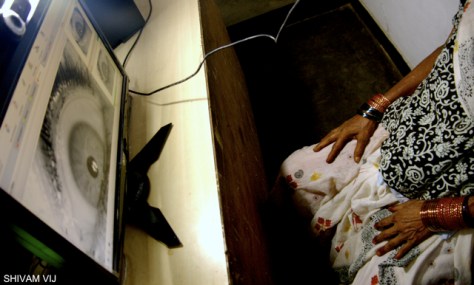
A citizen gets her iris scanned for a UID 'Aadhar' card in Delhi.
Introduction
A. UID: The Basics
B. The Enrolment Process
C. Benefits of UID
D. Concerns: Biometrics, Privacy, Data security, Surveillance
An elderly, bed-ridden man sentenced to life imprisonment in an ‘enemy’ country for a murder he didn’t commit awaits the signature on his clemency petition. By Beena Sarwar and Shivam Vij
Human rights activists in India are renewing their efforts for the release of the elderly Pakistani prisoner Dr Khalil Chishty lodged in Ajmer prison hospital, whose mercy petition awaits just one signature from the Rajasthan Governor Shivraj Patil. The mercy petition had earlier been approved by the state government and had reached Patil in June this year. At that point, it was expected that Dr Chishty, 78, a renowned virologist bed-ridden with various illnesses in jail, would soon be released.
Instead, Governor Patil raised a set of questions for the state government to answer. The Rajasthan government has answered all the queries, but has not submitted the file to the Governor again – perhaps because, according to sources, the Governor has already indicated that he will not sign the petition. Continue reading Bring Dr Chishty home – alive→
Now that the Anna Hazare Show is over, will the Indian media go back to looking at India as also existing outside Delhi? On 6 July 2011, Meena Khalkho, a sixteen year old tribal girl from Karcha village in the state of Chhattisgarh was raped and murdered by the local police and it barely made a dent on our news universe. A search for her name on most television news websites returns nothing. The police in Chattisgarh immediately hit upon a strategy that has now long been in circulation. They subsume Meena’s horrible rape and murder within what goes these days as a laudable mission, one that manages to neutralize all rage against police atrocities, by claiming Meena to be a Naxal and by claiming her to be fatally wounded in an encounter that night against a larger party of Naxallite cadres.