
This FAQ has been put out by the Delhi-based SFLC.in
The Central Government notified the Information Technology (Intermediaries Guidelines) Rules, 2011 in April, 2011. The rules which seek to control the intermediaries end up controlling the actions of users. As these rules attempt to cover a wide range of activities through a duplicate, complicated structure, neither the industry nor the end users are able to understand the boundaries of their rights and duties.
This FAQ aims at making these rules easy to understand and at sensitising the beneficiaries to the problems that the rules raise.
Who are intermediaries? Continue reading How India made it easy for everyone to play internet censor: A primer from SFLC.in
 Below is a note written by Udayakumar, one of the leaders in Kudankulam that is being circulated. Further below is an update from activist Nityanand Jayaraman on the Madras High Court interim orders in response to cases filed against all the illegal steps taken by the government on Kudankulam.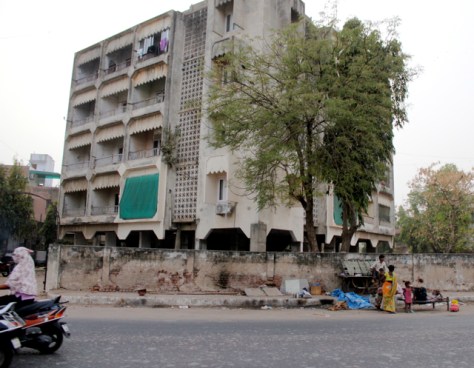
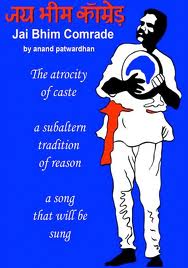 How many murdered Dalits does it take to wake up a nation? Ten? A thousand? A hundred thousand? We’re still counting, as Anand Patwardhan shows in his path-breaking film Jai Bhim Comrade (2011). Not only are we counting, but we’re counting cynically, calculating, dissembling, worried that we may accidentally dole out more than ‘they’ deserve. So we calibrate our sympathy, our policies and our justice mechanisms just so. So that the upper caste killers of Bhaiyyalal Bhotmange’s family get life imprisonment for parading Priyanka Bhotmange naked before killing her, her brother and other members of the family in Khairlanji village in Maharashtra, but the court finds no evidence that this may be a crime of hatred – a ‘caste atrocity’ as it is termed in India. Patwardhan’s film documents the twisted tale of Khairlanji briefly before moving to a Maratha rally in Mumbai, where pumped-up youths, high on testosterone and the bloody miracle of their upper caste birth are dancing on the streets, brandishing cardboard swords and demanding job reservations (the film effectively demolishes the myth that caste consciousness and caste mobilisation are only practised by the so-called ‘lower castes’). Asked on camera about the Khairlanji murders, one Maratha manoos suspends his cheering to offer an explanation. That girl’s character was so loose, he says, that the entire village decided to teach her a lesson.



 KAFILA - COLLECTIVE EXPLORATIONS SINCE 2006