संदेह, अविश्वास उतना न है नकारशील


मुक्तिबोध शृंखला:33

अधूरापन मनुष्य की अवस्था को परिभाषित करता है। पूर्णता उसकी आकांक्षा है। इस आकांक्षा के कारण ही वह दूसरों से रिश्ते बनाता है। व्यक्तियों, समुदायों, राष्ट्रों की सीमाओं को लाँघकर नए, अब तक जो अनजान रहा, उससे जुड़ना अपने अधूरेपन से लड़ना है। प्रकृति का सायास साहचर्य भी इसी प्रक्रिया का अंग है। ब्रह्माण्ड के हर कोने तक दृष्टि प्रसारित करना भी यही है। सम्पूर्ण ज्ञान व्यापार इस अधूरेपन से पार पाने का उपक्रम है। संघर्ष है।

अपने अधूरेपन को आखिर हम किस तरह परिभाषित करें? क्या वह मेरी न्यूनता है? मैं जिस स्थिति में हूँ वह मुझे मिली है। मैं उसके लिए जवाबदेह नहीं। लेकिन मैं उसी स्थिति से पहचाना जाता हूँ। क्या मैं उसी स्थिति का बंदी हो रहूँ या उसे बदलने की कोशिश करूँ? या क्या मैं मात्र उसके पार चला जाऊँ? बिना उस स्थिति  को छेड़े? क्या ऐसा करना संभव है? यानी खुद को पुनर्परिभाषित करना? 

अधूरेपन की चेतना के साथ जुड़ा हुआ है सीमितता का अहसास। मनुष्य अपने काल और परिवेश से सीमित होता है। कई बार, बल्कि प्रायः उनका कैदी भी। यह उसकी बनाई हुई नहीं, उसे मिली हुई अवस्था है। और उस उसका अभ्यास वह अनजाने ही करता रहता है जिससे वह एक एक आश्वस्तिकर अवस्था जान पड़ने लगती है। इस सीमाबद्धता का ज्ञान मनुष्य को हो, यह कि वह उसे जड़ बना रही है, इसके लिए उसे निरंतर सक्रिय रहना पड़ता है। उसके बिना वह उसी अवस्था को वरदान मानकर उसकी रक्षा में सन्नद्ध हो उठता है।

Continue reading संदेह, अविश्वास उतना न है नकारशील

इस तरह चूर्ण चट्टान हो कि रेणु-रेणु सूरज पर चले जाएँ

मुक्तिबोध शृंखला:32

अच्छी कविता और बड़ी कविता में फर्क होता है। अच्छी कविता के नियम बड़ी कविता पर लागू नहीं होते। जैसे आम तौर पर कविता का उद्घोषात्मक होना अच्छा नहीं माना जाता। उपदेशात्मकता और शिक्षापरक होना अच्छी कविता के गुण नहीं माने जाते। लेकिन बड़ी कविता शिक्षापरक, यहाँ तक कि उपदेशात्मक होकर भी बड़ी हो सकती है। मुक्तिबोध की कविताओं के इस पक्ष को सहज ही लक्ष्य किया जा सकता है। जीवन कैसा हो? अच्छा जीवन कैसे जिया जाए या मानवीय जीवन किसे कहते हैं और उसे हासिल करने का तरीका क्या है, मुक्तिबोध की कविताएँ इसकी सीख देती चलती हैं और ऐसा करती हुई दीखती भी हैं। उन्हें जैसे इसकी परवाह नहीं कि उन्हें कविता माना जाएगा भी या नहीं।

मुक्तिबोध की कविताएँ एक ‘मैं’ गढ़ती रहती हैं। वह ‘मैं’ अक्सर अपने आप से बात करता रहता है। उसके मन में एक उधेड़बुन सी चलती रहती है। ज़िंदगी की अपनी राह को लेकर, उस रास्ते पर चलने की अपनी तैयारी को लेकर, कभी कभी रास्ते के चुनाव पर भी। एक घोर आत्म-चेतस् व्यक्ति जो कभी चैन से नहीं रहता। क्योंकि उसकी एक निगाह भीतर को ओर मुड़ी होती है।

Continue reading इस तरह चूर्ण चट्टान हो कि रेणु-रेणु सूरज पर चले जाएँ

Hacking India’s Democracy – From Monitoring Metadata to Spying Real Time: C.P. Geevan

Guest post by CP GEEVAN

On June 18 (Sunday evening in India), freedom-loving people across the world were shocked by the revelations of how a highly sophisticated and expensive digital technology, named Pegasus, a spyware sold by Israeli company NSO Group, has been systematically abused for years to spy on journalists, human rights defenders, academics, businesspeople, lawyers, doctors, union leaders, diplomats, politicians and even several heads of states. Regimes in several countries continue to criminally deploy such technologies to suppress democratic rights, curtail human rights, and organise surveillance on a massive scale. Such technologies are military grade weapons and are recognised to be precisely that. It is developed and sold by the NSO Group, a private company supported by Israel. As per NSO, they sell licences only to agencies authorised by a national government and approved by the Israeli government. Although it is being referred to as a software or malware, the spying system consists of an elaborate set of arrangements including a secure supporting backend maintained by the NSO Group.

Continue reading Hacking India’s Democracy – From Monitoring Metadata to Spying Real Time: C.P. Geevan

Some Remarks about Movements

Guest Post by Ravi Sinha

Accountability is foundational to democracy and, ultimately, people are supposed to take those in power to account through democratic processes and mechanisms. But, then, we also know what often happens in democracy. Electoral competition gives rise to ‘technologies’ (often religious, cultural and identity-based) which turn citizens into “Bhakts” (devotees) and storm-troopers (remember Hitler’s “Brownshirts”). The dark side of democracy comes on top more often than the other side. India is witnessing that disaster. Trump was a testimony to the same phenomenon in the United States.

But what about movements? Are they also supposed to be accountable to someone or something? One would presume that movements are accountable to their own missions, values, objectives, arguments and strategies. Is anyone taking the movements to account on that score?

One would imagine that the left movement has been taken sufficiently to account all over the world. So much so that, for most people, there is no longer any need to take it to account. In many eyes, it is finished. Why waste time on something that is finished? And yet, the most curious thing is that the left remains the favourite whipping boy of most other movements and their intellectual luminaries. Here in India a favourite pre-occupation of Dalit intellectuals is to expose the Savarna (upper caste) hegemony over the left movement and many feminists focus on the misogyny of leftists. As if in a survey of the Indian society, leftists have come on top as the most likely and most numerous perpetrators of oppression and violence against Dalits and women! There is no denying that left must be taken to task for all its ills and all its failings. But, should a movement that is often pronounced dead be the prime example when it comes to evaluating movements?

The Bahujan Samaj Party (BSP) in Uttar Pradesh has declared that it would be the party that would actually build the Ram temple. This party is openly and loudly appealing to Brahmins as a caste to come into its fold. Babasaheb Ambedkar famously talked about annihilation of caste and declared that there is no scope of Dalit liberation under Hinduism. This irony is not confined to BSP. A Dalit is submissively the President under the current dispensation and an ex-Dalit Panther is a minister. All this can be explained away as pragmatic responses to the demands and rigours of democracy. But what about the movement itself? What about Ambedkar’s mission?

The question goes far deeper. Why is it the case that Hindutva has been able to make such inroads into Dalit communities? In what ways and to what degrees the ‘Hindu civilizational mind’ sits within the ‘Dalit cultural mind’? Why is it the case that in Gujarat carnage and elsewhere Dalits have been as much and as willing a part of the Hindutva “Brownshirts” as any other community? Why is it the case that an occasional Dalit leader who emerges as a fiery meteorite in the aftermath of a gruesome atrocity disappears as fast from the social and political horizon and the masters of the electoral machinations remain as much in control of the actual political arena?

One hopes that the theorists of social movements – from Columbia and Harvard Universities to JNU and Osmania – are earnestly grappling with this puzzle. We all know the simple and common-sense answers, but they do not suffice. The puzzle needs a deeper explanation. How long the intellectual prophets of the social movements remain content with celebrating the history and the survival of these movements? How long will Dalit writers remain content with asking the caste lineage of other (Savarna) writers and denouncing them for the surnames they use? How long will they be content with demanding monopoly over literary depiction and theoretical explanation of Dalit life and experience? Real questions and real challenges remain unattended.

(https://www.facebook.com/newsocialistinitiative.nsi/posts/2635781250063345)

Field report from protest against granite mining at Bodikonda: Chandra Sekhar

Guest post by Chandra Sekhar

All images courtesy the author

Background

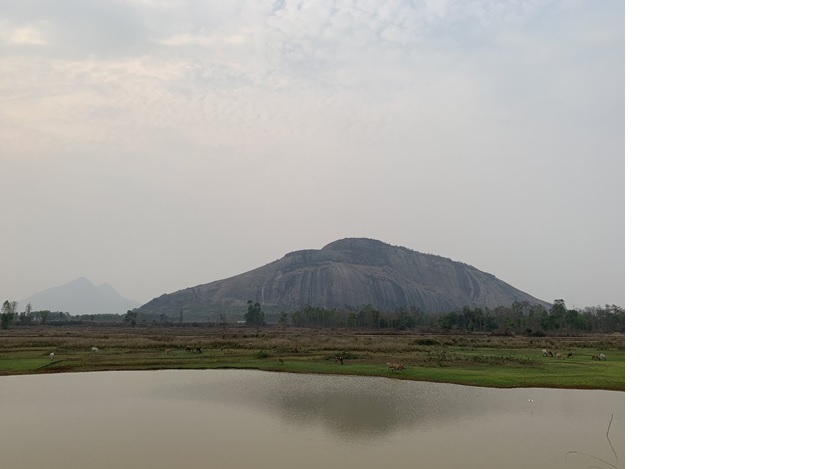
Bodikonda is a monolithic stone hill in Lakshminarayanapuram village in Parvathipuram mandal in Vizianagaram district. This has been in the news on and off over the last two years or so, because local people have been protesting the lease given to private companies for mining colour granite, without their being consulted nor any sort of public hearing.

Three leases for quarrying coloured granite were granted and executed in favour of MSSS Srinivas for an extent of nine hectares, M Madhupriya for an extent of six hectares and Kishore Granites Pvt. Ltd. for another nine hectares ( total of 24.29 hectares) for a period of 20 years. This comprises almost 50% of the area of the total hill. These companies applied for a lease in 2010 to the Assistant Director of Mines and Geology, Vizianagaram, and new licences were given in December 2019.

Procedural Discrepancies Continue reading Field report from protest against granite mining at Bodikonda: Chandra Sekhar

मेरे ही चंगुल से मुझको तुम मुक्त करो!

मुक्तिबोध श्रृंखला:31

“वीरान मैदान, अँधेरी रात, खोया हुआ रास्ता, हाथ में एक पीली मद्धिम लालटेन। यह लालटेन समूचे पथ को पहले से उद्घाटित करने में असमर्थ है। केवल थोड़ी-सी जगह पर ही उसका प्रकाश है। ज्यों-ज्यों वह पग बढ़ाता जाएगा, थोड़ा-थोड़ा उद्घाटन होता जाएगा।”

मुक्तिबोध रचना की प्रक्रिया के लिए एक रूपक प्रस्तुत कर  रहे हैं। अँधेरी रात, वीरान मैदान और एक खोया हुआ रास्ता। ‘खोया हुआ’ का आशय क्या है? यह वह रास्ता है जो जाना हुआ था और खो गया? यह प्रश्न ‘अँधेरे में’ कविता की खोई हुई ‘परम अनिवार आत्म संभवा अभिव्यक्ति’ के संदर्भ में उठाया जाता रहा है। क्या वह थी और खो गई या वह कभी मिली ही नहीं थी? ‘अँधेरे में’ की आख़िरी पंक्तियाँ हैं,

 “वह मेरे पास कभी बैठा ही नहीं था,

 वह मेरे पास कभी आया ही नहीं था,

तिलिस्मी खोह में देखा था एक बार,

आख़िरी बार ही।”

और आगे,

परम अभिव्यक्ति

अविरत घूमती है जग में

पता नहीं जाने कहाँ, जाने कहाँ

वह है।”

इसलिए हर गली, हर रास्ता देखना है, हर चेहरे पर गौर करना है, हर चरित्र में झाँकना है। मालूम नहीं वह अभिव्यक्ति कहाँ हो, कहाँ मिल जाए!

Continue reading मेरे ही चंगुल से मुझको तुम मुक्त करो!

A Poem For Umar, Khalid Saifi and Other Political Prisoners: Nabiya Khan

Guest Post by NABIYA KHAN

Our valiant young activists, defenders of democracy, continue to be in prison for almost a year – some a bit more and some a bit less. All under entirely framed charges, while the actual perpetrators of violence continue to roam free, spreading hate. Celebrating the commitment and courage of these activists, here is an offering by Nabiya Khan, courtesy Karwan-e-Mohabbat. The Devanagari and Urdu texts follow after the video

Continue reading A Poem For Umar, Khalid Saifi and Other Political Prisoners: Nabiya Khan

समीक्षा एक प्रेम दर्शन है

मुक्तिबोध प्रगतिवादी नहीं रह गए। मार्क्सवादी बने रहे। दोनों में विरोध कुछ लोगों को दीख सकता है। लेकिन मुक्तिबोध के अनुसार मार्क्सवादी होने के कारण ही वे प्रगतिवाद के दायरे से आगे निकल सके। प्रगतिवाद एक समय के बाद एक आग्रह जैसा बन कर रह गया था। एक मायने में दुराग्रह। कम से कम मुक्तिबोध को ऐसा ही प्रतीत होता था। जबकि मार्क्सवाद उनके लिए विज्ञान था। विज्ञान अपने व्यापकतम अर्थ में। विज्ञान जो विज्ञानवादी जड़ता से ग्रस्त नहीं है। वह जो प्रश्न, प्रयोग और परीक्षा पर टिका हुआ है। मार्क्सवाद को शेष विचार-प्रणालियों या दर्शनों से श्रेष्ठ साबित करने के लिए भी उसे विज्ञान कहा जाता है। मुक्तिबोध में भी यह  प्रवृत्ति देखी जाती है। फिर भी रचनाकार होने के कारण उनके लिए मार्क्सवाद को एक मूल्य व्यवस्था के रूप में ही श्रेय है। बुद्ध की तरह ही मार्क्स यह कहते जान पड़ते हैं कि दुःख है,  दुःख का कारण है और उसका निवारण भी है।

‘समीक्षा की समस्या’ नामक निबंध में मुक्तिबोध ‘ईमानदार प्रखर वैज्ञानिकता’ को मानव धर्म कहते हैं: 

उसमें एक साथ आत्म-निरपेक्षता और ग्रहण (?) आत्मसंबंध, लक्ष्योन्मुखता और विस्तृत अनेकपक्षीय तथ्य संवेदना, तथ्य ग्रहण-क्षमता उपस्थित है। अपने अज्ञान का स्वीकार और ज्ञान का अग्र-वेग भी उसमें है।”

Continue reading समीक्षा एक प्रेम दर्शन है

Untimely Explorations in a ‘Field’ Called ‘Marxism’

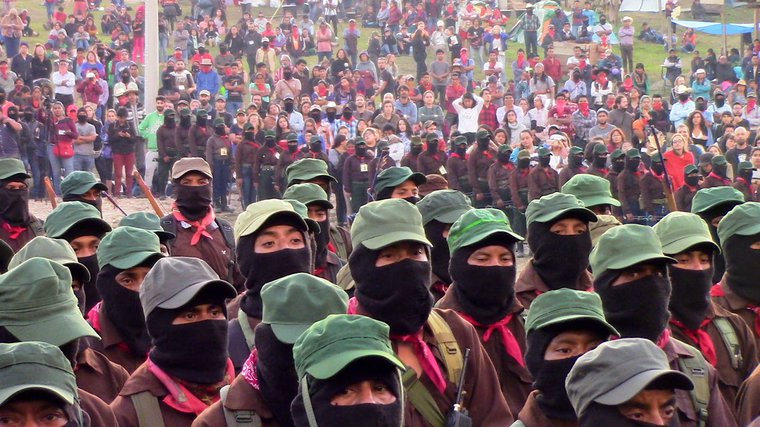
Zapatista (EZLN) ‘irregulars’ militia (male and female) who receive military training but are mobilized only in emergencies, Courtesy: Anya Briy and OpenDemocracy

I am interested in ‘Marxism’ as a field or a force-field in the sense in which we think of electromagnetic or gravitational fields, where objects and bodies impact on other bodies and objects, and have effects, without necessarily coming into contact.

Ever since the 2008 financial crisis and the beginning of the end of the neoliberal order, when sales of Marx’s writings, of Capital in particular, went up dramatically, there have been prognostications of the ‘return of Marx’. Indeed, there has also been an attempt, for a much longer time now, especially after the collapse of Soviet-bloc socialism, of a ‘return to Marx’. Both the millennial expectation of Marx’s Second Coming and that of a ‘return to’, display a distinct theological orientation –  insisting on a return to the pristine source, uncontaminated by the ‘deviations’ wrought by Leninist or Maoist-inspired practice in the underdeveloped regions of the world.

Continue reading Untimely Explorations in a ‘Field’ Called ‘Marxism’

प्रगतिवाद : मानवता-सिंधु में डूबी व्यक्ति-धारा ?

मुक्तिबोध शृंखला:29 

मुक्तिबोध मार्क्सवादी हैं। मार्क्सवादी होने के साथ-साथ प्रगतिवादी भी। क्या मार्क्सवादी दृष्टि ही साहित्य और कला में प्रगतिवाद के नाम से जानी जाती है? क्या कम्युनिस्ट पार्टी के सांस्कृतिक क्षेत्र में प्रभाव विस्तार करने के लिहाज से ही प्रगतिशील आंदोलन का महत्त्व है? क्या प्रगतिवाद और प्रगतिशील आंदोलन या संगठन एक दूसरे में गुँथे हुए हैं? 

मुक्तिबोध का रिश्ता प्रगतिवाद और प्रगतिशील लेखक संघ से पेचीदा रहा। मार्क्सवादी होने के कारण और राजनीतिक रूप से सक्रिय होने की वजह से वे प्रगतिशील आंदोलन से जुड़े। लेकिन उस दायरे में साहित्य को देखने के तरीके को लेकर उनकी बहस उन लोगों से होती रही जो इस आंदोलन या संगठन के विचारधारात्मक नेता थे। दृष्टि के संगठन में बदलते ही एक प्रकार की दृष्टिबद्धता दिखलाई पड़ने लगी। यह मुक्तिबोध के स्वभाव के विरुद्ध था। याद कीजिए ‘चाँद का मुँह टेढ़ा है’ में शमशेर बहादुर सिंह की भूमिका का वह अंश:

” ” तुम क्यों उनका दमन कर रहे हो!” वह बेहोशी में भी बड़बड़ा कर पूछता है। …. “अपने अपने आइडियाज़ हैं।”…”

लेकिन जब एक संगठित आंदोलन चल रहा हो तो वह बेहोश नहीं हो सकता। सबको अपने आइडियाज़ रखने की छूट नहीं दी जा सकती। उदारता संगठन के स्वभाव के ही विरुद्ध है शायद। और संवाद की जगह विवादात्मकता को संगठन अपनी शैली बना लेता है। प्रगतिवाद पहली ऐसी साहित्यिक प्रवृत्ति थी जिसने एक संगठन के सहारे अपनी श्रेष्ठता स्थापित करने की कोशिश की।

Continue reading प्रगतिवाद : मानवता-सिंधु में डूबी व्यक्ति-धारा ?

AMENDMENT TO CENTRAL CIVIL SERVICES PENSION RULES CURTAILS FREEDOM OF EXPRESSION OF RETIRED OFFICIALS: Constitutional Conduct Group

Open letter to Prime Minister by Constitutional Conduct Group

Dear Prime Minister,

We are former officers of the All India and Central Services who have worked with the Central and State Governments in the course of our careers. We have no political affiliation but have come together as the Constitutional Conduct Group because we believe in impartiality and neutrality and in safeguarding the values of the Indian Constitution.

We were surprised, and deeply disturbed, by the recent amendment to the Central Pension Rules notified by the Ministry of Personnel, Public Grievances and Pensions on 31 May 2021. By this amendment, retired government servants who have worked in any intelligence or security related organisation included in the Second Schedule of the Right to Information Act 2005 have to take the clearance of the head of the organisation if they wish to make any publication after retirement, if such publication relates to and includes:

(i) domain of the organisation, including any reference or information about any personnel and his designation, and expertise or knowledge gained by virtue of working in that organisation; Continue reading AMENDMENT TO CENTRAL CIVIL SERVICES PENSION RULES CURTAILS FREEDOM OF EXPRESSION OF RETIRED OFFICIALS: Constitutional Conduct Group

Functioning of Panchayati Raj Institutions in Bihar – Devolution or Delegation? Mayank Labh

Guest Post by  MAYANK LABH

The upcoming panchayat election in Bihar is a good occasion to examine the broader issues faced by the Panchayati Raj Institution (“PRIs”) in Bihar. According to media reports, the State Election Commission of Bihar has started to prepare for the upcoming panchayat election in Bihar, and the poll process would commence from the end of August.[1] Preceded by a 23-year gap as large-scale violence marred the 1978 panchayat elections, the panchayat elections in Bihar have been held on a mandated five-year interval since 2001. However, apart from conducting the panchayat elections, the National Democratic Alliance (“NDA”) government in Bihar has done little to further participatory democracy as the idea of local self-government remains illusory even after about 1,27,391 representatives get elected after every five years. Continue reading Functioning of Panchayati Raj Institutions in Bihar – Devolution or Delegation? Mayank Labh

मुक्तिबोध और मार्क्सवाद: एक अधूरा संवाद

मुक्तिबोध शृंखला:28

मुक्तिबोध के मार्क्सवाद और उनके व्यक्तित्व में एक फाँक की शिकायत एक समय तक हिंदी के कुछ मार्क्सवादी आलोचक करते रहे। उसका कारण था उनके अनुसार मुक्तिबोध में निजता या आत्मपरकता का अतिरेक। लेकिन मुक्तिबोध मार्क्सवाद तक आए थे अपनी उस समस्या का समाधान खोजते हुए कि मनुष्य अपना विस्तार कैसे कर सकता है। एक सार्थक जीवन जीने की कोई पद्धति हो सकती है या नहीं? वह अपना अकेलापन कैसे दूर करे? अपने आत्म को वह समृद्ध कैसे करे? क्या मार्क्सवाद औसतपन का शास्त्र है? या वह व्यक्ति के, हर व्यक्ति के जीनियस को महत्त्व देता है और उसके प्रस्फुटन में उसकी मदद करता है?

‘मार्क्सवादी साहित्य का सौन्दर्यशास्त्र’ में मुक्तिबोध मार्क्सवाद के बारे में कहते हैं:

मार्क्सवाद मनुष्य को कृत्रिम रूप से बौद्धिक नहीं बनाता है, वरन उसे ज्ञानालोकित आदर्श प्रदान करता है। मार्क्सवाद मनुष्य की अनुभूति को ज्ञानात्मक प्रकाश प्रदान करता है। वह उसकी अनुभूति को बाधित नहीं करता, वरन बोधयुक्त करते हुए उसे अधिक परिष्कृत और उच्चतर स्थिति में ला देता है। संक्षेप में, मार्क्सवाद का मनुष्य की संवेदन-क्षमता से कोई विरोध नहीं है, न हो सकता है।

संवेदना को बोधयुक्त करके उसके परिष्कार का क्या अर्थ है? संवेदन क्षमता तो हर मनुष्य में है। लेकिन क्या हर किसी के पास वह एक जैसी है? क्यों कुछ की वह सीमित होती है और कुछ की तीक्ष्ण? क्या इसका कारण उस मनुष्य या व्यक्ति के भीतर है? मार्क्स के अनुसार इसका कारण बाहर है। बाहरी भौतिक परिस्थितियाँ किसी मनुष्य की संवेदना की सीमा तय करती हैं ।

Continue reading मुक्तिबोध और मार्क्सवाद: एक अधूरा संवाद

Concerned Historians Respond to Parliamentary Standing Committee on Education On History Textbooks

[We are publishing below the full response of Concerned Historians to the Parliamentary Standing Committee on Education, regarding certain proposed changes.]

RESPONSE OF CONCERNED HISTORIANS On the

CALL FOR REVISIONS IN SCHOOL HISTORY BOOKS IN INDIA

To be shared with the Parliamentary Standing Committee on Education pertaining to school history books.

Date: 15th July 2021

We have recently learnt of representations being collected by the Department-related Parliamentary Standing Committee on Education, Women, Children, Youth and Sports with respect to:

a. Removing references to un-historical facts and distortions about our national heroes from the text books.

b. Ensuring equal or proportionate references to all periods of Indian history.

c. Highlighting the role of great historic women heroes, including Gargi, Maitreyi, or rulers like Rani of Jhansi, Rani Channamma, Chand Bibi, Zhalkari Bai etc. in school history books in India.

We place before the Committee certain observations and points of caution.

Textbook revisions: certain cautionary notes

It appears from the notification of the Parliamentary Standing Committee’s proceedings inviting responses that a consensus presumably exists on the presence of “distortions” in existing history school textbooks such as of the NCERT. On this point itself, we wish to draw the attention of the Hon’ble members to the fact that while scholarship grows and propels the corresponding need for periodic revision of textbooks; the use of the word “distortion”, as in this context, appears to be an unsubstantiated allegation that creates roadblocks for the initiation of a serious scholarly exercise. Opinions are being sought regarding “unhistorical facts and distortions about our national heroes” in the existing history textbooks without substantiation, which is unfortunate and also objectionable. 

Continue reading Concerned Historians Respond to Parliamentary Standing Committee on Education On History Textbooks

मार्क्सवाद : वीरान अमानवीय दूरियाँ

मुक्तिबोध शृंखला:27

मार्क्सवादी अर्थशास्त्री प्रभात पटनायक ने चीन की कम्युनिस्ट पार्टी की शताब्दी के मौक़े पर उसकी सांसारिक उपलब्धियों को स्वीकार करते हुए भी उसे समाजवादी व्यवस्था मानने से इनकार किया है। उसका कारण उनके मुताबिक़ यह है कि चीन में व्यक्ति अभी भी पार्थक्यविहीन जीवन नहीं जी रहा है। चीन का जन आज भी खंडित जन ही है। यानी उसकी सर्जनात्मकता पर उसका अधिकार नहीं है। उसका समय उसका नहीं है। अपने वजूद का मालिक वह खुद नहीं है, उसकी पार्टी है। दूसरे शब्दों में, वह स्वतंत्र या स्वाधीन नहीं है। स्वाधीनता चीन में अपराध है और ख़तरनाक है। इस मत से अलग कुछ कम्युनिस्ट पार्टियों की समझ है कि चीन ने अपने क़िस्म का समाजवाद विकसित किया है।

60 साल पहले ‘वसुधा’ में चीन के साहित्य को लेकर गोरखनाथजी की आपत्ति का उत्तर मुक्तिबोध ने दिया था। उनकी आपत्ति यह थी कि चीन का साहित्य सौंदर्य पक्ष की उपेक्षा करता है। साथ ही उन्होंने मौलिकता और साहित्य की श्रेष्ठता का प्र्श्न भी उठाया था। समाजवादी मुल्कों में क्यों तोलस्तोय जैसे लेखक पैदा नहीं होते, यह सवाल भी था। इन 60 वर्षों में इन प्रश्नों पर काफ़ी बहस हो चुकी है। गोरखनाथ की शिकायत यह थी कि जन-मंगल की भावना से प्रेरित होते हुए भी साम्यवादी साहित्य कलाहीन है, श्रीहीन है, अनुभूति-प्रवण नहीं है। ’मार्क्सवादी साहित्य का सौंदर्य पक्ष’ शीर्षक इस निबंध में मुक्तिबोध ने कहा कि चीन की जनता मुक्ति के वातावरण में साँस ले रही है और अपने देश के पुनर्निर्माण में लगी है। वह अपना साहित्य भी तैयार कर रही है।

मुक्तिबोध यह भी  कहते हैं कि साम्यवादी संसार में सबसे विकसित साहित्य रूस का है, सो उदाहरण वहाँ से लेना चाहिए। लेकिन वे जिन ‘श्रेष्ठ’ लेखकों की सूची गोरखनाथ के आरोप को काटने के लिए पेश करते हैं, उनमें से ज़्यादातर सोवियत संघ की कम्युनिस्ट पार्टी के आधिकारिक रूप से स्वीकृत लेखक ही थे और ‘सकारात्मक’ लेखन करने के लिए वे तत्कालीन सत्ता के प्रिय पात्र थे। अब उस अवधि के बारे में बात करने पर मुक्तिबोध की सूची से एकाध नाम ही ठहर पाते हैं।

Continue reading मार्क्सवाद : वीरान अमानवीय दूरियाँ

Governments Must Implement the Constitution, Not Religious Texts

Several courts have tried to reign in states bent on holding religious events during the pandemic. Judiciary must more proactively prevent them as the third wave approaches.

Constituion of india

Simple things need retelling when society is in a state of flux. The fact that India is a republic—has been one for more than 70 years—where sovereignty rests with the people and not with scriptures is one fact. That India runs by its Constitution and laws under it is another fact.

The Uttarakhand High Court reminded the state government of these facts when it objected to proposals to live-stream the historic Char Dham Yatra on the plea that the scriptures do not sanction it. The court rejected the petition, saying India is a democracy where the rule of law, not religious texts, govern.

( Read the full text here)

घृणा का दैत्य और स्नेह का शुचि-कान्त मादक देवता

मुक्तिबोध शृंखला:26

पूँजीवाद से मुक्तिबोध की घृणा समझौताविहीन थी। क्या वे उसके कारण कम्युनिस्ट हुए या कम्युनिस्ट होने के कारण पूँजीवाद को उन्होंने अस्वीकार किया? यह प्रसिद्ध है कि नेमिचंद्र जैन ने उन्हें कम्युनिस्ट बनाया। 30 अक्टूबर 1945 के पात्र में वे नेमिजी को लिखते हैं,

याद है, आपकी बहुत बड़ी जिम्मेदारी है। आपने एक व्यक्ति के साथ नाज़ुक खेल खेला है। उसे कम्युनिस्ट बनाया, दुर्धर्ष घृणा के उत्ताप से पीड़ित।”

सिर्फ घृणा नहीं, उस व्यक्ति यानी मुक्तिबोध को अधिक ‘सहनशील भावनामय’ भी बनाया। सहनशील भावनामयता या प्रेम और घृणा, दोनों ही एक साथ एक ही वक्ष में हैं। बल्कि एक के लिए दूसरी ज़रूरी है। ‘नूतन अहं’ शीर्षक कविता में आरम्भ ही इस प्रश्न से होता है;

Continue reading घृणा का दैत्य और स्नेह का शुचि-कान्त मादक देवता

An open letter demanding action on the online targeting of Muslim women

A statement signed by 900 individuals and groups

We, the undersigned women’s rights groups and concerned individuals are outraged by the reprehensible targeting of Muslim women on GitHub, a free web platform, where Twitter handles, and photographs of Muslim women were uploaded with the explicit aim of directing sexualised hate and harm at these women. More than 80 women were profiled, their images were sought to be “auctioned” by soliciting users to take their pick on the “deal of the day”, on the basis of their identity and for their views. This is a conspiracy to target women by creating a database of those Muslim women journalists, professionals and students who were actively raising a voice on social media against right wing Hindutva majoritarianism. The intention is to silence their political participation.

This attempt to de-humanise and sexualise Muslim women is a systemic act of intimidation and harm. This is not the first time this has happened. Before Eid, similar cyber violence against Muslim women was organized by stealing pictures of Pakistani women from their social media handles.

This is a targeted hate campaign against Muslim women in India and abroad amounts to sexual harassment, criminal intimidation, and cyber stalking. It violates their right to privacy, which is a travelling right, and it is an act of censorship. It puts their life and liberty at risk.

This is a targeted campaign to regulate their political speech and political participation in democracy as full and equal citizens of this country. It is part of the project to push Muslim women out of public spaces, offline and online, by causing them harm and censoring their speech. Having witnessed the leadership and power of Muslim women in the anti-citizenship amendment act (CAA) movement, right wing Hindutva men have used social media as a political tool to deny Muslim women their right to lead our collective fight for secularism, peace and citizenship. Continue reading An open letter demanding action on the online targeting of Muslim women

ईमान का डंडा, बुद्धि का बल्लम, अभय की गेती और हृदय की तगारी!

मुक्तिबोध शृंखला:25

‘नए की जन्म कुंडली: एक’ में लेखक या वाचक की मुलाकात अपने एक मित्र से 12 वर्ष बाद होती है। ऐसा मित्र जिसे वह बहुत बुद्धिमान समझता था। वह ऐसा व्यक्ति था जो अपने विचारों को अत्यधिक गम्भीरतापूर्वक लेता:

 “वे उसके लिए धूप और हवा जैसे स्वाभाविक प्राकृतिक तत्त्व थे।दरअसल, उसके लिए न वे विचार थे, न अनुभूति। वे उसके मानसिक भूगोल के पहाड़, चट्टान, खाइयाँ, ज़मीन, नदियाँ, झरने, जंगल और रेगिस्तान थे।

विचारों के साथ उस मित्र का रिश्ता सतही न था:

वह अपने विचारों या भावों को केवल प्रकट ही नहीं करता था, वह उन्हें स्पर्श करता था, सूँघता था, उनका आकार-प्रकार, रंग-रूप और गति बता सकता था, मानो उसके सामने वे प्रकट, साक्षात् और जीवंत हों। उसका दिमाग़ लोहे का एक शिकंजा था या सुनार की एक छोटी-सी चिमटी, जो बारीक-से बारीक और बड़ी से-बड़ी बात को सूक्ष्म रूप से और मज़बूती से पकड़कर सामने रख देती है।” 

चूँकि विचारों के साथ उसका ऐसा, जीवन-मरण के प्रश्न जैसा रिश्ता था, वह सामान्य व्यक्ति तो नहीं ही था। विचारों के साथ इस गंभीर रिश्ते के कारण उसका इस ज़माने में मिसफिट रहना भी तय था। जिस ज़माने में हर वस्तु की कीमत उपयोगिता के आधार पर तय की जाती है, वहाँ विचारों के साथ इस तरह के उत्कट रिश्ते की कीमत चुकानी पड़ती है। या रिश्ता आख़िरकार आपको क्या हासिल देगा? दुनियादारी सिखलाती है कि वैसे विचारों से मुँह मोड़ लें या उन्हें कहने भीतर दफन कर दें जो जीने के रास्ते में आ जाते हों! विचारों को जो अपनी रक्त-मज्जा का इस प्रकार अंग बना लें, उनकी ज़िंदगी तकलीफदेह होना तय है। वे खुद को जाहिर करते हैं तो किसी बाहरी वजह से नहीं, इसलिए नहीं कि उसका कोई इस्तेमाल हो जाए। और वे खुद को प्रकट करने से घबराते भी नहीं इस आशंका से कि कहीं उनका कोई नुकसान न हो जाए।

Continue reading ईमान का डंडा, बुद्धि का बल्लम, अभय की गेती और हृदय की तगारी!

पूँजीवाद : तू है मरण, तू है रिक्त, तू है व्यर्थ

मुक्तिबोध शृंखला : 24

मनुष्य इतना अकेला क्यों है? मनुष्यों में इतने फासले क्यों हैं? क्यों अमानवीय दूरियां हम सबको घेरे हुए हैं? या एक दूसरे से अलग किए हुए हैं? जीवन में इतना ओछापन क्यों हैं? सतहीपन, छिछलापन क्यों हैं? क्यों इंसान खुद को हासिल नहीं कर पाता? क्यों हम सब अपने बदले किसी और का जीवन जीते रहते हैं? क्यों अपना किया हुआ श्रम अकारथ लगता है? क्यों हर नई सुबह मन में स्फूर्ति नहीं जगती? क्यों हमेशा कुछ खो गए होने का अहसास दीमक की तरह मन को चाटता रहता है? हमारे चारों तरफ व्यक्तित्वों के खँडहर क्यों? ज़िंदगी क्यों ढहकर मलबा बन जाती है? क्यों हम आँख उठाकर अपने चारों तरफ जो कुदरत का नूर है, उसे देख नहीं पाते, उसमें डूब नहीं पाते? क्यों भव्यता, ऊँचाई का दर्शन करने में हमारी गर्दन दुखने लगती है? क्यों हम अपनी खोह में दुबके रहना चाहते हैं? जीवन के विस्तार का आभास हमें क्यों नहीं हो पाता?

यह तो सोचो कि वह कौन मैनेजर है जो हमें-तुम्हें, सबको रीछ-शेर-भालू-चीता-हाथी बनाये हुए है?”  

‘समझौता’ कहानी का अंत इस प्रश्न पर होता है। कहानी में एक दूसरे को खा जाने, एक दूसरे पर चढ़ बैठने का नाटक करने की कवायद कराई जाती है। यह नाटक है। लेकिन सच तो यह है कि हम ऐसी ज़िंदगी जीने को मजबूर हैं जिसमें हर कोई दूसरे को खा डालना चाहता है, वह उसका भोज्य है। हर पड़ोसी दूसरे पर निगाह रखता है, वह जासूस या खबरी है। किसी की तरक्की की शर्त किसी का और नीचे धँस जाना है?

Continue reading पूँजीवाद : तू है मरण, तू है रिक्त, तू है व्यर्थ

प्रभात के कपोलों को हृदय के दाह-चुंबन से लाल कर दूँगा मैं

मुक्तिबोध शृंखला:23

लिखना और पढ़ना मुक्तिबोध के साहित्य संसार में विशालता के स्पर्श का एक जरिया है। ‘आ-आकर कोमल समीर’ कविता के आरम्भ में ही एक टेबल पर झुका सर दिखलाई देता है जिसके उलझे बालों को समीर आ-आकर सहलाता रहता है। यह तूफ़ान नहीं है जो मुक्तिबोध की कविता के प्रचलित स्वभाव के लिहाज़ से स्वाभाविक होता, वह झकझोरता नहीं है। टेबल पर जो बैठा है, वह गंभीर काम में तल्लीन है। इसलिए समीर बहुत दुलार से उसके बालों को सहला रहा है। वह एक गंभीर काम में, जो मेहनत का काम है,लगा जो है। फिर कवि का कैमरा जिस टेबल पर सर झुका है, उसपर अपनी निगाह ले जाता है:

“विद्रूप अक्षरों की बाँकी-

टेढ़ी टाँगों के बल चलती,

स्याही के नीले धब्बों से जो रँगी हुई

पीले कागज़ की दुनिया है,”

यह पीले कागज़ पर लिखे जाते जो टेढ़े-मेढ़े अक्षरों की दुनिया है। किसी-किसी को वह सिर्फ धब्बों से रंगा पीला कागज़ दिखलाई पड़ सकता है। लेकिन है वह ज़िंदगी से धड़कता एक संसार। यह दुनिया बनती कैसे है? 

Continue reading प्रभात के कपोलों को हृदय के दाह-चुंबन से लाल कर दूँगा मैं

DISSENT, DEBATE, CREATE