Category Archives: Genders

മണ്ണാങ്കട്ടയും വേണ്ട, കരിയിലയും വേണ്ട: ഷഫീക്കിന് ഒരു തുറന്ന കത്ത്

പ്രിയ ഷഫീക്ക്


ഈയാഴ്ചത്തെ മാതൃഭൂമി ആഴ്ചപ്പതിപ്പു കണ്ടപ്പോൾ നിങ്ങൾക്ക് ഇങ്ങനെ ഒരു കത്ത് എഴുതണമെന്നു തോന്നി. സത്യത്തിൽ ഈ ലക്കം ആദ്യം മറിച്ചുനോക്കിയപ്പോൾ പത്രമിടുന്നയാൾക്ക് തെറ്റുപറ്റി ദേശാഭിമാനി വാരിക കൊണ്ടിട്ടോ എന്നു സംശയിച്ചു പോയി. എന്നാൽ സാവധാനം വായിച്ചപ്പോൾ ഒരു കാര്യം പിടികിട്ടി – ഈ ലക്കത്തിലെ താരം മറ്റാരുമല്ല, താങ്കൾ തന്നെ. പച്ചയ്ക്കങ്ങു പറഞ്ഞില്ലെങ്കിലും ഇന്ന് മാനവ-അമാനവസംഗമവക്താക്കൾ ഒരുപോലെ ഭയപ്പെടുന്ന വ്യക്തി ഷഫീക്കാണ്.

അത് നല്ലതോ എന്നെനിക്ക് തിട്ടമില്ല, പക്ഷേ എന്തായാലും ചീത്തയല്ല. അവിടെയും ചില പ്രധാനപ്പെട്ട വ്യത്യാസങ്ങളുണ്ട്. മാനവസംഗമപ്രവർത്തകർ നിങ്ങളുയർത്തിയ പ്രതിഷേധത്തെ മറച്ചുകളയുകയോ അമാനവരുടെ വശത്തേയ്ക്ക് പരോക്ഷമായി തള്ളുകയോ ചെയ്തപ്പോൾ അമാനവസംഗമപ്രമുഖൻ താങ്കളെ തിരിച്ചറിവു കുറഞ്ഞ ഒരു പാവമാക്കി. അഭിനന്ദനങ്ങൾ. നാം ജീവിക്കുന്ന ഈ കാലങ്ങളിൽ സർവ്വസമ്മതരാകുന്നതല്ല രാഷ്ട്രീയസർഗ്ഗാത്മകതയുടെ ലക്ഷണം. വിഷമപ്രശ്നങ്ങൾ ഉന്നയിക്കാനുള്ള കഴിവാണ് അതിനാവശ്യം. അതുള്ളതുകൊണ്ടാണ് നിങ്ങളെ പലവിധത്തിൽ പുറന്തള്ളാൻ മാനവരും അമാനവരും ഇത്ര തിടുക്കപ്പെടുന്നത്.

എ എം ഷിനാസും എൻ പി ജോൺസണും കെ കെ ബാബുരാജും തമ്മിലുള്ള വ്യത്യാസങ്ങളെ അവഗണിക്കുന്നില്ല. ഷിനാസ് ക്രിസ്റ്റഫർ ഹിച്ചൻസിൻറെ നാടൻ പതിപ്പായാണ് ആഴ്ചപ്പതിപ്പിൽ അവതരിച്ചിരിക്കുന്നതെങ്കിൽ (ഐജാസ് അഹമ്മദ് പറഞ്ഞതുകൊണ്ടു മാത്രം ഇസ്ലാമോഫാസിസം എന്ന പദത്തിൻറെ അർത്ഥസൂചനകൾ നിരുപദ്രവകരമാകുന്നില്ല) ജോൺസൺ ഇരുപത്തിയൊന്നാം നൂറ്റാണ്ടിൻറെ സാഹചര്യങ്ങളിൽ സ്ത്രീവിമോചനദൌത്യമേറ്റെടുത്ത കേരളീയനായ പുരുഷ സാമൂഹ്യപരിഷ്ക്കർത്താവാണ്. ബാബുരാജാകട്ടെ, ഇവരുടെ ബദ്ധവൈരിയായാണ് പ്രത്യക്ഷപ്പെടുന്നത്. നിങ്ങൾ പക്ഷേ മൂന്നുപേർക്കും ഒരുപോലെ ശല്യക്കാരനാണ്.
ഈ മൂന്നു ബുദ്ധിജീവികളും ഇരുപതാം നൂറ്റാണ്ടിലെ മലയാളപുരുഷബുദ്ധിജീവിയുടെ പല സ്വഭാവങ്ങളും പ്രദർശിപ്പിക്കുന്നുവെന്നും വ്യക്തം. ഫാസിസത്തെ ഇരപിടിയൻ-ശിങ്കിടി മുതലാളിത്തത്തോടും ന്യൂനപക്ഷ മതസ്വത്വങ്ങളോടും കീഴ്ജാതിസ്വത്വങ്ങളോടും അവർക്കിഷ്ടമില്ലാത്ത മിക്കതിനോടും, കാര്യമായ സാധൂകരണമൊന്നും കൂടാതെ ബന്ധിപ്പിക്കുന്നൂ മാനവപക്ഷക്കാർ. ഈ പ്രതിഭാസങ്ങളെക്കുറിച്ച് ഇന്ന് നിലവിലുള്ള അതിബൃഹത്തായ പഠനസാഹിത്യത്തെ ആഴത്തിൽ സ്പർശിക്കാൻ മെനെക്കെടാതെ, മറുപക്ഷത്തെ ലളിതവത്കൃത കോമാളിഛായകളാക്കി താഴ്ത്തുന്നതിൽ ലേശവും മടി കാട്ടാതെ, തങ്ങളുടെ ബോദ്ധ്യങ്ങൾ വായനക്കാരുടെ മുന്നിൽ വീശിയെറിയുന്നൂ അവർ. ചുംബനസമരത്തിലെ അസൌകര്യകരമായ വിശദാംശങ്ങളെയും ശബ്ദങ്ങളെയും പച്ചയ്ക്കു തന്നെ ഒഴിവാക്കി തനിക്കുതകുന്ന വിധത്തിൽ ആ സമരത്തിൻറെ ചിത്രം ചമയ്ക്കാൻ മറ്റൊരാൾക്ക് തെല്ലും മടിയില്ല. തങ്ങളുടെ ആന്തരിക’പരിശുദ്ധി’യെ ചോദ്യം ചെയ്യാനിടയുള്ള ഒന്നിനെയും വെച്ചുപൊറുപ്പിക്കില്ലെന്ന ശാഠ്യവും ഇരുകൂട്ടരിലും ഒരുപോലെ ശക്തം തന്നെ. വളരെ തയ്യാറെടുപ്പുകളൊന്നും കൂടാതെ തങ്ങളുടെ ബൌദ്ധിക ‘ഭീരങ്കികൾ’ നിറയൊഴിച്ച് സർവ്വരേയും വിറപ്പിക്കാൻ ഇവർക്ക് കഴിയുന്നതിനു പിന്നിൽ ആ മലയാളി (ആൺ) റാഡിക്കൽ ജീനിയസ് അവബോധം തന്നയല്ലേ എന്നു സംശയിച്ചു പോകുന്നു. അത്തരം തയ്യാറെടുപ്പു നടത്തിയിരുന്നെങ്കിൽ ഫാസിസത്തെയും മതത്തെയും സ്വാതന്ത്ര്യത്തെയും അങ്ങനെ പലതിനെയും പറ്റി ഇവർ നടത്തുന്ന ലളിതപ്രസ്താവങ്ങൾ ഇവരുടെ ഉള്ളിൽത്തന്നെ ജന്മമെടുക്കില്ലായിരുന്നു. ഉദാരവാദചിന്തയുടെ ഉച്ചകോടിയിൽ പിറന്ന പിതൃമേധാവിത്വപരമായ ആശയമാണ് ‘പ്രതിഭാശാലി’ എന്നത്. ഗവേഷണപരമായ തയ്യാറെടുപ്പുകൾ കൂടാതെ (അല്ലെങ്കിൽ തങ്ങൾക്ക് സൌകര്യപ്രദമായ പഠനസാഹിത്യത്തെ മാത്രം ആശ്രയിച്ച്, മറ്റുള്ളവയെ ന്യായമായ രീതിയിൽ അഭിസംബോധന ചെയ്യാൻ കൂട്ടാക്കാതെ) ‘ഉൾ-കാഴ്ചകൾ’ തട്ടിവിടുന്ന മലയാളിപുരുഷപൊതുബുദ്ധിജീവികൾ അവലംബിക്കുന്നത് ആ പഴയ ജീനിയസ് മാതൃകയെത്തന്നെ. ലിബറലിസത്തെയും വ്യക്തിവാദത്തെയും വാതോരാതെ അപലപിക്കുന്ന ബാബുരാജു പോലും ജീനിയസ്നാട്യം ബലമായിപിടിച്ചിരിക്കുന്നതുകൊണ്ടാണ് ദലിത് ഫെമിനിസ്റ്റുകളുടെ ഇടപെടലുകളെ പരിഗണിക്കാൻ അദ്ദേഹത്തിനു കഴിയാത്തത്. രേഖാ രാജിൻറെ പേരു പോലും ഓർക്കാൻ അദ്ദേഹത്തിനു കഴിയാതെപോകുന്നതും അതുകൊണ്ടുതന്നെ.

ഹിന്ദുത്വഫാസിസത്തിൻറെ സദാചാരവും നവ ഇസ്ലാമികസദാചാരവും എല്ലാം ഒന്നുതന്നെയെന്ന് മാനവപക്ഷത്തിന് തീർച്ചയാണ്. എന്നാൽ അമാനവപക്ഷത്തു നിലയുറപ്പിച്ച ബാബുരാജ് പോലും പരോക്ഷമായി ഈ നിലപാടല്ലേ സ്വീകരിക്കുന്നതെന്ന് ഞാൻ സംശയിക്കുന്നു. ചുംബനസമരം പൊതുവേ ‘സദാചാര’ത്തിനെതിരെയായിരുന്നെന്ന് അദ്ദേഹം ശഠിക്കുന്നത് വസ്തുതാപരമായിപ്പോലും ശരിയല്ല. ലൈംഗികധാർമ്മികത അനാവശ്യമാണെന്നല്ല, മറിച്ച് ബ്രാഹ്മണഹിന്ദുത്വസദാചാരസമ്മർദ്ദത്തെ ചെറുക്കണമെന്നും കൂടുതൽ ജനാധിപത്യപരമായ രീതിയിൽ ലൈംഗികധാർമ്മികതയെ പുന:സൃഷ്ടിക്കണമെന്നുമാണ് ചുംബനസമരങ്ങൾ ആവശ്യപ്പെട്ടത്. ഏതെങ്കിലും സദാചാരം അനീതിപൂർവിവമാണെന്നു പറഞ്ഞാൽ യാതൊരുവിധ ധാർമ്മികതയും ആവശ്യമില്ല എന്ന് അർത്ഥമാകുന്നില്ല. സദാചാരത്തെ തിരുത്തിയെഴുതാൻ ചരിത്രത്തിൽ നടന്ന സമരങ്ങളെ മുഴുവൻ സദാചാരവിരുദ്ധസമരങ്ങളായി ചിത്രീകരിച്ച് വ്യവസ്ഥാപിതസദാചാരഭീതികളെ ഇളക്കിവിടുക എന്നത് പണ്ടുപണ്ടേ ഉള്ള കാരണവതന്ത്രങ്ങളിലൊന്നാണ് – അതാണ് ബാബുരാജ് പ്രയോഗിച്ചത്.എങ്കിലും സദാചാരമെന്ന് താനെന്താണ് ഉദ്ദേശിക്കുന്നതെന്ന് വ്യക്തമാക്കാൻ അദ്ദേഹം മെനക്കെടുന്നില്ല. നമുക്കറിയാം, ആ സമരം വിമർശിച്ചതു മുഴുവൻ കേരളത്തിലിന്ന് അധീശത്വം കൈയാളുന്ന ബ്രാഹ്മണസദാചാരമൂല്യവ്യവസ്ഥയെ ആണ്. എൻറെ പരിമിതമായ വായനയിൽ ഇസ്ലാമികസദാചാരത്തെ, അല്ലെങ്കിൽ ഇസ്ലാമികസദാചാരത്തിൻറെ സാദ്ധ്യതകളെ, ബ്രാഹ്മണസദാചാരമൂല്യങ്ങളിലേക്കു ചുരുക്കാൻ കഴിയില്ലെന്നാണ് കാണുന്നത്. ഉദാഹരണത്തിന് ഇസ്ലാം ലൈംഗികാനന്ദത്തെ വെറുക്കുന്നില്ല. കുടുംബകാര്യങ്ങളിൽ സ്നേഹത്തിനു കല്പിക്കുന്ന അതേ പ്രാധാന്യം നീതിയ്ക്കും കല്പിക്കുന്നു. വിവാഹത്തെ അനാവശ്യമായി പവിത്രീകരിക്കുന്നില്ല. പുരുഷാധികാരപരമായ വായനകൾക്കാണ്, അവിടെ മുൻതൂക്കമെന്ന് സമ്മതിക്കാം, പക്ഷേ ബ്രാഹ്മണസദാചാരവും എക്കാലത്തും ആവിധം തന്നെയായിരുന്നു. ബ്രാഹ്മണസദാചാരത്തിനില്ലാത്ത സാദ്ധ്യതകൾ ഇസ്ലാമികലൈംഗികധാർമ്മികതയ്ക്കുണ്ടായേക്കാം എന്നതുകൊണ്ടുതന്നെ അതിനെ ബ്രാഹ്മണസദാചാരത്തിലേക്ക് ചുരുക്കുന്നത് തീരെ ആശാസ്യമല്ല.

ഒന്നുകിൽ ബാബുരാജിന് അതു കാണാൻ താത്പര്യമില്ല; അല്ലെങ്കിൽ ഇന്ന് കേരളത്തിലെ നവ ഇസ്ലാംപക്ഷങ്ങൾ ഉന്നയിക്കുന്ന ലൈംഗികധാർമ്മികതയും ഹിന്ദുത്വ-ബ്രാഹ്മണലൈംഗികധാർമ്മികതയും മൂർത്തരൂപത്തിൽ ഒന്നുതന്നെ എന്നദ്ദേഹം സൂചിപ്പിക്കുന്നു! ഇസ്ലാംലൈംഗികാനന്ദത്തെ വെറുക്കാത്തതുകൊണ്ട് ചുംബനസമരക്കാരുന്നയിച്ച പുതിയ ലൈംഗികധാർമ്മികതയോട് അതിനാണ് (അതിൻറെ പുരുഷാധികാരവ്യാഖ്യാനങ്ങളെ കണക്കിലെടുത്താൽ പോലും) കൂടുതൽ അടുപ്പം.അത്തരം സംവാദങ്ങൾ ഉണ്ടാകാതെ ബ്രാഹ്മണസദാചാരത്തെ സംരക്ഷിച്ചുനിർത്തി എന്നതാണ് ചുംബനസമരവിരുദ്ധപ്രചരണത്തിലൂടെ ബാബുരാജ് നടത്തിയ ചരിത്രസംഭാവന. എന്തായാലും ഇക്കാര്യത്തിൽ ഈ മൂന്നു ബുദ്ധിജീവികളും പ്രത്യക്ഷമോ പരോക്ഷമോ ആയ നിലകളിൽ ഒറ്റക്കെട്ടാണ്.

ആധുനികസ്വാതന്ത്ര്യങ്ങളെ പറ്റി, വിശേഷിച്ചും ലിംഗതുല്യത, ലൈംഗികതെരെഞ്ഞെടുപ്പുകൾ എന്നിവയെപ്പറ്റി, സംശയാലുക്കളായ മതവിഭാഗങ്ങളെ  ആക്രമിച്ചാൽ മതി, അതു ഫാസിസ്റ്റ് വിരുദ്ധപ്പോരാട്ടമായിക്കൊള്ളുമെന്നു ധരിക്കുന്നവരും, യാഥാസ്ഥിതികസദാചാരത്തെ ആക്രമിച്ചാൽ അത് ഫാസിസത്തിനു വഴിയൊരുക്കും എന്ന് ആണയിടുന്നവരും തമ്മിലുള്ള ഈ കടിപിടിയെപ്പറ്റി എന്തു പറയാനാണ്?

മണ്ണാങ്കട്ട ഒലിച്ചു പോകും, കരിയില പൊടിഞ്ഞു പോകും. ഒടുവിൽ അവ ഒന്നുതന്നെയായിത്തീരും.

നിങ്ങൾ രണ്ടിനെയും ഭയക്കേണ്ട കാര്യമില്ല. സധൈര്യം മുന്നോട്ടു പോവുക. അഭിവാദ്യങ്ങൾ!

ജെ ദേവിക


Male Dominance, Exploitation and Hypocrisy in Malayalam Film Industry: Interview with Shakeela by Dalit Camera

Guest post. SHAKEELA interviewed by DALIT CAMERA

[With English translation of transcript also by Dalit Camera]

DC: In the early 2000’s, your movies were very popular while those of mainstream heroes were flops. At that time, the government places several restrictions on your movies. What is your response to that?

Shakeela: Even I have watched the movies of these big stars. They have the just as much “glamour” scenes. However, they have termed only my movies as soft porn, A-film, Shakeela movies, bit movies, etc. That is because Kerala, in particular, is a male dominated society. Therefore, their domination is very evident. Men are given preference. Even if girls study well, they are never encouraged. In such a place, can they accept a woman from another state achieving such high status? Yes, it true. There were several problems.

Continue reading Male Dominance, Exploitation and Hypocrisy in Malayalam Film Industry: Interview with Shakeela by Dalit Camera

Three Years Later – Women Struggle for Justice and Freedom from Fear: Statement on the eve of December 16th

Statement by women’s groups, students’ groups, progressive groups and individuals

As 2015 comes to a close, we remember the tumultuous times in December 2012 when thousands of people – young and old – poured into the streets of Delhi in pain, rage and outrage. This was, of course, in the aftermath of the brutal gang rape and assault on a young woman that eventually led to her tragic death. That it occurred in the heart of Delhi, the capital of the country, is a shocking truth that people demanded and the government pledged to change.

Yet, in the three years since December 2012, women continue to face violence in every space they occupy, including their own homes, in public places, on public transport and at workplaces. There have been many attacks on women and girls, some accompanied by huge media coverage, but most taking place away from the public glare. Violence is the weapon used to keep them “in their place” on the basis of their identities, including caste, class race, religion and dis/ability.

These range from sexual assaults and rapes and even murder of adivasi women and girls in Bijapur, Chhattisgarh, by CRPF men; on Muslim women in Muzaffarnagar, Uttar Pradesh; on Dalit women in Haryana, on women from Northeast India, either in their own states or in the places they move to in search of brighter opportunities.

Women occupying workplaces in the informal and formal sectors are facing increasing levels of backlash. From women working in fields, mines or inside homes, on construction sites or tending roadside stalls, to women working in corporate offices, non-governmental organisations, educational institutions, law offices or in the media, countless cases bear testament to the systematic sexual harassment they face at workplaces. While some have taken courage to file cases against their perpetrators, the severe consequences that have had to face from the media and the courts for speaking out are a matter of deep concern. Continue reading Three Years Later – Women Struggle for Justice and Freedom from Fear: Statement on the eve of December 16th

Reflections On The Limitations Of The Call For Full Criminalisation Of Marital Rape: Madhu Mehra

Guest Post by MADHU MEHRA

I will critically discuss the campaign for (full) criminalisation of marital rape to call attention to ways by which this campaign reduces a potentially tranformatory agenda on gender, sexuality and marriage, to one of law, crime and punishment. There is no denying that there is widespread sexual and other forms of intimate partner violence against women within marriage (including marital rape), and the absolute necessity of criminalizing such violence. Yet, the campaign for criminalsing marital rape is troubling – in terms of the aspects it selectively probelematises as harmful to women and aspects relating to sexuality and marriage that it is completely silent on. It is also problematic for privileging the criminal law remedies, over non-punitive interventions which require a broader engagement with concerns related to marriage and sexuality that are equally hurtful to women.

Let us first summarise the legal position on marital rape. Continue reading Reflections On The Limitations Of The Call For Full Criminalisation Of Marital Rape: Madhu Mehra

Holding Kings to Ransom – Royal Women in Matrilineal Kerala: Manu Pillai

[Below is an edited excerpt from Manu S.Pillai’s forthcoming book from Harper Collins, The Ivory Throne: Chronicles of the House of Travancore. The book throws interesting light on gender and political power in the matrilineal royal houses, and offers tantalizing hints about the pre-colonial roots of brahminical patriarchy in the region. The exclusion of women from full political power seems to have begun here in the 18th century, from the time of the much-revered modernizer Marthanda Varma, and colonial power seems to have built its patriarchal structures on it. Nevertheless, the memory of women ruling as full potentates — Queens – and not as Queen-Mothers, remained in popular memory and indeed surfaced in the early twentieth century in Travancore. These were of course times in which modern politics was taking shape and modern gender was becoming a taken-for-granted truth.

Manu’s book retells the story of the transition of the female ruler in Travancore from Queen to merely the Queen-Mother in fascinating detail.]
Continue reading Holding Kings to Ransom – Royal Women in Matrilineal Kerala: Manu Pillai

Save Yo Drama for Yo Mama :യഥാർത്ഥരക്ഷകർത്താക്കളോട് കലിപ്പ് തീർത്തുകൊള്ളുക

എസ് ഐ ഒ നേതാവിനോട് ഒരു ചോദ്യം ചോദിച്ചതും, അതാ ‘നിങ്ങളുടെ രക്ഷാകർതൃത്വം ഞങ്ങൾക്കാവശ്യമില്ല‘ എന്ന ആക്രോശം മുസ്ലിം റാഡിക്കൽ സ്ത്രീപുരുഷ ആക്ടിവിസ്റ്റുകളിൽ നിന്നുമുണ്ടായിരുക്കുന്നു. അവരുടെ കൂക്കിവിളിക്ക് ആക്കം കൂട്ടാൻ ചില ദലിത് സിംഹങ്ങളും സട കുടഞ്ഞെഴുന്നേറ്റിരിക്കുന്നു. അവരുടെ തന്ത്രങ്ങൾ പരിചിതങ്ങളാണ് – മുൻപ് ചുംബനസമരം നടന്ന സമയത്ത് പയറ്റിയ ചില അടവുകളാണ് അവ. എന്നെ ‘അധികാരത്തെ മോശമായി പ്രയോഗിക്കുന്ന പവർഫുൾ സ്ത്രീ’ എന്നും, ഷാഹിനയെ ‘ചീത്ത മുസ്ലിം’ എന്നും, അരുന്ധതിയെ ‘സവർണ്ണസ്ത്രീശരീര’മെന്നുമൊക്കെ ആദ്യമായല്ല മുദ്രകുത്തുന്നത്. അങ്ങനെ ചെയ്താൽ ഞങ്ങൾ പറയുന്നതു മുഴുവൻ തെറ്റാണെന്ന് മറ്റുള്ളവർ ധരിച്ചുകൊള്ളുമെന്ന ശുദ്ധഗതി കലർന്ന പ്രത്യാശയിലാണ് ഇതു ചെയ്തു കൂട്ടുന്നത്. മുസ്ലിം സമുദായത്തെ ചില വാർപ്പു മാതൃകകളിലേക്കു ചുരുക്കുന്ന രീതി സ്വീകാര്യമല്ലെന്ന് വാതോരാതെ കരയുന്നവർ തന്നെയാണ് ഈ പണി ചെയ്യുന്നതെന്നത് തീർച്ചയായും കൌതുകകരം തന്നെ. Continue reading Save Yo Drama for Yo Mama :യഥാർത്ഥരക്ഷകർത്താക്കളോട് കലിപ്പ് തീർത്തുകൊള്ളുക

NOT IN OUR NAME : JNU faculty for a gender-just campus

We the undersigned teachers of Jawaharlal Nehru University, and members of the JNU Teachers Association, hereby assert that in keeping with the best traditions of teacher politics of this university, we are committed to a gender-sensitive and gender-just university campus. This political understanding contributed to the formation of the GSCASH, and it is this politics that guides us to raise our voices AGAINST the current scenario in which:

  • Conduct of some teachers and officials does not recognise that each incident of sexual harassment results in violation of the fundamental rights of ‘gender equality’ and the ‘right of life and liberty’, wherein right to life means life with dignity.
  • University body decisions set up defendants’ representations as the benchmark against which the enquiry reports of GSCASH are to be judged, when in fact GSCASH is the sole inquiring authority into complaints of gender violence, as designated by the law of the land and the regulations of the University.
  • Confidentiality with regards to complaints enquired into by the GSCASH is blatantly violated by some teacher representatives.
  • Some teacher representatives assume that a ‘struggle for the rights of teachers’ can entail victim blaming and defamation of complainants.
  • Persons charged with (or found guilty of) sexual harassment/violence serve in statutory bodies and as teacher representatives.
  • The processes of GSCASH are perverted by some teachers’ campaigns on unfounded allegations of procedural infirmity.
  • The evaluation of a GSCASH enquiry report is done by persons not bound by the oath of confidentiality and impartiality.
  • The integrity of members of GSCASH is put on public trial in the name of guaranteeing the ‘principles of natural justice’ to defendants.

We stand FOR a campus atmosphere in which the health, and freedom of complainants is always primary and the fundamental rights guaranteed under Article 19(1)(g) of the Indian Constitution ‘to carry on any occupation, trade or profession’ are realised through the provision of a “safe” working environment for all.

Ayesha Kidwai                        

Brinda Bose                            

Chirashree Dasgupta   

Chitra Harshvardhan              

G. Arunima                              

Janaki Nair                    

Madhu Sahni                           

Mohan Rao                    

Mohinder Singh

Nilika Mehrotra                        

Nivedita Menon             

Parnal Chirmuley

Pratiksha Baxi                         

Ranjani Mazumdar                  

Rohit                    

Shambhavi Prakash               

Shankari Sundararaman        

Shukla Sawant

Surajit Mazumdar                    

Tiplut Nongbri                         

Urmimala Sarkar

Vikas Bajpai                  

New Epidemics in Kerala – Ephebiphobia and Losing-Control Anxiety

“Torture isn’t  new to us, ” quipped my seventeen-year-old daughter. We were discussing the future of Indian democracy.She had just quit regular school and got herself enrolled in the Kerala State Open School.

I turned to look at her, surprised. She held me in her gaze, questioning that surprise. “In school, we were watched constantly through CCTV cameras … We were summoned to the Principal’s room whenever they thought they saw or heard something wrong. My friend was questioned by nine people, teachers and non-teaching staff. They sat in a circle with her standing in the middle. The more she denied their accusations, the more they pressed charges, threatening and insulting her… So why should we feel illegal interrogation to be abnormal? It is utterly normal to us!”  I could only stare blankly. “And the punishments … do you know how humiliating they are? They even maintain ‘reports’ – gossip by teachers – which they pass on to the next school you’d join.” Continue reading New Epidemics in Kerala – Ephebiphobia and Losing-Control Anxiety

So that the Beating of Your Heart Kills No One: Statement of the First ICGE, Thiruvananthapuram

Below is the joint statement issued by the International Conference on Gender Equality that concluded today at Thiruvananthapuram in Kerala, organised by the Gender Park,  supported by the Department of Social Justice, Government of Kerala. The Gender Park represents a unique attempt to address gender inequality — understood in non-binary, inclusive terms — through skill-building and entrepreneurial innovation. It is refreshingly free from the burden of cultural ageing that is ubiquitous in Kerala now, and has a very young, dynamic team. The theme of the conference was ‘Gender, Governance, and Inclusion’, and that was not lip-service, as the statement clearly shows. The Statement embodies a vision that seeks to bring back questions of gender freedom and equality back into the heart of development interventions, but speaks of all marginalized genders, and not just women.

The Kerala Government’s Transgender Policy, pioneered by the Department of Social Justice was released the conference and transgender people were a major presence at all sessions. Speaking at the occasion, Kerala’s Minister for Social Justice, M K Muneer, declared that he would monitor the implementation of the policy personally and also fight to end Section 377 on all platforms of the government and outside, at state and national levels. 

Their remarkable interventions worked magic: if the pressure of neoliberal discourse is to continuously tie all development to the imperatives of market-led growth and gesture to its Promised Never-Never Land, transgender people’s questions cut through such instrumentalism to join it again with freedom and equality … and the  aesthetic in the fullest sense of the world. For the aesthetic does involve a heightened attention to the sensuous and to rhythm, to difference and to fit, to the entire range of kaleidoscopic formations! 

And it brought back into the heart of development, Love. Love as understood and celebrated by Alice Walker: 

love is not concerned/with who you pray to/or where you slept/the night you ran away/from home/love is concerned/that the beating of your heart/should kill no one.

Continue reading So that the Beating of Your Heart Kills No One: Statement of the First ICGE, Thiruvananthapuram

Open Letter to FB : Change the Authentic Name Policy — Nameless Coalition

Nameless Coalition, a group of NGOs, has written an open letter to Facebook demanding justice for individuals who have been affected by it’s ‘authentic identity’ policy. Please read it at the Electronics Frontier Foundation Action Centre.Those interested in supporting this effort are requested to sign the petition.

In Kerala, the abuse of women online became a hotly-discussed issue over the heavy online abuse suffered by Preetha G P, which provoked a wider debate on FB policy and strong responses in support of Preetha from other women politically active on FB. The campaign For A Better FB was initiated by them.

I add below reflections by Anila Balakrishnan expressed on FB, on her support for the campaign. They have been translated from the Malayalam and posted here with her permission:

Facebook has never given me the feeling that it is a space where I can behave and speak out my views freely. On the contrary, it has always reminded me that I am a woman and must therefore tread carefully. That is the reason why I decided to reduce myself into someone who had nothing to say in public, someone who spoke only in the presence of friends. I just decided that I will not sacrifice my peace for the misogyny and hate-speech of the hordes who know nothing of me or my politics; I was not willing to spend time and energy on confronting them. When my posts became public because of sheer necessity or even by mistake, these hordes reminded me quickly that they should be confined to friends alone. Those were not ideological confrontations; they were vicious attacks the female gender itself. And so I have not felt brave enough to say anything that could invite public comment on FB. Women who have showed the courage to say such things have not been spared by the hordes, for sure.

But this was never my choice. I do believe that opinions ought to be public; that one must engage with each and every person in the crowd. But I am not willing to take on myself from the social media personal wounds that go beyond differences and diversity in views . So the decision to reduce myself is not my choice – it was imposed on me. I have not heard of any man who makes his views public being abused because of his body. I do not know of any man who has to maintain constant vigilance against such attacks. That’s how Facebook remains as patriarchal as any other social media, as society itself. And that’s precisely why I am part of this campaign for a better FB.

The Woman Worker Re-emerges – Lessons from Munnar

For once, the praise of the mainstream media in Kerala does not sound like empty hyperbole or sickening sycophancy. More than six thousand women workers were on strike in the Kannan Devan tea estates of Munnar in defiance of their trade union leaders, seeking higher wages — and equal wages with men workers who are paid more though their work is lighter — and alleging that the trade union leaders were pocketing benefits due to them. The workers receive very low wages and live under truly despicable conditions not far removed from colonial conditions despite the fact that the Kannan Devan Plantations in now technically under the workers who own sixty per cent of the shares. The blather about losses in the tea industry conceals the enormous control over land that the Tatas hold for a trivial sum paid to the government. It also deflects attention from the serious charges of encroachment made against the Tatas, which our political class has not pursued much. Continue reading The Woman Worker Re-emerges – Lessons from Munnar

The Medical (Un)profession : Caveat Empty

This is a guest post by CAVEAT EMPTY

As a twenty something year old it was not the first time I had gone to see a gynaecologist, and been asked what was now the question of the hour.

“Are you married?”

This question had bothered me even during the visits to the gynaecologists (and other doctors), which were prior to my abortion, and where I had not been horror-struck. This question was the doctor’s way of determining if I was sexually active. Apart from the warped moral high horse it was riding, it was completely unprofessional, and maybe even dangerous. There was the risk that someone may not make the connection that these doctors were making between marriage and being sexually active. I myself had only made the connection belatedly, and only after having responded to it instantly. And, even when I did understand the question I did not exactly want to scream “Hey you judgemental pig, I am having pre-marital sex!” Continue reading The Medical (Un)profession : Caveat Empty

Tough Girls in a Rough Game: Normalizing public discussion of ‘She things’ in Bangladesh — Nazia Hussein

Guest post by NAZIA HUSSEIN

On 28- 29 May, 2015 the play titled It’s a She Thing was first staged in Dhaka, Bangladesh. Inspired by Eve Ensler’s Vagina Monologues, eleven young Bangladeshi women decided to develop a local adaptation with their own accounts of sexual, aesthetic, psychological and emotional experiences of being a woman. Many of the stories were written by the performers themselves while some were taken from Naripokkho, a nationwide women’s advocacy organization. Continue reading Tough Girls in a Rough Game: Normalizing public discussion of ‘She things’ in Bangladesh — Nazia Hussein

The Sociology of#SelfieWithDaughter : Saba M. Hussain

This is a guest post by SABA M. HUSSAIN

Many, many Indian fathers are tweeting selfies with their daughters making it one of the highest trending topics on twitter recently. These selfies are being posted in response to PM Modi’s appeals to his country during his monthly radio address to the nation as a part of theBetiBachao, BetiPadhao (Save the Daughter, Educate the Daughter) campaign.Many including several celebrities from the sports and movie business have lauded this initiative from the Prime Minister of India by posting touching father-daughter pictures. Continue reading The Sociology of#SelfieWithDaughter : Saba M. Hussain

Women’s Mosque of America – Women Carving Out Spaces of Prayer: Azza Basarudin and Khanum Shaikh

Guest post by AZZA BASARUDIN and KHANUM SHAIKH

In the past decade, the efforts of women in communities of Muslims to claim leadership roles within their communities of worship have animated heated debates around the role and place that Islam ascribes to women. Questions of whether women are allowed to call congregants to prayer (adhaan), deliver sermons (khutba), lead prayers, and participate in mixed-gender prayer with women and men standing side-by-side are religiously permissible acts have been thrown up into the air, gaining support from some Muslims, and intense resistance from others. Within the United States, these contemporary debates can be traced back to a mixed-gender Friday prayer service led by Dr. Amina Wadud at Synod House of the Cathedral of St. John the Divine in New York in 2005.[1] Numerous women-led prayer sessions have since taken place in cities across the United States, and in various global locations such as Toronto and Barcelona.[2] Widespread condemnation, heresy charges, and death threats swiftly followed some of these acts of defiance by Muslim women who are tired of being excluded from and/or given marginal spaces/roles within mosques for prayer, i.e. usually behind men or in less than ideal spaces where it is difficult to see/hear the sermon (khutba). Nonetheless, voices of support and acceptance are also prevalent—not that the women trailblazing this mode of leadership in ritual practices need anyone’s approval. It is into one such space—a newly created women-only Friday prayer organized by the Women’s Mosque of America—that we made our way on May 22, 2015 in Los Angeles. Continue reading Women’s Mosque of America – Women Carving Out Spaces of Prayer: Azza Basarudin and Khanum Shaikh

प्रचारक का स्त्री चिन्तन

जुबां फिसलती है और शायद बहुत अनर्थ करा देती है।

बांगलादेश की जनाब मोदी की ‘सफल यात्रा’ के बाद उनके हिमायती शायद यही सोचते हैं। यह अकारण नहीं कि ‘स्त्री होने के बावजूद शेख हसीना द्वारा किए गए कामों की तारीफ कर’ बुरी तरह आलोचना का शिकार हुए प्रधानमंत्री मोदी के चीअरलीडर्स का कहना रहा है कि यह जुबां फिसलने का मामला है और उसकी इतनी आलोचना ठीक नहीं है।

अगर सन्देह का लाभ देकर इस मसले पर बात न भी की जाए, मगर आप इस मौन की किस तरह व्याख्या करेंगे कि उन छत्तीस घंटों में उन्होंने एक बार भी सुश्री इंदिरा गांधी का नाम नहीं लिया, जो बांगलादेश की मुक्ति के वक्त भारत की प्रधानमंत्री थीं । अटल बिहारी वाजपेयी के नाम बांगलादेश सरकार द्वारा दिया गया पुरस्कार स्वीकार किया, मगर बांगलादेश की मुक्ति के बाद जिन वाजपेयी ने उन्हीं इंदिरा गांधी को ‘दुर्गा’ के तौर पर सम्बोधित किया था, उनका एक बार नामोल्लेख तक नहीं किया।

यह निश्चित ही भुलने का मामला नहीं था, अगर ऐसा होता तो उनके साथ इतना बड़ा दल गया था, वह उन्हें अवश्य याद दिलाता। दरअसल यह उपरोक्त नाम को लेकर जुबां को सिल देने का मामला था। पूछा जाना चाहिए कि क्या होठों पर कायम चुप्पी क्या राजनीतिक क्षुद्रता का प्रतिबिम्बन था ? या उसके कुछ और मायने थे। Continue reading प्रचारक का स्त्री चिन्तन

“New India’s’’ Inflexible Workforce – Caring is but Women’s Work: Shalini Grover, Ellina Samantroy, Nupur Dhingra Paiva

Guest post by SHALINI GROVER, ELLINA SAMANTROY and NUPUR DHINGRA PAIVA

A recent BBC article, ‘Why Motherhood Makes Indian Women Quit Their Jobs’ (http://www.bbc.com/news/world-asia-india-32377275), examines the factors that prompt large numbers of women to drop out of India’s workforce. Despite the country’s growing international reputation as the “new India,” with its allure of economic prosperity, globalized cities, and modern lifestyles, it is not clear how much of the female labour force is contributing to paid employment. Liberalization has indeed opened up opportunities for an entire cohort of young urban women who work in IT, outsourcing, hospitality, media, beauty parlours, cafes, and malls. Ironically, in a period of high growth and open markets, labour surveys such as those conducted by the National Sample Survey Office (NSSO) reveal an overall declining rate of female labour force participation, an issue that has become a serious concern for policy makers. A World Bank study (2013) found that only 27 per cent of Indian women over the age of 15 work outside the home. While such surveys have their limitations in that they often do not take into account informal employment, the World Bank study is significant because it indicates that India has the lowest rate of female participation in the workforce among the BRICS (Brazil, Russia, India, China, and South Africa) countries.

What makes the labour force in India so male dominated? And what makes the workplace so hostile to working mothers?

Continue reading “New India’s’’ Inflexible Workforce – Caring is but Women’s Work: Shalini Grover, Ellina Samantroy, Nupur Dhingra Paiva

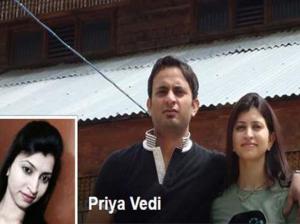
The Priya Vedi Suicide: Diwas Raja Kc and Alston D’Silva

This is a guest post by Diwas Raja Kc and Alston D’Silva

Image Courtesy: www.pardaphash.com
Image Courtesy: http://www.pardaphash.com

On the 18th of April this year, Dr. Priya Vedi of AIIMS tragically ended her life and left a Facebook note incriminating her husband—fellow doctor at AIIMS Dr. Kamal Vedi—for “torturing” her mentally, clearly implying that his homosexuality was the reason for her suicide. Her distress is apparent in the note as she recounts the lack of intimacy in her marriage and her discovery of the husband’s sexual activities as a gay man before and during the marriage. At the end she includes a plea to all gay men to not “marry to a girl to save yourself,” to not play with the emotions of a girl and her family. It should not be surprising that some condolent commentators have placed the blame specifically on Kamal Vedi’s alleged sexual orientation, even calling for legal action. Even within the LGBT community, the tendency has been to first put culpability on the man’s opportunistic participation in the institution of marriage. There is a sense that this incident ought to serve as a teaching moment for gay men, who are argued to require an ethical code, who need to fixate on the deliverance of their conscience, and whose rights—as Sandip Roy pointed out—”mean nothing without responsibility.” But despite Priya Vedi’s strongly felt sentiments, must we proceed as if the case of her fatal end is a logical and natural consequence of gay men’s irresponsible intrusions into the sanctum of marriage? After all, such intrusions are routine, and the ensuing heartbreaks are sometimes even known to be productive of powerful empathy between straight women and gay men.

Continue reading The Priya Vedi Suicide: Diwas Raja Kc and Alston D’Silva

My Name is Suzette Jordan

Our panel was a queer one in all the wonderful senses of that word. At trainings with lower court judges on sexual violence laws in the Saket District Courts in Delhi, the five of us would find ourselves next to each other every few months. On a dais surrounded by that distinctly sarkari flower arrangement, first sat Suzette, a survivor of a brutal rape in a moving car in Park Street in Kolkata. Then in line: a survivor of an acid attack; a representative of a sex workers union; a well known hijra activist and I, speaking as a gay man. We were usually on the third day, right after lunch, when we would face nearly a hundred slightly sleepy judges from the region. They had been updated on new sexual violence laws, gone through a case exercise on how to apply them, been given a CD, a folder, the requisite handouts. The boxes were ticked. Technically, they were up to date. Ours was a different job: to animate, if such a thing is possible, a sense of empathy in the judges, to shift even slightly the way they thought of the rainbow of dubious morality that we represented.

Continue reading My Name is Suzette Jordan

Being Empowered the Vogue Way – Is There Anything Left to be Said?

Really, nothing. It’s been more than a week since the Vogue Empower video directed by Homi Adajania and featuring Deepika Padukone amongst others, has appeared, been watched, digested, commented upon, counter-videoed, spoofed and counter-spoofed. And a week on the internet constitutes nothing less than a geological age of course, so there’s been a veritable melting Ice Age of responses. To list just some of the reactions to the video – the female fan responses, that say kudos to Deepika for “saying it like it is”. Uncritically starry-eyed as they are, they point to the real chord struck by the video with thousands of young women fighting, thinking, arguing and surviving their way through a breathtakingly conflicted urban India. This is an India that by all appearances works hard and parties hard, in the process occupying a fraught and frequently violent terrain of interaction between the sexes.

Continue reading Being Empowered the Vogue Way – Is There Anything Left to be Said?

An Open Letter by the Protestors at National Law University, Delhi

An open letter from students at National Law University

Abish Mathew, comedian of the AIB Roast fame, performed at NLU Delhi on the 22nd of March for our annual fest, Kairos. Early in the show, Matthew cracked a joke on domestic violence, at which point, two women students who found the jokes to be extremely misogynistic, walked out, showing him the middle finger. The audience reacted with some tittering, and Abish Mathew fumbled momentarily, before resuming. The audience asked him to carry on and to ignore the protesters. In the mean time, a group of female students marched into the auditorium holding placards reading “Get Out, Sexist Pig”, and also used expletives such as ‘fuck off’.

The auditorium erupted in shouts of “fuck you guys” and the protesters were booed and heckled by the audience members who demanded that the protestors either leave or move to the side. They eventually did move to the side of the auditorium, where they continued to hold their placards up and attempted to interrupt him. Abish was greeted by a standing ovation when he stated that he was an artist and recognized the right of the protesters, and subsequently when he ended his show by stating he had overstayed his welcome.

Continue reading An Open Letter by the Protestors at National Law University, Delhi