Guest post by AKHIL KATYAL
Ashiya Begum, an elderly widow, had worked as a road construction labourer after her husband’s death. She recalls that when all the workers used to have lunch by the construction site, she tried to sleep under the bushes as there was no food and it was better than seeing others eat. When the pangs of hunger grew insistent, she would drink a lot of water and then tie her saree end tightly around her stomach and continue to work. At night if the children cried and she had nothing to feed them, she peeped out of her tent to neighbours’ utensils and used to beg a glass of ganji (water which is to be drained out of rice once it is cooked) from them. Everybody got 5-6 spoonfuls of ganji before sleeping. Sometimes in the evening, after the road construction work, she cooked in other people’s houses. They gave her four rotis that the entire family ate…‘Even if I tell you (what we eat to survive),’ she told the researcher, ‘will you ever be able to feel what we eat?’
– from the ‘Study on Destitution and Hunger’, Centre for Equity Studies, Delhi
Old age mostly inspires the sentiment of the universal in us, the aesthetics of the general, so much so that when we speak of the old, we often let go of the specific and relish statements that tend to be as wide-ranging as they could be naïve: the old are wiser, we say, the age is just a number, our frames turn more literary, more contemplative, it is the dusk of life, we think, or sometimes being metaphorical, we consider to be old to be in a second childhood. The last one is Aristophanes, no less. Continue reading Resisting the Second Childhood: Towards Universal Pension in India →

 This guest post by CHITTAROOPA PALIT is the text of a letter to the editor of the Times of India, which the paper has not published
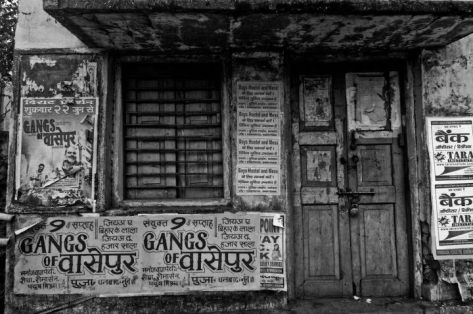
 Hundreds of webpages now stand blocked in India, the government has openly been appealing to internet companies to pre- or post-screen content and remove what the government wants it to remove. One Google Transparency Report after another has been revealing how the number one target of the government is criticism of politicians and government. Just imagine what would the Indian media’s response to such censorship have been like had it been hundreds of books or articles we were talking about? Instead of asking Facebook to ‘pre-screen’ our posts, had Kapil Sibal been asking for someone to pre-screen articles in the newspapers, would it not be like the Emergency?
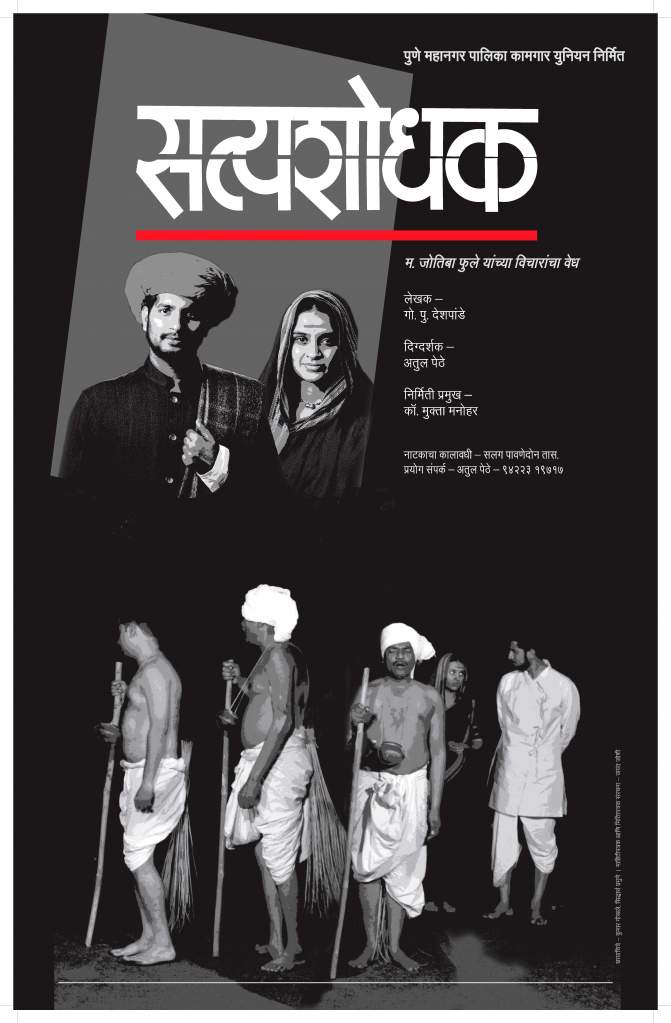

 In which I interview “Anonymous India” who have organised a
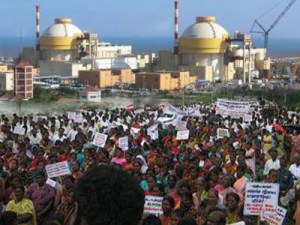
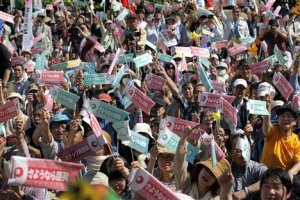 As Japan shut down its last reactor, the Koodankulam project is to go critical in ten days. Because Japan depends on local consensus for its nuclear decisions, unlike the World’s Largest Democracy, the views of Japanese people counts for something. Thousands of Japanese marched in celebrations to celebrate the switching off of the last of Japan’s 50 nuclear reactors on Saturday May 5th.