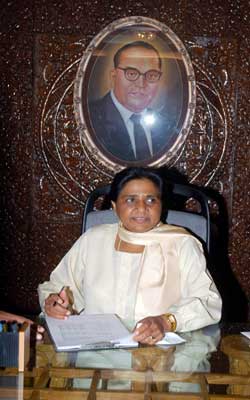
 This guest post by RAM KUMAR is a review of five years of Mayawati’s administration in Uttar Pradesh. An English translation has appeared in Fountain Ink magazine, here.
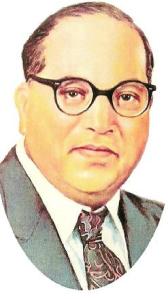
मुख्यमंत्री मायावती जी को 2007 में मिला स्पष्ट जनादेश महज मुलायम सिंह यादव के खिलाफ एन्टी-इनकमवंसी फैक्टर ही नहीं था, बलिक अराजकता और गुंडागर्दी के खिलाफ भी जनादेश था। सरकार का खुले रूप से एन्टी-दलित चरित्र और प्रदेश के अन्दर सरकार के एन्टी ब्राहम्ण टोन के चलते प्रदेश में मुलायम सिंह की सरकार के खिलाफ दलित अति पिछड़े हो गये थे। मुलायम सिंह के कल्याण सिंह प्रेम की वजह से माइनारिटी (अल्पसंख्यक) भी मुलायम से नाराज हो गए। बहन जी ने सर्वजन समाज का नारा देकर विक्षुब्द तबकों को समेटा। सभी को समेटने में रणनीति के तहत अपना नारा बदल “हाथी नहीं गणेष है ब्रम्हा, विष्णु, महेष है” का नारा लगाया। सर्वजन फार्मूला और मुलायम के खिलाफ गुस्सा बहन जी को पूर्ण बहुमत से सत्ता में लेकर के आया।
बहन जी एक सशक्त शासनकर्ता के रूप में जानी जाती थीं। इस बार भी बहन जी सत्ता में आयींऔर सत्ता में आते ही तुरन्त उन्होनें घोषणा की कि अराजकता और गुडागर्दी नहीं चलेगी, कानून का राज्य चलेगा। इसको सिद्ध करने के लिये उन्होंने सबसे पहले जो राजनेता अपने साथ बहुत सारे शस्त्रधारियों को लेकर चलते थे, उन पर प्रतिबंध लगाया और एलान किया कि कोई भी नेता सार्वजनिक स्थल पर तीन हथियार से ज्यादा में दिखे तो उनके खिलाफ कार्यवाही की जायेगी। यही नहीं अपनी पार्टी के एम. पी. रमाकान्त यादव जो आजमगढ़ से हैं, एक गरीब मुसिलम के मकान पर जमीन कबजाने के चक्कर में जबरदस्ती बुलडोजर चलवाया इसकी खबर जब बहन जी को लगी उन्होंने रमाकान्त यादव को अपने मुख्यमंत्री आवास पर मिलने के लिये बुलाया और वहीं से उनको गिरफ्तार करवाया। यह संदेश देने की कोशिशकी कि सत्ताधारी दल के हों या विपक्षी पाटी के हों, कानून सबके लिये समान है। अपनी ही सरकार के खाधमंत्री और विधायक आनन्द सेन को एक महिला के अपहरण केस में बर्खास्त कर जेल भिजवाया और अभी तक 26 प्रभावशाली नेता एवं मंत्रियों को पार्टी के बाहर का रास्ता दिखा चुकी हैं। पिछली सरकार में हुयी 17,868 पुलिस जवानों की भर्ती में हुयी धांधली के चलते भर्ती प्रक्रिया को निरस्त किया और 25 आई .पी.एस. अधिकारियों को भी सस्पेन्ड किया।
Continue reading मायावती जी के मुख्यमंत्रित्व काल का एक संक्षिप्त विवरण: राम कुमार →


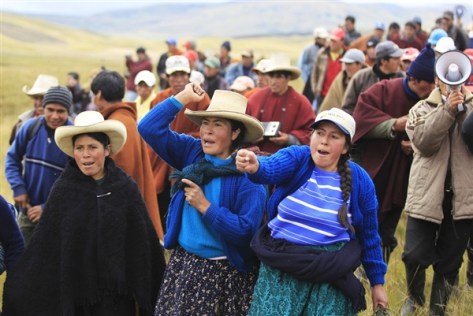
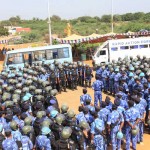 Below is a note written by Udayakumar, one of the leaders in Kudankulam that is being circulated. Further below is an update from activist Nityanand Jayaraman on the Madras High Court interim orders in response to cases filed against all the illegal steps taken by the government on Kudankulam.
 Under the scorching Sun
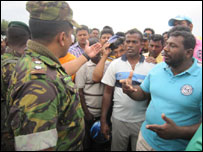 The United People’s Freedom Alliance government’s inability to put forward economic policies that address the grievances of the downtrodden sections of the Sri Lankan polity, outside the frameworks of neo-liberalism, has led to chaos in the country. The government’s move to privatize the higher education sector created a major uproar in the country last year. The academic staff attached to Sri Lanka’s universities began a trade union action demanding higher wages in 2011. In the Katunayake Free Trade Zone, garment sector workers took to the streets against a pension scheme introduced by the government much against the interest of the workers. These protests have brought to light the government’s ill-conceived economic policies, and its indifference to the concerns of the working people. Financial mismanagement, corruption at the various levels of the state, the escalating expenditure on the militarization of the North and East provinces, and the government’s sheer disregard for the fundamental needs of the people have created an atmosphere of economic instability. This situation might lead to political unrest in the future, if the Sri Lankan government continues to lack the will to salvage the economy from neo-liberalism and mismanagement. The government’s move to increase the prices of fuels has aggravated this situation.