
Guest post by SATYA SAGAR
The shocking spectacle of Siddharth Varadarajan, the Editor of The Hindu, being forced out of his post by a cabal of its owners is a brutal reminder to journalists all over the country that however fine a professional you may be you will always remain at the mercy of media proprietors.
Just around two years ago when N. Ram, the then Editor of The Hindu, passed on the mantle to Varadarajan, a highly respected and independent journalist, he had touted the move as a radical shift away from being a family run outfit to one headed by professionals.
Ram’s motives were neither clear nor very noble, engaged as he was in a bitter struggle with his siblings over control of the newspaper. Still, for the newspaper to move away from its long tradition of tight family control was a welcome, positive departure in a land where dynasties run everything from politics and religion to cricket and cinema.
Unfortunately, this flowering of corporate democracy was not to last too long. Ultimately the family managed to strike back with a vengeance, ganging up in a Board of Director’s meeting to demote Siddharth from the post of Editor to ‘Contributing Editor and Senior Columnist’ prompting his immediate resignation. Continue reading From dynasty to plain nasty: Satya Sagar


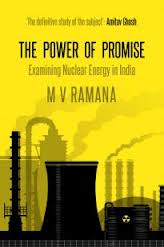 Ramana’s commentary is witty, articulate and rich with anecdotes. He makes a solid case for his central thesis – that delivering on the promises of power or security were never the actual goal of India’s nuclear program, and probably never will be. Rather, promises are the engines that power the program, he argues. By holding out the twin ideals of unlimited electricity and infallible security in the form of a credible nuclear deterrent, India’s nuclear establishment has carved for itself an enviable position. It is answerable to no one but the Prime Minister, and can spend billions over decades with nothing to show for the expense.
 KAFILA - COLLECTIVE EXPLORATIONS SINCE 2006