
This is a guest post by ANONYMOUS
President Mahinda Rajapakse in Sri Lanka and Gujarat’s Chief Minister Narendra Modi in India have positioned themselves as champions of development and good governance. Hardly a day passes without a media comment in the two countries on their respective development achievements. By and large, claims and counter-claims regarding development in Gujarat and Sri Lanka have tended to focus on mobilising data and ‘facts’ pertaining to a range of vital indicators—economic growth, levels of foreign investment, per capita income, employment, industrial or agricultural output, housing, rural infrastructure, roads, electrification, social welfare allocations, etc.
While working with development data is useful and necessary, an approach that relies too heavily on them tells us little about why development matters to the two regimes and how and to what ends it is actually deployed and leveraged by them at this point in time—the focus of this commentary. The question is not just what Modi and Rajapakse are doing for development but also what development is doing for them. Notwithstanding the significant differences between Gujarat and Sri Lanka, as argued herein, there are many striking similarities with respect to how and why Modi and Rajapakse are constructing, invoking and championing the cause of development. Continue reading Same Difference? The Politics of Development in Rajapakse’s Sri Lanka and Modi’s Gujarat: Anonymous
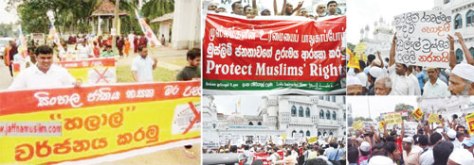
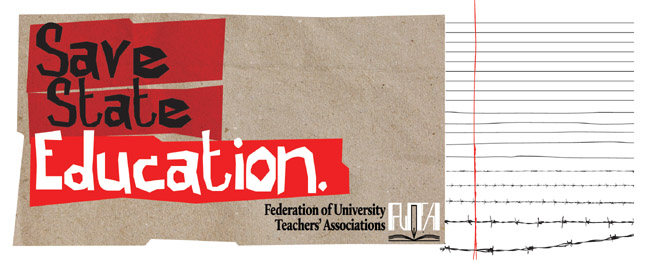

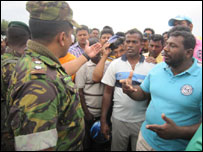 The United People’s Freedom Alliance government’s inability to put forward economic policies that address the grievances of the downtrodden sections of the Sri Lankan polity, outside the frameworks of neo-liberalism, has led to chaos in the country. The government’s move to privatize the higher education sector created a major uproar in the country last year. The academic staff attached to Sri Lanka’s universities began a trade union action demanding higher wages in 2011. In the Katunayake Free Trade Zone, garment sector workers took to the streets against a pension scheme introduced by the government much against the interest of the workers. These protests have brought to light the government’s ill-conceived economic policies, and its indifference to the concerns of the working people. Financial mismanagement, corruption at the various levels of the state, the escalating expenditure on the militarization of the North and East provinces, and the government’s sheer disregard for the fundamental needs of the people have created an atmosphere of economic instability. This situation might lead to political unrest in the future, if the Sri Lankan government continues to lack the will to salvage the economy from neo-liberalism and mismanagement. The government’s move to increase the prices of fuels has aggravated this situation.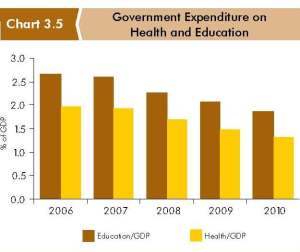
 The rest of the petition is
  KAFILA - COLLECTIVE EXPLORATIONS SINCE 2006