Category Archives: Culture

Love Godse, Hate Tipu Sultan

Why the ‘Tiger of Mysore’ Still Troubles the Saffrons

image : http://www.tntmagazine.in

The saffrons have done it again.

They have once again showed utter contempt towards the legacy of legendary Tipu Sultan, (20 November 1750  – 4 May 1799) one of those rare kings who was martyred on the battlefield, while fighting the Britishers at the historic battle at Srirangpatnam and whose martyrdom fighting the colonials preceded the historic revolt of the 1857 by around 50 years. Not very many people even know that he had even sacrificed his children while fighting them.

The immediate reason for stigmatisation of Tipu Sultan, by the leaders of Hindutva Brigade, concerns move by the Karnataka state government led by the Congress to celebrate Tipu Jayanti or Tipu’s birth anniversary. The Chief Minister Siddaramaiah had made this announcement releasing a book ‘Tipu Sultan: A Crusader for Change’ by historian Prof B Sheik Ali.

A ruler much ahead of his times Tipu Sultan, a scholar, soldier and a poet, was an apostle of Hindu-Muslim unity, was fond of new inventions, and is called innovator of the world’s first war rocket, one who felt inspired by the French Revolution and who despite being a ruler called himself Citizen and even had planted the tree of ‘Liberty’ in his palace. History bears witness to the fact that Tipu sensed the designs of the British and tried to forge broader unity with the domestic rulers and even tried to connect with French and the Turks and the Afghans to give a fitting reply to the hegemonic designs of the British and had defeated the British army twice with his superior planning and better techniques earlier. Continue reading Love Godse, Hate Tipu Sultan

ചുംബനസമരവിരോധികളുടെ സംശയങ്ങളും അവയ്ക്കുള്ള സമാധാനങ്ങളും: ആലപ്പുഴയിലെ ചുംബനസമരത്തിന് അഭിവാദ്യങ്ങൾ

[പല വേദികളിൽ പല തവണ ഉത്തരം പറഞ്ഞുവെങ്കിലും ചുംബനസമരക്കാർ നിരന്തരം നേരിടുന്ന ചോദ്യങ്ങളാണിവ.  ഈ ചോദ്യങ്ങളും മറുപടികളും പല സുഹൃത്തുക്കളോടും സഹപോരാളികളോടുമുള്ള സംഭാഷണങ്ങളിൽ നിന്നുണ്ടായവയാണെങ്കിലും അവയുടെ പൂർണ്ണ ഉത്തരവാദിത്വം എനിക്കു തന്നെ.]

ചുംബനസമരങ്ങളിൽ പങ്കെടുക്കുന്നവർ കേവലം പബ്ളിസിറ്റിക്കു പിന്നാലെ നടക്കുന്നവരല്ലേ?

Continue reading ചുംബനസമരവിരോധികളുടെ സംശയങ്ങളും അവയ്ക്കുള്ള സമാധാനങ്ങളും: ആലപ്പുഴയിലെ ചുംബനസമരത്തിന് അഭിവാദ്യങ്ങൾ

Pondicherry Ashram Suicides and The Spiritual Surrender: Bobby Kunhu

Guest post by BOBBY KUNHU

On 17th December there was a dramatic sequence where, the youngest of a family of aged parents and five sisters who were inmates of Sri Aurobindo Ashram, Pondicherry attempted suicide by jumping off a water tank. The police rescued the woman, booked her and her sisters for attempt to suicide and released them on bail. This was following a Supreme Court order evicting them from the ashram at the end of a decade long struggle against the ashram. Their demand was simple that the management of the Ashram be taken over by the State to contain the corruption within. On the morning of 18th December, the family of seven decided to walk into the sea. Three died, four were rescued. Amongst the four who were rescued, one was allegedly raped by two men in her state of unconsciousness.

The South Asian spiritual landscape perhaps is the most diverse – ranging all hues and shades of spirituality cutting across religions and castes and has attracted followers internationally including celebrities like the Beatles, Isaac Tigrett (the founder of Hard Rock Café) and many others. Without exception, all of these spiritual groups ask for “total” surrender, though the terms of this surrender would differ from group to group. And many have willingly surrendered! For a non-believer it might be difficult to understand this leap of faith. But, for the believer this becomes the single most important event in her/his life. Even more important than birth marriage, love or death! And, when the terms of surrender is breached – though all hell breaks loose, people cling on to their faith. Despite “Sexy Sadie”, Paul McCartney held that Transcendental Meditation was a gift The Beatles had received from the Maharishi at a time when they were looking for something to stabilise them. In the BBC documentary The Secret Swami Tigrett stated that he believed that there was truth to the rumors of Sai Baba’s actions of pedophilia and sexual abuse towards some of his young male followers, but also such rumours would not change his belief in the Baba. Continue reading Pondicherry Ashram Suicides and The Spiritual Surrender: Bobby Kunhu

Anti-Conversion and Ghar Wapsi, Or Hindutva’s Doublespeak: Charu Gupta

Guest post by CHARU GUPTA

The synchronised vocabulary of anti-conversion by the BJP and that of reconversion by the VHP and Dharm Jagran Samiti, an RSS affiliate, reveals the intimate relationship between the two. Anti-conversion and reconversion are two sides of the same coin. Even though the Dharm Jagran Samiti dropped its plan to ‘reconvert’ 4000 Christians and 1000 Muslim families in Aligarh on 25 December, due to pressures from a parliament in session as well as other protests, the day has had strategic significance. Christmas Day has been given a different meaning by the Hindutva brigade — the birth anniversaries of Madan Mohan Malaviya, one of the stalwarts of the Hindu Mahasabha, and Atal Bihari Vajpayee, the eminent BJP leader. Equally critically, on 23 December 1926 Swami Shraddhanand, the leading ideologue of the shuddhi movement (purification; Hindu movement in the late nineteenth and twentieth centuries to reclaim those who had converted from Hinduism to other religions) was assassinated by a Muslim fanatic, and on 25 December, a condolence motion was moved at the Guawhati session of the Congress.

The twin strategies of anti-conversion and ghar wapsi have a long history and past, which saw its efflorescence in the shuddhi movement, but have become much more aggressive in the present context. As part of their community and nation making rhetoric, the Arya Samaj and the Hindu Mahasabha had launched the programme of shuddhi on a large scale in Uttar Pradesh in 1923. Though Arya Samaj had stronger roots in Punjab, shuddhi movement was more effective in UP. Various scholars have pointed to the communal character of the movement. A note prepared by the criminal investigation department at that time stated that though the movement had older origins, ‘its application to mass rather than individual conversion gave it a special prominence’ in 1923. Shuddhi came to be touted as a movement to reclaim the ‘victims’ and protect the ‘faithful’. Reconversion attempts have since been a part of agenda of various Hindutva outfits, and the present assertions should be seen in that context. Today, organisations like the VHP and Dharm Jagran Samiti have acquired a new importance and are emboldened to not only challenge conversions in an organised manner, but also to simultaneously aggressively campaign for reconversion. Just as shuddhi became an instrument for Hindu communal mobilization in early twentieth century, ghar wapsi is fulfilling the same role today. Continue reading Anti-Conversion and Ghar Wapsi, Or Hindutva’s Doublespeak: Charu Gupta

“Welcome to the Land of Enlightenment”: Kaveri Gill

Guest post by KAVERI GILL

Bihar Tourism’s Neglected Treasures

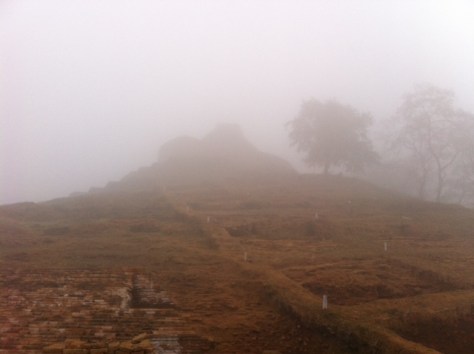
Kesariya Stupa East Champaran

A recent work trip took me to the north-east of Bihar, the poorest region of a state with ‘critical’ poverty incidence by any measure. For instance, within the state, on NSS 2004-05 data, West Champaran is the worst-performing district on headcount ratios (76.9) in rural India (Chaudhuri and Gupta, Economic and Political Weekly, 2009). Such destitution was on ample evidence amongst the segregated group of mahadalit and minority women members of a self-help group we spoke to, in a tola with no electricity and only candles to dispel an eerie fog settled over the village at dusk. Of 13 of them, 11 had repeat experience (up to three times per woman) of losing a child in the last trimester of pregnancy, just after giving birth or of a child under 5 years of age.  It was from Champaran that Gandhi first led landless labour and tenants or ryots, in his first satyagraha against the British, protesting the coerced cultivation of the cash crop, indigo. Almost a century later, not much has changed in tangible terms for the population of this part of the democratic Republic of India. Continue reading “Welcome to the Land of Enlightenment”: Kaveri Gill

Real Estate of Religion:Satya Sagar

Guest Post by SATYA SAGAR


Several years ago a friend of mine filed a petition in the Indian Supreme Court against – believe it or not- the tenth incarnation of the Hindu God Vishnu! Or at least, against a fellow who claimed to be ‘Kalki Bhagwan’ and has in the past two decades drummed up a significant following in the southern part of India.

Blasphemous as the claim of this fake avatar was the court battle itself was not really about the finer details of Hindu mythology or theological doctrine.Based on several years of painstaking investigation and research it was my friend’s claim that ‘Kalki Bhagwan’, had taken money from the public for ‘rural development activities’ and fraudulently diverted it to his personal bank accounts as well as that of his close relatives.

From being an ordinary clerk working for the Life Insurance Corporation in Chennai thirty years ago today the ‘Tenth Incarnation of Vishnu’ is allegedly worth many million dollars and owns vast properties in many parts of South India. It is a trajectory that is tragically very common everywhere, with spurious spirituality – ironically also a form of ‘insurance’-being the fastest way to material wealth and power since ancient times. Continue reading Real Estate of Religion:Satya Sagar

Celebrating ‘Good Governance’ : Mary E John and Satish Deshpande

Guest post by MARY E. JOHN AND SATISH DESHPANDE

It seems odd to associate words like ‘mean’ and ‘petty’ with entities like states.  But it is hard to avoid them when confronted by the despicable attempt of the Modi regime to cancel or restrict the holiday for Christmas.  On the other hand, these words are far too mild to capture the poisonous malice behind this small-minded act that, despite its clumsiness, is clearly part of a systematic campaign to cultivate a culture of vicious aggression towards select “minorities”.

How should one respond to such pettiness, knowing that it is only the surface of a deep reservoir of violent hatred?  One could light heartedly point to the irony that 25th December happens to be the birthday of not only Madan Mohan Malviya (1861) and Atal Bihari Vajpayee (1924), but also a certain Mohammad Ali Jinnah (1876).

Alternatively, one could argue, in a spirit of liberal reasonableness, that Christmas has for long been much more than a holy day for Christians.  The secularisation of Christmas is apparent not only in its relentless commercialisation (much like Deepavali), but also in its longstanding status as a broader symbol of festive good cheer marked by giving and sharing.   Continue reading Celebrating ‘Good Governance’ : Mary E John and Satish Deshpande

Peace on Earth and Social Justice – Christmas greetings!

images

Protest at Delhi Police Headquarters after the burning of St Sebastian’s Church in Dilshad Gardens/ Image from The Indian Express

We observe Christmas today under the ominous cloud of Hindutvavaadi violence against minorities, which began on the very day of the BJP electoral victory seven months ago, and their determined attempt to obliterate all religious identities other than their own narrow version of Hinduism, a Hinduism that brutally excludes even large numbers of people who would consider themselves Hindu. From burning churches to physically attacking ‘Muslim-looking’ men, to trying to erase Christmas under the banal bureaucratese of Good Governance Day – Hindutvavaad has never had it so safe, never has it been so arrogant, as under the protective gaze of Modi, a Prime Minister who produces reams of flowery prose in his speeches, but through his public silence on these atrocities, satisfies both Hindutvavaad and his neo-liberal supporters – the one recognizing his benign encouragement, the other fooling itself that his silence shows displeasure. Continue reading Peace on Earth and Social Justice – Christmas greetings!

Impossible Lessons: Ravi Sinha

Guest Post by RAVI SINHA

Far away from Peshawar five men and a woman sat in a physician’s waiting room in Lucknow. The television screen that ordinarily shows some Bollywood film or a cricket match had a news channel on. It was day after the slaughter of children. The assistant who maintains the waiting list of patients and collects the doctor’s fee said something very predictable, even if heart-felt, expressing his horror and revulsion. The matter would have passed as unremarkably as most things do most of the times, except for what an elderly gentleman waiting to see the doctor had to say in response.

In a feeble yet firm voice whose conviction and sincerity was unmistakable, he said – dhaarmikata ko badhaava doge to kattarta badhegi; kattarta badhegi to aatank upajega, haivaaniyat saamne aayegi. (If you will promote religiosity, fundamentalism will grow, and from that will emerge terror and barbarism.) After a pause he added – hamaare desh mein bhee yahee ho rahaa hai, haalaan ki abhee hum pehle daur mein hain, dhaarmikata badhaane ke daur mein. (Same thing is happening in our country too, although we are in the first phase so far – that of promoting religiosity.) Continue reading Impossible Lessons: Ravi Sinha

Statement on David Bergman Case in Bangladesh: Concerned South Asian Journalists and Others

Guest Post. Statement by Concerned South Asian Journalists, Writers, Historians and Activists

We, the undersigned journalists, writers, historians and activists from South Asia,  are deeply concerned about the use of ‘contempt of court’ law to curb freedom of expression. The conviction and sentencing on December 2, 2014, of Dhaka-based journalist David Bergman by the International Crimes Tribunal 2 on charges of “contempt of court” for citing published research on killings during the Bangladesh Liberation War of 1971, is a serious set-back to Bangladesh’s commitment to free speech and independent scholarship.

At the outset, we reiterate our belief that those responsible for genocide and international crimes during the Liberation War must be prosecuted and punished through an open and transparent process.

Continue reading Statement on David Bergman Case in Bangladesh: Concerned South Asian Journalists and Others

നിലനില്പിനു വേണ്ടിത്തന്നെയുള്ള സമരം : ഫാസിസ്റ്റ് വിരുദ്ധ ചുംബനസമരം തിരുവനന്തപുരത്ത്

നിങ്ങൾക്ക് സദാചാരപ്പോലീസിനെതിരെയുള്ള സമരം ഓപ്ഷണൽ ആയിരിക്കും. ഞങ്ങൾക്ക് അത് ജീവൻമരണപോരാട്ടമാണ്.


അടക്കാൻ ഞങ്ങൾ ശവങ്ങളല്ല.

ഒതുക്കാൻ ഞങ്ങൾ വീട്ടുസാമാനങ്ങളല്ല.

ഫോട്ടോ എടുത്തുകളിക്കാൻ ഞങ്ങൾ

കടമുന്നിൽ തുണി ഉടുത്തും ഉടുക്കാതെയും

ചിരിച്ചു കൈകൂപ്പുന്ന പാവകളല്ല. Continue reading നിലനില്പിനു വേണ്ടിത്തന്നെയുള്ള സമരം : ഫാസിസ്റ്റ് വിരുദ്ധ ചുംബനസമരം തിരുവനന്തപുരത്ത്

ഫാസിസത്തിനെതിരെ സമരചുംബനം; ചെയ്യുക, ഫാസിസം അനുശാസിക്കുന്ന അരുതായ്മകളെ


Kiss against Fascism

Continue reading ഫാസിസത്തിനെതിരെ സമരചുംബനം; ചെയ്യുക, ഫാസിസം അനുശാസിക്കുന്ന അരുതായ്മകളെ

സെക്യുലറും ഭരണകൂടസെക്യുലറിസവും തമ്മിലുള്ള ദൂരം – ടി. മുഹമ്മദ് വേളത്തിന് ഒരു തുറന്ന കത്ത്

പ്രിയ മുഹമ്മദ്

ചുംബനസമരങ്ങളുടെ പശ്ചാത്തലത്തിൽ ഉയർന്നുവന്നിരുക്കുന്ന ധർമ്മസങ്കടങ്ങളും ആശയസംഘട്ടനങ്ങളുമാണ് എന്നെ ഈ കത്തെഴുകാൻ പ്രേരിപ്പിക്കുന്നത്. Continue reading സെക്യുലറും ഭരണകൂടസെക്യുലറിസവും തമ്മിലുള്ള ദൂരം – ടി. മുഹമ്മദ് വേളത്തിന് ഒരു തുറന്ന കത്ത്

Is Standing with Young People Yet Another Fad? Reflections on the Young and Kiss Protests in Kerala

My arguments supporting young people in some recent debates, notably, the ones around the International Film Festival of Kerala and the ongoing Kiss protests, have apparently irritated a number of people, especially friends who belong to my own generation. From more than one source (hardly ever directly, though) I hear that they grumble that I am biased towards the young. That, apparently, is the latest fad. And Devika, it appears to them, has a tendency to support fads. Continue reading Is Standing with Young People Yet Another Fad? Reflections on the Young and Kiss Protests in Kerala

അഴിക്കാനും ആടാനും തുനിഞ്ഞിറങ്ങിയവർ തന്നെ നാം : തെരുവിൽചുംബനസമരക്കാർക്ക് ഒരു സന്ദേശം

സുഹൃത്തുക്കളെ,


കിസ് ഒഫ് ലൌ സമരങ്ങളുടെ രാഷ്ട്രീയത്തെക്കുറിച്ച് പലതരം ആശങ്കകൾ കേട്ടുതുടങ്ങിയിരിക്കുന്നു.

അത് ആഗോളീകരണ അഴിഞ്ഞാട്ടമാണെന്നും,

അതല്ല, മദ്ധ്യവർഗ്ഗ സന്തതികളുടെ എടുത്തുചാട്ടമാണെന്നും,

അതുമല്ല, അതിനു രാഷ്ട്രീയമേ ഇല്ലെന്നു വരെയും, കേരളത്തിലെ ബദൽരാഷ്ട്രീയങ്ങളിലെ പ്രമുഖവ്യക്തിത്വങ്ങൾ അടക്കമുള്ള പലരും മുറുമുറുക്കുന്നു.

Continue reading അഴിക്കാനും ആടാനും തുനിഞ്ഞിറങ്ങിയവർ തന്നെ നാം : തെരുവിൽചുംബനസമരക്കാർക്ക് ഒരു സന്ദേശം

‘Sant Rampal’ – Farmer’s Son Challenges Hegemony of Arya Samaj, RSS Ally In Haryana : Jaspal Singh Sidhu

Jaspal Singh Sidhu looks at the genesis of Sant Rampal and ‘Satlok Ashram’ the religious centre he established.

The arrest of former public servant -turned-godman 63-year-old Rampal from his Barwala (Hissar) ashram seems to have ended the two-week long much publicized drama enacted by the Haryana police, but it has, rather, widened social and religious gulf among the people of the area . The police operation took life of five women and a child, injuring of many others including two dozen media persons covering the event. Technically, Rampal’s arrest was sought by the Punjab and Haryana high court in a case of ‘criminal contempt of court’ following his persistent in refusal to appear before the court.

The Barwala event signals much more than what one gathers from the media. Rampal’s abortive defiance appears to be (consciously or unconsciously) challenging the hegemony of the Sangh Privar ideology based on Aryans and non- Aryans divide which uses the Vedic literature as manifestation of the Aryan race. The media story, invariably, only covers the present happenings. And, it is meant for the consumption of general public only interested in the day-to-day developments. For obvious reasons, such reporting suits both the government of the day and the media outlets. By and large, the media (newspapers and TV channels) reels out largely that information (official version) which police and official machinery serves them with punctuation of a little-bit material on the root cause of the controversy which has climaxed to the dramatic custody of Rampal by the police.

Read the rest of the article here.

The end of an era – Mohammedan Sporting, Ambedkar Stadium and Football in Delhi: Jamal Kidwai

Guest Post by JAMAL KIDWAI

Caught up in the launch of the Indian Soccer League (ISL) and its promotion by television and big Bollywood stars, very few noticed that the Kolkata based 123-yr-old Mohameddan Sporting, has effectively decided to close down due to a financial crisis. According to its management, they will stop playing for a year outside Kolkata and have disbanded the senior team.

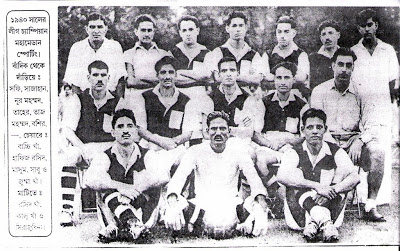
The historic Mohammedan Sporting won the Calcutta league 11 times, the IFA Shield five times,  the Rovers Cup six times, the DCM tournament four times and the Federation Cup and the Durand Cup twice each.

pic 1

Mohammedan Sporting team that won the Calcutta League in 1940

Mohameddan Sporting, along with Mohun Bagan (established 1889) and East Bengal (established 1924) were the most popular clubs of India for over a century. Mohun Bagan drew its fan-following from the elite and the aristocracy of Bengal and its aim was to inspire young people to lead a principled life: for example, those who failed in school and college were not allowed to play and smoking and drinking in the club premises were prohibited. East Bengal, on the other hand, represented the working class and the lower-middle classes who came to stay in Kolkata from east Bengal, which later became Bangladesh.

Given the pan-Indian religious character of Mohd Sporting, it had easily the largest fan following across India. All the big tournaments patronized Mohd Sporting as it drew the largest crowds. The other major clubs like Dempo and Salgaocar came from Goa with a very limited support base outside Goa and Mumbai.  Continue reading The end of an era – Mohammedan Sporting, Ambedkar Stadium and Football in Delhi: Jamal Kidwai

The Class Politics of Blasphemy in Pakistan: Fatima Tassadiq

Guest Post by FATIMA TASSADIQ

The brutal murders of Shehzad and Shama, a Christian couple in the village of Kot Radha Kishan in Kasur district on 4th November, spawned predictable outrage in the press and social media. The rush of horror, the diagnoses and prescribed course of action against such violence involved the familiar paternalistic discourse of the ‘illiterate masses’ whose ‘ignorance’ evidently leaves them particularly vulnerable to the manipulation of the much maligned mullahs. Such a narrative serves the dual function of reducing religious violence to the faceless masses while at the same time reaffirming the educated urban upper class as the rightful custodian of Islam and Pakistan. This construction conveniently ignores the role played by the state and the elite in producing religious violence and feeds the class-based blind spots that exist in our understanding of what constitutes religious extremism.

Continue reading The Class Politics of Blasphemy in Pakistan: Fatima Tassadiq

Images from Kiss of Love Gathering in Delhi: Ishan Tankha

Guest Post by ISHAN TANKHA

Every time my girlfriend puts her arms around me while we are out  on our terrace i end up first doing a quick scan of the windows that look down at us to see if we are visible to anyone, it’s almost  an instinctive reaction. Mind you, one that doesn’t win me much affection from her ,understandably! It’s not that I care but I do notice them looking, and it’s always disapproving. Unfortunately, It’s not just my neighbours.

After the ‘Kiss of Love ‘ protests in Kochi and Kolkota it was Delhi’s turn and the few hundred who turned up to stand up for their right to not be morally policed did a fantastic job countering the right wing hooligans, for whom showing love or affection to one of our choosing is ‘immoral’.  The police spent it’s time not allowing the peaceful protesters from marching to the RSS headquarters, their intended destination, pushing and shoving them.  While pleading with, instead of arresting those who threatened and abused with impunity.

It’s not over of course, if it’s not a skirt wearing girl being stopped from entering a building or a cafe being trashed, there will be another reason to collect and be heard.
Maybe tomorrow we’ll give my neighbours a matinee to gawk at.Meanwhile, here are some pictures I took at the Kiss of Love gathering in Jhandewalan, Delhi.

Continue reading Images from Kiss of Love Gathering in Delhi: Ishan Tankha

B Hridayakumari in My Garden: A Loving Memory

I cannot write the standard obituary. The obituary is expected to hold back grief in sedate, decorous ways, remember the departed person’s best qualities with quiet dignity, and forgive her less admirable aspects gracefully. When I try to write an obituary, I usually trip over my own grief and the terrible ache that the memories of the deceased one’s physical presence produce — the turn of the head, the peculiar contortion of lips forming a smile, the wave of a hand.(I cannot write obits for people I don’t feel for). To get away from that, I quickly turn to the personality, and here I find myself mired, completely unable to separate neatly those qualities that drew my admiration and those which I hated and hurt me. Far from sounding dignified, the obituary ends up structured quite like intensely physical mourning, only that it will be composed in words.

Continue reading B Hridayakumari in My Garden: A Loving Memory

‘Kiss of Love’ in Delhi, confronting the RSS: Vasundhara Jairath and Bonojit Hussain

Guest Post by Vasundhara Jairath and Bonojit Hussain 

In the first of its kind in India, youth in Kochi launched a campaign called ‘Kiss of Love’ to challenge the moral policing of the Hindu Right. While that protest was attacked by right wing thugs and suppressed by the police, this form of protest has since spread to different parts of the country like Hyderabad, Bombay and Calcutta. Today, the ‘Kiss of Love’ protest was held at nowhere short of the Rashtriya Swayamsevak Sangh (RSS) head office in New Delhi. A few individuals took the initiative and gave a call for this protest on Facebook with the title, ‘Sanghi Gunde Hoshiyar, Tere Samne Karenge Pyaar’ (Sanghi thugs beware, we will love in front you). Continue reading ‘Kiss of Love’ in Delhi, confronting the RSS: Vasundhara Jairath and Bonojit Hussain