Turning a Blind Eye: Power and the Intellectual in Kerala Today

Today someone who is an absolute darling of the post-socialist oligarchy in Kerala and their army of hanger-ons told me, without a tinge of irony, with the most endearing innocence, that they were not celebrated at all in Kerala. That they were excluded from circles that praised and glorified the work of many other authors. It was most intriguing, to say the least. I think it reveals a lot about how the present dispensation manages intellectuals and minimises critical thinking.

You can be a rebel without any serious losses in present-day Kerala if you desist from any serious criticism of the establishment and its acolytes. You can spout feminism, dalit politics, espousals of the solidarity economy, liberal Muslim thought, queer thinking, soft Hindutva– literally anything except Islamism if you keep your mouth shut about the establishment and the post-socialist oligarchy, or at least limit yourself to weak, occasional noises. You can also present yourself in combinations of the above laced with hints of your slant towards the establishment and reap much success in classrooms and academic fora, and much applause on the social media. If you have connections with the Nair deep state and ‘deep intellectual elite’, you can pornify, sell, any kind of abuse of women.

Continue reading Turning a Blind Eye: Power and the Intellectual in Kerala Today →

The Goba of Ladakh – Current Relevance of a Traditional Governance System: Shrishtee Bajpai and Ashish Kothari

Guest post by SHRISHTEE BAJPAI and ASHISH KOTHARI

Abstract: Indigenous and other local communities across India have had traditional systems of local governance as unwritten or sometimes written codes of conduct and decision making. Many such systems are still being followed in parallel with the panchayat systems, or getting re-invented by combining the modern forms of governance with the traditional ones, especially in the case of communities still practising traditional occupations and ways of life (forest-based, pastoral, fishing, and/or farming). There are, however, very few studies of these systems interacting with modern state institutions, their current or continuing relevance, and their role in achieving goals of justice, well-being, and ecological sustainability.

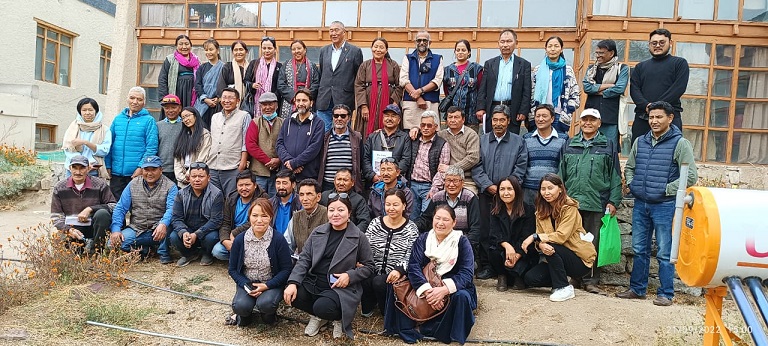
Goba meeting to discuss study results, Leh Aug 2022.

This study focuses on documenting the present status and relevance of the traditional governance system of Ladakhi villages, with a focus on the goba (or lambardar/nambardar). For this, the study also looked at the interface between the local/traditional and new/modern governance systems, viz. the goba with the panchayat, Ladakh Hill Council and UT Administration.

Keywords: traditional governance, goba, democracy, natural resources, indigenous knowledge, environment

Continue reading The Goba of Ladakh – Current Relevance of a Traditional Governance System: Shrishtee Bajpai and Ashish Kothari →

Can we now practice some love? Thoughts on safety and feminism from Kerala

Around two weeks back, just about a week after the ritual of Women’s Day celebrations in Thiruvananthapuram, a 49-year-old woman decided to go get herself some pain medication at 10 30 at night, after all home remedies failed against her persistent body ache. She lives in the beating heart of the city of Thiruvananthapuram in a rented house. This house is in a leading middle-class residential locality, full of houses, usually very quiet. She is , however, not a typical owner-resident. An employee at a local firm earning a very modest salary, she has lived alone for years in rented accommodation, raising her young daughter. The daughter is now a confident young woman who has worked for some years and now seeks to expand her career options. The rent takes up nearly half of her income, but mother and daughter have struggled together to protect each other.

Continue reading Can we now practice some love? Thoughts on safety and feminism from Kerala →

G-20 – A Brutal Beautification of the City:  Glory Rose Roy

GUEST POST by GLORY ROSE ROY

The Delhi Durbar of 1911 has great significance in the history of India in terms of hosting King George V, along with the Queen and other guests. Undoubtedly, the entire occasion was recorded as a grand event and moreover, the decoration used on the way to Coronation Park to make it aesthetically beautiful, was magnificent. However, along with the preparations for the amplified royal visit, another incident that catches attention here is the hiding of an entire village, the ‘Dhakka village’.

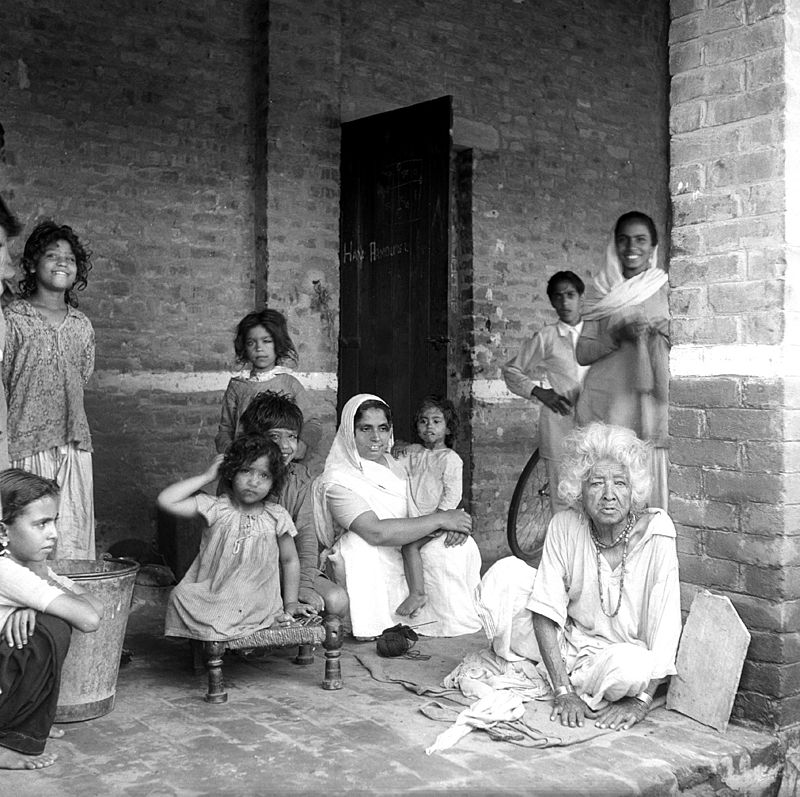
People living near Dhakka village, 1911
People living near Dhakka village, 1911 (see source below)

The villagers of Dhakka were asked to evacuate the area as their dwellings were not up to the beauty expectations of British officials. The Dhakka village then, represented a strong site of resistance, as the villagers in Dhakka refused to vacate the region for the King’s visit. Thus in response to the recalcitrance of the villagers, the British officials decided to hide the entire village by using huge cloth sheets.. And that is how the village got its name ‘Dhakka’ from the hindi word dhaka which means hidden. The incident portrays to what extent the colonial state could go to welcome its guests. It mulled relocating an entire village and finally covered it out of sight.

Continue reading G-20 – A Brutal Beautification of the City:  Glory Rose Roy →

Science as a Cultural Ideal – Ravi Sinha

Theme :

Science as a Cultural Ideal

Despite frequent misgivings about universal claims of modern science and despite it being taken often as an accomplice of western imperialism, it is impossible for any culture or civilization to avoid science or to create a culturally distinct version of it. And yet, how does science seep into and reshape a culture would have as many answers as there are cultures. The example of the West is invariably taken as canonical wherein science appears as a key factor in triggering the Great Divergence catapulting Western Europe in pole position ahead of far advanced civilizations such as China or India. It is far more tractable to draw some approximately generalizable lessons from this example than to comprehensively answer the famous Needham Question about why the rest of the world missed out on the Scientific Revolution and the subsequent percolation, even if partial and fragmentary, of the cognitive values promoted by science into the layers of cultural values.

Yet, the fact remains that the cultures and the civilization on the Subcontinent are irreducibly distinct from the West and also from the rest of the world. It is not possible to draw out serviceable prescriptions just from the western example for cultivating science in the cultural soil of the Subcontinent. It will be necessary to cast a bird’s eye-view on the civilizational contours of this vast land to have some idea about what have been the obstacles in the past and what possible pathways to future are available in the present.

While the right-wing of the Hindutva kind seeks glory in ancient India and considers the arrival of Islam as the despoiler of a great civilization, the left-wing, both of the liberal and the leftist kinds, puts all the blame at the doors of colonialism. Both miss out, in their respective ways, a very large fact. The thickest layer of the mass cultural soil on the subcontinent was deposited during the millennium between the 7th and the 17th century and in this the Bhakti Movement played the most important role. If in Europe the theological debates and religious wars led to modern philosophy and modern science, in India the philosophical debates, such as in the Upanishads and between the Buddhists and the Sanatanis, led to devotional movements of mass religions and theologies.

After sketching out these broad contours I will conclude this talk by making some tentative suggestions about how to seek pathways to a future in which science can attain the status of a cultural ideal, which in turn may facilitate emergence of an Indian modernity worthy of a glorious civilization.

About the Speaker :

Ravi Sinha is an activist-scholar who has been associated with progressive movements for nearly four decades. Trained as a theoretical physicist, Dr. Ravi has a doctoral degree from MIT, Cambridge, USA. He worked as a physicist at University of Maryland, College Park, USA, at Physical Research Laboratory, Ahmedabad and at Gujarat University, Ahmedabad before resigning from the job to devote himself full time to organizing and theorizing. He is the principal author of the book, Globalization of Capital, published in 1997, co-founder of the Hindi journal, Sandhan, and one of the founders and a leading member of New Socialist Initiative.

This will be a Zoom meeting which will also be live streamed at Facebook ( facebook.com/newsocialistinitiative.nsi). Please send an email at democracydialogues@gmail.com if you would like to have the zoom link.

Water vs. Fire in Kerala

If 2018 was a trial by water in Kerala, 2023 seems to be a trial by fire, judging by the horrendous waste-dump fires in the State’s commercial capital, Kochi which have been polluting the air this with the most dangerous mix of toxins (so say the scientific community which has been warning this bunch of callous, stupid, greedy, irresponsible bunch who we have elected to power).

Continue reading Water vs. Fire in Kerala →

When Does Democracy Undermines Itself : Dr Ravi Sinha

Dear Friends

New Socialist Initiative ( NSI) South, recently organised two lectures by one of its senior Comrades Dr Ravi Sinha in Hyderabad. 

First lecture was on ‘Fascism and Democratic Polity : How Did India Land in This Crisis ?‘ and the second lecture was on ‘When Does Democracy Undermines Itself ?‘

Here is a YouTube Link of the second lecture. We had already shared YouTube link of the first lecture earlier

We will appreciate it very much if you are able to share your views / comments with us

Topic – When Does Democracy Undermines Itself

Speaker – Dr Ravi Sinha

Date : 19 th February 2023

Venue: Sundarayya Vignana Kemdram

Hyderabad

Organised by : New Socialist Initiative (South)

Rewriting Biopolitics? The Kerala Sastra Sahitya Parishat and the Left

[This is a response to many who ask me why I chose to be part of the KSSP’s ongoing Kerala Padayatra, which seeks to highlight crucial issues in development and governance in Kerala.]

Continue reading Rewriting Biopolitics? The Kerala Sastra Sahitya Parishat and the Left →

Fascism and Democratic Polity : How Did India Land in This Crisis ? – Dr Ravi Sinha

New Socialist Initiative ( NSI) South, recently organised two lectures by one of its senior Comrades Dr Ravi Sinha in Hyderabad. 

First lecture was on ‘Fascism and Democratic Polity : How Did India Land in This Crisis ?‘ and the second lecture was on ‘How Does Democracy Undermines Itself ?‘

Here is a YouTube Link of the first lecture.

Topic – Fascism and Democratic Polity : How Did India Land in This Crisis

Speaker : Dr Ravi Sinha

Date : 17 th February 2023

Place : Tarnaka, Hyderabad

Organised by : New Socialist Initiative ( South)

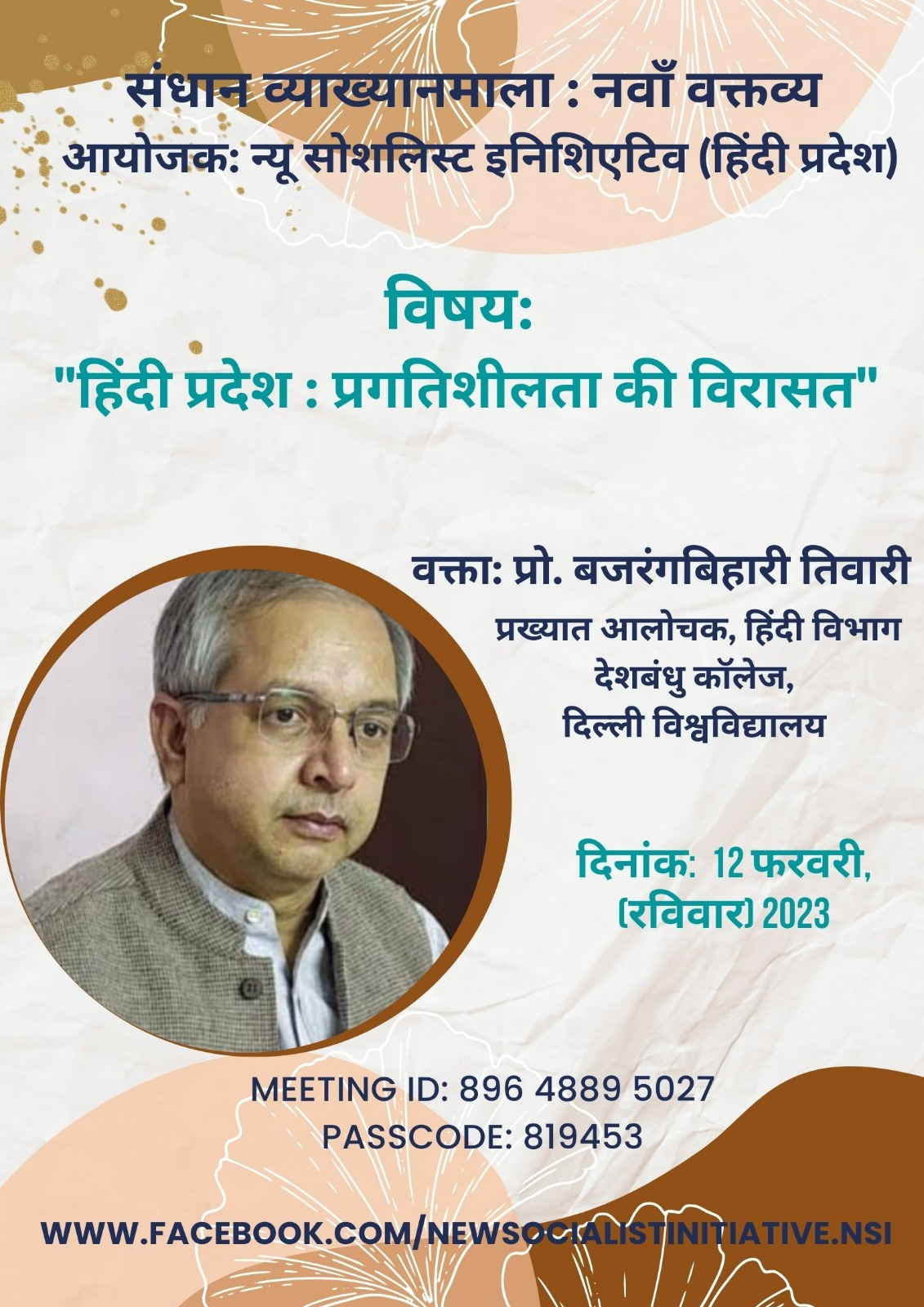
हिंदी प्रदेश : प्रगतिशीलता की विरासत – प्रोफेसर बजरंग तिवारी

विषय : हिंदी प्रदेश : प्रगतिशीलता की विरासत

इस व्याख्यान में निम्न पहलुओं को समेटने की कोशिश रहेगी –

अर्वाचीन बोध क्या है? हिंदी प्रदेश में इसकी बुनियाद को कैसे समझें ? छठी से ग्यारहवीं शताब्दी का दौर।

भक्ति आंदोलन के दौर में क्या बदलाव हुए ? कला और साहित्य में दरबारीपन को कैसे समझें ?

स्वतंत्रता आंदोलन में साहित्य और साहित्यकारों की क्या भूमिका रही? अपने विगत से इस आंदोलन ने क्या ग्रहण किया ?

प्रगतिवाद ने हिंदी-उर्दू-संस्कृत साहित्य को कैसे प्रभावित किया ? प्रगतिवाद के आरंभिक चरण में क्या मुद्दे रहे ?

अस्मितामूलक साहित्य के उभार को कैसे समझें? दलित साहित्य की विकासयात्रा का हाल-मुकाम क्या है ?

बहुध्रुवीयता – तानाशाही का मूलमंत्र : कविता कृष्णन

Guest post by KAVITA KRISHNAN

[यह लेख The India Forum में अंग्रेज़ी में छपा और उसके हिंदी अनुवाद का एक संक्षिप्त संस्करण सत्य हिंदी में छपा. यहाँ हिंदी में लेख को पूरा (बिना काट-छांट के) पढ़ा जा सकता है. हिंदी अनुवाद के लिए डॉ कविता नंदन सूर्य (सम्पादक, www.debateonline.in) को शुक्रिया.]

बहुध्रुवीयता अंतर्राष्ट्रीय संबंधों की वामपंथी समझ को दिशा देने वाला कम्पास है. भारत और वैश्विक वामपंथ की सभी धाराओं ने लम्बे समय से साम्राज्यवादी अमेरिकी वर्चस्व वाली ‘एकध्रुवीय’ दुनिया की अवधारणा के खिलाफ ‘बहुध्रुवीय’ विश्व की वकालत की है.

दूसरी ओर, ‘बहुध्रुवीयता’ वैश्विक फासीवाद और तानाशाही की साझी भाषा का मूल आधार बन गई है. यह निरंकुश शासकों के लिए एकजुटता का ऐसा आह्वान है, जो लोकतंत्र पर उनके हमले को साम्राज्यवाद के खिलाफ जंग की शक्ल में पेश करती है.  अंतर्राष्ट्रीय संबंधों के साम्राज्यवाद-विरोधी लोकतंत्रीकरण के नाम पर बहुध्रुवीयता को वैश्विक वामपंथ के गुंजायमान समर्थन ने, निरंकुशता का भेस बदलने और उसे वैधता दिलाने के लिए ‘बहुध्रुवीयता’ के इस्तेमाल को असीमित शक्ति प्रदान कर दी है.

राष्ट्र राज्यों के आतंरिक अथवा आपसी राजनैतिक टकरावों पर रुख तय करने लिए कितने आधार उपलब्ध हैं? इस प्रश्न के जवाब में वामपन्थ सिर्फ़ दो विकल्पों – या तो “बहुध्रुवीयता” या “एकध्रुवीयता” – को प्रस्तुत करती है. अगर आपने “बहुध्रुवीयता” को अपना मूल आधार नहीं बनाया तो वामपन्थ मानेगी कि आप ज़रूर अमेरिका/नाटो की दादागिरी वाले “एकध्रुवीयता” के पक्ष में हैं. पर   “बहुध्रुवीयता” या “एकध्रुवीयता” के बीच यह कल्पित बाईनरी हमेशा भ्रामक थी. लेकिन आज “बहुध्रुवीयता” बनाम  “एकध्रुवीयता” के बीच संघर्ष की मनगढ़ंत कहानी भ्रामक ही नहीं, खतरनाक है क्योंकि इस कहानी में फासीवादी और तानाशाह नेताओं को “बहुध्रुवीयता” बनाए रखने वाले नायकों का पात्र दिया गया है.

Continue reading बहुध्रुवीयता – तानाशाही का मूलमंत्र : कविता कृष्णन →

The Lady Vanishes – Justice and Law in Our Age: Dilip Simeon

Guest post by DILIP SIMEON

[Names and publications of cited authors are listed at the end of the essay.]

The sophists taught, rather publicly, the view that the summit of happiness is to combine the appearance of justice with actual injustice: Gregory McBrayer (2015), p 44

To speak of justice has always been to plunge into a metaphysical abyss, especially as the issue has been intractable since (at least) Plato’s most famous work, The Republic was written some twenty-five centuries ago. Not least has been the permanently contentious issue – named the theological-political problem by Leo Strauss – of whether we should live according to divine or human guidance. But to speak of justice in India is confront our deeply divided souls; and in the most horrendous cases, to stare evil in the eye.

If Mrs Indira Gandhi dreamt of a ‘committed bureaucracy,’ our current rulers appear to be bent upon the complete domestication of civil society by their ideological enterprise. This requires a committed judiciary too, for which aspiration clues are ample, because they conspire in broad daylight. It was inevitable that some members of the judiciary were and continue to be complicit in this totalitarian project. We should be grateful that there are men and women of courage and conscience within. One of them was named Judge Loya.

Continue reading The Lady Vanishes – Justice and Law in Our Age: Dilip Simeon →

Democracy’s Structural Slippages and the Indian Experiment – Prof Harbans Mukhia

Professor Harbans Mukhia, Professor ( Retd.) of Medieval History at the Centre for Historical Studies, JNU ; an eminent authority on  Medieval India ; author and editor of many books will be delivering the 22 nd Democracy Dialogues lecture on Sunday, 15 th January 2023 at 6 PM (IST). The focus of his lecture will be Democracy’s Structural Slippages and the Indian Experiment

Join Zoom Meeting

https://us02web.zoom.us/j/85949863412?pwd=SGpqUXRKTXRZVGVQeHdCSXhQTXJKQT09

Meeting ID: 859 4986 3412

Passcode: 938487

The lecture will also be live streamed at facebook.com/newsocialistinitiative.nsi

Continue reading Democracy’s Structural Slippages and the Indian Experiment – Prof Harbans Mukhia →

An Open Letter to the National Leadership of the AIDWA : Struggle in Unity for Equality, or Struggle in Unity against Impunity?

To the National Leadership which is currently participating in the 13th National Conference of the AIDWA in Thiruvananthapuram.

Dear sisters in struggle

I write to you from Kerala, where the CPM is currently in power for a second time, a rare achievement indeed, in a state where power changes hands usually in each election. I know that most of you hail from places where the CPM is very far from power. I know the difference that makes to activism.

Continue reading An Open Letter to the National Leadership of the AIDWA : Struggle in Unity for Equality, or Struggle in Unity against Impunity? →

The Phantom of Bombay House: Upal Chakraborty

Guest post by UPAL CHAKRABORTY

[Published below is the story of a long fight against harassment and for justice by someone who took his corporate job and the interests of his company seriously, little knowing what it could lead to. It gives a glimpse into the corporate culture even among what are known to be the best corporate entities. ]

There was a gentleman whose name propped up frequently inside the Tata Group headquarters “Bombay House”, but he was more known by his sobriquet – the “Phantom of Bombay House”. He was considered a recluse and shunned social get-togethers as far as possible. Not a soul has ever seen him inside the premises, yet he held an 18.4% stake in the Tata Group. The gentleman was none other than the Late Pallonji Mistry, the father of the previous Group Chairman Cyrus Mistry whose family owned around 18% share of the Group. Tata professionals including Ratanji himself, reportedly, looked up to him for professional support.

It is unfortunate, therefore, that during the stewardship of his son, the episodes described in this article could take place. Mr. Mistry personally may or may not have been aware but for some strange reason the Group chose to turn a blind eye to a series of sordid happenings and preferred to side with an individual whose criminal acts were proved beyond any reasonable shade of doubt.The individual concerned, Mr. Tarun Kumar Samant or Tarun Kumar Sawant, can arguably be described as the new Phantom of Bombay House after the demise of Mr. Pallonji Mistry.

Continue reading The Phantom of Bombay House: Upal Chakraborty →

No Reason  to Bow Down to So-called Modi Storm, Time for Unity to Strike: Sankar Ray

Guest post by SANKAR RAY

We have been living through an unnatural and scary time in India. Those in power today are ideologically responsible for destroying the greatest achievement of India’s freedom struggle. The achievement is stable parliamentary democracy, one of the main conditions for whose existence and development is accommodation of dissent and transparency therein. The symptoms of this destruction are often horrendous.

The Bharatiya Janata Party (BJP) won 156 out of 182 seats in the recently held Gujarat Assembly elections. The pattern of state politics was completely reversed as BJP’s number of seats increased from 99 to 182 from 2017 to 2022 and Congress’s seats decreased from 77 to 17. But BJP’s strength in municipal and panchayat elections in Gujarat was decreasing.

Continue reading No Reason  to Bow Down to So-called Modi Storm, Time for Unity to Strike: Sankar Ray →

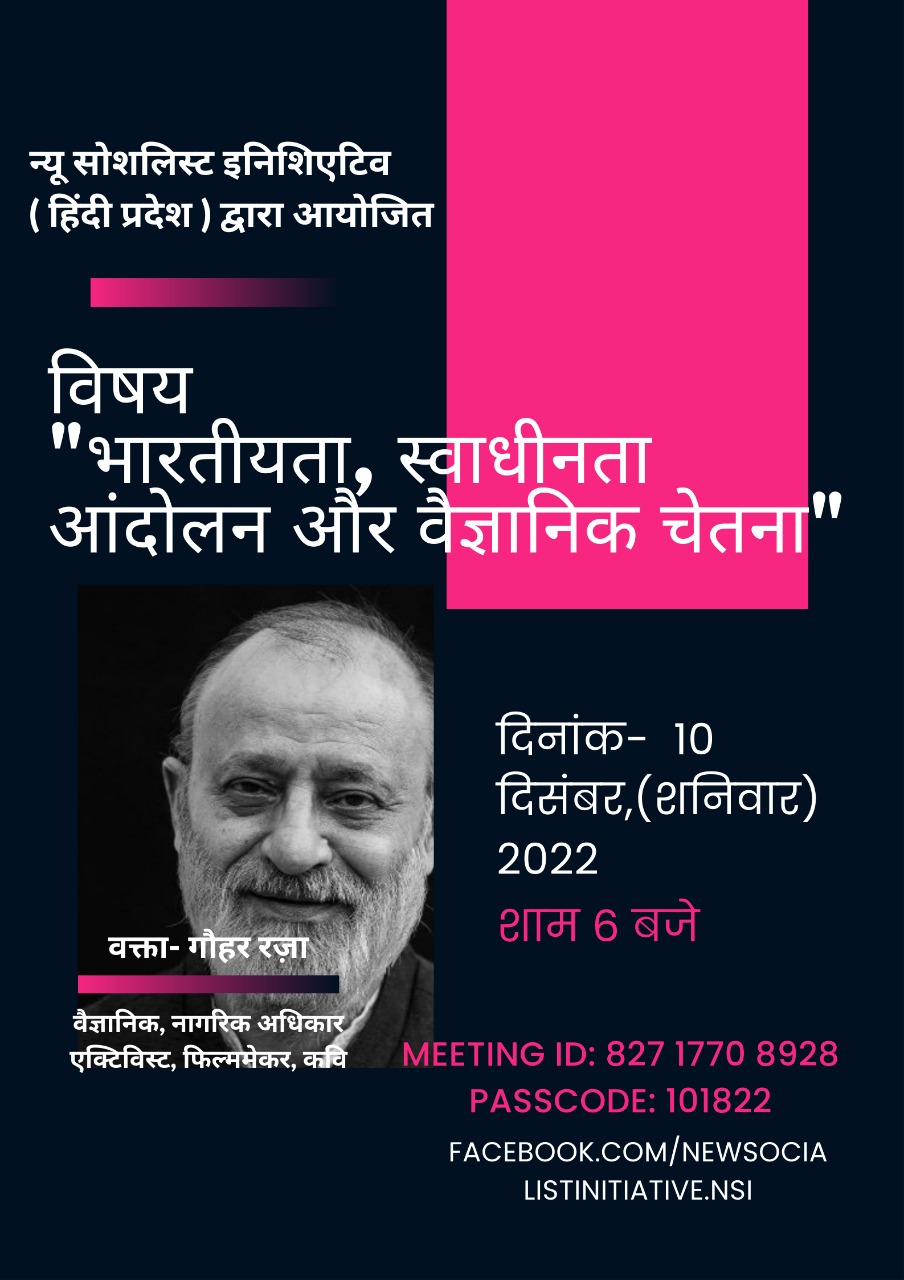
भारतीयता, स्वाधीनता आंदोलन और वैज्ञानिक चेतना : गौहर रज़ा

The next lecture ( 8 th one) in the ‘Sandhan Vyakhyanmala Series initiated by New Socialist Initiative ( Hindi Pradesh) will be delivered by Gauhar Raza, Former Chief Scientist, Council of Scientific and Industrial Research, Documentary Filmmaker on Social Issues, Civil Rights Activist and a  Poet 

He will be speaking on ‘Indian Identity, Freedom Movement and Scientific Temper’ ( भारतीयता, स्वाधीनता आंदोलन और वैज्ञानिक चेतना) on Saturday, 10 th December, 2022  6 PM ( IST). 

Time: Dec 10, 2022 06:00 PM India

Join Zoom Meeting
https://us02web.zoom.us/j/82717708928?pwd=SW1qMnRaVVpWbHVzZjdJb3lZK2dwUT09

Meeting ID: 827 1770 8928
Passcode: 101822

The lecture will also be live streamed on www.facebook.com/newsocialistinitiative.nsi

——————–

संधान व्याख्यानमाला : आठवां वक्तव्य 

विषय :  भारतीयता, स्वाधीनता आंदोलन और वैज्ञानिक चेतना

वक्ता :  गौहर रज़ा , पूर्व मुख्य वैज्ञानिक , कौन्सिल ऑफ़ साइंटिफिक एंड इंडस्ट्रियल रिसर्च , डॉक्युमेंटरी  फिल्म निर्माता , सामाजिक कार्यकर्ता और कवि  

शनिवार , 10  दिसंबर , शाम 6 बजे   
आयोजक :न्यू सोशलिस्ट इनिशिएटिव ( हिंदी प्रदेश )

आयोजक : न्यू सोशलिस्ट इनिशिएटिव ( हिंदी प्रदेश ) 

विषय : ‘ भारतीयता, स्वाधीनता आंदोलन और वैज्ञानिक चेतना‘

देश के पहले प्रधानमंत्री जवाहरलाल नेहरू ने देश के सामने दो बड़े सवाल रखे थे, पहला था ‘वैज्ञानिक चेतना’ का और दूसरा था ‘भारत माता कौन है’ यानी हमारी भारतीय पहचान का क्या अर्थ है.  इन दोनों सवालों पर आज फिर एक बार नज़र डालने की जरूरत है. आज एक तरफ़ तो  वैज्ञानिक चेतना पर बड़ा हमला है और दूसरी तरफ़ ‘सामूहिक भारतीय पहचान’ को बदलने की व्यापक कोशिश ने सामाजिक ढांचे को छिन्न भिन्न करने का ख़तरा खड़ा कर दिया है. 

ये व्याख्यान जंग-ए-आज़ादी के दौरान ब्रिटिश राज्य के दमन के ख़िलाफ़ गाढ़ी गयी ‘हिंदुस्तानी पहचान’ से जुड़े कुछ सवालों पर नज़र डालने की कोशिश करेगा. इस पहचान का गारा वैज्ञानिक चेतना से तैयार किया गया था, पर ये भी याद रखना चाहिए कि देश में वैज्ञानिक चेतना के खिलाफ़ शक्तियां हमेशा ही सक्रिय रही हैं, खास तौर से हिंदी पट्टी में. 2014 के बाद से इन शक्तियों की ताक़त बढ़ी है और साथ ही वैज्ञानिक चेतना और भारतीय पहचान पर हमले भी. 

Police Violence against the Fisher People on the Kerala Coast: A People’s Account

Below, I share a write-up by Johnson Jament, an academic researcher from the coast of the Thiruvananthapuram district, where an intense struggle against the Adani Port Project has been unfolding. Arrayed on opposing sides are the fisher people who have inhabited the coast since the past 500 years (according to historical record) and more, whose livelihoods are at stake, and the Adani Port Project, supported by the combination of natural resource predators and the CPM-led government of Kerala. The leadership of the CPM (though not the ranks, or at least all of the ranks) can be quite fairly described as a ‘post-socialist oligarchy’, and hence their support of Adani Ports is pretty understandable. The battle has been equally one of wits too, with the Kerala government pulling out all their progressive aces, including the longtime literary-cultural acolytes of the CPM but also some of the (former) stars of Kerala’s oppositional civil society — notably, the poet and critic, K Satchidanandan! Questioned about his stance, this early teacher of Euro-Marxism of a whole generation claimed that the conflict was because of ‘binary thinking’ that supporters and opponents of the Port project both equally indulge in, forgetting notably, that something like ‘structural contradiction’ may be becoming evident in and through this struggle. Perceiving it, of course, is not indulging in binary thinking.

Continue reading Police Violence against the Fisher People on the Kerala Coast: A People’s Account →

Questioning the Make-in-Odisha Conclave and the Current Development Model: People’s Movements Write to Governor

Following is the text of an open letter sent by the Bisthapan Birodhi Jana Andolon Mancha, a coalition of people’s organizations, activists, journalists and citizens to the Governor of the Odisha. It was released in Bhubaneswar yesterday the 3rd of December 2022.

Respected Sir,

We as concerned citizens, social activists, political and human rights activists, environmentalists and journalists and the leaders of twelve mass organizations on behalf of Bisthapan Birodhi Jana Andolon Mancha, Odisha appeal for the protection of natural resources and an immediate end to the continuous forceful displacement of people from their lands and dwelling places.

We express our protest and dissent against the Odisha government’s Make-in-Odisha Conclave in Bhubaneswar. Inviting more investments in the name of development will uproot the lives and livelihoods of people dependent on these land, forests and coasts. We appeal to your conscience to intervene and prevent the exploration and exploitation of natural resources through unmindful and unwanted mining of bauxite, iron ore, chromite, coal, river sand, china clay and other resources in the name of development. People are struggling against all odds and hardships to protect the same for future generations even as they remain deprived of access to basic needs like education, health and nutritional food security.

Continue reading Questioning the Make-in-Odisha Conclave and the Current Development Model: People’s Movements Write to Governor →

बसु, रमण और सलाम की धरती पर वैज्ञानिक मिज़ाज की अनुपस्थिति पर कुछ बातें : रवि सिन्हा

Guest Post by Ravi Sinha

( मैं वाशिंग्टन डी सी के ‘इंडियन डाइस्पोरा’ को और रज़ी साहब का शुक्रिया अदा करना चाहूंगा कि उन्होंने चंद बातें रखने का मौका दिया। यह मेरे लिए बेहद सम्मान की बात है कि मैं दो शख्सियतों के साथ – गौहर रज़ा और परवेज़ हुदभाॅय के साथ – आनलाइन ही सही – मंच साझा कर रहा हूं। मैं इस बात को लेकर चिंतित था कि रज़ी साहब वक्त़ के बेेहद पाबंद हैं, इसलिए मैंने तय किया कि जो बातें मुझे कहनी हैं, मैं लिख लेता हूँ। लेकिन इससे दिक्कत यह पैदा हुई कि इसे लिखते वक्त़ मुझे इस बात का एहसास नहीं था कि गौहर और परवेज़ क्या बात करेंगे। मुमकिन है कि मैं जो बातें रख रहा हूं वे इसके पहले कही गयी बातों के चलते अनावश्यक /व्यर्थ लगें या आयोजकों के या अन्य दो वक्ताओं के सरोकारों से महज छूती दिखाई दें। )


मेरे लिए यह बेहतर होगा कि मैं शुरूआत में ही कुछ प्रारंभिक क़िस्म की बातों पर अपनी राय ज़ाहिर कर दूँ। चर्चा के शीर्षक के तौर पर बसु, रमण और सलाम की धरती का हवाला दिया गया है, जिससे यह धारणा भी बन सकती है कि वैज्ञानिक के वैज्ञानिक मिज़ाज (Scientific Temper) से लैस होने की गारंटी है। साथ ही वह इतना प्रभावशाली भी होगा कि आम समाज पर भी अपनी छाप छोड़ सकेगा। एक आदर्श दुनिया में, शायद, यही होना चाहिए। लेकिन वैज्ञानिक भी आदर्श दुनिया में नहीं रहते।

आप सर आइज़क न्यूटन का उदाहरण देखें, जो आज भी विज्ञान के सबसे महान प्रतिमूर्ति (Icon) समझे जाते हैं, जिनकी प्रतिभा ने वैज्ञानिक क्रांति पर अपनी अंतिम और आधिकारिक मुहर लगा दी। कैम्ब्रिज में उन दिनों फैली प्लेग की महामारी से बचने के लिए भागकर अपने गाँव पहुँचे इस एकाकी युवा प्रतिभा ने अपने अकेले दम पर आधुनिक विज्ञान की नींव डाल दी। 1665-1666 के अपने चमत्कारी वर्षों के महज 18 महीनों में उन्होंने गति के नियमों को तथा गुरुत्वाकर्षण के नियमों को सूत्रबद्ध किया। इन्हीं महीनों में उन्होंने कैलकुलस (Calculus) की खोज की। लेकिन इसके बाद उन्होंने अपनी लंबी जिन्दगी का बड़ा हिस्सा कीमियागरी में तथा बाईबिल के अर्थापन की  धर्मशास्त्राीय विवेचना में लगाया। उन्होंने ऐसे विचारों की भी भर्त्सना  की (जैसे कि त्रिदेववाद -Trinitarianism), जो उनके मुताबिक ईसाई मत के प्रदूषण के प्रतीक थे, और एरियनवाद (Arianism) के अत्यधिक रैडिकल शुद्धतावादी संस्करण को अपनाया, जो मानता था कि बाइबिल भविष्य की बिल्कुल सटीक भविष्यवाणी है। न्यूटन के अंदर कुछ भी सामान्य अनुपात का नहीं था – न ही उनकी वैज्ञानिक प्रतिभा न ही उनका सख्त जडसूत्रवाद और आत्मविश्वास से भरपूर अंधश्रद्धा।

अगर आप यह समझ रहे हों कि मैं न्यूटन के प्रति अन्याय कर रहा हूं – आखिर वह भी तो अपने वक्त़ की ही पैदाइश हो सकते थे – तो एक तरह से मैं जिस प्रस्थापना की ओर उन्मुख हूँ उसे आप अभी ही स्वीकार करने की दिशा में हैं। लेकिन इसके पहले कि मैं विज्ञान और वैज्ञानिक मिज़ाज के अंतर्सम्बन्ध की पड़ताल करूँ, हाल के समय के कुछ अन्य उदाहरणों पर ग़ौर करना चाहूंगा। पास्कुअल जॉर्डन (Pascual Jordan) जो क्वाण्टम यान्त्रिकी के जन्मदाताओं में से था, एक सक्रिय नात्सी था। युद्धोत्तर जर्मनी में अपने पुनर्वास के बाद भी अपने फासीवादी विचारों पर अडिग रहा। भौतिक विज्ञान के नोबेल पुरस्कार विजेता फिलिप लेनार्ड (Philipp Lenard)और योहान स्टार्क (Johannes Stark) भी सक्रिय नात्सी थे और खुले रूप में यहूदी-विरोधी (anti semite) थे। उनके कुछ समय पहले, बीसवीं सदी के दूसरे दशक में, महान गणितज्ञ एम्मी नोदर (Emmy Noether) को गाॅटिंगन ( Gottingen ) विश्वविद्यालय के गणित विभाग में प्राध्यापक की नौकरी से वंचित किया गया था, महज इसलिए कि वह एक स्त्री थी। इस मामले से क्षुब्ध डेविड हिलबर्ट ने कहा था, ‘‘ विश्वविद्यालय में शिक्षक के तौर पर उसकी नियुक्ति के खिलाफ आखिर उसका लिंग कैसे आड़े आ सकता है। आखिर हम एक विश्वविद्यालय हैं, कोई स्नानगृह तो नहीं।’’ और मेरे एक वैज्ञानिक दोस्त ने मुझे कुछ दिन पहले ही याद दिलाया है कि खुद अपने सर सी वी रमण भी, जिनका नाम भी इस कार्यक्रम के शीर्षक में शामिल है, एक महिला प्रत्याशी को पीएचडी छात्रा के तौर पर प्रवेश देने के ख़िलाफ़ थे, क्योंकि उनके हिसाब से महिलायें वैज्ञानिक बनने के योग्य नहीं होतीं।

मैं जानेमाने वैज्ञानिकों को वैज्ञानिक मिज़ाज से लैस होने के प्रमाणपत्र दिए जाने का विरोध करने के लिये यहाँ नहीं आया हूं। मैं यह जानना चाहता हूँ कि क्या वैज्ञानिक मिज़ाज का अभाव विज्ञान के बेहतर ढंग से करने के रास्ते में बाधा बनता है। लगभग तीन दशक पहले परवेज़ हुदभाॅय ने एक किताब लिखी थी। किताब का शीर्षक था ‘इस्लाम एण्ड साइंस’, और उसका उपशीर्षक था ‘रिलीजियस आर्थोडाॅक्सी एण्ड द बैटल फाॅर रैशनेलिटी’ ( धार्मिक रूढिवाद और तार्किकता का संघर्ष). इस किताब में वह एक दिलचस्प उदाहरण पेश करते हैं। स्टीवन वाईनबर्ग और अब्दुस सलाम – वही सलाम जिनका नाम भी इस कार्यक्रम के शीर्षक में है – दोनों ने बीसवीं सदी के सबसे मूलभूत और महत्वपूर्ण भौतिकी सिद्वांतों में से एक का आविष्कार किया, जिसे हम युनिफाईड क्वांटम थियरी आफ इलेक्टोमैगनेटिजम एंड वीक नुक्लिअर फ़ोर्स कहते हैं। उन्होंने एक दूसरे से स्वतंत्र इस सिद्धांत का आविष्कार किया और उसके लिए नोबेल पुरस्कार साझा किया।  वाईनबर्ग एक घोषित नास्तिक थे और सलाम ने खुद स्वीकारा था कि वह आस्तिक हैं। सलाम ने परवेज़ के किताब की भूमिका लिखी थी। भूमिका में वह लेखक के इस विचार से सहमत होते हैं कि इस सिद्धांत तक पहुंचने के लिए उनके आस्तिक होने से कोई फर्क नहीं पड़ा। यह बात आप खुद आविष्कारक के मुंह से ही सुन रहे हैं। फिर विज्ञान और वैज्ञानिक मिज़ाज के बीच का रिश्ता क्या है ?

एक वैज्ञानिक महज विज्ञान पर ज़िन्दा नहीं रहता। उसके मस्तिष्क पर केवल तर्क और विज्ञान का क़ब्ज़ा नहीं होता। मैं नहीं जानता कि मस्तिष्क की तरह क्या मन के भी दो अलग अलग लेकिन एक दूसरे से जुड़े गोलार्द्ध होते हैं। लेकिन मुझे, सरल भाषा में, मन के ऐसे विभाजन का एक रूपक की तरह इस्तेमाल करने दीजिए। वैज्ञानिक चिन्तन का ताल्लुक, जैसा कि मुझे लगता है, उस प्रक्रिया से है जिसमें मन का तार्किक ‘गोलार्द्ध’ उसके भावनात्मक ‘गोलार्द्ध’ को प्रभावित करने की कोशिश करता है। इसका परिणाम एक तार्किक और सुसंस्कृत व्यक्ति के उभार में भी हो सकता है, लेकिन इसका नतीज़ा बहुत ख़राब भी निकल सकता है। तार्किक पक्ष के भावनात्मक पक्ष में ज़रूरत से ज़्यादा दखलअंदाजी करने से एक बचकाने वयस्क का भी उदय हो सकता है। ज़्यादा ख़तरनाक नतीज़े भी निकल सकते हैं – हो सकता है कोई डॉ स्ट्रेंजलव (Strangelove) जैसा शख़्स पैदा हो जाय। ( डॉ स्ट्रेंजलव नाम से एक फिल्म आयी थी, जिसमें इसी नाम का एक अधिकारी केन्द्र में है जो नाभिकीय युद्ध की शुरूआत करने का हिमायती है – अनुवादक)

वैज्ञानिक चिन्तन एक मुश्किल चीज़ है। इसमें शामिल होता है तर्कबुद्धि और संस्कृति के बीच का एक जटिल अंतरसंघर्ष। तुर्रा ये कि न तो हम तर्कबुद्धि को अच्छी तरह समझते हैं न ही संस्कृति को। कुछ लोग समझते हैं कि तार्किकता पारदर्शी होती है जबकि संस्कृति में कई अँधेरे कोने होते हैं। विरोधी पक्ष कहता है कि यह एक ग़लत तस्वीर है। वह यह दिखाने की कोशिश करता है कि तर्क की जड़ें धुँधली हैं – वह पवित्र-निर्मूल ढंग से धारण नही हुई। और वह स्वयं जागरूक नहीं है – वह नहीं जानती कि वह सत्ता की संरचनाओं से गहरे में उलझी हुई है।

कौन सा पक्ष महत्वपूर्ण है ताकि एक सफल और साथ ही साथ सार्थक जीवन जिया जा सके ? किस पक्ष को फैसला देने का हक है ? यह एक ऐसी बहस है जिसका आसानी से समाधान संभव नहीं है। इसे लेकर मज़ेदार प्रसंग भी हैं। मिसाल के तौर पर, जहां वैज्ञानिक कविता पर अपना फ़ैसला सुनाते दिखते हैं। पाॅल डिराक ( Paul Dirac ), जिन्हें 20 वीं सदी के महानतम वैज्ञानिकों में शुमार किया जाता है, उन्होंने एक बार जे आर ओपनहाइमर, जो भी एक बड़े वैज्ञानिक थे और एक बहुज्ञ-बहुप्रतिभासम्पन्न व्यक्ति थे, से कहा, ‘‘मैं समझ नहीं पाता कि आप भौतिकी में काम करते हैं और साथ ही साथ कविताएं भी लिखते हैं। विज्ञान मे आप उस बात को कहना चाहते है, जो पहले से कोई जानता नहीं हो, लेकिन ऐसे शब्दों में  कहना चाहते हैं जिसे सभी  समझ सकें। जब कि  कविता में आप  वही  कहते हैं जो सब पहले से ही जानते है, लेकिन ऐसे शब्दों में जिन्हें कोई समझ न सके।’’ दूसरी तरफ़, विज्ञान पर कवियों का फ़ैसला आम तौर पर अधिक स्याह होता है – वह अक्सर विज्ञान की यांत्रिकता की आलोचना करती है, या उसका ऐसे मज़ाक उड़ाती है जैसे कोई किसी वयस्क के बचपने का मज़ाक उड़ाए।

इतनी पृष्ठभूमि के बाद, मैं अब आज के विषय पर आना चाहूंगा। मैं इस बात से सहमत हूं कि वैज्ञानिक मिज़ाज उन समाजों एवं संस्कृतियों  से लगभग गायब है, जो इस उपमहाद्वीप की एक अलग क़िस्म की सभ्यता का निर्माण करते हैं। लेकिन मैं इस बात को लेकर आश्चर्यचकित नहीं हूं कि वह बसु, रमण और सलाम जैसे वैज्ञानिकों के बावजूद अनुपस्थित है। मैं इस बात पर अधिक आश्चर्यचकित हूं कि वह जवाहरलाल नेहरू जैसी शख्सियत के बावजूद अनुपस्थित है। मेरे हिसाब से, वैज्ञानिक मिज़ाज की वांछनीयता के सबसे श्रेष्ठ और सबसे समझदार हिमायती नेहरू थे। मैं ‘भारत एक खोज’ से एक उद्धरण साझा करना चाहूँगा भले ही इसमें थोड़ा वक़्त ख़र्च हो जाय :

‘‘विज्ञान सकारात्मक ज्ञान के दायरे में  व्यवहार करता है लेकिन जिस मिज़ाज  को वह निर्मित करता है, वह उस दायरे का उल्लंघन करता हैै। मनुष्य का अंतिम लक्ष्य ज्ञान हासिल करना, सत्य को पाना, अच्छाई और सुंदरता का  रसग्रहण करना  हो सकता है। वस्तुनिष्ठ खोज की वैज्ञानिक पद्धति इन सभी पर लागू नहीं होती, और जीवन में बहुत  कुछ ऐसा भी महत्वपूर्ण है, जो इसके दायरे के बाहर दिखता है – फिर वह चाहे कला और कविता के प्रति संवेदनशीलता, वह भावना जो सौंदर्य से निर्मित होती है, अच्छाई का बेहद गहराई में स्वीकार। मुमकिन है कि एक वनस्पति वैज्ञानिक और एक प्राणी वैज्ञानिक प्रक्रति का सम्मोहन और उसकीसुंदरता  का कभी अनुभव भी न करे ; संभव है एक समाजविज्ञानी मानवता के प्रति प्रेम से बिल्कुल वंचित हो। लेकिन जब हम पहाड़ों की उंचाई पर जाते हैं, जहां दर्शन का निवास होता है और उच्च कोटि की भावनाए मन में समा जाती है , या हमारे सामने खड़े विराट को अपलक हम देखते जाते हैं, उस वक्त भी  वैज्ञानिक मिज़ाज वाली  पहुँच और भावना की ज़रूरत बनी रहती है ।’’ ( अनुवादक द्वारा मूल टिप्पणी का भाषांतर)

मैं इस बात को भी जोड़ना चाहूंगा कि भारत का संविधान दुनिया का एकमात्र संविधान है जिसमें  हर नागरिक के बुनियादी कर्तव्य के तौर पर ‘‘वैज्ञानिक चिन्तन, मानवता और अनुसंधान और सुधार की भावना’’ का स्पष्ट उल्लेख है।

यह सब कुछ अत्यधिक दार्शनिक और आदर्शवादी लग सकता है। आखिर कोई इस बात का क्या प्रमाण है कि किसी समाज या किसी सभ्यता के लिए वैज्ञानिक मिज़ाज की वाकई ज़रूरत है ? मुझे लगता है कि इतिहास ने हमारे सामने एक वास्तविक मिसाल पेश की है। मैं चंद बातें उस पर भी रखना चाहूंगा।

परवेज़ की जिस किताब का मैंने अभी ज़िक्र किया है उसकी शुरूआत एक कल्पित कथा से होती है, ‘‘मान लें कि मंगल ग्रह पर रहने वाले मानवशास्त्रियों की एक टीम ने 9 वीं और 13 वीं सदी के दरमियान पृथ्वी की यात्रा की’’। उन्होंने पाया कि ‘‘यहां पर सबसे अधिक संभावनाओं वाली इस्लामिक सभ्यता दिखती है, जहां बैत उल हिकमा (Bait-ul-Hikmah) जैसा पुस्तकालय है, खगोलीय वेधशालाएं है, अस्पताल हैं और स्कूल हैं।’’फिर वे बीसवीं सदी के अंत में फिर एक बार यहां आते हैं और पाते हैं ‘‘उनका पहले का अनुमान बिल्कुल गलत साबित हुआ। मानवता का वह हिस्सा जो कभी सबसे अधिक संभावनासंपन्न दिखता था वह अवरूद्ध मध्ययुगीनता की स्थिति में जकड़ा है, नए को बिल्कुल खारिज कर रहा है और अतीत से बुरी तरह चिपका हुआ है। इसके उलट, अतीत के पीछे छूटे हुए लोग (यूरोप से तात्पर्य है) विकास की सीढ़ी चढ़ चुके हैं और अब सितारों को लक्ष्य किए हुए हैं। क्या यह भूमिकाओं का प्रचंड उलटफेर, आगंतुक पूछते हैं, महज एक का दुर्भाग्य और दूसरे का सौभाग्य कहा जा सकता है ? क्या उसकी वजह आक्रमण और सैनिक पराजय है ? या क्या यह  नज़रियों और रूख में बुनियादी बदलाव की परिणति है ?’’

कुछ मामूली फ़र्क़ों के साथ यह दृष्टान्त भारतीय उपमहाद्वीप पर भी समान रूप से लागू हो सकता है। अगर मंगल ग्रह के लोग 17 वीं सदी के दरमियान यहाँ पहुँचते तो सम्राट अकबर के दरबार के नवरत्नों को देख कर चकित रह जाते; इस बात से अचंभित रह जाते कि पूरी दुनिया के सकल उत्पाद का लगभग एक तिहाई अकेले इस महाद्वीप पर ही पैदा होता है। लेकिन जब वे आज के समय में फिर इस महाद्वीप पर वापिस आते तो यहाँ की दुर्दशा देखकर और यहाँ का पिछड़ापन देखकर इस सभ्यता के बारे में उतने ही निराश हुए होते जितना कि वे इस्लामी सभ्यता के बारे में हुए थे।

शायद यह पूछने की बजाय कि सभी पीछे क्यों छूट गये, असली सवाल यह पूछा जाना चाहिए कि पश्चिम आगे कैसे निकल गया ? इस से सभी के पीछे छूट जाने के मसले पर भी ज़्यादा आसानी से रौशनी पड़ सकती है। हो सकता है जवाब साफ हो, लेकिन कमरे में मौजूद हाथी की तरह उसे नज़रअन्दाज़ करने की कोशिश की जाती रही हो। हो सकता है, इतिहास के लम्बे दौर में अन्तर्भूत गहरे कार्यकारण सम्बन्धों का सन्धान आज की बौद्धिक-अकादमिक दुनिया में फ़ैशन में न हो। आख़िरकार, यह महान आख्यानों के प्रति संदेहों का दौर है। हम जो इस दौड़ में पीछे छूट गए हैं, उपनिवेशवाद और साम्राज्यवाद को इसके लिए जिम्मेदार ठहराते हुए सुकून हासिल कर सकते हैं और उन्हें इन अपराधों के लिए पूरी तरह जिम्मेदार ठहरा सकते हैं। हम इस बात पर भी खुश हो सकते है कि पश्चिमी अकादमिक जगत के बड़े बड़े विद्वतजन भी विज्ञान और आधुनिकता के खिलाफ बौद्धिक तूफान खड़ा कर रहे हैं, जो उनके हिसाब से कथित तौर पर, पूंजीवाद, उपनिवेशवाद और साम्राज्यवाद का नौकर और उपकरण मात्र रहे हैं। उत्तरऔपनिवेशिकता के सिद्धान्तकार उस उपनिवेशवाद के भयावह कारनामों को उजागर करने में व्यस्त रह सकते हैं जिसका युग बीत चुका है। लेकिन एक दिन तो हमें यह पूछना ही होगा –  उस अनुपस्थित उपनिवेशवाद की आलोचना से भारतीय उपमहाद्वीप पर रहने वाले हमलोगों को क्या हासिल होने वाला है ? पश्चिम के अकादमिक गढ़ों में बैठे उपनिवेशवाद के ये आलोचक और उत्तर-औपनिवेशिकता के ये सिद्धान्तकार निश्चित ही पश्चिमी समाजों को अधिक सभ्य, अधिक जनतांत्रिक और अधिक बहुसांस्कृतिक बनाने में योगदान कर रहे हैं। लेकिन पश्चिम के पास तो पहले से ही विज्ञान और आधुनिकता है, वह पहले ही आगे बढ़ चुका है। इस सब में हम पूरब वालों के लिए क्या है? गरीबी और अंधश्रद्धा के दलदल से हमें अपना रास्ता किस तरह निकालना है ? अपने लिए हमें किस तरह के भविष्य की कल्पना करनी है ? 

पश्चिम क्यों और किस तरह आगे निकल गया – यह एक विशद विषय है और इसपर तमाम पुस्तकालय भरे पड़े हैं। लेकिन कुछ मायनों में इसका जवाब इतना साफ़ है कि इसे दो शब्दों में कहा जा सकता है : विज्ञान और आधुनिकता की सहायता से  पश्चिम यह चमत्कार कर सकने में सफल रहा। यह सच है कि विज्ञान और आधुनिकता दोनों ही पूँजीवाद और उपनिवेशवाद के साथ पैदा हुए थे। लेकिन, जैसा कि मुहावरा है, हमें बच्चे को भी कठौते के गन्दे पानी के साथ फेंक नहीं देना चाहिए। यह बेहद आश्चर्यजनक है कि तमाम बड़े बड़े सिद्धांत मौजूद हैं जो कहते हैं कि सार्वभौमिक सत्य, वस्तुनिष्ठता और वैज्ञानिक पद्धति की विशिष्टता को लेकर विज्ञान की हैसियत कोई अलग नहीं है। सत्य और ज्ञान को लेकर सभी युगों में सभी संस्कृतियों के अपने-अपने दावे थे और उन सभी को विज्ञान तथा वैज्ञानिक पद्धति के दावों के बराबर का स्थान मिलना चाहिए। आज के भारत में ऐसी धारणा को पुष्ट करने के लिए एक आसान रास्ता निकाला गया है – हमें बस यही दावा करना है कि आधुनिक विज्ञान ने अब तक जो हासिल किया और आगे जो भी हासिल करेगा, वह सब वेदों में पहले से मौजूद है। 

बात जो भी हो, पश्चिम ने सबसे आगे निकल जाने ( Great Divergence )  का यह चमत्कार महज पूंजीवाद और औद्योगिक क्रांति के ज़रिए ही हासिल नहीं किया। प्रबोधन (Enlightenment) और आधुनिकता (Modernity) ने इसमें उतनी ही महत्वपूर्ण भूमिका अदा की। हम लोगों ने विज्ञान और संस्कृति के बीच की जटिल अंतःक्रिया को पहले से ही संदर्भित किया है। 18 वीं सदी के पश्चिमी यूरोप में इसने इतिहास को और गतिमान बना दिया। आधुनिक विज्ञान के उभार के बाद लगभग दो सौ साल लगे जब वैज्ञानिक मिज़ाज पश्चिमी समाज और संस्कृति में नीचे तक पहुँचने लगा। सांस्कृतिक ज़मीन में वैज्ञानिक सोच और मिज़ाज के धीरे-धीरे रिसने की इस प्रक्रिया को ही प्रबोधन का नाम दिया जाता है। 

प्रबोधन और आधुनिकता को हम महज आयात नहीं कर सकते। इसे हासिल करने के लिए हम किसी का अन्धानुकरण नहीं कर सकते। इसकी वजह ये है कि विज्ञान भले एक ही हो, संस्कृतियाँ अनेक हैं। सभी संस्कृतियों को चाहिए कि वे विज्ञान को अपनाएँ और आधुनिकता को सक्रिय-सामाजिक रूप दें। लेकिन संस्कृतियों की अनेकता और विविधता के चलते सभी के रास्ते अलग-अलग होंगे। जो पीछे छूट गए, उनमें से कुछ ही ऐसे सफल उदाहरण मिलते हैं जिन्होंने उन्नति, आधुनिकता और वैज्ञानिक मिज़ाज के मामले में अपने अलग ढंग से ही पश्चिम को पकड़ लिया और उस से बराबरी हासिल कर ली। पहले सोविएत संघ ऐसा उदाहरण था, लेकिन वह नष्ट हो गया। वैसे भी रूस यूरोपीय सभ्यता के इतना करीब था कि उसे बराबर में आ जाने के अलग सभ्यतात्मक उदाहरण के तौर पर देख पाना मुश्किल है। पूरब में, पहले जापान और अब चीन ऐसे उदाहरण के तौर पर सामने आते हैं। भारतीय महाद्वीप के ऐसा उदाहरण न बन पाने के पीछे कौन से कारण हैं?

यह भी एक बड़ा विषय है और बेहद जटिल मामला है। कहा जाता है कि समझदार जहाँ जाने में हिचकते हैं, अहमक वहाँ दौड़कर पहुँच जाते हैं। लेकिन अहमक होने का ख़तरा मुझे उठाने दीजिए। जिन सहस्राब्दिक ऐतिहासिक प्रक्रियाओं के द्वारा इस उपमहाद्वीप में एक विशिष्ट सभ्यता का निर्माण हुआ है उनमें एक ऐसी है जो विशिष्ट और अनूठी है। इसके तत्व अन्य मुल्कों और सभ्यताओं में पाए तो जा सकते हैं लेकिन इस उपमहाद्वीप में उसने जो भूमिका अदा की है, वह अन्य किसी इलाके में नहीं निभायी होगी। यही मेरे खयाल से वह अकेला सबसे बड़ा अवरोध है जिसने हमारी संस्कृति में वैज्ञानिक मिज़ाज को रिसने से रोकने में सबसे बड़ी भूमिका निभायी है। इसी पर ऊँगली उठाने की कोशिश करते हुए मैं अपनी बात समेटना चाहूँगा। 

मैं इस बात की तरफ संकेत करना चाहता हू कि इस उपमहाद्वीप में मौजूद लगभग सभी धर्मों ने, अलग अलग अंशों में, एक रहस्यवादी-भक्तिमार्गी रूप धारण किया। इसमें गुरुओं, पीरों, महात्माओं और अनेक प्रकार के गाॅडमेन की नेतृत्वकारी भूमिका बनी। ये सभी, पुरोहितों, पवित्र किताबों या अन्य बिचौलियों की मध्यस्थता के बग़ैर, ईश्वर तक सीधी पहुँच के लिये भक्ति का लोकमार्ग बनाने का दावा करते थे। हिन्दू पक्ष को देखें तो दक्षिण में उसका उदय पहली सहस्राब्दि के भक्ति आंदोलन के साथ हुआ और जो दूसरी सहस्राब्दि में उत्तर भारत में पहुचा। मुस्लिम पक्ष को देखें तो अनेक प्रकार के सूफ़ी पन्थ अफगानिस्तान के रास्ते भारत के उत्तर पश्चिम में पहुँचे और सूफियों, दरवेशों और पीरों के ज़रिए फैलते गये। इस परिघटना ने एक नए धर्म – सिख धर्म – को भी जन्म दिया। यही वह भक्ति, सूफी, सिख धर्म और संमिश्र रहस्यमयी-भक्तिमार्गी आंदोलनों की परिघटना है जिसने भारतीय उपमहाद्वीप में एक अलग और विशिष्ट सभ्यता के निर्माण में महती भूमिका निभायी है। 

लगभग सभी ने इस परिघटना की बेहद अनुकूल ढंग से व्याख्या की है। धार्मिेकों से लेकर गैरधार्मिकों तक, परंपरावादियों से लेकर आधुनिकतावादियों तक, दक्षिणपंथियों से लेकर वामपंथियों तक सभी ने इसकी प्रशंसा की है। लगभग हर कोई रूढिवादिता (Orthodoxy) की तुलना में वैविध्य या बहुलवाद ( heterodoxy ) की हिमायत करता है। इस बात से इन्कार तो नहीं किया जा सकता कि भक्ति-सूफी-सिख-संत आन्दोलनों ने उपमहाद्वीप की संस्कृति और सभ्यता में सकारात्मक योगदान भी किया है। इसके बावजूद यह कहना ज़रूरी है कि इसका एक बड़ा नकारात्मक परिणाम भी रहा है जिसे नज़रअंदाज़ किया गया है।

यह परिघटना ऐसी प्रक्रियाओ को आगे बढ़ाती दिखती है जो वैज्ञानिक चिन्तन और आधुनिकता की प्रगति को बाधित करते हैं। यह विस्मय और जिज्ञासा की जगह अंधी आस्था को प्रोत्साहित करती है; धार्मिकता को सही मायने में आध्यात्मिक, तत्वज्ञानशील और दार्शनिक बनने से रोकती है; दार्शनिक को तार्किक बनने से बाधित करती है; और तार्किकता को संस्कृति में रिसने से रोकती है। वह दुनिया के इस हिस्से में अतार्किकता, अंधी आस्था और अंधश्रद्धा का प्रधान वाहन बनती है। जार्ज आरवेल ने कभी कहा था  ‘‘संतों को हमेशा ही दोषी मान लेना चाहिए जब तक कि यह साबित न हो कि वह निरपराध हैं।’’ आज के भारत में आरवेल के इस कथन का एक विडम्बनापूर्ण अर्थ निकला है – अनेक साधुओं और महात्माओं के बलात्कारी और हत्यारे साबित होने के बावजूद और उनके जेल जाने के बावजूद उनके अनुयायियों की संख्या में कोई कमी आती नहीं दीखती।

नेहरू तक  भक्ति आंदोलन के सभ्यतात्मक परिणामों से जूझने में असफल रहे। वे अपने में अंतर्विरोधों को समाहित किये हुए थे। विवेकानन्द, रवीन्द्रनाथ टैगोर, गाँधी, भगत सिंह और आइन्स्टाइन – सभी की एक साथ और बराबर आदर से तारीफ़ करते थे। नेहरू एक महान व्यक्ति थे – वे दूरदर्शी थे, नेता थे, चिन्तक थे, राजनेता थे। विटमैन के तौर पर वह शायद कह सकते थे , ‘‘मैं विशाल हूँ, मुझमें बहुलता समाहित है।(I am large, I contain multitudes)” दरअसल वे असफल इसलिए हुए कि भारत के अतीत का बोझ उनके जैसे महान व्यक्ति के लिए भी बहुत भारी साबित हुआ। वे खरी खरी बात नहीं कह सकते थे क्योंकि उन्हें अपने लोगों को साथ लेकर चलना था।  इसीलिए कभी कभार आप को छोटे लोगों की बातें भी सुननी चाहिये। वे सच्ची बातें इसलिए कह सकते हैं क्योंकि नेहरू वाला बोझ उठाने की ज़िम्मेदारी उनकी नहीं है।

यहीं मैं अपनी बात खत्म करना चाहूंगा। 

नवम्बर 19, 2022

————————————–

( नोट : द इंडियन डाइस्पोरा वाॅशिंग्टन डीसी मेट्रो  संयुक्त राज्य अमेरिका की तरफ से ‘Absence of Scientific Temper in the Lands of Scientists Raman, Bose, Abdus Salaam  विषय पर, 19 दिसम्बर 2022 को आनलाइन पैनल डिस्कशन का कार्यक्रम हुआ।

अग्रणी भौतिकीविद, जनबुद्धिजीवी, नागरिक अधिकार कार्यकर्ता, लेखक और स्तंभकार प्रोफेसर परवेज हुदभाॅय, पाकिस्तान ; सैद्धांतिक भौतिकीविद, एक्टिविस्ट, प्रगतिशील आंदोलनों से जुडे़ बुद्धिजीवी एवं लेखक डा रवि सिन्हा ; पूर्व मुख्य वैज्ञानिक, कौन्सिल आफ साइंटिफिक एण्ड इंडस्टियल रिसर्च, नागरिक अधिकार कार्यकर्ता, डाॅक्युमेंटरी फिल्म निर्माता गौहर रज़ा ने बातें रखीं। 

प्रो रजी रजीउददीन, वैज्ञानिक, इंडियन डाइस्पोरा के संस्थापक, ने स्वागत वक्तव्य दिए। 
कार्यक्रम में डा रवि सिन्हा द्वारा उपरोक्त लिखित वक्तव्य दिया गया।)

(डा रवि सिन्हा का मूल अंग्रेजी वक्तव्य यहां पढ़ सकते हैं : https://kafila.online/2022/11/23/a-few-remarks-on-the-absence-of-scientific-temper-in-the-land-of-bose-raman-and-salam/)

अनुवाद : सुभाष

Who are these ‘Hindus’? The Tragedy of Vizhinjam and the Despicable Cruelty of the Majority

The struggle against the ecologically-fatal Adani seaport being built at the seaside village of Vizhinjam in south Kerala is probably the first large-scale instance of ‘accumulation by dispossession’ in the history of this state. The state — the ruling government, the police, and judiciary — hold hands now in their effort to dispossess the large population of fisher people whose home this coast has been since centuries, for the convenience of predatory capital. As usual, the port-building commenced after massive ‘opinion-building’ exercises by all the major political parties among their supporters in the port-affected villages, promising them golden futures (now that the resources of the sea, which they had depended on for centuries, were robbed, in the course of some seventy years since the 20th century, through the commercialization of fisheries). Doing fieldwork in those areas around 2013, I remember how hard it was to even broach the topic without provoking massive, sometimes, violent, disagreements — it has divided the people completely and left the major social force there, the Latin Catholic Church, quite confused. Now, after 2018, the ecological destruction wrought by this foolish act of greed is nakedly evident for all with eyes to see; and most residents of the sea coast are convinced that in just a few years, the sea will take everything, including the houses built with sweat and tears, labouring for years abroad, even.

Continue reading Who are these ‘Hindus’? The Tragedy of Vizhinjam and the Despicable Cruelty of the Majority →

DISSENT, DEBATE, CREATE