Support Afghan women’s demand for a just peace guaranteeing the rights of all people

JOIN THE 1200 human rights and women’s rights defenders and civil society activists who have signed this petition.

Text of petition below. Link to sign the petition.

Women of Afghanistan demand a just peace that guarantees the rights of all people.

We, the true friends of Afghanistan and signatories of this open letter, declare our support for Afghan women’s demands expressed below, and join them to call on the United Nations, the government of Afghanistan and national and international actors to fulfill their obligations and undertake responsible measures that would lead to a just peace that protects the interests and rights of all the people of the country.

The women of Afghanistan have suffered through ruinous wars for more than 40 years. Their lives have been impacted by a war in which they have played no role, and which has resulted in in the loss of their human dignity, as well as their innocent sisters and mothers, spouses, children and young people, during a cycle of endless violence, sexual apartheid, kidnapping, rape, slavery, absolute poverty and injustice. Their houses have been destroyed, their children have become orphans and several generations of our people have been displaced in their own land, as well as in the regional states and the world-over.

Continue reading Support Afghan women’s demand for a just peace guaranteeing the rights of all people →

सिर्फ इंसान होने की हैसियत का गुरूर जैसे आसमान, पेड़, या मैदान की शान और शख्सियत

मुक्तिबोध शृंखला:39

“एक निर्मल निश्चल आत्मीयता मुक्तिबोध के स्वभाव की लुभावनी खूबी थी. एक साथ ही एक बेचैनी—अपने आपको जानने की, अपने आसपास की दुनिया और उसके लोगों को, उनके और अपने, उनके और दूसरों के संबंधों को समझने की …सच्चाई को, ज़िंदगी के अर्थ को किसी तरह हासिल कर लेने की तड़प.”

अपने मित्र मुक्तिबोध की, ‘ज़िंदगी और साहित्य’ के संस्कार में जो उनसे कतई भिन्न थे, रचनाओं को उनकी मृत्यु के कोई डेढ़ दशक बाद संपादित करते हुए नेमिचंद्र जैन ने यह लिखा. उनके कोई एक दशक बाद नंदकिशोर नवल ने ‘मुक्तिबोध:ज्ञान और संवेदना’ में लिखा,

“मुक्तिबोध की कविताएँ पढ़ते समय जो चीज़ हमारा ध्यान सर्वप्रथम आकर्षित करती है, वह है…ओजस्विता और उदात्तता.”

नेमिजी ने उनमें जिस तड़प और बेचैनी को महसूस किया वही इस उदात्तता का कारण है. मुक्तिबोध का शायद ही कोई पाठक उनकी रचनाओं के आवेश से अछूता रह पाया हो. प्रायः आवेश, ओजस्विता को बौद्धिकता और विवेक के लिए बाधक माना जाता है. शायद इसीलिए अशोक वाजपेयी ने अज्ञेय में विवेक देखा मुक्तिबोध में नहीं. लेकिन भावनाओं में एक सूक्ष्म दृष्टि होती है और उसकी व्यापकता भावनाओं की व्यापकता से तय होती है. मुक्तिबोध ने विवेक और भावना के बीच की कल्पित खाई को ज्ञानात्मक संवेदना और संवेदनात्मक ज्ञान की अपनी अवधारणाओं से पाट दिया था. एक के बिना दूसरे का महत्त्व यदि शून्य नहीं तो अल्प है. इसीलिए मुक्तिबोध की कविताओं की तीव्र और गहन ऐंद्रिकता से अप्रभावित रहना कठिन है, वहीं उनको पढ़ते वक्त ही मार्क्स की यह बात समझ में आती है कि इंद्रियाँ ही सिद्धांतकार होती हैं.  

Continue reading सिर्फ इंसान होने की हैसियत का गुरूर जैसे आसमान, पेड़, या मैदान की शान और शख्सियत →

Conceptualizing the Counter-Revolution in the Seventy-Fifth Year of Independence

[‘Parapolitics’ began on 16 January 2020 as a weekly column at the height of the anti-CAA movement. After eight weeks, it was made into a fortnightly column and now, eighteen months and 44 posts later,  beginning with this post, this column will now appear once a month, on the second Saturday of every month.]

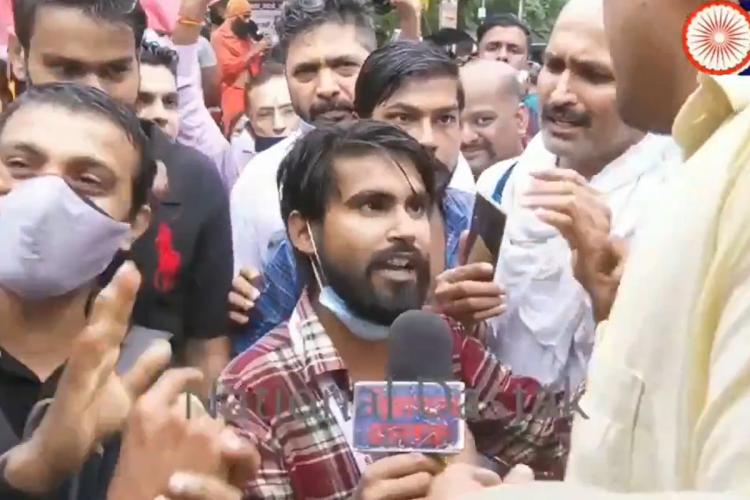
The courageous National Dastak reporter Anmol Pritam was being forced by the demonstrators to chant their slogans. 
Image courtesy The News Minute


What happened at Jantar Mantar on 9 August – the anniversary of the Quit India movement – was not just violently anti-Muslim in the slogans raised; it was also symptomatic of the larger counter-revolutionary shift that has taken place in our politics. That Quit India or the ‘August revolution’ day was sought to be taken over as a final gesture of that grand victory that the Sangh Combine believes it has already won, is telling. It is telling also because it is a formation that studiously stayed away from the mainstream of the anticolonial struggle but now wants to take over that legacy and saffronize it. How the rally was organized and continued to be held despite the police claiming it had no permission to do so, does not remain so much of a mystery once you realize that the key organizers are Sangh/BJP leaders or parts of the larger network of terror associated with them. But that is another matter. It is important to recognize that incidents like these are but signs of a new stage in the ongoing counter-revolution where the Hindu Right is no longer content with claiming its own distinctiveness in opposing mainstream (Congress-led) nationalism but is out to make a determined bid to appropriate the entire legacy of that nationalism. The insistence, in recent times, on the national tricolour as a sign of its aggressive nationalism, is entirely of a piece with this attempt to occupy the mainstream.

Continue reading Conceptualizing the Counter-Revolution in the Seventy-Fifth Year of Independence →

resisting the papa state? E Bull jet brothers or hadiya?

In the recent controversy over the arrest of the travel vloggers Ebin and Libin who rode high on popularity with lakhs of subscribers through their Youtube channel E Bull Jet, it is very hard not to side with the two young men. The flamboyant pair whose hugely popular travel — or ‘van life’ — videos have a massive following especially among male adolescents and youth — are school drop-outs and have a history of rising from severe social disadvantage — literally, of pulling themselves up by their own bootstraps. The two young men, despite their excesses, pull at your heartstrings. Their smile, their slang, their sense of excitement on the road, the innocent gawking — all of it looks disarmingly innocent. It is also true that the crime they committed was not major; nor is justice handed out evenly. That is, such crimes around vehicles and driving are not new and it is not at all clear if the powerful who commit such crimes are tackled in the same way. Therefore the video which showed the brothers being hauled into the police van was painful for many of us (including me) — Ebin wept aloud, “adikkalle saare! Njaan onnum cheithilla … kolapaathakiyeppole enne kondupokunnu….” (don’t beat me please, sir. I didn’t do anything wrong . … I am being taken away like a murderer). That despondent wail somehow refuses to get out of my head; that is why I need to write this.

Continue reading resisting the papa state? E Bull jet brothers or hadiya? →

The Subjugated Subjects of a Free Country and The Creation of the New Colony: Dipankar Bhattacharya

Guest post by DIPANKAR BHATTACHARYA

This piece was originally published in Bangla in the Ananda Bazar Patrika and has been translated into English by Arundhati Ghosh

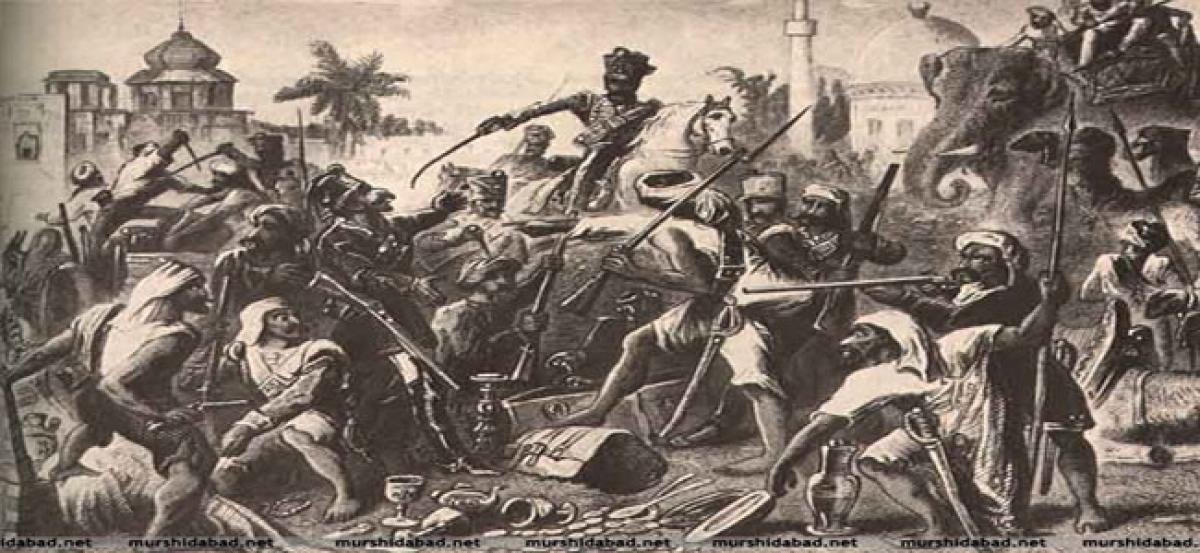
The 1857 Revolt, representational image courtesy TheHansIndia

“Freedom – you are a room in the garden, the song of the koel, the sun drenched leaves of the old banyan tree, the page of my book of poetry where I can write as I wish.” Poet Shamsur Rahman wrote this immortal poem Freedom You during the war of the independence of Bangladesh. It could be said that this poem that arose from deep within Bangladesh’s struggle for liberation is a universal manifesto of freedom. Bangladesh has crossed its 50th year of independence. And in India we are standing at the threshold of our 75th. But where is that song of the koel, that book of poetry where one can write anything one wants? The rally of death that we are witnessing during this Covid-19 era has left the koel woeful, the leaves of the banyan devoid of its sparkle and the pages of our book of poems imprisoned under the UAPA or sedition laws or subjected to the surveillance of the snooping Pegasus vision of conspirators passing for ministers.

Continue reading The Subjugated Subjects of a Free Country and The Creation of the New Colony: Dipankar Bhattacharya →

मित्र : बिना तुम्हारे, यह यथार्थ हो जाएगा उद्भ्रांत व्यंग्य श्री-हीन दीन

मुक्तिबोध शृंखला:38

“मुक्तिबोध की कविताओं में सदैव एक साथीपन का भाव है.” शमशेर बहादुर सिंह ने ‘चाँद का मुँह टेढ़ा है’ की भूमिका में लिखा. इसके साथ यह कि मुक्तिबोध की कविता जैसे “हमारी बातें हमीं को सुनाती हो और हम अपने को एकदम चकित होकर देखते हैं, और पहले से और भी अधिक पहचानने लगते हैं.”

साथीपन, मित्रता और क्या है अगर वह हमारा आइना नहीं जिसमें देखते हुए हम खुद को पहले से अधिक पहचानने लगते हैं. ‘अँधेरे में’ कविता के पहले अंश में पदचाप सुनाई देती है जिससे दिल की धड़कन बढ़ जाती है. जो सुनाई देता है, लेकिन नहीं देता दिखाई, वह कौन है? कविता में आगे एक आकार उभरता है. क्या वह इस ध्वनि का ही रूप है? लेकिन वह दिखाई तो देता है पर जाना नहीं जाता. और बाद में जब सलिल के तम श्यान शीशे में एक चेहरा उभरता है तो वह समझ में नहीं आता. कविता फिर जंगल के बीच एक खोह में मशाल के लाल प्रकाश के धुंधलके में वह दिखलाई देता है: गौर वर्ण, सौम्य मुख, दीप्त दृग, भव्य आजानुबाहु!

Continue reading मित्र : बिना तुम्हारे, यह यथार्थ हो जाएगा उद्भ्रांत व्यंग्य श्री-हीन दीन →

Knoxpet to Murphy Town – and back: Janaki Nair

Guest Post by JANAKI NAIR

Images by CLARE ARNI

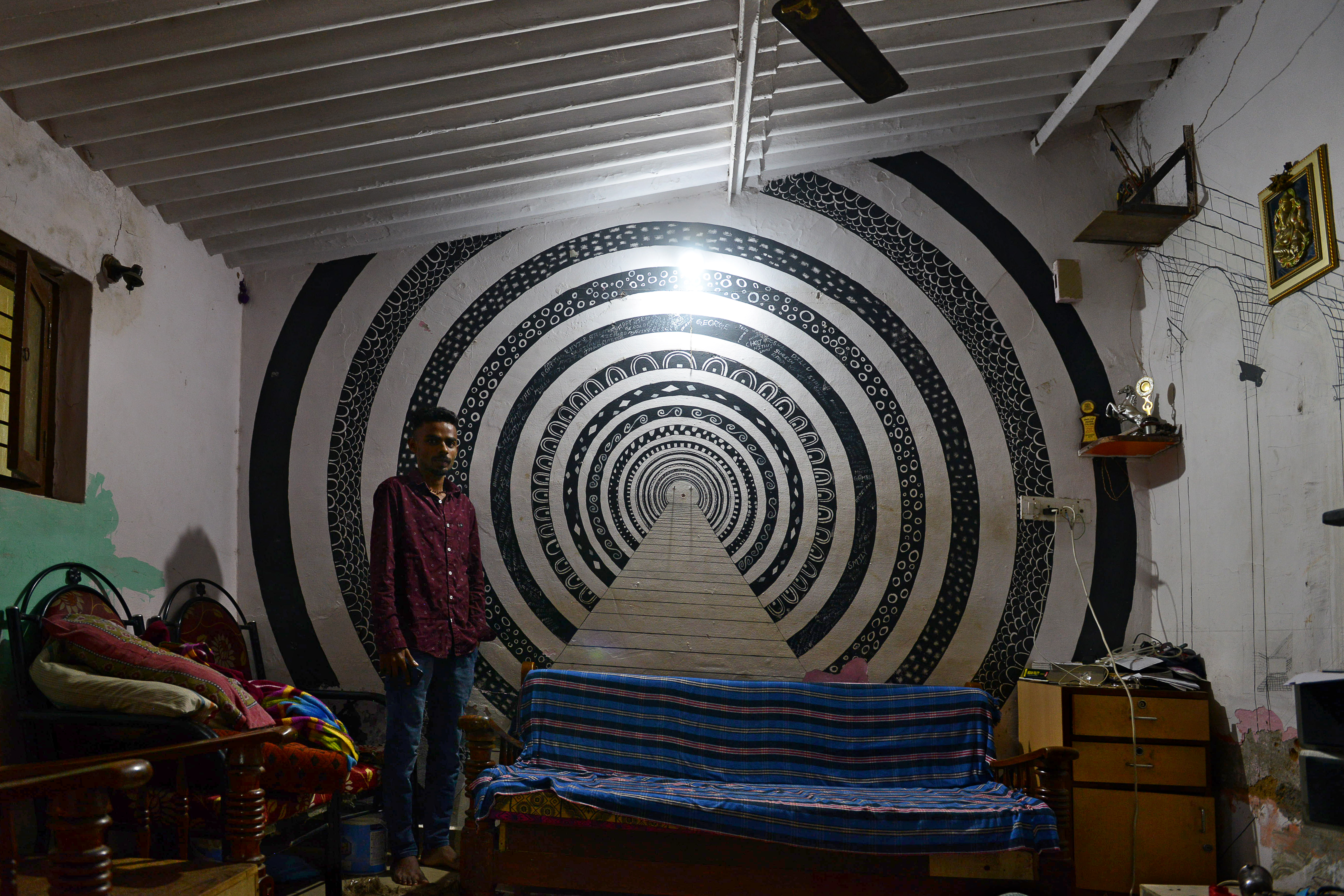
Inside the home of Arun, standing in front of the mural he created (August 2021)

Twenty one years ago, the photographer Clare Arni and I meandered through Murphy Town, shooting images for my exhibition and book on Bangalore. I had eyes only for the physical-material fabric of the place. A working class neighbourhood, designed in the 1920s by an inspired municipal engineer, Murphy, who wanted to build urban forms that would elevate the then leather workers – Tamil speaking Chuckliars producing saddles and boots for the army – to a higher and more respectable place than they had been assigned  in the cruelly divided, hierarchical world of caste.  I had read about the plans for transforming the area called Knoxpet in the archives, and wanted to see for myself how this unique experiment in social engineering had turned out in what came to called Murphy Town.

It was a near idyllic place, dotted with squares rimmed by low, tiled houses, shaded by at least two, sometimes more, capacious raintrees. Lines of washing sometimes crossed the squares, and there were goats and chickens minding their business, but it was a sight for sore eyes, a quiet leafy neighbourhood that workers – and shoemakers at that — could only dream about. We were content to feast our eyes on those visuals. I don’t think I fully realized the social importance of that little miracle that had been wrought in brick and tiles. The exhibition, Beladide Noda, Bengaluru Nagara! was held in three locations in Bangalore in 2000, and the book came out in 2005. They both featured the famous squares of Murphy Town. Continue reading Knoxpet to Murphy Town – and back: Janaki Nair →

When public good faces a faith hurdle

Moderation and acceptance are parts of a continuous struggle to ensure that democracy does not get subsumed by majoritarianism.

When Public Good Faces a Faith Hurdle

‘The sublime and the ridiculous are often so nearly related that it is difficult to class them separately. One step above the sublime makes the ridiculous,

and one step above the ridiculous makes the sublime again.’ –Thomas Paine, The Age of Reason.

The idea of public good faced a faith hurdle in Kerala recently. The issue was the widening of National Highway 66 on a stretch in Umayanalloor village, Thazhuthala, and adjacent towns of the Kollam district. A batch of petitions challenged the highway because two temples and mosques were in its alignment. It was a tricky situation, and a hasty decision may well have had consequences.

Without wavering on constitutional principles, the Kerala High Court handled the case skilfully. A single-judge bench of Justice PV Kunhikrishnan rejected petitions that opposed the land acquisition and asked citizens to rise above difficulties for better highways for all citizens. It emphasised that courts could not intervene in acquisition proceedings unless there is patent illegality or malafide action.

( Read the full text here)

कष्टजीवी चिर-व्यस्त रामू के सर्जनशील भाव चलते ही रहते हैं

मुक्तिबोध शृंखला:37

जिस सृष्टि को हम जानते हैं उसमें मनुष्य अकेला प्राणी है जिसके पास सृजन की क्षमता है। सृजन की क्षमता के मायने क्या हैं? मनुष्य ही अपनी प्रजातिगत सीमा को जानता है और उसका अतिक्रमण भी कर सकता है। प्रजातिगत सीमा या विवशता के दायरे में मनुष्येतर सृष्टि रहती है। अपने संरक्षण और अपनी अभिवृद्धि की क्रिया प्रत्येक प्राणी करता है। मनुष्य भी। लेकिन वह उससे आगे भी जाता है। वह अनिवार्य के दायरे से निकलकर अतिरिक्त के मैदान में भ्रमण करना चाहता है। कह सकते हैं कि यह अतिरिक्त ही उसकी मनुष्यता को परिभाषित करता है। अधूरेपन के अहसास से पीड़ित मनुष्य स्वयं को पूर्ण करने की यत्न योजना करता है। अधूरापन, अपर्याप्तता के बोध के कारण खुद में कुछ जोड़ने, कुछ नया जानने की प्रेरणा मिलती है। इसी के कारण हम अपनी ऐंद्रिक बाध्यताओं और सीमाओं का अतिक्रमण कर भिन्न (मनुष्येतर) संवेदनाओं से भी युक्त होते हैं।

यह अतिरिक्तता प्रजातिगत सीमाओं में और उनके बाहर हासिल की जाती है। अन्य प्रजातियों से मनुष्य के संबंध बनाने के प्रयास, और वह मात्र उन्हें अपनी प्रजाति की अभिवृद्धि के लिए उपयोगी मानकर नहीं, जाने कब से किए जा रहे हैं। ऐसा करते हुए मनुष्य अन्य प्रजातियों के कुछ अंश खुद में शामिल करता जाता है। मनुष्य के संवेदना तंत्र में जो जटिलता आती जाती है, वह इस कारण भी।

इस जटिलता का एक कारण यह  भी है कि मनुष्य जो कुछ भी करता है, उसे वह विचार का भी विषय बना लेता है।

Continue reading कष्टजीवी चिर-व्यस्त रामू के सर्जनशील भाव चलते ही रहते हैं →

एक कण्टक पौधा ठाठदार मौलिक सुनील

मुक्तिबोध शृंखला:36

प्रत्येक व्यक्ति एक अभिव्यक्ति है। वह अपने समाज की अभिव्यक्ति है, अपनी परम्पराओं की भी अभिव्यक्ति है, लेकिन सबसे पहले और अंत में वह खुद अपनी अभिव्यक्ति है। जैसा गाँधी ने कहा था, मैं अपना गुरु खुद हूँ। मैंने खुद अपने आपको गढ़ा है, क्या इसे अहंकारपूर्ण उक्ति नहीं माना जाएगा? गाँधी से अलग मुक्तिबोध गुरु की आवश्यकता पर बल देते हैं। ‘ब्रह्मराक्षस’ कहानी को याद कर लें। उनकी कविताओं में उनका गुरु उनका मित्र भी है। जो भी हो, हर व्यक्ति एक अद्वितीय, विलक्षण अभिव्यक्ति है या उसे होना चाहिए।

अभिव्यक्ति के साथ जुड़ी हुई है उसकी भंगिमा। आम तौर पर अभिव्यक्ति सुनते ही विचार का ख्याल आता है। और वह ठीक है। लेकिन विचार की भी भंगिमा होती है। व्यक्ति विचार है तो वह भावलोक भी है। हरेक व्यक्ति एक भिन्न भावलोक। जैसे विचार की भंगिमा होती है उसी प्रकार भाव की भी। यह भंगिमा ही व्यक्ति को परिभाषित करती है। किसी से उसका अंदाज छीन लेना उसका खून ही है। सेंसरशिप का विरोध करते हुए कार्ल मार्क्स ने लिखा था कि वह हमें सिर्फ यह नहीं बताती कि क्या कहना, लिखना या दिखाना है बल्कि वह कैसे किया जाना है, यह भी निर्देशित करती है। वह हमसे हमारा अंदाज छीन लेती है और हमें किसी दूसरे के तय किए अंदाज में जीने, सोचने, महसूस करने को मजबूर करती है। इसीलिए आज के समाज में, जहाँ व्यक्ति की अभिव्यक्ति-संवेदना या जागृति इतनी तीव्र हो, इसके विरुद्ध विद्रोह उठ खड़ा होना स्वाभाविक है।

किसी भी रचनाकार का संघर्ष इसीलिए अभिव्यक्ति का संघर्ष ही होता है। उसका अपना अंदाज होगा, अपनी भंगिमा होगी लेकिन उसका मूल्य तो तभी होगा जब अन्य उसका आदर कर पाएँ, अन्यों में उसके प्रति उत्सुकता हो। इसलिए वह सम्प्रेषणीय भी बनाना चाहती है खुद को। और इसी कारण सम्प्रेषणीयता में बाधा भी आती है। कुछ व्यक्ति (अभिव्यक्ति) कठिन होते हैं। वह कठिनाई अन्य के लिए आमंत्रण भी हो सकती है और उसके भीतर हिंसा भी पैदा कर सकती है। अभिव्यक्ति का एक संकट यह भी है। उसके साथ हमेशा यह जोखिम है।

Continue reading एक कण्टक पौधा ठाठदार मौलिक सुनील →

The Trafficking Bill 2021 – Assault on Labour and Industry Rights: Rakesh Shukla and Aarthi Pai

Guest post by RAKESH SHUKLA AND AARTHI PAI

The Trafficking in Persons (Prevention, Care, and Rehabilitation) Bill 2021 scheduled to be tabled in the current session of Parliament has grave implications for workers and marginalised populations. Trafficking is a criminal offense and indisputably requires strict measures to combat unscrupulous persons who exploit the vulnerability of workers. Instead, the current draft ends up criminalising  vulnerable individuals in the absence of comprehensive policies, programmes and measures that address the factors that make persons vulnerable to trafficking. The aspiration to move and access better living conditions, poverty, lack of equal opportunity and skewed development policies force persons to move in an unsafe manner and accept work in a criminalised environment for instance in sex work, undocumented workers abroad or for organ trade. Continue reading The Trafficking Bill 2021 – Assault on Labour and Industry Rights: Rakesh Shukla and Aarthi Pai →

भीतर तनाव हो, विचारों का घाव हो कि दिल में एक चोट हो

मुक्तिबोध शृंखला:35

मुक्तिबोध के मित्र प्रमोद वर्मा ने 6 जनवरी 1958 को उन्हें एक पत्र लिखा। घर, परिवार, हारी-बीमारी की चर्चा के अलावा उसमें श्रीकांत वर्मा के पहले काव्य-संग्रह ‘भटका मेघ’ की समीक्षा को लेकर प्रमोद वर्मा के मन में जो द्वंद्व चल रहा है, उसका जिक्र है:

“श्रीकान्त के ‘भटका मेघ’ की रिव्यू इस महीने जाने को है।….श्रीकांत की कविताओं में कतिपय बिम्बों के पुनरावृत्त होने की प्रवृत्ति तो नहीं दीख रही है? … मुझे उसकी इधर की कविताओं में न अनुभूतियों के नए शब्द दिखाई दे रहे हैं, न बिम्ब-चित्रों के अथवा द्वंद्वलय के नए प्रयोग ही। इस संग्रह में ही (अपेक्षतया कम मात्रा में) आपको अन्धकार, नदी, रात, कोहरा, वंशवट, चिड़िया, चमगादड़ जैसे इमेज कई कविताओं में मिल जाएँगे।”

प्रमोद वर्मा को श्रीकांत वर्मा की कविताओं में बिम्बों और चित्रों का यह दुहराव देखकर चिंता है कि कहीं ये   ‘कंडीशंड साहित्यिक रिफ्लेक्सेस’ के लक्षण तो नहीं। उन्हें इसका पता है कि ‘इमेज’ की पुनरावृत्ति एक ही लेखक में होती है और वह कोई दोष नहीं माना जाना चाहिए,

“यीट्स की कविताओं में डांसर का इमेज तो सेंट्रल इमेज है और वह न जाने कितनी बार आता है, परन्तु वह हर बार नए कॉन्टेक्स्ट में ही आता है और नए एसोसिएशन्स जगाता है। इस दृष्टि से वह हर बार पुराना होकर भी नया है।”

Continue reading भीतर तनाव हो, विचारों का घाव हो कि दिल में एक चोट हो →

SABARMATI ASHRAM IN DANGER – A SECOND ASSASSINATION? STATEMENT BY CONCERNED CITIZENS

This statement was issued by concerned citizens

Prevent Government takeover of Gandhian Institutions:

The Ashram
Gandhi’s Ashram at Ahmedabad, known as Sabarmati Ashram, is an unusual monument of international importance. It was Gandhi’s home from 1917 to 1930. He led the famous Dandi March from the Ashram and pledged not to return to the Ashram until independence was attained.

After the Salt March, Gandhiji disbanded the Ashram as a part of the freedom struggle in 1933. After Independence Gandhi’s associates and followers formed Sabarmati Ashram Preservation and Memorial Trust to protect the buildings and archival possessions of the Ashram for posterity. There were five more trusts under the Ashram. They conduct their activities independently. Sabarmati Ashram Preservation and Memorial Trust looks after the buildings including Hriday Kunj—the residence of Gandhi and Kasturba. Continue reading SABARMATI ASHRAM IN DANGER – A SECOND ASSASSINATION? STATEMENT BY CONCERNED CITIZENS →

जन: उनके साथ मेरी पटरी बैठती है, उन्हीं के साथ मेरी यह बिजली भरी ठठरी लेटती है

मुक्तिबोध शृंखला:34

“मैं उनका ही होता, जिनसे

            मैंने रूप-भाव पाए हैं।

वे मेरे ही हिये बँधे हैं

             जो मर्यादाएँ लाए हैं।”

मुक्तिबोध के आरंभिक दौर की कविता ‘मैं उनका ही होता’ की ये पंक्तियाँ तरुण कवि की आकांक्षा को अत्यंत सरल तरीके से व्यक्त करती हैं। वे कौन हैं जिनसे कवि ने अपने रूप और भाव पाए हैं, यह उस वक्त और बाद की रचनाओं से स्पष्ट हो जाता है। ये साधारण जन हैं, मामूली लोग जो मुक्तिबोध की कहानियों, कविताओं और निबंधों में अलग-अलग स्थितियों में ज़िंदगी से जूझते नज़र आते हैं। जिनसे रूप और भाव पाया है, मैं उन्हीं का होता, यह इच्छा है। 

मुक्तिबोध की कविताओं का एक गुण है दुहराव। भाव का, बिंब का, चित्र का दुहराव। वह उपयोगी है और आवश्यक क्योंकि मुक्तिबोध एक नई संवेदना का सृजन कर रहे थे। संवेदना की एक नई संरचना का सृजन, जो कवि या कलाकार का काम है। उसका अभ्यास खुद कवि को करना होता है और पाठक को भी उसका अभ्यास कराना होता है। इसलिए उसे दुहराना अनिवार्य है।

Continue reading जन: उनके साथ मेरी पटरी बैठती है, उन्हीं के साथ मेरी यह बिजली भरी ठठरी लेटती है →

लोकमानस और लोकतंत्र : रवीश कुमार

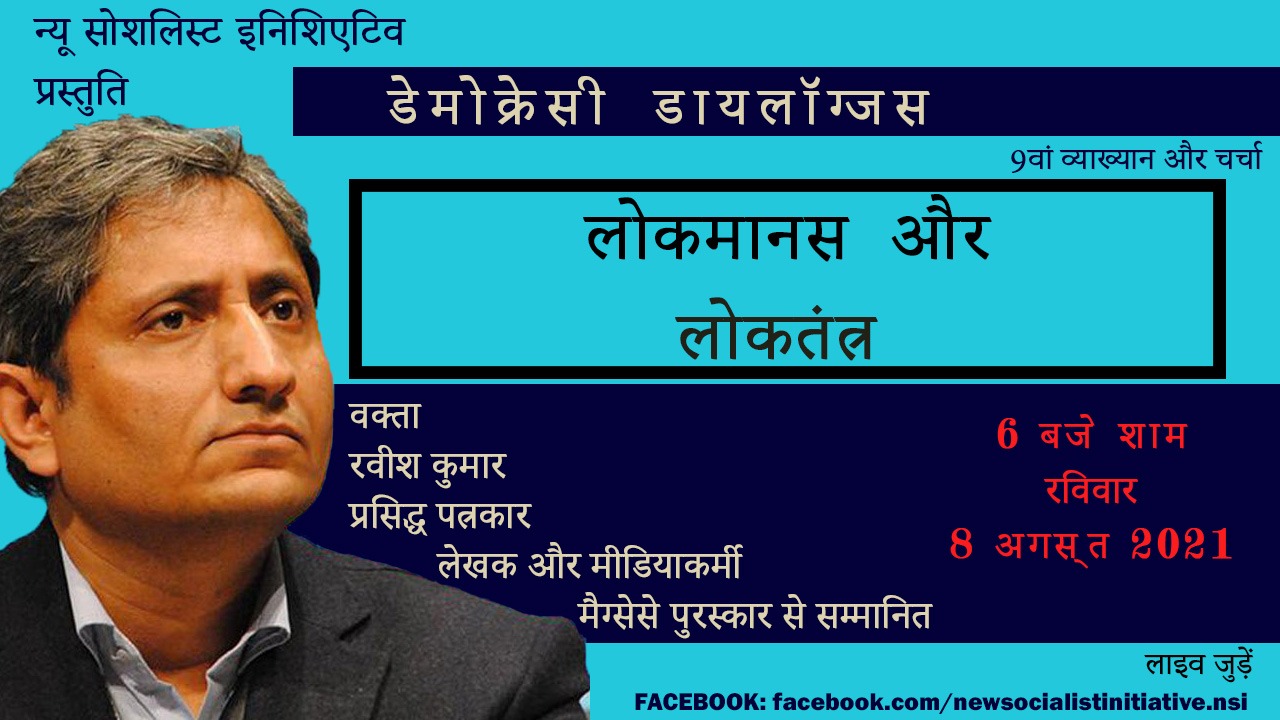
न्यू सोशलिस्ट इनिशिएटिव की तरफ से शुरू की गयी आनलाइन व्याख्यानमाला ‘डेमोक्रेसी डायलॉग्ज’ की अगली कड़ी में मेगसेसे पुरस्कार विजेता, प्रख्यात पत्रकार और विश्लेषक रवीश  कुमार हमारे अगले वक्ता होंगे।  आप सभी जानते हैं कि  रवीश कुमार न केवल एक जानेमाने टीवी एंकर हैं बल्कि भारतीय राजनीतिक-सामाजिक परिदृश्य पर पैनी निगाह रखनेवाले निर्भीक लेखक हैं और साहसी टिप्पणीकार हैं। 

इस अवसर पर व्याख्यानमाला में आए चार महिने के अंतराल के प्रति भी हम खेद प्रगट करना चाहते हैं। इस के पीछे एकमात्र कारण कोविड महामारी की दूसरी लहर के चलते भारत की जनता पर बरपा प्रचंड कहर और भयानक त्रासदी ही है। हम सभी इस विभीषिका के गवाह रहे हैं और हममें से कइयों ने इस दौरान अपने आत्मीयों को, अपने दोस्तों-मित्रों को या अपने पड़ोसियों को खोया है। हमारे इर्द गिर्द मची इस तबाही के बीच व्याख्यानमाला के आयोजन को जारी रखना हमें मुनासिब नहीं लगा था।

रवीश चाहते हैं कि उनका व्याख्यान संवाद नुमा और बातचीत की शक्ल में हो। हमें पूरी उम्मीद है कि आप भी न केवल इस बातचीत को सुनना चाहेंगे और उसमें शामिल भी होना चाहेंगे। कार्यक्रम फेसबुक लाइव होगा। 

कार्यक्रम का विवरण इस प्रकार है :

न्यू सोशलिस्ट इनिशिएटिव

प्रस्तुति

डेमोक्रेसी डायलॉग्जस

9 वां व्याख्यान और चर्चा


विषय : लोकमानस और लोकतंत्र

वक्ता :रवीश कुमार 

प्रख्यात पत्रकार, लेखक और मीडियाकर्मी , मैग्सेसे पुरस्कार से सम्मानित 

6 बजे शाम, 8 अगस्त 2021

live link : facebook.com/newsocialistinitiative.nsi

WE REJECT THE GOVERNMENT’S DECLARATION OF ‘MUSLIM WOMEN’S RIGHTS DAY’

There has been a nationwide outpouring of condemnation, following the announcement by Mr. Mukhtar Abbas Naqvi, Minister of Minority Affairs, declaring Aug 1 as ‘Muslim Women’s Rights Day’ to mark the anniversary of the Triple Talaq law.

Over 650 citizens – Muslim and non-Muslim women, men and trans persons, women rights activists, human rights activists, academics, students and hundreds of citizens across from across India have issued a strong statement today,

The statement condemns and rejects this cynical optics of using Muslim women’s rights, in the face of an unprecedented onslaught against the rights of the Muslims in recent years under the present government. It voices strong opposition to declaring 1 August as Muslim Women’s Rights Day, calling it the celebration of a law that is fundamentally anti-minority, anti-women, anti-constitutional, and seeks only to disparage the Muslim community.

 The text of the full statement and signatories is given below.

 Citizens’ Statement: August 1, 2021

 Mr. MUKHTAR ABBAS NAQVI – WE REJECT THE GOVERNMENT’S CYNICAL OPTICS

WE REJECT ‘YOUR’ MUSLIM WOMEN’S RIGHTS DAY

 And we say, respectfully, “How dare you!”

Continue reading WE REJECT THE GOVERNMENT’S DECLARATION OF ‘MUSLIM WOMEN’S RIGHTS DAY’ →

বিগ ব্রাদার সব দেখার চেষ্টা করলেও, ছোট ছোট লড়াইগুলো একদিন জয়ী হবেই : সুমন সেনগুপ্ত

Guest post by SUMAN SENGUPTO

Data hacking, representational image, courtesy DNA

এক গুপ্তচর এসে পড়েছে আমাদের জীবনে, যে  আমাদের সমস্ত গতিবিধি, কথোপকথনের ওপর নজর রাখছে। আজকে আর নতুন করে নিশ্চিত বলে দিতে হবে না, কে বা কারা এই গুপ্তচরবৃত্তি করেছে  এবং তাঁদের এই গুপ্তচরবৃত্তির উদ্দেশ্যই বা কি ?  কারণ, সংবাদপত্রের খবরের দৌলতে এই গুপ্তচরের নাম, কিভাবে কাজ করে তা মোটামুটি আজকে বেশীরভাগ মানুষের নখদর্পনে বা বলা ভালো মুঠোফোনের দর্পনে। মুঠোফোন বা মোবাইল ফোনের উল্লেখ করার কেন প্রয়োজন হলো? কারণ এবারের গুপ্তচর এসেছে অন্যভাবে, মোবাইল ফোনের মাধ্যমে । যে সামাজিক মাধ্যম নিয়ে আমরা এতো আত্মরতিতে ব্যস্ত সেই সামাজিক মাধ্যমও যে সরকারের অঙ্গুলিহেলন ছাড়া চলবে না, তার আভাস পাওয়া যাচ্ছে। যে প্রযুক্তি ব্যবহার করে আমরা কখনো কখনো আত্মতৃপ্তি লাভ করছি যে এই তো বেশ সরকারের বিরুদ্ধে কথা বলা হলো, সেই প্রযুক্তিই ব্যবহার করা হচ্ছে আমাদের প্রতিটি কথা শোনার জন্য এবং তা হচ্ছে এবং হয়ে চলেছে সেই মুঠোফোনের মধ্যে দিয়েই।

Continue reading বিগ ব্রাদার সব দেখার চেষ্টা করলেও, ছোট ছোট লড়াইগুলো একদিন জয়ী হবেই : সুমন সেনগুপ্ত →

संदेह, अविश्वास उतना न है नकारशील


मुक्तिबोध शृंखला:33

अधूरापन मनुष्य की अवस्था को परिभाषित करता है। पूर्णता उसकी आकांक्षा है। इस आकांक्षा के कारण ही वह दूसरों से रिश्ते बनाता है। व्यक्तियों, समुदायों, राष्ट्रों की सीमाओं को लाँघकर नए, अब तक जो अनजान रहा, उससे जुड़ना अपने अधूरेपन से लड़ना है। प्रकृति का सायास साहचर्य भी इसी प्रक्रिया का अंग है। ब्रह्माण्ड के हर कोने तक दृष्टि प्रसारित करना भी यही है। सम्पूर्ण ज्ञान व्यापार इस अधूरेपन से पार पाने का उपक्रम है। संघर्ष है।

अपने अधूरेपन को आखिर हम किस तरह परिभाषित करें? क्या वह मेरी न्यूनता है? मैं जिस स्थिति में हूँ वह मुझे मिली है। मैं उसके लिए जवाबदेह नहीं। लेकिन मैं उसी स्थिति से पहचाना जाता हूँ। क्या मैं उसी स्थिति का बंदी हो रहूँ या उसे बदलने की कोशिश करूँ? या क्या मैं मात्र उसके पार चला जाऊँ? बिना उस स्थिति  को छेड़े? क्या ऐसा करना संभव है? यानी खुद को पुनर्परिभाषित करना? 

अधूरेपन की चेतना के साथ जुड़ा हुआ है सीमितता का अहसास। मनुष्य अपने काल और परिवेश से सीमित होता है। कई बार, बल्कि प्रायः उनका कैदी भी। यह उसकी बनाई हुई नहीं, उसे मिली हुई अवस्था है। और उस उसका अभ्यास वह अनजाने ही करता रहता है जिससे वह एक एक आश्वस्तिकर अवस्था जान पड़ने लगती है। इस सीमाबद्धता का ज्ञान मनुष्य को हो, यह कि वह उसे जड़ बना रही है, इसके लिए उसे निरंतर सक्रिय रहना पड़ता है। उसके बिना वह उसी अवस्था को वरदान मानकर उसकी रक्षा में सन्नद्ध हो उठता है।

Continue reading संदेह, अविश्वास उतना न है नकारशील →

इस तरह चूर्ण चट्टान हो कि रेणु-रेणु सूरज पर चले जाएँ

मुक्तिबोध शृंखला:32

अच्छी कविता और बड़ी कविता में फर्क होता है। अच्छी कविता के नियम बड़ी कविता पर लागू नहीं होते। जैसे आम तौर पर कविता का उद्घोषात्मक होना अच्छा नहीं माना जाता। उपदेशात्मकता और शिक्षापरक होना अच्छी कविता के गुण नहीं माने जाते। लेकिन बड़ी कविता शिक्षापरक, यहाँ तक कि उपदेशात्मक होकर भी बड़ी हो सकती है। मुक्तिबोध की कविताओं के इस पक्ष को सहज ही लक्ष्य किया जा सकता है। जीवन कैसा हो? अच्छा जीवन कैसे जिया जाए या मानवीय जीवन किसे कहते हैं और उसे हासिल करने का तरीका क्या है, मुक्तिबोध की कविताएँ इसकी सीख देती चलती हैं और ऐसा करती हुई दीखती भी हैं। उन्हें जैसे इसकी परवाह नहीं कि उन्हें कविता माना जाएगा भी या नहीं।

मुक्तिबोध की कविताएँ एक ‘मैं’ गढ़ती रहती हैं। वह ‘मैं’ अक्सर अपने आप से बात करता रहता है। उसके मन में एक उधेड़बुन सी चलती रहती है। ज़िंदगी की अपनी राह को लेकर, उस रास्ते पर चलने की अपनी तैयारी को लेकर, कभी कभी रास्ते के चुनाव पर भी। एक घोर आत्म-चेतस् व्यक्ति जो कभी चैन से नहीं रहता। क्योंकि उसकी एक निगाह भीतर को ओर मुड़ी होती है।

Continue reading इस तरह चूर्ण चट्टान हो कि रेणु-रेणु सूरज पर चले जाएँ →

Hacking India’s Democracy – From Monitoring Metadata to Spying Real Time: C.P. Geevan

Guest post by CP GEEVAN

On June 18 (Sunday evening in India), freedom-loving people across the world were shocked by the revelations of how a highly sophisticated and expensive digital technology, named Pegasus, a spyware sold by Israeli company NSO Group, has been systematically abused for years to spy on journalists, human rights defenders, academics, businesspeople, lawyers, doctors, union leaders, diplomats, politicians and even several heads of states. Regimes in several countries continue to criminally deploy such technologies to suppress democratic rights, curtail human rights, and organise surveillance on a massive scale. Such technologies are military grade weapons and are recognised to be precisely that. It is developed and sold by the NSO Group, a private company supported by Israel. As per NSO, they sell licences only to agencies authorised by a national government and approved by the Israeli government. Although it is being referred to as a software or malware, the spying system consists of an elaborate set of arrangements including a secure supporting backend maintained by the NSO Group.

Continue reading Hacking India’s Democracy – From Monitoring Metadata to Spying Real Time: C.P. Geevan →

Some Remarks about Movements

Guest Post by Ravi Sinha

Accountability is foundational to democracy and, ultimately, people are supposed to take those in power to account through democratic processes and mechanisms. But, then, we also know what often happens in democracy. Electoral competition gives rise to ‘technologies’ (often religious, cultural and identity-based) which turn citizens into “Bhakts” (devotees) and storm-troopers (remember Hitler’s “Brownshirts”). The dark side of democracy comes on top more often than the other side. India is witnessing that disaster. Trump was a testimony to the same phenomenon in the United States.

But what about movements? Are they also supposed to be accountable to someone or something? One would presume that movements are accountable to their own missions, values, objectives, arguments and strategies. Is anyone taking the movements to account on that score?

One would imagine that the left movement has been taken sufficiently to account all over the world. So much so that, for most people, there is no longer any need to take it to account. In many eyes, it is finished. Why waste time on something that is finished? And yet, the most curious thing is that the left remains the favourite whipping boy of most other movements and their intellectual luminaries. Here in India a favourite pre-occupation of Dalit intellectuals is to expose the Savarna (upper caste) hegemony over the left movement and many feminists focus on the misogyny of leftists. As if in a survey of the Indian society, leftists have come on top as the most likely and most numerous perpetrators of oppression and violence against Dalits and women! There is no denying that left must be taken to task for all its ills and all its failings. But, should a movement that is often pronounced dead be the prime example when it comes to evaluating movements?

The Bahujan Samaj Party (BSP) in Uttar Pradesh has declared that it would be the party that would actually build the Ram temple. This party is openly and loudly appealing to Brahmins as a caste to come into its fold. Babasaheb Ambedkar famously talked about annihilation of caste and declared that there is no scope of Dalit liberation under Hinduism. This irony is not confined to BSP. A Dalit is submissively the President under the current dispensation and an ex-Dalit Panther is a minister. All this can be explained away as pragmatic responses to the demands and rigours of democracy. But what about the movement itself? What about Ambedkar’s mission?

The question goes far deeper. Why is it the case that Hindutva has been able to make such inroads into Dalit communities? In what ways and to what degrees the ‘Hindu civilizational mind’ sits within the ‘Dalit cultural mind’? Why is it the case that in Gujarat carnage and elsewhere Dalits have been as much and as willing a part of the Hindutva “Brownshirts” as any other community? Why is it the case that an occasional Dalit leader who emerges as a fiery meteorite in the aftermath of a gruesome atrocity disappears as fast from the social and political horizon and the masters of the electoral machinations remain as much in control of the actual political arena?

One hopes that the theorists of social movements – from Columbia and Harvard Universities to JNU and Osmania – are earnestly grappling with this puzzle. We all know the simple and common-sense answers, but they do not suffice. The puzzle needs a deeper explanation. How long the intellectual prophets of the social movements remain content with celebrating the history and the survival of these movements? How long will Dalit writers remain content with asking the caste lineage of other (Savarna) writers and denouncing them for the surnames they use? How long will they be content with demanding monopoly over literary depiction and theoretical explanation of Dalit life and experience? Real questions and real challenges remain unattended.

(https://www.facebook.com/newsocialistinitiative.nsi/posts/2635781250063345)

DISSENT, DEBATE, CREATE