Category Archives: Capitalism

Exposing the mirage of ‘Modicare’: Jan Swasthya Abhiyan

Statement by JAN SWASTHYA ABHIYAN

The Union Budget 2018-19 makes tall claims, with no clear road map for the health sector, one that is sensitive to the needs of the poor and the vulnerable population of India.

The allocations for Ministry of Health and Family Welfare (MoHFW) (including for AYUSH) have increased from Budget Estimate of Rs. 50,281 crore in 2017-18 Rs. 56,226 crore in 2018-19.

However, from 2017-18 (Revised Estimate) the increase is much lower, a mere Rs. 1374 crore, or just about 2.5 percent. This is a decline in real terms if we account for inflation, and Union Budget allocations for the health sector have stagnated at 0.3 percent of Gross Domestic Product (GDP). The 2017 target of National Health Policy (NHP) is 2.5 percent of GDP as health expenditure by the Government (both Centre and States) by 2025. However, with central allocations stagnating at the current 0.3 percent of GDP, it would not be possible to achieve this target.

The ‘Modicare’ mirage

Continue reading Exposing the mirage of ‘Modicare’: Jan Swasthya Abhiyan

His Smile Matters Too: Vikas Bajpai

Guest Post by VIKAS BAJPAI


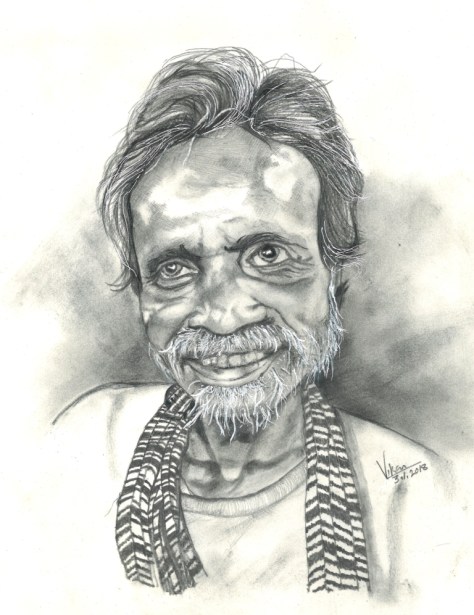
Ram Teke Bhoi, rickshaw puller from Puri, Odisha

My search for Mr Bhoi, whose sketch I present above, had started on the 1st of January 2017. It culminated sometime around the middle of May 2017 in Puri while on my sojourn to the state of Odisha for conduct of Jawaharlal Nehru University’s entrance exam. Between these two points in time I shall try to weave a tiny story, albeit a true one, of the hundreds of millions of our country’s women and men who live by the sweat of their brow but are expected to remain content with the brow beatings they get in return. Mr Bhoi to me emerges as emblematic of this goings on.

In the last week of December 2016 our ‘twosome awesome’ daughters – Moozna and Amaira, my wife and I had been on a vacation to Meghalaya. On our return back home we decided to have a teat-a-tea with the rhinos at the Kaziranga National Park. Kaziranga in itself was a tame affair and is not relevant to the narrative I attempt to weave here. Rather your attention is solicited for something that transpired on our way back to Guwahati from Kaziranga.

Continue reading His Smile Matters Too: Vikas Bajpai

Development Outcomes And Politics in Gujarat: Atul Sood

Guest Post by ATUL SOOD

Development is back in focus after the endless noise about cow protection, nationalism, Hindu-Muslim, janeus, Shiv Bhakti, Gorakhpur governance, casteism, love jihad, enemy nation and the rest. Why this talk about development now? Perhaps the dissent and protests on the ground by various sections in Gujarat in the last few years have compelled even the diehards to acknowledge (Mr. Amit Shah recently said ‘It is not my point that the issues raised in those agitations are not an issue’), that something is deeply problematic about the “Gujarat Model of Development”. The ASHA workers have taken to the streets demanding a living wage, regularized working hours and social security; dalits are no longer silent about the violence, indignity and intimidation heaped upon them; displaced families from Sardar Sarovar Dams have occupied streets seeking rehabilitation; farmers are demanding reprieve from a crisis to which they have had no hand in creating; tribals and evicted farmers are protesting against showpiece infrastructure projects which have meant their displacement and destruction of human habitations; and the youth from cultivating castes are seeking guarantee for jobs.  The list is continuing.  

Continue reading Development Outcomes And Politics in Gujarat: Atul Sood

‘Revolution against Das Kapital’ and the ‘Lonely Hour of the Economy’

This is a modified version of the article that was published earlier in The Wire

(T)he economic dialectic is never active in the pure state; in History, these instances, the superstructures etc – are never seen to step respectfully aside when their work is done or, when the Time comes, as his pure phenomena, to scatter before His Majesty the Economy as he strides along the royal road of the Dialectic. From the first moment to the last, the lonely hour of the ‘last instance’ never comes. – Louis Althusser, For Marx, London: Verso 1979, p. 113

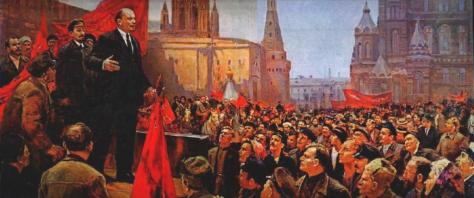
The event known to the world as the ‘October’ revolution in Russia – or simply as the ‘Russian revolution’ – took place on 7-8 November, a hundred years ago. But then why call it the October revolution? Thereby hangs a tale – the tale of modernity, myth-making and of a new imagination of Time.

The moment of revolution, image courtesy libcom.org

As a matter of fact, the Revolution occurred on 25-26 October, according to the Julian calendar (so called because it had been promulgated by Julius Caesar), which Russia, along with a large part of the Western world, followed at that time. It was only in January 1918 that the Soviet government decreed the shift to the Gregorian calendar. The reason was that Russia should join ‘all cultured nations in counting time’, as a decree cited by historian Mark Steinberg put it. Accordingly, the first anniversary of the revolution was celebrated on 7 November 1918 throughout the Soviet Union.

What is interesting here is not so much the shift but the reason assigned for it – joining other ‘cultured nations’ of the world, which in the language of the early twentieth century meant only one thing – the modern West, which had long been setting the norm for everything desirable. Ways of ‘counting time’ too had to be aligned with Europe, lest one be considered insufficiently modern. Spatially, the Czarist Russian empire straddled both Europe and Asia, which had already, in the new reckoning of Time, been cast as ‘advanced’ and ‘backward’ respectively. The desire to become modern and join the ‘cultured nations’ was to run through the history of the revolution and its consolidation into the new Stalinist state. This desire was to be manifested in its deep distrust of the peasantry and rural life on the one hand, and in the frenetic drive to ‘catch up’ with Western Europe. As Stalin would say, he wanted to accomplish in a couple of decades what Europe had in a few centuries, compressing time, as it were, into one dizzying experience for entire society. The continuing ‘past’ had to be annihilated.

Continue reading ‘Revolution against Das Kapital’ and the ‘Lonely Hour of the Economy’

Say NO to Aadhar – sign the petition

Sign the petition here.

Text of the petition

I’m Saying NO to Aadhaar

We the undersigned wish to place on record our opposition to the Aadhaar scheme which is being aggressively pushed by the government in complete violation of norms, procedures and Supreme Court orders. 

Many of us have resisted enrolment. Many of us are already enrolled. But today, we stand together to say NO To Aadhaar. 

We oppose Aadhaar because it violates our Constitutional rights and freedoms as citizens. 

We oppose Aadhaar because it undermines the foundations of our democracy, disempowering us as citizens while giving government the means to control every aspect of our lives. 

The mess created by Aadhaar is not a matter of poor implementation or “teething troubles” as claimed by the government.  Aadhaar cannot be fixed with some tweaking and tinkering. It is fundamentally flawed and  must be scrapped.      

We say NO to Aadhaar because  Continue reading Say NO to Aadhar – sign the petition

Modi mocks ‘pessimists’, but RBI says a whole lot of Indians are pretty pessimistic about the economy

Last week, Prime Minister Modi gave an hour long speech denouncing ‘pessimists’ who refused to see the bright side of demonetisation and other transformations that his government’s able management had visited upon the economy.

We at Kafila, did a quick fact-check offering many reasons for pessimism, but as they say in Delhi – humari kya aukaat hai?

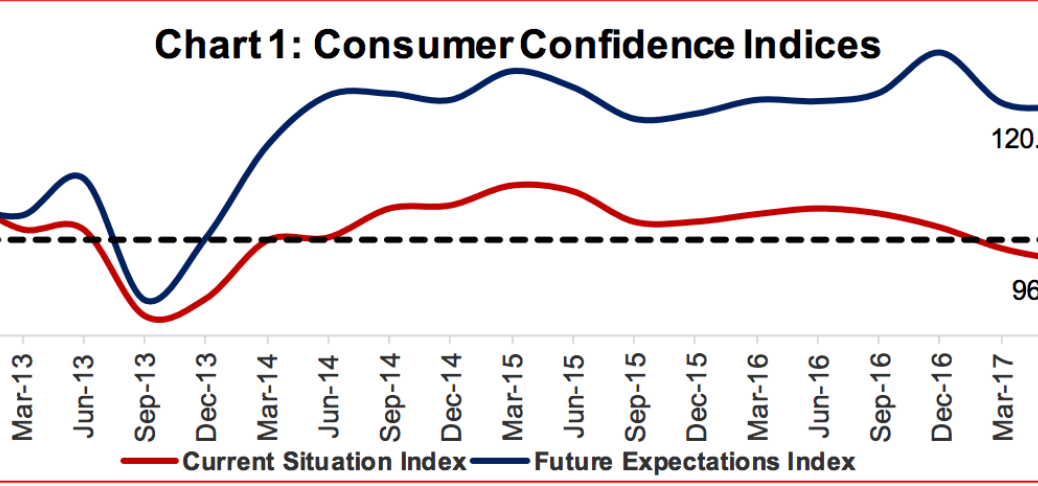
Now, a set of surveys by the Reserve Bank of India have concluded that 65% of the 5100 metropolitan households polled feel the economic situation has either worsened or stayed the same. It’s a small sample, but the results are revealing.  To quote :

Households’ current perceptions on the general economic situation remained in the pessimistic zone for four successive quarters, with the outlook worsening — RBI

For those you wondering – “four successive quarters” is a full year.

I would urge most readers to read the report in full, but here are some key takeaways:

Continue reading Modi mocks ‘pessimists’, but RBI says a whole lot of Indians are pretty pessimistic about the economy

Against the De-politicization of Mental Health- Harassment is Not a Myth: Simple Rajrah

Guest post by SIMPLE RAJRAH

This article is written in response to the article Activism as a blue whale challenge by Manu Joseph that first appeared in Livemint.

“Our love is constructed. Our beliefs colored. Our originality valid through artificial art. It has become truly difficult to love without getting hurt”

Dalit Scholar Rohith Vemula, who was institutionally murdered.

Often academic interests die a quiet death due to crassly political reasons but they die yet again, due to non-recognition and to their relentless reduction to the apolitical. Much as there must be emphasis on seeking solutions to the troubles that humanity is facing, it cannot be ignored that reducing the ‘root’ cause of everything to the realm of ‘apolitical’ can be academically simplistic and politically dangerous.  And why must there be an obsession with relegating everything to the ‘apolitical’ domain? Why do journalists who continually work within political systems still consider depression to be something external to the sphere of politics? Why must there be academicians who discount historicity and complexity by equating violence with counter violence? And why, similarly, must there be politicians who condemn violence on ‘both sides’? Because, even a simple reading of the political should reveal its association with power, challenge its centralization, and more importantly the show up the invisibilization that generates hegemony.

Continue reading Against the De-politicization of Mental Health- Harassment is Not a Myth: Simple Rajrah

In Which Swaminathan Iyer McDonaldises the Tribals and Serves Other Junk Food : Shripad Dharmadhikary and Nandini Oza

Guest Post by SHRIPAD DHARMADHIKARY AND NANDINI OZA

Reposted from Manthan

What can one expect when one is faced with a blog by “India’s leading economic journalist” which is titled “Most of the ousted tribals are flourishing and loving it”? That there will be a large helping of fries on the side? That it will taste great but is really junk? In all of these expectations, one is not disappointed.

First, a little background. The leading economic journalist is Swaminathan Iyer, who along with a colleague carried out a survey of some tribals ousted by the Sardar Sarovar Narmada dam, comparing their situation with those left behind in the hilly areas near the river, and others in the hilly areas but near a mining project. On 10th Sept 2017, Iyer wrote a blog titled “Why many tribals don’t mind being ousted” based on his study. In a matter of just two days, Iyer has come out with a second blog based on the same study on the same topic. One wonders why. But then, again, one may not wonder, for the Sardar Sarovar has become an important topic with the Prime Minister scheduled to dedicate to the nation the dam on 17th Sept 2017.

The first blog was a classic case of misinterpretation of data, hiding the more important issues, and conclusions not supported by research findings, as we showed in our response. We showed that the tribals do mind being ousted. Now Iyer has written another blog on the matter, which skirts the issues we had raised in our response and omits some crucial survey findings given in the earlier blog, but still tries to show the Sardar Sarovar rehabilitation program as being successful.

Continue reading In Which Swaminathan Iyer McDonaldises the Tribals and Serves Other Junk Food : Shripad Dharmadhikary and Nandini Oza

Why tribals do mind being ousted by dams: Shripad Dharmadhikary and Nandini Oza

SHRIPAD DHARMADHIKARY and NANDINI OZA write a stinging response to Swaminathan Anklesaria Iyer’s unsupported claims in Times of India about how much tribals love being ousted for big dams. The newspaper did not care to publish this rebuttal so the authors posted this on Dharmadhikary’s blog and also in the comments section to Iyer’s article.

We reproduce Dharmadhikary and Oza’s original response in full below from Manthan.

However, here is an update from Shripad:

I put my comment in brief, within the allowed 3000 characters, yesterday in the Comments section. Today, it’s gone.

Then, a friend brought to my notice that Swaminathan has written a completely new version of the blog and put it out yesterday. Wonder if he is in the habit of writing different versions of the same blog within a matter of two days! https://blogs.timesofindia.indiatimes.com/Swaminomics/most-of-the-ousted-tribals-are-flourishing-and-loving-it-thank-you-activists/

Have yet to read the new version of his bog properly (am out since early morning), but it appears that he has rewritten it in a way that tries to skirt the response we had given. Now I am planning to write another response to the new blog….but can only do it tomorrow as busy with meetings today.

And now, Dharmadhikary and Oza’s original response in Manthan:

SA Iyers’s piece in Times of India dated 10 Sept 2017, “Why many tribals don’t mind being ousted by dams”, examining the condition of some of the oustees of Sardar Sarovar Narmada dam is a classic case of misinterpretation of data, hiding the more important issues, and conclusions not supported by research findings. Indeed, a proper reading of the article itself shows that unlike Iyer’s assertion, his own figures show that tribals do mind being ousted. Some important points are given below.

Iyer claims that their “surveys showed, unambiguously, the resettled villagers were better off than their former neighbours in semi-evacuated villages.” In support, among the figures given from their survey, they point out that comparing the resettled with their former neighbours who remain in the original areas, the access to drinking water was 45% against 33%, to PHCs was 37% versus 12% and to hospitals 14% versus 3%. Given that the oustees were resettled between 25-30 years ago, and that the Sardar Sardar project has poured in hundreds of crores of rupees for resettlement, these figures don’t speak of oustees being better off, but indeed, point to the pathetic case of the oustees.

Continue reading Why tribals do mind being ousted by dams: Shripad Dharmadhikary and Nandini Oza

Open Letter to the Board Members of the Sameeksha Trust


Following is the text of the open letter by members of the EPW Community addressed to Sameeksha Trust

As long-standing well-wishers and members of the intellectual community served by the EPW, we are appalled and dismayed by the recent events leading to the abrupt resignation of the Editor, Paranjoy Guha Thakurta.

We are distressed that the Board of the Sameeksha Trust has insisted that the Editor retract an article published in the journal, and is preparing to introduce new norms for the Board-Editor relationship and appoint a co-editor.  It is obvious that, taken together, these actions (mentioned by the Editor in interviews to the press and not denied in the statement issued by the Trust) would force any self-respecting editor to resign.  By failing to distinguish between internal issues of procedural propriety in Board-Editor relationship from the much larger question of the EPW’s public reputation for integrity, the Board of the Sameeksha Trust has dealt a strong blow to the journal’s credibility. Continue reading Open Letter to the Board Members of the Sameeksha Trust

And THIS is how you deal with threats of defamation charges! The strange case(s) of Red FM and EPW

Red FM’s RJ Malishka features in a peppy video that went viral, mocking Mumbai’s Municipal Corporation (BMC) for the dismal lack of civic amenities and the havoc the rains can wreak in the city. In a lively parody of the popular Marathi folk song Sonu Tuza Mazyavar Bharosa Nahi Kay (Sonu, Don’t you Trust me?), she sang cheekily, Sonu, don’t you trust BMC?

Potholes, traffic jams, slow trains, all the woes of the Mumbaikar in the fabled rains of Western India.

But Shiv Sena which runs the BMC was not amused.  Continue reading And THIS is how you deal with threats of defamation charges! The strange case(s) of Red FM and EPW

Losing the Soul’s Acid Tongue … Terrorist State, Unbowed Children at Kerala’s Puthvype

[The title is inspired by Balachandran Chullikkad’s searing poetry]

I have recently been asked about why I didn’t write anything about the anniversary of the CPM-led government of Kerala.  Have also been asked why I don’t write about politics in Kerala anymore. The answer to the first is easy and painless: governments are not organic things. You measure your kid’s height and weight and other things and think about how they have grown in their minds and hearts on their birthdays. There is nothing that proves that anniversaries are the best occasions to reflect on how governments have grown and thrived. The answer to the second question is more conflicted and excruciatingly painful: it is because we have no politics in Kerala, but plenty of anti-politics. therefore, what one needs to do is invest in the silent, unglamorous, unpopular,  long-haul intellectual and political labour that may preserve the possibilities of politics in the future, and that may even create internalities capable of courage and responsibility necessary for being political. Continue reading Losing the Soul’s Acid Tongue … Terrorist State, Unbowed Children at Kerala’s Puthvype

और इस बार नंबर आईआईएमसी का था : Rohin Kumar

Guest Post by ROHIN KUMAR

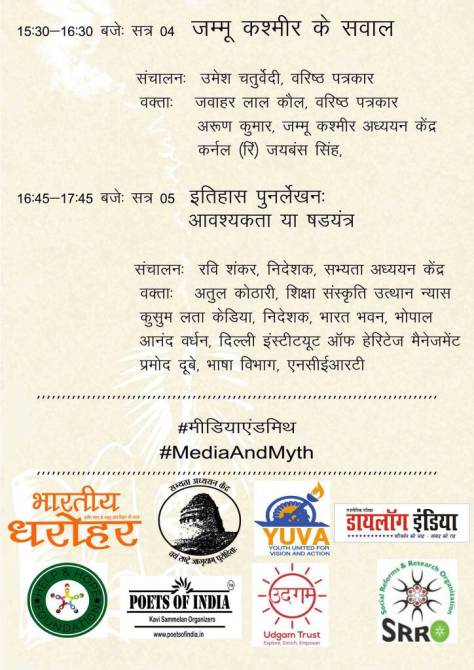
संस्थान के गेट पर सरस्वती की प्रतिमा थी ही. नारद पहले पत्रकार बताए जाते रहे हैं. अब बचा था हवन वो भी होने ही वाला है. आईआईएमसी मीडिया स्कैन नामक संस्था के साथ मिलकर ‘वर्तमान परिदृश्य में राष्ट्रीय पत्रकारिता’ पर सेमिनार आयोजित करने जा रहा है. इसकी शुरुआत हवन से होनी है. उसमें पांचजन्य के संपादक और बस्तर का खूंखार आईजी कल्लूरी आमंत्रित है. चौंकाने वाली बात है कि कल्लूरी जिसने सबसे ज्यादा आदिवासियों, पत्रकारों, सामाजिक कार्यकर्ताओं को तंग किया, उनपर फर्जी केस डाले वो ‘वंचित समाज के सवाल’ पर बोलने आ रहा है.

हमें इसकी सूचना दो दिन पहले मिली. सोशल मीडिया पर इसके पोस्टर रिलीज़ किये गए थे.

सबसे पहले हम छात्रों ने इसका सोशल मीडिया पर विरोध दर्ज किया. इसमें कई पूर्व छात्रों का हमें समर्थन भी प्राप्त हुआ. संस्थान में पढ़़ाने वाले शिक्षकों को फ़ोन किया, उनसे जानना चाहा कि आखिर उनकी इसपर कोई राय है?

जानकर हैरानी हुई कि उन्होंने छात्रों से बिलकुल डरे सहमे अंदाज़ में बात किया. इस बाबत जानकारी से इनकार कर दिया. फिर डिप्लोमेटिक जवाब देने शुरू किये- “चुंकि हमें कोई आधिकारिक सूचना इस कार्यक्रम के बारे में नहीं मिली है इसलिए मैं इसे फेक न्यूज़ मान रहा हूं.” इतना कहकर मीडिया एथिक्स पढ़ाने वाले टीचर ने कन्नी काट लिया.

Continue reading और इस बार नंबर आईआईएमसी का था : Rohin Kumar

The Elephant in the Room – Silence on Class Issues in Indian Politics : Sanjay Kumar

Guest Post by SANJAY KUMAR

Ramesh has been working as a daily wager in a Government of India office in Delhi for ten years. He is one of the army of peons, office assistants, security guards, gardeners, and cleaning staff which government offices, city municipalities, hospitals, schools and colleges of the metropolis employ regularly. He is a graduate, but gets the wage of an unskilled worker. He is among the fortunate ones who at least get government mandated minimum wage. Most private employers in the city violate the minimum wage act; either they pay less than the mandated amount, or make daily wagers work more than eight hours without any overtime.

Ramesh was pleasantly surprised this April when he noted a more than 30% increase in his wages. His daily wage that stood at Rs 360/ earlier was now Rs 513/. This was due to a Government of Delhi notification issued on 3rd March, 2017. The news was covered in the inner pages of some newspapers. Most TV news channels ignored it. Hence, it is not surprising that employees like Ramesh who are not associated with any organsiation of workers were not aware of this increase. Continue reading The Elephant in the Room – Silence on Class Issues in Indian Politics : Sanjay Kumar

Karl Marx in the Times of Climate Change

The Communist Manifesto had, as its object, the proclamation of the inevitable impending dissolution of modern bourgeois property. But in Russia we find, face-to-face with the rapidly flowering capitalist swindle and bourgeois property, just beginning to develop, more than half the land owned in common by the peasants. Now the question is: can the Russian obshchina, though greatly undermined, yet a form of primeval common ownership of land, pass directly to the higher form of Communist common ownership? Or, on the contrary, must it first pass through the same process of dissolution such as constitutes the historical evolution of the West?

The only answer to that possible today is this: If the Russian Revolution becomes the signal for a proletarian revolution in the West, so that both complement each other, the present Russian common ownership of land may serve as the starting point for a communist development. [Marx and Engels, ‘Preface’ to the 1882 Russian Edition of The Communist Manifesto; all emphasis added]

The above passage, jointly signed by Marx and Engels, appears at the end of the 1882 ‘Preface’ to the Russian edition of The Communist Manifesto. It also appears, towards the end of a decade-long engagement with the Russian social formation and the social formation of many Eastern societies like India’s. The detailed notes, excerpts and commentaries compiled by Marx, published later as The Ethnological Notebooks of Karl Marx, belong precisely to the end of this period, the years 1880-1882. Marx passed away the following year, in 1983. Continue reading Karl Marx in the Times of Climate Change

Thinking Labour in Contemporary India – For a Different May Day Agenda

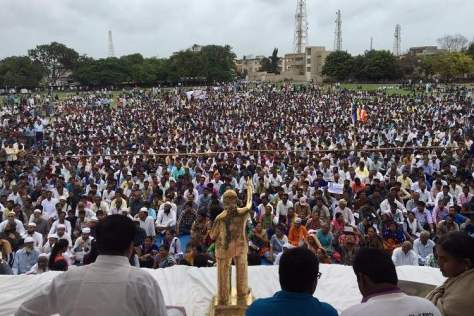
Massive Chalo Una rally, image courtesy, thenewsminute.com

This May Day comes at a very crucial juncture in our history. Crucial, not simply because there is a belligerent Hindu Right government in power but also because it comes in the wake of the most unprecedented belligerence of the upper castes and their all-round violence, especially on the Dalit communities across the land. Last year we had witnessed the most shameful incident of violence in the flogging of four Dalit youth by the cow gangs of Hindutva, which was followed by massive protests by Dalits and joined in by other sections of people, including some of the Left forces, as well. The attack had to do with the very specific form/s of labour that Dalit communities have been made to traditionally perform in Hindu society, in this case, the work of disposing of carcasses of dead animals, skinning them and so on.  Continue reading Thinking Labour in Contemporary India – For a Different May Day Agenda

New Politics of Our Times and Post-Capitalist Futures

An earlier version of this essay was published in Outlook magazine

“The young students are not interested in establishing that neoliberalism works – they’re trying to understand where markets fail and what to do about it, with an understanding that the failures are pervasive. That’s true of both micro and macroeconomics. I wouldn’t say it’s everywhere, but I’d say that it’s dominant.
“In policymaking circles I think it’s the same thing. Of course, there are people, say on the right in the United States who don’t recognise this. But even many of the people on the right would say markets don’t work very well, but their problem is governments are unable to correct it.”
Stiglitz went on to argue that one of the central tenets of the neoliberal ideology – the idea that markets function best when left alone and that an unregulated market is the best way to increase economic growth – has now been pretty much disproved. Read the full report by Will Martin here

One often hears over-zealous warriors of neoliberalism say of Leftists that they live in a time- warp; that the world has long changed and that the disappearance of state-socialism has finally proved that all their beliefs were little more than pipe-dreams. They talk as though history came to an end with the collapse of actually existing socialisms and the global ascendance of neoliberalism in the early 1990s. As though all thought came to an end; as if the distilled essence of everything that could ever be thought, or need be thought, was already encapsulated in the neoliberal dogma.

Continue reading New Politics of Our Times and Post-Capitalist Futures

मारूति-सुजुकि मज़दूरों को उम्र कैद व अन्य नाजायज सजाओं के खिलाफ़ पंजाब में उठी जोरदार आवाज़: लखविन्दर

अतिथि post: लखविन्दर

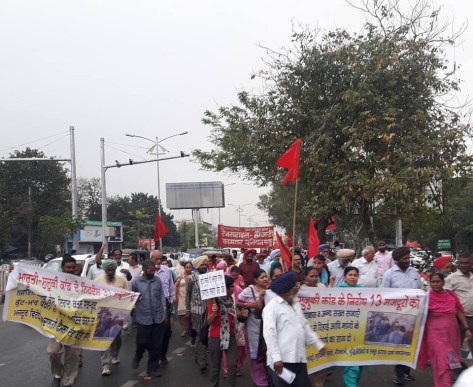
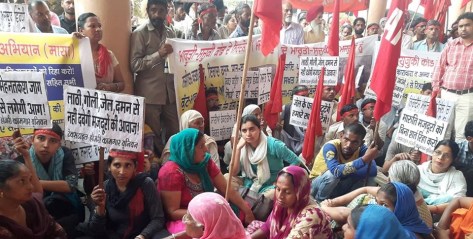
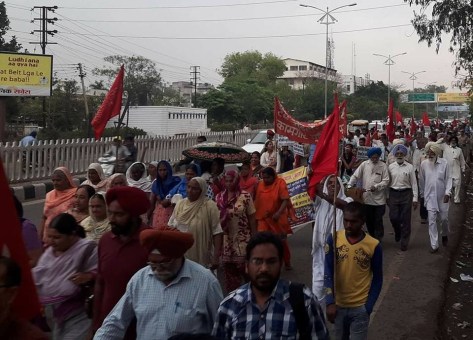
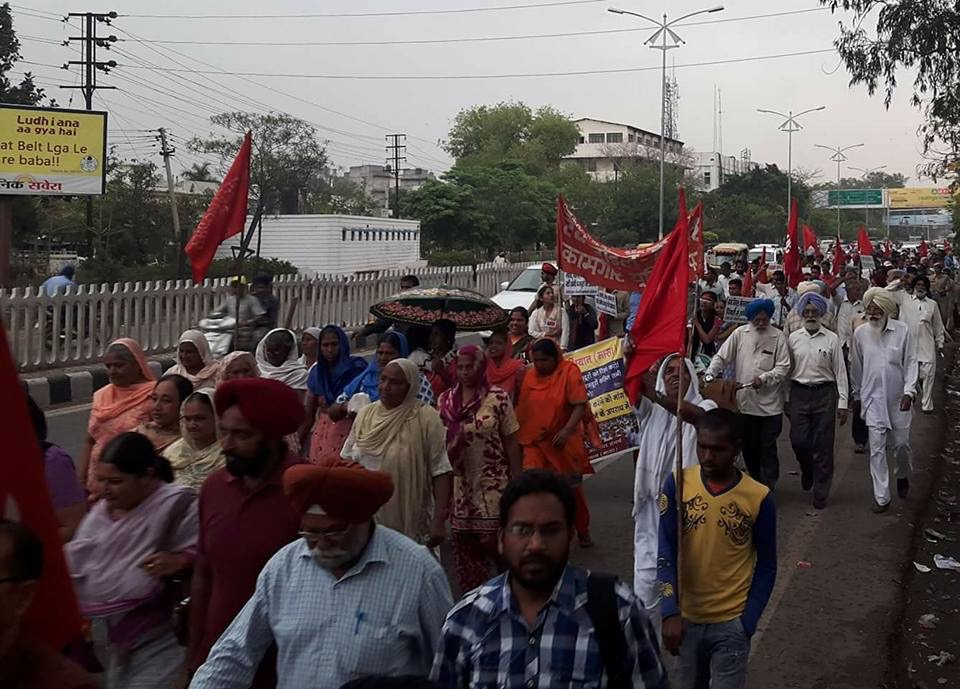
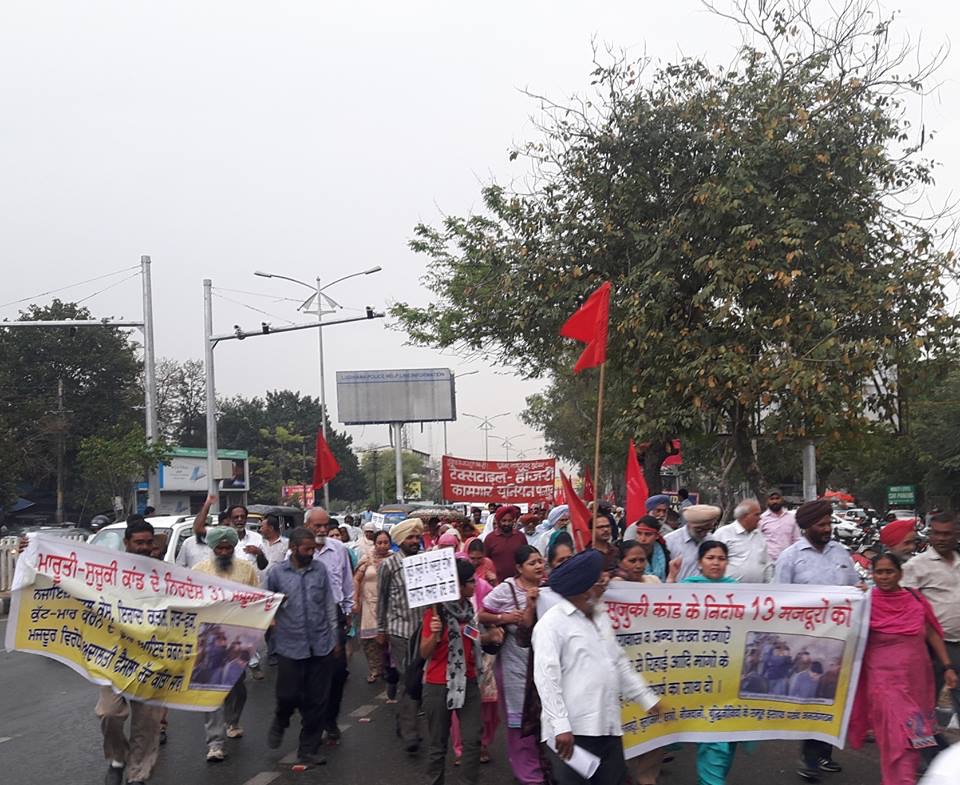
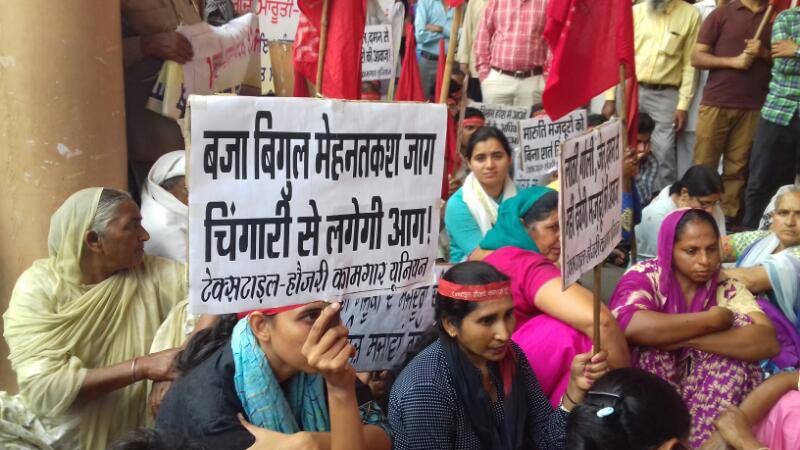
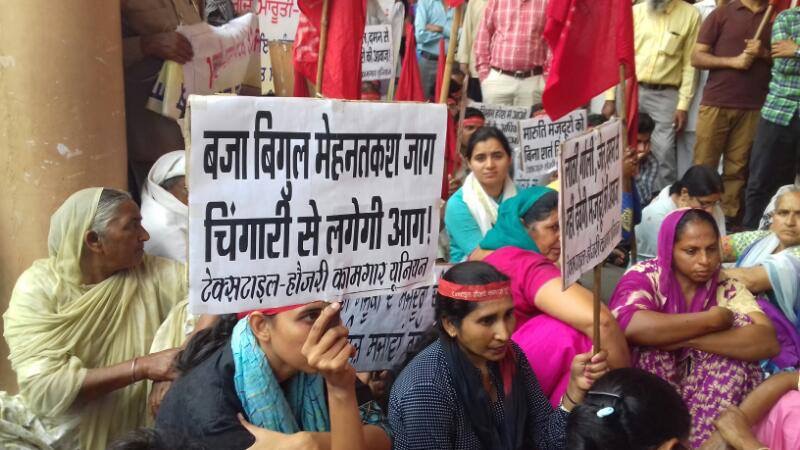
मारूति-सुजुकि मज़दूरों को उम्र कैद व अन्य नाजायज सजाओं के गुड़गांव अदालत के फैसले को घोर पूँजीपरस्त, पूरे मज़दूर वर्ग व मेहनतकश जनता पर बड़ा हमला मानते हुए पंजाब के मज़दूरों, किसानों, नौजवानों, छात्रों, सरकारी मुलाजिमों, जनवादी अधिकारों के पक्ष में आवाज उठाने वाले बुद्धिजीवियों व अन्य नागरिकों के संगठनों ने व्यापक स्तर पर आवाज़ बुलन्द की है। 4 और 5 अप्रैल को देश व्यापी प्रदर्शनों में पंजाब के जनसंगठनों ने भी व्यापक शमूलियत की है। विभिन्न संगठनों ने व्यापक स्तर पर पर्चा वितरण किया, फेसबुक, वट्सएप पर प्रचार मुहिम चलाई। अखबारों, सोशल मीडिया आदि से इन गतिविधियों की कुछ जानकारी प्राप्त हुई है।

​5 अप्रैल को लुधियाना में लघु सचिवालय पर डीसी कार्यालय पर टेक्सटाईल-हौजऱी कामगार यूनियन, मोल्डर एण्ड स्टील वर्कर्ज यूनियनें, मज़दूर अधिकार संघर्ष अभियान, नौजवान भारत सभा, पी.एस.यू., एटक, सीटू, एस.एस.ए.-रमसा यूनियन, पेंडू मज़दूर यूनियन, डी.टी.एफ., रेलवे पेन्शनर्ज वेल्फेयर ऐसोसिएशन, जमहूरी अधिकार सभा, आँगनवाड़ी मिड डे मील आशा वर्कर्ज यूनियन, कामागाटा मारू यादगारी कमेटी, स्त्री मज़दूर संगठन, कारखाना मज़दूर यूनियन, पेंडू मज़दूर यूनियन (मशाल), कुल हिन्द निर्माण मज़दूर यूनियन आदि संगठनों के नेतृत्व में जोरदार प्रदर्शन हुआ और राष्ट्रपति के नाम माँग पत्र सौंपा गया जिसमें माँग की गई कि सभी मारूति-सुजुकि के सभी मज़दूरों को बिना शर्त रिहा किया जाए. उनपर नाजायज-झूठे मुकद्दमे रद्द हो, काम से निकाले गए सभी मज़दूरों को कम्पनी में वापिस लिया जाए।

​लुधियाना में 5 अप्रैल के प्रदर्शन की तैयारी के लिए हिन्दी और पंजाबी पर्चा वितरण भी किया गया जिसके जरिए लोगों को मारूति-सुजुकि मज़दूरों के संघर्ष, उनके साथ हुए अन्याय, न्यायपालिका-सरकार-पुलिस के पूँजीपरस्त और मज़दूर विरोधी-जनविरोधी चरित्र से परिचित कराया गया और प्रदर्शन में पहुँचने की अपील की गई। लुधियाना में 16 मार्च को भी बिगुल मज़ूदर दस्ता, मोल्डर एण्ड स्टील वर्कर्ज यूनियनों, मज़दूर अधिकार संघर्ष अभियान, आदि संगठनों द्वारा रोषपूर्ण प्रदर्शन किया गया था।

​जमहूरी अधिकार सभा, पंजाब द्वारा बठिण्डा व संगरूर में 4 अप्रैल, बरनाला में 8 अप्रैल को, लुधियाना में 1 अप्रैल को पिछले दिनों देश की अदालतों द्वारा हुए तीन जनविरोधी फैसलों मारूति-सुजुकि के मज़दूरों को उम्र कैद व अन्य सजाएँ, जनवादी अधिकारों के लिए आवाज उठाने वाले दिल्ली विश्वविद्यालय के प्रो. साईबाबा सहित अन्य बेगुनाह लोगों को उम्र कैद की सजाओं, और हिन्दुत्वी आतन्कवादी असीमानन्द को बरी करने के मुद्दों पर कन्वेंशनें, सेमिनार, प्रदर्शन, मीटिंगें आदि आयोजित किए गए जिनमें अन्य जनसंगठनों नें भी भागीदारी की। जमहूरी अधिकार सभा ने इन मुद्दों पर एक पर्चा भी प्रकाशित किया जो बड़े स्तर पर पंजाब में बाँटा गया।

 पटियाला में 4 अप्रैल को मज़दूरों, छात्रों, किसानों के विभिन्न संगठनों द्वारा रोष प्रदर्शन किया गया। बिजली मुलाजिमों ने भी टेक्नीकल सर्विसज़ यूनियन के नेतृत्व में 4 अप्रैल को अनेकों जगहों पर प्रदर्शन किए। लहरा थरमल पलांट के ठेका मज़दूरों ने 4 अप्रैल को रोष रैली के जरिए मारूति-सुजुकि मज़दूरों के साथ एकजुटता जाहिर करते हुए उनके समर्थन में आवाज़ उठाई। मारूति-सुजुकि मज़दूरों के समर्थन में पंजाब में उठी आवाज़ की कड़ी में लोक मोर्चा पंजाब ने 8 अप्रैल को लम्बी (जिला बठिण्डा) में रैली और रोष प्रदर्शन किया। लम्बी में आर.एम.पी. चिकित्सकों द्वारा भी प्रदर्शन किया गया। अनेकों गाँवों में मज़दूर-किसान-नौजवान संगठनों ने अर्थी फूँक प्रदर्शन भी किए हैं। आप्रेशन ग्रीन हण्ट विरोधी जमहूरी फ्रण्ट, पंजाब ने मोगा में 12 अप्रैल को कान्फ्रेंस और प्रदर्शन आयोजित किया।

मारूति-सुजुकि मज़दूरों का जिस स्तर पर कम्पनी में शोषण हो रहा था और इसके खिलाफ़ उठी आवाज़ को जिस घृणित बर्बर ढंग से कुचलने की कोशिश की गई है उसके खिलाफ़ आवाज़ उठनी स्वाभाविक और लाजिमी थी। पंजाब के इंसाफपसंद लोगों का हक, सच, इंसाफ के लिए जुझारू संघर्षों का पुराना और शानदार इतिहास रहा है। अधिकारों के जूझ रहे मारूति-सुजुकि मज़दूरों का साथ वे हमेशा निभाते रहेंगे।

पूरे देश में मज़दूरों का देशी-विदेशी पूँजीपतियों द्वारा भयानक शोषण हो रहा है। जब मज़दूर आवाज़ उठाते हैं तो पूँजीपति और उनका सेवादार पूरा सरकारी तंत्र दमन के लिए टूट पड़ता है। ऐसा ही मारूति-सुजुकी, मानेसर (जिला गुडग़ांव, हरियाणा) के संघर्षरत

 मज़दूरों के साथ हुआ है। एक बहुत बड़ी साजिश के तहत कत्ल, इरादा कत्ल जैसे पूरी तरह झूठे केसों में फँसाकर पहले तो 148 मज़दूरों को चार वर्ष से अधिक समय तक, बिना जमानत दिए, जेल में बन्द रखा गया और अब गुडग़ाँव की अदालत ने नाज़ायज ढंग से 13 मज़दूरों को उम्र कैद और चार को 5-5 वर्ष की कैद की कठोर सजा सुनाई है। 14 अन्य मज़दूरों को चार-चार साल की सजा सुनाई गई है लेकिन क्योंकि वे पहले ही लगभग साढे वर्ष जेल में रह चुके हैं इसलिए उन्हें रिहा कर दिया गया है। 117 मज़दूरों को, जिन्हें बाकी मज़दूरों के साथ इतने सालों तक जेलों में ठूँस कर रखा गया उन्हें बरी करना पड़ा है। सबूत तो बाकी मज़दूरों के खिलाफ़ भी नहीं है लेकिन फिर भी उन्हें जेल में बन्द रखने का बर्बर हुक्म सुनाया गया है।

​जापानी कम्पनी मारूति-सुजुकि के खिलाफ़ मज़दूरों ने श्रम अधिकारों के उलण्घन, कमरतोड़ मेहनत करवाने, कम वेतन, लंच, चाय, आदि की ब्रेक के बाद एक मिनट के देरी के लिए भी आधे दिन का वेतन काटने, छुट्टी करने के लिए हजारों रूपए वेतन से काटने जैसे भारी जुर्माने लगाने, आदि के खिलाफ़ कुछ वर्ष पहले संघर्ष का बिगुल बजाया था। कम्पनी की दलाल तथाकथित मज़दूर यूनियन की जगह उन्होंने अपनी यूनियन बनाई। नई यूनियन के पंजीकरण में कम्पनी ने ढेरों रूकावटें खड़ी कीं। उस समय हरियाणा में कांग्रेस की सरकार के मुख्यमंत्री भूपेन्द्र हुड्डा ने सरेआम पूँजीपतियों की दलाली का प्रदर्शन करते हुए कहा था कि कारखाने में नई यूनियन नहीं बनने दी जाएगी। मज़दूरों ने लम्बी-लम्बी हड़तालें लड़ीं, अपने अथक संघर्ष से यूनियन का पंजीकरण कराके जीत हासिल की। मज़दूर संघर्ष कम्पनी और समूचे सरकारी तंत्र की आँख की किरकरी बना हुआ था। संघर्ष कुचलने के लिए साजिश रची गई। 18 जुलाई 2012 को कारखाने के भीतर पुलीस की हाजिरी में सैंकड़ों हथियारबन्द गुण्डों से मज़दूरों पर हमला करवाया गया। बड़ी संख्या मज़दूर जख्मी हुए। कारखाने में आग लगवा दी गई। एक मज़दूर पक्षधर मैनेजर की इस दौरान मौत हो गई। साजिश के तहत इसका दोष मज़दूरों पर मढ़ दिया गया। बड़े स्तर पर गिरफतारियाँ की गईं, यातनाएँ दी गईं। ढाई हज़ार मज़दूरों को गैरकानूनी रूप से नौकरी से निकाल दिया गया। 148 मज़दूरों को जेल में ठूँस दिया गया। जमानत की अर्जी पर पंजाब-हरियाणा हाईकोर्ट ने टिप्पणी की कि अगर जमानत दी गई तो भारत में विदेशी पूँजी का निवेश रुकेगा। जिन 13 मज़दूरों को उम्र कैद की सजा सुनाई गई है उनमें 12 लोग यूनियन नेतृत्व का हिस्सा थे। इससे इस झूठे मुकद्दमे का मकसद समझना मुश्किल नहीं है।

अदालत का फैसला कितना अन्यायपूर्ण है इसका अन्दाजा लगाने के लिए सिर्फ कुछ तथ्य ही काफ़ी हैं। कम्पनी में चप्पे-चप्पे पर कैमरे लगे हुए हैं लेकिन अदालत में कहा कि उसके पास 18 जुलाई काण्ड की कोई वीडियो है ही नहीं! कम्पनी के गवाहों के ब्यानों से साफ पता चल रहा था कि झूठ बोल रहे हैं। वो तो मज़दूरों को पहचान तक न सके। गुण्डों व उनका साथ देने वाले मैनेजरों व अन्य स्टाफ के मैंबरों से कहीं अधिक संख्या में मज़दूर जख्मी हुए थे। पोस्ट मार्टम में पाया गया कि मैनेजर अवनीश कुमार की मौत दम घुटने से हुई है न कि जलाए जाने से जिससे साफ़ है कि यह हत्या का मामला है ही नहीं। और भी बहुत सारे तथ्य स्पष्ट तौर मज़दूरों का बेगुनाह होना साबित कर रहे थे लेकिन इन्हें अदालत ने नजरान्दाज कर मज़दूरों को ही दोषी करार दे दिया क्योंकि पूँजी निवेश को बढ़ावा जो देना है! वास्तव में मारूति-सुजुकी घटनाक्रम के जरिए लुटेरे हुक्मरानों ने ऐलान किया है कि अगर कोई लूट-शोषण के खिलाफ़ बोलेगा वो कुचला जाएगा।

ये फैसला तब आया है जब असीमानन्द और अन्य संघी आतन्कवादियों के खिलाफ ठोस सबूत होने, असीमानन्द द्वारा जुर्म कबूल कर लेने के बावजूद भी बरी कर दिया जाता है। दंगे भड़काने वाले, बेगुनाहों का कत्लेआम करने वाले न सिर्फ आज़ाद घूम रहे हैं बल्कि मुख्य मंत्री, प्रधान मंत्री जैसे पदों पर पहुँच रहे हैं !

आज देशी-विदेशी कम्पनियों, लुटेरे धन्नासेठों को खुश करने के लिए सरकारें मज़दूरों से सारे श्रम अधिकार छीन रही हैं। न्यूनतम वेतन, फण्ड, बोनस, हादसों से सुरक्षा के इंतजाम तक लागू न करने वाले पूँजीपतियों पर कोई कार्रवाई नहीं होती, उन्हें कभी जेल में नहीं ठूँसा जाता। उलटा भाजपा, कांग्रेस से लेकर तमाम पार्टियों की सरकारें कानूनी श्रम अधिकारों में मज़दूर विरोधी बदलाव करके पूँजीपतियों को मज़दूरों की बर्बर लूट की और भी खुली छूट दे रही हैं। किसानों, छात्रों, नौजवानों, आदिवासियों, सरकारी कर्मचारियों के अधिकार कुचले जा रहे हैं। भोजन, स्वास्थ्य, शिक्षा, बिजली, पानी, आदि तमाम सरकारी सहूलतें छीनी जा रही हैं। इसके खिलाफ़ उठी हर आवाज को दबाने के लिए पूरा राज्य तंत्र अत्याधिक हमलावर हो चुका है। काले कानून बनाकर एकजुट संघर्ष के जनवादी अधिकार छीने जा रहे हैं। जनपक्षधर बुद्धिजीवियों, पत्रकारों, कलाकारों तक का दमन हो रहा है, जेलों में ठूँसा जा रहा है। जन एकजुटता को तोडऩे के लिए धर्म, जाति, क्षेत्र के नाम पर बाँटने की साजिशें पहले किसी भी समय से कहीं अधिक तेज़ हो चुकी हैं। जहाँ जनता को बाँटा न सके, जहाँ लोगों का ध्यान असल मुद्दों से भटकाया न जा सके, वहाँ जेल, लाठी, गोली से कुचला जा रहा है। यही मारूति-सुजुकी मज़दूरों के साथ हुआ है। लेकिन बर्बर हुक्मरानों को दीवार पर लिखा पढ़ लेना चाहिए। इतिसाह गवाह है- जेल, लाठी, गोली, बर्बर दमन जनता की अवाज़ न कभी दबी है न कभी देबेगी।

India’s Health Policy: A long tale of underachievement – Prakash Gupta

This is a guest post by PRAKASH GUPTA


Health has been the most neglected policy domain in India.The fact that India made it first National policy on Health in 1983, 36 years after independence itself reflects the level of priority for the state. India’s health policy, health financing in particular, suffers from ‘shifting goal posts’ phenomenon. Continue reading India’s Health Policy: A long tale of underachievement – Prakash Gupta

Victory of Anti-Posco Struggle

People United Shall Always Be Victorious !

(Photo Courtesy : The Hindu)

Big news – at times – go completely unnoticed.

(Thanks to the mediatised times we are passing through)

And thus it did not appear surprising that the decision by Posco, the South Korean steelmaker, the fourth biggest in the world, to exit the proposed 12 million-tonnes a year steel plant in Odisha did not cause much flutter. Yes, newspapers duly reported POSCO India’s ‘request to the Odisha government to take back the land provided to it near Paradip’ where it was supposed to invest 52,000 crore Rs.’ The letter stated company’s ‘failure to start work on the proposed plant’.

Perhaps none from the media wanted to showcase a negative example which is at variance with the efforts by the powers that be to project the idea of ‘ease of doing business’ here. Undoubtedly at a time when the government is keen to attract foreign capital and inducing it in very many ways, the way in which a Corporate Major – supposed to be one of the leading in the steel sector – had to exit from its project can easily shake their confidence about investing here. Continue reading Victory of Anti-Posco Struggle

Free the Maruti Workers: Maruti Suzuki Workers Union


Guest Post by Maruti Suzuki Workers’ Union

[This is a statement and an appeal by the Maruti Suzuki Workers Union condemning the unjust handing down of a life sentence to 13 workers of the Maruti Suzuki Manesar Factory for a ‘murder’ (of an HR Manager) that the prosecution could not prove that they had committed. Here too, the prosecution, and the judgement, relies on a chimera, ‘the reputation of make-in-india’ to justify a harsh punishment. Those who have watched this space will recognize that this recourse to figures of speech in the absence of evidence is a familiar move. It has happened before – to satisfy the hunger of a ‘collective conscience’ when a so-called ‘temple of democracy’ was attacked. This time it has been invoked to defend the ‘fake-in-India temple that houses the deity of a rising GDP’, which would of course otherwise be besieged by insurgent workers.

This text contains a hyperlink to a detailed reading and rebuttal of the prosecution’s arguments, which demonstrates how money and muscle power can always be an adequate replacement for legal acumen in the State of Haryana. Please do follow that link. For the further edification of our readers, we append a short video interview by Aman Sethi of the Hindustan Times of the special public prosecutor, which spins some imaginative legal theory and also radically updates our sense of class struggle. Please do have the patience to view that video. We promise that this will be rewarded. – Kafila Admin.]

Continue reading Free the Maruti Workers: Maruti Suzuki Workers Union