Category Archives: Debates

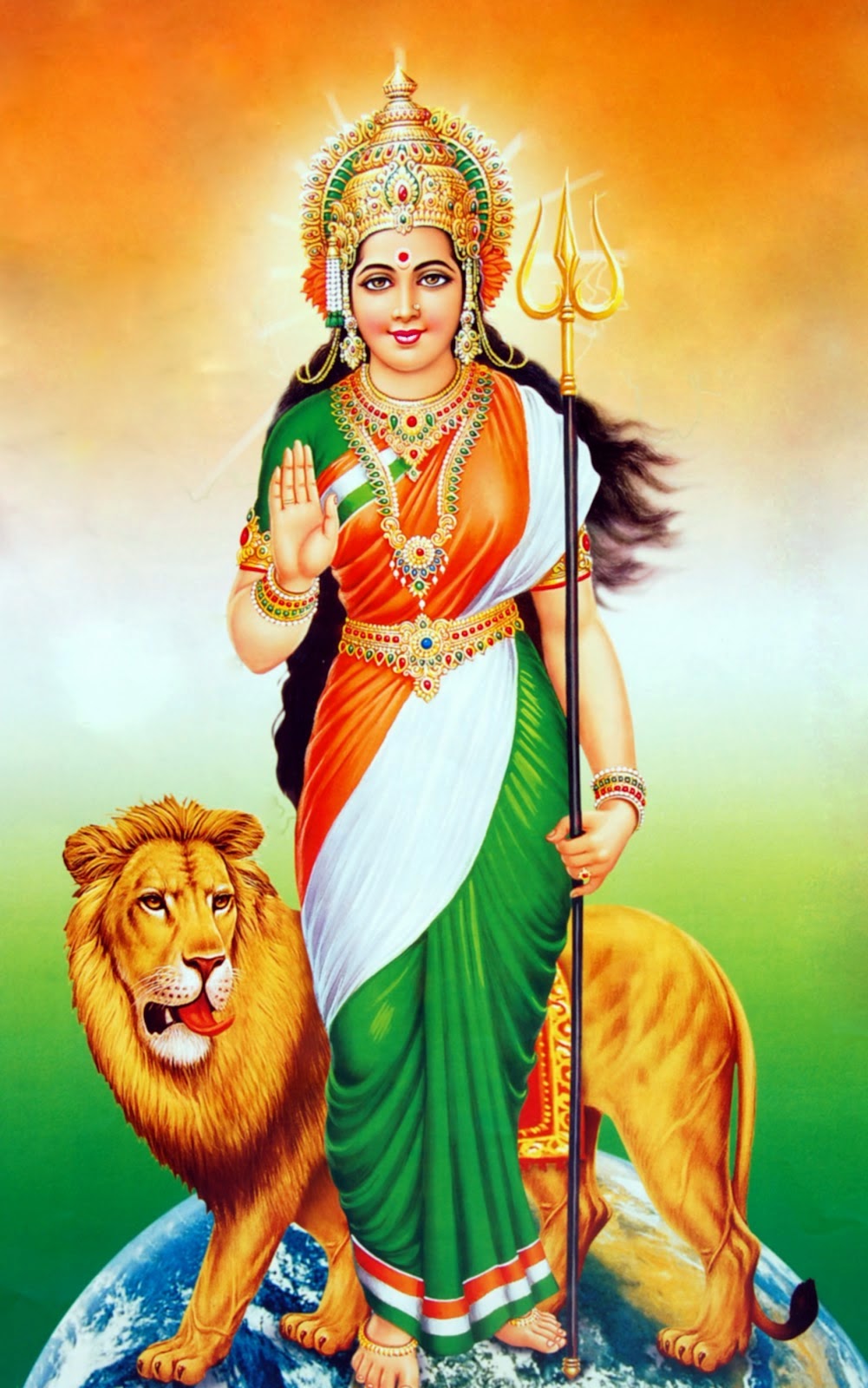
Sedition is a Shade of Grey or, Bharat Mata’s Smothering Embrace: Ankur Tamuliphukan and Gaurav Rajkhowa

The dominant narrative around the recent JNU incident has been that the unwarranted police action and the concerted acts of violence, incitement and misinformation that followed are all part of a determined push by the saffron brigade. After love jihad and beef, the story has it, it is “sedition” and “Pakistani agent” this time—we are living in a state of undeclared emergency. A sense of disbelief and apocalyptic doom seem to underpin these sentiments, along with a nostalgic optimism for a quick return to harmony and normalcy. But such things have happened far too many times, and far too often for us to harbour such illusions. For what we are going through is in effect a recalibration of that normalcy.

To read political slogans literally is an absurdity. But in the hands of the present government, it is a calculated absurdity that reads “Bharat ki barbadi…” as armed conspiracy against the state. The variables are many—arrests, fake tweets, rampaging lawyers, patriotic house-owners and now, open calls for murder. But the calculus resolves itself into the same formula every time: national/anti-national.

At the outset, the opposition to the attack on the university campus seems to have coalesced around two points—first, maintaining a safe distance from the “anti-India” slogans raised at the meeting; and second, showing themselves as the real nationalists, standing against the saffron thugs in patriot’s disguise. Partly in response to a vicious media campaign, videos of “real nationalist” speeches at the protest venue are being posted on social media everyday. We are told at length about the “real” Indian behind the deshdrohi, his credentials, and how he wants his India to be. Things reached a disturbing pitch when spokespersons of the traditional Left went on record to express their displeasure at the real culprits not being caught. Without doubt, the saffron brigade cannot be allowed the prerogative of deciding what “the nation” means. But why do so from the flimsy ramparts of sedition? Continue reading Sedition is a Shade of Grey or, Bharat Mata’s Smothering Embrace: Ankur Tamuliphukan and Gaurav Rajkhowa

Hate as Harmony – Law and Order under Saffrons


Muslims were equated to “demons” and “descendants of Ravana”, and warned of a “final battle”, as the Sangh Parivar held a condolence meeting here for VHP worker Arun Mahaur, who was killed last week allegedly by some Muslim youths. Among those present on the dais were Union Minister of State, HRD, and BJP Agra MP Ram Shankar Katheria as well as the BJP’s Fatehpur Sikri MP Babu Lal, apart from other party local leaders, who joined in the threats to Muslims. Speaker after speaker urged Hindus to “corner Muslims and destroy the demons (rakshas)”, while declaring that “all preparations” had been made to effect “badla (revenge)” before the 13th-day death rituals for Mahaur.

(http://indianexpress.com/article/india/india-news-india/muslims-warned-of-final-battle-at-sangh-meet-mos-katheria-says-weve-to-show-our-strength/#sthash.ZBMcpoFo.dpuf)


What does someone do in the winter of one’s own life when you discover that the values you cherished, the principles for which you fought for have suddenly lost their meaning and the world  before you is turning upside down ?

Perhaps you express your anguish to your near and dear ones or write a letter about the deteriorating situation around you in your favourite newspaper or as a last resort appeal to the custodians of the constitution that how you are ‘forced to hang your head in shame’.

Admiral Ramdas, who has served Indian Military for more than four decades and has remained socially active since then, followed his voice of conscience. Continue reading Hate as Harmony – Law and Order under Saffrons

क्या यही प्यार है? कहो, कहो ना…

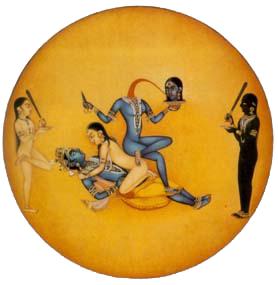
chinnamastabharatmata


आजकल दर रोज़ हमें बताया जा रहा है कि हम देश से प्रेम करें, राष्ट्र से भक्ति. बड़े परेशान हैं आज के शासक हमं जैसों की करतूतों से. जोश में आ कर कुछ भी बड़बड़ा देते हैं : कभी आज़ादी की बात करते हैं, कभी काशमीर की. कभी जातिवाद से छुटकारा चाहीए, तो कभी पूँजीवाद से. ऐसा लगता है हम न भक्ति जानते हैं, ना प्रेम. तो चलीए, भक्ति ओर प्यार, राष्ट्र ओर देश: इन चारों संज्ञाओं का विश्लेषण कीया जाए.

पहला प्रस्ताव: भक्ति में मिला हुआ है डर; प्यार के साथ चलती है रज़ामंदी.

प्यार मासूम नहीं होता. बच्चे प्यार ज़रूर करते हैं, पर प्यार बड़ों का खेल है. प्यार करना जोखिम भरा काम है दोस्त. ख़तरे की खाई है प्यार. क्योंकि डर लगता है कि जिससे हम प्यार करते हैं, वह हम से फ़क़त दोस्ती जताना चाहता है. “Let’s just be friends.”है इस वाक्य से बड़कर कोई अनर्थ? किसी नौजवान से पूछिए जिसने काँपते हाँथों से Valentine’s card दीया, ओर वापस मिला,”Thanks.” हँसी तो फँसी नहीं, हँसी तो भंग आशाओं की शिखंडी कलेजी में घुसी. पर होता है दोस्त. होता है. क़बूल करना पड़ता है. रो कर, हस कर, दोस्तों के साथ मदहोश शाम में पुरानी फ़िल्मों के गाने बेसुरी आवाज़ में रेंक कर, सुन कर, सुना कर. जब बैंड बजती है तो गाना गाओ दोस्त. गोली मार कर प्यार तो करवाया नहीं जा सकता. Continue reading क्या यही प्यार है? कहो, कहो ना…

A Conversation about the Meaning of the word ‘Azadi’ (‘Freedom’) in the Wake of Events at JNU

Signal to Noise Ratio

There has been a lot of talk about what exactly ‘Azadi’ (freedom) means, especially in the wake of Kanhaiya Kumar’s post release midnight speech at JNU on the 4th of March. So lets talk some more. No harm talking. If there is noise, there must also be a signal, somewhere.

Kanhaiya Kumar clarified in his electrifying, riveting speech that his evocation of Azadi was a call for freedom ‘in’ India, not a demand, or even an endorsement of a demand for freedom ‘from’ India.

This may come as a sigh of relief to some, – Kanhaiya , the man of the moment, proves his ‘good’ patriotic credentials, leading to an airing of the by now familiar ‘good nationalist vs. bad nationalist’ trope. And everyone on television loves a nationalist, some love a good nationalist even more.

Perhaps this was a way of dealing with a bail order that was at the same time a gag order.

[ P.S. : Since writing this last night, a more careful reading of the bail order has suggested to me that the actual terms of bail are not so bad after all. Bail is in fact granted, as far as I can see, fairly unconditionally. Kanhaiya is not asked, for instance, to step down from his position in the students’ union, nor are restrictions placed on his movement and activity. So in technically legal sense, the bail provisions need not be interpreted in a tightly restricted manner. The egregious political hortations, the references to infection, antibiotics, amputation and gangrene, which are over and above the legal instructions, are indeed terrible, but operationally, they have no executive authority backing them.]

But to say just that the text of the bail order is what shaped Kanhaiya’s midnight speech would be ungenerous, and miserly, especially in response to the palpably real passion that someone like Kanhaiya has for a better world, and for a better future for the country he lives and believes in. I have no doubt about the fact that coming as he does from the most moderate section of the Indian Left (the CPI – well known for their long term affection for the ‘national bourgeoisie’ despite the national bourgeouisie’s long term indifference/indulgence towards them), Kanhaiya is a genuine populist nationalist patriot [I have corrected ‘nationalist’ to ‘patriot’ here in response to the criticism and suggestion held out by Virat Mehta’s comment – see below in the comments section] and a democrat moulded as he says, equally by Bhagat Singh and Dr. Ambedkar. There is a lot to admire in that vision, even in partial disagreement. And while some may not necessarily share his nationalism, this does not mean that one has to treat it with contempt either. I certainly don’t.

Continue reading A Conversation about the Meaning of the word ‘Azadi’ (‘Freedom’) in the Wake of Events at JNU

Sex workers demand Azadi from ‘Goddess’ Durga: Veshya Anyay Mutki Parishad, Muskan and Sangram

Guest Post by Veshya Anyay Mutki Parishad, Muskan and Sangram

Dear Students of JNU,

Salute! Jai Bhim! Laal salam! We will win this war against sedition! March 3rd, International Sex Workers Rights Day, Zindabad!

We write from the sex worker’s rights movement to hail your struggle and to add to the discourse you have sparked. We would like to discuss why using the term sex worker in the alleged pamphlet in JNU on Mahishasura Martydom Day is a concept fraught with the Whore Stigma. The use of the politically correct sex worker instead of the commonly used `prostitute’ does not take away from the fact that it is used to depict an insalubrious deed. The use of this term has only led to more misunderstandings of the term itself.

Sex worker is the term used by the sex worker’s rights movement in order to claim dignity to the work adults do consensually by providing sexual services for money. The sex workers use this term to give dignity to those that exchange sexual services for money but the use here is to supposedly strip the `goddess’ in this instance, of any dignity. The term since then has taken a life of its own. From a politically correct term it is now being used to describe anti-nationals, anti-goddesses even anti- patriarchy! But the thinly veiled contempt for the sex worker is huge in every utterance, from the Hindu Goddess Durga to the `anti-national’ women students in JNU. Continue reading Sex workers demand Azadi from ‘Goddess’ Durga: Veshya Anyay Mutki Parishad, Muskan and Sangram

A historian’s response to the petition against Sheldon Pollock: Janaki Nair

Guest post by JANAKI NAIR

spine-details-vertical

A petition, signed by 132 “academics” asking Rohan Murty and Narayan Murthy to dismiss Prof Sheldon Pollock from his role as Editor of the Murty Classical Library Series, is receiving attention that the signatories did not anticipate.  I put the word “academics” in quotes because the commitment of the signatories to an academic evaluation of Sheldon Pollock’s intellectual leadership is nowhere in evidence, since a quotation from Pollock was changed mid-way through the signature campaign. Nor does it seem as if the signatories have ever held any one of the hot- pink,  beautifully produced volumes in their hands, where   as much attention has been paid to looks and fonts,  as to the quality of translations.

Had they done so, they too would have appreciated the significance of this effort, in bringing to the wider reading public the oceans of literary texts and traditions, in a mind-boggling array of languages,  from a period covering two and a half millenia.  The individual translators and editors are among the best in the field. Thanks to this series, so many more Indians and others will learn of the sheer beauty and anguish of Punna, a  Therigatha poet (translated from Pali, 3rd century BCE).  People of the south will hear the voice of Bulle Shah, translated from Punjabi, and those from other parts of India will read Allasani Peddanna, translated from Telugu.  True we will miss the mellifluous chanting, or the energetic sounds of performance: for now, we will have to make do with the books on hand. Continue reading A historian’s response to the petition against Sheldon Pollock: Janaki Nair

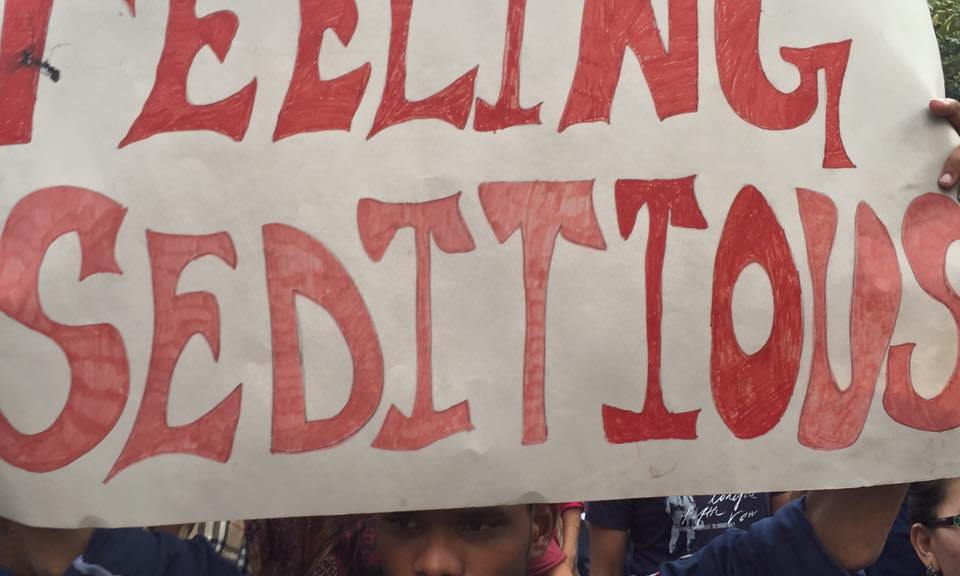
‘Feeling Seditious’: March on Parliament to #StandwithJNU

For the third time within a span of two weeks since the middle of February, thousands of people came out on the streets of Delhi to express their solidarity with the detained students of JNU (Kanhaiya Kumar, Umar Khalid and Anirban) and to voice their anger with the venal Modi regime.

Protest demonstrations (at least in northern India) tend to have something of the monotonous in them, the same cadence, the same rhythm and the same wailing, complaining tone. They tend to have an air of events staged by the defeated, for the defeated. But if we take the last three big protests in the city, and the many gatherings in JNU in the last two weeks or so,  as any indicator of what the pulse of our time is, we will have to agree that there has been a qualitative transformation in the language, vocabulary and  affect of protests. This afternoon, like the afternoon of the 18th (the first big JNU solidarity march), and of the 23rd of February (the Justice for Rohith Vemula March), was as much about the joy of togetherness and friendship as it was about rage and anger.

Continue reading ‘Feeling Seditious’: March on Parliament to #StandwithJNU

Submission Before Inquiry Commission by Concerned Teachers and Scientists, Univ of Hyderabad

Submission by Concerned Teachers and Academics before the Roopanwal Judicial Commission at Hyderabad

 (The Roopanwal Commission came to Hyderabad on 23-25th February to enquire into the facts and circumstances leading to the suicide of Dalit research scholar Rohith Vemula. The mandate of the Commission was to review the functioning of existing grievance redressal mechanisms in the university. Concerned with the absence of in-house redressal mechanisms for marginalized students, a joint submission was made by 88 concerned teachers drawn from the state and central universities in Hyderabad. The Submission sought for a rigorous implementation of the 2012 UGC Regulation as well as the setting up a Special Commission to review the major punishments passed by Universities in the case of marginalized students.) 

The suicide of Dalit research scholar Rohith Vemula in Hyderabad Central University has brought to the fore the issue of caste discrimination in higher educational institutions. We believe that the suicide is only the tip of the iceberg of many problems that students from Dalit and other marginalized groups are experiencing. University administrations have generally attributed these deaths to personal psychology instead of initiating broad systemic and attitudinal reforms to prevent such suicides.

In 2012, in the wake of series of suicides by marginalized students in higher educational institutions, the University Grants Commission formulated two Regulations to ensure social equity and set in place grievance redressal mechanisms.  In 2013, Andhra Pradesh High Court took suomoto notice of the student suicides in Andhra Pradesh in PIL No 106/2013 and issued several directives to the Universities to prevent the recurrence of suicides. However, neither the UGC Regulations of 2012 nor the Court directives have been implemented by the Universities.   Continue reading Submission Before Inquiry Commission by Concerned Teachers and Scientists, Univ of Hyderabad

Consolidated Solidarity Statements in Support of JNU

JNU Solidarity Poster

Kafila posted a set of solidarity statements recently in support of the students, faculty and autonomy of JNU. We are posting another set, received from the following organisations:

  1. First-Decade JNU Graduates and Other Graduates – 548 signatories.
  2. Faculty, Staff and Students at the Indian Institute of Management, Bangalore.
  3. California Students and Faculty. California, U.S.
  4. Current Fellows of the Jawaharlal Nehru Institute of Advanced Study, JNU, Delhi.
  5. Colorado College, Colorado, U.S.
  6. Faculty at DePaul University, Chicago, U.S.
  7. Faculty, Students and Staff, Brown University, Rhode Island School of Design (RISD) and University of Rhode Island, Providence, U.S.
  8. McGill and Concordia Universities, Canada.
  9. Canadian Academics from Various Universities.

Please click on Read More below for the statements and signatories:

Continue reading Consolidated Solidarity Statements in Support of JNU

जेनयू की सफाई पर स्मृति ईरानी की सफाई: नियति शर्मा

Guest post by NIYATI SHARMA

लोकसभा में स्मृति ईरानी जी की सफाई उर्फ़ भाषण बहुत भावुक, मनोरंजक और प्रभावशाली था। लोग उन्हें ‘आयरन लेडी’ का खिताब दे रहे हैं- यह उनके तर्क के लिए या उनके तेवर के लिए, या फिर उनके यह कहने के लिए की वो अपना सर काट के मायावती जी के चरणों में रख देंगी, पता लगाना थोड़ा मुश्किल है । सोचा था स्मृति जी कुछ सवालों का जवाब देंगी पर असल में मिली एक लम्बी, मेलोड्रामाटिक सफाई जिससे उन्होंने अपनी सरकार की सारी गलतियों पे पर्दा डाल दिया।ऐसी स्तिथि में हम मजबूर हो गए हैं की स्मृति जी से जो सवाल पूछे जाएँ वो तथ्य-सम्बंधित होने के साथ साथ अति भावनात्मक भी हों।

स्मृति जी के अभिनय के सारे सालों का अनुभव उनके भाषण में साफ़ दिखाए दिया। लोकसभा में स्मृति जी के हाव भाव से आक्रोश टपक रहा था पर क्या उन्हें इतना क्रोधित होने का हक़ है? स्मृति जी का यह मानना है की उनके ऊपर काफी बेबुनियादी आरोप लगे हैं, पर यह मामला स्मृति ईरानी जी के बारे में नहीं है, यह मामला उन मासूम छात्रों के बारे में है जिनकी ज़िन्दगी को उन्होंने दांव पर लगा दिया है। आखिर उन ‘बच्चों’ का क्या जिनके ऊपर उन्होंने और उनकी सरकार ने पिछले कुछ दिनों में अनगिनत आरोप लगाये हैं? स्मृति ईरानी जी तो मंत्री हैं, अगर आरोप लगे भी, तो उनकी ज़िन्दगी बर्बाद नहीं होगी, पर जिस क्रूरता से सरकार और मीडिया ने छात्रों का चरित्र-हनन किया, वह कभी भी इससे उभर नहीं पाएंगे। कन्हैया, उमर और अनिर्बान न ही मंत्री हैं जिनके पास कोई राजनैतिक सहारा है और न ही उनके परिवार इतने धनी हैं की वह अपना जीवन, अपनी इज़्ज़त पुननिर्मित कर पाएं। स्मृति जी, आप तो सिर्फ अपने बारे में सोच रही थीं की आप पर और आपकी परफॉरमेंस पर क्या क्या सवाल उठाये गए, क्या आपने एक बार भी सोचा की इन छात्रों के पास आगे ज़िन्दगी में सफाई देने का कोई मौका नहीं होगा? क्या आपने, माँ होने के नाते, यह सोचा की यह छात्र अब कभी भी साधारण जीवन नहीं जी पाएंगे?

Continue reading जेनयू की सफाई पर स्मृति ईरानी की सफाई: नियति शर्मा

Left, Hindutva and Indian nationalism: Pritam Singh

Guest Post by PRITAM SINGH

Triggered by the recent events at JNU, it is inspiring that the Left and genuine liberal voices in India are standing up to the Hindutva fascist onslaught. However, I find it very disappointing that the current Left leadership and some left intellectuals and sympathisers (especially belonging to the CPI and CPM) are succumbing to the pressure of chauvinist Indian nationalism. One would be shirking one’s responsibility if one were not to criticise that misguided and seemingly scared Left for its pitiable practice of for ever chanting mantra of ‘unity and integrity of the country’ in a self-defeating game of competitive Indian nationalism. The Left is beating its breast and going to the town chanting that we are ‘desh bhagats’ in a foolish retaliation against Sanghi’s charges of left being desh dirohi. Tomorrow, the Sanghis will say that you are ‘Ram dirohi’ when you oppose the building of the Ram Mandir. Would you then start saying: we are Ram Bhatkas? Let us not succumb to Sanghi’s brow beating tactics. Let us openly proclaim that India is not one nation but a historically determined territorial space of many nations, nationalities and emerging/potential nations and nationalities. As capitalism expands in India and the regional diversity of India flowers further, new voices of national self-determination would start becoming more articulated.

Continue reading Left, Hindutva and Indian nationalism: Pritam Singh

Does the Indian Constitution Speak for a Nation? Arvind Elangovan

Guest post by ARVIND ELANGOVAN

Like many others, I too have been anguished about the recent developments in JNU. Not only because the institution is my alma mater, but also because there has been a concerted effort now to frame the discourse in terms of nationalism and anti-nationalism. Sadly, in responding to the charge of anti-nationalism, defenders of free speech and other associated values of the integrity of the university are also participating in this discourse and arguing why dissent is not anti-national. While I agree with this latter point of view, I would like to join those voices that argue that the question of nationalism is irrelevant to the functioning of the state. The unity and integrity of India, understood in its territorial sense, is not strengthened by ideas of nationalism nor is it weakened by expressions of antinationalism.

In the context of the current debate about nations, nationalism, and anti-nationalism, an oft-evoked ally is the Indian constitution. Commentators across the board have praised the Indian constitution for either embodying an ‘idea of India,’ one that is noble and worthy, or praised the institutions that are sanctioned by the constitution, such as the Honorable High Courts and the Supreme Court. Strangely, across the ideological divides, it has become a commonplace perception that the nation as embodied in the Indian constitution has been violated, or at the very least not respected. Conversely, at the other end of the spectrum, it is believed that the Indian constitution expressly provides provisions to persecute individuals or groups for espousing ‘anti-national’ views. The belief among the latter group is that the constitution protects the idea of the nation, however it may be defined. This remarkable unity in such a divisive moment in Indian politics today is both a reason for pause and an invitation to at least cursorily reexamine the text and the history of this important document called the Indian constitution. Continue reading Does the Indian Constitution Speak for a Nation? Arvind Elangovan

Jat Quota Stir and Violence in Haryana: Satendra Kumar

This is a guest post by SATENDRA KUMAR


jaat-protest--_647_022016112612
IMAGE COURTESY: INDIA TODAY

There is an uncanny academic public silence over the Jat quota stir and the unjustified violence enacted during the stir in Haryana. The scale of violence and destruction is such that it competes for the worst instance of caste violence in Haryana’s post-Independence history. So far 30 people have lost their lives while over 200 people were injured in the nine-day violent Jat agitation demanding job quotas in Haryana. There is anger, fear and helplessness among those who lost their kin, homes, businesses and properties.At least 10 Haryana districts were severely affected by the violence. After such a huge loss, as if it was a routine, matter the Union Home Minister announced that a committee led by M Venkaiah Naidu will examine the demand by Jats for reservation in central government jobs.

In Haryana, the BJP’s government in the state has promised to bring a Bill granting OBC status to Jats in the upcoming assembly session. The Jats’ demand for reservations in the central OBC list is not new. Since 1995, Jats in Haryana have been demanding an OBC (Other Backward Class) status, which will help them secure the 27 per cent reservation in government jobs. Earlier in 1997, the Jats in Haryana, Uttar Pradesh and Madhya Pradesh had demanded themselves to be included in the central OBC list. It was rejected by the National Commission for Backward Classes. Subsequently UPA government’s decision to include Jats from 9 states in the OBC list was also rejected by the Supreme Court in March 2015. Despite all this, political parties such as Congress and BJP continue promising quota to Jats during election campaigns. These promises have encouraged the Jats to organize and agitate for quotas. However, their agitations for reservations have not been so violent. That is why the most pressing and important question that needs analyses is why has the current agitation by Jats been so violent? Perhaps three factors will help us to understand this severe violence and loss of property worth crores of rupees.

Continue reading Jat Quota Stir and Violence in Haryana: Satendra Kumar

Bahujan Discourse Puts JNU In The Crosshairs: Pramod Ranjan

PRAMOD RANJAN writes in Forward Press

It is essential to find out how this university, created in 1966 by a special Act of Parliament, became a leftist bastion. The answer lies in its unique reservation system. In this university, from the very outset, aspirants from backward districts, women and other weaker sections were given preference in enrolment. Kashmiri migrants and wards and widows of defence personnel killed in action also get preference (see box). The nature of the questions in the admission tests of the university is such that only the ability to answer multiple-choice questions related to one’s discipline is not enough to see one through. Only those students who have, apart from command over their own subject, analytical skills and reasoning power get admission here. The undergraduate courses of foreign languages are an exception in this regard. But even here, once they have a bachelor’s degree, they can join an MA or an MPhil course only if they have the aforementioned skills. Thus, for years, JNU has been home to the finest and most fertile minds from economically and socially deprived sections of society. And when they analyze the hows and whys of their socio-economic background, they get drawn to Marxism.

This fully residential university, spread over 1000 acres and nestled in the lush green Aravalli Range, never attracted the elite class. The hostels serve plain food and residents drink from jugs – instead of glasses. Estimates suggest that at least 70 per cent students of the university come from either poor or lower-middle-class families…

After the enrolments last year, the percentage of students in JNU from SC, ST and OBC has gone up to 55. A large number of Muslims are enrolled in Arabic, Persian and other language courses in JNU. Data on them is not available. But if, along with them, the number of Ashraf Muslims and other minorities is added, it can be safely presumed that at least 70 per cent of the students in the university are non-Dwij. Note that the number of OBC students in JNU has gone from 288 in 2006 to 2434 in 2015, ie a tenfold increase in nine years. The number of women students has also gone up substantially (see chart)…

This article also points out uncanny similarities between the police report of February 2016 on the controversial cultural event at JNU  and a Panchjanya editorial of 2015.

Read the rest of the article here.


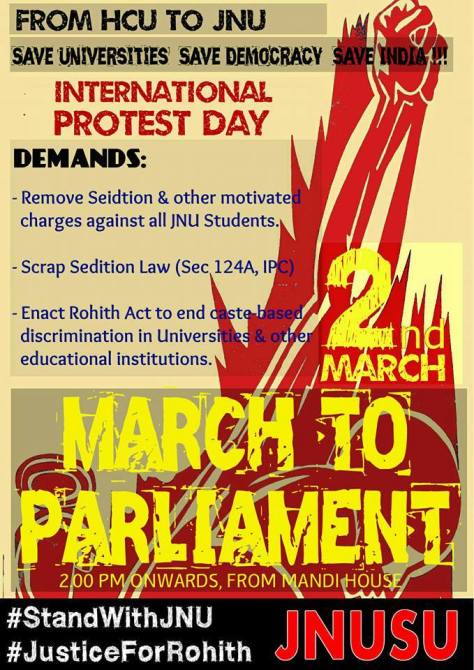
JNUSU Statement of Thanks for Global Support and Call for International Day of Protest and Action in Solidarity with Students in India on 2nd March 2016 : Shehla & Rama Naga (JNUSU)

Guest Post by Shehla (Vice-President, JNUSU) and Rama Naga (General Secretary, JNUSU)

To all Friends (in Delhi, India and the World) who have Supported the Struggle of JNU students and students elsewhere in India  in the past few weeks.

Thank you for your message of solidarity. In this hour of unprecedented attack on us, what has been a source of great strength are messages like these, which we have pasted all over the Administration Building. We have not been able to respond to each message because of being extremely overburdened. However, we are writing back today, in order to update you regarding the status of the struggle, and with a call to action on the 2nd of March, 2016 in your city.

Call for Global Day of Protest and March to Parliament for JNU - March 2nd, 2016
Call for Global Day of Protest and March to Parliament for JNU – March 2nd, 2016

Continue reading JNUSU Statement of Thanks for Global Support and Call for International Day of Protest and Action in Solidarity with Students in India on 2nd March 2016 : Shehla & Rama Naga (JNUSU)

Statement by JNU Faculty on Bar Council of India Report on Patiala House events of February 15 and 17, 2016.

In a shockingly partisan statement that blatantly misrepresents events, the Bar Council of India has issued a report that justifies the well documented attacks by a mob of lawyers on JNU students, teachers and media at Patiala House Courts over two days (February 15 and 17, 2016) as ‘a reaction to the incidents, which are grave in nature and very dangerous for the country’. BCI Joint Secretary Ashok Kumar Pandey claimed that a large number of JNU teachers and students and others had arrived at the court in three to four buses and raised slogans and used ‘provocative words’. This led to the untoward incident in which ‘both the sides took part,’ said the report, adding that ‘any true citizen or a lawyer of India’ was supposed to react strongly to the ‘anti-India’ slogans.

We, the undersigned faculty members of Jawaharlal Nehru University, wish to set the record straight. Nine of us reached Patiala House Court No 4 between 1 and 1.15 pm on 15th February 2016 to attend the hearing on Kanhaiya Kumar’s bail plea. The sole objective of our presence there was that when Kanhaiya Kumar was produced he would see the faces of his teachers in the courtroom. At that time, a few students and other teachers of JNU, and some members of CPI, the parent organization of Kanhaiya’s student group, were already waiting silently outside, similarly wanting him to see friendly and familiar faces when he was produced. There were about 15 to 20 of them, hardly enough to fill 4 cars, let alone one bus.

Continue reading Statement by JNU Faculty on Bar Council of India Report on Patiala House events of February 15 and 17, 2016.

Offer truth and hope, not drama: Faculty of University of Hyderabad to Smriti Irani

Dear Ms Irani,

Thanks to your stunning performance, we, many faculty members from the University of Hyderabad, are compelled to do what we should have done in the last one month or so, but could not bring ourselves to – write, write about Rohith, write about our other students, write about the state of academics, write about ourselves and write about society at large.

Our first acknowledgement to this therefore goes to you for revealing yourself and for bringing us back from grief, from reflection, from teaching and from various other mundane things we do as part of our job.

As we watched you in disbelief on our TV screens on 24th February 2016, you, in a voice choked with emotion, again and again referred to the “child” whose death has been used as a political weapon. We were left bewildered.

At what precise point, Madam Minister, did this sinister, anti-national, casteist, Dalit student of the University of Hyderabad transform into a child for you? Definitely not in those five rejoinders from MHRD (the ministry of human resource development) between 03-09-2015 and 19-11- 2015 with the subject line “anti-national activities in Hyderabad Central University Campus”? Definitely not when you chose to overlook and endorse what can only be read as extraordinarily aggressive and unfounded allegations by a minister in your own government, Mr Bandaru Dattatreya?

Read the rest of the letter in The Telegraph

Petition to stop the global crackdown on academic freedom – Turkey, India, Egypt

The undersigned are university teachers and students concerned over recent events that point to a serious reversal of gains in democracy and academic freedom achieved over the last decades in many countries.

Three cases have been most prominent in that regard since the beginning of 2016: the crackdown by Turkish authorities on the more than 1200 signatories in Turkey of the petition by “Academics for Peace” criticizing the anti-Kurdish war drive launched by the Turkish government; the crackdown by Indian authorities on students involved in a non-violent campus protest against the death penalty at Jawaharlal Nehru University and Hyderabad University; and in Egypt an attempt to shoot and kill a professor by groups affiliated to the ruling party; and the savage torture and assassination in Cairo of Italian research student Giulio Regeni.

When they are not tacitly approving it, governments of countries where academic freedoms are better respected and which include most global powers have turned a blind eye and a deaf ear to calls on them to protest against this repression. The worst attitude has been displayed in Italy where the government kept stressing the importance of its economic ties with Egypt while a gutter press accused Giulio Regeni’s supervisors of letting him gather dangerous information, thus resorting to an old worn-out paranoid argument of all dictatorships and tacitly making the student himself responsible for his own atrocious death.

Academic freedoms are a key indicator of the overall status of political freedom and democracy. The acceleration of privatisation across the public higher education system is undermining these freedoms on a global scale. The events described above point to a much deeper and sweeping onslaught on democratic freedoms, which must be halted immediately lest it leads to increasingly tragic events and a most nefarious consolidation and extension of the authoritarian turn in global politics.

We call on the global community of teachers and students to join us in protesting against this most dangerous trend by signing, translating and circulating this statement, and organizing protest meetings in all universities.

To sign, please go to this link. 

स्मृति ईरानी को एक जे-एन-यू के छात्र की चिट्ठि: अनन्त प्रकाश नारायण

Guest Post by Anant Prakash Narayan

सेवा में,

श्रीमती स्मृति ईरानी जी

“राष्ट्रभक्त” मानव संसाधन विकास मंत्री,

भारत सरकार

संसद में दिए गए आपके भाषण को सुना. इससे पहले की मै अपनी बात रखूँ , यह स्पष्ट कर दूं की यह पत्र किसी “बच्चे” का किसी “ममतामयी” मंत्री के नाम नहीं है बल्कि यह पत्र एक खास विचारधारा की राजनीति करने वाले व्यक्ति का पत्र दूसरे राजनैतिक व्यक्ति को है. सबसे पहले मै यह स्पष्ट कर दूं कि मै किसी भी व्यक्ति की योग्यता का आकलन उसकी शैक्षणिक योग्यता के आधार पर नहीं करता हूँ बल्कि साफ़ साफ़ कहूं तो मै “योग्यता”(मेरिट) के पूरे कांसेप्ट को खारिज करता हूँ.

मानव संसाधन मंत्रालय का पद भार लेने के साथ ही यह अपेक्षा की जाती है कि आप इस देश के केंद्रीय विश्वविद्यालयों में उनकी ऑटोनोमी का सम्मान करते हुए उसके लिए उत्तरदायी होंगी. रोहित वेमुला के मामले में आपने क्या किया यह सबके सामने है कि किस तरह से वहाँ के प्रशासन पर आपने दबाव डाला जिसका नतीजा रोहित के institutional मर्डर के रूप में हमारे सामने आया. लेकिन मै इन सारी चीजो पर अभी बात नही करना चाहता. आप बार बार अपनी औरत होने की पहचान (आइडेंटिटी) को assert करतीं हैं और इसको करना भी चाहिए क्यूंकि नारी जाति उन ढेर सारे हाशिये पर किए गए लोगों में एक है जिनको सदियों से शोषित किया गया है. मै आपसे यह पूछना चाहता हूँ कि एक दलित स्त्री जो कि हर तकलीफ उठाते हुए अकेले अपने दम पर जब अपने बेटे बेटियों को इस समाज में एक सम्मानपूर्ण जगह देने के लिए संघर्ष कर रही थी तब एक नारी होने के कारण आप की क्या जिम्मेदारी बनती थी ? क्या आपको उस महिला के जज्बे को सलाम करते हुए उसकी बहादुरी के आगे सर झुकाते हुए उसके साथ नहीं खड़ा होना चाहिए था? हाँ, मै रोहित की माँ के बारे में बात कर रहा हूँ. जो महिला इस ब्रहामणवादी व पितृसत्तात्मक समाज से लड़ी जा रही थी, अपने बच्चों को अपने पहचान से जोड़ रही थी, उस महिला को आप व आपकी सरकार उसके पति की पहचान से क्यूँ जोड़ रहे थे? आपको भी अच्छा लगता होगा की आपकी अपनी एक स्वतंत्र पहचान है. लेकिन यह अधिकार आप उस महिला से क्यूँ छीन  रहीं थीं? क्या आप भी पितृसत्तात्मक व ब्रहामणवादी समाज के पक्ष में खड़ी होती हैं? अपना पूरा नाम बताते हुए अपनी जाति के बारे में आपने सवाल पूछा और आपका भाषण खत्म होने के पहले ही लोगों ने आपकी जाति निकाल दी. मै आपकी जाति के बारे में कोई दिलचस्पी नहीं रखता हूँ और मै यह बिलकुल नहीं मानता हूँ की अगर आप उच्च जाति के होते हैं तो आप जातिवादी ही होंगे लेकिन आपके विभाग/मंत्रालय के तरफ से जो चिट्ठियाँ लिखी गई उसमे रोहित और उसके साथियों को जातिवादी /caste-ist बताया. मैडम क्या आप caste-ism और  caste assertion का अन्तर समझती हैं? मै समझता हूँ की आप ये अन्तर भली – भाँति समझती हैं क्यूंकि आर एस एस जो आपकी सरकार और मंत्रालय को चलाता है, वह वर्ण व्यवस्था के नाम पर जाति व्यस्वस्था को भारतीय समाज की आत्मा समझता है और आर-एस-एस के एजेंडे को लागू करवाने की राजनैतिक दृढ़ता हमने समय समय पर आप में देखी हैं.

Continue reading स्मृति ईरानी को एक जे-एन-यू के छात्र की चिट्ठि: अनन्त प्रकाश नारायण

Chalo Dilli! Report on 23 Feb Protest March for Rohith Vemula: Saagar Tewari

This is a guest post by SAAGAR TEWARI

Rohith Protest 3

rohith-vemula-protest 4
IMAGES COURTESY: INDIAN EXPRESS

The call for a protest rally by the Joint Action Committee for Social Justice, constituted in the aftermath of Hyderabad Central University research student Rohith Vemula’s suicide galvanised large number of students and activists on 23rd February. On a bright sunny day, thousands descended on the streets of central Delhi marching from Ambedkar Bhawan to Jantar Mantar. The attendance was perhaps lower and the organization less cohesive than the JNU protest rally of 18th February. However, it trumped its predecessor in terms of attracting a far-wider political cross-section of the voices openly choosing to dissent against the current ruling establishment. The protestors proudly displayed anti-Brahmanism banners, flags, badges (featuring excerpts of Rohith’s suicide note) and even a radical inversion of Modi-style masks (featuring Rohith Vemula’s smiling face) thereby signaling that the same youth-brigade which was instrumental in BJP’s rise to political power in 2014 has started turning against it.

Continue reading Chalo Dilli! Report on 23 Feb Protest March for Rohith Vemula: Saagar Tewari

Searching for Raja Debi – A Santhal poet tells the tale of Mahishasura

mahishasur-759

Mahishasur being worshipped in Purulia, Bengal 

In Parliament the other day, Minister for Education Smriti Irani emotionally prefaced her reluctant reading of an alleged JNU poster with “May my God forgive me for even reading this out”. I am mildly envious that she has a personalized god to take care of her doubtless more weighty requirements than an ordinary citizen (an anti-national at that) can claim.

Be that as it may, what she read out purported to be from a poster about an event in JNU organized by “SC, ST and minority students”, an event that celebrated Mahishasura:

“Durga Puja is the most controversial racial festival, where a fair-skinned beautiful goddess Durga is depicted brutally killing a dark-skinned native called Mahishasur. Mahishasur, a brave self-respecting leader, tricked into marriage by Aryans. They hired a sex worker called Durga, who enticed Mahishasur into marriage and killed him after nine nights of honeymooning during sleep,”

Now, she does not show us that poster. Does it really use the term “sex worker”? I have seen posters for Mahishasura Diwas on JNU campus and never noticed this phrase. However, if it has indeed been used, we could have a discussion around the gender politics of that term and of that poster. Moreover, reading (in translation) the tale of Mahishasura from Santhal poet Bajar Hembrom will also give us a sense of how and why that phrase could have been used, if it was.

Actually, the only place I have seen the words “sex worker” in conjunction with “Goddess Durga” was in an ABVP poster that accused All India Backward Students Forum (AIBSF) of describing Goddess Durga as “a sex worker, seducer and prostitute” in their account of Mahishasura Diwas. Just as I have heard the slogan Pakistan Zindabad only in the mouths of Hindutvaadis who accuse us of chanting it.

Continue reading Searching for Raja Debi – A Santhal poet tells the tale of Mahishasura