On 11 March 2024, four years after the passing of the Citizenship (Amendment) Act, 2019, the BJP government notified the CAA rules. Continuing their symbolic violence in creating a Hindu Rashtra, the notification came at the beginning of the month of Ramadan, held to be holy by Muslims across the world. As part of their election agenda, this marks another step to consolidate the Hindu vote bank which has been fed on anti-Muslim proposals and propaganda machines. While CAA apologists are using refugee rhetoric to spread hatred against Muslims in the country, the CAA rules show the bureaucratically stringent proofs demanded (Schedule IA and IB) which will ensure many who attempt to claim citizenship through the Act will be rendered de facto stateless.
CAA 2019 is an amendment to India’s citizenship law that fast tracks citizenship acquisition for non-Muslim minorities of neighboring countries of Afghanistan, Pakistan, and Bangladesh. This includes Hindus, Sikhs, Jains, Buddhists, Parsis, and Christians from these three countries. An earlier version of the bill with this logic was passed by Lok Sabha in 2016 but did not get cleared by Rajya Sabha. The Act introduces anti-secular provision by making religion a criterion in citizenship acquisition. CAA 2019 fulfills many agendas of Hindu nationalism at the same time. Continue reading REJECT CAA-NRC – REJECT NATIONALIST XENOPHOBIA – REJECT DETENTION CENTRES: Hasratein A Queer Collective→
‘It was Norwegian far-right terrorist Anders Breivik, who killed over seventy people in a car bombing and mass shooting of children in 2011, who first brought the term “Cultural Marxism” to the world’s attention in his thousand-some paged statement of belief, which focused almost entirely on the concept.’ (Joan Braune, ‘Who’s Afraid of the Frankfurt School – “Cultural Marxism” as an Antisemitic Conspiracy Theory’, Journal of Social Justice, Vol. 9, 2019: 2)
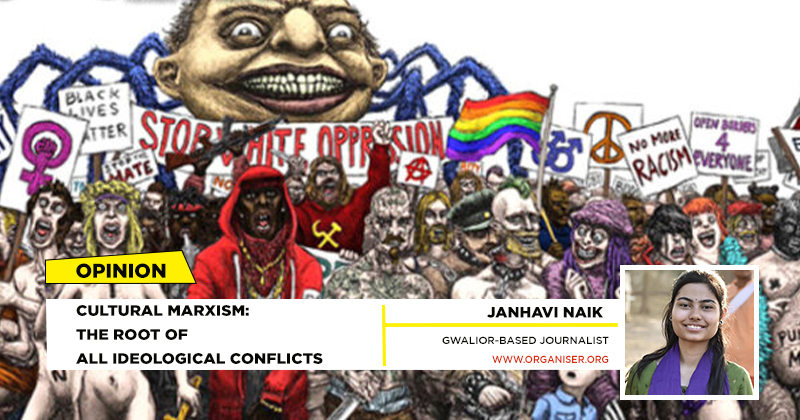
Image from RSS mouthpiece Organizer on ‘Cultural Marxism’
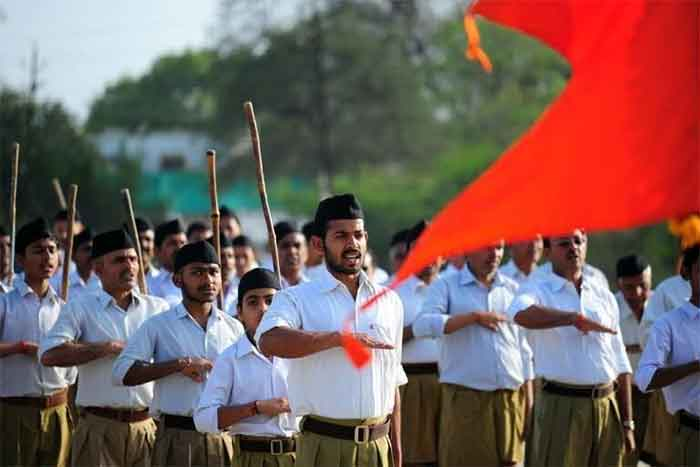
The ideology of Hindu supremacism is going global. Last Vijaya Dashami the RSS supremo Mohan Bhagwat had waxed eloquent on a new enemy, imported directly from White supremacist terrorist discourse, namely ‘Cultural Marxism’. The term is a New Right invention that has nothing to do with any specific tendency, Marxist or otherwise. It is the name of a right-wing conspiracy theory that blames all the different claims being made today as threatening to ‘traditional family values’ (read patriarchy) and to ‘traditional ways of living’ of the Whites, now threatened by growing demands of equality and multiculturalism from various quarters. As the quote above states, this term was first brought to the world’s attention by a mass murderer who killed 77 people in Norway some thirteen years ago. According to Paul Rosenberg, Brevik had used the term ‘cultural Marxists’ or ‘cultural Marxism’ 600 times in his 1500-plus page manifesto.
Anantkumar Hegde, BJP MP from Uttari Karnataka, is again in the news.
Close on the heels of his controversial statement about demolition of a mosque and his invoking of Hindu community who would not rest ‘until more mosques are reclaimed ‘ (1) he has delivered another explosive statement.
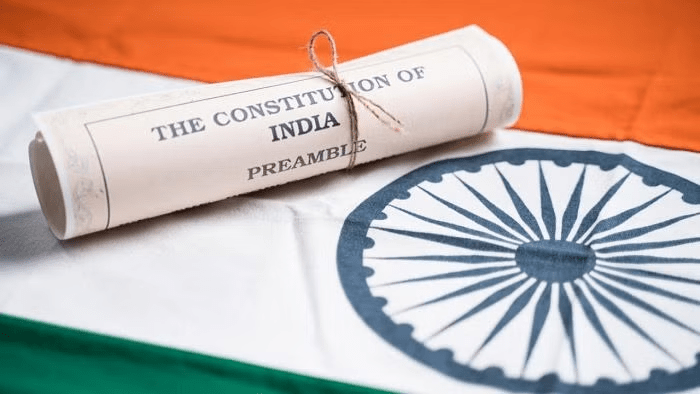
This time the whole edifice of Constitution is under his attack, which according to him has ‘distortions introduced by the Congress to suppress Hindu society’. (2) ..
..Critics have rightly said how this suggestion exhibits real intentions of the saffron regime which wants to usher us into Hindu Rashtra, end reservation for scheduled and backward communities, reinforce caste system and also replace Constitution drafted by Dr Ambedkar with a worldview inspired by Manusmriti. The main opposition party Congress has expressed fear that all such statements, steps just go to vindicate how a ‘cloud of dictatorship’ now hovers over India. (3)
It is a different matter that neither BJP top guns nor PM Modi – who had famously declared way back in 2014 that for him ‘Constitution is the most sacred book’ deemed it important to condemn Hegde’s statements or ordered him to seek apology for his claim.
One learns that it has merely distanced itself from Hegde’s controversial statement to convey an impression that what he said was his ‘Mann ki Baat’ and not BJP’s Dil ki Baat’ .
An atheist school teacher’s case in Nashik before the Bombay HC resonates with the recent case of a Dalit teacher’s suspension in Rajasthan.
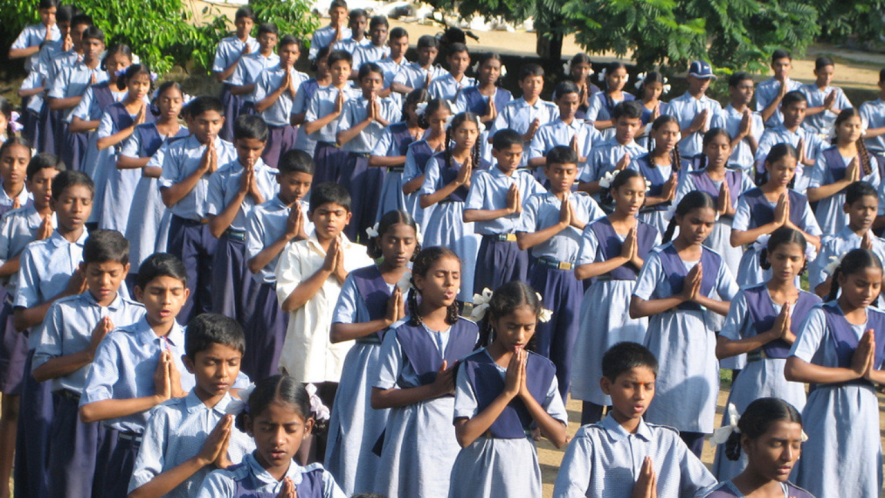
Representational Image. Image Courtesy: Flickr
Can anyone compel a teacher to offer prayers inside a school?
This was a little vexed question before the Bombay High Court when a case came up before a two-judge bench led by Justice Abhay Oka and Justice Revethi Mohiti-Dhere. Sudhir Salve, an atheist teacher from a school in Nashik — who otherwise had an excellent record in his profession — had approached it for relief, because the school management where he worked had denied increment to him for ‘indiscipline’.
The teacher’s refusal to fold hands at the time of school prayer or even at the time of taking oath of the Constitution was construed as such an act. As it happens in most such cases, Salve’s case had lingered on for more than six years in the lower courts.
But it did not take much time for the two-judge bench to decide the case, which declared that any such compulsion to fold hands will be a ‘[v]iolation of the fundamental rights conferred on an individual under the Constitution’.
One was reminded of Salve’s case when the suspension of Hemlata Bairwa, a Dalit lady teacher from an upper primary school in Rajasthan’s Baran district, made headlines recently.
To recapitulate the turn of events, it was Republic Day (January 26, 2024) and Bairwa had garlanded the portraits of B.R. Ambedkar, Savitribai Phule and Mahatma Gandhi before the assembly of students in her school. Two of her fellow teachers interrupted the programme and asked her to put a photograph of Saraswati, goddess of knowledge as per Hindu mythology, which she plainly refused. Despite pressure by them, who even allegedly made casteist slurs against her and were even helped by the local head of the panchayat, Bairwa refused to relent.
When the video of the whole incident went viral, the state education minister Madan Dilawar announced her suspension in a public programme — an act that evoked a strong reaction within the Dalit community. Demonstrations were held in different parts of the state opposing this action by the education minister, demanding revocation of the suspension order and removal of the minister from the post.
The question arises: Will Bairwa similarly have to wait for a long period like Salve for justice? Or whether the Bombay High Court’s intervention would impel the Rajasthan High Court to take up her case suo motu.
कहीं ऐसा तो नहीं कि ‘सांस्कृतिक मार्क्सवादी’ और ‘वोक पीपल’ (Woke People) को लेकर संघ सुप्रीमो की ललकार एक तरह से उत्पीड़ितों की दावेदारी और स्वतंत्र चिंतन के प्रति हिंदुत्व वर्चस्ववाद की बढ़ती बेचैनियों को ही बेपर्द करती है.
मुल्क की दारूल हुकूमत अर्थात राजधानी दिल्ली- आए दिन कुछ न कुछ सेमिनार, संगोष्ठियां, विचारोें के अनौपचारिक आदान-प्रदान की मौन गवाह बनी रहती है. आम तौर पर वह ख़बर भी नहीं बन पाते, अलबत्ता कुछ तबादले खयालात कभी-कभी सुर्खियां बन जाते हैं.
पिछले दिनों यहां के भव्य ताज एम्बेसेडर होटल में एक विचार-विमर्श चला, जो अलग कारणों से सुर्खियां बना. आयोजक के चलते और जिस मसले पर वहां गुफ्तगू चली उसे लेकर. दरअसल इसका आयोजन भारतीय जनता युवा मोर्चा ने किया था, जो आम तौर पर ऐसी बौद्धिक गतिविधियों के लिए जाना नहीं जाता है.
दूसरी अहम बात थी कि इस विचार-विमर्श में अमेरिका, जर्मनी और चंद अन्य पश्चिमी मुल्कों के कई अनुदारवादी, रूढ़िवादी विचारक, अकादमिशियन जुटे थे और भारत के शिक्षा संस्थानों से जुड़े कई अकादमिशियन भी थे. बातचीत किन मसलों पर चली इसके आधिकारिक विवरण उपलब्ध नहीं है, लेकिन इतना तो समाचार में सुनने को मिला है कि वहां ‘वोकवाद’ (Wokeism-वोक़िज़्म) पर भी बातचीत चली थी. ( Read the rest of the article here)
How Mohan Bhagwat’s exhortation that ‘cultural marxism’ and ‘woke people’ are spoiling India’s ethos betrays Hindutva Supremacism’s real agenda vis-a-vis assertion of the subalterns and independent thinking
‘A spectre is haunting the Conservative world – the spectre of Wokeism’
The brainstorming by conservatives from US, Germany and other Western countries along with academics from India is over. The host was Bharatiya Janata Yuva Morcha (BJYM) the youth front of the ruling dispensation here namely BJP – which loves to call itself ‘the biggest organisation of youth in the world.’
One does not know whether the organisers had put any such banner regarding the ‘spectre’ or not but few of the available details of meeting tell us that the gathering did discuss ‘wokeism’ apart from other issues.
BJYM’s sudden waking up on the challenge of ‘wokeism’ is not difficult to understand.
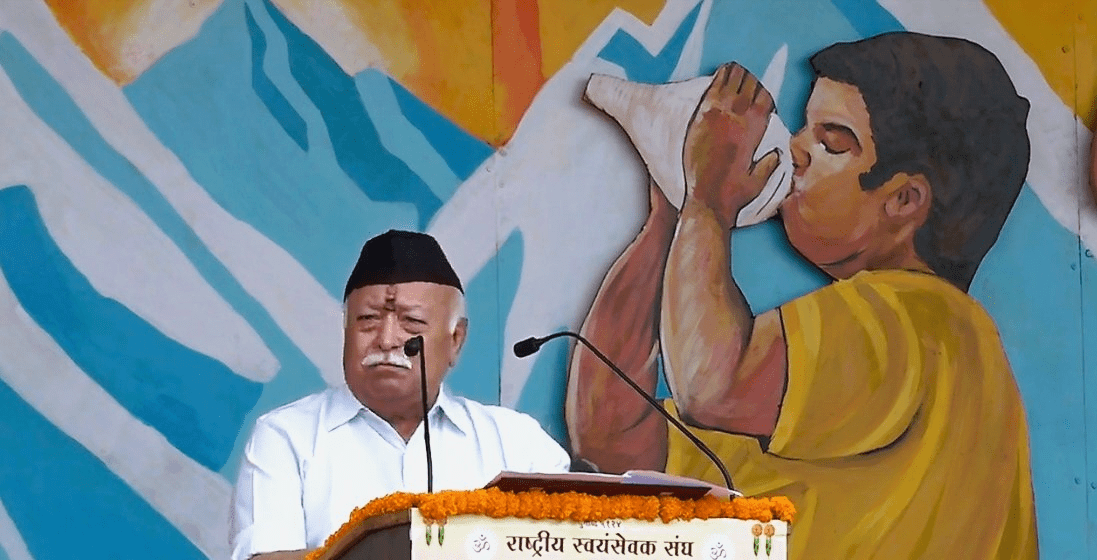
It could be easily traced to Sangh Supremo Mohan Bhagwat’s exhortation in his Vijayadashmi Speech – few months back – wherein he had castigated ‘cultural marxists’ and ‘woke people’. in no uncertain terms, who according to him were ‘spoiling Indian ethos’. He even accused them of undermining education and culture, promoting conflicts and disrupting social cohesion. ( Read the full article here)
“They took so much away from us that they ended up taking away our fear” — Message scrawled on a placard in a women’s march in Spain
’How does Justice feel?’
A difficult query to answer but perhaps Bilkis Bano would be the best person to respond to it.
Yes the same Bilkis – survivor of a mass rape and the only witness to horrific massacre of her 14 relatives – when the state she lived witnessed a carnage when officially one thousand innocents perished in the communal pogrom and many thousands were displaced from their homes and were condemned to live as internal refugees.
One can still recollect her words when the highest courts of the country finally cancelled the remission of sentences to her perpetrators who had been convicted for this heinous crime. [1].
She frankly narrated her feelings before a reporter.
’It feels like a stone the size of a mountain has been lifted from my chest, and I can breathe again. This is what justice feels like.”
A Joint Statement and Appeal issued by people’s organisations, intellectuals and concerned citizens from Uttarakhand about the violent incidents on 8 th February
( This is an attempt at English translation of the original statement issued by writers, journalists, social activists and people’s organisations. For original statement , please see here )
Developments on 8th February are serious, condemnable as well as tragic. We would like to express our deep concern for the dead as well as the injured and demand proper compensation for them
We appeal to people in Uttarakhand and rest of India to maintain peace and harmony . We condemn all sorts of violence and want that an impartial legal action be taken about the incident. We are of the opinion that every type of resistance, opposition should always remain in the bounds of law and constitution.
We also appeal to the administration that no action should be contrary to Constitutional principles and values.
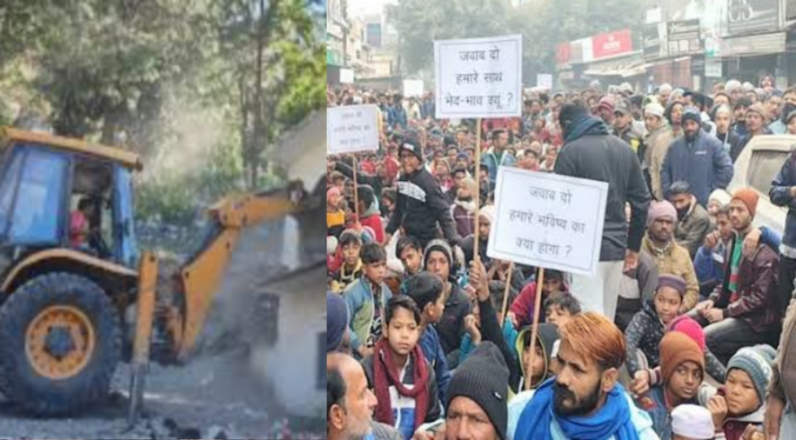
Negligence, hurry and biased approach of the administration can be clearly seen in these developments. Even the language of the administration sounds sectarian. When the allegedly illegally built mosque and madarsa were in the control of the administration itself and the next hearing in the case was scheduled to be heard on 14 th February, what was the necessity to go for demolition in such a hurried manner. It is time that the District Magistrate and Senior Superintendent of Police are immediately transferred and a judicial enquiry be done about the whole incident.
We need to bear in mind that since 2017 the Uttarakhand government has desisted from taking an impartial legal action against vigilante violence and hate speeches. Right from citizens groups, people organisastions, opposition parties, leading intellectuals, advocates of Supreme Court to ex generals of the army from the state have been raising their voices in this connection. When the government does not appear impartial it emboldens anti-social elements. In this background voices have been raised to underline how use of hate, communal and violent incidents for political benefits ultimately engenders further challenges to social harmony and rule of law. It is high time that steps on war footing be taken to strictly implement decisions of the Supreme Court in 2018 and later, regarding hate speeches and violence.
We have always maintained that the “anti encroachment drive” is plagued by unnecessary hurry and a biased approach. Hundreds of such incidents have occurred since last one year . We are of the opinion that without resettlement nobody should be made homeless and every such action be undertaken in proper legal manner and with enough sensitivity. As far as Uttarakhand is concerned today lakhs of people are living on 4 lakh hectare Nazul land. In Haldwani itself a large population has settled on Nazul land which comprises people belonging to all religions. It has been a long time demand that people living on nazul land be given the ownership of the land. The state government has even sent proposal to the central government in this connection. Despite all this it is beyond comprehension to see that government seems to be in an unnecessary hurry regarding the issue of encroachment. Since quite some time the state government is engaged in these efforts under the name of anti encroachment drive. We feel that the government is pushing its sectarian agenda under the name of anti encroachment drive. This should be immediately stopped.
Say No To Hate, We need Jobs
Rajiv Lochan Sah, Uttarakhand Lok Vahini; Naresh Nautiyal, General Secretary, Uttarakhand Parivartan Party ; Tarun Joshi, Van Panchayat Sangharsh Morcha; Bhuvan Pathak and Shankar Dutt, Sadbhavna Samiti Uttarakhand; Shankar Gopal and Vinod Badoni, Chetna Aandolan; Islam Hussain, Sarvoday Mandal ; Lalit Upreti and Munish Kumar, Samajwadi Lok Manch ; Trilochan Bhatt, Independent Journalist; Heera Jangpani, Mahila Kisan Adhikar Manch ; Mukul, Mazdoor Sahyog Kendra
UGC led by Chairman Jagdeesh Kumar refuses to remain beyond controversy for long time.
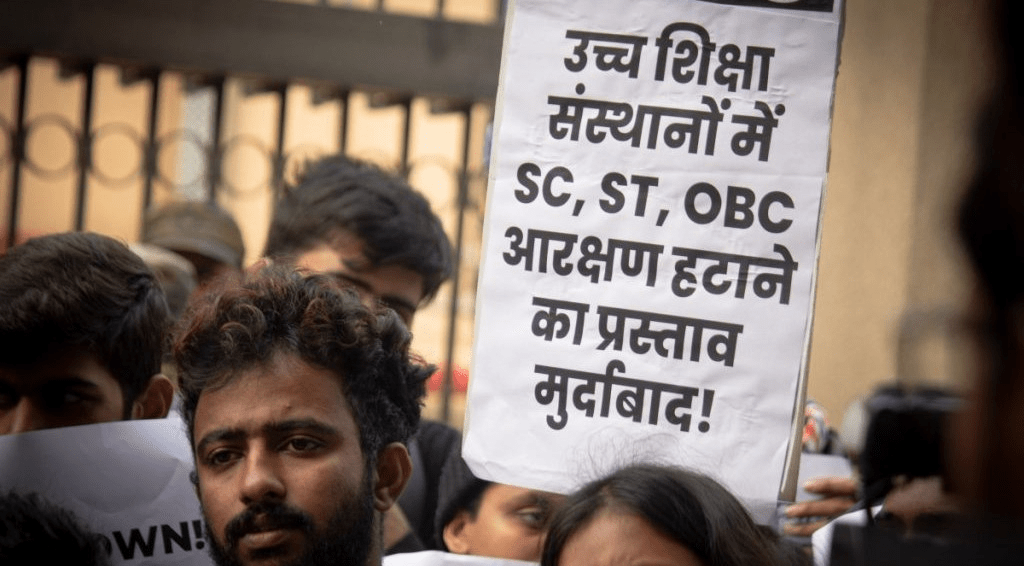
The latest being its draft proposal of ‘dereservation’ of seats if not a suitable candidate from reserved category is found wherein it asked people’s views till 28 th January.
As expected this proposal which smacked of the ruling dispensation’s surreptitious and even direct attempts at attacking or biting away at the affirmative action policies emanating from the Constitution rightly led to protests in various quarters, There were protests opposing this proposal on JNU and other campuses and even opposition parties attacked the ruling party for its compromising attitude towards reservation rights and its desire and moves to either dilute or hollow out the provisions of these socially progressive policies and this led to an intervention from the Human Resources Ministry underlining that there is no such proposal.
Text of a petition initiated by SWASA, signed by 3640 sex workers and allies, sent to the UN Special Rapporteur on Violence Against Women, Reem Alsalem on January 31, 2024. This is in response to a call for inputs towards the Special Rapporteur’s report on violence against women to be presented to the UN Human Rights Council in June 2024.
Sex workers and allies at a rally demanding sex work be recognized as work under government labor rules, on the eve of International Labor Day, in Kolkata, April 30, 2022. AP Photo/Bikas Das. Image courtesy Human Rights Watch
We, the undersigned write to bring to your attention our concerns regarding the problematic terminology used in the call for inputs to the report of the Special Rapporteur (SR) on violence against women (VAW) and girls to the Human Rights Council. The thematic report of the SR on VAW that will be presented to the UN Human Rights Council at its 56th session in June 2024 proposes to examine the nexus between the global phenomenon of prostitution and violence against women and girls.
The call for inputs states that the Special Rapporteur would like to receive inputs to better understand the relationship between prostitution and violence against women, to clarify terms, approaches and actions States should take in order to maintain the spirit of international human rights law and to effectively protect women and girls from all forms of violence. Continue reading Demanding respectful and inclusive language for sex workers: Sex Workers and Allies South Asia (SWASA)→
2024 की शुरूआत में भारत एक प्रचंड बदलाव की दहलीज पर खड़ा है। सभी जनतंत्र प्रेमी, इन्साफ पसंद और अमन के चाहने वालों के सामने यही बड़ा सवाल मुंह बाए खड़ा है कि 2024 के संसदीय चुनावों में- जो मई माह के अंत तक संपन्न होगा तथा नयी सरकार बन जाएगी (अगर उन्हें पहले नहीं कराया गया तो)- का नतीजा क्या होगा?
क्या वह सत्ता के विभिन्न इदारों पर भाजपा की जकड़ को ढीला कर देगा, क्या वह जनतंत्र की विभिन्न संस्थाओं को निष्प्रभावी करने की या उनका हथियारीकरण करने की सोची समझी रणनीति को बाधित कर देगा, क्या वह धर्म के नाम पर उन्मादी तक हो चुकी जनता में इस एहसास को फिर जगा देगा कि 21वीं सदी में धर्म और राजनीति का घोल किस तरह खतरनाक है या वह भारतीय जनतंत्र की अधिकाधिक ढलान की तरफ जारी यात्रा को और त्वरान्वित कर देगा, भारत के चुनावी अधिनायकतंत्र ( electoral autocracy) की तरफ बढ़ने की उसकी यात्रा आगे ही चलती रहेगी
‘Men never do evil so completely and cheerfully as when they do it from religious conviction.’ Blaise Pascal, French Mathematician and Physicist who lived some 400 years ago and died young (1623 to 1662 AD)
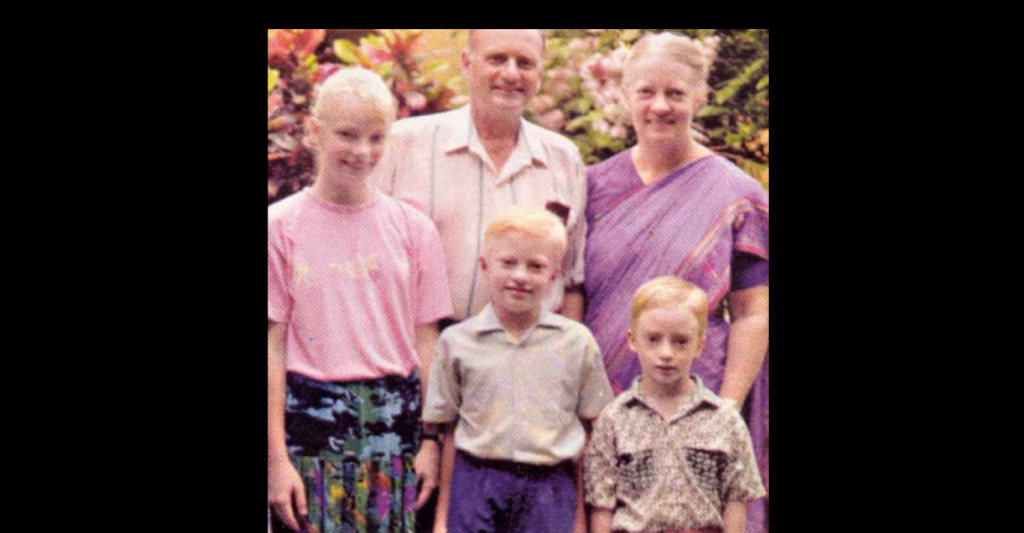
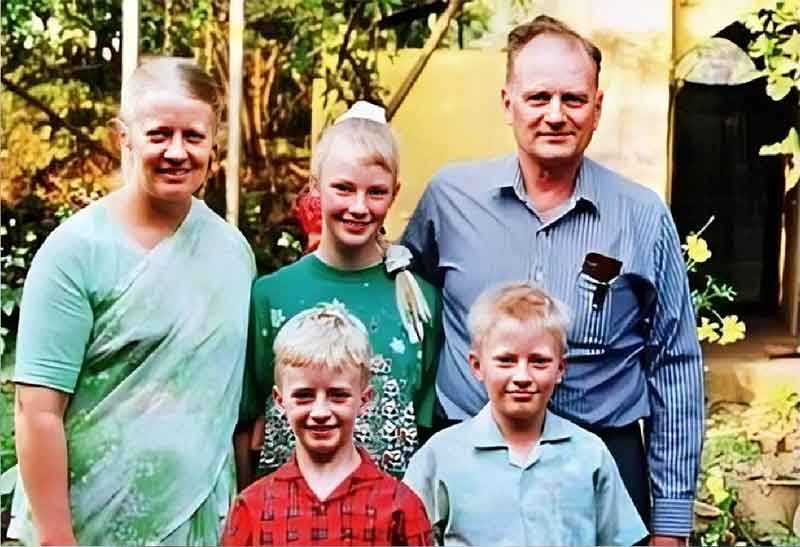
ग्राहम स्टेंस, जो ऑस्ट्रेलिया से भारत पहुंचे ईसाई पादरी थे और ओडिशा के बेहद पिछड़े आदिवासी बहुल इलाकों में गरीबों एवं कुष्ठरोगियों की सेवा में संलग्न थे, उन्हें और उनकी दो संतानों फिलिप और टिमोथी को कथित तौर पर हिंदुत्ववादी जमातों से जुड़े मानवद्रोहियों ने 22 जनवरी 1999 को जिंदा जलाया था.
22 जनवरी की तारीख की बीती तारीख को इस घटना की पच्चीसवीं सालगिरह थी.
राम मंदिर आयोजन की चकाचौंध में किसी ने इस बर्बर हत्या और उसके निहितार्थों को याद करना भी मुनासिब नहीं समझा, जबकि हम पाते हैं कि इस बर्बर हत्याकांड में वह तमाम संकेत मिलते हैं, जिन्हें 21वीं सदी की बहुसंख्यकवादी राजनीति में भरपूर प्रयोग में लाया गया.
The life of the dead is placed in the memory of the living.
– Marcus Tullius Cicero
Politics is nothing but theology in action
– Ambedkar
Right-wing politics suffers from a common syndrome everywhere.
It never feels confident to project its own icons for the rest of the humanity, whatever might be their claims about their worldview, it knows that its own icons are detested by a wide spectrum of people.
The easiest way it finds to overcome this lacunae is to appropriate already established icons – who were even opposed to their world view as well and claim them their own. In fact, it does not have any qualms in utilising dates – bearing special significance for exploited and oppressed and marginalised of the world – to put their stamp on it.
The project of Hindutva Supremacism – which yearns / strives to transform a Secular, Socialist, Democratic and Sovereign Republic into a Hindu Rashtra has perhaps achieved near perfection in this kind of politics.
Prof Romila Thapar, great historian and public intellectual , will be delivering the 28 th Lecture in the Democracy Dialogues Series on Sunday 28 th January 2024 at 6 PM (IST).
Please reserve the time and date for the lecture. Details are given below
Democracy Dialogues – 28 th Lecture
Organised by
New Socialist Initiative (NSI)
Theme : Our History, Their History, Whose History?
The zoom invite will be shared closer to the date.
Abstract: My purpose in this talk would be to examine the link between history and particular kinds of nationalism. I hope to show that nationalism can be a process, bringing together and uniting all the communities that inhabit a particular territory in support of a change in society or opposing a target common to all. This earlier form is what I would like to call a unitary, integrative nationalism that cut across communities and drew them together in a particular country to support a single purpose. This I would differentiate from the latter forms in some countries which identified with units of society or communities according to certain common features, such as a particular religion or language, or caste or ethnicity. I would call it segregated nationalism, where each community is segregated and treated as having a distinctly different identity and its own separate goal. History is brought in when the community that gives an identity to its nationalism insists on tracing its origins to a historical past. This pattern of integrated and segregated nationalisms would seem to apply to India of the twentieth century. There was the all-inclusive national movement whose participants were from every community; its objectives were to maintain the unity of the Indian people and overthrow colonial rule. The other nationalism, segregated nationalism, was seeded in the 1920s and assumed the existence of two nations – the Hindu and the Muslim – which, it was argued, go back to earlier times. Integrated nationalism succeeded in 1947 in bringing about independence, but its foundations needed strengthening, for we are now witnessing the strong presence of religious nationalism in the attempt to inaugurate a Hindu Rashtra in India.
– Romila Thapar
About the Speaker:
Internationally renowned scholar of Ancient History, Prof Thapar was elected General President of the Indian History Congress in 1983 and a Fellow of the British Academy in 1999. In 2008, she was awarded the prestigious Kluge Prize of the US Library of Congress which complements the Nobel, in honouring lifetime achievement in disciplines not covered by the latter. Prof Thapar has been a visiting professor at Cornell University, the University of Pennysylvania, and the College de France in Paris and holds honorary doctorates from the University of Chicago, the Institut National des Langues et Civilisations Orientales in Paris, the University of Oxford, the University of Edinburgh (2004), the University of Calcutta and from the University of Hyderabad
Here is a select list of Prof Thapar’s publications Ashoka and the Decline of the Mauryas, 1961 ( Oxford University Press) ; A History of India : Volume 1, 1966 ( Penguin) ; The Past and Prejudice, NBT ( 1975) ; Ancient Indian Social History : Some Interpretations, 1978 ( Orient Blackswan) ; From Lineages to State 1985 : Social Formations of the Mid-First Millenium B.C. in the Ganges Valley, 1985 ( Oxford University Press) ; Interpreting Early India, 1992 ( Oxford University Press) ; Sakuntala : Text, Reading, Historie, 2002 ( Anthem) . Somanatha : The Many Voices of History, Verso ( 2005) ; The Aryan : Recasting Constructs, Three Essays ( 2008) ; The Past As Present: Forging Contemporary Identities Through History, (2014) ;Voices of Dissent: An Essay, (2020); The Future in the Past: Essay ( 2023)
Whether Modi will get a third term in 2024 or these elections can spring a surprise?
India at the beginning of the year stands at the cusp of a Momentous Change
The biggest question before everyone is whether the elections for the Parliament – the lower house – which will be over by end of May ( if they are not advanced by the ruling dispensation) would be able to disturb the stranglehold of the BJP-RSS over the levers of power at the Centre, whether it will lead to loosening of sorts of the grip it holds over the various institutions of Democracy ( critics even call that they have been subverted, weaponised) or it will slide the Indian Democracy further into the electoral autocracy mode much to the chagrin of well wishers of democracy everywhere.
यह पोस्ट सोशल मीडिया पर कई लोगों ने साझा की थी । बताया जा रहा था कि इसके लेखक सरोज मिश्र हैं। इस बीच इसके असल लेखक से हमारा संपर्क हुआ है जिनका नाम विवेक कुमार उर्फ़ विवेक असरी है। मूल लेख 2010 में छपा था जिसे यहाँ पढ़ा का सकता है।
अयोध्या का यह 300 साल पुराना जन्मस्थान मंदिर था जिसके लिए ज़मीन एक मुसलमान ज़मींदार के दान की थी। नए राम मंदिर के विस्तार के लिए अगस्त 2020 में इसे ढहा दिया गया। (छवि साभार द वायर)
कहते हैं अयोध्या में राम जन्मे, वहीं खेले-कूदे, बड़े हुए, बनवास भेजे गये, लौटकर आये तो वहाँ राज भी किया। उनकी ज़िंदगी के हर पल को याद करने के लिए एक मंदिर बनाया गया। जहाँ खेले, वहाँ गुलेला मंदिर है। जहाँ पढ़ाई की, वहाँ वशिष्ठ मंदिर हैं। जहाँ बैठकर राज किया, वहाँ मंदिर है। जहाँ खाना खाया, वहाँ सीता रसोई है। जहाँ भरत रहे, वहाँ मंदिर है। हनुमान मंदिर है, कोप भवन है। सुमित्रा मंदिर है, दशरथ भवन है। ऐसे बीसियों मंदिर हैं, और इन सबकी उम्र 400-500 साल है। यानी ये मंदिर तब बने, जब हिंदुस्तान पर मुगल या मुसलमानों का राज रहा।
(Translated by Nivedita Menon from a widely circulating post earlier attributed to Saroj Mishra, on social media, originally in Hindi.
UPDATE: We have since heard from the author himself. This post was written in 2010 by VIVEK KUMAR (Vivek Asri) and so we have made the necessary changes. Here is the link to VIVEK KUMAR’s original post.
This 300 year old Janmasthan temple in Ayodhya, built on land donated by a Muslim zamindar, was demolished in August 2020 to accommodate an expanded vision of the new Ram Mandir. Image courtesy The Wire
They say Ram was born in Ayodhya; in Ayodhya he played and roamed around as a youth, grew into adulthood, was sent from there into exile in the forest, and then returned to rule there. There are temples in Ayodhya to commemorate every moment of his life. Where he played, there is Gulela Mandir. Where he studied there is Vashishta Mandir. Where he sat and ruled, there is a mandir. Where he ate his meals, there is Sita Rasoi. Where Bharat stayed, there is a mandir. There’s Hanuman Mandir, Kop Bhavan. There’s Sumitra Mandir, Dashrath Bhavan. There are many many such temples and all of them are about 400 to 500 years old. That is to say, these temples were built when Hindustan was ruled by the Mughals, by Muslims.
Jorg Haider, a far-right Austrian politician who died in 2008, is largely forgotten. It is also forgotten that merely two decades ago, he was considered a very dangerous man in Europe, whose ascent to power had prompted rare European Union unity aimed to thwart his ambitions.
Twice elected as governor of the southern state of Carinthia, Haider—who opposed immigration and was critical of Islam and Muslims—once praised the Nazi regime’s “employment policies”.
His Freedom Party of Austria allied with another party, the OVP, which allowed Haider to become the country’s chancellor. But the possibility of a ‘right-wing extremist’ ruling a European Union member country prompted the other 14 members to join hands punitively against Australia, putting Haider out of the chancellorship race.
The European Union stuck by the 1997 Treaty of Amsterdam principles and emphasised that nobody would be allowed to “breach them”.
Many European countries threatened to recall envoys from Austria, and some said that Austria could be shunted out of the union if the need arose. The Belgian foreign minister at the time said, “Europe can very well do without Austria. We don’t need it.
After much water has flown down the Thames, the Rheins, the Danubes and all other rivers of Europe, the world has Geert Wilders in the Netherlands, a “political earthquake”, whom some consider more extreme and fanatical than Haider. But Wilders’ views on immigration and Islam cause no similar outrage in European capitals today.
Wilders’s party, which promised to ban mosques and compared the Quran with the infamous Mein Kampf, has won 37 seats in a 150-member Parliament. It is now the number one party in the country’s parliament.
As academics and other concerned persons, we, the undersigned, are outraged at the manner in which discussions on the ongoing war against Palestine are being silenced on Indian campuses, and in the public sphere more broadly. We are issuing this statement to call upon university administrators and the government to respect our academic freedom. We would also like to remind everyone of India’s own long history of anti-colonial struggle which has historically provided the lens through which the Palestinian struggle for self-determination, equality and human rights has been viewed in India.
We object to the way in which any discussion of the historical context of the occupation of Palestineand the barbaric Israeli assault on Gaza, along with the denial of food, fuel and water, since October 7th 2023, is being projected as support for the brutal terror attack on civilians in Israel by Hamas on October 7th.
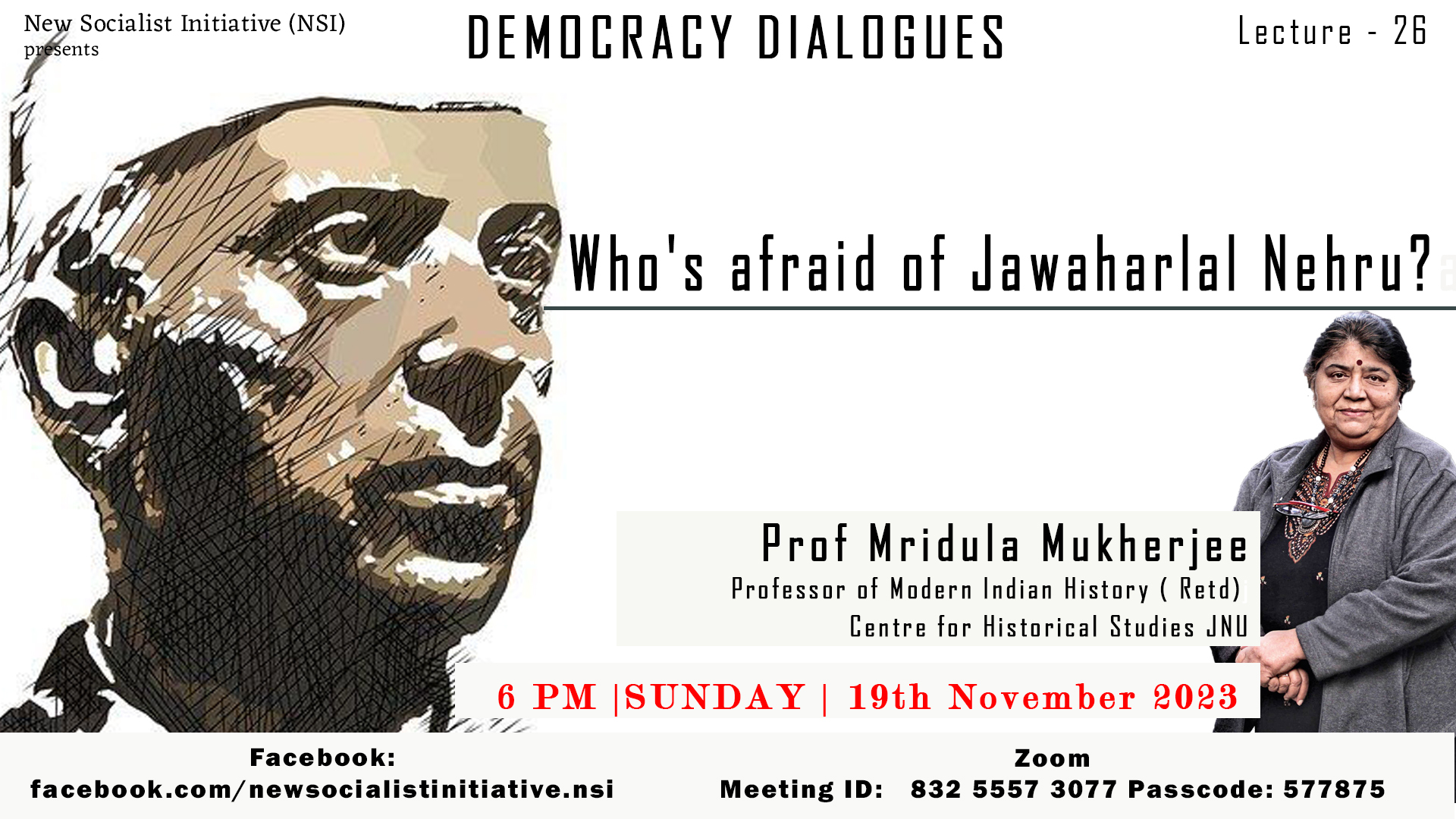
Professor Mridula Mukherjee, Professor of Modern Indian History ( Retd), Centre for Historical Studies, JNU, will be delivering the 26 th Democracy Dialogues Series lecture on Sunday, 19 th November 2023 at 6 PM (IST).
Theme : Who’s Afraid of Jawaharlal Nehru? Time: Nov 19, 2023 06:00 PM India
Summary : In his lifetime, Jawaharlal Nehru was recognized the world over as a statesman and an Indian leader second only to Gandhiji. A foremost leader of the freedom struggle, who gave it a decided socialist orientation, he remained unrivaled as Prime Minister after independence and built the solid foundations of a sovereign, secular, democratic, and egalitarian republic. He evolved the concept of non-alignment which enabled many ex-colonial countries to avoid becoming a part of the two power blocs engaged in the Cold War.
However, he is today the favourite whipping boy of the establishment. We are told he was responsible for the partition, for the mess in Kashmir, for the death of Subhash Bose, for delaying the integration of Hyderabad, and of Goa, for the defeat at the hands of China in 1962, for neglecting agriculture, and primary education, and much else. The reason for the defamation is of course that he stood for the exact opposite of what is valued today. His life and work present a continuous question mark to the regressive trends in fashion.
This will become evident as we focus in the talk especially on two areas of great relevance today in which we are facing a grave crisis: Democracy and Civil liberties, and Communalism/Secularism. We will also focus attention on Nehru’s evolving understanding of Mahatma Gandhi’s vision and method of non-violent struggle, of which he became the most ardent advocate after his death.
Speaker :
Author of many books, Prof Mukherjee has been a visiting Scholar at Duke University, USA, and at the Institute of Oriental Culture, University of Tokyo and was also Director of Nehru Memorial Museum and Library, ( NMML), New Delhi. She has published widely in the areas of agrarian history, peasant movements, social movements and the Indian national movement.
Here is a list of a few of her publications : Colonializing Agriculture, The Myth of Punjab Exceptionalism Sage (2005) ; Peasants in India’s Non Violent Revolution : Practice and Theory (Sage 2004).
This list also includes India’s Struggle for Independence (1999) and India After Independence 1947–2000 (2000), RSS, School Texts and the Murder of Mahatma Gandhi The Hindu Communal Project (2008) co-authored with Prof Bipan Chandra and others.
The first week of the coming month of November will witness a huge public festival in Kerala organized by the ruling power through the government called ‘Keraleeyam‘. It begins on 1 November, celebrated every year as the ‘Kerala Piravi Dinam’ or the day of Kerala’s birth, marking the amalgamation of the three Malayalam-speaking regions into a single unit, a cherished dream of many in early twentieth century Kerala. The organizers of this celebration claim that this massive show seeks to highlight Kerala’s achievements which they hint, have an unbroken continuity from the twentieth century to the present. They claim to have furthered it, and not frittered it.