This is a public statement; names of signatories given at the end.

As editors and senior journalists representing a cross-section of the print, television and online media, we wish to bring to your notice a matter of serious professional concern for the journalist fraternity.
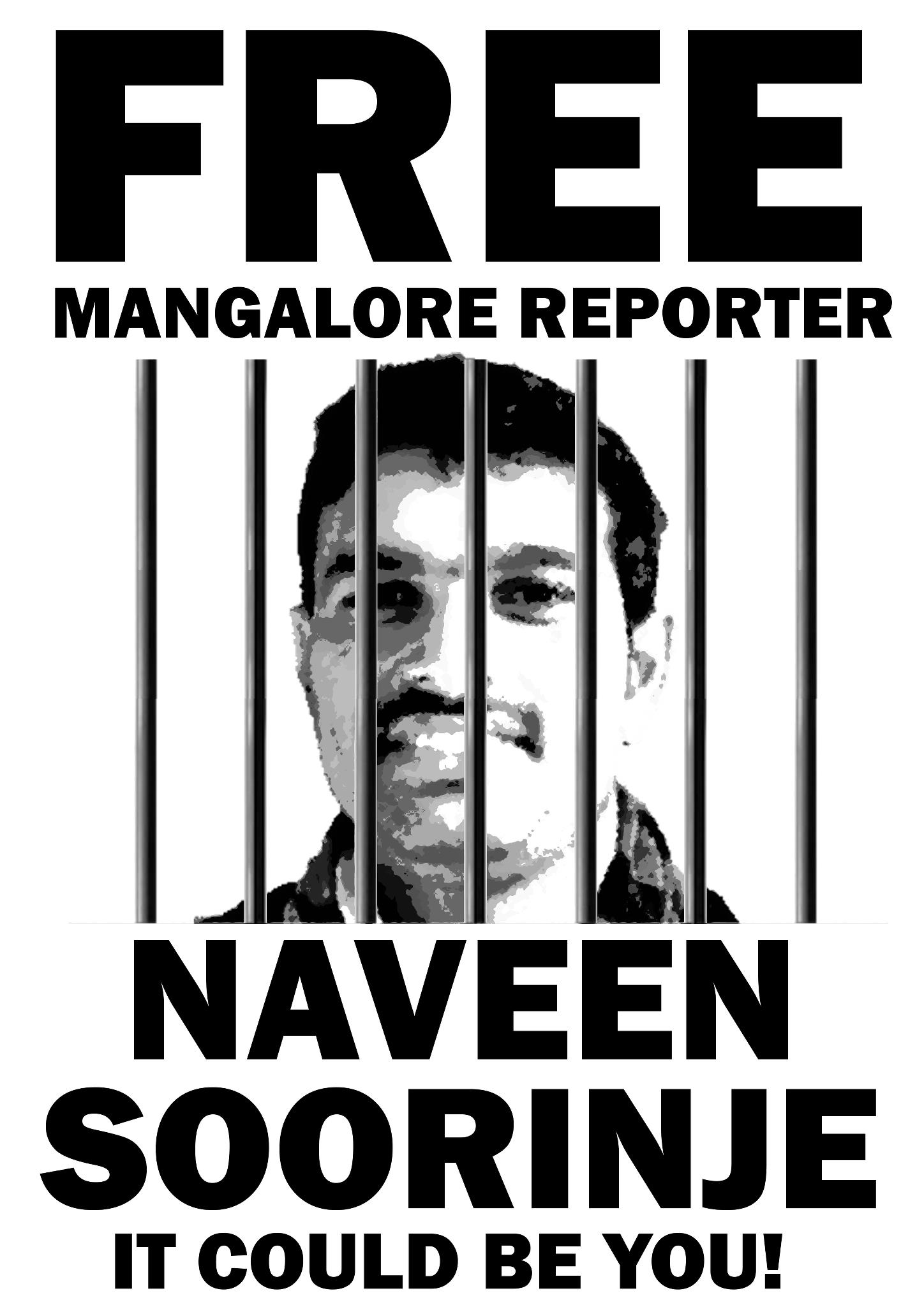
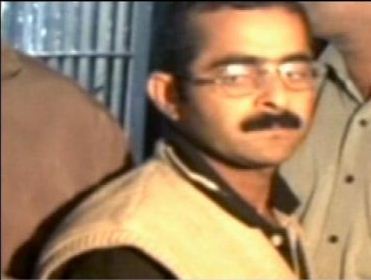
Naveen Soorinje, a district reporter with the Kannada channel Kasturi Newz 24, was arrested by the Karnataka police on 7 November 2012 for the role he played in covering the 28 July 2012 attack by Hindutva vigilantes on innocent boys and girls who were celebrating a birthday at a homestay in Mangalore. In the two months that Naveen Soorinje has been in judicial custody in Mangalore, his mental and physical health has deteriorated drastically. He was recently discharged from the jail ward of the district hospital after suffering a bout of chickenpox. Continue reading Free Naveen Soorinje
 Ironically, the random arrest of people for tweets or Facebook postings made some of us happy—happy that, at last, citizens have started showing concern about internet censorship. But lock-up gates had to clang at night on the faces of a few people before we realised that, in our pompous democracy, the might of the state is Ctrl-Alt-Deleting opinion with such serious zeal. The arrests have been made under Section 66A of the Information Technology (Amendment) Act, 2008, notified in October 2009. This section makes punishable with up to three years’ imprisonment anything that is perceived as “grossly offensive” but does not set out the parameters of how to decide on that—even if we were to believe that could at all be done. Questions about these arrests are deflected: the government blames the police, the police says a vague law is the problem, and those who file the complaints that lead to such arrests say that they are free to seek enforcement of an existing law.