
Guest post by PRONOY RAI
The serene, picturesque campus of the Indian Institute of Technology Guwahati has been witnessing some very noteworthy events in the recent past. According to reports in the popular media, a professor at the institute’s biotechnology department was accused of sending obscene text messages to his PhD student over her phone. Though the professor pleaded innocence, claiming that messages were sent from his sim card that was stolen, the local police found this hard to believe. The professor has also been accused of harassing the student during other instances on campus. Upon receiving the advice of the ‘Working Women’s Committee’ of the institute, the professor was recently suspended. This narrative constructs for us a simple, fair story of a just state-society system. A person breaks the law, and he is disciplined, as one would expect in a fair democratic society. If only that was the case.
The suspension of the professor was not immediately followed by the submission of the report, let alone the filing of complaint at the institute and with the local police. On August 13, Amingaon police in Assam arrested the professor for sending obscene text messages to a student. The arrest happened because the student had to file a FIR in order to request a telecom company to reveal the identity of the owner of the phone, from where the obscene messages being sent to her, were emanating. The delay in the inaction of the institute administration is unjustified, but perhaps not very inexplicable. Continue reading Storm in a Calm IIT Campus Over a Sexual Harassment Case: Pronoy Rai

 This is an excerpt from the introduction to the anthology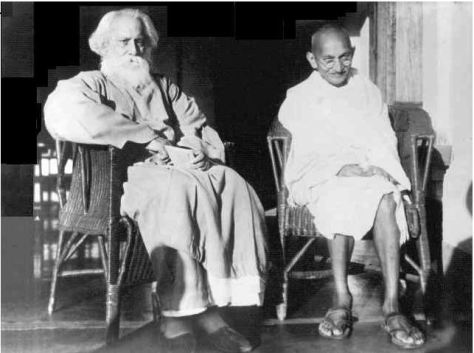
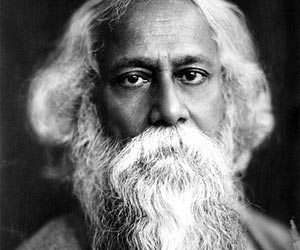 The eve of India’s 66th Independence Day is a time as good as any to read this poem by RABINDRANATH TAGORE, even as India gets ready to sing to martial tune another Tagore poem, Jana Gana Mana. This English translation was published at the end of Tagore’s 1918 book,




 KAFILA - COLLECTIVE EXPLORATIONS SINCE 2006