Category Archives: Bad ideas

A letter to Umar Khalid: Pallavi Paul

Guest Post by Pallavi Paul

Dear Umar,

My name is Pallavi Paul and like you I am a PhD student at JNU.

I write this letter to apologize to you. What thoughts must be crossing your mind and that of your family, friends and comrades- as bloodthirsty, jingoist goons are on a shameless head hunt for you and your friends. I apologize to you for the poverty of imagination of a state that brands you as anti-national, while continues to trample on the rights and bodies of those living within its borders from Pulwama to New Delhi to Hyderabad. I apologize to you that you find yourself in a society where to echo the feelings of thousands of Kashmiris, to think of yourself as first devoted to the idea of justice before any arbitrary construct of the nation, to be moved by suffering, to critique capital punishment – is considered an act of terrorism. In a beautiful post on Facebook your sister lovingly called you a “communist paagal”. I apologize to you that this current oppressive climate is too cramped for your magical madness. The imagination of a beautiful world which has place not only for sangh certified, brahminically privileged, self- affirming ‘Indian-ness’, but for everyone who has found themselves left outside of this fold- the landless, the stateless, those without the protections of caste, class, religion, gender or nation.

What a wonderful name you chose for the event on the 9th of February – Country Without A Post Office. After, one of Agha Shahid Ali’s most haunting works, which references a time in the 1990s when no letters were delivered to Kashmir. There was no way for people to talk to or hear one another. You chose to think about the punishment accorded to Afsal Guru, along with this history. Your efforts to create a conversation, a debate on what it means to take a human life, is today being branded as evidence of your anti-nationalism. I apologize to you for the amnesia and the fragile ego of this country, which is unable to revisit its history without a shred of doubt or criticality. Where the only way to serve the cause of the country is by mouthing its praises and letting it rot in its own status quo and not by bringing to it newer questions, possibilities and challenges.

Many television channels like Times Now, News X, Zee have been ruthless and vicious in trying to establish links between you and terrorist organizations like the Jaish- e- Mohammad. I am sorry that you are living in a country where your name makes it so easy for this connection to be made. While comrade Kanhaiya is still in Police Custody fighting the preposterous charge of sedition, even as I write this to you- he has at the very minimum the assurance that he will not be linked to an Islamist Terrorist Organization. You, dear Umar do not even have that. Even that you are a self proclaimed atheist is not guarantee against prejudiced links being made between the religion you were born into and your political beliefs. That you made a choice outside of religion and the various forms of violence that its fundamentalist interpretations throw up, has been drowned in the noise being whipped up by vigilante, self proclaimed ‘nationalists’.

Like every storm this too will pass. The arrogance of this regime will be its undoing. Today there is a report in the Hindu, where the Central Government has denied receiving any report linking you to terrorist outfits. It is being widely shared on social media with the hashtag #weareumarkhalid. We know that your social media account has been hacked , but be assured that many voices are also rising in your support. I do not know when or whether you will be able to read this letter, but I hope that whenever we meet we will be able to celebrate freedom, justice and the spirit of critique. The seasons will change and the breeze will blow more merrily.

Take care of yourself dear comrade, the struggle is on.

Lal Salaam!

Pallavi Paul is a filmmaker and a PhD candidate at the School of Arts and Aesthetics, Jawaharlal Nehru University.

Statement on behalf of the students, alumni and faculty of law schools against clamping down of university spaces

This is a statement signed by over 450 lawyers, law teachers and law students expressing their solidarity with JNU and Kanhaiya Kumar


We, the undersigned, as current students, alumni and professors of law universities, stand in strong opposition to the recent events which have unfolded at JNU, especially those involving the arrest of the JNUSU President, among other disproportionate measures. We strongly disapprove of the free reign given to the police to question, detain and arrest any student or faculty member for voicing their opinions.

We believe that university spaces are forums to discuss, question and debate fundamental political issues from different perspectives. University campuses are, and should be, spaces where people can peacefully voice their opinions, raise questions and disagree with each other on issues which concern us all as a part of the polity. The only way to uphold the ethics and values of safe spaces on university campuses, is to counter through dialogue and debate, not state backed violence. What a university campus cannot be is a site for stifling dissent and opinions with the threat of violence and a state backed misuse of the Indian Penal Code especially that of provisions such as sedition which were earlier used against many of our freedom fighters, those we eulogize as defenders of our “national” identity.

Continue reading Statement on behalf of the students, alumni and faculty of law schools against clamping down of university spaces

दलाल स्ट्रीट और जे. एन. यू. : अपूर्वानंद

क्या जे.एन. यू.( जवाहर लाल नेहरू विश्वविद्यालय ) दरिद्रता या दरिद्र्तावाद की दलाल स्ट्रीट है? अगर एक प्रभावशाली संपादक और एक लोकप्रिय दलित चिन्तक की मानें तो यही उसका डी.एन.ए. है. वह लोगों के आत्म- निर्भर होने के खयाल के खिलाफ है. आत्मनिर्भरता का अर्थ क्या है? क्यों सारे दलित बराबरी के लिए पूंजीवाद नामक रामबाण को नहीं अपना लेते और क्यों वे बराबरी को जितना आर्थिक, उतना ही राजनीतिक और सांस्कृतिक मसला समझते हैं, इस पर बात कभी और की जा सकती है. इस पर भी कि क्यों ऐसा मानना खराब अर्थों में मार्क्सवादी होना है. भारत के मार्क्सवादी ही नहीं अनेक उदार लोकतांत्रिक विचारों वाले लोगों को पूंजी की शक्ति पर जो भरोसा था, उससे उबारने के लिए उन्हें दया पवार , नामदेव ढसाल, कुमुद पावड़े, शरण कुमार लिम्बाले, ओमप्रकाश वाल्मीकि जैसे लेखकों को अपनी कहानी सुनानी पड़ी. वह कहानी कितनी लंबी है, यह रोज़ ऐसे लेखकों की आमद से पता चलता है जो खुद को लेखक नहीं, दलित लेखक ही कहलाना चाहते हैं. अलग-अलग भाषाओं में कही जा रही यह कहानी पाठकों को ‘एक-सी’ लगती है. इन्हें पढ़ते हुए वे ‘दुहराव’ और ‘ऊब’ की शिकायत भी करते हैं. इन आख्यानों में ‘सर्जनात्मकता और कल्पनाशीलता की कमी’ मालूम पड़ती है. लेखक के अपने विशिष्ट व्यक्तित्व के दर्शन उन्हें नहीं हो पाते.


मार्क्स की शिकायत भी पूंजीवाद से यही थी, कि वह व्यक्ति को उसके अपने ख़ास व्यक्तित्व की सर्जनात्मक सम्भावना से ही वंचित कर देता है, कि वह उसे उसके आर्थिक व्यापारों में ही शेष कर देता है. मनुष्यता का बहुलांश सांस्कृतिकता उपलब्ध ही नहीं कर पाता. मार्क्सवाद मानवता को अपनी इस इस भीषण ट्रेजेडी को समझने और फिर एक सुखांत की कल्पना करने का आह्वान करता है. इस पर बहस आगे. क्यों उस सुखांत के संधान के लिए कम्युनिस्ट पार्टियां ही काफी न थीं, इस पर भी बात होनी चाहिए. अभी तो सिर्फ इतना ही समझने की कोशिश करनी है कि जे. एन. यू. पर ऐसा हमला क्यों! क्या जे.एन. यू. उस चिर-क्षुधित और चिर-असंतुष्ट पूंजीवाद की राह में पड़ा कोई रोड़ा है जो बांधों को ऊँचा-और ऊँचा करते, नदियों को पाटते, पर्वतों को चूर-चूर करते, जंगलों को निगलते, समुन्दर और जमीन को खोदते जाने कहाँ एक अदृष्ट की ओर भागा चला जा रहा है? वह पूंजीवाद वह गुलीवर है जिसे बाँधने की कोशिश करते सारे लोग लिलिपुटियों की तरह हास्यास्पद जान पड़ते हैं? क्या जे.एन.यू. ऐसे ही लिलिपुटियों को तैयार करने का कारखाना है?

जे. एन. यू. दरिद्रता के पैरोकारों की ही जगह नहीं, यह साबित करने के लिए दीपंकर गुप्ता और इला पटनायक के नाम काफी होने चाहिए. ये नाम इसलिए कि मीडिया इन्हें जल्दी पहचान लेगा. 1050 शब्दों और आधे मिनट की बाईट की आदत जिन्हें पड़ चुकी है उन्हें गंगा ढाबा के पत्थरों की किसी समाधान पर पहुंचे बिना अगली रात के लिए मुल्तवी हो जाने वाली शहरजाद की हजार रातों से भी लंबी बहसों को सुनने की न तो फुरसत है, न शौक ही. ये बहसें बेकार का शगल हैं जो कुछ उपयोगी पैदा नहीं करतीं. और मार्क्स भी दरअसल तलबगार है शौक का जो ज़रूरतों के बंधन से इंसान को आज़ाद करने का एक पागल सा सपना देखता है.

सारी ज़रूरतों के ऊपर एक ज़रूरत होती है संग-साथ की. नौजवान मार्क्स जे.एन.यू. के तालिबे-इल्मों के लिए लिखता मालूम पड़ता है, “ जब कम्युनिस्ट कामगार आपस में मिलते हैं, तो उनका फौरी मकसद होता है, प्रशिक्षण, प्रचार, वगैरह. लेकिन उसी पल वे एक नई ज़रुरत की भी ईजाद करते है, समाज की ज़रुरत की, और जो साधन मालूम पड़ता है, वह लक्ष्य में तब्दील हो जाता है. यह व्यावहारिक परिवर्तन सबसे ज़्यादा उजागर है फ्रांसीसी समाजवादी कामगारों के जमावड़ों में. तंबाकू,खाना और पीना,आदि अब लोगों के बीच रिश्ते बनाने का जरिया नहीं रह जाते हैं. संग-साथ, गप-शप, जिनकी मंजिल समाजियत है, उनके लिए अपने आप में काफी हैं. भाईचारा कोई नारा नहीं है, एक सचाई है, और इंसान की उदात्तता की चमक( रौशनी) उनके श्रम-जर्जर शरीरों से फूटती है.”जे.एन. यू. की रूह क्लासरूमों में नहीं बसती. वह जीवनानंद दास की चील की तरह खुले आसमानों में परवाज भरती है और अरावली की चट्टानों पर दम लेने को उतरती है. इंसान के तसव्वुर से जाने कितना पहले से पृथ्वी के पृथ्वी की शक्ल लेने की गवाह ये चट्टानें क्या निर्विकार रह पाती होंगी जब इन इंसानी सूरतों को कुछ फानी मसलों पर यों बहस करते सुनती होंगीं,मानो उन्हीं में सारी कायनात की मुश्किलों का हल छिपा है ? इन पाषाण-खंडों की तरह ही ये बहसें भी चिरंतन जान पड़ती हैं और उतनी ही बेकार.

छात्र संघ का चुनाव है और दो छात्र दल चुनावी तालमेल की बात करते हैं.दोनों ही वामपंथी हैं और मार्क्स को अपना आदि गुरु मानते हैं. तालमेल के लिए कुछ मुद्दों पर सहमति आवश्यक है. जे. एन. यू. की परिपाटी के मुताबिक़ रात को मीटिंग तय पाई जाती है. जब दोनों मिलते हैं तो एक का नेता दूसरे से पूछता है, “ तो पहले इसकी सफाई हो जाए कि आपकी नज़र में भारतीय राज्य का चरित्र क्या है?” बहस रात भर चलती है और पौ फटने तक बेनतीजा रहती है. समझौता नहीं हो पाता और दोनों अलग-अलग चुनाव लड़ने का फैसला करते हैं.

भारतीय राज्य के चरित्र से एक विश्वविद्यालय के छात्र संघ के चुनाव का रिश्ता? या इराक पर अमरीकी हमले या चीन के थ्येन आन मन चौक काण्ड के बारे में किसी की राय का छात्र संघ का अध्यक्ष या सचिव बनने या न बनने पर असर क्यों पड़ना चाहिए? यह सवाल जे. एन. यू. के ही शहर के दूसरे बड़े और कहीं पुराने विश्वविद्यालय में अचरज से पूछा जाता है और इस पर फिर हंसा भी जाता है. क्योंकि यहाँ और बाकी विश्विद्यालयों में छात्र संघ चुनाव वैसे लड़े जाते हैं जैसे उन्हें लड़ा जाना चाहिए. यह किसी ने नहीं पूछा, न लिंगदोह समिति ने और न जे.एन. यू. के छात्र संघ का चुनाव सालों तक रोक देने वाले उच्चतम न्यायालय ने, कि उनके पहले ऐसा हो सका था कि छात्र संघ का चुनाव सिर्फ हाथ लिखे पोस्टरों और छात्रों की सभाओं के बल पर साल-दर साल होता रहा, कि छात्रों के चुनाव-अधिकारी होते हुए भी बिना किसी खून-खराबे और पक्षपात के चुनाव होते रहे? चूँकि उन्होंने यह नहीं पूछा , उन्होंने जे.एन.यू. पर भी अपना सार्वभौम मॉडल थोपा,उससे सीखने की बात तो दूर रही!

यह जे. एन. यू. है जहां त्रात्स्कीवादी छात्र को सुनने भी सैकड़ों की तादाद में लोग इकट्ठा हो सकते थे. और इस भीड़ में छात्र ही नहीं अध्यापक भी हो सकते थे. यहाँ छात्र नेताओं को दास कैपिटल के हवाले देते सुना जा सकता था. और अगली सुबह दास कैपिटल से उद्धरण निकाल कर पोस्टरों पर यह भी साबित किया जाता था कि गई रात भाषण में मार्क्स को गलत पेश किया गया था.

जे. एन. यू. ने बनने के साथ ही दाखिले के लिए जो प्रक्रिया अपनाई उसने मुमकिन किया कि समाज के सबसे पिछड़े तबकों , सबसे पिछड़े इलाकों के नौजवान उच्च शिक्षा के ‘अभिजात’ अनुभव में साझेदारी करने आएँ. और इसलिए जब इस प्रक्रिया से छेड़छाड़ की कोशिश हुई तो जे. एन. यू. के छात्र लड़े. यह भी जे. एन. यू. में ही हो सकता था, और शुरू में ही कि लड़के और लडकियों के हॉस्टल मिले हुए हों और वे अजूबों की तरह एक दूसरे से न मिलें. ध्यान रहे कि इन छात्रों में ज़्यादातर वे थे जो ‘पिछड़े’ राज्यों से आए थे, जहां सामाजिक मेल जोल में यौन-संकोच अधिक है. फिर भी जे. एन. यू. में लड़कियों के साथ बदतमीजी की खबर शायद ही सुनी गई. एक छात्र ने ध्यान दिलाया , ये घटनाएं तब होना शुरू हुईं, जब छात्र संघ ठप्प पड़ गया था क्योंकि चुनाव रोक दिए गए थे.

स्वागत, यारबाशी जे. एन. यू. के डी. एन. ए. में हैं. जब बिहार से उदास होकर चंद्रशेखर दिल्ली आया तो जे. एन. यू. के पूर्वांचल और महानदी के कमरों ने उसका स्वागत किया. न सिर्फ उसके किशोर भैया ने, जयंत, नीरज लाभ ने भी. और बाद में न जाने कितने छात्रों ने उसे,जो जे.एन.यू.का छात्र नहीं था,इत्मीनान दिया. यह तो बाद की बात थी कि वह जे. एन. यू. का सबसे लाड़ला छात्र संघ अध्यक्ष बना.

जे. एन. यू. सिर्फ जे. एन. यू. में नहीं है. वह उनकी कोई न थी, जिसके साथ दिल्ली की सडकों पर दिसम्बर की एक रात बलात्कार किया गया, फिर भी जे. एन. यू. के छात्र निकल पड़े और राष्ट्रपति भवन का द्वार उन्होंने झकझोर डाला. दिल्ली इन नौजवानों के क्रोध से जगी और पहचानना मुश्किल हो गया कि इनमें कौन जे. एन. यू. है और कौन शहर. रवीन्द्रनाथ ठाकुर ने एक ऐसे विश्वविद्यालय की कल्पना की थी जो चहारदीवारी में घिरा न हो. उसका सबसे सुंदर उदाहरण दिसंबर के वे दिन और रातें थीं जब जे. एन. यू. शहर के बीचोंबीच आ गया. तभी यह भी हुआ कि जे. एन. यू . के नौजवानों ने पुकारा और शहर उसके पास गया, मुनीरका की गलियों में युवा कदमों से कदम मिलाने की कोशिश करता हुआ, मुक्तिबोध के शब्दों में पश्चातपद. शहर को इसका इत्मीनान है कि वह जब पुकारेगा, कोई सुने न सुने, जे. एन. यू. उसे सुनेगा. इस भरोसे के आगे किसी विश्वविद्यालय को क्या चाहिए?

Break Down the Barriers: Reading Robin T, Bhimrao and the Nation State in JNU

Jai Bhim, Joy Guru, Lal Salaam

Two of the greatest, crazies, most beautiful minds produced by the Indian subcontinent in the Twentieth Century would have been arrested by the police and attacked by the RSS, as ‘Anti-Nationals’, perhaps rightly so, had they been alive today.After all, they never stopped being young.


The Young Ambedkar
The Young Ambedkar

One of them was tall, you know him – the big guy, with  glasses, always dressed to the nines, (no itchy khadi or scratchy khaki would do for him) .

995
The Young Tagore

The other had long hair and a beard, and even became a contemporary artist in his old age.

The cops, or thugs-in-law of the RSS might even have said “saala JNU ka lagta hai” (looks like this ***** is from JNU).

So, here they are – Bhimrao Ambedkar (Baba Saheb), and Rabindranath Tagore.

Once again, Jai Bhim, Joy Guru. And pass the ammunition.

Continue reading Break Down the Barriers: Reading Robin T, Bhimrao and the Nation State in JNU

Statement of Solidarity with Student Protests in India : Students of the University of Chicago

We, the undersigned, strongly condemn the arbitrary, unconstitutional, and anti-democratic actions of the BJP/RSS/ABVP/Delhi Police continuum at the Jawaharlal Nehru University (JNU) campus. We demand an immediate end to all police action on campus, a withdrawal of all frivolous charges against the President of JNU Students’ Union, Kanhaiya Kumar, and other students, as well as an end to the campaign of harassment and intimidation against students at the university. Continue reading Statement of Solidarity with Student Protests in India : Students of the University of Chicago

Statements of Solidarity For JNU From Various Quarters

We at Kafila have been receiving amazing statements of solidarity with JNU and its elected students’ President Kanhaiya Kumar over the past three days. We are posting them below, along with affiliations: South Asia University (teachers and students); Grinnell College, USA, Ambedkar University Delhi Faculty Association, Democratic Teachers Network, Hyderabad, and over a hundred students from Department of English, Delhi University.


STUDENTS OF SOUTH ASIA UNIVERSITY

We, the students of South Asian University, New Delhi (comprising of students from eight SAARC nations – Afghanistan, Bangladesh, Bhutan, India, Maldives, Nepal, Pakistan and Sri Lanka) strongly oppose the idea that one’s nationalism be defined in terms of hatred towards another nation (for example, Indian nationalism be defined as hatred towards Pakistan, or vice versa). We cherish the common cultural and social heritage of the South Asian region, and shall not let any kind of jingoist nationalism being endorsed by any religious group, political party or state hinder our shared solidarity. However, in recent times, such groups and establishments have unleashed an attack on democratic and critical voices in our universities across the South Asian region, masked under religious conformity, state intervention or sometimes in the form of an act of terrorism.

Thus, we stand in complete solidarity with the student and faculty community of Jawaharlal Nehru University (JNU) in their collective struggle against the ongoing police intervention by slapping the baseless charges of sedition on many students, including the arrest of JNUSU President – Kanhaiya Kumar, and against the massive propaganda terming the JNU as ‘a den of anti-nationals’. We would like to reiterate that our collective nationalism stands responsible only to the interests of our people and our land, and not to the divisive forces which have had and are still trying to create boundaries between us.

STATEMENT OF SOLIDARITY WITH STUDENT PROTESTS IN INDIA, FROM STUDENTS, FACULTY, AND STAFF OF GRINNELL COLLEGE

Grinnell-JNU Solidarity

Continue reading Statements of Solidarity For JNU From Various Quarters

On framing JNU for an imaginary crime: Aditya Sarkar

This is a guest post by ADITYA SARKAR

JNU has entered an indefinite state of siege. Police have been swarming all over campus, raiding hostels, picking up students and interrogating them. The ABVP, predictably, have been directing them to the lairs of ‘anti-national elements’. When immense demonstrations of public solidarity with the accused students were organized, ABVP activists have attacked these, in one case mounting a violent physical assault on a visiting speaker. The JNU administration has gone to the extent of cutting off the power supply to the microphones used at a protest meeting. At Patiala House on Monday the 15th of February, the BJP’s MLAs and what appear to be a group of lawyers have assaulted JNU students, faculty and supporters in full view of the police, with what can only be regarded as smug impunity. More than one observer has remarked that this is the Emergency all over again.

It is clear that the arrayed forces of the central government are pitted against a campus which has long been an object of hatred for the Right. There’s no telling how matters will develop in the days and weeks to come. So it might be necessary to step back a bit and consider the sequence of events that led to the current situation.

In the past month, JNU students organized a protest meeting which raised the issue of Kashmiri rights, and drew attention – just as Rohith Vemula’s protest in Hyderabad had done – to the execution of Afzal Guru in 2013. Since the mainstream news outlets systematically censor any attempt to reopen that extremely murky case, it’s worth reminding ourselves of precisely why the execution was so controversial. The terrorist attack on Parliament in December 2001 produced a police investigation on which serious doubt was cast from the beginning. Afzal Guru’s laptop and mobile phone, key pieces of evidence, had not been sealed prior to investigation. One of the other accused in the case, a Delhi University lecturer (who was later emphatically acquitted) was viciously framed by Zee News, which used the police charge-sheet to make a documentary ‘establishing’ his guilt. The court proceedings were even more revealing. The Supreme Court admitted that there was no hard evidence to conclusively establish Afzal Guru’s involvement in criminal conspiracy. But these admissions were merely qualifications to what was perhaps the most extraordinary decision in the history of the judiciary in independent India. Afzal Guru was eventually hanged in 2013 on the basis that only this would appease ‘the collective conscience of the nation society’.

Continue reading On framing JNU for an imaginary crime: Aditya Sarkar

Some thoughts on love in times of hate – from a JNU student : Pallavi Paul

Guest Post by Pallavi Paul

As I comb through the deluge of responses and opinions  that have been circulating on television, social media, newspapers and conversations  over the arrest of JNUSU president Kanhaiya Kumar, there is one particular fear that sticks out repeatedly. The fear  of JNU being a ‘transformative’ space. Where young and innocent minds are changed. The question that follows then is- changed into what? Even as we see ABVP students vociferously defending police action on all media platforms, the Sanskrit department continuing with classes in spite of the call for strike in support of Kanhaiya and faculty members like Hari Ram Mishra (CSS) issuing media statements against the student agitation currently underway- the simple formula that JNU transforms its students into ‘anti-national’ elements (going by the current interpretation of the term) begins to appear erroneous. In addition to having a culture of critical thinking, debate, questioning and radical left politics – JNU has also had an equally dynamic history of Hindutva and Brahaminical politics. For every protest on Afsal Guru there is a Guru Dakhshina Karyakram, for every Sitaram Yechury addressing students there is an Ashok Singhal (who visited the campus in 2002 even amidst intense protests). This fear then, if seen clearly begins to appear more and more abstract. It bases itself on a ‘sense’ of the campus- rather than its actual political fiber. Infact if one hears carefully it is the larger fear of things changing, things changing irreversibly.

Continue reading Some thoughts on love in times of hate – from a JNU student : Pallavi Paul

JNU Bashing is an old pastime, but things just got much, much worse

In light of the glorious vigilantism being witnessed today, in which the lumpen lawyers at Patiala House are joining hands with Guardian of the Nation Horn-nob Go-Swamy on primetime TV A few years ago, finding myself in a heated but very enjoyable argument on why women change their surnames after marriage, somebody yelled from across the room, “What has JNU done to you?!”

I wasn’t surprised, only annoyed. Reducing my entire biography and political beliefs to an institution I attended once upon a time is a favourite pastime in India, when that institution happens to be JNU. I could have explained to the genius who shouted this that if I do have political opinions, neither were they surgically implanted in me at JNU nor will they wither away like the bourgeois state in Marxism if JNU ceases to exist. I should have been grateful that the JNU-phobia was posed through the formal courtesy of a query. Usually, it takes the form of a statement, “You JNU folk are all lunatics!”

In family settings, JNU-bashing is the preferred insult to shut down an argument, “It’s the JNU in you speaking!” At seminars, a question or a paper can be made illegitimate with the simple investigative exercise of determining if you’re from ‘a particular institution with a particular ideology’. Of course, the person asking the question has miraculously escaped institutions and ideology, remaining gloriously neutral in this fractured world.

Continue reading JNU Bashing is an old pastime, but things just got much, much worse

The Tendency of the Price of Young Life to Fall and the Hope that it May Rise

The war on young people continues. In this post we will only consider it’s arithmetic. Not even its algebra, simply its arithmetic.

I am prompted to do this by a strange acoustic co-incidence. While standing as part of a cordon of faculty and friends protecting the students of JNU on the public meeting on the 13th of April from a handful of ABVP activists who liked invoking blood and bullets in their slogans, I head one that stayed with me, and made me revisit a question that often bothers me.

lance-naik-hanumanthappa

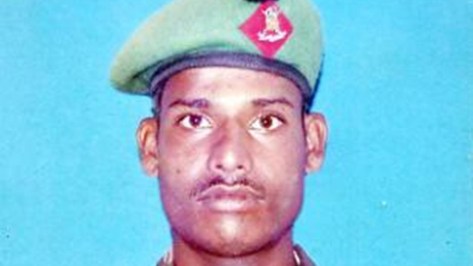
This was the slogan ‘Hanumanthappa hum sharminda hain, tere qatil zinda hain’. (‘Hanumanthappa we are ashamed, your murders are still alive’ ). Lance Naik Hanumanthappa, as we all know now, was a thirty two year old soldier of the Indian army who survived six days under an avalanche on the Siachen Glacier in Kashmir and then died of multiple organ failure in a Delhi military hospital. His young body must have had a tremendous and a passionate yearning for life. Sometimes I think of what a fine father or husband or lover or friend a man who loved life so must have been, could have continued to have been.

Continue reading The Tendency of the Price of Young Life to Fall and the Hope that it May Rise

Who’s Afraid of JNU? Or, The Sedition That Wasn’t: Sania Hashmi

This is a guest post by SANIA HASHMI

JNU Sedition

Over the past couple of days, Zee News has been declaring to the world that Lance Naik Hanumanthappa died because he’d rather not breathe the same air as we at JNU do. That this statement is the worst possible trivialisation of a martyr’s death which is being exploited for petty sensationalism by our own version of the fourth estate is a separate issue, too nerve-wracking to be given precedence over the tragedy that unfolded in our campus yesterday with the arrest of our democratically-elected President Kanhaiya Kumar. A Zee News screen grab showed the word ‘Deshdrohi’ in 72-pt screeching yellow font pasted across Kanhaiya’s unsuspecting face. What was his fault? As an eyewitness from ground zero who was present at Sabarmati at the time of the protest, let me begin by answering the obvious questions that despite the numerous clarifications on part of the students and the JNUSU on social media and elsewhere are meeting deaf ears. It is interesting how despite being told that the Students Union and the student body in general had nothing to do with it and have in no uncertain terms condemned any alleged slogan against our country, the trolls are still putting decibels to shame with the very same questions. And no, I am not just talking about Nupur Sharma. So yes, let me begin by putting a few things on record in respect of Kanhaiya’s arrest. Did Kanhaiya organise the event? NO. Did he raise anti-India slogans? NO. Did he hail Pakistan? NO. Did he intervene to prevent ABVP-instigated violence in his capacity as the President? YES. Has he been vocal against the brahmanical tyranny of the RSS? YES. Has he been tirelessly fighting for the Rohith Vemulas of this world? YES. Has he been a torchbearer for students’ rights across the country? YES. Is this why you have arrested him? Is this your justice? If this struggle for a just society is anti-national in your eyes, we all plead guilty! If this is your witch-hunt for people who cannot conform to your ideological blinkers, we all plead guilty! If we must be party to the violent hooliganism of the ABVP in order to be called patriotic, rest assured, we all plead guilty!

WATCH KANHAIYA KUMAR’S SPEECH HOURS BEFORE HIS ARREST TO SEE WHAT THE GOVERNMENT OF INDIA CONSIDERS ANTI-NATIONAL. Clearly, Kumar’s fault was that he said in this speech that he doesn’t need the RSS’s certificate to be called a nationalist.

Continue reading Who’s Afraid of JNU? Or, The Sedition That Wasn’t: Sania Hashmi

Massive Turnout at JNU Protest Meeting

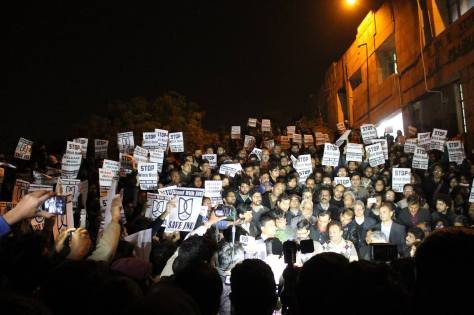
Even as the  government and the new JNU administration under the hand-picked  new Vice Chancellor step up their witch-hunt, the waves of protest grow stronger with a massive turnout at the admin block this evening. Despite the administration withdrawing at the last minute, permission to use mikes,…more and more students and teachers stand up to be counted. The will to fight grows stronger!

Protest meeting JNU
Protest Meeting in JNU outside the administration block. Image courtesy India Resists


Compilation of Resources on Sedition Law

Given that there is considerable debate on sedition right now, and how woefully off some of the reporting and comments on the ongoing JNU case has been, thought it may be useful to compile a set of existing resources to help anyone writing or commenting on the issue.
This is a compilation of resources on various facets of sedition law in India. I have provided a link with a very short summary of what the article/monographs say, and they contain very detailed historical and legal overviews,  highly recommended for anyone writing on sedition and looking for material.

Continue reading Compilation of Resources on Sedition Law

Statement by Educators, Intellectuals, Artists and Writers on Police Action in JNU

We, the undersigned, (educators, professors, intellectuals, writers and artists), are shocked by the appalling conduct of Delhi Police at Jawaharlal Nehru University in New Delhi yesterday. We also condemn the irresponsible sloganeering by some people at the fringes of a gathering on the JNU campus to mark the third anniversary of the execution of Afzal Guru. We believe that such calls to ‘war, until the destruction of India’ erode the gravity of any serious discussion on any political question, be it capital punishment, human rights or even the question of self-determination. Such conduct is shameful, regardless of who does it, and deserving of the sharpest criticism.

That said, the only way to counter such incidents, when they occur, is through a deepening of dialogue, not through police action. The police has no business to enter places of learning and harass students (including students who were clearly trying to defuse the situation and to take a stand against the irresponsible elements who gave the objectionable slogans) when there had been no breach of peace.

We condemn the arrest of Kanhaiyya Kumar, president of the Jawaharlal Nehru University Students Union on trumped up charges of sedition and demand that he be released immediately. Kanhaiyya’s public statements, which are widely available, clearly show that sedition is the last thing that you can charge him with. The University Authorities must take steps to ensure that the witch hunt that is ensuing against other students must also cease immediately. We demand that there be no more arrests of students. We are saddened by the new JNU Vice Chancellor’s readiness to submit to the diktats of the police, and we condemn the totally outrageous statements by the Union Home Minister Rajnath Singh, and the Minister for Human Resources Development Smriti Irani which virtually declare war on universities as spaces for dissent and debate.

We demand an unconditional withdrawal of police personnel from campuses, and reiterate our support and solidarity with the students, faculty and staff of JNU, and with students everywhere in India who are pursuing a courageous resistance against the ongoing assault on higher education unleashed by the BJP government.

Aditya Nigam, Professor, Centre for the Study of Developing Societies, Delhi

Ashis Nandy, Distinguished Fellow, Centre for the Study of Developing Societies, Delhi

Bharti Kher, Artist, Delhi

Debjani Sengupta, Associate Professor, Department of English, Indraprastha College, Delhi University

Gauri Gill, Artist, Delhi

Gayatri Sinha, Curator, Delhi

Geeta Kapur, Curator, Delhi

Iram Ghufran, Filmmaker, Delhi

Jeet Thayil, Poet, Delhi

K. Satchidanandan, Poet, Delhi

Karen Gabriel, Department of English, St. Stephen’s College, Delhi University

Lawrence Liang, Alternative Law Forum, Bangaluru

Moinak Biswas, Professor, Department of Film Studies, Jadavpur University, Kolkata

Nancy Adajania, Curator, Mumbai

Nandini Datta, Associate Professor, Miranda House, Delhi University

Neha Choksi, Artist, Mumbai

Nivedita Menon, Professor, Centre for Comparative Politics & Political Theory, School of International Studies, Jawaharlal Nehru University, Delhi

P.K.Vijayan, Department of English, St. Stephen’s College, Delhi University

Pallavi Paul, Artist/Filmmaker, Delhi

Parnal Chirmuley, Associate Professor, Centre of German Studies, School of Language, Literature and Culture Studies, Jawaharlal Nehru University, Delhi

Pratiksha Baxi, Associate Professor, Centre for the Study of Law and Governance, Jawaharlal Nehru University, Delhi

Rajarshi Dasgupta, Assistant Professor, Centre for Political Studies, Jawaharlal Nehru University, Delhi

Rajeev Bhargava, Professor, Centre for the Study of Developing Societies, Delhi

Ravi Sundaram, Professor, Centre for the Study of Developing Societies, Delhi

Ravi Vasudevan, Professor, Centre for the Study of Developing Societies, Delhi

Romila Thapar, Historian, Emeritus Professor, Jawharalal Nehru University

S. Kalidas, Critic, Delhi / Goa

Sahej Rehal, Artist, Mumbai

Sabina Kidwai, Associate Professor, AJ Kidwai Mass Communication Research Centre, Jamia Millia Islamia, Delhi

Sabeena Gadihoke, Associate Professor, AJ Kidwai Mass Communication Research Centre, Jamia Millia Islamia, Delhi

Sanjay Kak, Filmmaker, Delhi

Sarnath Banerjee, Artist, Delhi / Berlin

Saumyajit Bhattacharya, Associate Professor, Department of Economics, Kirori Mal College, University of Delhi

Sibaji Bandyopadhyay, Fellow, Centre for the Studies of Social Sciences, Kolkata

Shohini Ghosh, Professor, AJ Kidwai Mass Communication Research Centre, Jamia Millia Islamia, Delhi

Shuddhabrata Sengupta, Artist, Raqs Media Collective, Delhi

Subodh Gupta, Artist, Delhi

Sumit Sarkar, Historian, Formerly Professor, Department of History, Delhi University

Tanika Sarkar, Historian, Formerly Professor, Centre for Historical Studies, Jawaharlal Nehru University, Delhi

Vivan Sundaram, Artist, Delhi


PLEASE SIGN AND SHARE WIDELY BY VISITING THIS PETITION PAGE ON CHANGE.ORG

ചിത്രലേഖയുടെ സമരം – ഒരു ഓർമ്മപ്പെടുത്തൽ കൂടി


“ആ ചിത്രലേഖയ്ക്ക് ഇനിയും സമരം ചെയ്ത് കൊതി തീർന്നില്ലേ,” കഴിഞ്ഞ ദിവസം ഒരു പരിചയക്കാരൻ എന്നോട് ചോദിച്ചു. “അവർക്ക് പൊതുജനശ്രദ്ധയോട് അഡിക്ഷനാണ്, അയാൾ തുടർന്നു. ആവശ്യം ചില്ലറയല്ല – സ്ഥലവും വീടും. ഇങ്ങനെ നാട്ടിലെല്ലാവരും തുടങ്ങിയാൽ സ്ഥിതി കഷ്ടമാകുമല്ലോ.” Continue reading ചിത്രലേഖയുടെ സമരം – ഒരു ഓർമ്മപ്പെടുത്തൽ കൂടി

JNUSU Statement on the Police Action and ABVP slander in JNU: JNUSU

Guest Post by Kanhaiya Kumar, Shehla Rashid Shora and Rama Naga, office bearers, JNUSU

We, the office-bearers of JNUSU, are appalled at the way an uproar has been created over the 9th February incident that happened in JNU and the way the entire incident is being used to malign JNU students and the democratic traditions of JNU.

At the outset, we condemn the divisive slogans (‘bharat ke tukde honge hazar’) that were raised by some people on that day. It is important to note that the slogans were not raised by members of Left organizations or JNU students. In fact, when such sloganeering took place, it was the Left-progressive organizations and students, including JNUSU office-bearers who asked the organizers of the programme to ask the people who were raising the slogans to stop slogans that are regressive. The divisive slogans and the ideology behind it has never been a part of the progressive tradition that JNU and the JNUSU uphold. On the contrary, the unity of the people of different parts of the country in challenging divisive, authoritarian, anti-people and anti-student forces is what we stand with and look up to. Even in the recent times, the JNU student community and the JNUSU have joined nation-wide students’ voice to defend the country against casteist and authoritarian power lobbies. The Left-progressive organizations were present at the programme only to ensure that no violence takes place, as ABVP had called in hooligans from DU to disrupt the program and the general atmosphere in the campus. And so, to interpret our presence as endorsement of some divisive slogans which were raised by some (and was protested and stopped) is extremely mischievous and manipulative. Continue reading JNUSU Statement on the Police Action and ABVP slander in JNU: JNUSU

CPDR Condemns Arrests of JNUSU President and Delhi University Professor under Sedition Charges : Anand Teltumbde

Guest Post by Anand Teltumbde

CPDR condemns the arrests of Kanhaiya Kumar, president of the Jawaharlal Nehru University Students Union (JNSU) and Prof SAR Gilani of Delhi University by the Delhi Police today (12 February 2016) at the behest of the Home Minister Rajnath Singh on charges of sedition and criminal conspiracy for holding a protest demonstration on February 9th against the judicial hanging of Afzal Guru, three years ago.

The BJP Government is completely exposed in using the state power in support of its student’s wing- Akhil Bharatiya Vidyarthi Parishad, which was totally isolated in the campuses all over the country in the flare up over the institutional killing of Rohith Vemula. Instead of learning a lesson from this episode, it has chosen to use its fascist fangs in suppressing the democratic activities of students in university campuses.

CPDR does not hold any brief for those who indulge in anti-national activities but certainly objects to gross misuse of this label to suppress democratic rights of the students. In view of the fact that the hangings of both Afzal Guru as well as Yakub Memon have not been beyond controversy, the students’ questioning them cannot be termed sedition or anti-national activity. It is the same fascist definition of anti-nationalism that had prompted the Hyderabad University administration to clumsily punish the five Dalit students which led to one of them, Rohith Vemula, committing suicide. In both, the sinister role of ABVP and BJP in making the university administrations to crawl and police to terrorize the non-ABVP students is completely exposed.

The higher education campuses are not factories to produce inert charge to feed corporate mills. They are fundamentally expected to shape future thought leaders of the country endowed with critical faculties for sustenance of democracy. Analyzing, reviewing, criticizing, protesting, agitating and being alive to issues of national life are an integral part of this process. It cannot be suppressed by labeling it sedition or anti-national activity. Exercising checks on the Government is the right of people that is subsumed in democracy and cannot be subverted by such sentimental ploys. The students who partake in such activities must rather be respected for their concern for the future of the country than those who opportunistically choose to be on the side of the state and exhibit their pseudo patriotism. It is sad that the so called nationalists who blame every evil to colonial powers shamelessly cling to colonial provisions of sedition and other such draconian acts to terrorize people.

In the light of the above, CPDR demands immediate release of both the JNUSU President, Kanhaiya Kumar and Prof S. A. R Geelani and quashing of Sedition charges against them and unknown persons.

Dr Anand Teltumbde

General Secretary, CPDR, Maharashtra

12 February 2016

Restore Normalcy in JNU, Release All Detained Students, Delhi Police Quit JNU

12716438_10153221773131150_2421721007167708352_o
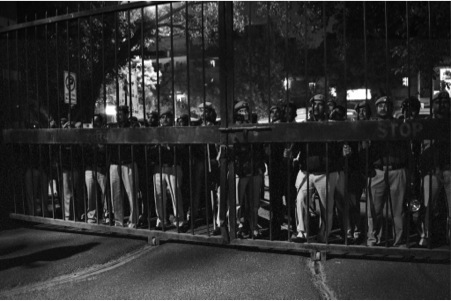
Students, Professors and Staff of JNU Stand Together in Protest on February 12, 2016 against the Police Action on Campus and the Assault on JNU by ABVP-BJP

In an unprecedented and draconian move, Delhi Police personnel entered the precincts of Jawaharlal Nehru University in Delhi yesterday afternoon, and began a search operation based on malicious complaints against ‘unnamed persons’ filed by a Delhi BJP leader in response to an event titled – ‘Country Without a Post Office’ – organized by some students to commemorate and protest against the execution of Afzal Guru on February 9th.

Continue reading Restore Normalcy in JNU, Release All Detained Students, Delhi Police Quit JNU

Arrest of Kanhaiya Kumar : A Short Summary of the law of Sedition in India

News reports are indicating that an FIR has been registered with respect to a public meeting organized on the JNU campus on the evening of 9th February. These reports claim that the meeting was about the hanging of Afzal Guru, and it is alleged that during its course, some people raised incendiary slogans. According to reports, the FIR has been registered under Section 124A of the Indian Penal Code (sedition), and the Police have already arrested one person.

It is important to note that under the Indian law of sedition, the events at the public meeting, even if completely true, do not even come close to establishing an offence. In Kedar Nath Singh’s Case, 5 judges of the Supreme Court – a Constitution bench – made it clear that allegedly seditious speech and expression may be punished only if the speech is an ‘incitement’ to ‘violence’, or ‘public disorder’. Subsequent cases have further clarified the meaning of this phrase. In Indra Das v State of Assam and Arup Bhuyan v State of Assam, the Supreme Court unambiguously stated that only speech that amounts to “incitement to imminent lawless action” can be criminalized. In Shreya Singhal v Union of India, the famous 66A judgment, the Supreme Court drew a clear distinction between “advocacy” and “incitement”, stating that only the latter could be punished.


Continue reading Arrest of Kanhaiya Kumar : A Short Summary of the law of Sedition in India

Tibetan Artists Silenced at Dhaka Art Summit: Ahmad Ibrahim

This is a guest post by AHMAD IBRAHIM

20160207_200806
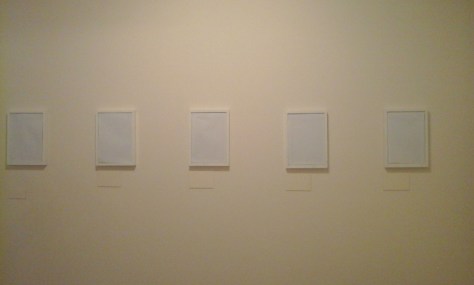
These pictures, which depict blank walls, are symbolic of the attack. Pictures of the original art cannot be shared due to copyright issues.

On the 7th of February, Tibetan artist Nortse and Indian artists Ritu Sarin and Tenzing Sonam had their photographs and art installations removed at the behest of the Chinese ambassador to Dhaka from the Dhaka Art Summit taking place in Shilpakala Academy in the capital of Bangladesh. The art project by Nortse was titled Prayer Wheel, Big Brother and Automan (2007) which showed the artist don traditional Tibetan clothes along with modern objects to show the surveillance that marks their lives. .Ritu Sarin and Tenzing Sonam produced a piece called “Last Words”, which consists of five facsmilies of five last messages written by the self-immolators in Tibet, along with their English translations. Ritu Sarin and Tenzing Sonam depicted Tibetan monks in the act of self-immolation as a way of political and religious protest against the occupation of Tibet by the Chinese government. At the end of the 6th of February, both artists were still depicted on the walls of the Art Summit. On the 7th, what greeted the visitors and patrons were blank stretches of white wall with white frames. It was as if the works had never existed. This is not the first time the Chinese government has tried to shut down political art work that aims to show the real face of Chinese occupation of Tibet. What is even more reprehensible is that it happened inside the walls of an institution that was proclaiming itself to be a haven of bold art and artistic expression. That the Chinese government could go to such lengths to silence an exhibition happening thousands of miles away shows the depth of their oppression over an entire country. Since February 2009, 142 Tibetans have self-immolated in their homeland, 120 dying from their actions.

A link to Tenzing Sonam’s twitter:

A Facebook link to a picture when the exhibit was still standing. 

Ahmad Ibrahim is a Dhaka based journalist.

If You Can’t Beat Them, Join ’em – Or, Ente Dinkeswara!

A new wave, nay, tsunami, of (THE) Faith has risen in Kerala. Soon, it will sweep the Nation.  This is the mighty thrust of Lord Dinkan, now known all over Kerala as Dinkamatam – or Dingoism.

…. Yellow, and black, and pale, and hectic red/ Pestilence-stricken multitudes: O Dinka,/ Who chariotest to their dark wintry bed ... [from ‘Ode to Dinka’ by the early Dinka devotion poet Muroidea Muridae Murinae, later stolen by Shelley and rewritten as ‘Ode to the West Wind’. Note that Dinkan,  superhero airborne rat and Shelley’s West Wind are both powers of the Air]

If you don’t believe me, visit this url:

https://www.dinkoism.com/

Now, like many others, I too was an unbeliever until I went there. One click, and I knew this was truly Faith. Market logic is nowadays the true marker of anything genuine (redefined an anything worth pursuing), and Dinkoism is unmatched in this regard. Even Amritanandamayi who successfully packages and sells all styles of Hinduism (the astrologer-obsessed style, the Saibaba-singing-style, the Sivakasi-print style, the shallow version of the Upanishadic style, the Christian-inflected Hugging-Mother style, the belligerent Hindutvavadi-style) cannot match him. Upon opening this Divine page, my eyes fell upon a notice in Malayalam which said: Mega offer before the world ends in 2012 [that needs updating, I suppose – small error; the spirit is more important] . 100 % guarantee in securing sin-free existence. Many years of service. Ridding of curses undertaken responsibly. We have no branches. Now, what further proof did I need to be convinced that this was the true Faith? Who doubts now that faith in the Logic of the Market precedes faith in faith? The Logos of Dinkan and the Logic of the Market are in perfect harmony!

Continue reading If You Can’t Beat Them, Join ’em – Or, Ente Dinkeswara!