Category Archives: Feminism

Responding to the Challenges of Blue and Red – Reminiscences of a JNU-HCU Alumna: Shipra Nigam

This is a guest post by SHIPRA NIGAM

That the past few months have been cataclysmic is an understatement. Personal tragedies and political catastrophes have exploded within our most cherished spaces, and brought a churning in them.  What was truly transformative was the experience of both the emergence of broad solidarities against right-wing fascism, and of the reminders of multiple registers and contexts within them. These underline the need for multiple conversations to understand both our common struggles, as well as the contradictions within, and to renew a resolve for introspection through them as we move towards real ‘azaadi’.

There is of course an ongoing debate on this, and here I felt that some binaries being invoked in it are not very convincing, while others brought home stark truths that pose challenges to a patriarchal, majoritarian caste hindu ordering of society, within which we are all located at different levels of hierarchy, complicity, and engagement.

I have been part of both public universities under fire right now, and the present brings home the urgency of the dual task of defending the public university as a space for pushing the boundaries of critical thought, and confronting the very hierarchies and complicities with power that shape it. This is necessary even as processes of democratisation and affirmative action take root in public institutions . So these are some reminiscences from an alumna of both these public universities who has been wrestling with articulations and complexities which lie beyond institutional labels or binaries. Continue reading Responding to the Challenges of Blue and Red – Reminiscences of a JNU-HCU Alumna: Shipra Nigam

Fifty Shades of Grey – Without the Thrills

[This is a response to Shourajenda Nath Mukherjee’s open letter on Kafila by Prof Makarand Paranjape]

Mr. Shourjendra Nath Mukherjee’s “Open Letter” of April 5, 2016 makes only one substantive point, concerning the agency of students, which needs attention. The rest of it, as the Dormouse said to Alice, is “much of a muchness” – confusion, rigmarole, and thumb-twiddling over precious little, which scarcely need be dignified by serious confutation. Continue reading Fifty Shades of Grey – Without the Thrills

Statement by feminists against R K Pachauri’s intimidation of complainants’ lawyer, Vrinda Grover

Sexual Harassment At The Workplace In India: Over-Powering Patriarchy At Work 

We, the undersigned activists and organizations of the Indian women’s movement express our outrage at the fact that R.K. Pachauri has filed a civil suit for injunction and demanded damages of Rs. 1 crore against Advocate Vrinda Grover. The attempt is to hold Ms. Grover liable in a civil suit for her efforts towards bringing official cognizance of two complaints of sexual harassment at the workplace brought against Mr. R.K. Pachauri by two of his former colleagues. Both these women have complained that they were sexually harassed at TERI by Mr. Pachauri much prior to the complainant of FIR dated 18th February 2015, in which Mr. R.K. Pachauri has now been charge-sheeted in February 2016. Alarmingly, despite the fact that Ms. Grover has sent repeated written communications to senior officers of the Delhi police informing them that her two clients would like their statements to be recorded, the police have till date not taken any steps in this regard.The very public attack on Ms. Grover is a matter of concern for all those who, like the signatories to this letter, are struggling to deliver substantive justice under the laws on sexual harassment in the workplace in India today.  Continue reading Statement by feminists against R K Pachauri’s intimidation of complainants’ lawyer, Vrinda Grover

A third woman accuses Pachauri of harassment

Yesterday, a young woman accused TERI’s Rajendra Pachauri of harassing her when she worked briefly as an intern when she was only 19 years old. When she resisted Pachauri’s advances, the woman says in her statement, her contract – originally signed for a duration of one year – was terminated in only 4 months. Here, we reproduce her statement in full – as obtained from her lawyers.

I have read the story “Rajendra Pachauri speaks out over sexual harassment claims”, published in The Guardian. I remember that in the third week of February 2015, I had read some news reports which said that an employee of TERI had filed a criminal complaint against R.K. Pachauri for sexually harassing her. On reading these news reports, I was 0% surprised. I can very much relate to what the other women wrote in her statement. When I was 19, I worked for 4 months (end of 2008) at TERI, as Pachauri’s secretary. Pachauri’s claim that his computer was hacked is totally false. From my point of view, this is right in line with his character, and not a case of his computer being hacked. I think it is important for me to now make my statement public so that people know the truth about Pachauri.

Here is what I recall from my time in TERI.  Continue reading A third woman accuses Pachauri of harassment

Many faces of the mother – Four voices on Bharat Mata and a quiz

Articles by SHACHI SETH, SADAN JHA, OM THANVI AND SHOAIB DANIYAL

Bharat-Mata-by-Dr.-Lal-Ratnakar-300x271

Bharat Mata by Dr Lal Ratnakar

This image is from a post by Shachi Seth on India Resists:

Are demands for ‘azadi’ from blind state worship, systems of power and exploitation, such an impediment in the identity of Bharat Mata? Is the idea of Bharat Mata not ironic, given the depth to which the roots of patriarchy infiltrate our society? Is it not ironic that the Gau Maata and Bharat Maata which must mandatorily be respected and protected are bound by ideas of selfless giving and motherhood? Is the maata really not okay with being called by other names? Does the maata get to retaliate when her rights are violated, or is she an eternal symbol of sacrifice and docility? Where does the maata go when her resources are stripped to bring about development and when other females are stripped of their dignity on a daily basis? Is this benevolent, great mother in such great need of patronizing protection from the same men that threaten it when it isn’t dressed in a tri color sari? Will the mother ask me to go to the neighbors’ place if I happen to get in an argument with her? Am I not patriotic if I criticize my nation for knowingly or unknowingly allowing exploitation of its people?

Continue reading Many faces of the mother – Four voices on Bharat Mata and a quiz

Sri Lankan Academics and Activists Condemn Vicious Campaign Against Nivedita Menon

VICIOUS CAMPAIGN AGAINST FEMINIST SCHOLAR

We, the undersigned, wish to express our shock and indignation at the vicious right wing media campaign conducted over the past few days against well-known feminist scholar and Jawaharlal Nehru University professor Nivedita Menon. This media campaign mischievously decontextualizes her lecture at the public teach-in programme in JNU with the use of selective clips and inflammatory commentary. The television channel Zee has led the main campaign by branding Professor Menon as ‘anti-national’ and instigating viewers to take action. Such branding is tantamount to a television channel acting as both judge and jury, and directly placing an individual’s rights and safety under threat. Continue reading Sri Lankan Academics and Activists Condemn Vicious Campaign Against Nivedita Menon

Academics Worldwide Against the Vilification of Nivedita Menon

[Expressions of support from scholars wanting to sign on are continuing to pour in. We will therefore be continuously adding the names as they come in and keep updating the statement. – AN] 

VICIOUS CAMPAIGN AGAINST FEMINIST SCHOLAR

We, the undersigned, wish to express our shock and indignation at the vicious right wing media campaign conducted over the past few days against well-known feminist scholar and Jawaharlal Nehru University professor Nivedita Menon. This media campaign mischievously decontextualizes her lecture at the public teach-in programme in JNU with the use of selective clips and inflammatory commentary. The television channel Zee has led the main campaign by branding Professor Menon as ‘anti-national’ and instigating viewers to take action. Such branding is tantamount to a television channel acting as both judge and jury, and directly placing an individual’s rights and safety under threat.

The use of television media to attack intellectuals and instigate vigilante action is a feature of authoritarian regimes worldwide.  Similar tendencies are visible in recent months in India. Singling out individuals and creating a mass-frenzy against them by using the medium of TV is a dangerous trend that directly incites and encourages violence. This is a deep disregard for any process of law. We saw Zee TV do this earlier when doctored videos became the basis of arrest and harassment of JNU students. In this case, Twitter and social media campaigns have followed attacks on Professor Menon, demanding the framing of sedition charges against her and wielding open threats of rape. Most disturbingly, there are media reports of police complaints filed by interested parties demanding ‘action’ against Professor Menon.

Professor Menon is a renowned scholar and feminist thinker; her texts are used in university syllabi worldwide. As a prominent scholar and activist she has intervened in academic and public debates for decades. Professor Menon has also been known as an inspiring teacher for thirty years, guiding generations of students who now work in India and abroad. She has never shied away from intellectual debate in academic and public forums, passionately intervening in debates on feminism and social theory. This is the first time that her own freedom to articulate her ideas has been so viciously attacked in an orchestrated media campaign.

The freedom to articulate ideas is the basis of a university. When opinions voiced in a public lecture by an academic are made part of a selective media campaign that seeks not to debate but simply to malign, both democracy and the university are under threat. What is under question are not just Professor Menon’s ideas but also the very freedom for academics and citizens. We condemn this media campaign and associated threats, urging all academics and intellectuals to stand with Professor Menon at this time.

We call on the Vice Chancellor of JNU to swiftly defend Professor Menon from such attacks and protect the sanctity of university debate. We urge the JNU administration to stand by its faculty’s right to hold individual opinions and condemn all efforts to diminish this. We call on the university to immediately ensure that freedoms that form its very academic basis are not eroded in this moment. We call further for every censure and action against the unlawful actions of the television channels in question. Finally, we urge all well wishers of a democratic India to stand by Professor Menon for their own freedoms, and not just hers. Continue reading Academics Worldwide Against the Vilification of Nivedita Menon

The Nation’s Orgiastic Fantasy and the Politics of ‘Nationalist’ Anger

The Mise en Scene

The Nationalist is angry. He wants to kill, maim and rape for his Mother’s honour. From the lawyer criminal who has a Rs 45 lakh fraud case against him to the extortionist television anchor – all are bellowing with rage. Another anchor, Mr Nation himself, whose publicly declared annual salary is Rs 5 crores, is suddenly choking with emotion at the death of the hapless army jawan, Hanumanthappa (who earned less than 120th of Mr Nation’s monthly salary and for whom the Nation never shed a tear till this collective arousal). Blood lust has taken over the land. In this scenario, the hysterical television anchor takes on the role of a lynch mob instigator and the cheer leader combined into one. He exhorts while the lynch-mob runs amok threatening, attacking and  demanding that all anti-nationals – students, teachers and intellectuals in general –  be shot, killed or sent to Pakistan. We have seen, as a consequence, all manner of angry nationalists offering prize money – Rs 5 lakhs for cutting Kanhaiya Kumar’s tongue and Rs 11 lakhs for killing him. More recently, he has been issued another death threat along with an ultimatum to leave Delhi by the end of March. Fellow Kafila-ite and feminist scholar Nivedita Menon has, for the last few weeks, been openly threatened with nationalist rape and more.

The Nation’s collective fantasy is orgiastic. And the current object of this collective fantasy is Jawaharlal Nehru University. Witness the BJP MLA who spends his free time (which is perhaps most of his time), not  only showering money on  dancing  girls, but even more, fantasizing about the orgy that he believes is JNU. According to The Indian Express:

In perhaps the most bizarre comments on the JNU controversy so far, BJP MLA from Ramgarh in Rajasthan’s Alwar district, Gyandev Ahuja, on Monday said that daily 50,000 pieces of bones, 3,000 used condoms, 500 used abortion injections, 10,000 cigarette “pieces”, among other things, are found at JNU, where girls and boys dance naked at cultural programmes.

Continue reading The Nation’s Orgiastic Fantasy and the Politics of ‘Nationalist’ Anger

How JNU Taught Me To Celebrate My Womanhood: Shalini Dixit

Guest Post by SHALINI DIXIT

I was an average student in JNU with not much political involvement. There are a large number of students in JNU who do not participate in protests and marches. Still it is said that ‘once in JNU always an activist’. It is because politics in JNU is more about applying your knowledge to society rather than losing our academic track. This comes to happen as a part of academic process that we go through at JNU. The readings that we do are about social structures, political happenings, historical events and economical arrangements. These readings are about things outside the campus. When we do these readings we take them seriously. We start questioning the existing realities, including the reading themselves.  Unlike most of the other universities we are encouraged to do that.

I came to JNU as a small town girl from a religious background from eastern UP. Like most of the girls from my region, I had a baggage of being a ‘good girl’ which reflected in my conduct and thought. I underwent a little bit of culture-shock but thanks to the upbringing of a ‘good girl’ ready for uncertain future, acceptance came naturally. I was in a marriage which my parents had arranged for me and later had a child. Obviously with all the rigorous academic requirements and a child to look after, singlehandedly, I always had some personal responsibility to look after. Goes without saying that since I got a campus accommodation and a 24 hours open library, despite struggling with my personal life, I could do a piece of research which was later conferred with a national award. And yes, I got all these facilities for almost free. JNU allowed me to go out of my residence during nights so that I could study when time allowed me to.  We could meet our teachers anytime, as they were on campus, available for us. All this happened mostly because of the taxpayers money  that JNU enjoys. Continue reading How JNU Taught Me To Celebrate My Womanhood: Shalini Dixit

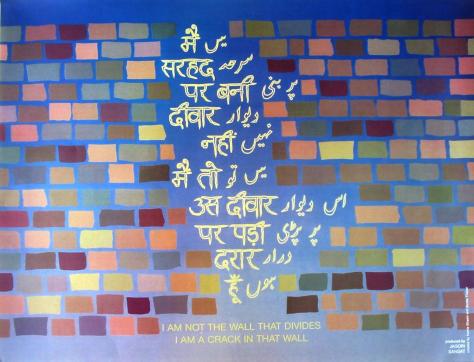
To feminist solidarities across barbed wires!

International Women’s Day greetings to feminists of all genders struggling against all forms of injustice!

Darar (1)

Poster: Words by Kamla Bhasin, poster design by Jagori

We Sinful Women

Kishwar Naheed

It is we sinful women
who are not awed by the grandeur of those who wear gowns

who don’t sell our lives
who don’t bow our heads
who don’t fold our hands together.

It is we sinful women
while those who sell the harvests of our bodies
become exalted
become distinguished
become the just princes of the material world.

It is we sinful women
who come out raising the banner of truth
up against barricades of lies on the highways
who find stories of persecution piled on each threshold
who find that tongues which could speak have been severed.

It is we sinful women.
Now, even if the night gives chase
these eyes shall not be put out.
For the wall which has been razed
don’t insist now on raising it again.

It is we sinful women
who are not awed by the grandeur of those who wear gowns

who don’t sell our bodies
who don’t bow our heads
who don’t fold our hands together.

[Translated from Urdu to English by Rukhsana Ahmed]

Kishwar Naheed is a feminist Urdu poet from Pakistan

ചിത്രലേഖയുടെ സമരം – ഒരു ഓർമ്മപ്പെടുത്തൽ കൂടി


“ആ ചിത്രലേഖയ്ക്ക് ഇനിയും സമരം ചെയ്ത് കൊതി തീർന്നില്ലേ,” കഴിഞ്ഞ ദിവസം ഒരു പരിചയക്കാരൻ എന്നോട് ചോദിച്ചു. “അവർക്ക് പൊതുജനശ്രദ്ധയോട് അഡിക്ഷനാണ്, അയാൾ തുടർന്നു. ആവശ്യം ചില്ലറയല്ല – സ്ഥലവും വീടും. ഇങ്ങനെ നാട്ടിലെല്ലാവരും തുടങ്ങിയാൽ സ്ഥിതി കഷ്ടമാകുമല്ലോ.” Continue reading ചിത്രലേഖയുടെ സമരം – ഒരു ഓർമ്മപ്പെടുത്തൽ കൂടി

We, Naked Women : P Padmarajan

[P Padmarajan passed away on 24 January, 1991. In his extraordinary and brief life, he attained the status of a living legend in Kerala. Celebrated much more as a cine director and a script-writer of some of Malayalam’s most memorable films, he was however, one of Malayalam’s finest fiction-writers. In many ways, as a writer, Padmarajan was ahead of his times; no wonder then,  he never received the recognition that he richly deserved as a writer. Continue reading We, Naked Women : P Padmarajan

Women in Sabarimala – The Untold Story: Elsa T Oommen

This is a guest post by ELSA T OOMMEN

‘For the last 20 years woman irrespective of their age were allowed to visit the temple when it opens for monthly poojas. They were not permitted to enter the temple during Mandalam, Makaravilakku and Vishu seasons’
– (S. Mahendran vs The Secretary, Travancore Devaswom Board and Ors. (1991) (8) [AIR 1993 Ker 42])

The Supreme Court of India will soon be hearing the final arguments on the question of the restriction imposed on women in the reproductive age from entering the Sabarimala temple in Kerala. The court had earlier questioned the constitutional basis of the restriction at the behest of a the public interest litigation (PIL) placed before the apex court of India by the Indian Young Lawyers Association (IYLA) where it called for allowing women of all ages to be allowed entry to the temple. Continue reading Women in Sabarimala – The Untold Story: Elsa T Oommen

മണ്ണാങ്കട്ടയും വേണ്ട, കരിയിലയും വേണ്ട: ഷഫീക്കിന് ഒരു തുറന്ന കത്ത്

പ്രിയ ഷഫീക്ക്


ഈയാഴ്ചത്തെ മാതൃഭൂമി ആഴ്ചപ്പതിപ്പു കണ്ടപ്പോൾ നിങ്ങൾക്ക് ഇങ്ങനെ ഒരു കത്ത് എഴുതണമെന്നു തോന്നി. സത്യത്തിൽ ഈ ലക്കം ആദ്യം മറിച്ചുനോക്കിയപ്പോൾ പത്രമിടുന്നയാൾക്ക് തെറ്റുപറ്റി ദേശാഭിമാനി വാരിക കൊണ്ടിട്ടോ എന്നു സംശയിച്ചു പോയി. എന്നാൽ സാവധാനം വായിച്ചപ്പോൾ ഒരു കാര്യം പിടികിട്ടി – ഈ ലക്കത്തിലെ താരം മറ്റാരുമല്ല, താങ്കൾ തന്നെ. പച്ചയ്ക്കങ്ങു പറഞ്ഞില്ലെങ്കിലും ഇന്ന് മാനവ-അമാനവസംഗമവക്താക്കൾ ഒരുപോലെ ഭയപ്പെടുന്ന വ്യക്തി ഷഫീക്കാണ്.

അത് നല്ലതോ എന്നെനിക്ക് തിട്ടമില്ല, പക്ഷേ എന്തായാലും ചീത്തയല്ല. അവിടെയും ചില പ്രധാനപ്പെട്ട വ്യത്യാസങ്ങളുണ്ട്. മാനവസംഗമപ്രവർത്തകർ നിങ്ങളുയർത്തിയ പ്രതിഷേധത്തെ മറച്ചുകളയുകയോ അമാനവരുടെ വശത്തേയ്ക്ക് പരോക്ഷമായി തള്ളുകയോ ചെയ്തപ്പോൾ അമാനവസംഗമപ്രമുഖൻ താങ്കളെ തിരിച്ചറിവു കുറഞ്ഞ ഒരു പാവമാക്കി. അഭിനന്ദനങ്ങൾ. നാം ജീവിക്കുന്ന ഈ കാലങ്ങളിൽ സർവ്വസമ്മതരാകുന്നതല്ല രാഷ്ട്രീയസർഗ്ഗാത്മകതയുടെ ലക്ഷണം. വിഷമപ്രശ്നങ്ങൾ ഉന്നയിക്കാനുള്ള കഴിവാണ് അതിനാവശ്യം. അതുള്ളതുകൊണ്ടാണ് നിങ്ങളെ പലവിധത്തിൽ പുറന്തള്ളാൻ മാനവരും അമാനവരും ഇത്ര തിടുക്കപ്പെടുന്നത്.

എ എം ഷിനാസും എൻ പി ജോൺസണും കെ കെ ബാബുരാജും തമ്മിലുള്ള വ്യത്യാസങ്ങളെ അവഗണിക്കുന്നില്ല. ഷിനാസ് ക്രിസ്റ്റഫർ ഹിച്ചൻസിൻറെ നാടൻ പതിപ്പായാണ് ആഴ്ചപ്പതിപ്പിൽ അവതരിച്ചിരിക്കുന്നതെങ്കിൽ (ഐജാസ് അഹമ്മദ് പറഞ്ഞതുകൊണ്ടു മാത്രം ഇസ്ലാമോഫാസിസം എന്ന പദത്തിൻറെ അർത്ഥസൂചനകൾ നിരുപദ്രവകരമാകുന്നില്ല) ജോൺസൺ ഇരുപത്തിയൊന്നാം നൂറ്റാണ്ടിൻറെ സാഹചര്യങ്ങളിൽ സ്ത്രീവിമോചനദൌത്യമേറ്റെടുത്ത കേരളീയനായ പുരുഷ സാമൂഹ്യപരിഷ്ക്കർത്താവാണ്. ബാബുരാജാകട്ടെ, ഇവരുടെ ബദ്ധവൈരിയായാണ് പ്രത്യക്ഷപ്പെടുന്നത്. നിങ്ങൾ പക്ഷേ മൂന്നുപേർക്കും ഒരുപോലെ ശല്യക്കാരനാണ്.
ഈ മൂന്നു ബുദ്ധിജീവികളും ഇരുപതാം നൂറ്റാണ്ടിലെ മലയാളപുരുഷബുദ്ധിജീവിയുടെ പല സ്വഭാവങ്ങളും പ്രദർശിപ്പിക്കുന്നുവെന്നും വ്യക്തം. ഫാസിസത്തെ ഇരപിടിയൻ-ശിങ്കിടി മുതലാളിത്തത്തോടും ന്യൂനപക്ഷ മതസ്വത്വങ്ങളോടും കീഴ്ജാതിസ്വത്വങ്ങളോടും അവർക്കിഷ്ടമില്ലാത്ത മിക്കതിനോടും, കാര്യമായ സാധൂകരണമൊന്നും കൂടാതെ ബന്ധിപ്പിക്കുന്നൂ മാനവപക്ഷക്കാർ. ഈ പ്രതിഭാസങ്ങളെക്കുറിച്ച് ഇന്ന് നിലവിലുള്ള അതിബൃഹത്തായ പഠനസാഹിത്യത്തെ ആഴത്തിൽ സ്പർശിക്കാൻ മെനെക്കെടാതെ, മറുപക്ഷത്തെ ലളിതവത്കൃത കോമാളിഛായകളാക്കി താഴ്ത്തുന്നതിൽ ലേശവും മടി കാട്ടാതെ, തങ്ങളുടെ ബോദ്ധ്യങ്ങൾ വായനക്കാരുടെ മുന്നിൽ വീശിയെറിയുന്നൂ അവർ. ചുംബനസമരത്തിലെ അസൌകര്യകരമായ വിശദാംശങ്ങളെയും ശബ്ദങ്ങളെയും പച്ചയ്ക്കു തന്നെ ഒഴിവാക്കി തനിക്കുതകുന്ന വിധത്തിൽ ആ സമരത്തിൻറെ ചിത്രം ചമയ്ക്കാൻ മറ്റൊരാൾക്ക് തെല്ലും മടിയില്ല. തങ്ങളുടെ ആന്തരിക’പരിശുദ്ധി’യെ ചോദ്യം ചെയ്യാനിടയുള്ള ഒന്നിനെയും വെച്ചുപൊറുപ്പിക്കില്ലെന്ന ശാഠ്യവും ഇരുകൂട്ടരിലും ഒരുപോലെ ശക്തം തന്നെ. വളരെ തയ്യാറെടുപ്പുകളൊന്നും കൂടാതെ തങ്ങളുടെ ബൌദ്ധിക ‘ഭീരങ്കികൾ’ നിറയൊഴിച്ച് സർവ്വരേയും വിറപ്പിക്കാൻ ഇവർക്ക് കഴിയുന്നതിനു പിന്നിൽ ആ മലയാളി (ആൺ) റാഡിക്കൽ ജീനിയസ് അവബോധം തന്നയല്ലേ എന്നു സംശയിച്ചു പോകുന്നു. അത്തരം തയ്യാറെടുപ്പു നടത്തിയിരുന്നെങ്കിൽ ഫാസിസത്തെയും മതത്തെയും സ്വാതന്ത്ര്യത്തെയും അങ്ങനെ പലതിനെയും പറ്റി ഇവർ നടത്തുന്ന ലളിതപ്രസ്താവങ്ങൾ ഇവരുടെ ഉള്ളിൽത്തന്നെ ജന്മമെടുക്കില്ലായിരുന്നു. ഉദാരവാദചിന്തയുടെ ഉച്ചകോടിയിൽ പിറന്ന പിതൃമേധാവിത്വപരമായ ആശയമാണ് ‘പ്രതിഭാശാലി’ എന്നത്. ഗവേഷണപരമായ തയ്യാറെടുപ്പുകൾ കൂടാതെ (അല്ലെങ്കിൽ തങ്ങൾക്ക് സൌകര്യപ്രദമായ പഠനസാഹിത്യത്തെ മാത്രം ആശ്രയിച്ച്, മറ്റുള്ളവയെ ന്യായമായ രീതിയിൽ അഭിസംബോധന ചെയ്യാൻ കൂട്ടാക്കാതെ) ‘ഉൾ-കാഴ്ചകൾ’ തട്ടിവിടുന്ന മലയാളിപുരുഷപൊതുബുദ്ധിജീവികൾ അവലംബിക്കുന്നത് ആ പഴയ ജീനിയസ് മാതൃകയെത്തന്നെ. ലിബറലിസത്തെയും വ്യക്തിവാദത്തെയും വാതോരാതെ അപലപിക്കുന്ന ബാബുരാജു പോലും ജീനിയസ്നാട്യം ബലമായിപിടിച്ചിരിക്കുന്നതുകൊണ്ടാണ് ദലിത് ഫെമിനിസ്റ്റുകളുടെ ഇടപെടലുകളെ പരിഗണിക്കാൻ അദ്ദേഹത്തിനു കഴിയാത്തത്. രേഖാ രാജിൻറെ പേരു പോലും ഓർക്കാൻ അദ്ദേഹത്തിനു കഴിയാതെപോകുന്നതും അതുകൊണ്ടുതന്നെ.

ഹിന്ദുത്വഫാസിസത്തിൻറെ സദാചാരവും നവ ഇസ്ലാമികസദാചാരവും എല്ലാം ഒന്നുതന്നെയെന്ന് മാനവപക്ഷത്തിന് തീർച്ചയാണ്. എന്നാൽ അമാനവപക്ഷത്തു നിലയുറപ്പിച്ച ബാബുരാജ് പോലും പരോക്ഷമായി ഈ നിലപാടല്ലേ സ്വീകരിക്കുന്നതെന്ന് ഞാൻ സംശയിക്കുന്നു. ചുംബനസമരം പൊതുവേ ‘സദാചാര’ത്തിനെതിരെയായിരുന്നെന്ന് അദ്ദേഹം ശഠിക്കുന്നത് വസ്തുതാപരമായിപ്പോലും ശരിയല്ല. ലൈംഗികധാർമ്മികത അനാവശ്യമാണെന്നല്ല, മറിച്ച് ബ്രാഹ്മണഹിന്ദുത്വസദാചാരസമ്മർദ്ദത്തെ ചെറുക്കണമെന്നും കൂടുതൽ ജനാധിപത്യപരമായ രീതിയിൽ ലൈംഗികധാർമ്മികതയെ പുന:സൃഷ്ടിക്കണമെന്നുമാണ് ചുംബനസമരങ്ങൾ ആവശ്യപ്പെട്ടത്. ഏതെങ്കിലും സദാചാരം അനീതിപൂർവിവമാണെന്നു പറഞ്ഞാൽ യാതൊരുവിധ ധാർമ്മികതയും ആവശ്യമില്ല എന്ന് അർത്ഥമാകുന്നില്ല. സദാചാരത്തെ തിരുത്തിയെഴുതാൻ ചരിത്രത്തിൽ നടന്ന സമരങ്ങളെ മുഴുവൻ സദാചാരവിരുദ്ധസമരങ്ങളായി ചിത്രീകരിച്ച് വ്യവസ്ഥാപിതസദാചാരഭീതികളെ ഇളക്കിവിടുക എന്നത് പണ്ടുപണ്ടേ ഉള്ള കാരണവതന്ത്രങ്ങളിലൊന്നാണ് – അതാണ് ബാബുരാജ് പ്രയോഗിച്ചത്.എങ്കിലും സദാചാരമെന്ന് താനെന്താണ് ഉദ്ദേശിക്കുന്നതെന്ന് വ്യക്തമാക്കാൻ അദ്ദേഹം മെനക്കെടുന്നില്ല. നമുക്കറിയാം, ആ സമരം വിമർശിച്ചതു മുഴുവൻ കേരളത്തിലിന്ന് അധീശത്വം കൈയാളുന്ന ബ്രാഹ്മണസദാചാരമൂല്യവ്യവസ്ഥയെ ആണ്. എൻറെ പരിമിതമായ വായനയിൽ ഇസ്ലാമികസദാചാരത്തെ, അല്ലെങ്കിൽ ഇസ്ലാമികസദാചാരത്തിൻറെ സാദ്ധ്യതകളെ, ബ്രാഹ്മണസദാചാരമൂല്യങ്ങളിലേക്കു ചുരുക്കാൻ കഴിയില്ലെന്നാണ് കാണുന്നത്. ഉദാഹരണത്തിന് ഇസ്ലാം ലൈംഗികാനന്ദത്തെ വെറുക്കുന്നില്ല. കുടുംബകാര്യങ്ങളിൽ സ്നേഹത്തിനു കല്പിക്കുന്ന അതേ പ്രാധാന്യം നീതിയ്ക്കും കല്പിക്കുന്നു. വിവാഹത്തെ അനാവശ്യമായി പവിത്രീകരിക്കുന്നില്ല. പുരുഷാധികാരപരമായ വായനകൾക്കാണ്, അവിടെ മുൻതൂക്കമെന്ന് സമ്മതിക്കാം, പക്ഷേ ബ്രാഹ്മണസദാചാരവും എക്കാലത്തും ആവിധം തന്നെയായിരുന്നു. ബ്രാഹ്മണസദാചാരത്തിനില്ലാത്ത സാദ്ധ്യതകൾ ഇസ്ലാമികലൈംഗികധാർമ്മികതയ്ക്കുണ്ടായേക്കാം എന്നതുകൊണ്ടുതന്നെ അതിനെ ബ്രാഹ്മണസദാചാരത്തിലേക്ക് ചുരുക്കുന്നത് തീരെ ആശാസ്യമല്ല.

ഒന്നുകിൽ ബാബുരാജിന് അതു കാണാൻ താത്പര്യമില്ല; അല്ലെങ്കിൽ ഇന്ന് കേരളത്തിലെ നവ ഇസ്ലാംപക്ഷങ്ങൾ ഉന്നയിക്കുന്ന ലൈംഗികധാർമ്മികതയും ഹിന്ദുത്വ-ബ്രാഹ്മണലൈംഗികധാർമ്മികതയും മൂർത്തരൂപത്തിൽ ഒന്നുതന്നെ എന്നദ്ദേഹം സൂചിപ്പിക്കുന്നു! ഇസ്ലാംലൈംഗികാനന്ദത്തെ വെറുക്കാത്തതുകൊണ്ട് ചുംബനസമരക്കാരുന്നയിച്ച പുതിയ ലൈംഗികധാർമ്മികതയോട് അതിനാണ് (അതിൻറെ പുരുഷാധികാരവ്യാഖ്യാനങ്ങളെ കണക്കിലെടുത്താൽ പോലും) കൂടുതൽ അടുപ്പം.അത്തരം സംവാദങ്ങൾ ഉണ്ടാകാതെ ബ്രാഹ്മണസദാചാരത്തെ സംരക്ഷിച്ചുനിർത്തി എന്നതാണ് ചുംബനസമരവിരുദ്ധപ്രചരണത്തിലൂടെ ബാബുരാജ് നടത്തിയ ചരിത്രസംഭാവന. എന്തായാലും ഇക്കാര്യത്തിൽ ഈ മൂന്നു ബുദ്ധിജീവികളും പ്രത്യക്ഷമോ പരോക്ഷമോ ആയ നിലകളിൽ ഒറ്റക്കെട്ടാണ്.

ആധുനികസ്വാതന്ത്ര്യങ്ങളെ പറ്റി, വിശേഷിച്ചും ലിംഗതുല്യത, ലൈംഗികതെരെഞ്ഞെടുപ്പുകൾ എന്നിവയെപ്പറ്റി, സംശയാലുക്കളായ മതവിഭാഗങ്ങളെ  ആക്രമിച്ചാൽ മതി, അതു ഫാസിസ്റ്റ് വിരുദ്ധപ്പോരാട്ടമായിക്കൊള്ളുമെന്നു ധരിക്കുന്നവരും, യാഥാസ്ഥിതികസദാചാരത്തെ ആക്രമിച്ചാൽ അത് ഫാസിസത്തിനു വഴിയൊരുക്കും എന്ന് ആണയിടുന്നവരും തമ്മിലുള്ള ഈ കടിപിടിയെപ്പറ്റി എന്തു പറയാനാണ്?

മണ്ണാങ്കട്ട ഒലിച്ചു പോകും, കരിയില പൊടിഞ്ഞു പോകും. ഒടുവിൽ അവ ഒന്നുതന്നെയായിത്തീരും.

നിങ്ങൾ രണ്ടിനെയും ഭയക്കേണ്ട കാര്യമില്ല. സധൈര്യം മുന്നോട്ടു പോവുക. അഭിവാദ്യങ്ങൾ!

ജെ ദേവിക


Honour in the Court Room: Arya Raje

This is a guest post by ARYA RAJE

The Indian Judiciary is often perceived as a progressive institution, perhaps one of the few in which Indians still retain some measure of faith. A recent case in the Supreme Court[1] was lauded for asserting that there cannot be any compromise in a rape case, after the Madras High Court had suggested mediation between the victim and the accused. The decision may be sound, but what passed under the radar was that the judgement was couched in deeply problematic language:

 “These are crimes against the body of a woman which is her own temple. These are offences which suffocate the breath of life and sully the reputation. And reputation, needless to emphasise, is the richest jewel one can conceive of in life. No one would allow it to be extinguished. When a human frame is defiled, the “purest treasure”, is lost. Dignity of a woman is a part of her non-perishable and immortal self and no one should ever think of painting it in clay.”

This is not particularly unusual. Continue reading Honour in the Court Room: Arya Raje

Sanjay Leela Bhansali’s “Bajirao-Mastani” – A Feminist Analysis of Mastani’s Religion and Caste: Deepra Dandekar

Guest post by DEEPRA DANDEKAR

“Bajirao-Mastani”, a film made by Sanjay Leela Bhansali, released in 2015, has been controversial for all the wrong and Brahminical reasons – the Peshwa’s descendants raising their hackles about the veracity of events surrounding Kashibai’s life and conservative concerns over vulgarity and the attack on the the dignity of a pure Brahmin family. My concerns in this essay are however different. This essay is a feminist analysis about Mastani and about how persons of mixed Muslim parentage are culturally constructed.

What Bhansali perhaps never questioned for a minute, while making “Bajirao-Mastani” was the conundrum of Mastani’s caste and religion, when he conveniently made her Muslim, while erasing her Rajput identity in Hindu India. But he did more. While making her Muslim, Bhansali moreover produces a paradigm of “good” Muslim-ness that can be deemed morally “tolerable” by Brahmin Hindus, when it protects Hindu women from “bad” Muslims, who can then be legitimately killed. Bhansali produces this as a historical saga that integrates “good” Muslims as secondary adjuncts (second wives) in status to primary, formal, upper caste and Hindu family relationships in exchange for protection.   Continue reading Sanjay Leela Bhansali’s “Bajirao-Mastani” – A Feminist Analysis of Mastani’s Religion and Caste: Deepra Dandekar

Three Years Later – Women Struggle for Justice and Freedom from Fear: Statement on the eve of December 16th

Statement by women’s groups, students’ groups, progressive groups and individuals

As 2015 comes to a close, we remember the tumultuous times in December 2012 when thousands of people – young and old – poured into the streets of Delhi in pain, rage and outrage. This was, of course, in the aftermath of the brutal gang rape and assault on a young woman that eventually led to her tragic death. That it occurred in the heart of Delhi, the capital of the country, is a shocking truth that people demanded and the government pledged to change.

Yet, in the three years since December 2012, women continue to face violence in every space they occupy, including their own homes, in public places, on public transport and at workplaces. There have been many attacks on women and girls, some accompanied by huge media coverage, but most taking place away from the public glare. Violence is the weapon used to keep them “in their place” on the basis of their identities, including caste, class race, religion and dis/ability.

These range from sexual assaults and rapes and even murder of adivasi women and girls in Bijapur, Chhattisgarh, by CRPF men; on Muslim women in Muzaffarnagar, Uttar Pradesh; on Dalit women in Haryana, on women from Northeast India, either in their own states or in the places they move to in search of brighter opportunities.

Women occupying workplaces in the informal and formal sectors are facing increasing levels of backlash. From women working in fields, mines or inside homes, on construction sites or tending roadside stalls, to women working in corporate offices, non-governmental organisations, educational institutions, law offices or in the media, countless cases bear testament to the systematic sexual harassment they face at workplaces. While some have taken courage to file cases against their perpetrators, the severe consequences that have had to face from the media and the courts for speaking out are a matter of deep concern. Continue reading Three Years Later – Women Struggle for Justice and Freedom from Fear: Statement on the eve of December 16th

Reflections On The Limitations Of The Call For Full Criminalisation Of Marital Rape: Madhu Mehra

Guest Post by MADHU MEHRA

I will critically discuss the campaign for (full) criminalisation of marital rape to call attention to ways by which this campaign reduces a potentially tranformatory agenda on gender, sexuality and marriage, to one of law, crime and punishment. There is no denying that there is widespread sexual and other forms of intimate partner violence against women within marriage (including marital rape), and the absolute necessity of criminalizing such violence. Yet, the campaign for criminalsing marital rape is troubling – in terms of the aspects it selectively probelematises as harmful to women and aspects relating to sexuality and marriage that it is completely silent on. It is also problematic for privileging the criminal law remedies, over non-punitive interventions which require a broader engagement with concerns related to marriage and sexuality that are equally hurtful to women.

Let us first summarise the legal position on marital rape. Continue reading Reflections On The Limitations Of The Call For Full Criminalisation Of Marital Rape: Madhu Mehra

Holding Kings to Ransom – Royal Women in Matrilineal Kerala: Manu Pillai

[Below is an edited excerpt from Manu S.Pillai’s forthcoming book from Harper Collins, The Ivory Throne: Chronicles of the House of Travancore. The book throws interesting light on gender and political power in the matrilineal royal houses, and offers tantalizing hints about the pre-colonial roots of brahminical patriarchy in the region. The exclusion of women from full political power seems to have begun here in the 18th century, from the time of the much-revered modernizer Marthanda Varma, and colonial power seems to have built its patriarchal structures on it. Nevertheless, the memory of women ruling as full potentates — Queens – and not as Queen-Mothers, remained in popular memory and indeed surfaced in the early twentieth century in Travancore. These were of course times in which modern politics was taking shape and modern gender was becoming a taken-for-granted truth.

Manu’s book retells the story of the transition of the female ruler in Travancore from Queen to merely the Queen-Mother in fascinating detail.]
Continue reading Holding Kings to Ransom – Royal Women in Matrilineal Kerala: Manu Pillai

നഹാസ് മാളയ്ക്കു മറുപടി

ആദരണീയ നഹാസ് മാള

താങ്കളുടെ മറുപടി വായിച്ചു, സന്തോഷമുണ്ട്. അത് കാഫിലയിൽ പോസ്റ്റ് ചെയ്യുന്നില്ല. മറിച്ച്, ആ കത്ത് ഉണർത്തിവിടുന്ന ചില ചിന്തകൾ പങ്കുവയ്ക്കാൻ ഈ ഇടം പ്രയോജനപ്പെടുത്തുന്നു. Continue reading നഹാസ് മാളയ്ക്കു മറുപടി

Save Yo Drama for Yo Mama :യഥാർത്ഥരക്ഷകർത്താക്കളോട് കലിപ്പ് തീർത്തുകൊള്ളുക

എസ് ഐ ഒ നേതാവിനോട് ഒരു ചോദ്യം ചോദിച്ചതും, അതാ ‘നിങ്ങളുടെ രക്ഷാകർതൃത്വം ഞങ്ങൾക്കാവശ്യമില്ല‘ എന്ന ആക്രോശം മുസ്ലിം റാഡിക്കൽ സ്ത്രീപുരുഷ ആക്ടിവിസ്റ്റുകളിൽ നിന്നുമുണ്ടായിരുക്കുന്നു. അവരുടെ കൂക്കിവിളിക്ക് ആക്കം കൂട്ടാൻ ചില ദലിത് സിംഹങ്ങളും സട കുടഞ്ഞെഴുന്നേറ്റിരിക്കുന്നു. അവരുടെ തന്ത്രങ്ങൾ പരിചിതങ്ങളാണ് – മുൻപ് ചുംബനസമരം നടന്ന സമയത്ത് പയറ്റിയ ചില അടവുകളാണ് അവ. എന്നെ ‘അധികാരത്തെ മോശമായി പ്രയോഗിക്കുന്ന പവർഫുൾ സ്ത്രീ’ എന്നും, ഷാഹിനയെ ‘ചീത്ത മുസ്ലിം’ എന്നും, അരുന്ധതിയെ ‘സവർണ്ണസ്ത്രീശരീര’മെന്നുമൊക്കെ ആദ്യമായല്ല മുദ്രകുത്തുന്നത്. അങ്ങനെ ചെയ്താൽ ഞങ്ങൾ പറയുന്നതു മുഴുവൻ തെറ്റാണെന്ന് മറ്റുള്ളവർ ധരിച്ചുകൊള്ളുമെന്ന ശുദ്ധഗതി കലർന്ന പ്രത്യാശയിലാണ് ഇതു ചെയ്തു കൂട്ടുന്നത്. മുസ്ലിം സമുദായത്തെ ചില വാർപ്പു മാതൃകകളിലേക്കു ചുരുക്കുന്ന രീതി സ്വീകാര്യമല്ലെന്ന് വാതോരാതെ കരയുന്നവർ തന്നെയാണ് ഈ പണി ചെയ്യുന്നതെന്നത് തീർച്ചയായും കൌതുകകരം തന്നെ. Continue reading Save Yo Drama for Yo Mama :യഥാർത്ഥരക്ഷകർത്താക്കളോട് കലിപ്പ് തീർത്തുകൊള്ളുക