Category Archives: Government

Democracy For The Few ?

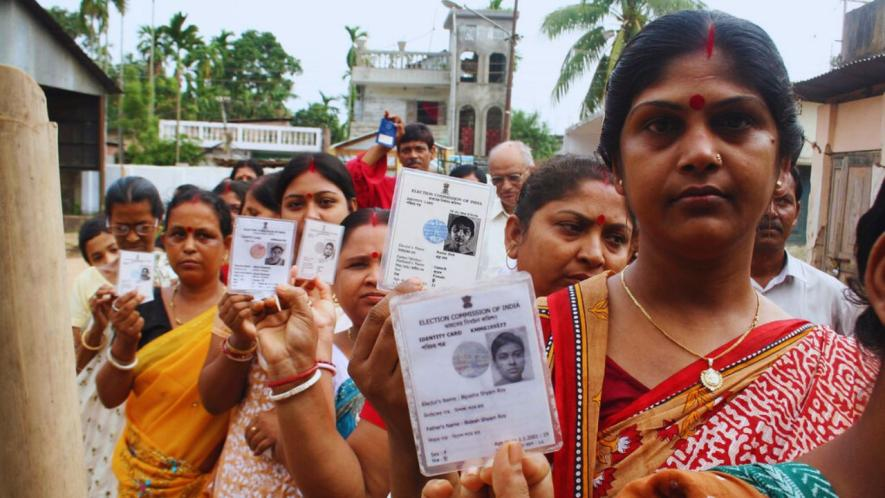
Is Bihar being turned into a test case of disenfranchising people?

Representational Image. Image Courtesy: Flickr

India pledged to usher in a democracy with universal adult franchise.

It was the late 1940s, when India, a newly independent nation, whose less than 10% population was then literate, embarked on this unique experiment, unheard of in those times.

The architects of Independence rejected all the Western prescriptions that openly said that .’.. India had no democratic future‘ (Winston Churchill) or ”monarchial arrangement best suited the Asian people‘ (British Prime Minister Clement Attlee to Nehru, 1949), and (to quote a student of history) ‘met the imperial argument on direct terms, firmly believing in the possibility of creating democratic citizens through democratic politics.’ (India’s Founding Moment: The Constitution of a Most Surprising Democracy by Madhav Khosla)

What is worth emphasising is that all those great leaders who shaped a forward-looking Constitution were on the same page when it came to granting the right to vote. For example, B.R Ambedkar, who was chairman of the Drafting Committee of the Constitution, firmly believed that ‘To limit the franchise, was to misunderstand the meaning of democracy ... ‘

None of them dithered over this provision despite knowing well that even the Western countries had not fully adopted universal adult franchise. Remember, Switzerland granted the right to vote to women only in 1971.

Much water has flown down the Ganges, the Jhelum, the Brahmaputra, the Godavari or the Kaveri.

A good 75 years after the adoption of the Constitution (1950), today we are faced with a challenge that at first looks unbelievable, the present ruling dispensation seems to have embarked on a journey in an exactly reverse direction. [Read the full article here : https://www.newsclick.in/democracy-few]

Dark Shadows of Emergency! 

How they have become arsenal for the majoritarian Hindutva forces to convert the sovereign, independent, secular, socialist republic into a Hindu Rashtra.

25 th June 2025 happened to be the fiftieth year of the internal emergency imposed by the then Indira Gandhi regime. Much has changed during all these years but till date we are still far away from a balanced review of that period.

What really prompted Indira Gandhi to declare emergency , whether drive for personal power was the key factor, as has been reiterated multiple times…..

On the other hand, whether it could be said that she correctly perceived how sinister forces in the subcontinent were hell bent on sabotaging the democratic experiment at the behest of imperialist powers , who were even found to be provoking police and security forces to pursue their dubious agenda.

No doubt such a holistic review is a need of the hour but one thing cannot be denied that the biggest beneficiary of this whole exercise has been the Hindutva rightwing forces who are keen to transform India into a Hindu Rashtra

[ Read the full article here : https://www.mainstreamweekly.net/article15924.html]

Assam: Arms Licenses to ‘Vulnerable Citizens’

How saffrons are engaged in militarising Indian society not so surreptitiously.

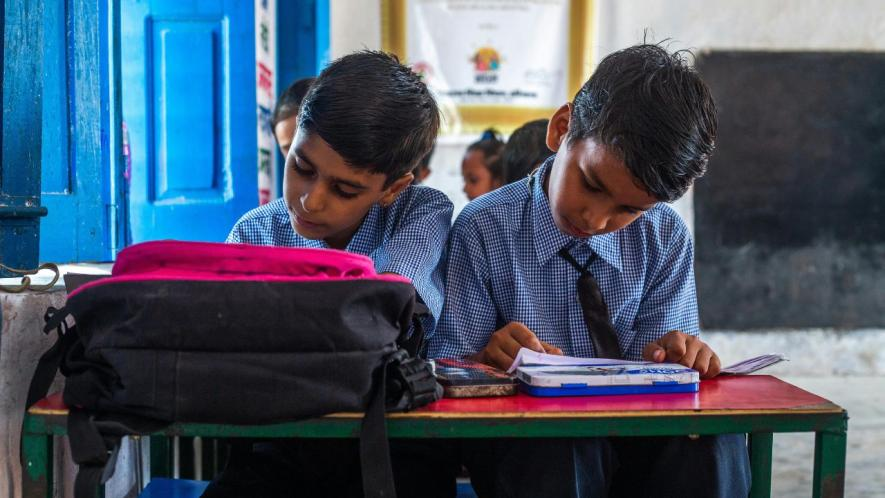
Representational Image. Image Courtesy: Flickr

“…though this be madness, yet there is method in it“?

-Polonious, in ‘Hamlet’ by William Shakespeare

Pushback of ‘alleged foreigners’ It was May end, when the Assam government led by Bharatiya Janata Party’s (BJP) Himanta Biswa Sarma, was in the news for its policy of pushback where it was found literally pushing what it termed as ‘illegal foreigners’ into Bangladesh.

What was noticeable was that when its controversial pushback policy came under the scanner of national and international human rights organisations, the Assam government approved another scheme that has raised new questions?

This was a ‘special’ scheme to make the border areas, especially those inhabited by indigenous people living in “vulnerable and remote areas”, safe. ..

.. ..it was basically to give arms licenses to people and those along the border with Bangladesh to “help them protect themselves.” [ Read the full article here : https://www.newsclick.in/assam-arms-licenses-vulnerable-citizens]

बच्चों के लिए सैनिक प्रशिक्षण : आखिर महाराष्ट्र सरकार की यह नई योजना क्यों एक चिन्तित करने वाली पहल है ?

‘मैंने जापान में जनता को अपनी स्वतंत्रता की सीमाएं अपनी सरकार द्वारा स्वेच्छा से स्वीकार करते हुए देखा है…लोग इस सर्वव्यापी मानसिक दासता को प्रसन्नता और गर्व के साथ स्वीकार करते हैं क्योंकि वे अपने आपको शक्ति की एक मशीन, जिसे राष्ट्र कहा जाता है, में बदलने की तीव्र इच्छा रखते हैं…’ 

-रवीन्द्रनाथ ठाकुर, ‘नेशनलिज्म’  

बच्चों के लिए फौजी तालीम !

भारतीय संघ के सबसे समृद्ध सूबा कहलाने वाले महाराष्ट्र ने स्कूली शिक्षा के क्षेत्र में एक नयी पहल हाथ में ली है। वह स्कूली छात्रों के लिए कक्षा 1 से ही बुनियादी फौजी प्रशिक्षण देना शुरू करेगा ताकि बच्चों में ‘देशभक्ति, अनुशासन और बेहतर शारीरिक स्वास्थ्य की नींव डाली जा सके।’ एक स्थूल अनुमान के हिसाब से चरणबद्ध तरीके से लागू की जाने वाली इस योजना में लगभग ढाई लाख सेवानिवृत्त  सैनिकों को तैनात किया जाएगा। …..

यह प्रस्ताव कई स्तरों पर चिन्तित करने वाला है:
 
एक, जैसा कि जानकारों एवं शिक्षा शास्त्रियों ने बताया है कि राज्य का शिक्षा जगत एक जटिल संकट से गुजर रहा है, जिसका प्रतिबिम्बन कमजोर होती अवरचना / इन्फ्रास्टक्चर /infrastructure, अध्यापकों की कमी और नीतियों को लागू करने के रास्ते में आने वाली प्रचंड बाधाओं में उजागर होता है। ..अगर सरकार की तरफ से कक्षा एक से आगे फौजी प्रशिक्षण प्रदान करने की योजना को लागू किया गया तो उसका असर स्कूली शिक्षा के लिए आवंटित किए जा रहे संसाधनों में अधिक कटौती में दिखाई देगा

[ Read the full article here :https://janchowk.com/military-training-for-children-why-is-this-new-scheme-of-maharashtra-government-a-worrying-initiative/]

Maharashtra: Military Training for School Children!

Why this latest move by the state government is a worrying development.

I have seen in Japan the voluntary submission of the whole people to the trimming of their minds and clipping of their freedom by their government, which through various educational agencies regulates their thoughts, manufactures their feelings, becomes suspiciously watchful when they show signs of inclining toward the spiritual, leading them through a narrow path not toward what is true but what is necessary for the complete welding of them into one uniform mass according to its own recipe. The people accept this all-pervading mental slavery with cheerfulness and pride because of their nervous desire to turn themselves into a machine of power, called the Nation, and emulate other machines in their collective worldliness.

-Rabindranath Tagore, Nationalism

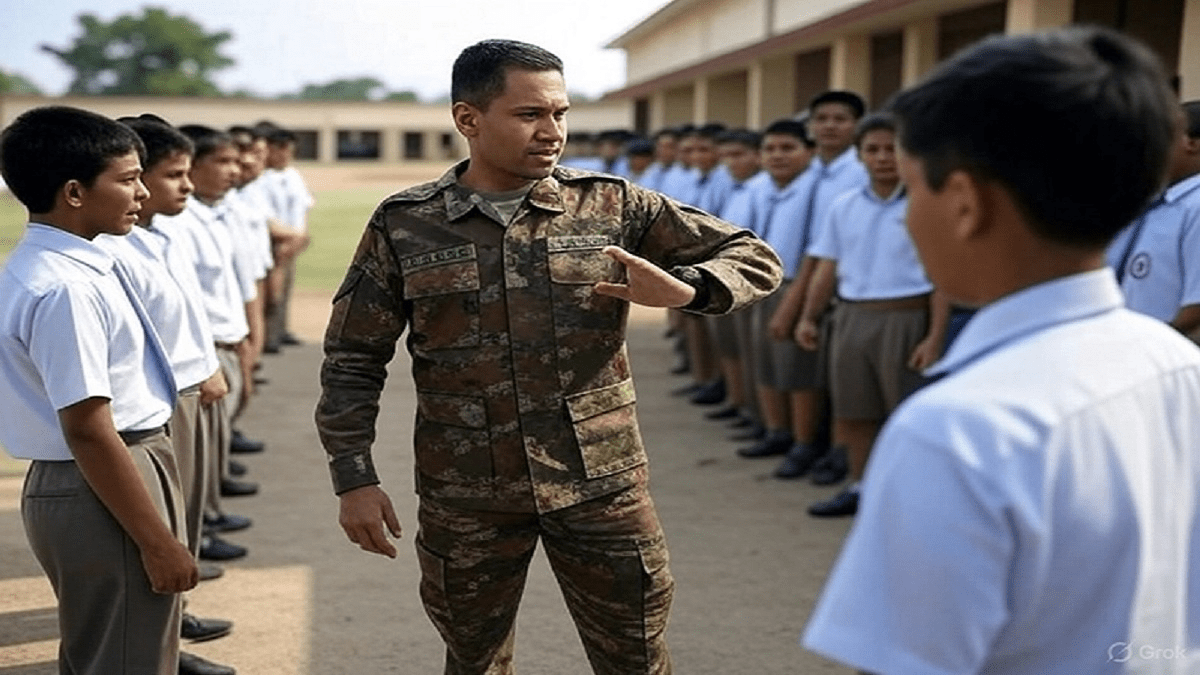
The richest state in the Indian union, Maharashtra, has embarked on a new initiative in the field of school education. It would provide basic military training to school students starting from Class 1, to promote  “patriotism, discipline, and physical fitness among young learners from an early age”. Around 2.5 lakh ex-servicemen would be involved to deliver this training which will be introduced in a phased manner.

Undoubtedly, in the aftermath of Operation Sindoor, this proposal will be able to gather enough eyeballs in the rest of the country and it would not be surprise that few other Bharatiya Janata Party-ruled states would implement similar schemes in education.

This proposal is worrying at many levels. ( Read the full article here :https://www.newsclick.in/maharashtra-military-training-school-children)

The Racist Conspiracy Theory of “White Genocide” and Trump’s Supposed “Ambush” of Cyril Ramaphosa

Today happens to be Africa day and my friend Professor Sabelo Ndlovu-Gatsheni reminds us in a social media post that Africa’s is still a liberation struggle, for “strategic natural resources (minerals. oil, and others) are on the soil of Africa but not yet in our hands.” Something of how Africa is still sought to be kept in subjugation was evident in Trump’s meeting with the South African President in the White House recently.

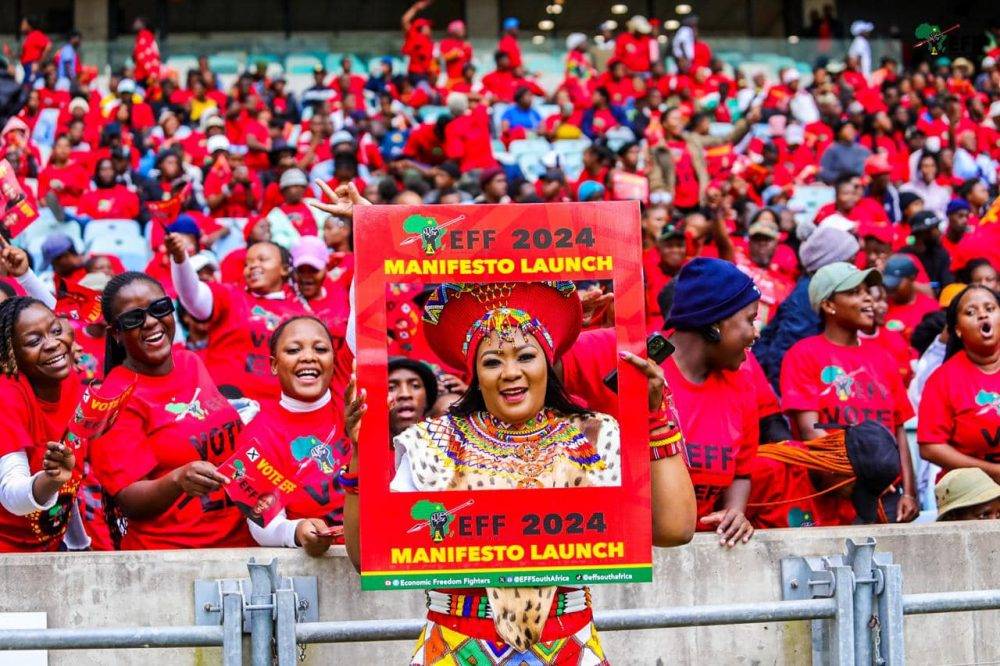
Julius Malema’s Economic Freedom Fighters, before the 2024 elections. Photo: EFF, courtesy Mail and Guardian

What happened in the White House meeting between POTUS Donald Trump and the South African President, Cyril Ramaphosa three days ago was quite appalling even for a non-South African to watch. The whole thing was a repeat performance, but far more humiliating, of what Trump and JD Vance had done with Volodymyr Zelensky, the Ukranian President. This meeting is being described as Trumps’ “ambush” of Ramaphosa. What is more, timed with this ambush was a staged “arrival” of some 49 families – men, women and children – claiming to be “farmers” fleeing the “white genocide” in South Africa. They were welcomed by US officials at the airport saying things like “Welcome to the United States, the land of freedom. It is such a pleasure to welcome you here” and so on.

Continue reading The Racist Conspiracy Theory of “White Genocide” and Trump’s Supposed “Ambush” of Cyril Ramaphosa

भारत-पाकिस्तान की तनातनी पर सीएफडी का वक्तव्य

सिटीजन्स फॉर डेमोक्रेसी ने निम्नलिखित बयान 17 मई को नई दिल्ली में जारी किया।

सिटीजन्स फॉर डेमोक्रेसी ने पहलगाम में हुए भयानक आतंकी हमले के बाद अपनी चिंता व्यक्त की है कि यह हत्याकांड विश्व शांति के लिए खतरा है और इसके परिणाम स्वरूप, अंतर्राष्ट्रीय कानून के शासन में और अधिक गिरावट आने की संभावना है, इतना ही नहीं, भारत के  लोकतंत्र के लिए  भी गंभीर ख़तरा पैदा हुआ है।

पहलगाम में जो कुछ हुआ, वह निस्संदेह राजनीतिक उद्देश्यों को प्राप्त करने के लिए आतंक का उपयोग था और स्थानीय कश्मीरी मुसलमानों के नेतृत्व में भारतीय आबादी के सभी वर्गों ने इसकी निंदा की। कश्मीरी मुसलमान पीड़ितों की सहायता के लिए आगे आए और इस कृत्य के खिलाफ बड़े पैमाने पर प्रदर्शन किए। हालाँकि, भारत सरकार की प्रतिक्रिया न तो संयमित थी और न ही संतुलित थी, बल्कि सत्तारूढ़ भारतीय जनता पार्टी और संघ परिवार की विचारधारा और घरेलू राजनीतिक उद्देश्यों से प्रेरित थी। हालाँकि प्रधान मंत्री  सऊदी अरब की अपनी यात्रा  अधूरी छोड़ कर  वापस आ गए, लेकिन सरकार द्वारा बुलाई गई सभी दलों की बैठक में उपस्थित नहीं रहे। सर्वदलीय बैठक में पहलगाम में हुई सुरक्षा चूक के बारे में खुल कर जानकारी नहीं दी गई, न ही जांच की कोई रूपरेखा घोषित की गई। दोष का ठीकरा तुरंत पाकिस्तान पर फोड़ा गया, साथ ही सिंधु जल संधि को स्थगित करने जैसी कार्रवाई की गई, जिससे कुछ आतंकवादियों की कथित हरकतों के लिए सभी पाकिस्तानी लोगों को सामूहिक सजा दी गई। संयुक्त राष्ट्र सुरक्षा परिषद में पेश करने के लिए आतंकवादी हमले में पाकिस्तान की साँठगाँठ के  कोई ठोस सबूत जुटाने का प्रयास नहीं किया गया।

Continue reading भारत-पाकिस्तान की तनातनी पर सीएफडी का वक्तव्य

The Denigration of Women Workers Fuels State Neglect: Complaint Against the CITU (Kerala) to the WFTU

Attention:
General Secretary, WFTU secretariat@wftucentral.org
Women’s Committee women@wftucentral.org
Asia Pacific Regional Office wftuasiapacific@gmail.com; c.srikumaraidef@gmail.com


Subject:
Complaint against CITU and AITUC (Kerala, India) for their sexist remarks and non-cooperation with
KAHWA women workers in violation of WFTU Constitution


Reference (WFTU Constitution):

Continue reading The Denigration of Women Workers Fuels State Neglect: Complaint Against the CITU (Kerala) to the WFTU

Statement on India-Pakistan hostilities by Citizens for Democracy

The following statement issued by the Citizens for Democracy in New Delhi on 17 May 2025 on the war and its aftermath.

Citizens for Democracy expresses its alarm at the aftermath of the horrific terror attack in Pahalgam, which endangers world peace and leads to further breakdown in the rule of international law, as well as poses a further threat to democracy within India itself.

What happened in Pahalgam was undoubtedly the use of terror to achieve political objectives and it was rightly condemned by all sections of the Indian population, led by local Kashmiri Muslims themselves, who rushed to the aid of the victims and held huge demonstrations against the act. The response of the Government of India was, however, neither measured nor balanced, but was dictated by the ideology and domestic political objectives of the ruling Bharatiya Janata Party and the Sangh Parivar. Though the Prime Minister cut short his visit to Saudi Arabia and rushed back, he did not address the meeting of all parties that was convened by the government itself. In the all-party meeting, the major security lapses in Pahalgam which allowed the terror attack to happen were not adequately explained, nor was any modality of enquiry announced. The finger of blame was immediately pointed at Pakistan, along with actions like putting the Indus Water Treaty in abeyance, thereby inflicting collective punishment on all Pakistani people for the purported action of a few terrorists. No effort was made to gather hard evidence to show the Pakistani state’s involvement in the terror attack and present to the UN Security Council.

Continue reading Statement on India-Pakistan hostilities by Citizens for Democracy

UP: Ramayana, Vedic Workshops in Govt Schools Challenged

Why the Yogi Adityanath-led BJP government’s move of using public funds for imparting religious instruction violates Article 28 of the Constitution.

Representational Image. Image Courtesy: Pexels

“No religious instruction shall be provided in any educational institution wholly maintained out of State Funds” unless “established under any endowment or trust which requires that religious instruction shall be imparted in such institution”. (Article 28 of the Indian Constitution)

It has been more than 75 years since the founding fathers (and mothers) of the Constitution took this bold stand when they were shaping the guidelines around which the newly independent country would move forward. ..

…..Much water has flown down the Ganges, the Jamuna and all rivers of the country and it appears that slowly, but not so silently, attempts are on to water down the provisions of this Article and facilitating religious instruction in government schools through the back door.

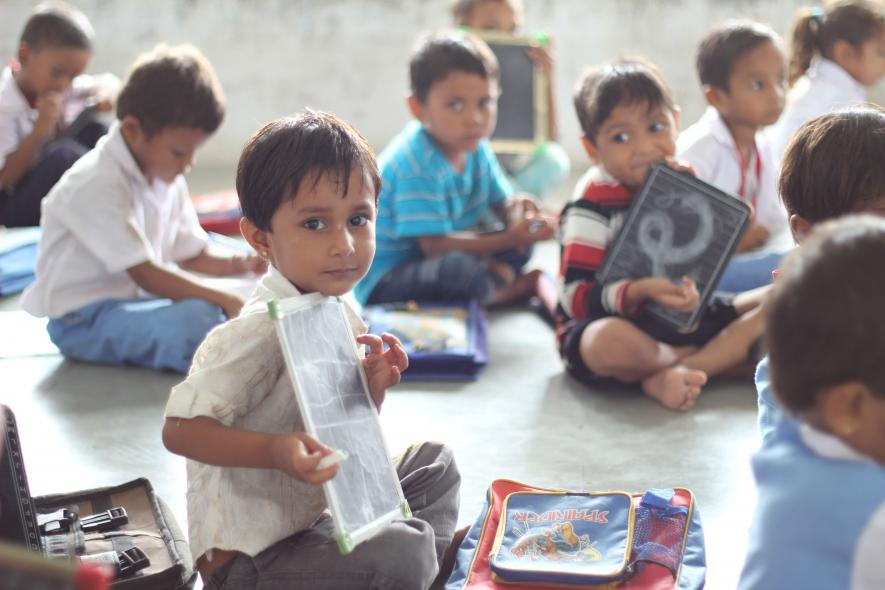
The manner in which Yogi Adityanath-led Bharatiya Janata Party (BJP) government in Uttar Pradesh has suddenly decided to hold summer workshops on the Ramayana and the Vedas in government schools across the state, without any broader consultation with the stakeholders involved in this endeavour, is symptomatic of the brazen attitude of the government. We are told that these workshops will be organised under the aegis of the International Ramayana and Vedic Research Institute, Ayodhya, and will include activities, like Ramlila, Ramcharitmanas recitation, Vedic chanting, painting, and mask-making.

As expected, this retrograde move by the Yogi government has generated anger among the broad masses as well as concerned citizens, who have demanded that this move be immediately rescinded. ( Read the full article here : https://www.newsclick.in/ramayana-vedic-workshops-govt-schools-challenged )

Two Minute Silence for Amir Pathan!

Life in Latur, a city in Maharashtra, known for its historical monuments is normal again. There was little commotion more than ten days back in one part of the city following the suicide of a senior executive with a telecom company who had resorted to this extreme step a day after a road rage incident when he allegedly faced communal slurs. Looking back what followed on that day was nothing unusual by Indian standards. ( Read the rest of the article here : https://countercurrents.org/2025/05/two-minute-silence-for-amir-pathan/)

””””””””””””””

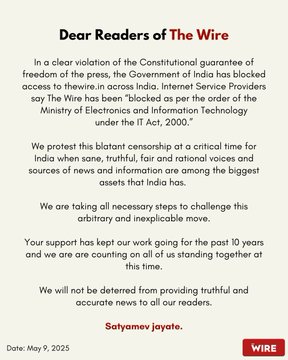
Condemn censorship – The Wire’s website blocked

Citizens of a democracy have the right to information even during times of conflict and war. The Wire has been one of the few news news portals left over these years of state repression, that has stood firm, carrying out this responsibility ethically and courageously.

Today the Editor Siddharth Varadarajan issued a statement on the blocking of access to The Wire by the government of India.

While television channels ignite themselves with mindless jingoism and bloodthirsty rants, even irresponsibly carrying out real time coverage of operations putting lives of armed forces and civilians in danger, what has been banned? The news portal that has seriously and quietly carried out the task of purveying information and analysis, in this difficult time.

A strong statement has been issued by DIGIPUB News India Foundation, of which The Wire is a founding member, and the declared objective of which is to “help ensure the creation of a healthy and robust news ecosystem for the digital age. “

The statement reads:

DIGIPUB strongly condemns the blocking of The Wire’s website
DIGIPUB’s founding member The Wire has released a statement on Friday, May 9 stating that the access to their website has been blocked by some Internet Service Providers following government orders. One of the ISPs says the block has been done by the Ministry of Information and Broadcasting under the IT Act, 2000.
If the Indian government has indeed blocked access to The Wire, then it is a blatant attack on press freedom. Silencing independent media doesn’t protect democracy—it weakens it.
This is a critical time for the nation and such actions impede rational thinking. The urgency and horrors of battle cannot be used as an excuse to silence independent journalism.
A free media is the best antidote to misinformation and fake news, DIGIPUB strongly condemns this attempt to suppress journalism. We demand the immediate reversal of such censorship, the orders for which have not even been made public. The Indian Government must uphold constitutional values of free speech and restore unrestricted access to independent media—democracy cannot survive in silence.

As a collective, Kafila stands in solidarity with The Wire and calls upon all democratic forces and voices to speak up against censorship, to stay calm and united for peace, and to reject and resist the bloodthirsty politics that has brought the region to the edge of catastrophe. We join our voices with other citizens of Southasia calling on both governments to de-escalate tensions, turn decisively towards diplomacy and ensure peace in the region.

Class, Inequality, and the Current Political Moment in China and India : Prof Vamsi Vakulabharanam

Democracy Dialogues Series 39

Organised by New Socialist Initiative

Theme : Class, Inequality, and the Current Political Moment in China and India

Speaker : Prof Vamsi Vakulabharanam

Co-Director of the Asian Political Economy Program and Associate Professor of Economics at the University of Massachusetts, Amherst

Live streamed at Facebook ( facebook.com/newsocialistinitiative.nsi).
———————————-

Theme: Class, Inequality, and the Current Political Moment in China and India

This talk is based on a recently published book by the Oxford University Press – Class and Inequality in China and India, 1950-2010. China and India have seen a significant revival over the last three decades in terms of their place in the world economy. Two and a half centuries ago, they contributed 50 percent of the world output; after suffering a decline thereafter, their share fell to a paltry 9 percent in 1950 but has since resurged to over 25 percent today. Their growth and inequality experiences diverged for three decades following India’s independence (1947) and the Chinese revolution (1949). Thereafter, there are remarkable underlying similarities in the experiences of both countries, especially in terms of their rising inequality patterns analyzed through a class lens. Vamsi demonstrates that the mutual interconnectedness between Chinese and Indian growth and inequality dynamics and the transformation and evolution of global capitalism is key to understanding the within-country inequality dynamics in both countries over the 1950-2010 period. Based on this analysis of class-based inequalities, Vamsi reflects on the current political moment in both countries, from a political economy perspective.

Speaker : Prof Vamsi Vakulabharanam
Vamsi Vakulabharanam is Co-Director of the Asian Political Economy Program and Associate Professor of Economics at the University of Massachusetts, Amherst. He has previously taught at the University of Hyderabad (2008-14) and the City University of New York (2004-07). His recent research focuses on inequality in India and China and the political economy of Indian cities through the axes of gender, caste, class, and religion. In the past, he has also worked on agrarian change in developing economies, agrarian cooperatives, and the relationship between economic development and inequality. Vakulabharanam was awarded the Amartya Sen award in 2013 by the Indian Council of Social Science Research.

L’affaire UoH – How much land does a university want? Nithin Jacob Thomas

Guest post by NITHIN JACOB THOMAS

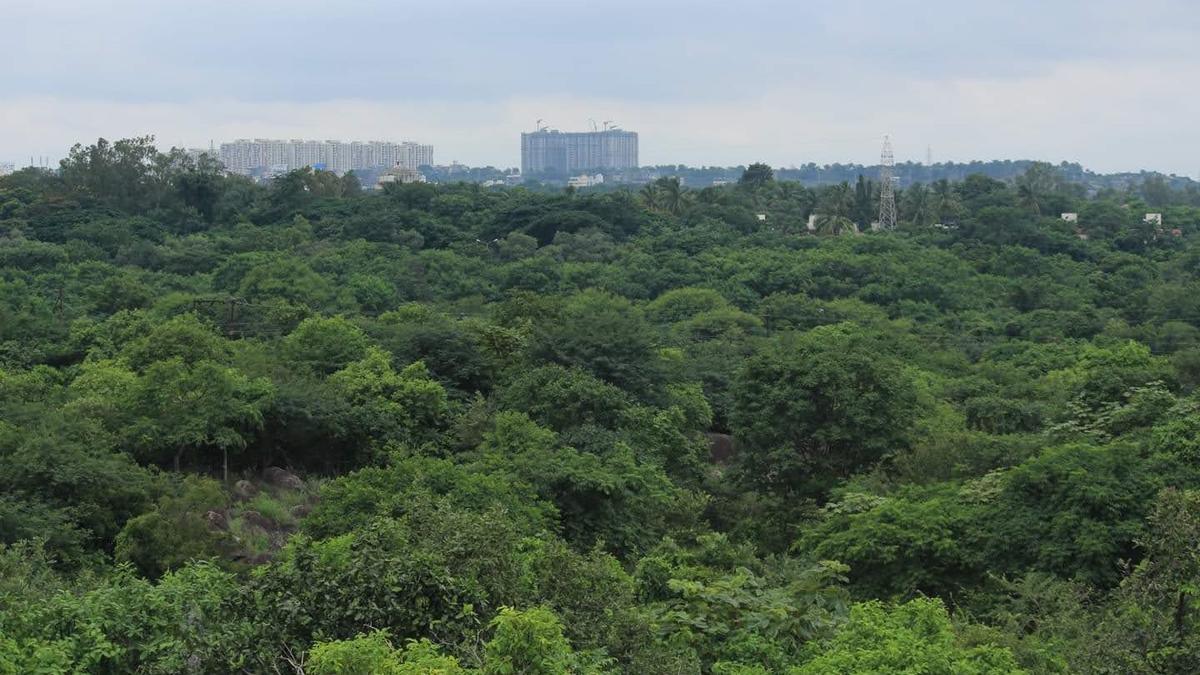
Recently, the students of the University of Hyderabad were protesting the Telangana state government’s bulldozing of 400 acres of ecologically vibrant, species-rich land within the university, undertaken as a preparatory step to auction it off. The state government sought to quell the protest by force, asserting that the land does not belong to the university and that it is within its rights to auction it. However, the Supreme Court has intervened and stayed the activities for the time being. Ego-bruised by the setback they have faced at the hands of the campus community, the Telangana government has now proposed that the entire 2300 acres of the university be turned into an eco-park, uprooting the campus in toto to a hundred-acre campus on the city’s outskirts.

Kancha Gachibowli forest, image courtesy The Hindu

Strangely, the university has not secured legal rights for the land it has occupied for several decades. However, the emphasis in the following note is on an aspect of the protest that lies beyond the legal dispute over ownership. It rather seeks to articulate the inarticulable—why the preservation of the ecology of these 400 or 2300 acres is not a standalone question but one that co-constitutes the very question of preserving the university itself.

Continue reading L’affaire UoH – How much land does a university want? Nithin Jacob Thomas

Open Letter to the Members of the Indian Association of Women’s Studies

Dear Colleagues

I am writing to you about the dire situation in Kerala with reference to the strike of the Kerala ASHA Health Workers’ Association for minimum wages and a five-lakh one-time retirement benefits, which has been continuing since the past two months.

Continue reading Open Letter to the Members of the Indian Association of Women’s Studies

No French Revolution Lurking Ahead, Comrade Baby!

There is a huge difference between democratic struggles outside Kerala, and those which unfold inside the state at the moment. While elsewhere they strive to make democracy integral to the system, in Kerala we are struggling desperately to keep alive, at least, the traces of something that we had, a fairly democratised society and a tolerably responsive state.

Continue reading No French Revolution Lurking Ahead, Comrade Baby!

An Open Letter to the Delegates of the CPI (M) 24th Party Congress, Madurai

Comrades,


We wish all success to the party congress!

On the occasion of this meet to analyze the political situation of India and the world and to formulate action plans, this letter is to invite your attention to the struggle of ASHA workers in Kerala which has been going on for the past 52 days.

Continue reading An Open Letter to the Delegates of the CPI (M) 24th Party Congress, Madurai

Support the ASHA Workers’ Strike in Kerala: Sign-on Petition

[Recirculating]

We write to you out of serious concern about the precarity of the lives of the Kerala ASHA workers on strike and the hostility shown to them by the elected government of Kerala. The ASHA workers’ strike has entered its 50th day and the twelfth day of their indefinite hunger strike. Hundreds of workers are outside the Secretariat building striking for the demands to be heard by the left-led State government, braving the heat stress, sporadic thundershowers, and the humiliation from the government and mainstream party workers.

They have been ridiculed and accused of being puppets of the “fascist, fundamentalist” right-wing trying to jeopardize the elections in 2026. Their backing from SUCI and AIDSO has provoked mainstream left politicians and intellectuals even further, accusing them of being too radical to understand the need to be united at this time. Yet the CPM and its allied organizations, unions have declared unconditional support to ASHA and Anganwadi workers in other states, declaring a nation-wide strike on 20 May.

We reject this apathy and accusations against the workers on strike. We also request that you sign-on to this petition to be submitted to the Chief Minister’s Office as a testament to the broader support that the workers have from the public and civil society in Kerala and across the country.

Please sign the petition for the workers demands to be accepted by the Kerala State Government and circulate this in your networks.

https://forms.gle/tJQKB4EGU8LCXuEn6

ആശയറ്റ് പോകരുത് ആശമാരുടെയും : ഡോ. അഷ്ടമൂർത്തി എറയൂർ, ഡോ. ലക്ഷ്മി ആനന്ദ്

സമൂഹത്തിനും ആരോഗ്യ സംവിധാനത്തിനും ഇടക്കുള്ള മുഖ്യ കണ്ണിയായി പ്രവർത്തിക്കുന്ന ആശ വർക്കർമാരിൽ ഒരു വിഭാഗം  45 ദിവസത്തിലേറെയായി, കേരള സെക്രട്ടേറിയറ്റിന് മുന്നിൽ പ്രതിഷേധിക്കുകയാണ്. കഴിഞ്ഞ ഏതാനും ദിവസങ്ങളായി ഇവർ നിരാഹാര സമരവും നടത്തുകയാണ്. സംസ്ഥാന സർക്കാർ ആശമാർക്ക് നല്കുന്ന ഹോണറേറിയം വർദ്ധിപ്പിച്ച്, മിനിമം കൂലി പ്രതിദിനം 700 രൂപ എന്ന നിലയിൽ മാസം 21000 രൂപ വേതനം നല്കുക, വിരമിക്കൽ ആനുകൂല്ല്യങ്ങളും ഇൻഷുറൻസ് അടക്കമുള്ള പരിരക്ഷകളും അനുവദിക്കുക തുടങ്ങിയവയാണ് ഇവർ മുന്നോട്ട് വയ്ക്കുന്ന ആവശ്യങ്ങൾ. പൊതുജനാരോഗ്യ വിഭാഗം വിദ്യാർത്ഥികൾ എന്ന നിലയിൽ പല അവസരങ്ങളിലും ആശാ പ്രവർത്തകരുമായി നേരിട്ട് ഇടപെടുകയും, അവരുടെ പ്രയാസങ്ങൾ അടുത്ത് നിന്ന് മനസ്സിലാക്കുകയും ചെയ്തവരാണ് ലേഖകർ.

Continue reading ആശയറ്റ് പോകരുത് ആശമാരുടെയും : ഡോ. അഷ്ടമൂർത്തി എറയൂർ, ഡോ. ലക്ഷ്മി ആനന്ദ്

Federal fracture: A Nation in crisis – Prof C P Chandrasekhar

Democracy Dialogues Series 38

Organised by New Socialist Initiative
Theme : Federal fracture: A Nation in crisis

Speaker : Prof C P Chandrasekhar

Former Professor, Centre for Economic Studies and Planning ,JNU, Delhi

Time and Date : 6 PM (IST), Sunday, 30 th March, 2025, 

 facebook.com/newsocialistinitiative.nsi).

—————-

Theme :

Indian federalism is on the verge of breakdown for multiple reasons. A crucial contributor is the collapse of the system of revenue sharing between the Centre and the States and the weaponization of vertical transfers as an instrument for political contestation.

The conflict over resources in India’s quasi-federal political structure is by no means new. Framers of the Constitution, who recognised that the division of taxation rights and spending responsibilities between the two principal tiers of government in India was asymmetrical, sought to partially resolve this problem by providing for a share for the States in a defined set of tax revenues garnered by the Centre, with the principles governing the share devolved and distributed to individual States recommended by successive Finance Commissions. But State governments have been increasingly disappointed with the actual experience with devolution, because of the concentration of resources mobilised in the hands of the Centre.

The issue, however, is not one of mere competition for resources between the Centre and the states. Having gained control over the Lok Sabha, the BJP has made it clear that it is keen on establishing an opposition-free political space. To realise this objective, it has not only sought to undermine the legitimacy of individual opposition politicians with charges of corruption or “anti-national” activity, but of opposition-ruled State governments by eroding their ability to adopt economic policy measures and initiatives that could win them political legitimacy. Expenditures on building State infrastructure or social expenditures on subsidised food provision, a modicum of social protection, and employment guarantee schemes, do contribute to winning a party in power in a State a degree of political legitimacy. The attack on the fiscal capacity of the State governments helps limit such expenditures, even while Central claims on expanding infrastructural investments and social sector spending are advanced, with an increase in ‘central’ schemes, especially those attributed to the patronage of the highest authority, the Prime Minister. 

Speaker : 

Prof C P Chandrasekhar

 Prof C. P. Chandrasekhar is emeritus professor at the Centre for Economic Studies and Planning, Jawaharlal Nehru University (JNU), New Delhi. He has published widely in academic journals and is the coauthor of Crisis as Conquest: Learning from East Asia (2021, Orient Longman), When Governments Fail – A Pandemic and Its Aftermath (with Jayati Ghosh et al) , 2021 ; Interpreting the World to Change It – Essays for Prabhat Patnaik (with Jayati Ghosh), 2018 ; After Crisis : Adjustment, Recovery and Fragility in East Asia ( with Jayati Ghosh) 2009 ; The Market that Failed: Neo-Liberal Economic Reforms in India (2002, Leftword Books), and 

 
He received his MA and Ph.D (economics) from Jawaharlal Nehru University, where he served as a professor from 1997 until his retirement. He is a member of the executive committee at International Development Economics Associates (IDEAs) and the World Economics Association, as well as a contributor to Frontline, Economic and Political Weekly, and Businessline.
 
Chandrasekhar received the Malcolm Adiseshaiah Award for 2009 for contributions to economics and development studies.

Settle the ASHA workers’ strike through Centre-State government talks: Kerala Sastra Sahitya Parishat

[This is my translation of the statement issued by Kerala’s People’s science /development movement, the Kerala Sastra Sahitya Parishat, about the ASHA workers’ strike, which is now in its forty-fourth day.]

The ASHA workers of Kerala have been on strike since forty-two day now, engaged in seeking an increase in honoraria and other benefits. The issue continues to remain unresolved. The ASHA workers comprise a sector in which 26,000 workers currently work. They are all women, attached to a Central scheme, and receive merely Rs 7000 per month as honorarium. For this reason, it is the duty of both Central and State governments to consider their demands in a democratic fashion and respond with sympathy. The very many struggles unfolding among Accredited Social Health Activists now must be developed into a people’s struggle against globalized economic policies, and the issue of their wage must be settled with Central and State governments working together. What we see in the ASHA workers’ struggle in Kerala is the crisis and tension emerging from the one-sided and top-down imposition of globalizing tendencies upon a society that had grown and developed within the framework of a welfarist state.

Kerala’s public health sector was well-coordinated and accessible to all since a very long time. It is marked by a pro-poor orientation. A large network of health experts and professionals, from doctors to public health nurses, work in it. They are all appointed officially and formally, and are regarded as workers and employees. Therefore, their remuneration and conditions of work are well-defined according to existing rules and laws.

Continue reading Settle the ASHA workers’ strike through Centre-State government talks: Kerala Sastra Sahitya Parishat