
A Statement by the JERUSALEMITE WOMEN’S COALITION
We women of occupied East Jerusalem call for immediate protection as we witness and suffer the widespread and serious violations of Palestinian human rights, including physical attacks and injuries, severe psychological threats, and persecution by the Israeli settler-colonial state and settler entities.
We urge the international community to act and defend the rights of Palestinian children, women, and men, including the right to a safe life amidst the constant attacks, excessive and indiscriminate use of force used by the Israeli oppressive apparatus, acts of violence and daily terror committed by Israeli Jewish civilians, including settlers. This brutality is intimidating our lives, provoking our youth, willfully causing death and bodily and psychological harm, and disabling and injuring of our community members.
We, a group of Palestinian women, mothers, sisters, daughters and youth—and in the name of the “Jerusalemite Women’s Coalition”—call upon the international community to protect our families, community, and children. We are calling for the protection of our bodily safety and security when in our homes, walking in our neighborhood, reaching schools, clinics, work places, and worships venues. Continue reading Palestinian Women from Occupied East Jerusalem Call for Protection: Jerusalemite Women ’s Coalition


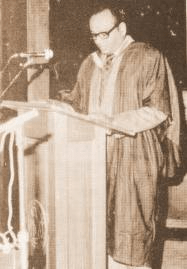 I first met Anandarajan when I was fourteen years old, a few weeks before I was to join St John’s. Anandarajan was introduced to me at a family function, as my would-be principal. The first thing I noticed about him was the total lack of aloofness. His response was ‘I say, I was a classmate of your mother at St John’s, and she was the only girl in the class whom I was scared of’ (which my mother vehemently denied!). In the years that followed I came to know Anandarajan more closely, first as a teacher, and then as a close family friend. In those days at St John’s the first year Advanced Level classes occupied the open sheds opposite the Vice-Principal’s house, and everyday from my classroom I would see Anandarajan walk purposefully across the school grounds from his residence to the principal’s office. If it was a Monday, I would see him again a few minutes later, wearing a black academic-gown walking up the stage of Peto Hall to chair the assembly. I used to enjoy those Monday morning assemblies, as they provided a welcome reprieve from the stress of cramming for exams. Anandarajan would invite interesting speakers to address us, from Hindu mystics to those who spoke on more earthy topics such as pollution and war in the Middle East. Ironically for many of us in those days, war was something that happened only in distant places. If there were no outside speakers Anandarajan would address the assembly himself. It was on one such occasions that I learnt a value that I have cherished ever since then. It is in Anandarajan’s own words: “Always defend yourself. Never let anyone accuse you falsely – not anyone – not even me. If you let that happen, part of the blame is yours”.

 KAFILA - COLLECTIVE EXPLORATIONS SINCE 2006