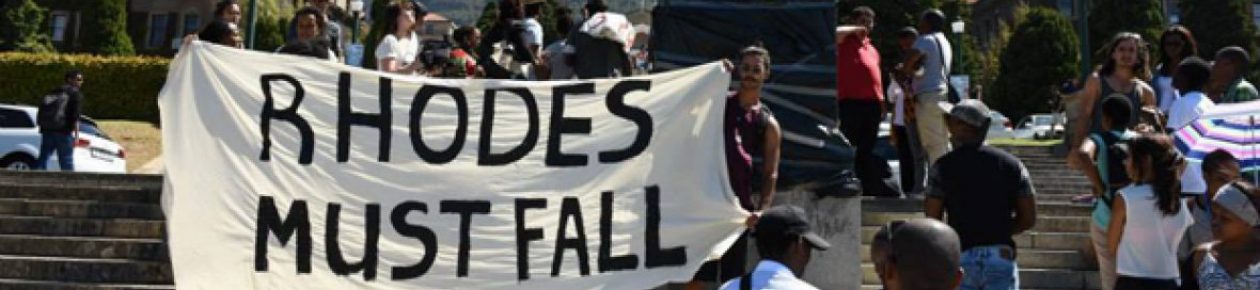
How saffron forces weaponise ignorance and stigmatise intellectauls
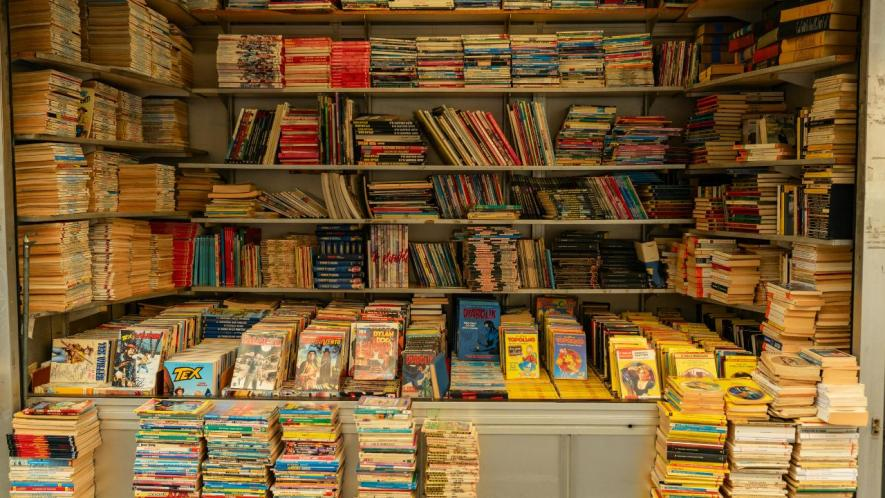
Silence gives consent
[Qui tacet consentire videtur – In Latin]
“Intellectual terrorists” are “more dangerous than cross-border terrorists”
These were the pearls of wisdom of the then Human Resource Development minister, who was addressing a conference of the Bharatiya Janata Yuva Morcha (December 19, 2001). Murli Manohar Joshi had even asked the ‘nationalist youths’ to counter ‘both types of terrorism effectively.’
…It would be 25 years soon since these objectionable remarks were targeted at India’s topmost historians, scholars, public intellectuals, even provoking followers to deal with them effectively’ like the way they deal with ‘cross border terrorists.’
Later commenting on these controversial remarks, the legendary historian Romila Thapar had famously said: ‘And then the government fell. But the books continued!”
Time for Thought Police?
As everybody can see, there is a sea change in the situation since the past more than a decade in this part of South Asia…
…..The target of attacks has now become broader, more expansive and more unpredictable. It is no longer restricted to ‘leftist’ ‘progressive’ writers, historians.
The recent move to ban 25 books on Kashmir history at a single go ‘for propagating false narrative and secessionism‘ — written by a spectrum of national and international scholars — which even do not share a similar world view, books which had been in circulation for years, even decades together is a case in point.
This list of authors includes, A G Noorani, Arundhati Roy, Anuradha Bhasin, Sumanta Bose, Victoria Schofield and several others… [Read the full article here : https://www.newsclick.in/when-police-comes-visiting-bookshops]
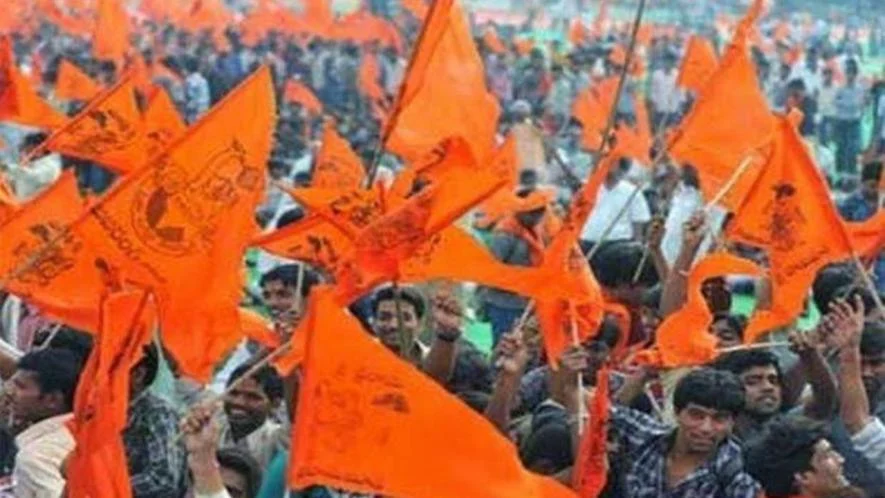
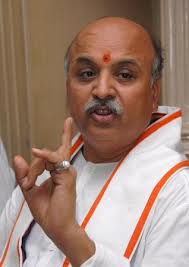

 [This detailed report was prepared by Kavita Srivastava, the Jaipur-based general secretary of the
  KAFILA - COLLECTIVE EXPLORATIONS SINCE 2006