Still Bangali: Reflections on a New Year: Jyoti Rahman

Guest post by JYOTI RAHMAN

Exactly ten years ago yesterday, upon arriving at a friend’s place, instead of ‘Shubho Nobo Borsho’ (Bangla new year greeting), I was greeted with: ‘Have you heard the news? Call home now. Hope family’s okay!’ Militant jihadis struck the new year’s dawn cultural events in Ramna, the major park at the heart of Dhaka, killing over half a dozen people. Since these events are attended by most of my family in Dhaka, and by most of my friends, we were worried. Frantic phone calls and MSN chats (or did we still do ICQ then, I forget) ensued. Fortunately, the families were safe. But this wouldn’t be the last time such phone calls were made.

Over the following years, militants bombed cinema halls, killed progressive politicians, carried out suicide attacks against judges, and tried to enforce shariah rule in rural northern parts of the country. Things got so bad that when a friend called to tell me about Muhammad Yunus winning the Nobel Peace Prize, upon hearing, ‘Have you heard about Yunus?’, my first reaction was ‘Oh no, another assassination’. Continue reading Still Bangali: Reflections on a New Year: Jyoti Rahman
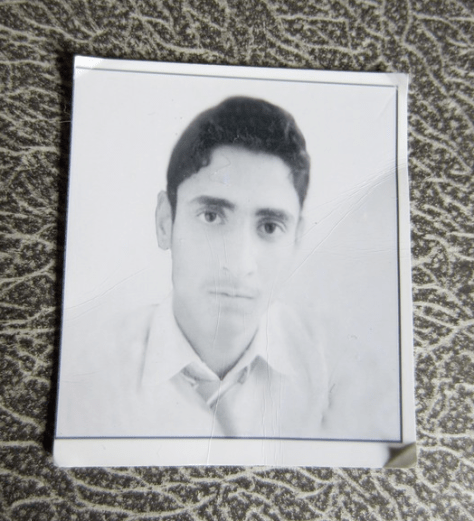
Free Murtaza Manzoor

This release comes from AMNESTY INTERNATIONAL
Urgent Action: Child Detained Without Charge or Trial

UA: 115/11 Index: ASA 20/015/2011 India Date: 14 April 2011

Murtaza Manzoor has been held in administrative detention since 8 February by police in Jammu and Kashmir, India. His official birth certificate states that he is only 17 years old.

Murtaza Manzoor was arrested on 21 January by police in Srinagar, the capital of Jammu and Kashmir. He was arrested in relation to a case from June 2010 on allegations of attempted murder, assault and rioting. According to the police, he is an “incorrigible antisocial element” who was leading a protest march that resulted in protestors pelting police with stones. Continue reading Free Murtaza Manzoor

‘Justice on Trial’ in the Times of Tilism: The Absence of Binayak Sen and the Presence of Anna Hazare on Television in April 2011

Sometime today, the Supreme Court bench of the honorable Justices H. S. Bedi and C.K. Prasad will hear arguments for and against the petition asking that  Dr. Binayak Sen, currently sentenced to life imprisonment by the Chhattisgarh High Court on charges of sedition and several other sections of the Indian Penal Code,  be given bail. Continue reading ‘Justice on Trial’ in the Times of Tilism: The Absence of Binayak Sen and the Presence of Anna Hazare on Television in April 2011

The Making of an Authority: Anna Hazare in Ralegan Siddhi

(I am posting a much longer version of my previous article that will also respond to some of the queries and comments. This article is based on my research, field work and interviews in Ralegan Sidhi since 1991.)

This article is focussed mainly on understanding how exactly the rural environmental works in the journey of Anna Hazare and Ralegan Sidhi are articulated within a coherent ideological framework, to acquire their legitimacy and authority, which are fed by, and fed into, some dominant political cultures of the state. Any political theory and practice, built on this framework, can open the possibilities of a strengthening of the conservative and nationalist forces. Certainly, the ideology of a rural organisation or a movement and its appeal is not based on a single plank. In the case of Anna Hazare and his programme, though the developmental and the environmental works form the core of its ideological structures, it includes other issues as well. At times it provides a different scale of activities to its audience, but eventually reinforces its principal ideological framework. Some understanding of the ideological DNA of the green villagers and the fellow environmental travellers also gives us an idea as to what elements of this endeavour and ideology motivate villagers and environmentalists.

The Historical Context of Maharashtra
Anna Hazare and Ralegan Siddhi are not a new addition to the social history of the Maharashtra state. Indeed, the movement has borrowed many features from the historical evolution of the region, and the political culture of the state, with which it negotiates at different levels. There are many factors at play, though three are of prime importance in the context of this paper: (i) nativism and regionalism in Maharashtrian culture and politics (ii) structure and nature of caste and class and (iii) agrarian economy and local environmentalism.
Continue reading The Making of an Authority: Anna Hazare in Ralegan Siddhi

लोकतंत्र की आत्मसमीक्षा का क्षण

अण्णा हजारे के ‘नेतृत्व’ मे शुरू हुए भ्रष्टाचार विरोधी आन्दोलन का पहला चरण सफलतापूर्वक समाप्त हो गया है. अनेक लोगों को सरकार को हिला देने का सुख और संतोष इस आंदोलन ने दिया है. हजारे ने खुद यह कहा कि एक बार तो भगत सिंह ने अंग्रेजों को भगाया था, इस बार ‘काले’ अंग्रेजों को भगा दिया गया है. इसे दूसरी आज़ादी की लड़ाई भी कहा जा रहा है. इसके पहले एक और ‘दूसरी आज़ादी’ की लड़ाई लड़ी गई थी लेकिन शायद वह असली नहीं रही होगी तभी तो इसे तीसरी नहीं दूसरी आज़ादी की जंग कहा जा रहा है. यह सोचने का विषय है कि इस देश में हर प्रकार के संघर्ष को अपना औचित्य सिद्ध करने के लिए क्यों खुद को स्वतंत्रता संग्राम के रूप में प्रचारित करना पड़ता  है. कहा जा सकता है कि यह तो भाषा का रूपकात्मक प्रयोग है, इसे आगे खींचने की ज़रूरत नहीं. इस रूपक को गढ़ने  को मजबूर दिमाग जिस ग्रंथि से जूझता है , वह शायद यह है कि हममें से अधिकतर को यह रंज और गम है कि हम 1947 के पहले पैदा नहीं हो सके थे और इस देश को आज़ाद कराने में हमारा कोई हिस्सा नहीं.दूसरे, उस आन्दोलन के अंतिम क्षण के शत्रु रक्त से रंजित न होने के कारण नवीन राष्ट्रीय शिशु के जन्म की वास्तविक अनुभूति से हम वंचित रह गए. इसके कारण हम सबको एक स्तर पर अपना राष्ट्रीय अस्तित्व ही अप्रामाणिक प्रतीत होता है.   हर पीढ़ी को इस कुंठा से मुक्ति के लिए कभी न कभी एक स्वतंत्रता संग्राम की आवश्यकता पड़ती  है. गोरे अंग्रेजों और काले अंग्रेजों को ‘भगाने’ के जिस  विकृत सुख लाभ की आकांक्षा इस तरह के वक्तव्यों में झलक पड़ती है, उसके पीछे छिपी हिंसा को पहचानना भी आसान नहीं होता. क्या यह इसलिए करना होता है कि ऐसे आन्दोलन एक ‘राष्ट्रीय’ कल्पना को उत्तेजित करना चाहते हैं और इस लिए राष्ट्रीय संदर्भों के सहारे अपनी वैधता हासिल करते हैं? जंतर मंतर के अनशन मंच की पृष्ठभूमि में भारत के मानचित्र को आवृत्त किए हुए, बल्कि उसकी सीमा से बाहर राष्ट्रीय ध्वज को लहराते हुए  गौर वर्णा भारत माता की छवि के विह्वल  आह्वान को जो अनसुना करे क्या उसे दुखियारी माता का पुत्र कहलाने का अधिकार रह जाएगा?  क्या उसके उद्धार के लिए, महिषासुर का दलन करने के लिए पुन: अपने अस्त्र-शस्त्र को शाणित न किया जाएगा? Continue reading लोकतंत्र की आत्मसमीक्षा का क्षण

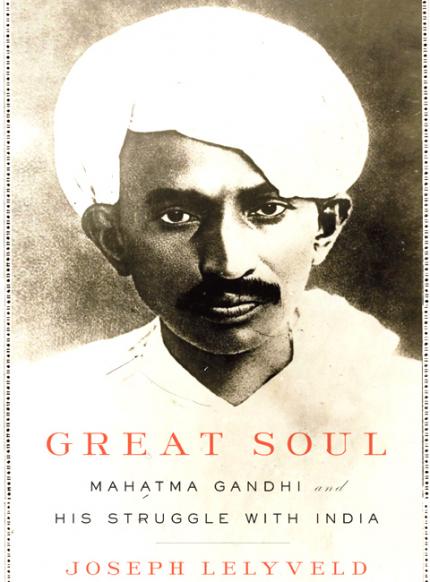
Joseph Lelyveld’s “Great Soul” or How to Damn with Faint Praise: Mridu Rai

Great Soul: Mahatma Gandhi and His Struggle with India by Joseph Lelyveld; Alfred A. Knopf, 425 pp., $28.95

Guest post by MRIDU RAI

Joseph Lelyveld’s book was banned in Mohandas Karamchand Gandhi’s native state of Gujarat a day after its publication in the United States. On 30 March 2011, the Hindu right-wing Bharatiya Janata Party that rules the state, led by its chief minister Narendra Modi, charged Lelyveld with committing “the most reprehensible act by hurting the sentiments of millions of people and demanded that he tender a public apology”. The provocation for this proscription was the mention in some reviews that Lelyveld had suggested Gandhi was bisexual and racist. At the very least, it is surprising that the first public outcry in India against the review — the book has not yet been released in India — should come from the Hindu Right, the political constituency of Nathuram Godse who assassinated Gandhi on 30 January 1948. This must join the many ironies Lelyveld’s book brings out, not least that of latter-day politicians in India (and South Africa) claiming to be his heirs and yet honouring his teaching, if at all, only in their most diluted and least recognizable versions. As Lelyveld writes in his author’s notes, ‘‘[I]t was hard to see what remained of him beyond his nimbus”. Continue reading Joseph Lelyveld’s “Great Soul” or How to Damn with Faint Praise: Mridu Rai

The Making of Anna Hazare

[This piece is based on my extensive field work on Anna Hazare and his movement in Ralegan Sidhi over some years and is also a part of my forthcoming book Green and Saffron: Hindu Nationalism and Indian Environmental Politics. MS]

The anti-corruption movement, spearheaded by Anna Hazare, and the passage of the Lokpal Bill have generated unprecedented interest amongst a wide spectrum of society about the ideas, politics and organisations of civil society in general, and Anna Hazare in particular. Hazare’s anti-corruption crusade merits attention not only for its importance in ensuring a corruption-free society, but also due to its multifaceted nature. Hazare’s politics however has to be seen in a larger framework and in a wider historical context. Howsoever laudable the goals of anti-corruption movement in India today, the movement is not beyond the categories of gender, caste, authority, democracy, nationalism and ultra-nationalism. Far from transcending them, the movement is transforming and being transformed by the implicit deployment of such categories. I wish to place Hazare in the larger context of his environmental journeys, where the elusive but crucial element is one of authority that is exercised due to a large degree of consent and conservatism. Yet, almost all accounts on him, largely celebratory in nature, do not examine the ideology and politics of his works. These are crucial not only to critically assess the present and the future of our anti-corruption movements, but also to interrogate certain brands of civil society activisms and environmentalisms. Continue reading The Making of Anna Hazare

JKCCS demands probe into killings of political workers

Press release from the JAMMU KASHMIR COALITION OF CIVIL SOCIETY

11th April 2011

Jammu Kashmir Coalition of Civil Society (JKCCS) is concerned at the spate of killing of civilian political workers belonging to different religious and political parties. So far in this year, five civilian political workers have been killed.

‘Anna Hazare’, Democracy and Politics: A Response to Shuddhabrata Sengupta

In an earlier post, (hits to which have broken all records on Kafila), Shuddhabrata Sengupta has raised some extremely important points in the context of the media-simulated coverage and celebrations around the ‘Anna Hazare’ movement. I agree with the central argument made by Shuddha – which is about the authoritarian, indeed totalitarian implications of the proposed Jan Lokpal Bill (though, as many commentators to the post have pointed out, the Bill really remains to be drafted and passed in parliament).

I have no doubt whatsoever that any demand that simply seeks a law of the sort that has been raised by the movement (even in the proposed form), is completely counterproductive. Indeed, it is naive. Matters like corruption or communalism cannot simply be legislated out of existence through tougher laws. Inevitably, they will lead us up to China type situations where you will end up demanding summary trials and executions. Even in the best of cases, a law and state-dependent mode of addressing such problems, adds to the powers of a corrupt bureaucracy. I also agree with his (and Bobby Kunhu’s) criticisms of some aspects of what they have both chosen to designate as ‘mass hysteria’ of sorts – I certainly do not agree with this description but that need not detain us here. I am  interested in something else here and that has to do with the way the movement has struck a chord among unprecedentedly large numbers of people – mainly middle class people I am sure, but the support for it is not just confined to them. In fact, on the third day of the dharna at Jantar Mantar I received an excited call from a CPM leader who works among the peasants in villages of northern India in the Kisan Sabha, about the response to the movement he had encountered in his constituency. I doubt that this was a support simulated either by the government or by the electronic media. Continue reading ‘Anna Hazare’, Democracy and Politics: A Response to Shuddhabrata Sengupta

Of a Few, By a Few, For the Few: Bobby Kunhu

Guest post by BOBBY KUNHU, carrying the debate on the Anti-corruption movement forward

I am distinctly uncomfortable with predictions – using either scientific or unscientific tools. For me it smacks of charlatanry – from astrology to psephology to stock market speculation. But with the charade that was unleashed for the past few days on news television by the mainstream media and of course at Jantar Mantar and a few other town squares across the “mainstream” Indian political landscape by Anna Hazare’s fast – I did dare to make an attempt – both at prediction and more comfortably with dissent. I foretold the outcome of the fast tableau at an emergency meeting that was convened by some co-travellers at the Salem Citizen’s Forum to debate on whether and how to show solidarity to Anna Hazare…

…Well, it is not just Anna Hazare and his team who won this match comfortably. All actors who joined the show have won the match. Everyone – the “civil society” that sat on fast at Jantar Mantar and other places, the Corporate media, the glamour world, the Government, political establishment of all hues and shades – everyone who bothered to join the game. It was like bathing in the Ganges during the Maha Kumbh – everyone’s sins were washed away. And of course nobody in their right minds regardless of political affiliations or ideologies could take a position “for corruption”!!! A veritable Bush-ian position — either you are with Anna Hazare or you are with corruption. And yes, India Incorporated has won the match and it is time for celebrations!

Read the full post on Countermedia

Dastan-e-Sedition Banaam Hakim Sen

Dastangoi performed by Mahmood Farooqui and Danish Husain as part of Justice on Trial for the Free Binayak Sen Campaign, at the Alliance Francaise de Delhi on 6 April 2011. Video credit: Nicky Chandam.

At the Risk of Heresy: Why I am not Celebrating with Anna Hazare

At the risk of heresy, let me express my profound unease at the crescendo of euphoria surrounding the ‘Anna Hazare + Jan Lokpal Bill’ phenomenon as it has unfolded on Jantar Mantar in New Delhi and across several hysterical TV stations over the last few days.

This time around, I have to say that the print media has acted (upto now) with a degree of restraint that I think is commendable. Partly, this has to do with the different natures of the two media. If you have to write even five hundred words about the Jan Lokpal bill, you run out of platitudes against corruption in the first sentence (and who can speak ‘for’ corruption anyway?) and after that you have to begin thinking about what the bill actually says, and the moment you do that, you cannot but help consider the actual provisions and their implications. On television on the other hand, you never have to speak for more than a sound-byte, (and the anchor can just keep repeating himself or herself, because that is the anchor’s job) and the accumulation of pious vox-pop sound bytes ‘against corruption’ leads to a tsunami of ‘sentiment’ that brooks no dissent. Continue reading At the Risk of Heresy: Why I am not Celebrating with Anna Hazare

Corruption has its Caste in the Judiciary: All India Confederation of SC/ST Organisations

This press release come from the ALL INDIA CONFEDERATION OF SC/ST ORGANISATIONS

New Delhi, April 4, 2011.

Dr. Udit Raj, National Chairman of All India Confederation of SC/ST Organisations, said that corruption has its caste. The way the former Chief Justice of India, K. G. Balakrishnan and former Chief Justice of Karnataka, P.D. Dinakaran, are being treated, there is no doubt that corruption knows the caste. Here argument is not to absolve these people but to expose hypocrisy and double speak. The Supreme Court hastened to admit petition against K.G. Balakrishnan but why not in other cases? Continue reading Corruption has its Caste in the Judiciary: All India Confederation of SC/ST Organisations

A Lesson in Kashmiri: Hilal Mir

Guest post by HILAL MIR

On a clear spring day in the year 2000, the first year of my masters in journalism at Kashmir university, the class was taken to Sogam for a field trip. Zafar Hyderi, our esteemed teacher much respected for his integrity than scholarship was keen on students having practical experience. We were supposed to visit areas where only radio works because the mountains girding these areas don’t allow television signals from Srinagar Doordarshan to enter the homes. Imagine the relief of not having to watch 24X7 the official propaganda. Since Zafar Sir taught radio, these places provided him a cathartic vindication of the superiority of his medium (though secretly he might have aspired to make a name in TV). Such places are aptly called Shadow Zones. These could well be called shadow zones for other reasons too, as much of the barbarity unleashed by the state in such areas remains buried under shadows, itching to be put into words or images. Continue reading A Lesson in Kashmiri: Hilal Mir

Shiraz Hassan on cricket diplomacy

کرکٹ ڈپلومیسی، تنازعات کے پرامن حل کا عزم

پاکستان اور بھارت کی تریسٹھ سالہ تاریخ تنازعات کی ایک لمبی داستان ہے۔ دونوں ممالک کے تعلقات اس دوران کئی بات انتہائی کشیدگی کا شکار بھی رہے۔ قیام پاکستان اور ہندوستان کی انگریز حکومت سے آزادی کے بعد سے ہی دونوں ممالک کے مابین اعتماد کی فضا قائم نہ ہو سکی۔ اس ضمن میں دونوں ممالک کے مابین پہلا معرکہ 1948ءمیں کشمیر کے محاذ پر ہوا۔ جس کے بعد حالات مزید کشیدگی کی جانب مائل ہوتے گئے۔ 1965ءمیں ایک بار پھر دونوں ممالک کے افواج آمنے سامنے آئیں۔ 65ءکی جنگ کو ابھی چند ہی برس بیتے تھے کہ پاکستان کو 1971ءکے سانحے کا سامنا کرنا پڑا۔ اس جنگ میں پاکستان کو شکست کا خمیازہ دولخت ہونے کی صورت میں بھگتنا پڑا۔ پاک بھارت کے درمیان 1999ء میں کارگل کے محاذ پر بھی فوجیں آمنے سامنے آئیں اور حالات روایتی جنگ کے آغاز کے دہانے تک آپہنچے۔ البتہ موجودہ دور میں ممالک کے سرحدی علاقے اس وقت خاموش ہیں اور امن کی فضاء تیزی سے فروغ پا رہی ہے گویا دونوں ممالک کے سیاسی و دفاعی ماہرین نے تناو ¿ بھرے ماضی سے یہ سبق سیکھ لیا ہے کہ ”جنگ سے نہیں بلکہ امن سے ترقی ممکن ہے۔ “
پاکستان اور بھارت کے سفارتی تعلقات کے استحکام اور امن کے فروغ کے لئے کرکٹ کا کردار بھی نہایت اہم رہا ہے۔ ورلڈ کپ 2011ءمیں دونوں ٹیمیں موہالی کے میدان میں سیمی فائنل میچ میں آمنے سامنے آئیں ۔ پاکستان اور بھارت کی کرکٹ ٹیموں نے 2008ءمیں ہوئے ممبئی حملوں کے بعد ایک دوسرے کے مدمقابل نہیں کھیلا تھا۔ ان دہشت گرد حملوں میں کم و بیش ایک سو پچاس سے زائد افراد ہلاک ہوئے تھے اور بھارت کی جانب سے ان حملوں کے لئے پاکستان کو ذمہ دار ٹھہرایا گیا تھا۔ ممبئی حملوں کے بعد پاکستان اور بھارت کے درمیان تعلقات ایک بار پھر سخت کشیدہ ہوگئے تھے جس میں وقت گزرنے کے ساتھ کمی آئی ہے تاہم بھارتی وزیراعظم من موہن سنگھ کی جانب سے وزیراعظم گیلانی کو موہالی میں میچ دیکھنے کی خصوصی طور پر دعوت دی گئی جسے وزیراعظم نے قبول کیا اور اس عزم کے ساتھ موہالی پہنچے کہ ان کا یہ اقدام نہ صرف پاکستان بھارت کے درمیان پیدا شدہ کشیدگی کو کم کرنے بلکہ خطہ میں مستقل امن و استحکام کے لئے بھی معاون ثابت ہوگا۔ وزیر اعظم گیلانی اور بھارتی وزیراعظم من موہن سنگھ نے ایک ساتھ میچ دیکھا اور مختلف امور پر تبادلہ خیال بھی کیا۔ میچ کے بعد وزیراعظم گیلانی نے خصوصی عشائیے میں بھی شرکت کی جسے پاکستان بھارت کے درمیان بہتر تعلقات کے استحکام اور تنازعات کے حل کی جانب Continue reading Shiraz Hassan on cricket diplomacy

I dont love India but I love cricket: Sudipto Mondal

Guest post by SUDIPTO MONDAL

They don’t love the deftness of a late cut
or the terror of a snorter;
the authority of a cover drive
or the seduction of a flighted one.

They don’t love the smell of spit on leather.
They don’t love one eased through long leg
unless its Deepika Padukone we’re talking about.

They don’t love cricket but they say they love India.

They don’t love Inzamam’s hulking sixes.
They don’t love Hayden’s muscular heaves
or Ponting’s nervous shuffle.

They don’t love Lara because he was
as good as Sachin.
And Kambli was after all just an urchin

They don’t love cricket but they say they love India.

They don’t love the man who cleans their shit.
They don’t love the colleague that eats meat.
They don’t love the ‘backdoor entrant’ who shares their seat.

They don’t love the hungry protestors
who block their path at the height of summer’s heat.
They don’t love the vendor on the street.

They don’t love cricket but they say they love India.

They don’t love the lesbians, gays, bisexuals and transgenders either.
They don’t love the man who puts food on their plate
because he asks for food in turn.

They don’t love them jungle boys
because they wouldn’t give them their hill.

They don’t love the dark ones.
They don’t love the short ones.

They don’t love a nose that lacks precision.
They don’t love circumcision.

They don’t love cricket but they say they love India.

Dastan-e-Sedition

Free Binayak Sen Campaign

Justice on Trial:
three days of cultural events
April 4 – 6, 2011
@ Alliance Francaise de Delhi
72, Lodhi Estate, New Delhi 110003

Justice on Trial (Facebookers RSVP here) is a collaborative programme put together by leading contemporary artists, photographers, film makers, musicians, performers, and activists to commemorate struggles for democracy, freedom and rights. An exhibition of photographs and art works, talks performances and screenings all are directed at drawing renewed attention to the trial of Dr. Binayak Sen, who has emerged in recent times as a symbol of courageous resistance, and a reminder of the many injustices that surround us. Our aim is to provoke a dialogue with the colours and sounds that emerge from the idea of what Dr. Sen represents.  Continue reading Dastan-e-Sedition

Why so serious?: Anuj Bhuwania

Guest post by ANUJ BHUWANIA

Cellphone videos of the celebrations at India Gate after India won the semi-final against Pakistan


So cricket is the opiate of the Indian masses, and India’s left-liberals (henceforth LLs) can’t deal with it. Or with popular cinema or religion, for that matter. All of which are things that these oh-so-serious people can’t quite seem to fathom. The only cinema you should enjoy are art house/multiplex films with the right ‘social message’, the only religion you can profess is Sufism and the only cricket you are allowed to enjoy is West Indies winning a test match, because CLR James has apparently said it’s ‘empowering’ or  ‘anti-imperialist’ or some such. These trivialities – cinema, religion, cricket – are just there to distract people from the really important issues. We should all only obsess about ‘important’ topics like nuclear energy, the 2G spectrum scam or the UID. Continue reading Why so serious?: Anuj Bhuwania