On keeping Open the Door that was Opened by Dr. Malleshappa Kalburgi

On Sunday morning, seventy seven year old scholar Dr. Malleshappa Kalburgi opened his door in Dharwad town in Karnataka to some people who asked for ‘sir’. They pumped bullets into ‘sir’ when he appeared in front of them. Throughout his life, Dr. Kalburgi had the habit of opening doors. His scholarship into Kannada literature opened many doors. Those who killed Kalburgi abused not just his hospitality, and his willingness to open his doors to strangers (he had asked that his security be ‘lifted’ despite threats to his life), they abused all the traditions in the world that promise kindness to strangers, and keep doors open.

Continue reading On keeping Open the Door that was Opened by Dr. Malleshappa Kalburgi

India Census 2011 – Where are the Atheists?

The consternation witnessed around release of religious figures in Census 2011 has rather overshadowed an interesting fact which has emerged through this mammoth exercise. It tells us that India has 2.87 million people who have no faith in any religion, which is around 0.24 per cent of our population. Definitely it includes not only atheists, rationalists but all those people who do not believe in any faith but some ‘unknown’ force.

Definitely it is a welcome development that the state has finally acknowledged their existence and what Dravid Kazhagam leader K Veeramani said ‘recorded their voice for the first time in the census’. but a cursory glance at earlier surveys and studies makes it amply clear that the figures are on the lower end. Continue reading India Census 2011 – Where are the Atheists?

Saving ‘Development’ From Dangerous Women Activists: Kamal Nayan Choubey

Guest Post by  KAMAL NAYAN CHOUBEY

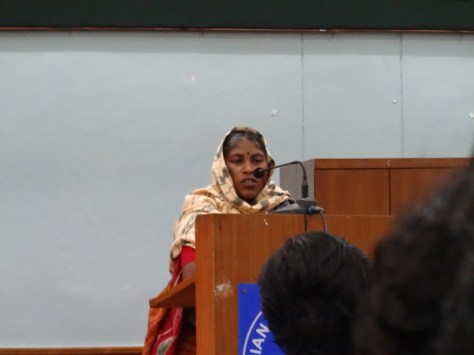
The inclination of the Indian State to suppress any movement related to the just demands of marginalized sections has increased immensely in recent times. There is no question of dialogue. Coercive methods are generally employed to contain these movements. This is what has happened with the movement of tribal people are struggling against the Kanhar Dam in the Sonbhadra district of Uttar Pradesh. In this movement, women activists play a crucial role, and in order to contain it, the UP Police arrested two key women activists Roma and Sukalo, and six other women activists from the Robertsganj office of All India Union for Forest Working People (AIUFWP) on 30th June 2015.

DSC00028

Roma is the General Secretary of the AIUFWP.

The UP police has registered cases of inciting rioting against the women activists and it has also reopened old cases against them, particularly against Roma. Apart from them, another tribal woman activist Rajkumari was arrested on 21st April.

DSC00115

Sukalo

Continue reading Saving ‘Development’ From Dangerous Women Activists: Kamal Nayan Choubey

The Murky Fourth Estate: Asifa Zunaidha

This is a guest post by ASIFA ZUNAIDHA.

[Some time ago, I wrote on Kafila about my experience of attending a televised interaction with HRD Minister Smriti Irani. The audience, packed with supporters of the particular party Irani belongs to, was set up in that debate as the neutral ‘public’, thereby killing two birds with one stone – boosting the popularity of the Minister on news media, and legitimising the news channel as a site of punchy political debate. We have below a similar case of manipulation of the powerful medium of electronic news media, this time by another channel.] 

What is the role of the news media in a society if not to disseminate information and opinions as an impartial media(tor)? ‘Half truth is no truth’ is a popular aphorism, but ‘selective’ truth is also a lie and certainly does not befit the content of a news channel. It seems that in an age of corporate media, one would be foolish to expect impartial truths, let alone ‘undiluted or uncensored’ opinion of diverse groups. A recent episode inside the JNU campus shows how ‘news’ presented by News Channels can be easily manipulated and the opinion of a ‘select few’ is showcased as the ‘unanimous opinion’ emerging from the premier higher educational institute of the country.

Continue reading The Murky Fourth Estate: Asifa Zunaidha

जनगणना में अल्पसंख्यक : नकली डर पैदा करने की कोशिश

‘ लोकप्रिय स्तर पर लोगों के लिए इस हकीकत पर गौर करना या उसे जज्ब़ करना मुश्किल जान पड़ता है जब उन्हें बताया जाता है कि बहुसंख्यक मुस्लिम आबादी वाले इंडोनेशिया की प्रजननक्षमता (कुल प्रजनन क्षमता दर 2.6) की दर बहुसंख्यक हिन्दू आबादी वाले भारत की तुलना में (कुल प्रजनन क्षमता दर 3.2) कम है। दरअसल इंडोनेशिया में प्रजनन क्षमता में कमी को परिवार नियोजन पर कारगर अमल, जो मुल्क की स्वास्थ्यसेवाओं के साथ अभिन्न रूप से जुड़ी हैं, से जोड़ा जा सकता है। हाल के समयों में बांगलादेश में भी परिवार नियोजन के बढ़ते स्तर ने वहां की प्रजनन क्षमता को में काफी तेजी से कमी दिखाई दी।’’
/फेक्ट एण्ड फिक्शन आन हिन्दुत्व क्लेम्स, आर बी भगत, सितम्बर 25, 2004, इकोनोमिक एण्ड पोलिटिकल वीकली )

1.
जनगणना के आंकड़े एक गतिशील समाज के तेजी से बदलते परिद्रश्य को उदघाटित करते रहते हैं। आंकड़ों का यह समुच्चय नीतिनिर्धारकों को ही नहीं समाजविज्ञानियों, राजनीतिक विश्लेषकों या सामाजिक-राजनीतिक कार्यकर्ताओं के लिए एक खजाने के तौर पर उपस्थित होता है, जिसका विश्लेषण करके वह अपनी समझदारी तय करते हैं या अपने हस्तक्षेप की रूपरेखा बनाते हैं। एक सौ बीस करोड़ से अधिक आबादी का भारतीय समाज – जहां दुनिया के लगभग सभी धर्मों के अनुयायी मिलते हैं – और जो अपने उपमहाद्वीपीय आकार के चलते ; भाषाई, सांस्क्रतिक तथा अन्य विविधताओं के चलते दुनिया भर के जनसंख्याविशारदों के लिए कुतूहल एवं अध्ययन का विषय बनता है, ऐसा ही नज़ारा उपस्थित करता है।

यह अलग बात है आज जबकि दक्षिण एशिया के इस हिस्से में बहुसंख्यकवाद अर्थात मेजोरिटेरियानिजम का बोलबाला बढ़ा है और भारत के इस हिस्से के धर्मनिरपेक्ष एवं समावेशी जनतंत्र के क्षरण की कोशिशें तेज हो चली हैं हम पा रहे हैं कि जनगणना के आंकड़ों के माध्यम से अपनी संकीर्ण राजनीति को ही हवा देने की कोशिशें तेज हो रही है, और उसके व्यापक निहितार्थों पर परदा डाले रखने के प्रयास चल रहे हैैं। यह महज इत्तेफाक नहीं कि बिहार विधानसभा चुनावों के ऐन मौकों पर जनगणना के धार्मिक आंकड़ों को जारी किया गया है ताकि उसके आंशिक निष्कर्षों को सामने लाकर अल्पसंख्यकों की ‘बढ़ती आबादी’ के नाम पर बहुसंख्यकों का ध्रुवीकरण किया जा सके और चूंकि 2001-2011 के दरमियान हिन्दुओं की आबादी की तुलना में मुसलमानों की आबादी अधिक बढ़ने के आंकड़े सामने आए हैं, लिहाजा उसी को लेकर एक नए ध्रुवीकरण के फिराक में वह दिखती है। विडम्बना है कि जनगणना के जाति सम्बन्धी आंकड़ों पर अभी भी चुप्पी है, जिसकी लम्बे समय से मांग हो रही है। Continue reading जनगणना में अल्पसंख्यक : नकली डर पैदा करने की कोशिश

For a Better FB: WomeninCampaign’s Press Release

August 26, 2015

Digital rights advocates demand a revision of Facebook’s policies that perpetuate violence against women in non-English speaking communities.

On July 28th a social activist, Preetha G, was brutally slut-shamed, harassed and abused in Facebook through a page which was in a native Indian language, Malayalam. The hate pages instigated a huge degree of violence, hurled abuses at her dignity and womanhood. It contained her morphed pictures with sexually explicit abuses, targetting even her autistic son. Preetha hailing from the state of Kerala in India, has around 22K followers on Facebook and uses the platform to to express her political opinions, her ideas on gender and other minority rights.

Many users including Preetha reported the hate pages (a total of 5 pages in a span of 3 weeks) to Facebook and also to the cyber crime wing of Kerala Police. Facebook replied with a generic message stating “The post doesn’t violate community standards”. The hate pages continued to update its content with threats and abuses to the women who publicly supported Preetha. Amidst all this, profiles of several supporters, especially women were suspended by Facebook. All these, including that of Preetha was blocked stating “violation of Real Name Policy” possibly due to reporting by those cyber-criminals who started the hate pages.

As the story of violence aided by Facebook policies spread, stories emerged from other countries as well. A recent incident occurred in Peshwar, Pakistan where a similar hate campaign was unleashed towards several young women through Facebook. When this was reported by users, Facebook responded in a similar fashion with the generic message that “no community standards were violated”. These young women’s lives were put to extreme risk and their own families did not protect them.

The women in countries like India and Pakistan do not get family support and Facebook refuses to understand the cultural complexities. With respect to this context, different individuals and organizations had several conversations with Facebook, but Facebook failed to take any measures until now to rectify these.

From the generic response that Facebook provides while hate pages in non-English language is reported, it is evident that the language experts that Facebook claims to have in place, is a myth. The actions or rather the lack of actions from Facebook, make it easier for several majoritarian forces to unleash violence against women and other marginalized sections. Facebook’s flimsy community policies are putting women’s lives in danger and this platform is used as a tool to silence women and bring forth more oppression.

It is high time we collectively inform Facebook about renegotiating its policies what adhere to majoritarian forces, and initiate a global mass campaign against those policies.

We, Women In Campaign, demand the following to Facebook:

a) Right to Privacy: To get rid of the real name policy and its associated proceedings.

b) Right for protection against hate crimes: A systemized responsive system or a set of language experts for assessing hate pages in non-English languages and a timely response and follow up in such situations.

c) Right to cultural diversity: Facebook needs to understand the complexity of non-English cultures and cannot impose its American corporate colonization into other societies. It urgently needs to appoint linguistic experts who can verify hate pages and understand regional languages and it nuances.

On Tuesday Aug 18th 2015, an online meeting was held with representatives from Facebook (India and US), Maya Leela and Inji Pennu (Women In Campaign) and members of a few other organisations who stand for Facebook policy revisions. We are waiting for a post-meeting response from Facebook. Depending on their response, we will disclose our future strategies.

We stand in solidarity against the invasion of Facebook into our right to privacy and political choices.

A Facebook page is started for the campaign: https://www.facebook.com/womenincampaign

hashtag for solidarity: #forabetterfb 

 Sincerely,

Women In Campaign, India

[Aswathy Senan, Inji Pennu, Jaseela Cheriyavalappil, Jina Dcruz, Kunjila Mascillamani, Maya Leela, Najma Jose, Preetha GP]

Digital Rights Foundation, Pakistan – Nighat Dad

Internet Democracy Project, India

Point of View, Bishakha – India

Phone Contact:Inji Pennu : (USA) +1-3212502484

Jaseela CV: (India) +91-9497550324

Email : forabetterfb@gmail.com 
Nighat

Kavita

chomsky

Askmebazar.com – Dystopian Hyper-Consumerism and Pushy Advertising : Adnan R. Amin

This is a guest post by ADNAN R AMIN

It was an entertaining skit.

It opens with an animated evangelist (played by a dashing Bollywood leading man) talking about the dangers of stress and how it drains us. To the applause of an enthralled, glazed-eyed audience, he presents a man quivering uncontrollably – tap-dancing even – from extreme work-related stress. With the uproarious consent of the crowd, the evangelist introduces the poor specimen to Askmebazar.com. Miraculously, the man stops shaking and starts browsing through shopping items. He is instantly relieved of his stress and bathed in a halo-like glow. As the plot winds up, he is seen drowning in a deluge of delivery crates and boxes.

“One Click Therapy.”

This is the comical, over-the-top television commercial from Askmebazar.com, an online marketplace. While undeniably funny, the positioning idea is discomforting, if not problematic. Once we get past the comedy and the antics, the message of the commercial is darkly dystopian. It seems to say: if earning gives you stress, spending will relieve that stress. Meanwhile, here’s an app just for that. Continue reading Askmebazar.com – Dystopian Hyper-Consumerism and Pushy Advertising : Adnan R. Amin

The Anthem of ‘Black Lives Matter’

MEERA NANDA has sent us this moving and militant anthem of the Black Lives Matter campaign.

janelle-getty_wide-40db75d71631e05766c321b52a99a3cee3eb15a5-s800-c85

R&B singer Janelle Monáe released a blistering 6 1/2-minute protest song on Friday called “Hell You Talmbout.” [African-American slang for “what the hell are you talking about.”] The song’s premise is simple, and that simplicity is the source of its power. The lyrics are the chanted names of black Americans killed by police and vigilantes, followed by the phrase “say his name” or “say her name.” The chorus is an anthemic, gospel-leaning repetition of the song’s title. Monáe is joined on the track by a drum line and the members of her Wondaland Arts Society collective: Jidenna, Roman GianArthur, Deep Cotton, St. Beauty and George 2.0. All of the vocals are raw, several to the point of breaking. None of the names are sung.

At the moment, Hell You Talmabout is available as a stream only. Here is the link.

And here are the lyrics. Note that some of the names are hyperlinked to tell you about the person being named.

Continue reading The Anthem of ‘Black Lives Matter’

An Open Letter to Mr Adani on the Occasion of Onam

Dear Mr Adani

Writing to you from Thiruvananthapuram, where you recently signed an agreement with the Kerala government, undertaking the construction of the international container terminal at Vizhinjam off the Thiruvananthapuram coast.

The Malayali press went wild in their delight ; the politicians beamed in triumph (well, most of them. Some of them –guess who — could not, having discovered that they had shot themselves in the foot); the contractors and sundry middlemen in the construction sector rubbed their hands in glee. This is Onam season in Kerala, and Onam, you may know, is our national festival. You are very much in the talk here. To the contractors and our miserably corrupt and craven political class, you are Maveli reborn in flesh and blood. To the poor fisher people on what is arguably Kerala’s poorest coastal stretch, you are a newer version of evil Vamanan himself, threatening to banish them to the nether-world. There was a time when the political left in Kerala reinterpreted the Maveli myth as a vindication of the Welfare State. But since the welfare state has been almost as good as dead in the minds of Kerala’s mainstream political classes, the throne has also been conveniently empty.The mainstream press has set you up on it indirectly but definitely, and that’s pretty much evident. But Malayalees who love this land and are not blinded by hollow –false– national sentiment can see that not only are you the very opposite of Maveli, but also that this Emperor-figure has no clothes at all.

Continue reading An Open Letter to Mr Adani on the Occasion of Onam

A Different kind of India-Pakistan Dialogue

As NSA talks between India and Pakistan were suspended, another kind of cross border conversation was taking place.

The vocalist of Indian Ocean band, Rahul Ram along with Varun Grover and stand up comedian Sanjay Rajoura produced a song to the tune of Kishore Kumar’s ‘Mere Samnewali Khidki mein’ (from Padosan). Their song ‘Mere Samnewali Sarhad Pe’ is a delightful and gentle parody of the mirror image pathologies in both our countries.
In response,  Muhammad Hassan Miraj, who identifies himself as a Major in the Pakistan Army, wrote an equally disarming reply,  sung by Mujtaba Ali, with Ali and Kamran on guitar while Gul Durrani directed the video.
Here’s to cross border solidarities!

Of Hanuman, Pakistan and Bhaijaan: Prabhat Kumar

Guest post by PRABHAT KUMAR

Hanuman in the Enemy Land

What did our Ram-bhakt Hanuman do in Lanka, the land of his master’s enemy when he went there in the golden past? Everybody knows. What will Hanuman do, if today he is sent to Pakistan? Lankan voyage of Hanuman then, and cinematic expedition of his modern counterparts now (Sunny Deols of Border, The Hero, Ghadar, etc.), leave no room for imagination. Pakistan – the enemy land of India’s nationalist imagination – must be taught a lesson, as Rashtra-bhakt TV news anchors keep shouting from behind fire and embers on the screen.

We have seen on almost daily basis the bhakts, posing variously as Rashtra-bhakt or Ram-bhakt or lately as NaMo-bhakt. Bhakts, who persistently wish to annihilate the enemy land in TV studios, social media, or movie theatres. However, what a latest Hindi film Bajrangi Bhaijan shows is an unusual, or should I say, an abnormal bhakt. A bhakt, who does not want to destroy Pakistan! Lo and behold, he is a Hanuman-bhakt! He is called Bajrangi-Bhaijaan (Salman Khan). For, the word Bajrangi is a synonym of Hanuman, the ubiquitous monkey-god. He is bhaijaan because he is unable to lose his affection for a cute little girl even after knowing that she is a Muslim and, more than that, a Pakistani! Continue reading Of Hanuman, Pakistan and Bhaijaan: Prabhat Kumar

Open Letter to Odisha CM Re False Charges Against GASS Activist Debaranjan

 WITHDRAW FALSE CHARGES AGAINST DEBARANJAN OF GASS, ODISHA

To:

Mr Naveen Patnaik
Chief Minister,
Government of Odisha

22 August 2015

 We, the undersigned, unequivocally condemn the foisting of a false case on Debaranjan, member of the Ganatantrik Adhikar Surakhya Sangathan (GASS) in Odisha.

Debaranjan has for several years now been deeply involved with people’s struggles in Odisha, first as a full-time activist in Kashipur, Rayagada district, then as film-maker, and most recently also as a member of the democratic rights group GASS. His has been among the consistent voices in Odisha for over twenty years against state repression on people’s struggles, atrocities faced by adivasis, dalits and other underprivileged communities, and against communalization of the polity and in society. This is the political context in which he is being targeted.

Last week, Debaranjan was sought to be interrogated by the Special Branch of the Intelligence Department while he was engaged in work on a documentary film in Malkangari district. Subsequently, a number of false charges were filed against him by the Malkangiri Police, including charges pertaining to molestation under Section 354 (b) of the IPC, and under sections 354 and 323. We believe these charges to be patently false and absurd, and constitute nothing other than harassment and part of the continued persecution of democratic voices in this country. Continue reading Open Letter to Odisha CM Re False Charges Against GASS Activist Debaranjan

Public Secrets Now Proven – Ranveer Sena Terrorists Caught on Camera by Cobrapost: Kavita Krishnan

Guest Post by Kavita Krishnan

The ‘Operation Black Rain’ film released by the web portal Cobrapost, based on secretly filmed boasts of the Ranveer Sena terrorists with detailed accounts of massacres of Dalit and oppressed caste labourers in the 1990s, has only confirmed public secrets that everyone in Bihar already knew.

Continue reading Public Secrets Now Proven – Ranveer Sena Terrorists Caught on Camera by Cobrapost: Kavita Krishnan

In Solidarity with the Students of the Film &Television Institute of India (FTII)

We, the undersigned teachers, scholars and researchers within and outside the university system in India, are disturbed by the repeated and systematic attempts to undermine the academic autonomy of universities and other institutions of teaching and learning, such as the FTII (Pune), by the government. There is a concerted effort to monopolise academic spaces by replacing substantive academic autonomy with policies aimed at destroying academic excellence, diversity, creativity and an atmosphere in which students and teachers can think critically and function freely.

Further, we strongly protest the organised attacks against students and other individuals, in universities and elsewhere, for critiquing the state, be it through film screenings, books, talks or exhibitions. The growing number of censorships and bans is encouraging a widespread culture of intolerance and anti-intellectualism that is openly threatening the freedom of academic expression, democractic and participatory governance, and fundamental rights. Continue reading In Solidarity with the Students of the Film &Television Institute of India (FTII)

പൊതുചർച്ചായിടം അങ്കത്തട്ടല്ല : കേരളത്തിലെ മുസ്ലിംജനങ്ങളെക്കുറിച്ച് ചർച്ച ചെയ്യുന്നവരോട്

കേരളത്തിലെ മുസ്ലിംജനങ്ങളെക്കുറിച്ച് പൊതുമണ്ഡലത്തിൽ വ്യാപകമായിത്തീർന്നിരുക്കുന്ന തെറ്റിദ്ധാരണകളെ തിരുത്താനുള്ള ഒരെളിയ ശ്രമമാണ് ഈ ലേഖനം.

വിമർശനാത്മകമായി ചിന്തിക്കുന്നവരും പരന്ന വായനയുള്ളവരും  പൊതുമണ്ഡലചർച്ചായിടങ്ങളിൽ ധാർമ്മികമായ മേൽനില സദാ അവകാശപ്പെടുന്നവരുമായ ബുദ്ധിജീവികളുടെ എഴുത്തുകളിൽപ്പോലും ഈ വാദങ്ങൾ പ്രത്യക്ഷപ്പെടുന്നത് അപകടകരമായിത്തോന്നുന്നതുകൊണ്ടാണ് ഇതെഴുതുന്നത്. കേരളത്തിലെ ജനജീവിതത്തെ സസൂക്ഷ്മം വീക്ഷിക്കാൻ നമ്മെ സഹായിക്കുന്ന വസ്തുതാശേഖരങ്ങളും ചരിത്രപഠന-സാംസ്ക്കാരികപഠനസംപത്തും കൈയിലുള്ളപ്പോൾ ആത്മനിഷ്ഠനിരീക്ഷണങ്ങളെ മാത്രം ആശ്രയിച്ചുകൊണ്ട് ബുദ്ധിജീവികൾ നടത്തുന്ന ഇടപെടലുകൾ ഗുണത്തെക്കാളേറെ ദോഷം ചെയ്യുമെന്ന് സംശയം വേണ്ട.

പ്രത്യേകിച്ചും, ഹിന്ദുത്വവാദഭീകരത സർവ്വത്തേയും വിഴുങ്ങാൻ ഒരുങ്ങിനിൽക്കുന്ന നമ്മുടെ കാലങ്ങളിൽ മുസ്ലിംസമുദായത്തെക്കുറിച്ച് പറയുംപോൾ, വിശേഷിച്ചും ഭൂരിപക്ഷസമുദായത്തിലെ മേൽത്തട്ടുകാർ പറയുംപോൾ, ശ്രദ്ധ ആവശ്യമാണ്. ഭൂരിപക്ഷതാതാത്പര്യങ്ങളാൽ രൂപപ്പെട്ടുവരുന്ന സാമാന്യബോധത്തെ കണ്ണുമടച്ച് ആശ്രയിക്കുന്ന രീതിയെ പ്രതിരോധിക്കാനാണ് ഞാനിവിടെ ശ്രമിക്കുന്നത്. (മേലാളാവബോധത്തിൻറെ വാഹനമായാണ് സാമാന്യബോധത്തെ Marx മുതൽ Bourdieu വരെയുള്ള സമൂഹശാസ്ത്രജ്ഞന്മാർ കണ്ടത്. അതിനെ വിമർശിക്കലാണ് സമൂഹശാസ്ത്രത്തിൻറെ മുഖ്യധർമ്മമെന്ന് അവർ അവകാശപ്പെട്ടതും അതുകൊണ്ടു തന്നെ).

അതുകൊണ്ട് ഈ ലേഖനത്തിൽ പറയുന്ന പല കാര്യങ്ങളും പുതിയ അറിവല്ല. കേരളീയപൊതുബോധത്തിൽ നിന്ന് ഭൂരിപക്ഷമേധാവിത്വം അവയെ മായ്ച്ചുകളഞ്ഞുവെന്ന് തോന്നുന്നതുകൊണ്ടാണ് അവ ഇവിടെ ആവർത്തിക്കുന്നത്. Continue reading പൊതുചർച്ചായിടം അങ്കത്തട്ടല്ല : കേരളത്തിലെ മുസ്ലിംജനങ്ങളെക്കുറിച്ച് ചർച്ച ചെയ്യുന്നവരോട്

Two Or Three Things I Know About My Country: Pradeep Jeganathan

As the people of Sri Lanka complete the voting process for the Parliamentary elections of 2015, PRADEEP JEGANATHAN  reflects on his country’s history and politics.

We’ve never really had a father. We like to think we did, of course, be it D.S. Senanayake, S.W.R.D. Bandaranaike or S.J.V. Chelvanayagam. But they never had a vision for Lanka that made sense, in the end. Unlike a Mahathir, Nehru or a Mandela, their vision was partisan, and the results plain to see. Senanayake’s great contribution was to disenfranchise the up country Tamils, and ignore the vernacular language question. Bandaranaike and Chelvanayagam were his children, fighting for the house that he never finished building.

We’ve gone along since, fatherless children that we are. So many have been killed, and so many have killed. Maimed. Seen the essence of inhumanity, lived with it, so it has become ordinary. Many of us like to think Rajapakse is our father, since it is said he rescued us from all this, took us over the mountains to the valley of peace. Certainly, he’s proclaimed himself father and king, and his sons princes. And he’s had his moments.

Read the rest of this piece in Colombo Telegraph.

The penultimate paragraph refers to a song by Nanda Malini:

We’ve always had our mother. She is Lanka. That is the third thing I know about my country, and when I say, our mother is Lanka, or Ilankai or Eelam (for that too is a name for Lanka), I do not mean it in the sense of an inanimate goddess that is to be adored, appropriated and used as a cover for racism, violence and inequality. No, I mean it in the sense of Lanka’s lament, in the great songstress’ lyric, “Deddahas Pansiya Vasarak. (For 2,500 years).” In this beautiful song, Nanda Malini sings Lanka’s lament, her almost helpless sadness and deep grief, at the robbers and killers she has given birth to, who have then become big men and women, clinging to power by selling her name.

Here is the song:

Pradeep Jeganathan is currently Professor, School of Humanities and Social Sciences, Shiv Nadar University.

What did Colonialism do to India? Ram Puniyani

Guest post by RAM PUNIYANI

A video of Shashi Tharoor speaking at Oxford on a debate related to the colonial period has been ‘viral’ on the social circuit for a while. In this video Tharoor makes a passionate plea to the British that they make reparations for the losses to Indian economy during the British rule. He puts the blame of India’s economic decline on the British and also recounts Jalianwala Bag, Bengal famine as the major highlight of British rule which reflected the attitude of British towards this colony of theirs’. Tharoor points out that resources from India were used by British to build there economic prosperity and to fund their Industrial revolution.

However, Dr. Manmohan Singh (2005), the previous prime minister, had made a very different kind of argument. In this Dr. Singh as a guest of British Government extols the virtue of British rule and gives them the credit for rule of law, constitutional government, and free press as the contributions which India benefitted from.

So where does the truth lie? Not only the context and tone of the speeches by these two Congressmen is totally different, the content is also totally on different tracks. Dr. Singh as the guest of the British Government is soft and behaving as an ideal guest and points out the contributions of the British rule and there is some truth in that. Tharoor as an Indian citizen with memory of the past; is narrating the plunder which this country suffered due to the British rule. He is also on the dot. These are two aspects of the same canvass. What Tharoor is saying is the primary goal of British and what Dr. Sigh is stating is an incidental offshoot.

Continue reading What did Colonialism do to India? Ram Puniyani

Upward Futility – The ‘Servant Class’ and Everyday Forms of Discrimination: Joyeeta Dey

This is a guest post by JOYEETA DEY

Clubs in Delhi bar ayahs from from common spaces. It is not uncommon to find employers tacitly or overtly restricting domestic workers’ access to their toilets. In some multi-storey apartments, the refusal to share space extends even to elevators.

Such indignities constitute acts of “gratuitous humiliation,” according to Delhi School of Economics sociologist Satish Deshpande. Think of it this way. Police officers and auto drivers wear uniforms, which separate them out from the public. This serves a purpose because the ability to identify them has direct bearing on the execution of their duties and the provision of services. With domestic staff and lifts? No such need is satisfied. “There is no justification for it,” Deshpande suspects, “other than the fact that affluent, upper-caste people cannot tolerate proximity with those whom they consider their social inferiors.”

Naturally, it would be hard to find segregators admitting as much, on the record.

So, what do they say?

“The foremost reason is security.” Continue reading Upward Futility – The ‘Servant Class’ and Everyday Forms of Discrimination: Joyeeta Dey

Understanding the Neo-liberal Agenda of Knowledge: The Unexposed Dimensions of the CSAT Controversy: Ayan Guha

This is a guest post by AYAN GUHA

The Central Government’s decision, to make the Civil Services Aptitude Test (CSAT) a qualifying paper in the UPSC (Union Public Service Commission) Civil Services Examinationhas come as a huge boost to the morale and aspirations of the students of social science and vernacular background who have been badly bitten by the CSAT bug since introduction of the paper.Every time their counterparts from the science and technical fields raised the cut-off beyond their scoring reach. They have long been campaigning for scrapping the CSAT on the ground that it clearly favours the students of English medium and science and technical background. Continue reading Understanding the Neo-liberal Agenda of Knowledge: The Unexposed Dimensions of the CSAT Controversy: Ayan Guha

The Medical (Un)profession : Caveat Empty

This is a guest post by CAVEAT EMPTY

As a twenty something year old it was not the first time I had gone to see a gynaecologist, and been asked what was now the question of the hour.

“Are you married?”

This question had bothered me even during the visits to the gynaecologists (and other doctors), which were prior to my abortion, and where I had not been horror-struck. This question was the doctor’s way of determining if I was sexually active. Apart from the warped moral high horse it was riding, it was completely unprofessional, and maybe even dangerous. There was the risk that someone may not make the connection that these doctors were making between marriage and being sexually active. I myself had only made the connection belatedly, and only after having responded to it instantly. And, even when I did understand the question I did not exactly want to scream “Hey you judgemental pig, I am having pre-marital sex!” Continue reading The Medical (Un)profession : Caveat Empty

The State Playing God and Magician – Thoughts after Yakub Memon’s Death: Sharib Ali

Guest Post by Sharib Ali

With a finality that only history possesses, Yakub Abdul Razak Menon, an accused in the Bombay blast case, has transformed for many over the last few days, including me, into just Yakub. His name pronounced with a deep felt sadness that has come to characterize so many of our days. Days leading to terrible, terrible nights.
It is indeed sad, when a criminal -a sauve 20 year old looking for a way out- is, in death, turned into a rallying symbol of injustice. Flowing white beard, and a bloated body, suddenly turned around into an idea draped in flowers, garlanded, and marched on the shoulders of thousands of men through narrow streets- in complete silence. There were whispers, though, in the sweltering heat of bodies. But the pact was made. There would be no sloganeering. The state was there- to keep peace, no less. And it did what it does best: lined the streets with policemen. The policemen were out there defending a strange paradox: That it is right to kill to punish those who kill, so that others are deterred from killing. Stithi niyantran mein hai, still, they said. The rest, were silent.

Continue reading The State Playing God and Magician – Thoughts after Yakub Memon’s Death: Sharib Ali