Category Archives: Bad ideas

“Equality is like gravity – we need it to stand on this earth” Joss Whedon

WHY DO YOU CREATE STRONG WOMEN CHARACTERS?

A question Joss Whedon (creator of Buffy the Vampire Slayer) gets asked every single time by reporter after reporter (a question that Indian reporters may be spared from ever having to ask any man – or anyone – in TV or cinema here?)

This video gives you Whedon’s answer:


भगतसिंह को दूसरी बार फांसी ? : जिज्ञेश मेवानी

Guest Post by Jignesh Mevani

Image

(कहानी उस खिलवाड की जो भगतसिंह के विचारों के साथ नरेन्द्र मोदी ने गुजरात में किए)

महान क्रान्तिकारी शहीद भगतसिंह के दूर के रिश्तेदार यादवेन्द्र संधु ने कुछ दिन पहले एलान किया है कि वे भगतसिंह की जेल डायरी का नया संस्करण प्रकाशित करेंगे और उसका विमोचन गुजरात के मुख्यमंत्री नरेन्द्र मोदी के हाथों करवाएंगे. जैसे ही ये खबर भगतसिंह के बाकी परिवारजनो तक पहुंची शहीद.ए.आजम का पूरा परिवार सदमे में आ गया, भगतसिंह की जेल डायरी का विमोचन और वो भी नरेन्द्र मोदी के हाथो, हरगिज नहीं . भगतसिंह के करीबी रिश्तेदार जगमोहनसिंह ने इस मसले पर आपत्ति जताते हुए अखबार में निवेदन दिया. गुजरात के दंगो में नरेन्द्र मोदी की जो भूमिका रही उससे वाकिफ सभी का एक ही कहना था की मोदी के हाथों भगतसिंह की जेल डायरी का विमोचन हो उससे तो बेहतर है कि विमोचन का कार्यक्रम ही न हो.

सवाल यह उठता है कि आखिर किस वजह से नरेन्द्र मोदी के नाम पर भगतसिंह के इन तमाम रिश्तेदारों को एतराज है ? Continue reading भगतसिंह को दूसरी बार फांसी ? : जिज्ञेश मेवानी

गो पु का न रहना

‘प्रतिमान’ के आगामी अंक के लिए लिखा गया 

Image

28 जुलाई के महाराष्ट्र टाईम्स में प्रकाशित एक अलग किस्म के लेख पर अचानक निगाह गयी थी जिसका शीर्षक था ‘आमचा दादोजी’। प्रस्तावना पढ़ने पर पता चला कि गो पु देशपांडे अर्थात गोविंद पुरूषोत्तम देशपांडे ( जो मराठी भाषिकों के लिए ‘गोपु’ के नाम से तो ‘इकोनोमिक एण्ड पोलिटिकल वीकली’ जैसी अन्तरराष्ट्रीय ख्याति की पत्रिका के पाठकों के लिए – जहां उन्होंने तीन दशक तक नियमित कॉलम लिखा – जीपीडी के नाम से जाने जाते रहे) की अनुजा ज्योति सुभाष ने अपने दादोजी अर्थात सबसे बड़े भाई के पचहत्तरवे वर्ष पूरे करने पर यह लेख लिखा था। लेख में सातारा जिले के रहमतपुर गांव में बीते गो पु के बचपन की तमाम यादें थीं, जिन्हें कोलाज के रूप में उन्होंने पेश किया था। आजादी के आन्दोलन में शामिल उनके दादाजी और उनके माता पिता, बचपन से ही प्रचण्ड मेधावी के रूप में चर्चित गो पु की भुलक्कडी के तमाम किस्से जो हमेशा सोचने समझने में ही खोए रहते थे, यहां तक कि उन्हें खाने पीने का भी ध्यान नहीं रहता था, इन सभी को उन्होंने बयां किया था. गो पु की पहली विदेश यात्रा के लिए उन्हें बिदा करने गए सभी छोटे भाई बहन किस तरह दुखी होकर हवाई अड्डे पर रो रहे थे, इसका भी जिक्र उन्होंने किया था।

अपनी अनुजा के संस्मरण के बहाने गो पु के जीवन का एक ऐसा अध्याय सामने खुल रहा था, जिसके बारे में शायद ही कहीं लिखा गया हो। लेख पढ़ते हुए किसे इस बात का गुमान हो सकता था कि मैं जिस वक्त उन पंक्तियों को पढ़ रहा था तब मस्तिष्काघात अर्थात ब्रेन हैमरेज के चलते वह अस्पताल में भरती थे और कोमा में चले गए थे। उन्हें इसके बाद कभी होश नहीं आया। पुणे के अपने घर में ही उन्होंने अन्तिम सांस ली। Continue reading गो पु का न रहना

From dynasty to plain nasty: Satya Sagar

  Guest post by SATYA SAGAR

The shocking spectacle of Siddharth Varadarajan, the Editor of The Hindu, being forced out of his post by a cabal of its owners is a brutal reminder to journalists all over the country that however fine a professional you may be you will always remain at the mercy of media proprietors.

Just around two years ago when N. Ram, the then Editor of The Hindu, passed on the mantle to Varadarajan, a highly respected and independent journalist, he had touted the move as a radical shift away from being a family run outfit to one headed by professionals.

Ram’s motives were neither clear nor very noble, engaged as he was in a bitter struggle with his siblings over control of the newspaper. Still, for the newspaper to move away from its long tradition of tight family control was a welcome, positive departure in a land where dynasties run everything from politics and religion to cricket and cinema.

Unfortunately, this flowering of corporate democracy was not to last too long. Ultimately the family managed to strike back with a vengeance, ganging up in a Board of Director’s meeting to demote Siddharth from the post of Editor to ‘Contributing Editor and Senior Columnist’ prompting his immediate resignation. Continue reading From dynasty to plain nasty: Satya Sagar

Chanting Sacred Election-Ritual Mantras by Regulating Free Speech: ‘A Status Update’ from EFLU, Hyderabad:Kt Hafis

This is a guest post by KT HAFIS

What follows is a ‘status update’ from EFL University, Hyderabad, with special reference to the recent regulation of free speech on social networking sites in the university. It follows the polemical structure of a facebook status update as it tries to bring in a new dimension to the nature and scope of the idea of public and public sphere. At the very outset, let me make this point very clear. We are not fighting for some anarchic and absolutist idea of free speech. We know very well that freedom of expression also means a lot of responsible thinking.

First, some detail about the facts of the matter before we reflect on the philosophical and theoretical problems that they posit in the face of the ‘here and now’ of student politics in Indian universities in general and EFLU in particular.Two students, Kt Hafis (the author) and Thahir Jamal were handed show-cause notices, issued by the Proctor’s office signed by Deputy Proctor Sujata Mukhri, for having expressed our opinion on Facebook regarding the anti-reservation remarks made by Mr. Tariq Sheik, a member of the administration and Deputy Dean of Student welfare, at a students’ general body meeting organized by the Dean of Students welfare to select the electoral committee for the upcoming students’ union election at EFL university. In that meeting,  students sensitive towards the problems of representation raised genuine concerns about the absence of reservation in the central panel (President, Vice-President, General Secretary, Joint Secretary, Cultural Secretary, Sports Secretary) and against the denial of the posts of SC/ST, OBC, women, disabled and foreign representatives in the new constitution of the Students’ Union. These had been approved by the Vice Chancellor of EFLU and in response to a students’ struggle conducted the last year. Continue reading Chanting Sacred Election-Ritual Mantras by Regulating Free Speech: ‘A Status Update’ from EFLU, Hyderabad:Kt Hafis

A Few Good Men: India’s hidden male feminists

In The Good Men of India, New York Times contributor, Lavanya Sankaran, appears to have discovered a whole new way to generalize across class and gender:

the Common Indian Male, a category that deserves taxonomic recognition: committed, concerned, cautious; intellectually curious, linguistically witty; socially gregarious, endearingly awkward; quick to laugh, slow to anger

This Common Indian Male (CAM) is quite different from other Indian males you may have encountered, who are:

feral men, untethered from their distant villages, divorced from family and social structure, fighting poverty, exhausted, denied access to regular female companionship, adrift on powerful tides of alcohol and violent pornography, newly exposed to the smart young women of the cities, with their glistening jobs and clothes and casual independence — and not able to respond to any of it in a safe, civilized manner.

Fortunately, Ms Sankaran, spends little time with such impoverished men who wash up on the shores of her city from their “distant villages”. Ms Sankaran tends to hang out on planes “typical of budget air travel”. The men here are far more tolerable:

every other row seemed larded with these women and their babies. But those stuffy Indian businessmen — men of middle management, dodging bottles and diaper bags and carelessly flung toys — they didn’t grumble. Instead, up and down the plane, I saw them helping. Holding babies so that mothers could eat. Burping infants and entertaining toddlers. Not because they knew these women, but because being concerned and engaged was their normal mode of social behavior

Let’s pause for a music break that shows the many faces of the Common Indian Male:


Continue reading A Few Good Men: India’s hidden male feminists

A Night at the Pow Wow: Jay Desai

This is a guest post by JAY DESAI


As I approached the brown fields at the foothills of the rugged San Bernardino Mountains, the rhythm of the foot- stomping grew into a crescendo. I was visiting the annual pow wow of the San Manuel Band of Serrano Mission Indians.  Thousands of Natives from many of the 500 or so Indian nations of North America had gathered for three days of dance, song and celebration of their rich heritage. Above us, the autumn California sun had turned the barren high peaks into a shade of angry red at dusk. As the night fell, the enthusiasm of the dancers grew to match the vibrant colors of their traditional outfits and headdresses. My young niece, visiting from India, asked me if the dancers wore these dresses in their everyday lives and if yes, why she never saw them during her long travels through this vast country. She asked me if they were Americans. Continue reading A Night at the Pow Wow: Jay Desai

भारत की बालविवाह उन्मूलन के प्रति प्रतिबद्धता पर प्रश्नचिन्ह ? : किशोर

Guest Post by Kishor Jha


पिछले दिनों भारत ने संयुक्त राष्ट्र मानव अधिकार कौंसिल द्वारा बाल विवाह और जबरन विवाह के खिलाफ पेश किये गए प्रस्ताव का सह प्रायोजक बनने से इनकार कर दिया.यह प्रस्ताव संयुक्त राष्ट्र संघ में अपने किस्म का पहला वैश्विक प्रस्ताव था जिसमे बाल विवाह, कम आयु में विवाह और जबरन विवाह के पूर्णतः उन्मूलन और इसे 2015 के बाद अंतर्राष्ट्रीय विकास के अजेंडे में लाने की बात कही गयी थी. 

गनीमत यह है कि ये प्रस्ताव सर्वसहमति से पास हों गया और भारत के इसका विरोध करने की नौबत नहीं आई जैसा कि कुछ अख़बारों ने लिखा था. लेकिन फिर भी ऐसे प्रस्ताव का सह प्रायोजन ना करना भारत की बाल विवाह के खिलाफ मुहीम पर कई प्रश्न खड़े करता है जिसका जवाब उसको देना होगा.

भारत दुनिया भर में बाल विवाह की राजधानी की तौर पर जाना जाता है. दुनिया भर में हुए 6 करोड बाल विवाहों में से 40% बाल विवाह हिंदुस्तान में हैं यानेकि 2.4 करोड़ बाल विवाह हमारे देश में हुए है जो संख्या के हिसाब से दुनिया भर में सबसे अधिक हैं भारत में 20 से 24 वर्ष आयुवर्ग की महिलाओं के बीच हुए सर्वे के नतीजो के अनुसार 46% महिलाओं की शादी 18 वर्ष की उम्र से पहले कर दी गयी थी और 18% की 15 वर्ष से पहले. Continue reading भारत की बालविवाह उन्मूलन के प्रति प्रतिबद्धता पर प्रश्नचिन्ह ? : किशोर

The Paradoxes of a More Tolerant World : Vishesh Agarwal

This post has been removed.

Courage is silent and Stoic – Tortured in Kashmir: Aditya Prakash

Guest post by ADITYA PRAKASH

The following is a narrative of a torture victim I gathered during my time in Kashmir as a researcher. The person interviewed was tortured by the 2nd Dogra regiment of the Indian Army.

Where is your gun?

On the night of 28th October 1991, the 2nd Dogra Regiment of the Indian Army was conducting interrogations in Palhallan. Palhallan is a large village in the Baramulla district of Jammu and Kashmir.

People suspected of having links with terrorists were interrogated. The women and men were asked to come out of their homes. The women were asked to gather at the local dargah (shrine) and the men were lined up in the village school.

A major from the 2nd Dogra handpicked Manzoor Ahmad Naikoo to step forward. Others were also short listed for interrogation. Manzoor was taken inside the school and forced to strip. He was made to sit on a chair. His hands were fastened to his back.

‘Taaki main kuch na kar sakoon’

He was completely immobilized. The army personnel then asked him for his gun. Manzoor Ahmad said he had no gun. He tried to convince them that he was a shopkeeper and never owned a gun. Continue reading Courage is silent and Stoic – Tortured in Kashmir: Aditya Prakash

The Nation did not want to know about Laxmanpur Bathe and that is why Sachin Tendulkar is ‘God’

Searching for Laxmanpur Bathe in Times Now
‘No Results Found’ on Searching for Laxmanpur Bathe in Times Now on the night of Oct 12-13, 2013

In a country where the bloodthirsty rhetoric of ‘hang them, shoot them’, an ‘eye for an eye’ and ‘their heads for our heads’ is heard so regularly, and so loudly on prime time television, we were greeted by an odd and chilling silence in the course of this week. It wasn’t for a lack of noise, vendetta laced sound-bytes, storms in tea-cups, or of talking heads.

Continue reading The Nation did not want to know about Laxmanpur Bathe and that is why Sachin Tendulkar is ‘God’

India First and the BJP anti-conversion platform: Goldie Osuri

Guest Post by GOLDIE OSURI

We seem to live in an age where paradoxes become parodic simplifications in the seemingly global race to support all manner of fascist majoritarian nationalisms. I recently saw a youtube video, where P.P. Hegde of the NaMo Brigade linked the meaning of Namo Namaha—the letting go of ego in meditation—to the image of a giant saffron-vested image of Narendra Modi.

Namo Namaha. Literally, not-me, not my ego-self. Linked to a giant PR machine promoting an individual, the face of Hindutva fascism, nothing but ego. The lack of an ironic sensibility in such campaigns is perhaps sadly characteristic of our time.

Similarly anti-conversion campaigns targeting Christians seem paradoxical and parodic in their demand for Acts of Religious Freedom which literally entail religious unfreedom. Recently, the BJP leader of Andhra Pradesh, Venkaiah Naidu stated that the ‘BJP will bring an anti-conversion law to ban religious conversions in the country if it is voted to power in 2014 General Elections’. 

Continue reading India First and the BJP anti-conversion platform: Goldie Osuri

Thejas Daily: A Newspaper’s Encounters with the Ruling Powers : N P Chekkutty

This is a guest post by N P CHEKKUTTY

In normal circumstances, journalists are not people in the limelight– they are supposed to be the first witnesses to history in the making. Their role is as observers of incidents and purveyors of what goes on in the public sphere. And they discharge their duties as representatives of the citizens, generally enjoying the public confidence. That explains the key role of media in a democratic polity, as representatives of the various segments of people and as a forum where a dispassionate debate of public issues can take place. Like the Red Cross personnel on a war front, media-persons are expected to do their job without hindrance of harassment, keeping away from the sound and fury of public life.  Continue reading Thejas Daily: A Newspaper’s Encounters with the Ruling Powers : N P Chekkutty

डी डी कोसांबी पर भगवा हमला: कुलदीप कुमार

Guest post by KULDEEP KUMAR

कुलदीप कुमार की यह पुस्तक समीक्षा समयांतर के अक्तूबर २०१३ अंक में छपी थी. इस विषय में चूँकि हमारी ख़ास दिलचस्पी है, लिहाज़ा, इसे हम यहाँ अपने पाठकों के लिए पेश कर रहे हैं.

कोसांबी: कल्पना से यथार्थ तक, लेखक भगवन सिंह, आर्यन बुक्स इंटरनेशनल; पृ. ४०१, मूल्य: रु ७९५/-

हड़प्पा सभ्यता और वैदिक सभ्यता को एक ही मानने वाले भगवान सिंह ने अंतर्राष्ट्रीय ख्याति के गणितज्ञ, विद्वत समाज में समादृत संस्कृतज्ञ एवं प्रसिद्ध मार्क्सवादी इतिहासकार दामोदर धर्मानंद कोसंबी पर एक पुस्तक लिखी है ‘कोसंबी: कल्पना से यथार्थ तक’। 401 पृष्ठों की इस पुस्तक को आर्यन बुक्स इन्टरनेशनल, पूजा अपार्टमेंट्स, 4 बी, अंसारी रोड, दरियागंज, नई दिल्ली-2 ने इसी वर्ष छापा है और इसका मूल्य 795 रु॰ है।

पुस्तक के ब्लर्ब में कहा गया है: “कोसंबी का नाम दुहराने वालों की कमी नही, उन्हें समझने का पहला प्रयत्न भगवान सिंह ने किया। वह कोसंबी के शिष्य हैं परंतु वैसे शिष्य जैसे ग्रीक परंपरा में पाए जाते थे।” इन दो वाक्यों में दो दावे किए गए हैं। पहला यह कि भगवान सिंह से पहले किसी ने भी कोसंबी को समझने का प्रयास नहीं किया, और दूसरा यह कि वह कोसंबी के शिष्य हैं, वैसे ही जैसे ग्रीक परंपरा में हुआ करते थे। कोसंबी के इस स्वघोषित शिष्य के अपने “गुरु” के बारे में क्या विचार हैं, यह जानना दिलचस्प होगा। भगवान सिंह कोसंबी के बारे में श्रद्धा से भरे अपने उद्गार कुछ यूं व्यक्त करते हैं: “…वह आत्मरति के शिकार थे, उन्हें अपने सिवाय किसी से प्रेम न था, न अपने देश से, न समाज से, न भाषा से, न परिवार से। उनका कुत्ता अवश्य अपवाद रहा हो सकता है। इसीलिए लोग उनसे डरते भले रहे हों, उन्हें कोई भी प्यार नहीं करता था। उनके अपने छात्र, पत्नी और बच्चे तक नहीं।” (पृ॰ 120) Continue reading डी डी कोसांबी पर भगवा हमला: कुलदीप कुमार

Communal Violence in Khirkiya, Harda, Madhya Pradesh: Report of a Fact Finding Team


Image

Khirkiya, district Harda, witnessed communal violence on 19th September when Muslim majority residents of the area came under direct attack by a frenzied mob of activists of Hindutva formations. The immediate pretext for the attack was the death of a cow in the area, which was blamed on the Muslims.

A seven member team comprising of activists, journalists visited the area on 27th September, met the victims there and also met representatives of district administration.According to it the spontaneous sounding violence was pre-planned and was aimed at terrorising the minority community.It is part of the larger fascist agenda of RSS-BJP and meant to polarise people on religious lines before the elections. It felt that if the administration had shown spine the ensuing violence could have been avoided. 

Read the full report here : http://nsi-delhi.blogspot.in/2013/10/blog-post_9550.html

How Modi Views Untouchability: Dissecting the ‘Toilets First, Temples Later’ Debate

Narendra Modi, would not have imagined that his exhortation that ‘toilets first, temples later’ at a Delhi conclave would not only generate a debate within the saffron fraternity but would also bring back focus on the pathetic situation of sanitation in his home state itself. And the ensuing discussion would also transcend to his controversial ideas about untouchability – the social-religious practice based on the logic of purity and pollution which has marginalised, terrorised and relegated a section of Indian society to a life marked by humiliation and indignity. Continue reading How Modi Views Untouchability: Dissecting the ‘Toilets First, Temples Later’ Debate

Of Peas and War: Sajan Venniyoor

This is a Guest post by Sajan Venniyoor


“How you can sit there, calmly eating muffins when we are in this horrible trouble, I can’t make out. You seem to me to be perfectly heartless.” “Well, I can’t eat muffins in an agitated manner. The butter would probably get on my cuffs.” – Oscar Wilde, ‘The Importance of being Earnest’

When Vijay Patil (49) was detained by the Mumbai police for drinking tea in a suspicious manner, the accused moved the High Court challenging his detention and seeking damages. The Court expressed bewilderment at the arrest. Their Lordships Patel and Dharmadhikari – for whom I have only the greatest respect and admiration – observed with unbecoming levity,

“We were unaware that the law required anyone to give an explanation for having tea, whether in the morning, noon or night. One might take tea in a variety of ways, not all of them always elegant or delicate, some of them perhaps even noisy. But we know of no way to drink tea ‘suspiciously’.”

More worldly men than the Mumbai HC bench have known it is perfectly possible to drink tea in a suspicious manner. It was said of the poet Alexander Pope, as the Mumbai Police said of Mr. Vijay Patil, that he hardly drank tea without a stratagem.

Continue reading Of Peas and War: Sajan Venniyoor

Casting a backward glance after a court order – the UID project: Usha Ramanathan

Guest Post by USHA RAMANATHAN

On September 23, 2013, the Supreme Court ‘s directed that “no person should suffer for not getting the aadhaar card in spite of the fact that some authority had issued a circular making it mandatory”. Reacting to an argument of Mr Anil Divan, Justice Puttaswamy’s counsel, the judges added that “when any person applies to get the Adhaar Card voluntarily, it may be checked whether that person is entitled for it under the law and it should not be given to any illegal immigrant”. The order regarding making the UID mandatory  was made in the context of the questionable legality of the project, and the instructions being issued, as it has been in Maharashtra, that  teaching and non-teaching staff and judges of the High Court would not get their salaries unless they have a UID. The latter part of the order on `illegal immigrants’ echoes those who wanted, and got, an amendment to the Citizenship Act in 2003 authorising the creation of a National Register of Citizens. This was inherently illogical and opportunistic; for, the rhetoric of threat from the outsider drew upon the Kargil standoff in 1999, when it was Pakistan that was seen as sending in terrorists who needed to be identified and dealt with, but the politics of the day made the migrant from Bangladesh the `threat’. The Home Minister of the day saw them in every shadow. The UID project is a part of this enterprise.

The UID Project, with Mr Nandan Nilekani at its helm, has developed ambitions of its own in the four years since it was set by executive notification. In these four years, what observers and analysts have seen of the project has produced disturbing questions around what constitutes identity and how it will be established: [1]

Continue reading Casting a backward glance after a court order – the UID project: Usha Ramanathan

In the shadow of AFSPA – Not so uncommon lives: Chonchuirinmayo Luithui

Article on Armed Forces Special Powers Act in Manipur by CHONCHUIRINMAYO LUITHUI received via Repeal AFSPA list

AFSPA Nagaland_thumb[1]

My father was picked up from home by the Indian Army late one evening, tortured till dawn, he was pushed down a slope and left for dead. It was a miracle that he survived that night. I had just started kindergarten and was learning the Alphabets. I remember screaming the A B Cs outside the window of his room at the hospital so that he could hear me because I was told not to make noise inside. I wanted him to know what I was learning at school. I was a few months shy of my fourth birthday.

It was from that age that my idea of the ‘enemy’ was drawn. Any big guys in uniform were the real life villains. Dogra Regiment, Sikh Regiment, Assam Rifles, etc were common names. You could only hate them. But this was not an exceptional situation. It was common to most of the children from my generation in the Naga areas. We grew up knowing of, at least, one person tortured or killed by the Indian army and associated them with everything that we were scared of. Parents would frighten us when we were out of line that the ‘shipai’ (soldiers) were coming or that they would give us to the ‘shipai’. Not the best way to discipline a child but it worked. We might never witness the violent acts of the Indian army but we heard and knew when the grownups talked in hush hush manner. Children are smart that way.  Continue reading In the shadow of AFSPA – Not so uncommon lives: Chonchuirinmayo Luithui

If It Happened There … the Government Shutdown: Joshua Keating

This is the first installment by JOSHUA KEATING of “If It Happened There,” a regular feature on SLATE in which American events are described using the tropes and tone normally employed by the American media to describe events in other countries. 

182532993.jpg.CROP.promo-mediumlargeWASHINGTON, DC – SEPTEMBER 30: The sun sets on an uneasy capital.
WASHINGTON, United States—The typical signs of state failure aren’t evident on the streets of this sleepy capital city. Beret-wearing colonels have not yet taken to the airwaves to declare martial law. Money-changers are not yet buying stacks of useless greenbacks on the street.

But the pleasant autumn weather disguises a government teetering on the brink. Because, at midnight Monday night, the government of this intensely proud and nationalistic people will shut down, a drastic sign of political dysfunction in this moribund republic.

READ THE REST OF THIS ARTICLE HERE

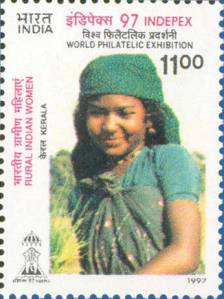
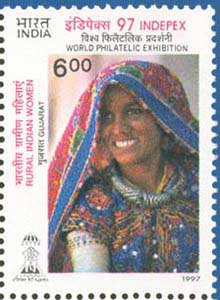
Can Narendra Modi Apologize to Four Hundred and Five Million Rural Women in India?

1744_Rural_Women_Keral 1742_Rural_Women_Gujar B_Id_424710_Narendra_Modi_

Rural Indian Women (Courtesy India Post) and An Urban Indian Man (Narendra Modi)

I watched the television broadcast of BJP’s Prime Ministerial candidate Narendra Modi’s speech at the Japanese Park in Rohini in Delhi on Sunday morning with breathless anticipation and some trepidation. With the restless anxiety that he would spin at least half a new idea, that could induce some naive fence-sitters in Delhi, my city, to sign up behind his juggernaut along with the rest of his zombie horde.

Would his spin doctors have worked hard and tirelessly overnight to give their client a new teflon coating? Would his savvy advisers have given him a sharp new statistic to play with, an incontrovertible fact, a compelling argument that would persuade my fellow citizens? Continue reading Can Narendra Modi Apologize to Four Hundred and Five Million Rural Women in India?