Category Archives: Culture

Massive Turnout at JNU Protest Meeting

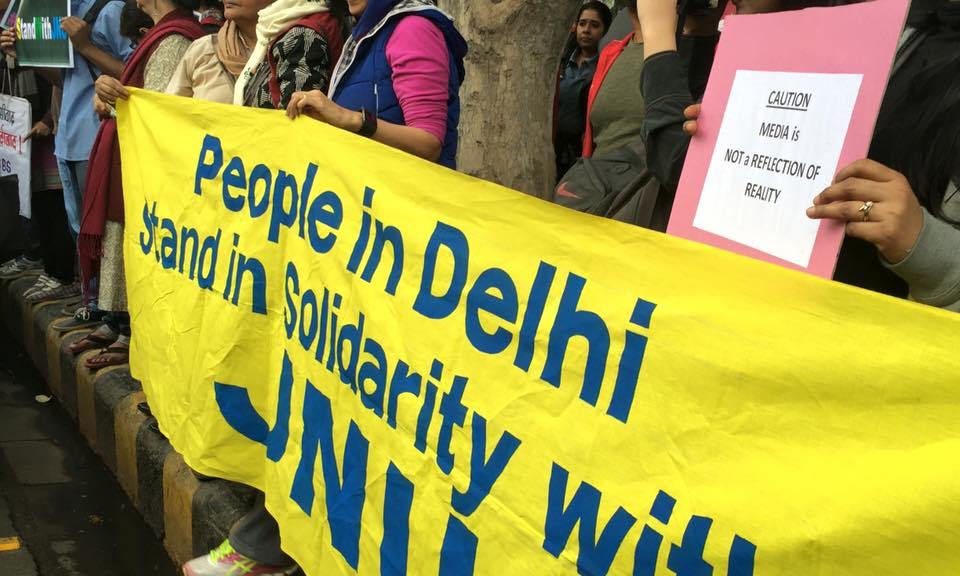
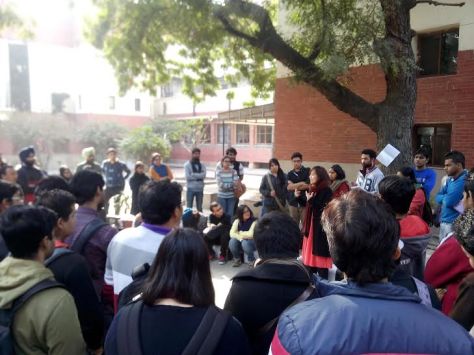
Even as the  government and the new JNU administration under the hand-picked  new Vice Chancellor step up their witch-hunt, the waves of protest grow stronger with a massive turnout at the admin block this evening. Despite the administration withdrawing at the last minute, permission to use mikes,…more and more students and teachers stand up to be counted. The will to fight grows stronger!

Protest meeting JNU
Protest Meeting in JNU outside the administration block. Image courtesy India Resists


Dissent in dark times : Ajita Banerjie

This is a guest post by AJITA BANERJIE

In the dark times, will there also be singing?

Yes there will also be singing.

About the dark times

– Bertolt Brecht.

In the dark times we live in right now, resistance to fascist forces could lead to arrest or death. Dissent comes with a rather heavy price to pay.Issues of democratic-national relevance  have ranged from consuming beef, resisting death penalty, resisting political control over academic institutions, protesting against privatisation of education and the most recent tragedy of Rohit Vemula’s suicide. Continue reading Dissent in dark times : Ajita Banerjie

Tibetan Artists Silenced at Dhaka Art Summit: Ahmad Ibrahim

This is a guest post by AHMAD IBRAHIM

20160207_200806
These pictures, which depict blank walls, are symbolic of the attack. Pictures of the original art cannot be shared due to copyright issues.

On the 7th of February, Tibetan artist Nortse and Indian artists Ritu Sarin and Tenzing Sonam had their photographs and art installations removed at the behest of the Chinese ambassador to Dhaka from the Dhaka Art Summit taking place in Shilpakala Academy in the capital of Bangladesh. The art project by Nortse was titled Prayer Wheel, Big Brother and Automan (2007) which showed the artist don traditional Tibetan clothes along with modern objects to show the surveillance that marks their lives. .Ritu Sarin and Tenzing Sonam produced a piece called “Last Words”, which consists of five facsmilies of five last messages written by the self-immolators in Tibet, along with their English translations. Ritu Sarin and Tenzing Sonam depicted Tibetan monks in the act of self-immolation as a way of political and religious protest against the occupation of Tibet by the Chinese government. At the end of the 6th of February, both artists were still depicted on the walls of the Art Summit. On the 7th, what greeted the visitors and patrons were blank stretches of white wall with white frames. It was as if the works had never existed. This is not the first time the Chinese government has tried to shut down political art work that aims to show the real face of Chinese occupation of Tibet. What is even more reprehensible is that it happened inside the walls of an institution that was proclaiming itself to be a haven of bold art and artistic expression. That the Chinese government could go to such lengths to silence an exhibition happening thousands of miles away shows the depth of their oppression over an entire country. Since February 2009, 142 Tibetans have self-immolated in their homeland, 120 dying from their actions.

A link to Tenzing Sonam’s twitter:

A Facebook link to a picture when the exhibit was still standing. 

Ahmad Ibrahim is a Dhaka based journalist.

If You Can’t Beat Them, Join ’em – Or, Ente Dinkeswara!

A new wave, nay, tsunami, of (THE) Faith has risen in Kerala. Soon, it will sweep the Nation.  This is the mighty thrust of Lord Dinkan, now known all over Kerala as Dinkamatam – or Dingoism.

…. Yellow, and black, and pale, and hectic red/ Pestilence-stricken multitudes: O Dinka,/ Who chariotest to their dark wintry bed ... [from ‘Ode to Dinka’ by the early Dinka devotion poet Muroidea Muridae Murinae, later stolen by Shelley and rewritten as ‘Ode to the West Wind’. Note that Dinkan,  superhero airborne rat and Shelley’s West Wind are both powers of the Air]

If you don’t believe me, visit this url:

https://www.dinkoism.com/

Now, like many others, I too was an unbeliever until I went there. One click, and I knew this was truly Faith. Market logic is nowadays the true marker of anything genuine (redefined an anything worth pursuing), and Dinkoism is unmatched in this regard. Even Amritanandamayi who successfully packages and sells all styles of Hinduism (the astrologer-obsessed style, the Saibaba-singing-style, the Sivakasi-print style, the shallow version of the Upanishadic style, the Christian-inflected Hugging-Mother style, the belligerent Hindutvavadi-style) cannot match him. Upon opening this Divine page, my eyes fell upon a notice in Malayalam which said: Mega offer before the world ends in 2012 [that needs updating, I suppose – small error; the spirit is more important] . 100 % guarantee in securing sin-free existence. Many years of service. Ridding of curses undertaken responsibly. We have no branches. Now, what further proof did I need to be convinced that this was the true Faith? Who doubts now that faith in the Logic of the Market precedes faith in faith? The Logos of Dinkan and the Logic of the Market are in perfect harmony!

Continue reading If You Can’t Beat Them, Join ’em – Or, Ente Dinkeswara!

In solidarity with Rohith Vemula: Concerned students and faculty at the Indian Institute of Management, Calcutta

Open letter to the President of India from Concerned students and faculty at the Indian Institute of Management Calcutta.

To

The President of India

Subject: An urgent appeal to address discrimination and political interference in academic institutions in the wake of the death of RohithVemula.

We, a group of students and faculty of the Indian Institute of Management Calcutta,expressour grief over the loss of the precious life of RohithVemula, a Dalit research scholar, at the University of Hyderabad.The events that transpired in the particular case were indeed tragic, with allegedinfringement of freedom of expression, caste discrimination and partisan interference by the higher State apparatus. This event is symptomatic of the larger malaise of failure of our institutions to provide a climate where students, irrespective of their social backgrounds, could find a way to excel. To create such a climate would require synchronised efforts in the parts of the State, the educational institutions and the society at large. Continue reading In solidarity with Rohith Vemula: Concerned students and faculty at the Indian Institute of Management, Calcutta

Paranoia and Procedure – Everyday Life within a University Labyrinth, Circa 2016: Prasanta Chakravarty

This is a guest post by PRASANTA CHAKRAVARTY

“The nature of peoples is first crude, then severe, then benign, then delicate, finally dissolute.”

–Giambattista Vico
The past congeals in savoir faire or habit, conserved as an ethos, in the corridors of the Arts Faculty at Delhi University. We all remember what is happening, while it is happening; watching ourselves as live spectators of our own actions. Wherefore such a sense of centripetal actuality? How this despotic pathology of inevitability in a place which was supposed to be the harbinger of a future? But the future arrives as a gyre, a loop. Continue reading Paranoia and Procedure – Everyday Life within a University Labyrinth, Circa 2016: Prasanta Chakravarty

Operation Ekalavya : Jhandewala, New Delhi, Rohith Vemula’s Birthday, 30th January 2016

Dear young friends who went to Jhandewala on Rohith Vemula’s birthday,

a1078-rohit-facebook-and-storysize_647_011816123527

And all those who were there in spirit, in Delhi, Hyderabad and elsewhere. I am writing to you because I think you might have all taken things much further than anyone can quite imagine or understand at present.

I am writing to you, for today and for tomorrow, so that every time in the future that young people gather to celebrate their friend Rohith’s birthday, we might all begin to have a different kind of conversation. So that the boundaries between mourning and celebration, between anger and joy may always remain blurred enough for us to know what to do next, each time.

Since you had a close encounter with the police and their colleagues in the RSS on Rohith’s birthday, I want to spend a little time thinking about them with you. Bear with me. I sincerely hope we will not have to bear with them for much longer.

Continue reading Operation Ekalavya : Jhandewala, New Delhi, Rohith Vemula’s Birthday, 30th January 2016

Condemning Caste Discrimination in Higher Education Centres that led to Rohith’s Untimely Death – Students of Delhi School of Economics, Delhi University

Guest Post by Students of Delhi School of Economics, Delhi University

dschool

( A protest meeting on Rohith Vemula was organised in Delhi School of Economics, Delhi University on 28 th January. Find pasted below a brief report of the meeting followed by the statement which was read and passed in the meeting.)

We, the students of Delhi School of Economics organised a protest meeting in solidarity with the Joint Action Committee for Social Justice, University of Hyderabad. It was joined in by students from other departments of the university as well.

The discussion revolved around the presence of caste based discrimination within university campuses and the deadly silence on the matter. It was recognised that Rohith’s investment in progressive politics was crucial in him and others in Ambedkar Students Association being victimised. And the present gathering affirmed its investment in that politics and striving for the kind of change Rohith also aspired for. Continue reading Condemning Caste Discrimination in Higher Education Centres that led to Rohith’s Untimely Death – Students of Delhi School of Economics, Delhi University

Translators’ Dilemmas and Entering ‘South Asian Literature’

61SpmvI6dUL._SX325_BO1,204,203,200_

Ever since Hangwoman, my translation of K R Meera’s modern epic in Malayalam, Aarachaar was published, I have been repeatedly asked whether I edited it to ‘shape’. The question sometimes irritated me, because it was posed as if I had carried out the intellectual equivalent of cosmetic surgery on that fine work.

I struggled to communicate the subtlety of the editing that translation demands. One is always conscious of the fact that the readership of an English translation is qualitatively different from that of the original Malayalam text, but editing in the process of translation is not primarily aimed at making the text palatable to the former. Much more significant is the fact that what may need a whole sentence in the source language can perhaps be conveyed in a word in the target language or vice-versa. And, more importantly perhaps, any translation is hugely dependent on the translator’s reading of the text. The translator is constantly faced with the problem of how to interpret – is a certain word or phrase or sentence a simple description, or a complex one, or perhaps a metaphor or a simile? Editing rests quite decisively on such micro-decisions.

Continue reading Translators’ Dilemmas and Entering ‘South Asian Literature’

Pirates in our public library – Why Indian scholars are closely watching a court case in Quebec: Rochelle Pinto

Rochelle Pinto in Scroll.in

In 2005, Sean Dockray did what any sensible government should have done for its students. The American artist set up a sharing-enabled platform for a website then called aaaaarg.org, and uploaded digital copies of largely theoretical and philosophical texts that could be freely downloaded by readers. Before long, many of the researchers, students, teachers, and scholars who used the site began to upload scans of texts in their possession – exactly as Dockray hoped they would.

To readers based in places like India, a collection with this breadth is simply unavailable and, on first sight, unimaginable, as these books often sell at more than three or four times the price of a bestselling novel. Outside of the highly professionalised, and increasingly corporatised atmosphere of the better-funded US, European and East Asian university libraries, scholars have to settle for producing critical research without access to (or sometimes knowledge of) essential material.With aaaaarg.org, anyone with an internet connection could access mutually contributed material, reminding us that research relies on a common pool of ideas.

Since no good deed goes unpunished, Dockray has been regularly pursued with the odd legal notice. Those who punched in the address aaaaarg.org (now aaaaarg.fail) to search for this boon of a resource know that it kept adding or subtracting an “a” to its cry of frustration every six months or so in response to the threats. Aaaaarg.org sometimes took down a few texts, negotiated with publishers, and persuaded a few to back off, aided by reader support. The site is now hosted by free software advocate Marcell Mars as aaaaarg.fail. As a case filed by an unknown publisher is underway in the Superior Court of Quebec, long time users are, aside from contributing towards their legal expenses, hoping that the project does not go the way of other online sites such as library.nu and gigapedia that were forced to shut down.

Read the rest of the article here.


Women in Sabarimala – The Untold Story: Elsa T Oommen

This is a guest post by ELSA T OOMMEN

‘For the last 20 years woman irrespective of their age were allowed to visit the temple when it opens for monthly poojas. They were not permitted to enter the temple during Mandalam, Makaravilakku and Vishu seasons’
– (S. Mahendran vs The Secretary, Travancore Devaswom Board and Ors. (1991) (8) [AIR 1993 Ker 42])

The Supreme Court of India will soon be hearing the final arguments on the question of the restriction imposed on women in the reproductive age from entering the Sabarimala temple in Kerala. The court had earlier questioned the constitutional basis of the restriction at the behest of a the public interest litigation (PIL) placed before the apex court of India by the Indian Young Lawyers Association (IYLA) where it called for allowing women of all ages to be allowed entry to the temple. Continue reading Women in Sabarimala – The Untold Story: Elsa T Oommen

“Nobody killed Rohith Vemula”: Kishalaya Mukhopadhyay

This is a guest post by KISHALAYA MUKHOPADHYAY

“Nobody killed Rohith Vemula”. Perhaps someday there will be a film like this. Perhaps someday people will start talking about the exploitation of dalits, the need for annihilation of caste, the systematic discrimination in all spheres of society including the government, corporate, bureaucratic and educational sectors. Perhaps caste as an analytical category will become as politically charged as gender has become post-Nirbhaya. Today there is a discourse around marital rape, victim blaming, domestic violence and other aspects of patriarchy that has transcended even if slightly only the small coterie of feminist scholars within whom this discourse used to be limited to. Continue reading “Nobody killed Rohith Vemula”: Kishalaya Mukhopadhyay

The Need for Black-South Asian Solidarity: Lavanya Nott

This is a guest post by LAVANYA NOTT

In February 2013, George Zimmerman, a 28-year old neighbourhood watch coordinator in Sanford, Florida, stalked and fatally shot 17-year old unarmed Trayvon Martin, an African-American high school student. In July of that year, Zimmerman was acquitted of his crime.

On August 9, 2014, unarmed Black teenager Michael Brown was shot several times by police officer Darren Wilson in Ferguson, Missouri after Brown stole several packs of cigarillos from a neighbourhood store. In late November of that same year, a grand jury did not indict Wilson of his crime.

The Black Lives Matter movement began after Zimmerman’s acquital, and the Ferguson non-indictment saw the movement surge forward, with thousands of citizens taking to the streets all over the United States in protest. In the months that followed, the movement gained rapid momentum, spurred on by yet another non-indictment—that of a White police officer in Staten Island who put 43-year-old Eric Garner in a fatal chokehold in broad daylight, without provocation. His death was ruled by a medical examiner as a homicide, but his killer Daniel Pantaleo escaped indictment.

In mid-September 2015, Mohammad Akhlaq’s house in Dadri was broken into, his family attacked, and his life taken by a rampaging mob of RSS workers who were responding to a rumor that Akhlaq killed a cow and subsequently consumed its meat on Eid.

Less than a month later, a gang of upper-caste Rajputs set fire to the house of a sleeping Dalit family, killing two-year-old Vaibhav and his nine-month-old sister Divya. This attack, in BJP-ruled Faridabad, was set against the backdrop of a long-standing caste-related dispute between the Dalit and Rajput communities in the city.

Continue reading The Need for Black-South Asian Solidarity: Lavanya Nott

മണ്ണാങ്കട്ടയും വേണ്ട, കരിയിലയും വേണ്ട: ഷഫീക്കിന് ഒരു തുറന്ന കത്ത്

പ്രിയ ഷഫീക്ക്


ഈയാഴ്ചത്തെ മാതൃഭൂമി ആഴ്ചപ്പതിപ്പു കണ്ടപ്പോൾ നിങ്ങൾക്ക് ഇങ്ങനെ ഒരു കത്ത് എഴുതണമെന്നു തോന്നി. സത്യത്തിൽ ഈ ലക്കം ആദ്യം മറിച്ചുനോക്കിയപ്പോൾ പത്രമിടുന്നയാൾക്ക് തെറ്റുപറ്റി ദേശാഭിമാനി വാരിക കൊണ്ടിട്ടോ എന്നു സംശയിച്ചു പോയി. എന്നാൽ സാവധാനം വായിച്ചപ്പോൾ ഒരു കാര്യം പിടികിട്ടി – ഈ ലക്കത്തിലെ താരം മറ്റാരുമല്ല, താങ്കൾ തന്നെ. പച്ചയ്ക്കങ്ങു പറഞ്ഞില്ലെങ്കിലും ഇന്ന് മാനവ-അമാനവസംഗമവക്താക്കൾ ഒരുപോലെ ഭയപ്പെടുന്ന വ്യക്തി ഷഫീക്കാണ്.

അത് നല്ലതോ എന്നെനിക്ക് തിട്ടമില്ല, പക്ഷേ എന്തായാലും ചീത്തയല്ല. അവിടെയും ചില പ്രധാനപ്പെട്ട വ്യത്യാസങ്ങളുണ്ട്. മാനവസംഗമപ്രവർത്തകർ നിങ്ങളുയർത്തിയ പ്രതിഷേധത്തെ മറച്ചുകളയുകയോ അമാനവരുടെ വശത്തേയ്ക്ക് പരോക്ഷമായി തള്ളുകയോ ചെയ്തപ്പോൾ അമാനവസംഗമപ്രമുഖൻ താങ്കളെ തിരിച്ചറിവു കുറഞ്ഞ ഒരു പാവമാക്കി. അഭിനന്ദനങ്ങൾ. നാം ജീവിക്കുന്ന ഈ കാലങ്ങളിൽ സർവ്വസമ്മതരാകുന്നതല്ല രാഷ്ട്രീയസർഗ്ഗാത്മകതയുടെ ലക്ഷണം. വിഷമപ്രശ്നങ്ങൾ ഉന്നയിക്കാനുള്ള കഴിവാണ് അതിനാവശ്യം. അതുള്ളതുകൊണ്ടാണ് നിങ്ങളെ പലവിധത്തിൽ പുറന്തള്ളാൻ മാനവരും അമാനവരും ഇത്ര തിടുക്കപ്പെടുന്നത്.

എ എം ഷിനാസും എൻ പി ജോൺസണും കെ കെ ബാബുരാജും തമ്മിലുള്ള വ്യത്യാസങ്ങളെ അവഗണിക്കുന്നില്ല. ഷിനാസ് ക്രിസ്റ്റഫർ ഹിച്ചൻസിൻറെ നാടൻ പതിപ്പായാണ് ആഴ്ചപ്പതിപ്പിൽ അവതരിച്ചിരിക്കുന്നതെങ്കിൽ (ഐജാസ് അഹമ്മദ് പറഞ്ഞതുകൊണ്ടു മാത്രം ഇസ്ലാമോഫാസിസം എന്ന പദത്തിൻറെ അർത്ഥസൂചനകൾ നിരുപദ്രവകരമാകുന്നില്ല) ജോൺസൺ ഇരുപത്തിയൊന്നാം നൂറ്റാണ്ടിൻറെ സാഹചര്യങ്ങളിൽ സ്ത്രീവിമോചനദൌത്യമേറ്റെടുത്ത കേരളീയനായ പുരുഷ സാമൂഹ്യപരിഷ്ക്കർത്താവാണ്. ബാബുരാജാകട്ടെ, ഇവരുടെ ബദ്ധവൈരിയായാണ് പ്രത്യക്ഷപ്പെടുന്നത്. നിങ്ങൾ പക്ഷേ മൂന്നുപേർക്കും ഒരുപോലെ ശല്യക്കാരനാണ്.
ഈ മൂന്നു ബുദ്ധിജീവികളും ഇരുപതാം നൂറ്റാണ്ടിലെ മലയാളപുരുഷബുദ്ധിജീവിയുടെ പല സ്വഭാവങ്ങളും പ്രദർശിപ്പിക്കുന്നുവെന്നും വ്യക്തം. ഫാസിസത്തെ ഇരപിടിയൻ-ശിങ്കിടി മുതലാളിത്തത്തോടും ന്യൂനപക്ഷ മതസ്വത്വങ്ങളോടും കീഴ്ജാതിസ്വത്വങ്ങളോടും അവർക്കിഷ്ടമില്ലാത്ത മിക്കതിനോടും, കാര്യമായ സാധൂകരണമൊന്നും കൂടാതെ ബന്ധിപ്പിക്കുന്നൂ മാനവപക്ഷക്കാർ. ഈ പ്രതിഭാസങ്ങളെക്കുറിച്ച് ഇന്ന് നിലവിലുള്ള അതിബൃഹത്തായ പഠനസാഹിത്യത്തെ ആഴത്തിൽ സ്പർശിക്കാൻ മെനെക്കെടാതെ, മറുപക്ഷത്തെ ലളിതവത്കൃത കോമാളിഛായകളാക്കി താഴ്ത്തുന്നതിൽ ലേശവും മടി കാട്ടാതെ, തങ്ങളുടെ ബോദ്ധ്യങ്ങൾ വായനക്കാരുടെ മുന്നിൽ വീശിയെറിയുന്നൂ അവർ. ചുംബനസമരത്തിലെ അസൌകര്യകരമായ വിശദാംശങ്ങളെയും ശബ്ദങ്ങളെയും പച്ചയ്ക്കു തന്നെ ഒഴിവാക്കി തനിക്കുതകുന്ന വിധത്തിൽ ആ സമരത്തിൻറെ ചിത്രം ചമയ്ക്കാൻ മറ്റൊരാൾക്ക് തെല്ലും മടിയില്ല. തങ്ങളുടെ ആന്തരിക’പരിശുദ്ധി’യെ ചോദ്യം ചെയ്യാനിടയുള്ള ഒന്നിനെയും വെച്ചുപൊറുപ്പിക്കില്ലെന്ന ശാഠ്യവും ഇരുകൂട്ടരിലും ഒരുപോലെ ശക്തം തന്നെ. വളരെ തയ്യാറെടുപ്പുകളൊന്നും കൂടാതെ തങ്ങളുടെ ബൌദ്ധിക ‘ഭീരങ്കികൾ’ നിറയൊഴിച്ച് സർവ്വരേയും വിറപ്പിക്കാൻ ഇവർക്ക് കഴിയുന്നതിനു പിന്നിൽ ആ മലയാളി (ആൺ) റാഡിക്കൽ ജീനിയസ് അവബോധം തന്നയല്ലേ എന്നു സംശയിച്ചു പോകുന്നു. അത്തരം തയ്യാറെടുപ്പു നടത്തിയിരുന്നെങ്കിൽ ഫാസിസത്തെയും മതത്തെയും സ്വാതന്ത്ര്യത്തെയും അങ്ങനെ പലതിനെയും പറ്റി ഇവർ നടത്തുന്ന ലളിതപ്രസ്താവങ്ങൾ ഇവരുടെ ഉള്ളിൽത്തന്നെ ജന്മമെടുക്കില്ലായിരുന്നു. ഉദാരവാദചിന്തയുടെ ഉച്ചകോടിയിൽ പിറന്ന പിതൃമേധാവിത്വപരമായ ആശയമാണ് ‘പ്രതിഭാശാലി’ എന്നത്. ഗവേഷണപരമായ തയ്യാറെടുപ്പുകൾ കൂടാതെ (അല്ലെങ്കിൽ തങ്ങൾക്ക് സൌകര്യപ്രദമായ പഠനസാഹിത്യത്തെ മാത്രം ആശ്രയിച്ച്, മറ്റുള്ളവയെ ന്യായമായ രീതിയിൽ അഭിസംബോധന ചെയ്യാൻ കൂട്ടാക്കാതെ) ‘ഉൾ-കാഴ്ചകൾ’ തട്ടിവിടുന്ന മലയാളിപുരുഷപൊതുബുദ്ധിജീവികൾ അവലംബിക്കുന്നത് ആ പഴയ ജീനിയസ് മാതൃകയെത്തന്നെ. ലിബറലിസത്തെയും വ്യക്തിവാദത്തെയും വാതോരാതെ അപലപിക്കുന്ന ബാബുരാജു പോലും ജീനിയസ്നാട്യം ബലമായിപിടിച്ചിരിക്കുന്നതുകൊണ്ടാണ് ദലിത് ഫെമിനിസ്റ്റുകളുടെ ഇടപെടലുകളെ പരിഗണിക്കാൻ അദ്ദേഹത്തിനു കഴിയാത്തത്. രേഖാ രാജിൻറെ പേരു പോലും ഓർക്കാൻ അദ്ദേഹത്തിനു കഴിയാതെപോകുന്നതും അതുകൊണ്ടുതന്നെ.

ഹിന്ദുത്വഫാസിസത്തിൻറെ സദാചാരവും നവ ഇസ്ലാമികസദാചാരവും എല്ലാം ഒന്നുതന്നെയെന്ന് മാനവപക്ഷത്തിന് തീർച്ചയാണ്. എന്നാൽ അമാനവപക്ഷത്തു നിലയുറപ്പിച്ച ബാബുരാജ് പോലും പരോക്ഷമായി ഈ നിലപാടല്ലേ സ്വീകരിക്കുന്നതെന്ന് ഞാൻ സംശയിക്കുന്നു. ചുംബനസമരം പൊതുവേ ‘സദാചാര’ത്തിനെതിരെയായിരുന്നെന്ന് അദ്ദേഹം ശഠിക്കുന്നത് വസ്തുതാപരമായിപ്പോലും ശരിയല്ല. ലൈംഗികധാർമ്മികത അനാവശ്യമാണെന്നല്ല, മറിച്ച് ബ്രാഹ്മണഹിന്ദുത്വസദാചാരസമ്മർദ്ദത്തെ ചെറുക്കണമെന്നും കൂടുതൽ ജനാധിപത്യപരമായ രീതിയിൽ ലൈംഗികധാർമ്മികതയെ പുന:സൃഷ്ടിക്കണമെന്നുമാണ് ചുംബനസമരങ്ങൾ ആവശ്യപ്പെട്ടത്. ഏതെങ്കിലും സദാചാരം അനീതിപൂർവിവമാണെന്നു പറഞ്ഞാൽ യാതൊരുവിധ ധാർമ്മികതയും ആവശ്യമില്ല എന്ന് അർത്ഥമാകുന്നില്ല. സദാചാരത്തെ തിരുത്തിയെഴുതാൻ ചരിത്രത്തിൽ നടന്ന സമരങ്ങളെ മുഴുവൻ സദാചാരവിരുദ്ധസമരങ്ങളായി ചിത്രീകരിച്ച് വ്യവസ്ഥാപിതസദാചാരഭീതികളെ ഇളക്കിവിടുക എന്നത് പണ്ടുപണ്ടേ ഉള്ള കാരണവതന്ത്രങ്ങളിലൊന്നാണ് – അതാണ് ബാബുരാജ് പ്രയോഗിച്ചത്.എങ്കിലും സദാചാരമെന്ന് താനെന്താണ് ഉദ്ദേശിക്കുന്നതെന്ന് വ്യക്തമാക്കാൻ അദ്ദേഹം മെനക്കെടുന്നില്ല. നമുക്കറിയാം, ആ സമരം വിമർശിച്ചതു മുഴുവൻ കേരളത്തിലിന്ന് അധീശത്വം കൈയാളുന്ന ബ്രാഹ്മണസദാചാരമൂല്യവ്യവസ്ഥയെ ആണ്. എൻറെ പരിമിതമായ വായനയിൽ ഇസ്ലാമികസദാചാരത്തെ, അല്ലെങ്കിൽ ഇസ്ലാമികസദാചാരത്തിൻറെ സാദ്ധ്യതകളെ, ബ്രാഹ്മണസദാചാരമൂല്യങ്ങളിലേക്കു ചുരുക്കാൻ കഴിയില്ലെന്നാണ് കാണുന്നത്. ഉദാഹരണത്തിന് ഇസ്ലാം ലൈംഗികാനന്ദത്തെ വെറുക്കുന്നില്ല. കുടുംബകാര്യങ്ങളിൽ സ്നേഹത്തിനു കല്പിക്കുന്ന അതേ പ്രാധാന്യം നീതിയ്ക്കും കല്പിക്കുന്നു. വിവാഹത്തെ അനാവശ്യമായി പവിത്രീകരിക്കുന്നില്ല. പുരുഷാധികാരപരമായ വായനകൾക്കാണ്, അവിടെ മുൻതൂക്കമെന്ന് സമ്മതിക്കാം, പക്ഷേ ബ്രാഹ്മണസദാചാരവും എക്കാലത്തും ആവിധം തന്നെയായിരുന്നു. ബ്രാഹ്മണസദാചാരത്തിനില്ലാത്ത സാദ്ധ്യതകൾ ഇസ്ലാമികലൈംഗികധാർമ്മികതയ്ക്കുണ്ടായേക്കാം എന്നതുകൊണ്ടുതന്നെ അതിനെ ബ്രാഹ്മണസദാചാരത്തിലേക്ക് ചുരുക്കുന്നത് തീരെ ആശാസ്യമല്ല.

ഒന്നുകിൽ ബാബുരാജിന് അതു കാണാൻ താത്പര്യമില്ല; അല്ലെങ്കിൽ ഇന്ന് കേരളത്തിലെ നവ ഇസ്ലാംപക്ഷങ്ങൾ ഉന്നയിക്കുന്ന ലൈംഗികധാർമ്മികതയും ഹിന്ദുത്വ-ബ്രാഹ്മണലൈംഗികധാർമ്മികതയും മൂർത്തരൂപത്തിൽ ഒന്നുതന്നെ എന്നദ്ദേഹം സൂചിപ്പിക്കുന്നു! ഇസ്ലാംലൈംഗികാനന്ദത്തെ വെറുക്കാത്തതുകൊണ്ട് ചുംബനസമരക്കാരുന്നയിച്ച പുതിയ ലൈംഗികധാർമ്മികതയോട് അതിനാണ് (അതിൻറെ പുരുഷാധികാരവ്യാഖ്യാനങ്ങളെ കണക്കിലെടുത്താൽ പോലും) കൂടുതൽ അടുപ്പം.അത്തരം സംവാദങ്ങൾ ഉണ്ടാകാതെ ബ്രാഹ്മണസദാചാരത്തെ സംരക്ഷിച്ചുനിർത്തി എന്നതാണ് ചുംബനസമരവിരുദ്ധപ്രചരണത്തിലൂടെ ബാബുരാജ് നടത്തിയ ചരിത്രസംഭാവന. എന്തായാലും ഇക്കാര്യത്തിൽ ഈ മൂന്നു ബുദ്ധിജീവികളും പ്രത്യക്ഷമോ പരോക്ഷമോ ആയ നിലകളിൽ ഒറ്റക്കെട്ടാണ്.

ആധുനികസ്വാതന്ത്ര്യങ്ങളെ പറ്റി, വിശേഷിച്ചും ലിംഗതുല്യത, ലൈംഗികതെരെഞ്ഞെടുപ്പുകൾ എന്നിവയെപ്പറ്റി, സംശയാലുക്കളായ മതവിഭാഗങ്ങളെ  ആക്രമിച്ചാൽ മതി, അതു ഫാസിസ്റ്റ് വിരുദ്ധപ്പോരാട്ടമായിക്കൊള്ളുമെന്നു ധരിക്കുന്നവരും, യാഥാസ്ഥിതികസദാചാരത്തെ ആക്രമിച്ചാൽ അത് ഫാസിസത്തിനു വഴിയൊരുക്കും എന്ന് ആണയിടുന്നവരും തമ്മിലുള്ള ഈ കടിപിടിയെപ്പറ്റി എന്തു പറയാനാണ്?

മണ്ണാങ്കട്ട ഒലിച്ചു പോകും, കരിയില പൊടിഞ്ഞു പോകും. ഒടുവിൽ അവ ഒന്നുതന്നെയായിത്തീരും.

നിങ്ങൾ രണ്ടിനെയും ഭയക്കേണ്ട കാര്യമില്ല. സധൈര്യം മുന്നോട്ടു പോവുക. അഭിവാദ്യങ്ങൾ!

ജെ ദേവിക


Honour in the Court Room: Arya Raje

This is a guest post by ARYA RAJE

The Indian Judiciary is often perceived as a progressive institution, perhaps one of the few in which Indians still retain some measure of faith. A recent case in the Supreme Court[1] was lauded for asserting that there cannot be any compromise in a rape case, after the Madras High Court had suggested mediation between the victim and the accused. The decision may be sound, but what passed under the radar was that the judgement was couched in deeply problematic language:

 “These are crimes against the body of a woman which is her own temple. These are offences which suffocate the breath of life and sully the reputation. And reputation, needless to emphasise, is the richest jewel one can conceive of in life. No one would allow it to be extinguished. When a human frame is defiled, the “purest treasure”, is lost. Dignity of a woman is a part of her non-perishable and immortal self and no one should ever think of painting it in clay.”

This is not particularly unusual. Continue reading Honour in the Court Room: Arya Raje

Sanjay Leela Bhansali’s “Bajirao-Mastani” – A Feminist Analysis of Mastani’s Religion and Caste: Deepra Dandekar

Guest post by DEEPRA DANDEKAR

“Bajirao-Mastani”, a film made by Sanjay Leela Bhansali, released in 2015, has been controversial for all the wrong and Brahminical reasons – the Peshwa’s descendants raising their hackles about the veracity of events surrounding Kashibai’s life and conservative concerns over vulgarity and the attack on the the dignity of a pure Brahmin family. My concerns in this essay are however different. This essay is a feminist analysis about Mastani and about how persons of mixed Muslim parentage are culturally constructed.

What Bhansali perhaps never questioned for a minute, while making “Bajirao-Mastani” was the conundrum of Mastani’s caste and religion, when he conveniently made her Muslim, while erasing her Rajput identity in Hindu India. But he did more. While making her Muslim, Bhansali moreover produces a paradigm of “good” Muslim-ness that can be deemed morally “tolerable” by Brahmin Hindus, when it protects Hindu women from “bad” Muslims, who can then be legitimately killed. Bhansali produces this as a historical saga that integrates “good” Muslims as secondary adjuncts (second wives) in status to primary, formal, upper caste and Hindu family relationships in exchange for protection.   Continue reading Sanjay Leela Bhansali’s “Bajirao-Mastani” – A Feminist Analysis of Mastani’s Religion and Caste: Deepra Dandekar

Male Dominance, Exploitation and Hypocrisy in Malayalam Film Industry: Interview with Shakeela by Dalit Camera

Guest post. SHAKEELA interviewed by DALIT CAMERA

[With English translation of transcript also by Dalit Camera]

DC: In the early 2000’s, your movies were very popular while those of mainstream heroes were flops. At that time, the government places several restrictions on your movies. What is your response to that?

Shakeela: Even I have watched the movies of these big stars. They have the just as much “glamour” scenes. However, they have termed only my movies as soft porn, A-film, Shakeela movies, bit movies, etc. That is because Kerala, in particular, is a male dominated society. Therefore, their domination is very evident. Men are given preference. Even if girls study well, they are never encouraged. In such a place, can they accept a woman from another state achieving such high status? Yes, it true. There were several problems.

Continue reading Male Dominance, Exploitation and Hypocrisy in Malayalam Film Industry: Interview with Shakeela by Dalit Camera

Beyond Trumpism and Rumpism- Thoughts on People Against Fascism in Kerala

The so-called People Against Fascism (PAF), a meeting at Kochi last weekend, will be remembered perhaps as the first open enunciation of neocon anti-Muslim rhetoric in Kerala. This is important considering the fact that even the Hindutva rightwing here is yet to draw on this virulent discourse. The terrible – and sadly laughable- irony is that it is the self-styled social and political radicals who claim that it is a move against Hindutva politics. Continue reading Beyond Trumpism and Rumpism- Thoughts on People Against Fascism in Kerala

The ‘Pinga’ Controversy, Caste and Subversion: Sneha Gole

Guest Post by SNEHA GOLE

Recently the song ‘Pinga’, from Sanjay Bhansali’s ‘Bajirao Mastani’ went online on YouTube and the song has given rise to a tide of criticism,  mostly from self-professed ‘Puneris’ and ‘Maharashtrians’. Much of the criticism is aimed at what is perceived as the lack of authenticity of the song – that it is unlikely that Kashibai and Mastani would dance together, that the costumes worn by the actresses in the song are historically inappropriate, that a queen would not wear such revealing clothes and dance like an ‘item girl’ along with a ‘courtesan’ etc. While I am in no ways arguing that the song is historically accurate and I can understand the discomfort of those arguing against the song, the tone of much of that writing is troubling to say the least.

While accusing the director of stereotyping, much of this writing is working from an assumption that equates Maharashtrian to Bramhin. One of the posts even talks about how “no Maharashtrian lady would be caught bobbing her head like that” (emphasis mine). Which Maharashtrian women are we talking about? There is also a distinct racist tinge to the criticisms, with a few posts commenting on Priyanka Chopra’s ‘dusky’ skin as unsuitable for Kashibai (with her fair, delicate, ‘Chitpavan’ looks)! Continue reading The ‘Pinga’ Controversy, Caste and Subversion: Sneha Gole

Farewell to Vidrohi: Pallavi Paul

Guest Post by Pallavi Paul

[ Rama Shankar Yadav ‘Vidrohi’, was a familiar figure for students, especially in Jawaharlal Nehru University in Delhi. He was a friend, a companion, a comrade, a mentor. Though rusticated many years ago from JNU, where he had been a student, for his participation in a  protest, he had never left the campus of JNU, and had become, over the years, a beloved feature of campus life. His visceral poetry, often heard at protest gatherings, was passed from person to person by word of mouth. A few days ago, he died while marching with his beloved student friends in a protest against cuts in education in Delhi.  Pallavi Paul, a filmmaker and artists, who made short films featuring Vidrohi, remembers him in this tribute..]

Unknown Citizen Vidrohi
Vidrohi as the ‘Unknown Citizen’ at a Protest to ‘Reclaim the Republic’ on 26 January 2013

Yesterday, as I was looking out a window of an old house in Ballygunge, Kolkata- my phone buzzed. I ignored it.  I was in the middle of telling a friend how happy I was to be away from Delhi for sometime. How the sights and smells of a different city were rejuvenating. The feeling of not having a ‘special connection’ with anyone or anything here felt liberating.

Much later, I opened the message from my friend Uday. ‘Vidrohiji passed away’, he wrote. Just three words.  In our conversations with him, Vidrohiji had often spoken about his death. We had revisited the scenario over and over again. Like a dream or a film – it had a grand setting. He had told us “Now that you are recording me, i know that i will say goodbye in the most glorious way possible. Very few people can say that about their death, while they are still alive.” On another day he had said to us, “As my fame has increased, so have the dangers. Now what i need is guarantee. Your records are guarantee against that largest threat of being killed. I say to my enemies, that if you want to kill me – then shoot me in the eyes. Because i will keep staring back at you till my last breath. Your records will help me stare back at them even after I am gone. “

Continue reading Farewell to Vidrohi: Pallavi Paul

Ambedkar For Our Times!

( Till 1992, 6 th December was remembered as ‘Parinirvan Divas’ of Dr Ambedkar, legendary son of the oppressed who had clearly recognised the true meaning of Hindutva and warned his followers about the dangers of Hindu Rashtra ; post 1992, 6 th December has an added meaning and it relates to the demolition of Babri Mosque undertaken by these very forces.

Apart from the fact that this event led to the biggest communal conflagaration at the national level post-independence, whose repercussions are still being felt and whose perpetrators are still roaming free, we should not forget that it was the first biggest attack on the principles of secularism and democracy, which has been a core value of the Constitution drafted under the Chairmanship of Dr Ambedkar.

What follows here is an edited version of the presentation made at Dept of Social Work, Delhi University, during their programme centred around 1 st Ambedkar Memorial Lecture)


“If Hindu Raj does become a fact, it will no doubt, be the greatest calamity for this country. No matter what the Hindus say, Hinduism is a menace to liberty, equality and fraternity. On that account it is incompatible with democracy. Hindu Raj must be prevented at any cost.”

– Ambedkar, Pakistan or Partition of India, p. 358

‘Indians today are governed by two ideologies. Their political ideal set in the preamble of the constitution affirms a life of liberty, equality and fraternity whereas their social ideal embedded in their religion denies it to them’

– Ambedkar

Continue reading Ambedkar For Our Times!