Category Archives: Feminism

From revered icon to unruly subject – Irom Sharmila and the politics of gender: Panchali Ray

Guest Post by PANCHALI RAY

In the month of August, 2016, Irom Sharmila Chanu, also known as the ‘Iron Lady’ and ‘Mengoubi’ (the fair one) announced that she would break her 16 year long hunger fast, which she commenced  as a protest against the imposition of AFSPA (Armed Forces (Special Powers) Act) by the Indian state on the tiny hilly state of Manipur. While some cheered, others were curious, and many shocked and angry at what they perceived as her betrayal of the Manipuri cause. The backlash from her community was quick and ferocious, and newspaper headlines carried titillating stories of how she was rejected by her ‘own’.[1]

While much has been written on Sharmila’s hunger strike, her breaking of the fast, and entry into electoral politics, there has not been an equal amount of discussion on the politics of gender. For instance, the fact that Sharmila’s location in the North-Eastern part of the country has been central to her marginalization and non-acknowledgement[2], or that the mainstream media’s highlighting of her predicament, post-hunger strike, reinforced stereotypes of Manipur as the ‘wild’ and ‘savage’ North East[3] has received considerable attention.

Continue reading From revered icon to unruly subject – Irom Sharmila and the politics of gender: Panchali Ray

The Politics of Piety in Naya Pakistan: Afiya Zia

Guest Post by AFIYA ZIA

A year ago, Pakistan’s national elections brought in a new government led by the Pakistan Tehreeq e Insaf (PTI) and headed by the former-cricketer-turned politician, Imran Khan. Khan had been drifting in the political wilderness for 22 years, waiting for providence to appoint him Prime Minister. As the 2018 elections loomed, this was not looking possible. However, a series of legal cases of corruption started being levelled against the serving PM, Nawaz Sharif, and efforts were made to atrophy others from the major parties of the PML-N and PPP (who had signed the ‘charter of democracy’ to prevent military intervention in civilian governance). The methods of these moves made it clear that the ‘establishment’ was betting on a new horse. Khan was not taking any risks though.

Six months before the national election, he entered marriage for the third time (with no less controversy than his previous marriages) to Bushra Maneka who was also his spiritual guide or pirni. A mother and a grandmother, there was speculation that Bushra divorced her husband for the higher cause of marrying the PM-in-waiting. In the days prior to the summer election, Khan performed Umrah in Mecca with Bushra, and was seen prostrating at a shrine in Pakistan and accessorised with rosaries and amulets in preparation for the polls.

Continue reading The Politics of Piety in Naya Pakistan: Afiya Zia

The politics of Hindutva and its erotic charge: Jaya Sharma

Guest post by JAYA SHARMA

In the post election bewilderment that continues to grip us, might it be that we are asking the wrong questions?

The questions are by now familiar. How can it be that a Pragya Thakur wins and an Atishi loses? How can it be that demonetization doesn’t translate into loss of votes? How can it be that the party under whom lynching of Dalits and Muslims becomes a norm gets re-elected? How can it be that hatred for the other wins over humanity?

In response, journalists, political scientists and writers have pointed out that our assumptions related to the significance of macro economic indicators, caste-based voting patterns, among other things, were faulty. But the questions still remain,  including the big one: why did facts and logic lose so dramatically?

Might it be that the bewilderment continues because there is a glaring blind spot in the way in which we understand politics? Might it be that facts and logic were never the only driving force? I will argue here that in order to understand the recent election results and the power of Hindu Nationalism more broadly, we need the lens of the psyche. The play of desire and the erotic is key to understanding politics and dipping into our own sex and love lives can help us see this.  ‘The personal is political’ mantra can come to the rescue in the bewilderment that we feel today.  In making this argument I will draw upon research that I have undertaken for a book that I am in the process of writing called Fantasy Frames: Sex, Love and Indian Politics, to be published later this year. Continue reading The politics of Hindutva and its erotic charge: Jaya Sharma

Sexual Harassment ‘in-house’ for the Supreme Court – is sunlight the best disinfectant? Pratiksha Baxi

Guest Post by PRATIKSHA BAXI

The publication of a sworn affidavit by a former Supreme Court staffer testifying to sexual harassment by the Chief Justice of India has been treated as a scandal, whether the complainant was believed or not. And the subsequent events – an extraordinary suo moto hearing, allegations of a conspiracy against the independence of the judiciary, the in-house committee’s decision to exonerate the CJI – have evoked the normative question whether such forms of judicial exceptionalism are the necessary condition for judging in our courts.

Yet asking such questions ran the risk of being labelled as an ‘institution de-stabiliser’. The intent was to invent social consensus by deploying labelling as a technique of censoring and delegitimising feminist critique. Not so long ago women who challenged male authority were described as witches, today they are labelled anti-national, institution destabilisers, presstitutes or simply, left-liberal/JNU type.

However, whether one walks right, left, centre or zigzag, it cannot be denied that jurisprudential questions need answers beyond the specifics of this case. One would have thought that it is also in the interest of all judges to devise a procedure that is constitutionally sound and invested in gender justice, while recognising the specific problems that judges may have because of the nature of their work. And that the Supreme Court would recognise that it is in the interest of every survivor of sexual harassment, irrespective of ideology or status, to be provided normative answers.

Continue reading Sexual Harassment ‘in-house’ for the Supreme Court – is sunlight the best disinfectant? Pratiksha Baxi

Farewell, Sister in Pain: A Tribute to Ashita


The thinking mind knows, but the heart keeps seeking the lingering traces of presence. Continue reading Farewell, Sister in Pain: A Tribute to Ashita

Law versus faith, female activists versus male devotees and other strange creatures at Sabarimala

Images of resistance

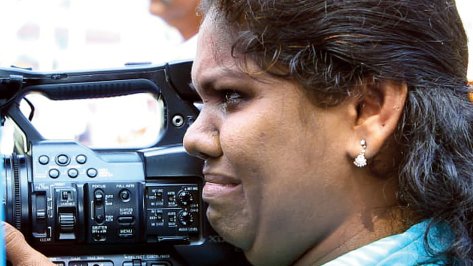
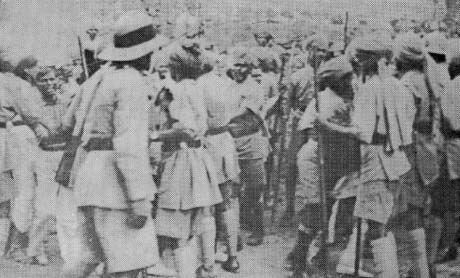
The three images below teach us how society is transformed – by the courage and determination of the oppressed and marginalized; by tears of rage, and by stony cold resistance in the face of violent retaliation by entrenched power.  It is not that these pioneers were fearless, but that they acted despite their fear.

The first shows Kairali TV camera-person Shajila Ali Fathima, tears running down her face as she continues filming the vandalism of Hindu right-wing mobs over the Sabarimala issue, despite being threatened and physically attacked (her neck was hurt, and she has since been advised a cervical collar and rest).

The second shows fifteen year old Elizabeth Eckford walking steadfastly past the hostile screams and stares of white segregationists on her first day of school in 1957, after the US Supreme Court outlawed racial segregation in schools.

And the third shows the Kalaram Temple satygraha, led by BR Ambedkar and BK Gaikwad in 1930, to fight for the right of Dalits to enter the temple.  Almost nine decades later, Dalits still face immense hostility and violence towards their right to worship and participate in temple festivals.

Women are activists, men are devotees

Continue reading Law versus faith, female activists versus male devotees and other strange creatures at Sabarimala

Hindutva Terror and Left Hegemony: After Women’s Entry into Sabarimala

Hours after the two women entered Sabarimala, the Hindu terrorists began their handiwork. Mad mobs, including women, began to roam the streets and attack by-passers, in their desperation to foment violence and provoke riots. In Karunagappally, Muslim establishments and shops were singled out for vandalism. The Sangh-backed Sabarimala Action Council called for a hartal today and they have spared no effort to make sure that people are terrorized. Continue reading Hindutva Terror and Left Hegemony: After Women’s Entry into Sabarimala

The Triumph of Streevaashi! Women break the wall of caste at Sabarimala

Out of the dark, seemingly never-ending night, a streak of light! Two women of menstruating ages, Bindu and Kanakdurga, finally entered Sabarimala, breaking the concerted walls built against them by brahmanical-Hindutva male authorities on the right and left. Continue reading The Triumph of Streevaashi! Women break the wall of caste at Sabarimala

Stop The Criminalisation of Triple Talaq: Women’s rights activists

We, the undersigned individuals, women’s rights activists and allies of the women’s movements, are opposed to the Muslim Women (Protection of Rights on Marriage) Bill, 2018 in its present form. We appeal to the Members of Rajya Sabha to completely withdraw the Bill and significantly re-draft it in the interest of Muslim women.
The Muslim Women (Protection of Rights on Marriage) Bill, 2017, was passed by the Lok Sabha on December 28, 2017 and is pending before the Rajya Sabha. This Bill was not referred to a Select Committee as urged by the members of Rajya Sabha, but the Union Cabinet incorporated three amendments based on the issues raised by the Opposition. It included the provision of bail when the wife appears before the Magistrate, allowing only the aggrieved woman and her relatives (by blood or marriage) to file a complaint, and making the offence compoundable. Owing to severe opposition to this Bill in the Rajya Sabha, the Union Cabinet issued the Muslim Women (Protection of Rights on Marriage) Ordinance on September 19, 2018, which criminalised the pronouncement of triple talaq (or talaq-e-bidat) with punishment of up to 3 years of imprisonment and with fine.
We are writing on behalf of Muslim women from across the country and women’s groups to oppose this Bill, which is arbitrary, excessive, and violative of fundamental rights enshrined in the Indian Constitution. Overall, if this Bill is passed it would make Muslim women more vulnerable to violence, as well as harm their economic, household and social security.

Continue reading Stop The Criminalisation of Triple Talaq: Women’s rights activists

JNU GSCASH statement on ICC punishments for complainant

We, the undersigned faculty and student members of Gender Sensitisation Committee Against Sexual Harassment (GSCASH) who have been elected by the faculty and students of JNU to ensure gender justice in the university (2017), are shocked by the news report on the recommendations of the Internal Complaints Committee’s (ICC) for a specific case. The report published in Indian Express (13.12.2018) states that the ICC found the complaint a frivolous one after inquiry and consequently has recommended that the complainant be completely debarred from entering JNU Campus, her degree should be withdrawn, and that she should never be allowed to take up any course or employment in JNU.

As per the ICC Rules and Procedure, Rule No. 11 states the “Action against frivolous complaint” in order “to ensure that the provisions for the protection of employees and students from sexual harassment do not get misused”. It further states “If the ICC concludes that the allegations made were false, malicious or the complaint was made knowing it to be untrue, or forged or misleading information has been provided during the inquiry, the complainant shall be liable to be punished as per the provisions of sub- regulations (1) of regulations 10, if the complainant happens to be an employee and as per sub-regulation (2) of that regulation, if the complainant happens to be a student. However, the mere inability to substantiate a complaint or provide adequate proof will not attract attention against the complainant. Malicious intent on the part of the complainant shall not be established without an inquiry, in accordance with the procedure prescribed, conducted before any action is recommended”. Continue reading JNU GSCASH statement on ICC punishments for complainant

Statement by JNU faculty against targeting of complainants of sexual harassment by ICC

We, the undersigned faculty at the Jawaharlal Nehru University express our shock and outrage at the extreme penalties recommended against a doctoral student for bringing a sexual harassment complaint against her teacher.

According to a report in the Indian Express (dated 13 December 2018),  JNU’s Internal Complaints Committee (ICC) has decided to punish a student for allegedly filing a ‘false’ sexual harassment complaint against a teacher in what it has deemed to be a ‘frivolous’ complaint. While we are not privy to either the details of the complaint or the justification the ICC has for arriving at this conclusion — rather than simply noting the failure to substantiate a complaint— we find the severity of the penalties imposed extremely troubling.

Continue reading Statement by JNU faculty against targeting of complainants of sexual harassment by ICC

Justice denied – the Dharmapuri rape: Ila Ananya

Guest Post by ILA ANANYA

IMG-20181114-WA0002

On the night of November 12th 2018, more than fifty people from Sittilingi, a village in Dharmapuri district of Tamil Nadu, made their way back home from Dharmapuri Government Medical College Hospital with the body of a 16-year-old Adivasi (Malaivasi) girl. The girl had been raped on November 5th by two drunk men, and had died in the hospital five days later – a death that her family have described as linked to blatant police negligence, beginning with their refusal to file an FIR, and involving the questionable role of the Child Welfare Committee (CWC) in Dharmapuri. Manjunathan*, a resident of Sittilingi, says that on November 12th, around ten police vehicles and 100 policemen had followed the girl’s funeral procession through the village, all the way to the graveyard. “Till now we have never seen the police,” Manjunathan attests, “now suddenly, since the day of the protest, they have remained in the village, especially at the junction, harassing people.”

This large and unusual police presence in Sittilingi began on November 10th, after around 2000 people gathered on the main road of the village, frequented by buses connecting Salem and Thiruvannamalai, to protest against the rape and death of the girl. Continue reading Justice denied – the Dharmapuri rape: Ila Ananya

Of Angry Women and Insecure Men – Hindi cinema and the MeToo Age: Rama Srinivasan

Guest Post by RAMA SRINIVASAN

Men have had every advantage of us in telling their own story. Education has been theirs in so much higher a degree; the pen has been in their hands. I will not allow books to prove anything.”
― Jane Austen, Persuasion

Austen’s words, a searing commentary on how patriarchy controls the narrative, remains relevant today despite tenacious efforts by women to wrest authorial control from men and narrate our own stories. Even as the struggle to find one’s voice and to be heard continues, we might also ask ourselves what we will be left with after we have successfully challenged male authority and supremacy in our stories, the idea of heroes and villains, of chaste wives and women of disreputable characters. In the moment of triumph, is there also a need of introspection? The MeToo movement, in India and elsewhere, opens our world(s) up to these and many other questions that do not have easy or ready answers. A standard reply, reproduced in several platforms when questions like ‘why now’ or ‘what next’ are raised is illuminating of the problem societies face when women tell stories: “For now, we should just listen to the women who want to speak up.” It not only represents the struggle to tell our stories on our own terms but also tell them without a fixed agenda or plan.

The current moment in Hindi cinema has been complementing these societal struggles, perhaps even foreshadowing the MeToo challenges to patriarchy by both wresting authorial power to tell stories of relatable people, especially of women, but also displacing plot devices and narrative arcs familiar to stories that end up reaffirming patriarchal authority. Continue reading Of Angry Women and Insecure Men – Hindi cinema and the MeToo Age: Rama Srinivasan

An Open Letter to Brinda Karat about Rehana Fathima: Why are we being hunted in Kerala?

Dear Comrade

Last year, around this time, I wrote you an open letter about the plight of Hadiya Asokan who was being hunted down by the Hindutva groups for her choice of faith and partner while the CPM and its cyber force was either actively abetting the violence or watching passively. I wrote in joy, because you had taken a firm stand and despite angry howls of protest against you from your own party. However, this time, I write in sheer despair at your silence; not just yours, but of the AIDWA in Kerala in general, in the wake of the twisted machinations of the Hindutva forces around the Supreme Court’s order permitting the entry of women of menstruating ages to the Sabarimala temple. Continue reading An Open Letter to Brinda Karat about Rehana Fathima: Why are we being hunted in Kerala?

Rehana Fatima and the Goons: A comment on the good-cop-bad-cop game that’s on in Kerala

Yesterday’s high drama at Sabarimala told us quite a lot about the games that politicians play in Kerala. Rehana Fatima, a young woman activist who decided to take the challenge (it is now a challenge, since the trekking path to the shrine is in effect controlled by Hindutva goons heaping verbal abuse, threatening open violence, and using children as shields) had to face not only the naked threats of the so-called bhakths and the vandalisation of her home at Kochi by the same elements, she had also to swallow the Kerala Minister Kadakampally Surendran’s jibe that Sabarimala was not a playground for ‘activists’! By saying so, he hinted that only ‘pure’, ‘untainted’ women believers who are apparently by definition not activists, can be helped by the Kerala Police to reach the shrine. So much for Pinarayi Vijayan’s evocation of Kerala’s legacy of enlightened Hinduism!

This is a piece I wrote in the TOI today on the issue.


Keep Calm and Carry On: Dealing with Patriarchal Carpet Bombing in Kerala

For all women in India, what is happening in Kerala should be an eye-opener.  This is how Indian society rewards you for reaching the top, aspiring seriously to be on top, and actually asking questions to authorities about why they keep drawing on women’s energies and resources while simultaneously undermining the very ground on which they survive. In Kerala, two things are going on: there is on the one hand, a vicious gang led by Rahul Easwar which is openly threatening women who would dare to enter Sabarimala with the worst kinds of violence, on the other, the horrid misogyny of the press was revealed at the press conference held by the Women in Cinema Collective who expressed their deep disquiet at the way in which the organization of cinema actors, AMMA, and its president Mohanlal, were eager to protect oppressors and ignore survivors. Also, even male intellectuals who have been very supportive of feminist and gender justices causes have been named in the MeToo campaign among journalists in Kerala.

Kerala is a society where, in the past twenty years, we have seen women come up everywhere — in journalism, literature, academics, cinema, architecture, engineering, art, management, sports, trade unionism, activism. Women in Kerala have been the force of social democratizing as evident from the struggles ranging from the Munnar tea garden workers’ struggle to the brave nuns protesting against sexual violence. For sure, a very large number of women in Kerala are ultra-conservative, and that is apparent both in their presence in the muck that Easwar and his gang are raking up in Kerala, as well as in the shameless way in which some of them were emboldened to hurl caste insults at the Chief Minister of Kerala. This is therefore reminiscent not so much of the Battle of Britain in World War II, but for the Battle of Stalingrad — which was heavily bombed by the Luftwaffe, even as there was hand-to-hand combat on the ground for control of the tiniest slices of the city, and where the city residents were often subject to the terrors of both the Nazi and the Soviet sides alike.

If you want to see male hubris overflowing, please take a look at this video, of https://www.facebook.com/plugins/video.php?href=https%3A%2F%2Fwww.facebook.com%2FWomeninCinemaCollectiveOfficial%2Fvideos%2F249328929064857%2F&show_text=0&width=267“>the press conference held by the Women in Cinema collective. All I can tell us all is, Keep Calm and Carry on. After all, unlike in the World War II, the ammunition of these creeps need not hurt us at all; it can make it only more powerful.


സ്ത്രീവാശിയുടെ ആവശ്യകത :ശബരിമലപ്രശ്നം, സ്ത്രീകൾ, സാമൂഹ്യജനാധിപത്യം

അഭിനവ അച്ചിയാകാൻ എനിക്കു സമ്മതമില്ല. അതുകൊണ്ട് രാഹുൽ ഈശ്വറെ എന്തുവില കൊടുത്തും ഞാൻ എതിർത്തു തോൽപ്പിക്കും.

കുറേ സ്ത്രീകളെ തെരുവിൽ കൊണ്ടുവന്ന് ആചാരസംരക്ഷണത്തിൻറെ പേരിൽ സ്വന്തം താത്പര്യങ്ങൾക്കെതിരെ സംസാരിപ്പിക്കുക, അവരുടെ പൊതുജീവിതപരിചയമില്ലായ്മയുടെ ഫലങ്ങൾ കൊയ്തെടുക്കുക (പിണറായിയെ ജാതിത്തെറി വിളിച്ച ആ വിഡ്ഢിസ്ത്രീ തന്നെ ഉദാഹരണം), ബ്രാഹ്മണമൂല്യങ്ങൾ തങ്ങൾക്കു സമ്മാനിക്കുന്ന അപമാനഭാരത്തെ ആത്മീയസായൂജ്യമായി എണ്ണുന്ന അഭിനവ അച്ചി-സ്ഥാനത്തെ ഉത്തമസ്ത്രീത്വമായി ചിത്രീകരിക്കുക –ഇതൊക്കെയാണ് ശബരിമലപ്രശ്നത്തിൽ കേരളത്തിലെ ഹിന്ദുത്വശക്തികൾ ചെയ്തുകൊണ്ടിരിക്കുന്നത്. Continue reading സ്ത്രീവാശിയുടെ ആവശ്യകത :ശബരിമലപ്രശ്നം, സ്ത്രീകൾ, സാമൂഹ്യജനാധിപത്യം

Pinjra Tod – DU Against Curfew – All Night Protest

Do Not Ride the Tiger of Hindtuva: Sabarimala Entry and Hindutva Women

The Supreme Court judgment on women’s entry into Sabarimala has got Hindutva women in Kerala into a hand-wringing, hair-tearing frenzy, and that is to put it lightly. I say ‘Hindutva women’ deliberately, to refer to a sub-set of Hindu women, who (1) believe, like the RSS chief, that the Hindu(tva) lion is under threat from dogs (guess who the dogs are in this case) (2) identify craven submission to Hindutva commonsense about gender as ‘Indian tradition’ (3) are willing to sacrifice all public decency for the sake of upholding that common sense. Continue reading Do Not Ride the Tiger of Hindtuva: Sabarimala Entry and Hindutva Women

How to Deal with Male Chauvinist Piorge: Ten Tips

After the floods comes the pestilence. Even as the rest of us are focusing all our energies on making sure that epidemics and sheer psychological trauma aren’t going to bring our people devastated by floods to the brink of their endurance, here is a bizarre person, a certain P C George, MLA from Poonjar, Kerala, indulging in the worst kinds of patriarchal excess. At this time one would expect our elected representatives to be aiding and comforting people in their respective constituencies. Instead, we have this man spew unspeakable, stupid trash on the public. I do not want to reproduce it here; you can read for yourself.  I’d rather try to think of how we may deal collectively with those of his ilk. Continue reading How to Deal with Male Chauvinist Piorge: Ten Tips

A letter to Sanghiannan in the wake of our common woe

[Before you read this post, you might want to read KR Meera’s brilliant portrait of the average Malayali middle-class Sangh supporter, in her story Sanghiannan, which I translated as ‘My Brother Sanghi’, published by Juggernaut at : https://www.juggernaut.in/books/088d472b19d745d29492560654250e15 . I recommend this also because she sketches beautifully the spirit of deep compassion that inheres in the thought of Sreenarayana Guru, who tried to imagine the faith outside the brahmanical framework of caste. This will help you to get a sense of that section of Malayali middle class I address here.]


Kerala declares

Continue reading A letter to Sanghiannan in the wake of our common woe