
Guest post by MITU SENGUPTA
In a remarkable book about slumdwellers in Mumbai, Katherine Boo brings to light an India of “profound and juxtaposed inequality” – a country where more than a decade of steady economic growth has delivered shamefully little to the poorest and most vulnerable. But though indeed a thoroughgoing and perceptive indictment of post-liberalization India, the book fits into a troubling narrative about the roots of India’s poverty and squandered economic potential.
This is a beautifully written book. Through tight but supple prose, Boo offers an unsettling account of life in Annawadi, a slum near Mumbai’s international airport. In Boo’s words, this “single, unexceptional slum” sits beside a “sewage lake” so polluted that pigs and dogs resting in its shallows have “bellies stained in blue.” It is hidden by a wall that sports an advertisement for elegant floor tiles (“Beautiful Forevers” – and hence the title). There are heartrending accounts of rat-filled garbage sheds, impoverished migrants forced to eat rats, a girl covered by worm-filled boils (from rat bites), and a “vibrant teenager,” who kills herself (by drinking rat poison) when she can no longer bear what life has to offer.
Continue reading Review: ‘Behind the Beautiful Forevers’ by Katherine Boo
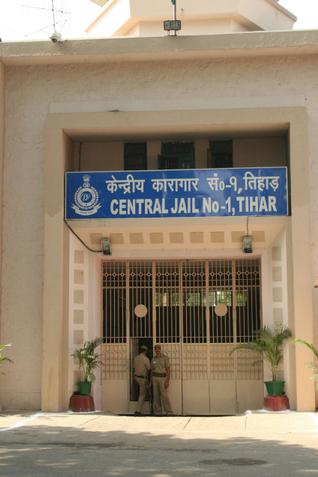 Mrs Gandhi, the then Prime Minister of India, represented the Rai Bareli seat in the Lok Sabha. On 12th June 1975 she was unseated on charges of election fraud and misuse of state machinery in a landmark judgement by Justice Jagmohan Lal Sinha of the Allahabad High Court. Fakhr-ud-Din Ali Ahmad, the then President of India, declared internal emergency on the 25th of June, on the recommendation of a pliable cabinet presided over by Mrs G. The people of India lost all civil liberties for a period of 21 months.






 KAFILA - COLLECTIVE EXPLORATIONS SINCE 2006