Seasons of Violence: Vikas Bajpai


Guest post by VIKAS BAJPAI

Sometimes, memories stacked away for long, come tumbling out. If these are not just about personal nostalgia, dwelling upon them could serve some public good.

It was 31 October, 1984. The time may have been around 11 am. I was taking my second term exams for class XI in a room on the ground floor of the science block of the Delhi Public School, R K Puram, New Delhi. Unfortunately, mine was the first seat very close by to the only entrance and the exit for the room. ‘Unfortunately’ because  this made seeking the help and guidance of fellow examinees in this ordeal a rather adventurous proposition. Nevertheless, I focussed on the question paper intently, trying to make sense of what was expected of me.

A while after the examination had taken off, the teacher invigilating in our room and other teachers in the adjacent rooms flocked together at the door of our room for a conference of sorts, each having a cup of tea in their hands which had been duly served by that time. Barely a minute or so into their hushed conference, I over heard one of the teachers remark – ‘madam ko to goliyan lag rahin hain’ (madam is being riddled with bullets). I was a bit startled as to what that could mean; but then, I had a task at hand and got immersed in it before long. Continue reading Seasons of Violence: Vikas Bajpai
The Imposition of CCS Rules in Central Universities: Statement by JNU faculty

THIS IS A STATEMENT PREPARED BY JNU FACULTY

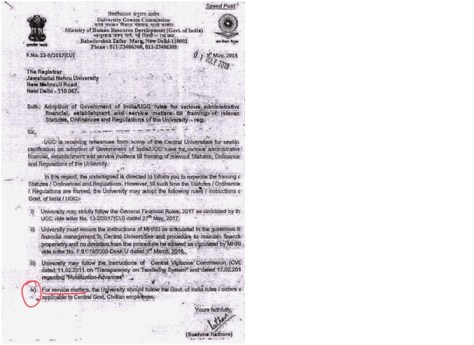
In the wake of the protests in universities about a number of disastrous policy level changes — huge fund cuts for the University Grants Commission, state governed divestment from the higher education in the name of graded autonomy, tampering with reservation policy in both drawing up recruitment and in college administration, casualisation and reduction of employment in universities, widespread corruption, as well as authoritarian clampdown on free speech and thought — the government has now sought to muzzle teachers voices through the induction of the Central Civil Service (Conduct) Rules to govern the conduct of faculty in Central Universities.


Continue reading The Imposition of CCS Rules in Central Universities: Statement by JNU faculty

Rehana Fatima and the Goons: A comment on the good-cop-bad-cop game that’s on in Kerala

Yesterday’s high drama at Sabarimala told us quite a lot about the games that politicians play in Kerala. Rehana Fatima, a young woman activist who decided to take the challenge (it is now a challenge, since the trekking path to the shrine is in effect controlled by Hindutva goons heaping verbal abuse, threatening open violence, and using children as shields) had to face not only the naked threats of the so-called bhakths and the vandalisation of her home at Kochi by the same elements, she had also to swallow the Kerala Minister Kadakampally Surendran’s jibe that Sabarimala was not a playground for ‘activists’! By saying so, he hinted that only ‘pure’, ‘untainted’ women believers who are apparently by definition not activists, can be helped by the Kerala Police to reach the shrine. So much for Pinarayi Vijayan’s evocation of Kerala’s legacy of enlightened Hinduism!

This is a piece I wrote in the TOI today on the issue.


Keep Calm and Carry On: Dealing with Patriarchal Carpet Bombing in Kerala

For all women in India, what is happening in Kerala should be an eye-opener.  This is how Indian society rewards you for reaching the top, aspiring seriously to be on top, and actually asking questions to authorities about why they keep drawing on women’s energies and resources while simultaneously undermining the very ground on which they survive. In Kerala, two things are going on: there is on the one hand, a vicious gang led by Rahul Easwar which is openly threatening women who would dare to enter Sabarimala with the worst kinds of violence, on the other, the horrid misogyny of the press was revealed at the press conference held by the Women in Cinema Collective who expressed their deep disquiet at the way in which the organization of cinema actors, AMMA, and its president Mohanlal, were eager to protect oppressors and ignore survivors. Also, even male intellectuals who have been very supportive of feminist and gender justices causes have been named in the MeToo campaign among journalists in Kerala.

Kerala is a society where, in the past twenty years, we have seen women come up everywhere — in journalism, literature, academics, cinema, architecture, engineering, art, management, sports, trade unionism, activism. Women in Kerala have been the force of social democratizing as evident from the struggles ranging from the Munnar tea garden workers’ struggle to the brave nuns protesting against sexual violence. For sure, a very large number of women in Kerala are ultra-conservative, and that is apparent both in their presence in the muck that Easwar and his gang are raking up in Kerala, as well as in the shameless way in which some of them were emboldened to hurl caste insults at the Chief Minister of Kerala. This is therefore reminiscent not so much of the Battle of Britain in World War II, but for the Battle of Stalingrad — which was heavily bombed by the Luftwaffe, even as there was hand-to-hand combat on the ground for control of the tiniest slices of the city, and where the city residents were often subject to the terrors of both the Nazi and the Soviet sides alike.

If you want to see male hubris overflowing, please take a look at this video, of https://www.facebook.com/plugins/video.php?href=https%3A%2F%2Fwww.facebook.com%2FWomeninCinemaCollectiveOfficial%2Fvideos%2F249328929064857%2F&show_text=0&width=267“>the press conference held by the Women in Cinema collective. All I can tell us all is, Keep Calm and Carry on. After all, unlike in the World War II, the ammunition of these creeps need not hurt us at all; it can make it only more powerful.


സ്ത്രീവാശിയുടെ ആവശ്യകത :ശബരിമലപ്രശ്നം, സ്ത്രീകൾ, സാമൂഹ്യജനാധിപത്യം

അഭിനവ അച്ചിയാകാൻ എനിക്കു സമ്മതമില്ല. അതുകൊണ്ട് രാഹുൽ ഈശ്വറെ എന്തുവില കൊടുത്തും ഞാൻ എതിർത്തു തോൽപ്പിക്കും.

കുറേ സ്ത്രീകളെ തെരുവിൽ കൊണ്ടുവന്ന് ആചാരസംരക്ഷണത്തിൻറെ പേരിൽ സ്വന്തം താത്പര്യങ്ങൾക്കെതിരെ സംസാരിപ്പിക്കുക, അവരുടെ പൊതുജീവിതപരിചയമില്ലായ്മയുടെ ഫലങ്ങൾ കൊയ്തെടുക്കുക (പിണറായിയെ ജാതിത്തെറി വിളിച്ച ആ വിഡ്ഢിസ്ത്രീ തന്നെ ഉദാഹരണം), ബ്രാഹ്മണമൂല്യങ്ങൾ തങ്ങൾക്കു സമ്മാനിക്കുന്ന അപമാനഭാരത്തെ ആത്മീയസായൂജ്യമായി എണ്ണുന്ന അഭിനവ അച്ചി-സ്ഥാനത്തെ ഉത്തമസ്ത്രീത്വമായി ചിത്രീകരിക്കുക –ഇതൊക്കെയാണ് ശബരിമലപ്രശ്നത്തിൽ കേരളത്തിലെ ഹിന്ദുത്വശക്തികൾ ചെയ്തുകൊണ്ടിരിക്കുന്നത്. Continue reading സ്ത്രീവാശിയുടെ ആവശ്യകത :ശബരിമലപ്രശ്നം, സ്ത്രീകൾ, സാമൂഹ്യജനാധിപത്യം

നായർസമുദായാഭിമാനികളോട്: ശബരിമലപ്രശ്നം ഉയർത്തുന്ന ചില ചോദ്യങ്ങൾ

നായർ സർവീസ് സൊസൈറ്റി ശബരിമലപ്രശ്നത്തിൽ പുനഃപരിശോധനാഹർജി സമർപ്പിച്ച സ്ഥിതിയ്ക്ക് ആ പ്രസ്ഥാനത്തോട് നായർസമുദായത്തിൽ ജനിക്കാനിടയായ ഒരു സ്ത്രീയെന്ന നിലയ്ക്ക് എനിക്ക് ചില ചോദ്യങ്ങളുന്നയിക്കാനുണ്ട്. Continue reading നായർസമുദായാഭിമാനികളോട്: ശബരിമലപ്രശ്നം ഉയർത്തുന്ന ചില ചോദ്യങ്ങൾ

The BabriMasjid/Ayodhya Judgement of 2010 – Some questions for today


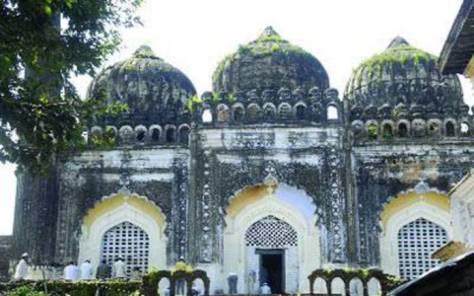
Babri Masjid before its demolition. It was still a mosque in 1992 when Hindutva mobs demolished it, and namaz was offered there until 1949 when under growing pressure from Hindutva forces, it was locked and made out of bounds for the public. However, Hindu puja was permitted there once a year.

This post is an analysis of the Allahabad High Court judgement of September 2010, on the BabriMasjid /Ayodhya issue. The final judgment ruled that the disputed land would be divided into three parts, one third going to the Hindu Maha Sabha which represented Ram Lalla, one third to Sunni Waqf Board and the rest to Nirmohi Akhada including Ram Chabutara and Sitaki Rasoi.

This essay was written at the time, and published in Economic and Political Weekly. Two of the key issues of this case arose in two of the recent judgments of the Supreme Court on other matters.

One, the status of ‘Next Friend’, which is central to the Ayodhya case, was brought up in the judgement on the Bhima- Koregaon Five. Regarding  the PIL filed by historian Romila Thapar and four other eminent persons challenging the alleged-unlawful arrest of these five activists,

the court assumed that the writ petition has now been pursued by the accused themselves and was of the opinion that the petition, at the instance of the next friend of the accused for an independent probe or a court-monitored investigation cannot be countenanced, much less as a PIL as the petitioners cannot be heard to ask for the reliefs which otherwise cannot be granted to the accused themselves.

Two, the status of the deity as a person in law came up centrally in the judgement on Sabarimala.

Apologies for posting this long piece, which is not a blog post but an analytical essay closely examining the 2010 judgement by Allahabad High Court. I have not updated it in any way, as that is the judgement that currently stands. The  case is currently in the Supreme Court.

The Ayodhya judgement: what next?

 Published in Economic and Political Weekly Vol 46 No. 31 July 30 – August 05, 2011

Since the Allahabad High Court judgement on the Ayodhya dispute was delivered on September 30, 2010, a substantial body of reflection upon it has emerged. Historians, political commentators, legal scholars and lawyers have all produced serious and engaged critiques of the judgement, pointing out flaws in reasoning and flaws in law. In an engagement with the debate so far, particularly with the critical voices, of which I am one, I hope here to develop a composite picture of the problems with the judgement, currently under appeal in the Supreme Court. And to ask, what are its weakest links?

Continue reading The BabriMasjid/Ayodhya Judgement of 2010 – Some questions for today

The Impossible Gandhian Project and its Limits – Remembering the Mahatma Today

Gandhi, Nehru and Azad, Wardha 1935, image courtesy Governance Now

Majboori ka naam Mahatma Gandhi (Roughly: Compulsion thy name is Mahatma Gandhi)

I have grown up hearing this expression and have often wondered about its meaning and at the almost proverbial status acquired by it. Whose majboori or compulsion was Gandhi really? Well, at one level, everybody’s, for practically every current within the anti-colonial struggle was uncomfortable with his presence and his leadership. Jawaharlal Nehru had even remarked once that after independence, his fads would have to be kept in check. All nationalists who fought for independence from colonial rule (as opposed to the pseudo-nationalists who tried to convert it into a cow-protection movement) had their gaze fixed on the state. They wanted control of that coveted instrument – that was the crux of their anticolonial struggle. There were others like BR Ambedkar, who too invested a lot in the state but realized that the state in the hands of the nationalists would be a disaster for his people. But no one among them (poet-thinkers like Tagore apart) was prepared to look beyond the state. And Gandhi’s disavowal of the state – and of politics as such – was something that no one could digest. More than anything else, that was what made him a majboori for this set of people who could only lay their hands on their object of desire as long as Gandhi was in the leadership – for he alone could move millions like no one among his contemporaries could.

But my hunch is that these were not the people who coined this expression. Gandhi was a bigger majboori for another set of people who were, ironically, equally disinterested in the state and its ‘capture’ – at least till recently. Yes, these were the different currents of the Hindutva Brigade (VD Savarkar of the Hindu Mahasabha and his followers and the Rashtriya Swayamsevak Sangh). They had to tolerate Gandhi – that is exactly what their majboori meant – till they could finally eliminate him. And it was one Nathuram Godse, with connections to both Savarkar and the RSS, who eventually killed him. There were earlier attempts too on Gandhi’s life – all from upper caste Hindus (one lot being Chitpavan Brahmins). Continue reading The Impossible Gandhian Project and its Limits – Remembering the Mahatma Today

Do Not Ride the Tiger of Hindtuva: Sabarimala Entry and Hindutva Women

The Supreme Court judgment on women’s entry into Sabarimala has got Hindutva women in Kerala into a hand-wringing, hair-tearing frenzy, and that is to put it lightly. I say ‘Hindutva women’ deliberately, to refer to a sub-set of Hindu women, who (1) believe, like the RSS chief, that the Hindu(tva) lion is under threat from dogs (guess who the dogs are in this case) (2) identify craven submission to Hindutva commonsense about gender as ‘Indian tradition’ (3) are willing to sacrifice all public decency for the sake of upholding that common sense. Continue reading Do Not Ride the Tiger of Hindtuva: Sabarimala Entry and Hindutva Women

Sewer Workers Deaths – The Meaning of Dalit for Bhartiya Janta Party

Guest post by PRAVEEN VERMA

If Prime Minister Narendra Modi were to write about the recent deaths of sewer workers in India, the headline would be:

Some people attained moksha (nirvana) while experiencing spirituality,

Protest against deaths in sewers, photo courtesy The Hindu

In his casteist book Karmayog, he wrote that manual scavenging is a spiritual experience, hence if some people die during cleaning sewers manually, that would be attaining moksha! In a caste Hindu society this should have been a matter of joy, that even in Kaliyuga, there are still some ‘pious’ soul who could give up all moh-maya and do this punya karma! How true this depiction/ description, one feels like saying: why not make the umpteen godmen-led spiritual movements in India take this route to spiritual moksha? This would perhaps have saved the many rapist-rioter babas from arrest and they could truly do their prayaschit (atonement) in these various, very Indian jails. This is after all the real world of this ‘spiritual experience’ of manual scavenging/sewer cleaning, where ‘Moksha’ means institutional killing!

Continue reading Sewer Workers Deaths – The Meaning of Dalit for Bhartiya Janta Party

Release arrested Manipur University professors and students NOW! Appeal to Visitor

We, the undersigned academics and members of civil society, unequivocally condemn the arbitrary arrest and incarceration of six teachers and nine students of Manipur University. Six teachers and seven students have been sent to judicial custody for fifteen days, and the remaining two students for five days.

The arrests have been made under sections of the Indian Penal Code that invoke ‘an attempt to murder’, ‘wrongful confinement’, ‘extortion’, ‘kidnapping’ and ‘criminal conspiracy’ on the basis of a complaint made by Manipur University faculty, K. Yugindro Singh (and the suspended registrar M. Shyamkesho) on charges of attempt to murder and kidnapping. The six arrested professors — Dr. N. Santomba, (Dept. of. Manipuri), Prof. Chungkham Yashawanta (Dept. of Linguistics, also Dean of Humanities, and in-charge Dean of Students Welfare), Prof. Sougaijam Dorendrajit (Dept. of. Physics and Registrar-in-charge), Dr. L. Bishwanath Sharma (Dept. of. Philosophy), Prof. L. Sanjukumar (Dept. of. Biotechnology and Secretary MUTA), and Dr. Yengkhom Raghumani (Dept. of. Earth Sciences) have also been suspended with immediate effect. Following these arrests, the Manipur University campus has been turned into a cantonment, the boys hostel has had tear gas shells and mock bombs rained down upon it all of Thursday night (20 September), Internet services shut down, and all normal academic life has come to a complete halt.

Manipur University has witnessed a peaceful (in the face of great police brutality) 85 day long united agitation by its teachers, students, and staff asking for the removal of the Vice-Chancellor A P Pandey, and the constitution of an Independent Enquiry Committee to look into the allegations of his administrative and financial lapses. This agitation was successful, with a probe being announced on August 16, 2018 and the VC being placed on suspension pending inquiry on 18 September 2018. The details of the egregious misdemeanours of the suspended VC that have formed the basis of agitation by the greater student and teacher communities and have been the cause of disruption of academic activities, are to be found in the news item links provided below.

Read the rest of the statement and sign the appeal here.

Allahabad University Vice Chancellor’s misdemeanours: Open letter to President of India

OPEN LETTER TO THE VISITOR BY FORMER OFFICE BEARERS OF ALLAHABAD UNIVERSITY TEACHERS’ ASSOCIATION and ALLAHABAD UNIVERSITY CONSTITUENT COLLEGES TEACHERS’ ASSOCIATION

To

The Hon’ble Visitor, University of Allahabad, President’s Secretariat (Rashtrapati Bhawan), New Delhi

Sir,

On the eve of the 131st Foundation Day of the University of Allahabad, the under-noted former and serving teachers of the University of Allahabad and its Constituent Colleges, who are or have been office-bearers of the Teachers’ Associations of the University and its Constituent Colleges, respectfully seek to invite your kind attention by means of this Open Letter to certain crucial aspects of the present institutional predicament of the University, arising proximately from shocking revelations of grave improprieties by the Vice-Chancellor Prof. Rattan Lal Hangloo, and cumulatively from the general expositions of the manifestly freewheeling mode of his working over the past three years.

The facts of the Vice-Chancellor’s indecorous personal conduct involve the seeking of personal intimate favours from an individual by proffering employment and promising career-building opportunities. This sordid episode, and the outrage it has engendered in the members of the University community (students, alumni, and serving and former teachers and employees) as well as concerned citizens and well-wishers of the institution, are in the public domain, for they have been covered in graphic presentations in the print, electronic and social media. These have also been communicated by different sources to the Hon’ble Visitor’s establishment, the Ministry of Human Resource Development (MHRD) and other agencies of the Government of India. Some of the individuals subscribing to this Open Letter have also conveyed their dismay over the style and substance of his administrative and financial transactions in separate communications to higher authorities, but have experienced a disheartening absence of critical engagement on the part of the concerned dignitaries and offices with the transgressions of Prof. Hangloo which have also been in glaring public spotlight for almost three years, from his earliest days in office. Continue reading Allahabad University Vice Chancellor’s misdemeanours: Open letter to President of India

The Poverty of Politics and Pre-Requisites of an Anti-Hindutva Front: Moggallan Bharti

Guest post by MOGGALLAN BHARTI

Going by the track record of past four years of Narendra Modi’s government, the only definitive political narrative today is that of the ruling party, characterized by its brand ideological vehemence/ aggression and paralleled by corresponding ideological ennui in the opposition camp. The fact that there is an astronomical rise in hate crimes against Muslims, Dalits, Women and other minorities, silently supported by large numbers of people, underlines the  onset of an ideology, conceptualized by the caste Hindus and institutionalized as Rashtriya SwayamSevak Sangh (RSS).

The electoral success of BJP – the political wing of RSS – only points to a reality which is the logical outcome of the political processes, wherein the Hindu right has been handled with the customary albatross of secularism around all of our necks – defying the social reality of India. In a predominantly caste society, secularism tends to obfuscates real social cleavages and gives preeminence to an idea shaped by the literate elites. That is not to say there is something inherently misplaced with the idea of secularism in this country. Certainly not! On the contrary, it is the dishonesty and the utter insincerity of the India’s political class for whom the politics of secularism remains a mere means to claim political power. Nothing wrong with that too, as long as, this means was directed to its logical end of making an India actually secular. Alas, India’s attempt at constructing a sincere secular society have been halfhearted at its best and nonexistent at its worst, regardless of the secular nostalgia that some people – very sincere and honest people – find themselves attached to.

Continue reading The Poverty of Politics and Pre-Requisites of an Anti-Hindutva Front: Moggallan Bharti

Constructing Democratic Rights Activists as Conspirators: Preeti Chauhan

Guest Post by PREETI CHAUHAN

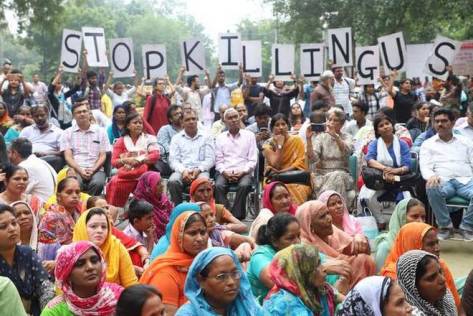
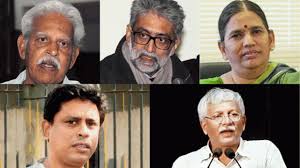
The recent arrest of activists and intellectuals, and raids on various others connected with rights activism across five states in India is a grim reminder of the shrunken space for protest, criticism and dissent in our democracy today. This tendency to muzzle opposing voices has been on brazen display over the past four years though earlier governments had also tried to brand civil rights activists as ‘Maoists’ and as anti-development and anti-progress in a sense. The case against Dr. Binayak Sen, an office bearer of People’s Union for Civil Liberties comes to mind who was also alleged to be a Maoist.

The entire episode raises many questions on the motives of the government for this kind of concerted clampdown on human rights defenders. As of now, the charges against the activists seem far-fetched and entirely fabricated. Most of the activists who are now in jail or under house arrest are long-time members of the civil liberties movement in our country in the post-emergency period. Civil and democratic rights organizations and their activists have faced the charge of being fronts of this and that organization earlier too, and some have been attacked and killed also as in Andhra Pradesh. But what is important to understand is the location of the civil and democratic rights movement vis a vis democracy in India. Continue reading Constructing Democratic Rights Activists as Conspirators: Preeti Chauhan

How to Deal with Male Chauvinist Piorge: Ten Tips

After the floods comes the pestilence. Even as the rest of us are focusing all our energies on making sure that epidemics and sheer psychological trauma aren’t going to bring our people devastated by floods to the brink of their endurance, here is a bizarre person, a certain P C George, MLA from Poonjar, Kerala, indulging in the worst kinds of patriarchal excess. At this time one would expect our elected representatives to be aiding and comforting people in their respective constituencies. Instead, we have this man spew unspeakable, stupid trash on the public. I do not want to reproduce it here; you can read for yourself.  I’d rather try to think of how we may deal collectively with those of his ilk. Continue reading How to Deal with Male Chauvinist Piorge: Ten Tips

Beneath the glitter – Looking at The Asian Games : Praveen Verma

Guest post by PRAVEEN VERMA

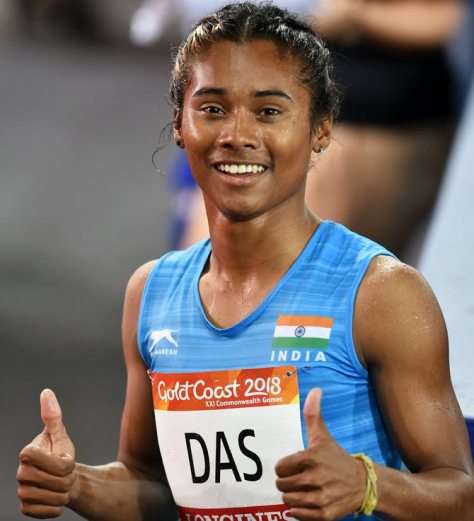
Hima Das

Does it amaze you when you hear the stories of poverty and success in same sentence? Does it amaze us when we hear the stories of some of the best sports-persons and the hardship they have dealt with before and throughout their careers? Does it amaze us when we hear about the sorry state of affairs of sports facilities and some athletes still coming up with great performances? Does it amaze that most of these athletes come from rural India and mostly where they have much economic and social constraints, where work and employment is still precarious? Does it alarm when one get to know that some of these phenomenal sports-persons come from the areas which are still dealing with the issues of hunger, high rate of unemployment, major gender gap? Areas where women coming out and trying to make cut into sports are still taboo? How often does one hear about women from marginal sections (Dalit/Backward caste/tribal) becoming a sportsperson?

Some stories of these kinds make usual snippets in many Hindi newspapers around big sports events. Though, these stories, which are posed as individual heroic one and less of a critical approach to see the working of sports administration, are meant to be sensational and don’t do justice to the entire sports affairs in India. Continue reading Beneath the glitter – Looking at The Asian Games : Praveen Verma

Statement Demanding Immediate Release of Writers, Activists and Human Rights Defenders: IIT Kanpur Alumni and Others

We, a group of alumni of IIT Kanpur and others as students, researchers, faculty, staff and other community members affiliated with the same institute strongly condemn the arrest of IIT Kanpur alumna Sudha Bharadwaj (Integrated MSc., Mathematics, 1979-1984) and other activists namely, Vernon Gonsalves, Arun Ferreira, Gautam Navlakha and Varavara Rao, and the raiding of houses of Anand Teltumbde, K. Satyanarayana and Stan Swamy among many others. These arrests seem to be a mere sequel in an ongoing attempt to intimidate and arrest activists, eminent writers, professors, journalists, and human rights defenders around the country.

Sudha Bhardwaj has a public record of dedicating herself to the most marginalized through her work spanning more than thirty years. She finished her integrated bachelors and masters program of Dept of Mathematics, IIT Kanpur, in 1984. Already socially conscious as a student, by 1986 she had moved to Chhattisgarh working with a workers’ organization and trade union in the mining-industrial belt of central Chhattisgarh. It is here she found her calling as a trade unionist, and later, as a lawyer. We have compiled a short biography of her long journey at https://goo.gl/J6F9kK – it is clear that she dedicated herself entirely to the most vulnerable and powerless, working through the rights and frameworks guaranteed in the Indian constitution. Continue reading Statement Demanding Immediate Release of Writers, Activists and Human Rights Defenders: IIT Kanpur Alumni and Others

Condemn the conspiracy of Hindutva fascist forces against democratic students’ organizations

Statement by COSTISA

On September 4th, 2018 in an important Bengali newspaper Anandabazar Patrika, it was declared that the Central Intelligence has marked some organizations in West Bengal which reportedly act as a frontal organization of the “Maoists”. In the list of organizations, a constituent organization of COSTISA, Ambedkar Bhagat Singh Study Circle (ABSC) has been named.

This event has to be looked at in connection with the nationwide crackdown on Human Right activists, Professors, lawyers and poet as a drive to “clear” “Urban Naxals”. This kind of sensational news shows that the central government is utterly desperate to curb and silence any voices that are raised against them. ABSC has been active in raising voices against the commercialization and saffronization of education and condemning nationwide brahminical fascist attacks on Dalits, Adivasis, Muslims, and other minorities. The students involved in ABSC have also been an important part of the fee hike movement at 2016 in IIT Kharagpur which compelled the administration for a partial rollback of the semester fees and have stood with all students issues which demanded better democracy and proper student rights in the campus.

With all these facts in mind, the reason behind ABSC becoming an eyesore of the government is clear that they have stood for justice and constitutional rights of our people. The state has been using the tactic of labeling the pro-people organizations in an attempt to mobilize public sentiment against them and other activists. Moreover, the sensation created by these announcements serves the purpose of diverting the people’s attention from the real problems of our nation like unemployment, increasing costs of education, health and livelihood, increasing of attacks on Dalits, Adivasis, and Muslims by the Hindutva fascists, anti-people steps like demonetization and GST etc.

COSTISA condemns this act of which hunting and false sentimentalization by the state. We appeal all the patriotic, democratic, pro-people students and intellectuals to stand and raise your voice against it.

Let us not let our country lose all of the democratic ethos it has!

Coordination of Science and Technology Institutes’ Student Associations (COSTISA)

(www.facebook.com/supportcostisa)

Ambedkar Periyar Study Circle (APSC), IIT Madras

Ambedkar Periyar Phule Study Circle (APPSC), IIT Bombay

Students For Change (SFC), IIT BHU

Students For Change (SFC), IMS BHU

Ambedkar Bhagat Singh Study Circle (ABSC), IIT Kharagpur

Forum For Critical Thinking (FCT), IIT Kanpur

Statement against the police raid on Dr. Satyanarayana’s house

Statement by academics in American universities

We, the undersigned, strongly condemn the raid on Dr. Satyanarayana and Pavana’s official university residence, conducted by the Pune police as part of their recent raids on activists in India.

Dr. Satyanarayana is currently Head of the Department of Cultural Studies and Dean of the School of Interdisciplinary Studies at the English and Foreign Languages University, Hyderabad. He has been instrumental in establishing Dalit Studies as an academic discipline and he has co-edited landmark books on dalit studies and vernacular dalit literatures, including Steel Nibs are Sprouting, No Alphabet in Sight and Dalit Studies. Pavana is a lecturer in Hyderabad and a founding member of the Andhra Pradesh Chaitanya Mahila Samakhya, an organization working for women’s rights. She was also editor of the Telugu feminist magazine Mahila Margam. Dr. Satyanarayana and Pavana are the son-in-law and daughter of poet and activist Varavara Rao, one of five people arrested in the raids.

Continue reading Statement against the police raid on Dr. Satyanarayana’s house

Three decades after Ameena, ‘Bride-Bazars’ continue to thrive in Hyderabad: Lovish Garg

Guest Post by LOVISH GARG

Ameena Begum was only ten years old when she was married to a man old enough to be her grandfather. The man- a 60-year-old Arab from Saudi Arabia had come to her house in Hyderabad to see Ameena’s elder sister for marriage but found her to be too ‘ugly and dark.’ He instead expressed desire to marry the young Ameena which the father readily agreed in exchange for a paltry sum of Rs 6,000.  She was later rescued by Amrita Ahluwalia- then an air-hostess with Indian Airlines after she found the young girl crying inconsolably on the Hyderabad-Delhi flight in-route to Saudi Arabia.

This incident put the global spotlight for the first time on the practice of ‘bride-shopping’ in the old city area of Hyderabad where minor Muslim girls from poverty-stricken families are married to older, mostly Arab men for a small sum of money. About three decades after this incident of August 1991- nothing much has changed and the practice of Sheikh marriages continue unabated with estimates suggesting around 2000 of such marriages performed only in the last one year.

The genesis of Sheikh marriages can be traced to the late 19th century when the Nizam of Hyderabad started hiring Chaush Arabs from what is the present-day Yemen. These men served as the military guards and later on high positions in the Nizam’s army and administration. The Arabs also brought with them the ritual of offering gifts and dowry to families who would marry their daughters to them. However, when oil stuck in the Gulf and situation in Hyderabad turned chaotic because of the rising peasant movement and later fall of Nizam- many such Chaush Arabs returned to their homelands.

Continue reading Three decades after Ameena, ‘Bride-Bazars’ continue to thrive in Hyderabad: Lovish Garg

DISSENT, DEBATE, CREATE