Statement on the People’s Resistance against the Citizenship Amendment Bill : New Socialist Initiative

This is a guest post by New Socialist Initiative

New Socialist Initiative stands in solidarity with the people of Assam, Tripura and the other North Eastern states in their heroic struggle against the communally motivated Citizenship Amendment Bill (CAB). It was only because of the resistance of the people that the government couldn’t table the Bill for voting in the Rajya Sabha after surreptitiously passing it in the Lok Sabha. This is in fact a victory for all the progressive and democratic forces of the country,who have been fighting to save and expand the secular character of the nation. While the danger still looms large and there is a strong possibility that the government may try to bring back the bill in the upcoming budget session, the mass resistance of the people has demonstrated very clearly that the evil designs of the fascists in power will not go unanswered and that the people will fight back with all their might. Continue reading Statement on the People’s Resistance against the Citizenship Amendment Bill : New Socialist Initiative

विचार ही अब द्रोह !

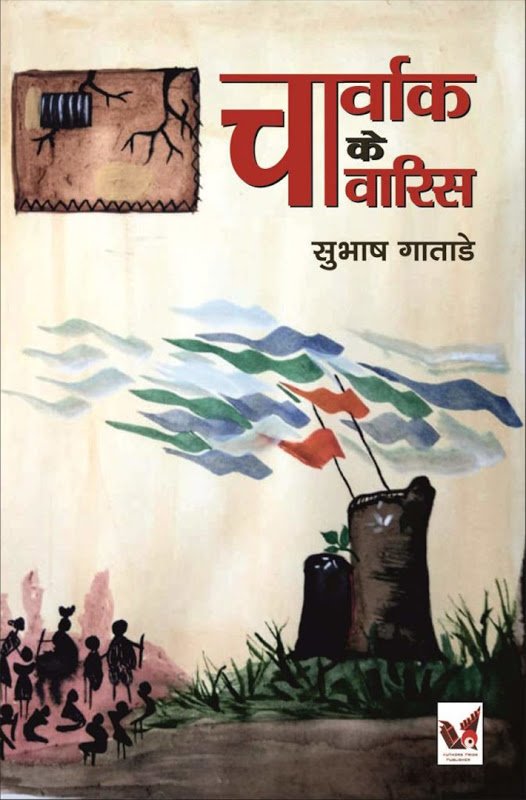
(‘चार्वाक के वारिस : समाज, संस्कृति एवं सियासत पर प्रश्नवाचक ‘ की प्रस्तावना से)

कार्ल मार्क्‍स की दूसरी जन्मशती दुनिया भर में मनायी जा रही है।

दिलचस्प है कि विगत लगभग एक सौ पैंतीस सालों में जबसे उनका इन्तक़ाल हुआ, कई कई बार ऐसे मौके आए जब पूंजीवादी मीडिया में यह ऐलान कर दिया कि ‘मार्क्‍स इज डेड’ अर्थात ‘मार्क्‍स मर गया’; अलबत्ता, यह मार्क्‍स की प्रत्यक्ष मौत की बात नहीं थी बल्कि मानवमुक्ति के उस फलसफे के अप्रासंगिक होने की उनकी दिली ख्वाहिश को जुबां दिया जाना था, जो उनके नाम के साथ जाना जाता है। याद किया जा सकता है कि सोवियत रूस का विघटन होने के बाद और जिन दिनों पूंजीवाद की ‘अंतिम जीत’ के दावे कुछ अधिक जोर से उठने लगे थे, पूर्व सोवियत रूस के एक गणराज्य में बाकायदा एक पोस्टर मार्क्‍स की तस्वीर के साथ ‘‘मोस्ट वाटेंड’’ के नारे के साथ छपा था।

यह अलग बात है कि हर बार इस भविष्यवाणी को झुठला कर अग्निपक्षी/फिनिक्स की तरह मार्क्‍स राख से बार बार ‘नया जीवन’ लेकर उपस्थित होते रहे हैं। आलम तो यहां तक आ पहुंचा है कि 1999 में- अर्थात सोवियत रूस के विघटन के लगभग नौ साल बाद- बीबीसी के आनलाइन सर्वेक्षण में मार्क्‍स को सहस्त्राब्दी का सबसे बड़ा विचारक कहा गया था। Continue reading विचार ही अब द्रोह !

Clinical Establishment Act Kerala: A Historic Initiative — B Ekbal

This is a guest post by Dr B EKBAL

The Kerala Clinical Establishments (Registration and Regulation) Act 2017 is being implemented with effect from Jan 2019. The rules pertaining to the Act have already been framed. In the first phase, establishments under modern medicine including hospitals, clinics and laboratories will come under its purview.

<!–more Continue reading Clinical Establishment Act Kerala: A Historic Initiative — B Ekbal

Gareebon ko adrenalin rush nahin aati; unko aati hai majboori – the trapped miners of Meghalaya: Abhineet Mishra

Fifteen people have been trapped in an illegal rat-hole mine in East Jaintia Hills in Meghalaya since December 13, 2018.

Three helmets are all that have been found so far. Authorities were callous enough to presume the miners dead on the very day of the accident.  The district administration wrote to the National Disaster Response Force on December 13 asking for help in recovering the “dead bodies”.

But as citizens, we are all equally responsible for a pervasive national culture of violence, exploitation and abuse of power. Abhineet Mishra delivers the shock to our conscience that is long overdue.

नयी पेशवाई, पुरानी पेशवाई 

भीमा कोरेगांव संघर्ष: एक अन्तहीन लड़ाई ?

(उदभावना के आगामी अंक में प्रकाशन हेतु)

Related image

Image : Courtesy – scroll.in

‘वे कौन लोग थे जो ईस्ट इण्डिया कम्पनी की सेना में भरती हुए और जिन्होंने हिन्दोस्तां जीतने में ब्रिटिशों की मदद की ? मैं जो उत्तर दे सकता हूं और – वह काफी सारे अध्ययन पर आधारित है – कि वे लोग जो ईस्ट इण्डिया कम्पनी द्वारा बनायी गयी सेना में शामिल हुए वह भारत के अछूत थे। प्लासी की लड़ाई में क्लाइव के साथ जो लोग लड़े वे दुसाध थे और दुसाध अछूतों की श्रेणी में आते हैं। कोरेगांव की लड़ाई में जो लोग लड़े वे महार थे और महार अछूत होते हैं। इस तरह चाहे उनकी पहली लड़ाई या आखरी लड़ाई हो अछूत ब्रिटिशों के साथ लड़े और उन्होंने हिन्दोस्तां जीतने में ब्रिटेन की मदद की। इस सच्चाई को मार्केस आफ टिवडलीडेल ने पील आयोग के सामने पेश अपनी नोट में रेखांकित किया है, जिसका गठन भारतीय सेना के पुनर्गठन के बारे में रिपोर्ट तैयार करने के लिये 1859 में किया गया था।

ऐसे कई हैं जो अछूतों द्वारा ब्रिटिश सेना में शामिल होने को देशद्रोह का दर्जा देते हैं। देशद्रोह हो या न हो, अछूतों की यह कार्रवाई बिल्कुल स्वाभाविक थी। इतिहास ऐसे तमाम उदाहरणों से भरा है कि किस तरह एक मुल्क के लोगों के एक हिस्से ने आक्रमणकारियों से सहानुभूति दिखायी है, इसी उम्मीद के साथ कि आगुंतक उन्हें अपने देशवासियों के उत्पीड़न से मुक्ति दिला देगा। वे सभी जो अछूतों की आलोचना करते हैं उन्हें चाहिये कि वे अंग्रेज मजदूर वर्ग द्वारा जारी घोषणापत्रा को थोड़ा पलट कर देखें।’’

– अम्बेडकर

/लन्दन में आयोजित गोलमेज सम्मेलन हेतु अम्बेडकर ने जो आलेख प्रस्तुत किया, जो बाद में ‘अनटचेबल्स एण्ड द पैक्स ब्रिटानिका’ नाम से उनकी संकलित रचनाओं में शामिल किया गया, उसमें उन्होंने यह बात कही थी।/

प्रस्तावना

स्मृति का वजूद कहां होता है ? और विस्मृति के साथ उसका रिश्ता कैसे परिभाषित होता है ?

कभी लगता है कि स्मृति तथा उसकी ‘सहचर‘ विस्मृति एक दूसरे के साथ लुकाछिपी का खेल खेल रहे हों। स्मृति के दायरे से कब कुछ चीजें, कुछ अनुभव, कुछ विचार विस्मृति में पहुंच जाएं और कब किसी शरारती छोटे बच्चे की तरह अचानक आप के सामने नमूदार हो जाएं इसका गतिविज्ञान जानना न केवल बेहद मनोरंजक बल्कि मन की परतों की जटिल संरचना को जानने के लिए बेहद उपयोगी हो सकता है । यह अकारण ही नहीं कि किसी चीज / घटनाविशेष को मनुष्य कैसे याद रखता है और कैसे बाकी सबको भूल जाता है इसको लेकर मन की पड़ताल करने में जुटे मनीषियों / विद्वानों ने कई सारे ग्रंथ लिख डाले हैं । Continue reading नयी पेशवाई, पुरानी पेशवाई 

Thejus – The Death of a Daily Newspaper

[This is a GUEST POST by N P CHEKKUTTY]


It is rarely that a journalist writes about himself or herself, because they are supposed  to be detached observers of history-in-the-making. But this time I cannot help it because one of the things that happened in the Sabarimala-obsessed state of Kerala this week happens to be the demise of Thejas, a daily newspaper that I was associated with for almost 14 years. It was a death foretold over two and half months ago, but no one took notice and no one raised any serious concerns about the passing of a newspaper that existed in our civil society for over a decade. It is sad that the newspaper which was known for its fierce anti-Sangh Parivar positions leave the scene just a few months ahead of a general election that will decide the future course of this country. Continue reading Thejus – The Death of a Daily Newspaper

Hindutva Terror and Left Hegemony: After Women’s Entry into Sabarimala

Hours after the two women entered Sabarimala, the Hindu terrorists began their handiwork. Mad mobs, including women, began to roam the streets and attack by-passers, in their desperation to foment violence and provoke riots. In Karunagappally, Muslim establishments and shops were singled out for vandalism. The Sangh-backed Sabarimala Action Council called for a hartal today and they have spared no effort to make sure that people are terrorized. Continue reading Hindutva Terror and Left Hegemony: After Women’s Entry into Sabarimala

The Triumph of Streevaashi! Women break the wall of caste at Sabarimala

Out of the dark, seemingly never-ending night, a streak of light! Two women of menstruating ages, Bindu and Kanakdurga, finally entered Sabarimala, breaking the concerted walls built against them by brahmanical-Hindutva male authorities on the right and left. Continue reading The Triumph of Streevaashi! Women break the wall of caste at Sabarimala

हिंदी समाज में हीरा डोम की तलाश – स्मृतिलोप  से हट कर यथार्थ की ओर

( अकार, 51 – हिंदी समाज पर केंद्रित अंक में जल्द ही प्रकाशित)

‘देवताओं, मंदिरों और ऋषियों का यह देश ! इसलिए क्या यहां सबकुछ अमर है ? वर्ण अमर, जाति अमर, अस्पृश्यता अमर ! ..युग के बाद युग आए ! बड़े बड़े चक्रवर्ती आये ! ..दार्शनिक आए ! फिर भी   अस्पृश्यता  , विषमता अमर है ! ..यह सब कैसे हो गया ? किसी भी महाकवि, पंडित, दार्शनिक, सत्ताधारी सन्त की आंखों में यह अमानुषिक व्यवस्था चुभी क्यों नहीं ? ..बुद्धिजीवियों, संतों और सामर्थ्यवानों का यह अंधापन, यह संवेदनशून्यता दुनिया भर में खोजने पर भी नहीं मिलेगी ! इससे एक ही अर्थ निकलता है कि यह व्यवस्था बुद्धिजीवियों, सन्तों और राज करनेवालों को मंजूर थी ! यानी इस व्यवस्था को बनाने और उसे बनाये रखने में बुद्धिजीवियों और शासकों का हाथ है।

– बाबुराव बागुल /17 जनवरी 1930 –  26 मार्च 2008/

जानेमाने मराठी लेखक

1.

वर्ष 2014 में हिन्दी की प्रथम दलित कविता कही जानेवालीे एक कविता ‘अछूत की शिकायत’ 1 के सौ साल पूरे हुए। महावीर प्रसाद द्विवेदी द्वारा सम्पादित ‘सरस्वती’ पत्रिका के सितम्बर माह में प्रकाशित अंक में यह कविता छपी थी।

हीरा डोम द्वारा रचित इस कविता पर बहुत कुछ लिखा गया है, किस तरह यह कविता साहित्य में नयी जमीन तोड़ती है, धर्म, पूंजीवाद, सामाजिक गैरबराबरियों को वैधता प्रदान करती मौजूदा व्यवस्था को प्रश्नांकित करती है, ढेर सारी बातें लिखी गयी हैं। फिलवक्त़ न मैं इसकी तरफ आप का ध्यान दिलाना चाहता हूं, न इस बहस की तरफ कि क्या उसे प्रथम दलित कविता कहा जा सकता है या नहीं ! साहित्य के सुधी पाठक एवं प्रबुद्ध आलोचक इसके बारे में मुकम्मल राय दे सकते हैं। /इतनाही याद रखना जरूरी है कि पत्रिका में छपनेवाली रचनाओं के बारे में संपादक के तौर पर महावीर प्रसाद द्विवेदी काफी सख्त माने जाते थे। उनकी इस सख्ती का अन्दाज़ा इस बात से लगता है कि निराला – जो बाद में महाकवि के तौर पर सम्बोधित किए गए – उनकी चन्द कविताएं भी शुरूआत में उन्होंने लौटा दी थीं। लाजिम है कि हीरा डोम की इस कविता को प्रकाशित करने में भी उन्होंने अपने पैमानों को निश्चित ही ढीला नहीं किया होगा।/

कल्पना की जाए कि सरस्वती के अंक में अगर उपरोक्त कविता छपी नहीं होती तो हीरा डोम नामक वह शख्स ताउम्र लगभग गुमनामी में ही रहते। कोई नहीं जान पाता कि उत्पीड़ित समुदाय में एक ऐसे कवि ने जन्म लिया है, जिसकी रचनाओं में जमाने का दर्द टपकता है। Continue reading हिंदी समाज में हीरा डोम की तलाश – स्मृतिलोप  से हट कर यथार्थ की ओर

Stop The Criminalisation of Triple Talaq: Women’s rights activists

We, the undersigned individuals, women’s rights activists and allies of the women’s movements, are opposed to the Muslim Women (Protection of Rights on Marriage) Bill, 2018 in its present form. We appeal to the Members of Rajya Sabha to completely withdraw the Bill and significantly re-draft it in the interest of Muslim women.
The Muslim Women (Protection of Rights on Marriage) Bill, 2017, was passed by the Lok Sabha on December 28, 2017 and is pending before the Rajya Sabha. This Bill was not referred to a Select Committee as urged by the members of Rajya Sabha, but the Union Cabinet incorporated three amendments based on the issues raised by the Opposition. It included the provision of bail when the wife appears before the Magistrate, allowing only the aggrieved woman and her relatives (by blood or marriage) to file a complaint, and making the offence compoundable. Owing to severe opposition to this Bill in the Rajya Sabha, the Union Cabinet issued the Muslim Women (Protection of Rights on Marriage) Ordinance on September 19, 2018, which criminalised the pronouncement of triple talaq (or talaq-e-bidat) with punishment of up to 3 years of imprisonment and with fine.
We are writing on behalf of Muslim women from across the country and women’s groups to oppose this Bill, which is arbitrary, excessive, and violative of fundamental rights enshrined in the Indian Constitution. Overall, if this Bill is passed it would make Muslim women more vulnerable to violence, as well as harm their economic, household and social security.

Continue reading Stop The Criminalisation of Triple Talaq: Women’s rights activists

50 Years Later, Shadow of Keezhvenmani Continues to Hover Over our Republic

December 25, 1968, termed as ‘Black Thursday’, saw the first mass crime against Dalits in independent India, who were fighting for respectable wages under the leadership of the Communist Party.

50 Years Later, the Shadow Keezhvenmani Continues to Hover Over our Republic

Image for representational use only; Image Courtesy : Socialist India

P Srinivasan, a veteran village functionary who cremates the dead had, in an interview done few years ago, described the darkening early morning on December 26, 1968, when the bodies began arriving from Keezhvenmani, a non-descript village in Thanjavur district of Tamil Nadu.

The village functionary, called Vettiyan, who is nearing 60 now, still remembered the number: “There were 42 corpses in all, horribly burnt and mangled. The stench was awful,” Pointing towards the plot of land where they were cremated, he said “All of them were Dalits, burnt to death in a caste clash. I cremated them on these very grounds.”

Srinivasan, then 23-year-old, shared vivid details of that ‘Black Thursday’ in 1968, a day that has remained etched in his mind.

December 25, 2018, completes 50 years of that ‘Black Thursday in 1968’, which is remembered as the first massacre of Dalits in independent India. The Dalits were martyred while fighting for respectable wages under the leadership of the Communist Party. All of these landless peasants had started to organise themselves into a campaign for higher wages following the increase in agricultural production in the area.

(https://www.newsclick.in/50-years-later-shadow-keezhvenmani-continues-hover-over-our-republic)

‘Beheading’ Marxism, Unleashing Desire: Ghya Chang Fou and the Marxist Unconscious

Ghya Chang Fou is not a Chinese or East Asian word – it is the name of this new dark Bengali satirical film that had its world premiere this September (2018), at the Transart Communication Festival, Nove Zamky, Slovakia.  Below is the official trailer of the film, followed by my take on it – better not read as a review.

The quirky world of Ghya Chang Fou (Joyraj Bhattacharjee, 2017) is best seen and understood as a dream. For, a dream never really adheres to the conventions of linear realistic narrative, and characteristically, scrambles up time and space. Everything makes perfect sense while you are seeing it but do try interpreting your dreams through realist conventions, especially if you are a believer in any form of realism.

Continue reading ‘Beheading’ Marxism, Unleashing Desire: Ghya Chang Fou and the Marxist Unconscious

आई आई टी मद्रास – आधुनिक दौर का अग्रहरम !

Image result for IIT Madras

नागेश / बदला हुआ नाम/ – जो आई आई टी मद्रास में अध्ययनरत एक तेज विद्यार्थी है, तथा समाज के बेहद गरीब तबके से आता है – उसे उस दिन मेस में प्रवेश करते वक्त़ जिस अपमानजनक अनुभव से गुजरना पड़ा, वह नाकाबिले बयानात कहा जा सकता है। उसे अपने गांव की जातीय संरचना की तथा उससे जुड़े घृणित अनुभवों की याद आयी। दरअसल किसी ने उसे बाकायदा मेस में प्रवेश करते वक्त़ रोका और कहा कि अगर वह मांसाहारी है, तो दूसरे गेट से प्रवेश करे।

मेस के गेट पर बाकायदा एक पोस्टर लगा था, जिसे इस नये ‘निज़ाम’ की सूचना दी गयी थी। यहां तक कि अपने खाने की पसंदगी के हिसाब से हाथ धोने के बेसिन भी बांट दिए गए थे। ‘शाकाहारी’ और ‘मांसाहारी’। एक रिपोर्टर से बात करते हुए नागेश अपने गुस्से को काबू करने में असमर्थ दिख रहे थे। उन्होंने पूछा कि आखिर आई आई टी का प्रबंधन ऐसे भेदभावजनक आदेश को छात्रों से सलाह मशविरा किए बिना कैसे निकाल सकता है। Continue reading आई आई टी मद्रास – आधुनिक दौर का अग्रहरम !

IIT-Madras, a Modern Day Agraharam ?

The institute’s recent order, now withdrawn, of separate entrance for non-vegetarians is just a part of the overall policing and push for vegetarianism after the Modi government’s ascent.
IIT Madras
Image Courtesy: Catch News


Nagesh (name changed), a bright student at the Indian Institute of Technology- Madras, who hails from a very poor economic background, had a shock of his life when he was entering the hostel mess. Someone literally stopped him at the gate and asked him to enter the mess from the other door if he is not a vegetarian.

A notice was duly pasted at the entrance of the mess, informing everyone of this ‘new order’. Even separate basins were demarcated for the students’ cuisine choices. Talking to a reporter with rage in his eyes, Nagesh questioned how the IIT-Madras management could issue such a discriminatory order without even consulting the students.

As of now, the notices have been removed after taking into consideration the uproar this ‘untouchability of a different kind’ caused at the national level. management is now trying to save itself by putting the blame on the caterer. Anybody can guess that a caterer, who is basically a contractor serving food for a fixed period, cannot suddenly disturb the existing arrangements, divide the mess into two separate sections, and have the courage ‘instructing’ his customers to use separate gates.

Commenting on this episode, the Ambedkar Periyar Study Circle – a student group within the institute- which brought this issue to national attention, says:

“Caste masquerades as something else in ‘modern’ society. In IIT Madras campus, it manifests itself as separate entrance, utensils, dining area and wash area in the mess for vegetarian and non-vegetarian students…:

( Read the rest of the article here : https://www.newsclick.in/iit-madras-modern-day-agraharam)

Continue reading IIT-Madras, a Modern Day Agraharam ?

JNU GSCASH statement on ICC punishments for complainant

We, the undersigned faculty and student members of Gender Sensitisation Committee Against Sexual Harassment (GSCASH) who have been elected by the faculty and students of JNU to ensure gender justice in the university (2017), are shocked by the news report on the recommendations of the Internal Complaints Committee’s (ICC) for a specific case. The report published in Indian Express (13.12.2018) states that the ICC found the complaint a frivolous one after inquiry and consequently has recommended that the complainant be completely debarred from entering JNU Campus, her degree should be withdrawn, and that she should never be allowed to take up any course or employment in JNU.

As per the ICC Rules and Procedure, Rule No. 11 states the “Action against frivolous complaint” in order “to ensure that the provisions for the protection of employees and students from sexual harassment do not get misused”. It further states “If the ICC concludes that the allegations made were false, malicious or the complaint was made knowing it to be untrue, or forged or misleading information has been provided during the inquiry, the complainant shall be liable to be punished as per the provisions of sub- regulations (1) of regulations 10, if the complainant happens to be an employee and as per sub-regulation (2) of that regulation, if the complainant happens to be a student. However, the mere inability to substantiate a complaint or provide adequate proof will not attract attention against the complainant. Malicious intent on the part of the complainant shall not be established without an inquiry, in accordance with the procedure prescribed, conducted before any action is recommended”. Continue reading JNU GSCASH statement on ICC punishments for complainant

Statement by JNU faculty against targeting of complainants of sexual harassment by ICC

We, the undersigned faculty at the Jawaharlal Nehru University express our shock and outrage at the extreme penalties recommended against a doctoral student for bringing a sexual harassment complaint against her teacher.

According to a report in the Indian Express (dated 13 December 2018),  JNU’s Internal Complaints Committee (ICC) has decided to punish a student for allegedly filing a ‘false’ sexual harassment complaint against a teacher in what it has deemed to be a ‘frivolous’ complaint. While we are not privy to either the details of the complaint or the justification the ICC has for arriving at this conclusion — rather than simply noting the failure to substantiate a complaint— we find the severity of the penalties imposed extremely troubling.

Continue reading Statement by JNU faculty against targeting of complainants of sexual harassment by ICC

Scrap the Citizenship (Amendment) Bill, 2016, It is Unconstitutional, Illegal and Immoral : 70 People’s Organizations of Assam

Guest Post by 70 People’s Organizations of Assam 

Image result for citizenship (amendment) bill 2016

( Photo Courtesy : AISA)

Protestors from various democratic organisations in Assam have began an indefinite dharna in Jantar Mantar from today 9 Dec. This includes KMSS and peasant leader Akhil Gogoi, AJYCP, Tai Ahom Satra Sontha, Asom Moran Sabha, All Asam Motok Sonmilon, All Asam Minority Students Union, and 70 other organizations of indigenous population of Assam, who are part of an umbrella platform against the Citizenship (Amendment) Bill 2016. This Bill seeks to change the very definition of a Citizen of the country and include a religious dimension to it as part of the RSS’s ideological project. The effects of this Bill can be seen in starkly in Assam – which has been to fuel ethnic and religious anxieties and conflict. Protests against it has also taken unprecedented forms in recent months with participation of millions of indigenous people, including Assam bandhs, and so on.
Find below the text of the Leaflet issued by them. Please forward and Join in the Solidarity.
The Citizenship (Amendment) Bill, 2016 which was introduced in the Lok Sabha on 15thJuly, 2016 [Bill No. 172 of 2016] has already caused deep anguish in the minds of the democratic India. A Joint Parliamentary Committee has also been constituted to examine this Bill. Despite wide-spread protests in Assam against the Bill, the BJP aggressively aims to pass the Bill in the coming Winter Session of the Parliament which will help to make their dream of the Hindurashtra a reality. 
 
*Why the Citizenship (Amendment) Bill, 2016 is unconstitutional, illegal, unethical and immoral?*
 
The Citizenship (Amendment) Bill, 2016 seeks to make fundamental alterations in the citizenship and immigration norms of India on the basis of religion. The Bill proposes to exclude ‘minority communities, namely, Hindus, Sikhs, Buddhists, Jains, Parsis and Christians from Afghanistan, Bangladesh and Pakistan’ – from the scope of the definition of being ‘illegal migrant’. The Bill further reduces the requirement of 11 years to acquire “citizenship by naturalization” to only six years of ordinary residence for such immigrants. The ‘Statement of objects and reasons’ of the Citizenship (Amendment) Bill, 2016 also makes it clear that the Bill intends to declare ‘illegal migrants’ as Indian citizens. Several Indian government notifications and orders have already enabled persons of these communities who had entered India till 31st December, 2014 to get shelter without valid documents. 
 
The Bill will change the philosophical premise on which Indian citizenship is granted. The principle on which Indian citizenship is granted is jus soli where citizenship of a person is determined by the place where a person is born. However,if the Bill passes, it will make a shift from jus soli to jus sanguinis, where a person acquires citizenship on the principle of blood, which our Constitution-makers consciously avoided. India’s Constitutional experts have opined that the Bill is unprecedented as never before has religion been specifically identified in the citizenship law as the ground for distinguishing between citizens and non-citizens. The ideas spelt out in the proposed Bill are against the ethos and spirit of the Indian Constitution. It will violate the spirit of the Preamble of the Indian Constitution and is also against the Articles 14, 15, 25 and 26 of the Indian Constitution. 
 
An extra-ordinary and widespread peoples’ movement has now swept across Assam and the entire North-East India against the Bill. We, the people of Assam feel that the Bill will change Assam’s political, economic and social fabric forever. The Bill will violate the clause 6 (A) of the Citizenship Act, 1955, a special provision for Assam, which is a non-obstante clause. If the Bill passes, it will make the Assam Accord null and void. It will be a violation of the national promise. The people of Assam are afraid that the Bill will open ways to creating further insecurity and pressures in a region already over-burdened with large-scale demographic changes due to illegal migration. It will create religious basis for it, and fuel fresh rounds of ethnic and religious conflict.
 
*We, an umbrella platform of 70 ‘Jatiya’ (national) organizations of Assam, are on a hunger strike for an indefinite period in Delhi from 9th December, 2018 demanding the immediate scrapping of the Citizenship (Amendment) Bill, 2016 for the sake of the Indian Constitution, and its moral, legal and ethical values, and to protect Assam and her inhabitants from another long spell of social and political strife.*
 
*The Government of India plans to pass the Bill in this Winter Session of the Parliament. We appeal all political parties, organizations and individuals of India to be united to oppose this unconstitutional Bill. We sincerely believe that you will extend your support to us, and oppose the Bill to save our Constitution and democracy.*
 
contact: secretarykmss@gmail.com, 8638084494, 8826219749


पवित्र गाय, त्याज्य लोग !

..बुलंदशहर की घटनाएं इस बात की ताईद करती हैं कि  हिंदुत्व वर्चस्ववाद का यह नज़रिया जिसमें मानवीय जीवन के प्रति गहरी असम्वेदनशीलता और असम्पृक्तता  टपकती है और जो एक चतुष्पाद को पूजनीय बनाती है, आज उरूज पर है।..

( Photo Courtesy : indianculturalforum.in)

कभी कभी एक अदद वक्तव्य किसी नेता की एकमात्र निशानी बन कर रह जाती है। विश्व हिन्दू परिषद के नेता गिरिराज किशोर इसका क्लासिकीय उदाहरण कहे जा सकते हैं जिनका नाम लेने पर अक्सर उनका विवादित वक्तव्य ही लोगों की जुबां पर आ जाता है। याद है कि उन्होंने कहा था कि ‘‘पुराणों में गाय को मनुष्य से अधिक पवित्रा समझा गया है।’’

वह अवसर बेहद शोकाकुल करनेवाला था, जब उनका वह वक्तव्य आया था। दिल्ली से बमुश्किल पचास किलोमीटर दूर दुलीना नामक स्थान पर पांच दलितों की भीड़ द्वारा पीट पीट कर हत्या कर दी गयी थी Continue reading पवित्र गाय, त्याज्य लोग !

വിട, IFFK! വിട, ബീനാ!

പ്രിയ ബീനാ

IFFK എന്ന പ്രസ്ഥാനത്തിനോട് വിട പറയാൻ സമയമായിയെന്ന് തോന്നുന്നു. ബീനയ്ക്ക് വേണം ഈ വിടവാങ്ങൽ കത്തെഴുതാനെന്നും തോന്നി. കാരണം ഇതിനെ ഒരു ജനകീയ പ്രസ്ഥാനമാക്കിയത് നിങ്ങളാണ്. ഇന്ന് അത് മറ്റൊന്നായി മാറിയിരിക്കുന്നു. ഇടങ്ങളെല്ലാം മാറിക്കൊണ്ടിരിക്കുന്ന ഈ കാലത്ത് ഇതു പ്രതീക്ഷിതമാണ്, അതുകൊണ്ട് ഇതു വ്യക്തിപരമായ കുറ്റപ്പെടുത്തലല്ല. Continue reading വിട, IFFK! വിട, ബീനാ!

Sacred Cows, Disposable Humans

The Bulandshahr mob killings show that the Hindutva Supremacist world view, which has complete apathy and indifference toward human life and puts a four-legged animal on a pedestal, is on the ascendance.

mob lynching

“It is a curious people. With them, all life seems to be sacred except human life.”

– Mark Twain on Indians.

A single quote sometimes remains the sole memory of a leader.

Giriraj Kishor, a Vishwa Hindu Parishad (VHP) leader, can be considered a classic example to demonstrate the thought behind Mark Twain’s quote. Kishor had rather (in)famously said, “Cow is considered more sacred than human beings in the Puranas(Hindu scriptures)”. The occasion was a tragic one when five Dalits — who were carrying dead cows — were lynched by a vigilante mob in front of a police station (Dulina, Jhajjar in Haryana, October 2002) with many senior government officials turning mute spectators.

The spectacle-type killing was followed by another grotesque drama when police personnel, who by their inaction had connived with the crime, promptly sent the dead cows for examination, and filed cases against the dead Dalits over cow ‘slaughter’.

Kishor died few years ago but the worldview he represented, which has complete apathy and indifference towards human life and which puts a four-legged on the pedestal, is on the ascendance.

( Read the full text here : https://www.newsclick.in/sacred-cows-disposable-humans)

Justice denied – the Dharmapuri rape: Ila Ananya

Guest Post by ILA ANANYA

IMG-20181114-WA0002

On the night of November 12th 2018, more than fifty people from Sittilingi, a village in Dharmapuri district of Tamil Nadu, made their way back home from Dharmapuri Government Medical College Hospital with the body of a 16-year-old Adivasi (Malaivasi) girl. The girl had been raped on November 5th by two drunk men, and had died in the hospital five days later – a death that her family have described as linked to blatant police negligence, beginning with their refusal to file an FIR, and involving the questionable role of the Child Welfare Committee (CWC) in Dharmapuri. Manjunathan*, a resident of Sittilingi, says that on November 12th, around ten police vehicles and 100 policemen had followed the girl’s funeral procession through the village, all the way to the graveyard. “Till now we have never seen the police,” Manjunathan attests, “now suddenly, since the day of the protest, they have remained in the village, especially at the junction, harassing people.”

This large and unusual police presence in Sittilingi began on November 10th, after around 2000 people gathered on the main road of the village, frequented by buses connecting Salem and Thiruvannamalai, to protest against the rape and death of the girl. Continue reading Justice denied – the Dharmapuri rape: Ila Ananya

DISSENT, DEBATE, CREATE