
We, the undersigned students, staff and faculty members at the International Institute of Social Studies (ISS) of Erasmus University Rotterdam in The Hague, support the right of students and teachers everywhere to a learning environment that is critical, engaging and respectful. In light of recent events and the slander campaign against the Jawaharlal Nehru University (JNU), we are disheartened and embarrassed that this is not the vision of the current Government of India, that they would rather create spaces of fear and control, by labelling all those that criticise their policies as anti-national and unpatriotic. Continue reading Solidarity Statement from The International Institute of Social Studies (ISS) of Erasmus University Rotterdam in The Hague
All posts by J Devika
Statement of Solidarity FromFaculty and Graduate Students at the University of Hawai’i, Manoa Against Police Ation on JNU Campus
To: Prof. M. Jagadesh Kumar
Vice Chancellor
Jawaharlal Nehru University
New Delhi-110 067, India
Communication Students, Practitioners, and Professors in Solidarity with Kanhaiya Kumar, Umar Khalid, Anirban Bhattacharya, Rama Naga, Ashutosh Kumar, and Anant Prakash Narayan and Jawaharlal Nehru University
We, students, professors, and practitioners of Communication and Media, condemn the recent attacks by the Indian state on students and faculty at Jawaharlal Nehru University (JNU) campus. Given the spurious nature of the claims mostly circulated through traditional and social media, we demand an immediate end to all police action on campus, a withdrawal of charges against the President of JNU Students’ Union, Kanhaiya Kumar, and JNU students Umar Khalid, Anirban Bhattacharya, Rama Naga, Ashutosh Kumar, and Anant Prakash Narayan, as well as an engaged effort to return peace and a climate of open debate to the university. We are troubled by the climate of authoritarianism being actively promoted by the Indian government in educational institutions and the concerted effort by the government to silence critical conversations. We are also disturbed by the attack on journalists by lawyers and goons close to the structures of power. Continue reading Communication Students, Practitioners, and Professors in Solidarity with Kanhaiya Kumar, Umar Khalid, Anirban Bhattacharya, Rama Naga, Ashutosh Kumar, and Anant Prakash Narayan and Jawaharlal Nehru University
The New School in Solidarity with JNU
We, the undersigned, students, faculty, alumni, and staff at the New School University, New York, stand in solidarity with the students, staff, and faculty at Jawaharlal Nehru University, New Delhi, in their protests against the militarization of the campus and suppression of dissent by anti-democratic and divisive Hindu nationalist groups allied with the Modi government. Continue reading The New School in Solidarity with JNU
University of Texas Students and Faculty stand with JNU
We, the undersigned, students, scholars, and faculty of the University of Texas at Austin, stand in solidarity with the students, faculty, and staff at Jawaharlal Nehru University, New Delhi against the illegal and unconscionable crackdown by police. We demand an immediate end to all police action on campus, a withdrawal of all frivolous charges against the President of JNU Students’ Union, Kanhaiya Kumar, and other students, as well as an end to the campaign of harassment and intimidation against students at the university. With them, we affirm the autonomy of the university as a non-militarized space for freedom of thought and expression. Accordingly, we condemn police presence on campus and the harassment of students on the basis of their political beliefs. Continue reading University of Texas Students and Faculty stand with JNU
Bangalore Research Network’s Letter of Solidarity with JNU
We, the undersigned members of the Bangalore Research Network and a consortium of academics and researchers from Bangalore, declare our solidarity with the students and faculty of the Jawaharlal Nehru University, New Delhi protesting the illegal police arrest of JNUSU president Kanhaiya Kumar on charges of sedition. We unequivocally stand by them in affirming that universities are autonomous spaces for the free expression of a plurality of beliefs and cannot become military spaces of thought control that go against the very grain of a democratic society. With them, we condemn the blatantly authoritarian attempt by the police and the central government to witch hunt students on the basis of their political beliefs. We also condemn the unethical media trial of JNU students such as Kanhaiya Kumar and Umar Khalid. Continue reading Bangalore Research Network’s Letter of Solidarity with JNU
The Limits of Efficient Suasion : Rina Ramdev
This is a guest post by RINA RAMDEV
The Prime Minister’s monogrammed suit and the HRD Minister’s fake degree in the early days of the BJP’s 2014 electoral win were embarrassments dotting the uneasy calm that prevailed over the new digital, development avatar of the nation; even as a sense of the slouching beast waiting to break through the controlled, contained quietism was always there in deferred menace. And thus, when majoritarian sentiment fuelled the ‘Ghar waapsi’ campaign and the ban on cow slaughter found a mainstreaming in minority witch hunting, there was an eerie expectedness to these turns. The Swachh Bharat Abhiyan’s minatory address, carrying the subtext of a communal cleansing in sinister remand, visibilized itself in the horrific lynching of Mohammed Akhlaq in Dadri. Mostly civil voices of protest raged against this as well as against the organised killings of questioning rationalists like Pansare and Kalburgi. Sections of the thinking polity mobilised signature campaigns, petitions and an entire event like the‘Award waapsi’ drew attention to this vitiated political climate. Continue reading The Limits of Efficient Suasion : Rina Ramdev
The India I Came Back To: Namrata Sharma
This is a guest post by NAMRATA SHARMA
I will start this piece with a painful but short flashback tirade about myself. I moved back to New Delhi in 2014, after six long years in New York and Singapore. My decision to move back to the motherland was predominantly attributed to issues that a twenty-something grapples with when he or she is away from home and family. However, familial ties and emotional reasons aside, there was one factor which deeply resonated with me and was the driving force behind my decision to move back. This factor was – the liberty to express my thoughts and views on a topic, any topic, in an indulgent and lenient space, which, by virtue of being an Indian citizen, was guaranteed to me in India and not in other places. In India, this liberty transcended predictable spaces like classrooms, newsrooms and sophisticated editorial pages of the morning newspaper and was very organically present in the form of arm-chair political banter amongst friends and political conversations with family over dinner. Continue reading The India I Came Back To: Namrata Sharma
Solidarity Statement of Students from Northeast India, TISS, Mumbai 20th February 2016
We, the undersigned, students and research students from various states of northeastern region of India studying in Tata Institute of Social Sciences, Mumbai would like to highlight on the unprecedented shrinkage of academic spaces across various universities in India. We condemn the politically motivated interferences of the state in Jawaharlal Nehru University and in Hyderabad Central University (HCU), and other universities. We also condemn the mob justice perpetrated by lawyers against students, journalist, activists etc in the Patiala House Courts, New Delhi, and media trial led by prominent journalists from New Delhi. Continue reading Solidarity Statement of Students from Northeast India, TISS, Mumbai 20th February 2016
An Appeal to the Academic Community of Delhi for February 23 Rohith Vemula March, “Chalo Dilli” by University of Hyderabad Alumni
Dear friends,
We, the alumni of the University of Hyderabad, are writing to the fellow teachers, researchers and students of Delhi to request all to participate in the Chalo Dilli March, “Delhi for Rohith Vemula”, organised for the ideals of social justice and constitutional rights on 23 February 2016 from Ambedkar Bhawan to Jantar Mantar.
Statement on the Events at HCU and JNU From Faculty of the Tata Institute of Social Sciences
We, the undersigned, are deeply shocked and dismayed by the processes that led to the suicide of Rohith Vemula at HCU in January and the ongoing attacks on students and faculty of JNU. At Hyderabad Central University, RohithVemula a Dalit research scholar was labelled as anti-national and driven to suicide in January through systematic persecution. At Jawaharlal Nehru University (JNU), New Delhi over the past few days, Kanhaiya Kumar, the President of the JNU Students Union is held in police custody on the trumped up charge of sedition. On February 15, 2016, the police stood by as mute spectators while a group of lawyers and hooligan elements attacked students and faculty of JNU who had gone to the Patiala House courts in Delhi in solidarity with Kanhaiya Kumar who was to be produced there. Continue reading Statement on the Events at HCU and JNU From Faculty of the Tata Institute of Social Sciences
Mea Culpa, Mea Culpa! : To A Student from CDS
Dear Student from CDS who pasted the posters criticising our collective effort to stand with JNU
I write in response to the views that you expressed on those posters. First of all, let me tell you how much I’d have appreciated if you expressed those views openly right from the beginning, so that we could have had a proper debate. I do wish we stopped scribbling comments on each others’ posters – this is an open campus, and surely, we don’t practice the Sangh Parivar’s intolerance of a contrary opinion. No one, I assure you, will harm you in any way, and I am sure all my fellow teachers, students, and non-teaching staff will join me in assuring you thus.
Continue reading Mea Culpa, Mea Culpa! : To A Student from CDS
Fearless Minds and Heads Held High: To the CDS Student Community
Dear Friends
Ever since the Hindutva right-wing attacks on the country’s youthful citizens intensified – from the Kiss of Love protests to the attacks on politicized dalit youth on the campuses of IIT Madras and HCU, and now, against JNU – we have come together several times as a group to defend our right to critical thinking, action, and speech and protest against atrocities in the name of national interest and culture. We have come out not to defend our petty interests but in defense of the Indian Nation as we imagine it – differently from the right-wing – as belonging to the communities of peasants, workers, students, artisans, dancers, singers, small traders, and thousands of other groups that contribute to the economy of this country, as the homeland of vast sections of underprivileged people denied humanity in the name of caste, class, culture, ethnicity and gender. Continue reading Fearless Minds and Heads Held High: To the CDS Student Community
ചിത്രലേഖയുടെ സമരം – ഒരു ഓർമ്മപ്പെടുത്തൽ കൂടി
“ആ ചിത്രലേഖയ്ക്ക് ഇനിയും സമരം ചെയ്ത് കൊതി തീർന്നില്ലേ,” കഴിഞ്ഞ ദിവസം ഒരു പരിചയക്കാരൻ എന്നോട് ചോദിച്ചു. “അവർക്ക് പൊതുജനശ്രദ്ധയോട് അഡിക്ഷനാണ്, അയാൾ തുടർന്നു. ആവശ്യം ചില്ലറയല്ല – സ്ഥലവും വീടും. ഇങ്ങനെ നാട്ടിലെല്ലാവരും തുടങ്ങിയാൽ സ്ഥിതി കഷ്ടമാകുമല്ലോ.” Continue reading ചിത്രലേഖയുടെ സമരം – ഒരു ഓർമ്മപ്പെടുത്തൽ കൂടി
Dissent in dark times : Ajita Banerjie
This is a guest post by AJITA BANERJIE
“In the dark times, will there also be singing?
Yes there will also be singing.
About the dark times”
– Bertolt Brecht.
In the dark times we live in right now, resistance to fascist forces could lead to arrest or death. Dissent comes with a rather heavy price to pay.Issues of democratic-national relevance have ranged from consuming beef, resisting death penalty, resisting political control over academic institutions, protesting against privatisation of education and the most recent tragedy of Rohit Vemula’s suicide. Continue reading Dissent in dark times : Ajita Banerjie
If You Can’t Beat Them, Join ’em – Or, Ente Dinkeswara!
A new wave, nay, tsunami, of (THE) Faith has risen in Kerala. Soon, it will sweep the Nation. This is the mighty thrust of Lord Dinkan, now known all over Kerala as Dinkamatam – or Dingoism.
…. Yellow, and black, and pale, and hectic red/ Pestilence-stricken multitudes: O Dinka,/ Who chariotest to their dark wintry bed ... [from ‘Ode to Dinka’ by the early Dinka devotion poet Muroidea Muridae Murinae, later stolen by Shelley and rewritten as ‘Ode to the West Wind’. Note that Dinkan, superhero airborne rat and Shelley’s West Wind are both powers of the Air]
If you don’t believe me, visit this url:
Now, like many others, I too was an unbeliever until I went there. One click, and I knew this was truly Faith. Market logic is nowadays the true marker of anything genuine (redefined an anything worth pursuing), and Dinkoism is unmatched in this regard. Even Amritanandamayi who successfully packages and sells all styles of Hinduism (the astrologer-obsessed style, the Saibaba-singing-style, the Sivakasi-print style, the shallow version of the Upanishadic style, the Christian-inflected Hugging-Mother style, the belligerent Hindutvavadi-style) cannot match him. Upon opening this Divine page, my eyes fell upon a notice in Malayalam which said: Mega offer before the world ends in 2012 [that needs updating, I suppose – small error; the spirit is more important] . 100 % guarantee in securing sin-free existence. Many years of service. Ridding of curses undertaken responsibly. We have no branches. Now, what further proof did I need to be convinced that this was the true Faith? Who doubts now that faith in the Logic of the Market precedes faith in faith? The Logos of Dinkan and the Logic of the Market are in perfect harmony!
Continue reading If You Can’t Beat Them, Join ’em – Or, Ente Dinkeswara!
Paranoia and Procedure – Everyday Life within a University Labyrinth, Circa 2016: Prasanta Chakravarty
This is a guest post by PRASANTA CHAKRAVARTY
“The nature of peoples is first crude, then severe, then benign, then delicate, finally dissolute.”
–Giambattista Vico
The past congeals in savoir faire or habit, conserved as an ethos, in the corridors of the Arts Faculty at Delhi University. We all remember what is happening, while it is happening; watching ourselves as live spectators of our own actions. Wherefore such a sense of centripetal actuality? How this despotic pathology of inevitability in a place which was supposed to be the harbinger of a future? But the future arrives as a gyre, a loop. Continue reading Paranoia and Procedure – Everyday Life within a University Labyrinth, Circa 2016: Prasanta Chakravarty
We, Naked Women : P Padmarajan
[P Padmarajan passed away on 24 January, 1991. In his extraordinary and brief life, he attained the status of a living legend in Kerala. Celebrated much more as a cine director and a script-writer of some of Malayalam’s most memorable films, he was however, one of Malayalam’s finest fiction-writers. In many ways, as a writer, Padmarajan was ahead of his times; no wonder then, he never received the recognition that he richly deserved as a writer. Continue reading We, Naked Women : P Padmarajan
Translators’ Dilemmas and Entering ‘South Asian Literature’
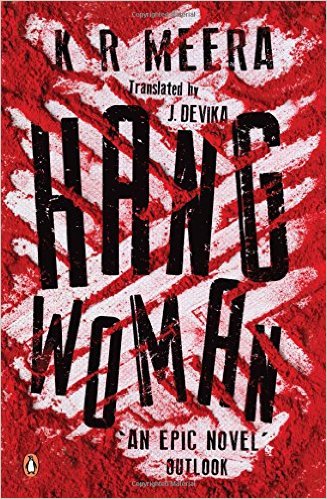
Ever since Hangwoman, my translation of K R Meera’s modern epic in Malayalam, Aarachaar was published, I have been repeatedly asked whether I edited it to ‘shape’. The question sometimes irritated me, because it was posed as if I had carried out the intellectual equivalent of cosmetic surgery on that fine work.
I struggled to communicate the subtlety of the editing that translation demands. One is always conscious of the fact that the readership of an English translation is qualitatively different from that of the original Malayalam text, but editing in the process of translation is not primarily aimed at making the text palatable to the former. Much more significant is the fact that what may need a whole sentence in the source language can perhaps be conveyed in a word in the target language or vice-versa. And, more importantly perhaps, any translation is hugely dependent on the translator’s reading of the text. The translator is constantly faced with the problem of how to interpret – is a certain word or phrase or sentence a simple description, or a complex one, or perhaps a metaphor or a simile? Editing rests quite decisively on such micro-decisions.
Continue reading Translators’ Dilemmas and Entering ‘South Asian Literature’
Women in Sabarimala – The Untold Story: Elsa T Oommen
This is a guest post by ELSA T OOMMEN
‘For the last 20 years woman irrespective of their age were allowed to visit the temple when it opens for monthly poojas. They were not permitted to enter the temple during Mandalam, Makaravilakku and Vishu seasons’
– (S. Mahendran vs The Secretary, Travancore Devaswom Board and Ors. (1991) (8) [AIR 1993 Ker 42])
The Supreme Court of India will soon be hearing the final arguments on the question of the restriction imposed on women in the reproductive age from entering the Sabarimala temple in Kerala. The court had earlier questioned the constitutional basis of the restriction at the behest of a the public interest litigation (PIL) placed before the apex court of India by the Indian Young Lawyers Association (IYLA) where it called for allowing women of all ages to be allowed entry to the temple. Continue reading Women in Sabarimala – The Untold Story: Elsa T Oommen
“Nobody killed Rohith Vemula”: Kishalaya Mukhopadhyay
This is a guest post by KISHALAYA MUKHOPADHYAY
“Nobody killed Rohith Vemula”. Perhaps someday there will be a film like this. Perhaps someday people will start talking about the exploitation of dalits, the need for annihilation of caste, the systematic discrimination in all spheres of society including the government, corporate, bureaucratic and educational sectors. Perhaps caste as an analytical category will become as politically charged as gender has become post-Nirbhaya. Today there is a discourse around marital rape, victim blaming, domestic violence and other aspects of patriarchy that has transcended even if slightly only the small coterie of feminist scholars within whom this discourse used to be limited to. Continue reading “Nobody killed Rohith Vemula”: Kishalaya Mukhopadhyay
 KAFILA - COLLECTIVE EXPLORATIONS SINCE 2006