
After seven tumultuous years following the overthrow of the more than two century old monarchy which led to elections to form a Constituent Assembly, and many governments failing to fulfill the task of finalizing a Constitution, at last on 20th September the President of Nepal has promulgated the new Constitution amidst support from overwhelming majority of the CA and people. The Constitution creates seven states in a secular, federal system. Continue reading Stop Interfering in Nepal : Statement in Protest Against India’s Interference
All posts by J Devika
Kudumbashree in Chandydesham/Muneerland — In Three Parts
Part One: Prologue
In 2008, I reported the results of research on Kudumbashree women leaders at the village level, from seven districts in Kerala. Those were the days when Kudumbashree was being projected as the ultimate answer to all of women’s woes, and the chorus consisted of politicians, official feminists, researchers, bureaucrats, development experts – in other words, everyone, well, almost. What I had to say was not pleasant to their ears. However, implicit in my reporting was the essential changeability of Kudumbashree, which was after all a government programme. The discussions around the modifications of the Kudumbashree bye-law and its approval were on during our fieldwork, and even though we reported after it was finalised and approved, it was too early for us to assess its impacts.
Continue reading Kudumbashree in Chandydesham/Muneerland — In Three Parts
The Woman Worker Re-emerges – Lessons from Munnar
For once, the praise of the mainstream media in Kerala does not sound like empty hyperbole or sickening sycophancy. More than six thousand women workers were on strike in the Kannan Devan tea estates of Munnar in defiance of their trade union leaders, seeking higher wages — and equal wages with men workers who are paid more though their work is lighter — and alleging that the trade union leaders were pocketing benefits due to them. The workers receive very low wages and live under truly despicable conditions not far removed from colonial conditions despite the fact that the Kannan Devan Plantations in now technically under the workers who own sixty per cent of the shares. The blather about losses in the tea industry conceals the enormous control over land that the Tatas hold for a trivial sum paid to the government. It also deflects attention from the serious charges of encroachment made against the Tatas, which our political class has not pursued much. Continue reading The Woman Worker Re-emerges – Lessons from Munnar
For a Better FB: WomeninCampaign’s Press Release
August 26, 2015
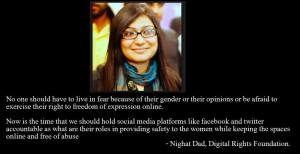
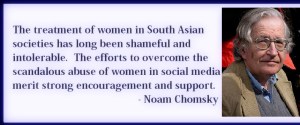
Digital rights advocates demand a revision of Facebook’s policies that perpetuate violence against women in non-English speaking communities.
On July 28th a social activist, Preetha G, was brutally slut-shamed, harassed and abused in Facebook through a page which was in a native Indian language, Malayalam. The hate pages instigated a huge degree of violence, hurled abuses at her dignity and womanhood. It contained her morphed pictures with sexually explicit abuses, targetting even her autistic son. Preetha hailing from the state of Kerala in India, has around 22K followers on Facebook and uses the platform to to express her political opinions, her ideas on gender and other minority rights.
Many users including Preetha reported the hate pages (a total of 5 pages in a span of 3 weeks) to Facebook and also to the cyber crime wing of Kerala Police. Facebook replied with a generic message stating “The post doesn’t violate community standards”. The hate pages continued to update its content with threats and abuses to the women who publicly supported Preetha. Amidst all this, profiles of several supporters, especially women were suspended by Facebook. All these, including that of Preetha was blocked stating “violation of Real Name Policy” possibly due to reporting by those cyber-criminals who started the hate pages.
As the story of violence aided by Facebook policies spread, stories emerged from other countries as well. A recent incident occurred in Peshwar, Pakistan where a similar hate campaign was unleashed towards several young women through Facebook. When this was reported by users, Facebook responded in a similar fashion with the generic message that “no community standards were violated”. These young women’s lives were put to extreme risk and their own families did not protect them.
The women in countries like India and Pakistan do not get family support and Facebook refuses to understand the cultural complexities. With respect to this context, different individuals and organizations had several conversations with Facebook, but Facebook failed to take any measures until now to rectify these.
From the generic response that Facebook provides while hate pages in non-English language is reported, it is evident that the language experts that Facebook claims to have in place, is a myth. The actions or rather the lack of actions from Facebook, make it easier for several majoritarian forces to unleash violence against women and other marginalized sections. Facebook’s flimsy community policies are putting women’s lives in danger and this platform is used as a tool to silence women and bring forth more oppression.
It is high time we collectively inform Facebook about renegotiating its policies what adhere to majoritarian forces, and initiate a global mass campaign against those policies.
We, Women In Campaign, demand the following to Facebook:
a) Right to Privacy: To get rid of the real name policy and its associated proceedings.
b) Right for protection against hate crimes: A systemized responsive system or a set of language experts for assessing hate pages in non-English languages and a timely response and follow up in such situations.
c) Right to cultural diversity: Facebook needs to understand the complexity of non-English cultures and cannot impose its American corporate colonization into other societies. It urgently needs to appoint linguistic experts who can verify hate pages and understand regional languages and it nuances.
On Tuesday Aug 18th 2015, an online meeting was held with representatives from Facebook (India and US), Maya Leela and Inji Pennu (Women In Campaign) and members of a few other organisations who stand for Facebook policy revisions. We are waiting for a post-meeting response from Facebook. Depending on their response, we will disclose our future strategies.
We stand in solidarity against the invasion of Facebook into our right to privacy and political choices.
A Facebook page is started for the campaign: https://www.facebook.com/womenincampaign
hashtag for solidarity: #forabetterfb
Sincerely,
Women In Campaign, India
[Aswathy Senan, Inji Pennu, Jaseela Cheriyavalappil, Jina Dcruz, Kunjila Mascillamani, Maya Leela, Najma Jose, Preetha GP]
Digital Rights Foundation, Pakistan – Nighat Dad
Internet Democracy Project, India
Point of View, Bishakha – India
Phone Contact:Inji Pennu : (USA) +1-3212502484
Jaseela CV: (India) +91-9497550324
Email : forabetterfb@gmail.com

Askmebazar.com – Dystopian Hyper-Consumerism and Pushy Advertising : Adnan R. Amin
This is a guest post by ADNAN R AMIN
It was an entertaining skit.
It opens with an animated evangelist (played by a dashing Bollywood leading man) talking about the dangers of stress and how it drains us. To the applause of an enthralled, glazed-eyed audience, he presents a man quivering uncontrollably – tap-dancing even – from extreme work-related stress. With the uproarious consent of the crowd, the evangelist introduces the poor specimen to Askmebazar.com. Miraculously, the man stops shaking and starts browsing through shopping items. He is instantly relieved of his stress and bathed in a halo-like glow. As the plot winds up, he is seen drowning in a deluge of delivery crates and boxes.
“One Click Therapy.”
This is the comical, over-the-top television commercial from Askmebazar.com, an online marketplace. While undeniably funny, the positioning idea is discomforting, if not problematic. Once we get past the comedy and the antics, the message of the commercial is darkly dystopian. It seems to say: if earning gives you stress, spending will relieve that stress. Meanwhile, here’s an app just for that. Continue reading Askmebazar.com – Dystopian Hyper-Consumerism and Pushy Advertising : Adnan R. Amin
An Open Letter to Mr Adani on the Occasion of Onam
Dear Mr Adani
Writing to you from Thiruvananthapuram, where you recently signed an agreement with the Kerala government, undertaking the construction of the international container terminal at Vizhinjam off the Thiruvananthapuram coast.
The Malayali press went wild in their delight ; the politicians beamed in triumph (well, most of them. Some of them –guess who — could not, having discovered that they had shot themselves in the foot); the contractors and sundry middlemen in the construction sector rubbed their hands in glee. This is Onam season in Kerala, and Onam, you may know, is our national festival. You are very much in the talk here. To the contractors and our miserably corrupt and craven political class, you are Maveli reborn in flesh and blood. To the poor fisher people on what is arguably Kerala’s poorest coastal stretch, you are a newer version of evil Vamanan himself, threatening to banish them to the nether-world. There was a time when the political left in Kerala reinterpreted the Maveli myth as a vindication of the Welfare State. But since the welfare state has been almost as good as dead in the minds of Kerala’s mainstream political classes, the throne has also been conveniently empty.The mainstream press has set you up on it indirectly but definitely, and that’s pretty much evident. But Malayalees who love this land and are not blinded by hollow –false– national sentiment can see that not only are you the very opposite of Maveli, but also that this Emperor-figure has no clothes at all.
Continue reading An Open Letter to Mr Adani on the Occasion of Onam
പൊതുചർച്ചായിടം അങ്കത്തട്ടല്ല : കേരളത്തിലെ മുസ്ലിംജനങ്ങളെക്കുറിച്ച് ചർച്ച ചെയ്യുന്നവരോട്
കേരളത്തിലെ മുസ്ലിംജനങ്ങളെക്കുറിച്ച് പൊതുമണ്ഡലത്തിൽ വ്യാപകമായിത്തീർന്നിരുക്കുന്ന തെറ്റിദ്ധാരണകളെ തിരുത്താനുള്ള ഒരെളിയ ശ്രമമാണ് ഈ ലേഖനം.
വിമർശനാത്മകമായി ചിന്തിക്കുന്നവരും പരന്ന വായനയുള്ളവരും പൊതുമണ്ഡലചർച്ചായിടങ്ങളിൽ ധാർമ്മികമായ മേൽനില സദാ അവകാശപ്പെടുന്നവരുമായ ബുദ്ധിജീവികളുടെ എഴുത്തുകളിൽപ്പോലും ഈ വാദങ്ങൾ പ്രത്യക്ഷപ്പെടുന്നത് അപകടകരമായിത്തോന്നുന്നതുകൊണ്ടാണ് ഇതെഴുതുന്നത്. കേരളത്തിലെ ജനജീവിതത്തെ സസൂക്ഷ്മം വീക്ഷിക്കാൻ നമ്മെ സഹായിക്കുന്ന വസ്തുതാശേഖരങ്ങളും ചരിത്രപഠന-സാംസ്ക്കാരികപഠനസംപത്തും കൈയിലുള്ളപ്പോൾ ആത്മനിഷ്ഠനിരീക്ഷണങ്ങളെ മാത്രം ആശ്രയിച്ചുകൊണ്ട് ബുദ്ധിജീവികൾ നടത്തുന്ന ഇടപെടലുകൾ ഗുണത്തെക്കാളേറെ ദോഷം ചെയ്യുമെന്ന് സംശയം വേണ്ട.
പ്രത്യേകിച്ചും, ഹിന്ദുത്വവാദഭീകരത സർവ്വത്തേയും വിഴുങ്ങാൻ ഒരുങ്ങിനിൽക്കുന്ന നമ്മുടെ കാലങ്ങളിൽ മുസ്ലിംസമുദായത്തെക്കുറിച്ച് പറയുംപോൾ, വിശേഷിച്ചും ഭൂരിപക്ഷസമുദായത്തിലെ മേൽത്തട്ടുകാർ പറയുംപോൾ, ശ്രദ്ധ ആവശ്യമാണ്. ഭൂരിപക്ഷതാതാത്പര്യങ്ങളാൽ രൂപപ്പെട്ടുവരുന്ന സാമാന്യബോധത്തെ കണ്ണുമടച്ച് ആശ്രയിക്കുന്ന രീതിയെ പ്രതിരോധിക്കാനാണ് ഞാനിവിടെ ശ്രമിക്കുന്നത്. (മേലാളാവബോധത്തിൻറെ വാഹനമായാണ് സാമാന്യബോധത്തെ Marx മുതൽ Bourdieu വരെയുള്ള സമൂഹശാസ്ത്രജ്ഞന്മാർ കണ്ടത്. അതിനെ വിമർശിക്കലാണ് സമൂഹശാസ്ത്രത്തിൻറെ മുഖ്യധർമ്മമെന്ന് അവർ അവകാശപ്പെട്ടതും അതുകൊണ്ടു തന്നെ).
അതുകൊണ്ട് ഈ ലേഖനത്തിൽ പറയുന്ന പല കാര്യങ്ങളും പുതിയ അറിവല്ല. കേരളീയപൊതുബോധത്തിൽ നിന്ന് ഭൂരിപക്ഷമേധാവിത്വം അവയെ മായ്ച്ചുകളഞ്ഞുവെന്ന് തോന്നുന്നതുകൊണ്ടാണ് അവ ഇവിടെ ആവർത്തിക്കുന്നത്. Continue reading പൊതുചർച്ചായിടം അങ്കത്തട്ടല്ല : കേരളത്തിലെ മുസ്ലിംജനങ്ങളെക്കുറിച്ച് ചർച്ച ചെയ്യുന്നവരോട്
Upward Futility – The ‘Servant Class’ and Everyday Forms of Discrimination: Joyeeta Dey
This is a guest post by JOYEETA DEY
Clubs in Delhi bar ayahs from from common spaces. It is not uncommon to find employers tacitly or overtly restricting domestic workers’ access to their toilets. In some multi-storey apartments, the refusal to share space extends even to elevators.
Such indignities constitute acts of “gratuitous humiliation,” according to Delhi School of Economics sociologist Satish Deshpande. Think of it this way. Police officers and auto drivers wear uniforms, which separate them out from the public. This serves a purpose because the ability to identify them has direct bearing on the execution of their duties and the provision of services. With domestic staff and lifts? No such need is satisfied. “There is no justification for it,” Deshpande suspects, “other than the fact that affluent, upper-caste people cannot tolerate proximity with those whom they consider their social inferiors.”
Naturally, it would be hard to find segregators admitting as much, on the record.
So, what do they say?
“The foremost reason is security.” Continue reading Upward Futility – The ‘Servant Class’ and Everyday Forms of Discrimination: Joyeeta Dey
Understanding the Neo-liberal Agenda of Knowledge: The Unexposed Dimensions of the CSAT Controversy: Ayan Guha
This is a guest post by AYAN GUHA
The Central Government’s decision, to make the Civil Services Aptitude Test (CSAT) a qualifying paper in the UPSC (Union Public Service Commission) Civil Services Examinationhas come as a huge boost to the morale and aspirations of the students of social science and vernacular background who have been badly bitten by the CSAT bug since introduction of the paper.Every time their counterparts from the science and technical fields raised the cut-off beyond their scoring reach. They have long been campaigning for scrapping the CSAT on the ground that it clearly favours the students of English medium and science and technical background. Continue reading Understanding the Neo-liberal Agenda of Knowledge: The Unexposed Dimensions of the CSAT Controversy: Ayan Guha
The Medical (Un)profession : Caveat Empty
This is a guest post by CAVEAT EMPTY
As a twenty something year old it was not the first time I had gone to see a gynaecologist, and been asked what was now the question of the hour.
“Are you married?”
This question had bothered me even during the visits to the gynaecologists (and other doctors), which were prior to my abortion, and where I had not been horror-struck. This question was the doctor’s way of determining if I was sexually active. Apart from the warped moral high horse it was riding, it was completely unprofessional, and maybe even dangerous. There was the risk that someone may not make the connection that these doctors were making between marriage and being sexually active. I myself had only made the connection belatedly, and only after having responded to it instantly. And, even when I did understand the question I did not exactly want to scream “Hey you judgemental pig, I am having pre-marital sex!” Continue reading The Medical (Un)profession : Caveat Empty
മാതൃഭൂമി പത്രാധിപർക്ക് ഒരു തുറന്ന കത്ത്
പ്രിയ പത്രാധിപർക്ക്
ഇതൊരു വിടവാങ്ങൽ കത്താണ്. Continue reading മാതൃഭൂമി പത്രാധിപർക്ക് ഒരു തുറന്ന കത്ത്
The Egg Debate – Missing the Bean in the Room? Dr Arun R, Ashraf Mohammed and Sejal Parikh
Guest Post by Dr ARUN R, ASHRAF MOHAMMED, SEJAL PARIKH
The Madhya Pradesh government’s recent decision to continue avoiding eggs in children’s mid-day meal schemes sparked off heated debates in newspapers, social media and the television. There are several facets to the inclusion of eggs in mid-day meal schemes. This article examines those, and sheds light on facts and perspectives ignored by most parties involved in these debates.
Opponents of the government decision have rightly pointed out the resistance to certain food options for the midday meals scheme in schools is largely due to caste oppression and class privilege. In India, diet has indeed been used, historically and now, as a tool in oppressing dis-privileged caste and minority-religion groups. These groups comprise a huge chunk of India’s impoverished people who must get all the government support possible for meeting their dietary and other needs. Interestingly, governments which oppose eggs on the basis that they are not vegetarian do not have any problem with dairy, when dairy also involves the killing of spent cows and male calves (apart from the forced impregnation of cows every year). While we must acknowledge and oppose these forms of bigotry steadfastly, the way we do it should be such that we don’t uphold one good cause at the expense of another. Continue reading The Egg Debate – Missing the Bean in the Room? Dr Arun R, Ashraf Mohammed and Sejal Parikh
Tough Girls in a Rough Game: Normalizing public discussion of ‘She things’ in Bangladesh — Nazia Hussein
Guest post by NAZIA HUSSEIN
On 28- 29 May, 2015 the play titled It’s a She Thing was first staged in Dhaka, Bangladesh. Inspired by Eve Ensler’s Vagina Monologues, eleven young Bangladeshi women decided to develop a local adaptation with their own accounts of sexual, aesthetic, psychological and emotional experiences of being a woman. Many of the stories were written by the performers themselves while some were taken from Naripokkho, a nationwide women’s advocacy organization. Continue reading Tough Girls in a Rough Game: Normalizing public discussion of ‘She things’ in Bangladesh — Nazia Hussein
The Sociology of#SelfieWithDaughter : Saba M. Hussain
This is a guest post by SABA M. HUSSAIN
Many, many Indian fathers are tweeting selfies with their daughters making it one of the highest trending topics on twitter recently. These selfies are being posted in response to PM Modi’s appeals to his country during his monthly radio address to the nation as a part of theBetiBachao, BetiPadhao (Save the Daughter, Educate the Daughter) campaign.Many including several celebrities from the sports and movie business have lauded this initiative from the Prime Minister of India by posting touching father-daughter pictures. Continue reading The Sociology of#SelfieWithDaughter : Saba M. Hussain
Slow and Steady : Abhipsit Mishra
This is a guest post by ABHIPSIT MISHRA
“The Government of India would like to bring out a National Education Policy to meet the changing dynamics of the population’s requirement with regards to quality education, innovation and research, aiming to make India a knowledge superpower by equipping its students with the necessary skills and knowledge and to eliminate the shortage of manpower in science, technology, academics and industry.”
One can come to trust long sentences less; especially those which are promises made by the state to the citizens; in particular those that are interspersed with cleverly placed punctuation. Continue reading Slow and Steady : Abhipsit Mishra
ADMIN NOTICE: KAFILA COLLECTIVE
STATEMENT BY KAFILA COLLECTIVE
The Kafila collective takes serious note of the accusation of sexual assault/rape against one of our members, Mahmood Farooqi. We stand by the rights of both the complainant and the accused to a fair investigation and hope for a speedy and just resolution to the issue. Until then, Mahmood Farooqui is suspended from Kafila and will not be writing in it.
‘Merit’ Kills: An Open Letter to the National Commission for Scheduled Castes from Kerala
[This was sent to me by a group of concerned people. They prefer to stay nameless only because our educational institutions, especially technical institutions, which were never really liberal at any point, are now turning notoriously illiberal. The letter points to grave injustice which needs to be investigated and ended. The death of the young female Dalit student is a repeat almost of a similar suicide in Kerala by another female dalit student of Engineering a few years ago, who met her end strangled by ‘merit’, greed, and callous indifference. Here, the greed of the private sector in technical education cannot be blamed.]
Suicide of a ‘Criminal’ or Murder of the Stigmatized? : Anuja Agrawal
This is a guest post by ANUJA AGRAWAL
‘Criminal sets self ablaze outside police station’, says a small news item in a local edition of a leading newspaper. The report suggests that a 22- year- old ‘criminal’ set himself ablaze outside a police station in Nanded district, Maharashtra, after some members of his family were arrested. It claims that the young man was a known ‘property offender’ with three cases against him and goes on to describe how the police had been assaulted by his family members when they had gone to investigate a case filed against him by a local trader. Why a ‘hardened’ criminal should have committed suicide outside the police station would elude the readers if they pondered over the content of this news item. But by now most of us would have moved to the next ‘story’ Continue reading Suicide of a ‘Criminal’ or Murder of the Stigmatized? : Anuja Agrawal
The Modi Government’s First Year has been disappointing for Persons with Disabilities: Avinash Shahi
Guest Post by AVINASH SHAHI
Arguably, the Narendra Modi-led NDA II government in the country seems least interested in addressing the woes of disabled people. Such indifference is not surprising. When the campaigning for the 16th Lok Sabha elections was at its peak, Mr Modi thundered from the podium that the “country does not want a deaf and dumb handicapped government”. His irresponsible reference to disability could have potentially accentuateed negative attitudes against the disabled. Fearing such a possibility and upholding their right to dignity as disabled persons, this group strongly condemned his statement. Continue reading The Modi Government’s First Year has been disappointing for Persons with Disabilities: Avinash Shahi
Telangana Politics: A Saga of Promises and Betrayals : Gaurav J Pathania
This is a Guest Post by GAURAV J PATHANIA
As the twenty-ninth Indian state, Telangana owes its formation to the half-a-century-long mass movement and countless sacrifices by its people. In the movement for separate statehood, thousands of university students lost their lives, families and careers.
After the initial upheaval in 1969, the movement peaked again in 2009, thanks to Osmania University students who spearheaded fresh activism, and rising to become the real heroes of the movement. Throughout these trying times, hundreds of students were arrested and jailed, yet the government could not break the spirit of the movement. And so, just before he took oath of office on June 2, 2014 as the first Chief Minister of the new Telangana state, K. Chandrashekar Rao (KCR), the head of the ruling party Telangana Rashtra Samiti (TRS), promised to rescind the police cases lodged against Telangana activists during the movement, as well as create one lakh jobs for the new state’s youth. Continue reading Telangana Politics: A Saga of Promises and Betrayals : Gaurav J Pathania
Nepal – An Earthquake Diary : Mallika Shakya
This is a guest post by MALLIKA SHAKYA
The earthquake in Nepal had been overdue for a while. At one level everyone knew that the 7.9 Richter scale jolt came from the continuing collision between the Indian and Himalayan plates. At another level, Nepalis internalized this seismic science by counterposing 2015 with personal memories of the 1934 earthquake which was the last big one in a seismic belt that shuddered every seventy or so years. Every family had stories about how some or other grand old person in the family perished under the rubble while someone else had a narrow escape, how a particular house needed to be rebuilt from scratch while another could be just mended in parts, or how one brave grand uncle mustered the courage to walk into the rubble to pull out a sack of rice so that the family could eat, so on and so forth Continue reading Nepal – An Earthquake Diary : Mallika Shakya
 KAFILA - COLLECTIVE EXPLORATIONS SINCE 2006