
The workers of Ankur Udyog Ltd., a factory in the Bargadwa industrial area in Gorakhpur, eastern UP were attacked by goons called by the factory owner the morning of 3 May. At least seven workers were seriously injured in firing by the goons. Apparently, the factory owners of Gorakhpur have been very angry with the workers for attending the May Day rally at Jantar Mantar, Delhi and one of them suspended 18 workers as soon as they went to resume work. The workers protested against this and the factory owner sent hired goons who fired on the workers injuring 19 of them. The workers had cornered the goons inside the factory but the police came and took them away and let them free. FIRs have been registered from both sides.
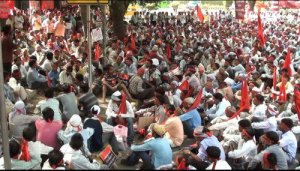
As the tension and repression of the factory owners and the district administration mounts, the workers have planned to go on Satyagraha from May 8 (tomorrow) and the administration is determined to not let it happen. We have received messages saying that trade union organizers fear for the life and safety of the workers and their leaders. The voice of protests from many forums and due to the incident being covered by the local media, the administration has refrained from taking any one sided action till now. But conspiracies are being hatched behind the scenes. Its not a distant reality that the leaders might be killed in fake encounters, or slapped with false charges or lynched by mobs instigated by the factory owners or Adityanath’s goons.
Continue reading Firing and Repression on Factory Workers in Gorakhpur
 Guest post by SUSMITA DASGUPTA
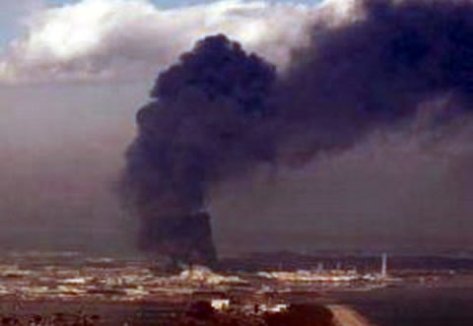

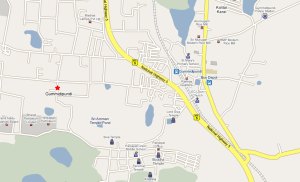 Thervoy Kandigai Industrial Complex. The Government issued orders alienating 1127 acres of poramboke land in favour of SIPCOT for formation of a new Industrial Complex in Thervoy Kandigai village of Gummidipoondi Taluk, Thiruvallur District. The land development work is in progress now.
 KAFILA - COLLECTIVE EXPLORATIONS SINCE 2006