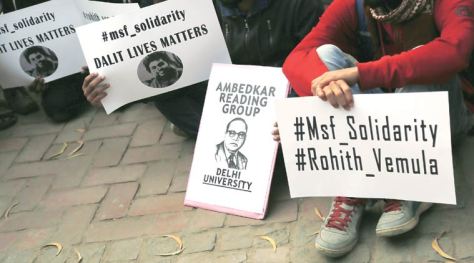
Category Archives: Images

Rise in Rage – Message of Solidarity for HCU Students: Anirban Bhattacharya and Umar Khalid

Guest Post by Anirban Bhattacharya & Umar Khalid

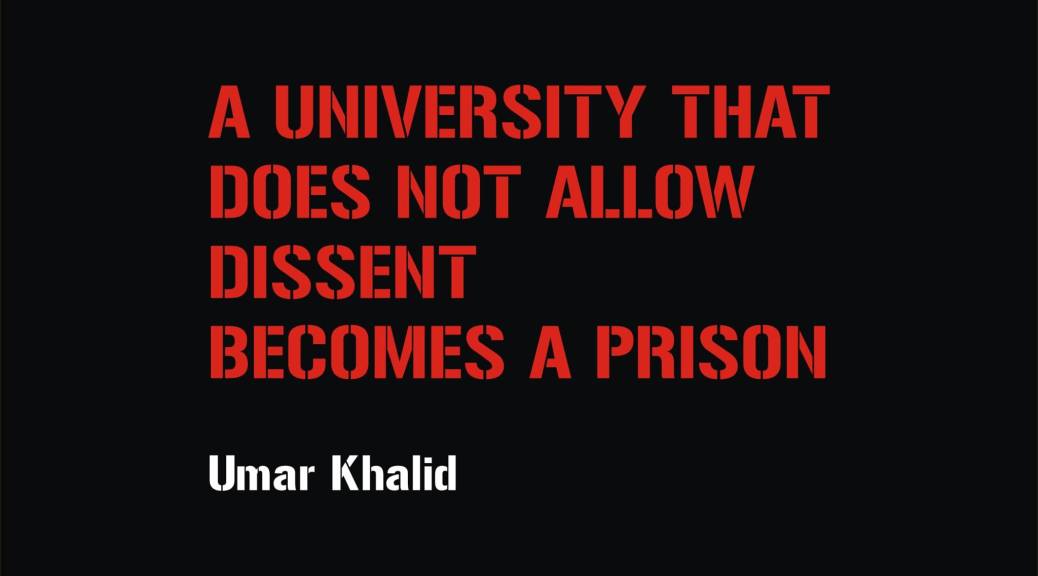
“We dissent, therefore we are”
The times we are living in are audacious. As the brahmanical Hindutva fascist forces in collaboration with big corporates are attempting to browbeat (or even just beat) us into silence, what better time than today to be audacious, to show our audacity. And that is precisely what Rohith Vemula did, both in his life as well as in his death. He dared to dissent against the brahmanical and communal structures of discrimination and oppression. He posed a graver “national security threat” because he was not just speaking up against the oppression against the Dalits, but also tried to build solidarities with other oppressed communities – the Muslims and other minorities. 
Of course, this invited the wrath of the powers that be – of Manu-Smriti Irani, of Bandaru Dattatreya, of the puppet VC Appa Rao and the puppeteer – the RSS. This earned him the epithet of “anti-national” as he was murdered institutionally by the communal-casteist apparatus of the state. The motive of the state was to “teach him a lesson” and “teach a lesson” to all those voices who dared to be audacious. But in vain. Rohith’s murder sparked a fire that spread across the country – across universities – demanding justice for Rohith. The need was felt by the RSS/BJP to “teach a lesson” yet again. In JNU the attack came in the form of the facile “national/anti-national” debate. When this was thwarted, in HCU it came in the form of the re-installation of the puppet VC Appa Rao.

This, of course, was an insult to the cause of justice for Rohith. It was an affront to the very idea of social justice. And it was a direct challenge to all democratic voices in the country. This outrage, this indignation could not have been taken lying low. The students in HCU yet again showed their audacity as they rose in rage against the re-installation of a killer VC. And this was met with a brutal lathi-charge by the Telangana Police, a fascist witch-hunt of student activists and teachers, their arrest on bogus charges, suspension of mess-water-electricity-internet and other facilities. The university has been turned into a war-zone.

Today universities and educational institutions across the country are being turned into war-zones and prison houses. It’s a shame today that heads of institutions and VCs – whether in FTII or HCU – are being escorted into their own campuses under police protection. On the one hand the institutionalized discrimination against Dalits and other oppressed castes is either forcing students to drop-out or hang themselves thereby necessitating the incessant demand for a Rohith Act. While on the other hand, through a concerted effort the state is imposing the brahmanical Hindutva fascist agenda of the RSS in course-curriculum. On the one hand, the state is pursuing a policy of massive fund cuts, fee-hikes or privatization so as to make higher education unaffordable for a large section – particularly the oppressed caste/class. On the other hand, to achieve the same, the ruling classes have been preparing to quell all possible resistance to the above through depoliticizing campus-spaces and curbing any and every voices of dissent. Such are the diktats, the exigencies of the insatiable thirst of global capital for profit in its bid to overcome the inherent crisis. While such anti-student pro-privatization policies were set in motion by the erstwhile Congress governments with all earnest, under the present regime, further velocity and teeth has been added to the same. The tightening tentacles of fascism in the country with RSS at its helm has only meant further witch-hunt, increasing militarization, casteist targeting, and shrinking of democratic space for debate and dissent in campuses.  

But, much to the irritation of those in Nagpur, the more vicious has been the assault, the more spectacular has been the resistance. From being against the bogey of Love Jihad to being for Kiss of Love, from being against Ghar Wapsi to calling the bluff on Swacch Bharat, from being against Dadri killing to exposing the farce of Make in India, from Hokkolorob to Pinjatod, from FTII to IIT-Madras, from Allahabad to Calicut, from Occupy UGC to Justice for Rohith, from Stand with JNU to Stand with HCU – there is a students’ spring today that swells across the country. We the students, today, are the opposition. And it is this strength that was exhibited in the streets of Delhi when Justice for Rohith and Stand with JNU merged into a sea of resistance.

If we look back in history, at times when the ruling classes has intensified its assault upon the people across the world, it is the students who have taken up a vital share of responsibility to speak up, to dissent. And more often than not we have seen various such youth and student movements talking to each other, drawing from each other, inspiring each other and thereby strengthening each other. The Black Panther movement influenced the Dalit Panthers. The struggle in Vietnam triggered massive anti-war demonstrations across the universities in America. The students of France 68 inspired millions of students across Europe and the world. The Cultural Revolution led by students in Maoist China inspired millions including the students during the Naxalbari movement which in turn inspired thousands across the subcontinent. Similarly it is important today that the movements whether of the Dalits, the women, the minorities, the LGBTIQ community, the workers, the peasants – should all speak to each other and gain strength from each other. At a time of ascendant fascism, it is imperative that we build solidarities forged in struggles. Because, even today if we remain divided into red, blue and green and so on, even if today we remain divided in HCU and JNU – fascism will ensure that tomorrow none survives. Maintaining our ideological differences – our colours, sharpening our tools of criticism and self-criticism, we must shun the path of sectarianism and build genuine unity of the oppressed against the combined assault of the brahmanical Hindutva fascist forces and the forces of big capital. 

The attack today is relentless. So has to be the resistance. The bail orders for a few individuals in a campus can be a small battle won, but the war is far from over and there can be no respite today. We are confronting fascism today; it is a difficult fight, and no one ever said it would be easy. Let us fight for the release of the students and teachers put behind bars in Hyderabad and in the process let us intensify the struggle to oust Appa Rao, to seek justice for Rohith, to challenge the brahmanical fascist forces and their tightening noose.

Rise in Rage against the reinstallation of Appa Rao, the killer of Rohith Vemula as VC in HCU.

Condemn the brutal crackdown and arrests of students and teachers by Telangana Police.
Anirban Bhattacharya & Umar Khalid are both students of Jawaharlal Nehru University (JNU) Delhi

Response to Shantanu Guha Ray’s Mumbai Mirror Article on Tarun Tejpal: Anonymous

Guest post by ANONYMOUS

[The letter below was sent to the Mumbai Mirror by the woman journalist who has accused Tarun Tejpal of rape. The paper is yet to issue a clarification on Mr Guha Ray’s connection to the rape accused Mr Tejpal, or to carry this letter on its website, or paper. As per Indian Law the identity of a victim of sexual assault is protected. We are thus carrying the letter below without disclosing her identity]

To

The Editor

Mumbai Mirror

This is to draw your attention to the article printed in your newspaper titled “Rape Charges Against Tarun Tejpal: Over Two Years On, Trial Yet to Begin” dated March 21, 2016 by Shantanu Guha Ray.

Having long admired the Mumbai Mirror, I was disappointed to note the factual inconsistencies and biases evident in the article. To begin with, Mr Guha Ray, allegedly a senior journalist (and therefore, one hopes, familiar with at least a few journalistic tenets) fails to mention in his piece that he worked under the rape accused, Tarun Tejpal, for several years at Tehelka magazine, and was also the head of Tehelka’s sister venture, Financial World – indicating that he had significant financial interest the magazine.

Further, Mr Guha Ray mentions that the complainant in the case is “working on a book on the complicated matter of sexual harassment at the workplace” to be published by Harper Collins. As the complainant, I would like to clarify that I am not working on a book about office harassment, have never been contacted by Harper Collins, and that the only thing complicated about sexual harassment at the workplace is the management bending over backwards to protect abusive employers responsible for their pay cheques.

If any further evidence of Mr Guha’s bias and professional ineptitude was necessary, let me also point out that while he liberally quotes the rape accused as saying the case is “a matter of life and death for him”, he fails to even get the state prosecutor’s name right, and has never contacted me for an account of how the delay in an allegedly “fast track” and high profile rape case has affected my health or professional prospects.

A basic fact check, or a few phone calls to lawyers and editors in New Delhi would have alerted the journalist in question, as well as you to the fact that Mr Tejpal and his family have repeatedly screened sub-judice CCTV footage for anyone that asks to view it. In fact, no one except the police and Mr Tejpal’s defence even have access to this footage, so perhaps Mr Guha Ray can next train his newshound instincts to finding out how story after story defending Mr Tejpal based on this footage appeared in publications like Outlook, The Citizen and the Facebook page of Mr Anurag Kashyap.

Finally, Mr Guha would do well to remember that not only does this delay in proceedings give “some reprieve” to Mr Tejpal, but combined with his slanderous media campaign, it also affects every single witness in the case, and constantly delays the moment I can present my truth and evidence in court — a moment I have patiently waited for for over two years.

Warm regards,

XYZ
International Statement of Solidarity by Academics, Activists, Artists and Writers with University of Hyderabad

Over 300 academicians, activists, artists and writers condemn the state violence and unlawful detention of faculty and student protesters of the University of Hyderabad.

If you would like to endorse this statement please send your name and institutional affiliation (if any) to justiceforhcu@gmail.com 

We, academicians, activists,  artists and writers, condemn the ongoing brutal attacks on and unlawful detention of peacefully protesting faculty and students at the University of Hyderabad by the University administration and the police. We also condemn the restriction of access to basic necessities such as water and food on campus.

The students and faculty members of the University of Hyderabad were protesting the reinstatement of Dr. Appa Rao Podile as the Vice-Chancellor despite the ongoing judicial enquiry against him related to  the circumstances leading to the death of the dalit student Rohith Vemula on January 17th, 2016. Students and faculty members of the university community are concerned that this may provide him the opportunity to tamper with evidence and to influence witnesses. Suicides by dalit students have been recurring in the University of Hyderabad and other campuses across the country.  The issue spiraled into a nationwide students’ protest with the death of the dalit scholar Rohith Vemula. The protests have pushed into the foreground public discussion and debate on the persistence of caste-based discrimination in  educational institutions, and surveillance and suppression of dissent and intellectual debate in university spaces.

Since the morning of March 22 when Dr. Appa Rao returned to campus, the students and staff have been in a siege-like situation.  The peacefully protesting staff and students were brutally lathi-charged by the police, and 27 people were taken into custody. The 27 detainees were untraceable for 48 hours, brutally tortured, and denied legal access. In short, all legal procedures of detention have been suspended. After the incident, the university has been locked down with no access to food, water, electricity, and Internet connectivity.   Students were brutally assaulted when they opened community kitchens.  Lawyers and members of human rights organization as well the ordinary citizens of the city were denied access to students. University of Hyderabad is one of India’s biggest public universities.

We have followed, with deep concern, similar violent attacks and undemocratic crackdown on students on the campuses of Jawaharlal Nehru University, the Film and Television Institute of India, the University of Allahabad, Jadavpur University, Burdwan University, and others across the country. That the highest administrative authorities in the university have allowed the silencing of debate and dissent is unfortunate. We are disturbed by the pattern of growing nexus between student vigilante groups, youth wing of the ruling party, state and university authorities in colleges and university campuses across the country in order to mobilize the state machinery against vulnerable students. This has created a climate of fear and oppression in the country, and continually violates fundamental human and Constitutional rights of students.

We stand in support of the protesting students, staff and faculty of the University of Hyderabad and demand the following:

  1. Immediate withdrawal of police from the campus.

  2. Immediate release of, and withdrawal of all cases against, all arrested students and faculty.

  3. Suspension of the Vice-Chancellor P. Appa Rao.

  4. Judicial enquiry into the role of the HRD Ministry, the HRD Minister and Mr. Bandaru Dattatreya in inciting violence against Dalits on campus.

  5. Independent enquiry into the incidents of violence on the campus including the role of the ABVP in vandalising the Vice-Chancellor’s office.

  6. Action against police personnel named by students in their complaints.

  7. Passage of the “Rohith Act” against caste discrimination in education.

Signatories

  1. Lawrence Cohen, Director, Institute for South Asia Studies, University of California, Berkeley Continue reading International Statement of Solidarity by Academics, Activists, Artists and Writers with University of Hyderabad

JNU Students in Solidarity with Students in Hyderabad

Students across universities in India are standing together against the extraordinary assaults unleashed on them by the Modi regime. Students in Jawaharlal Nehru University in Delhi have been having regular meetings, ever since 22nd March on the situation in Hyderabad. There have also been marches in Kolkata and meetings in TISS, Mumbai. Reports are just coming in of a police lathi (cane) charge on left youth and student activists in Mumbai. Again, the mainstream media is NOT reporting the fact that young people are being attacked and that seventeen of them have detained by the police in Mumbai for coming out in support of the students in Hyderabad. Kafila welcomes accounts from the participants of these gatherings, so that the students in Hyderabad get to know that they are not alone.

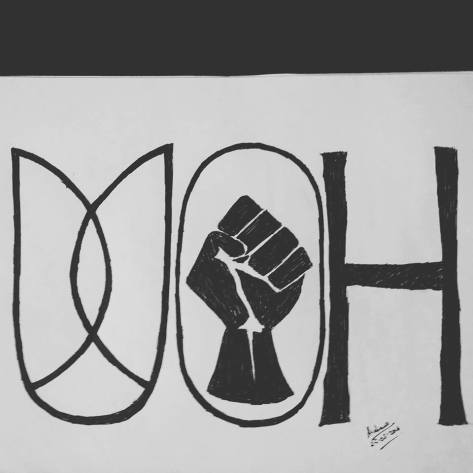
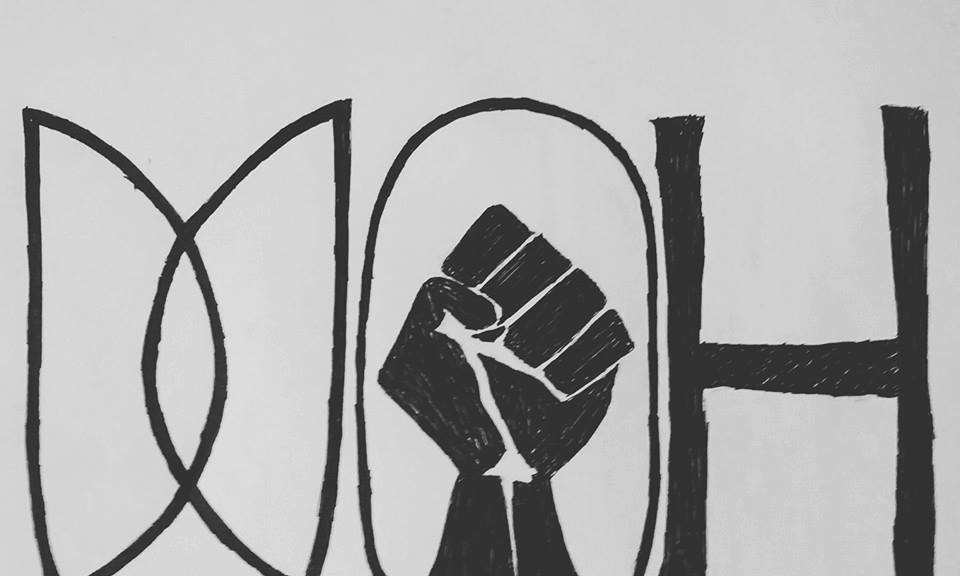
Profile Picture graphic of the 'Stand With JNU' Facebook Page that inserts the JNU Logo on to the UoH (University of Hyderabad) Acronym.
Profile Picture graphic of the ‘Stand With JNU’ Facebook Page that inserts the JNU Logo on to the UoH (University of Hyderabad) Acronym.

Some JNU students also took out a  protest march to the Ministry of Human Resources Development to register their strong protest against the police action in Hyderabad University on the 23rd of March. A big march is being planned in Delhi soon, which will have participation of many student organizations cutting across different universities in Delhi.

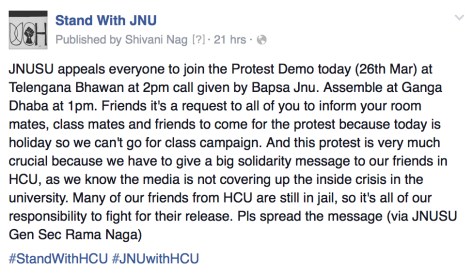
Call from BAPSA-JNU for solidarity march with Hyderabad Students on the 'Stand with JNU' Facebook Page
Call from BAPSA and JNUSU for solidarity march with Hyderabad Students on the ‘Stand with JNU’ Facebook Page

One effect of the media blackout on the Hyderabad situation is a silencing of the different voices of support and solidarity for the Hyderabad students from their comrades in Delhi, especially from JNU and other places. This is a tactic of the regime to make students in Hyderabad think that their struggle is not being supported and echoed in other places, such as in JNU, and in Delhi generally.

This is totally untrue. This is moment for even greater co-ordination and solidarity. Do not let yourself be distracted by those who want to divide the student movement at this critical juncture.

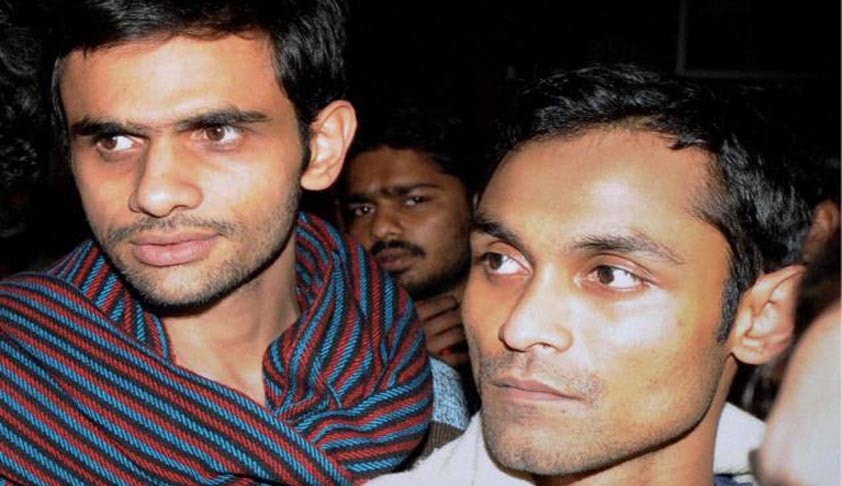
Watch the videos below, they have statements by Rama Naga, General Secretary of JNUSU, Anirban Bhattacharya (who was recently released from police custody together with Umar Khalid) and Shehla Rashid, vice president of JNUSU.

Thanks to the ‘We are JNU’ youtube channel and the ‘Stand with JNU’ Facebook page for the videos.

More Videos from the University of Hyderabad – The Prison is the University, The University is the Prison: Student Videographers from UoH/HCU

Guest Post Compiled from Uploads by Student Videographers from UoH/HCU and their friends

“The only thing to fear is fear itself”

[ Since the mainstream media, particularly television channels, are steadfastly refusing to report the ‘undeclared emergency’ in the University of Hyderabad (also known as Hyderabad Central University – HCU), we at Kafila, (along with many other online platforms, such as Raiot.in, India Resists, Scroll.in, The Wire, RoundtableIndia.in and several youtube channels) are going to continue providing our readers with testimonies by students and faculty from the University of Hyderabad.

Venkaiah Naidu, Bandaru Dattatreya, Smriti Irani and Rajnath Singh (all senior ministers in the BJP government at the centre) and some of their chamchas have probably been on the phone all of the past few days with senior editors and media management to try and ensure that the situation remains unreported, un-commented upon. Or, is it  just the ‘business as usual’ matter of Savarna (Hindu upper caste, usually, but not only, masculine) privilege (and insecurity) playing itself out in newsrooms and edit meetings when it comes to reporting an assertive, articulate, intelligent protest with a very large Dalit-Bahujan component in Hyderabad. Or is it a bit of both?

What other explanation can there be for the almost blanket ban on reportage, analysis and commentary on the extraordinary situation in Hyderabad in most national TV channels? Even the reporting in major newspapers, though better than what exists on TV channels, leaves a lot to be desired. Every major news organization has correspondents in Hyderabad, and even if they are not able to enter the university because of the VC’s orders, they can still definitely speak to the students if they want to, because the students regularly assemble outside the university gates. What prevents them from doing that? What exactly is going on?

After the rage that was sparked by Rohith Vemula’s institutional murder and the crackdown in JNU, the BJP government probably believes that the only way to continue repression is to do it under the cloak of silence. And so, the heavy breathing down the phone lines. And so, the reversion to the Savarna stiff upper lip code of silence – an ‘omertà’ which disables possibilities of translation, or even just transmission of what is going on in Hyderabad.

But this mistaken belief that the media’s silence can translate into public indifference and ignorance about the war that the Modi regime has unleashed on the young, will actually work to create a backlash. It is already destroying the little credibility that the regime has, and eroding a lot more confidence in its media backers.

Young people, in Hyderabad, in JNU, and in countless other campuses, factories and workplaces, are way smarter, way more media savvy than either the idiots who run the show in the BJP, or their mavens in the media can gauge. The young (and their friends amongst their teachers) will make sure that the airwaves resonate with their voices and accounts.

The first video in the series below, all taken from Youtube channels started by students and their friends, has a speaker saying something wonderfully generous – “The only thing to fear is fear itself”. Listen to her, listen to her friends and comrades. Share this post widely. Defeat the collaborative exercise of repression and censorship undertaken by the Modi regime and the mainstream media on this issue.

Jai Bhim, Lal Salaam, Inquilab Zindabad !  – Kafila ]

With thanks to the Justice for Rohith Youtube channel, from which these videos are taken.

Mera Piya Ghar Aaya: Umar Khalid and Anirban Return to JNU and the Students’ Struggle

I have come home a little while ago from Jawaharlal Nehru University after listening to Umar Khalid and Anirban Bhattacharya take back the night. As I drove home  through the quiet streets of Delhi after midnight it occurred to me that somebody should whisper into Narendra Modi’s ear that he should now start stocking up on sleeping pills. (Maybe Baba Ramdev’s enterprise makes some that he could prescribe to the Prime Minister, unadulterated). With young people like Umar and Anirban as his adversaries, the Prime Minister can only have sleepless nights ahead of him. It is perhaps fortunate for him that the team from Madame Tussaud’s came by and did their job yesterday. Because from now on, his real skin tone will only envy the lustre of his wax work. Umar and Anirban, and their friends, took away the little remaining shine that Modi had left at midnight.

Continue reading Mera Piya Ghar Aaya: Umar Khalid and Anirban Return to JNU and the Students’ Struggle

Save Democracy, Release Umar, Anirban and SAR Geelani, Enact Rohith Act – JNU Marches again in Delhi

For the fourth time since the early February, students, faculty and their friends marched in Delhi. Once again, there were thousands of people, walking from Mandi House to Jantar Mantar. This time, there was focused attention on the demand for the release of the detained JNU students – Umar Khalid and Anirban Bhattacharya, the DU Professor S.A.R Geelani, solidarity with JNU Prof. Nivedita Menon and the poet-scientist Gauhar Raza against their media trials, and a direct attack on the creeping fascism of the Modi regime. Here are some moments from this march.

(Thanks to Aniket Prantdarshi, Kavita Krishnan, Samim Asgor Ali and Anish Ahluwalia, ‘We are JNU’ for their photos and videos, which I have taken from their Facebook pages and Youtube Channels)

Continue reading Save Democracy, Release Umar, Anirban and SAR Geelani, Enact Rohith Act – JNU Marches again in Delhi

When Crime Becomes Ordinary, Ordinary Life Will be Criminalised

  1. Zee News Anchor Sudhir Chaudhary whose heart beats for India tried to extort 100 crores from the Jindals, remember? No, no, please, kindly, take a few minutes to watch this, at least until 3.55.


  1. This is a photo comparing Chaudhary with that the whistleblower in the Vyapam scam, who exposed a long-running case of serious corruption by the state and political parties which has involved the murders of over 45 individuals! The current government is providing Chaudhary X category security while with this cycle-borne ‘security’ the Vyapam whistleblower has survived 14 attacks on his life.
main-qimg-ce1f1542701c71d0da51f68ad43ecab8
Courtesy: Quora.com

Continue reading When Crime Becomes Ordinary, Ordinary Life Will be Criminalised

Long Nights of Revolution, Dancing, Music and Poetry are Ahead: Veer Vikram

[ Here are five joyous excerpts of recordings from a recent night on the JNU campus – after Kanhaiya Kumar came back –  recorded by a young person called Veer Vikram. We do not know who Veer Vikram is, but came across his Youtube Channel, and were struck by the raw freshness of the voices and of the footage. So we are sharing them with you, saluting the generosity of Veer Vikram, who recorded these and uploaded them on to Youtube for everyone to enjoy. May there be many long nights of joy, music, dancing and poetry – in campuses, factories and neighborhoods – everywhere  Think so what a beautiful sight a ‘vishaal jan jagaran’ (as distinct from a ‘bhagawati’ jagaran) can make in different corners of Delhi, and in every city and town where young people can no longer take the rubbish offered by TV channels and the Modi regime. The revolution will be danced, sang, dreamt, recorded, uploaded, downloaded, shared and enjoyed. No more words necessary ]

Conversations on Sedition: Ritanjan Das and Abhijit Sengupta

The weeks following the February 9th incident within the JNU campus have been nothing but eventful in India’s social and political discourse. At least, this is something most of us will agree on, no matter which side of this increasingly impermeable “fence” we sit on.  There have been arguments, counter arguments thrown from each side to the other, names have been dug up and hurled across, evidence in favour of what purportedly happened or did not happen have been put up by each side for the other to see. Videos have been made, unmade; cartoons have been drawn, redrawn; political figures have been idolised, lampooned; students have been demonized and idolized; dangers of the increasing menace of nationalism and anti-nationalism have been stuffed down one’s throat through the so called idiot box or the smart net.

In the midst of this deluge of opinions and ideas, information and misinformation, the question that some have raised is, are both sides losing the plot a bit? What exactly are we discussing or debating so vociferously? Are we really listening to the other sides’ arguments, or are we just hearing a few words we want to hear and voicing our own opinions in pre-designed responses? These are some of issues we are highlighting in this piece, hopefully in a slightly different format than what we are used to elsewhere.

What follows is a conversation between two intelligent people from opposite sides of the fence. The conversation is based on some real ones, which the authors of this piece had actually engaged in with different individuals over the last few weeks. We have attempted to distil the central ideas of both sides and present it to the readers. We cannot and have not included every aspect of the ideas and opinions of both sides, and we will not include the abuse. But what we have attempted to capture, is a reasoned and rational attempt at understanding the real problem(s), as understood by each side. Continue reading Conversations on Sedition: Ritanjan Das and Abhijit Sengupta

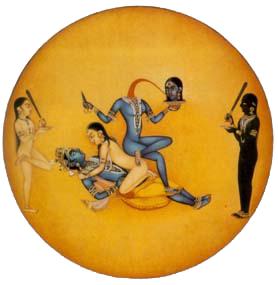
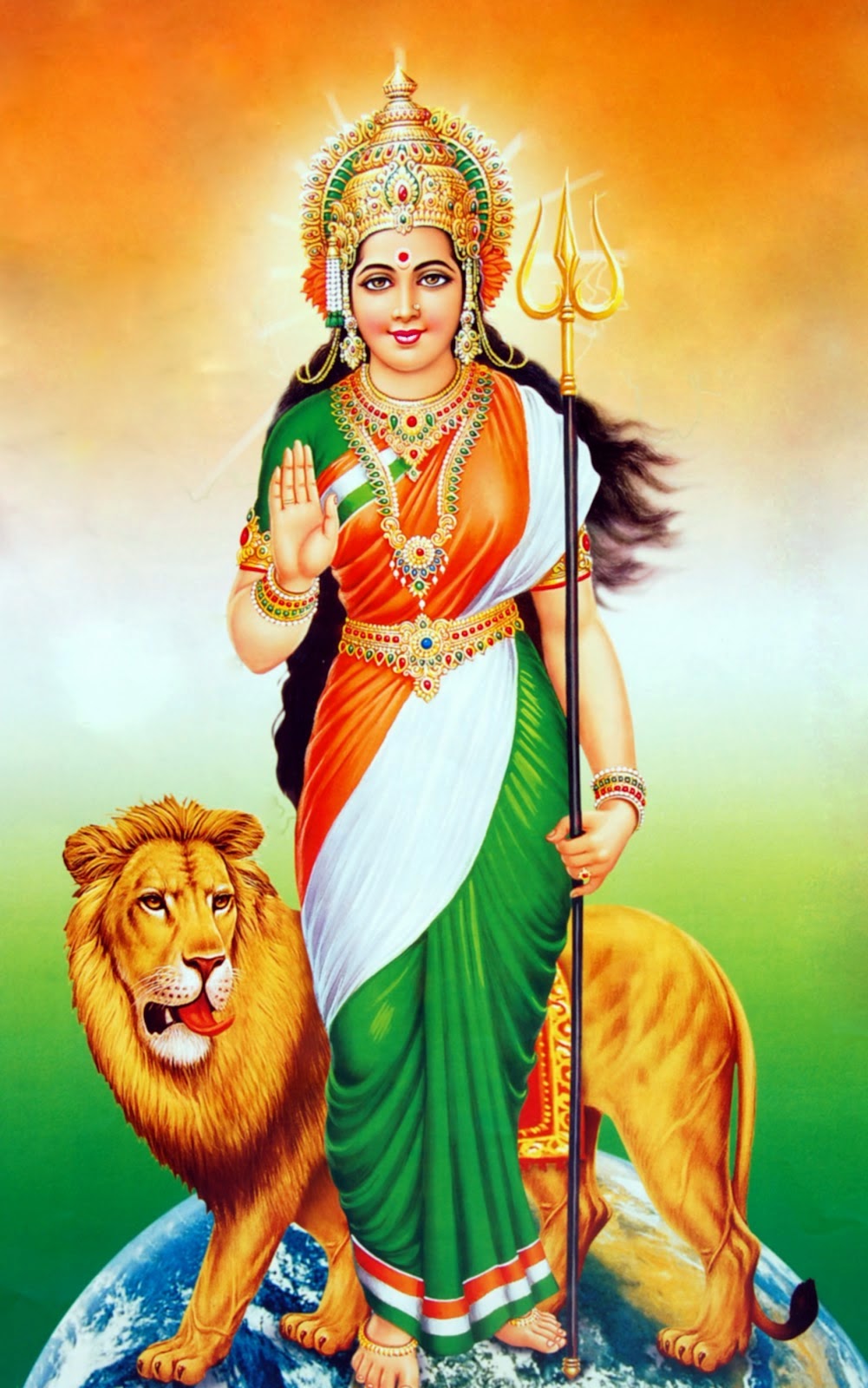
क्या यही प्यार है? कहो, कहो ना…

chinnamastabharatmata


आजकल दर रोज़ हमें बताया जा रहा है कि हम देश से प्रेम करें, राष्ट्र से भक्ति. बड़े परेशान हैं आज के शासक हमं जैसों की करतूतों से. जोश में आ कर कुछ भी बड़बड़ा देते हैं : कभी आज़ादी की बात करते हैं, कभी काशमीर की. कभी जातिवाद से छुटकारा चाहीए, तो कभी पूँजीवाद से. ऐसा लगता है हम न भक्ति जानते हैं, ना प्रेम. तो चलीए, भक्ति ओर प्यार, राष्ट्र ओर देश: इन चारों संज्ञाओं का विश्लेषण कीया जाए.

पहला प्रस्ताव: भक्ति में मिला हुआ है डर; प्यार के साथ चलती है रज़ामंदी.

प्यार मासूम नहीं होता. बच्चे प्यार ज़रूर करते हैं, पर प्यार बड़ों का खेल है. प्यार करना जोखिम भरा काम है दोस्त. ख़तरे की खाई है प्यार. क्योंकि डर लगता है कि जिससे हम प्यार करते हैं, वह हम से फ़क़त दोस्ती जताना चाहता है. “Let’s just be friends.”है इस वाक्य से बड़कर कोई अनर्थ? किसी नौजवान से पूछिए जिसने काँपते हाँथों से Valentine’s card दीया, ओर वापस मिला,”Thanks.” हँसी तो फँसी नहीं, हँसी तो भंग आशाओं की शिखंडी कलेजी में घुसी. पर होता है दोस्त. होता है. क़बूल करना पड़ता है. रो कर, हस कर, दोस्तों के साथ मदहोश शाम में पुरानी फ़िल्मों के गाने बेसुरी आवाज़ में रेंक कर, सुन कर, सुना कर. जब बैंड बजती है तो गाना गाओ दोस्त. गोली मार कर प्यार तो करवाया नहीं जा सकता. Continue reading क्या यही प्यार है? कहो, कहो ना…

A Conversation about the Meaning of the word ‘Azadi’ (‘Freedom’) in the Wake of Events at JNU

Signal to Noise Ratio

There has been a lot of talk about what exactly ‘Azadi’ (freedom) means, especially in the wake of Kanhaiya Kumar’s post release midnight speech at JNU on the 4th of March. So lets talk some more. No harm talking. If there is noise, there must also be a signal, somewhere.

Kanhaiya Kumar clarified in his electrifying, riveting speech that his evocation of Azadi was a call for freedom ‘in’ India, not a demand, or even an endorsement of a demand for freedom ‘from’ India.

This may come as a sigh of relief to some, – Kanhaiya , the man of the moment, proves his ‘good’ patriotic credentials, leading to an airing of the by now familiar ‘good nationalist vs. bad nationalist’ trope. And everyone on television loves a nationalist, some love a good nationalist even more.

Perhaps this was a way of dealing with a bail order that was at the same time a gag order.

[ P.S. : Since writing this last night, a more careful reading of the bail order has suggested to me that the actual terms of bail are not so bad after all. Bail is in fact granted, as far as I can see, fairly unconditionally. Kanhaiya is not asked, for instance, to step down from his position in the students’ union, nor are restrictions placed on his movement and activity. So in technically legal sense, the bail provisions need not be interpreted in a tightly restricted manner. The egregious political hortations, the references to infection, antibiotics, amputation and gangrene, which are over and above the legal instructions, are indeed terrible, but operationally, they have no executive authority backing them.]

But to say just that the text of the bail order is what shaped Kanhaiya’s midnight speech would be ungenerous, and miserly, especially in response to the palpably real passion that someone like Kanhaiya has for a better world, and for a better future for the country he lives and believes in. I have no doubt about the fact that coming as he does from the most moderate section of the Indian Left (the CPI – well known for their long term affection for the ‘national bourgeoisie’ despite the national bourgeouisie’s long term indifference/indulgence towards them), Kanhaiya is a genuine populist nationalist patriot [I have corrected ‘nationalist’ to ‘patriot’ here in response to the criticism and suggestion held out by Virat Mehta’s comment – see below in the comments section] and a democrat moulded as he says, equally by Bhagat Singh and Dr. Ambedkar. There is a lot to admire in that vision, even in partial disagreement. And while some may not necessarily share his nationalism, this does not mean that one has to treat it with contempt either. I certainly don’t.

Continue reading A Conversation about the Meaning of the word ‘Azadi’ (‘Freedom’) in the Wake of Events at JNU

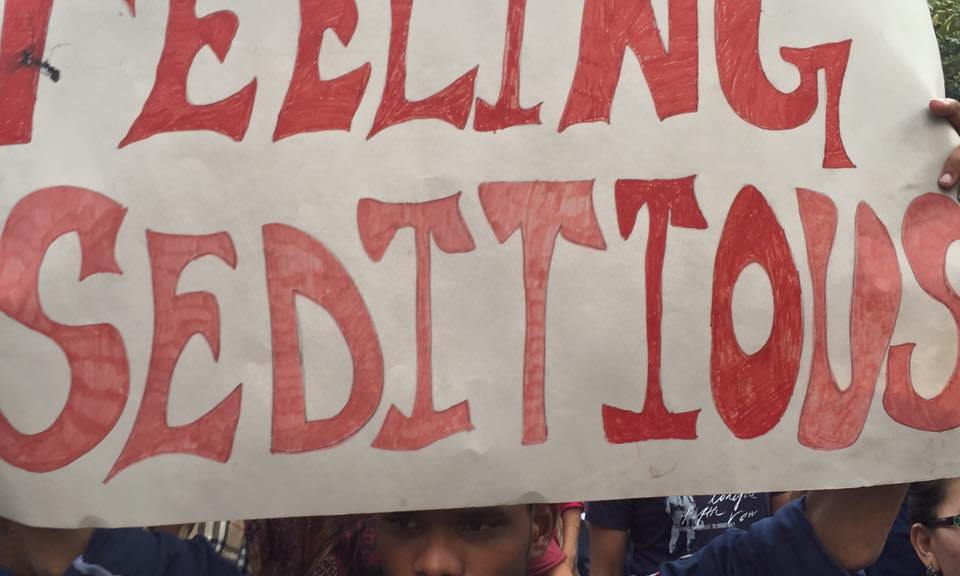
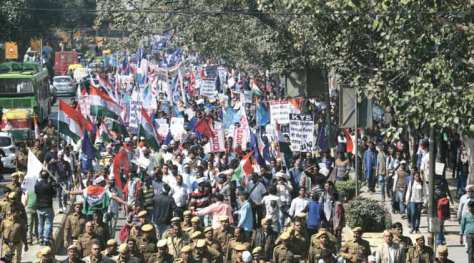
‘Feeling Seditious’: March on Parliament to #StandwithJNU

For the third time within a span of two weeks since the middle of February, thousands of people came out on the streets of Delhi to express their solidarity with the detained students of JNU (Kanhaiya Kumar, Umar Khalid and Anirban) and to voice their anger with the venal Modi regime.

Protest demonstrations (at least in northern India) tend to have something of the monotonous in them, the same cadence, the same rhythm and the same wailing, complaining tone. They tend to have an air of events staged by the defeated, for the defeated. But if we take the last three big protests in the city, and the many gatherings in JNU in the last two weeks or so,  as any indicator of what the pulse of our time is, we will have to agree that there has been a qualitative transformation in the language, vocabulary and  affect of protests. This afternoon, like the afternoon of the 18th (the first big JNU solidarity march), and of the 23rd of February (the Justice for Rohith Vemula March), was as much about the joy of togetherness and friendship as it was about rage and anger.

Continue reading ‘Feeling Seditious’: March on Parliament to #StandwithJNU

Consolidated Solidarity Statements in Support of JNU

JNU Solidarity Poster

Kafila posted a set of solidarity statements recently in support of the students, faculty and autonomy of JNU. We are posting another set, received from the following organisations:

  1. First-Decade JNU Graduates and Other Graduates – 548 signatories.
  2. Faculty, Staff and Students at the Indian Institute of Management, Bangalore.
  3. California Students and Faculty. California, U.S.
  4. Current Fellows of the Jawaharlal Nehru Institute of Advanced Study, JNU, Delhi.
  5. Colorado College, Colorado, U.S.
  6. Faculty at DePaul University, Chicago, U.S.
  7. Faculty, Students and Staff, Brown University, Rhode Island School of Design (RISD) and University of Rhode Island, Providence, U.S.
  8. McGill and Concordia Universities, Canada.
  9. Canadian Academics from Various Universities.

Please click on Read More below for the statements and signatories:

Continue reading Consolidated Solidarity Statements in Support of JNU

जेनयू की सफाई पर स्मृति ईरानी की सफाई: नियति शर्मा

Guest post by NIYATI SHARMA

लोकसभा में स्मृति ईरानी जी की सफाई उर्फ़ भाषण बहुत भावुक, मनोरंजक और प्रभावशाली था। लोग उन्हें ‘आयरन लेडी’ का खिताब दे रहे हैं- यह उनके तर्क के लिए या उनके तेवर के लिए, या फिर उनके यह कहने के लिए की वो अपना सर काट के मायावती जी के चरणों में रख देंगी, पता लगाना थोड़ा मुश्किल है । सोचा था स्मृति जी कुछ सवालों का जवाब देंगी पर असल में मिली एक लम्बी, मेलोड्रामाटिक सफाई जिससे उन्होंने अपनी सरकार की सारी गलतियों पे पर्दा डाल दिया।ऐसी स्तिथि में हम मजबूर हो गए हैं की स्मृति जी से जो सवाल पूछे जाएँ वो तथ्य-सम्बंधित होने के साथ साथ अति भावनात्मक भी हों।

स्मृति जी के अभिनय के सारे सालों का अनुभव उनके भाषण में साफ़ दिखाए दिया। लोकसभा में स्मृति जी के हाव भाव से आक्रोश टपक रहा था पर क्या उन्हें इतना क्रोधित होने का हक़ है? स्मृति जी का यह मानना है की उनके ऊपर काफी बेबुनियादी आरोप लगे हैं, पर यह मामला स्मृति ईरानी जी के बारे में नहीं है, यह मामला उन मासूम छात्रों के बारे में है जिनकी ज़िन्दगी को उन्होंने दांव पर लगा दिया है। आखिर उन ‘बच्चों’ का क्या जिनके ऊपर उन्होंने और उनकी सरकार ने पिछले कुछ दिनों में अनगिनत आरोप लगाये हैं? स्मृति ईरानी जी तो मंत्री हैं, अगर आरोप लगे भी, तो उनकी ज़िन्दगी बर्बाद नहीं होगी, पर जिस क्रूरता से सरकार और मीडिया ने छात्रों का चरित्र-हनन किया, वह कभी भी इससे उभर नहीं पाएंगे। कन्हैया, उमर और अनिर्बान न ही मंत्री हैं जिनके पास कोई राजनैतिक सहारा है और न ही उनके परिवार इतने धनी हैं की वह अपना जीवन, अपनी इज़्ज़त पुननिर्मित कर पाएं। स्मृति जी, आप तो सिर्फ अपने बारे में सोच रही थीं की आप पर और आपकी परफॉरमेंस पर क्या क्या सवाल उठाये गए, क्या आपने एक बार भी सोचा की इन छात्रों के पास आगे ज़िन्दगी में सफाई देने का कोई मौका नहीं होगा? क्या आपने, माँ होने के नाते, यह सोचा की यह छात्र अब कभी भी साधारण जीवन नहीं जी पाएंगे?

Continue reading जेनयू की सफाई पर स्मृति ईरानी की सफाई: नियति शर्मा

स्मृति ईरानी को एक जे-एन-यू के छात्र की चिट्ठि: अनन्त प्रकाश नारायण

Guest Post by Anant Prakash Narayan

सेवा में,

श्रीमती स्मृति ईरानी जी

“राष्ट्रभक्त” मानव संसाधन विकास मंत्री,

भारत सरकार

संसद में दिए गए आपके भाषण को सुना. इससे पहले की मै अपनी बात रखूँ , यह स्पष्ट कर दूं की यह पत्र किसी “बच्चे” का किसी “ममतामयी” मंत्री के नाम नहीं है बल्कि यह पत्र एक खास विचारधारा की राजनीति करने वाले व्यक्ति का पत्र दूसरे राजनैतिक व्यक्ति को है. सबसे पहले मै यह स्पष्ट कर दूं कि मै किसी भी व्यक्ति की योग्यता का आकलन उसकी शैक्षणिक योग्यता के आधार पर नहीं करता हूँ बल्कि साफ़ साफ़ कहूं तो मै “योग्यता”(मेरिट) के पूरे कांसेप्ट को खारिज करता हूँ.

मानव संसाधन मंत्रालय का पद भार लेने के साथ ही यह अपेक्षा की जाती है कि आप इस देश के केंद्रीय विश्वविद्यालयों में उनकी ऑटोनोमी का सम्मान करते हुए उसके लिए उत्तरदायी होंगी. रोहित वेमुला के मामले में आपने क्या किया यह सबके सामने है कि किस तरह से वहाँ के प्रशासन पर आपने दबाव डाला जिसका नतीजा रोहित के institutional मर्डर के रूप में हमारे सामने आया. लेकिन मै इन सारी चीजो पर अभी बात नही करना चाहता. आप बार बार अपनी औरत होने की पहचान (आइडेंटिटी) को assert करतीं हैं और इसको करना भी चाहिए क्यूंकि नारी जाति उन ढेर सारे हाशिये पर किए गए लोगों में एक है जिनको सदियों से शोषित किया गया है. मै आपसे यह पूछना चाहता हूँ कि एक दलित स्त्री जो कि हर तकलीफ उठाते हुए अकेले अपने दम पर जब अपने बेटे बेटियों को इस समाज में एक सम्मानपूर्ण जगह देने के लिए संघर्ष कर रही थी तब एक नारी होने के कारण आप की क्या जिम्मेदारी बनती थी ? क्या आपको उस महिला के जज्बे को सलाम करते हुए उसकी बहादुरी के आगे सर झुकाते हुए उसके साथ नहीं खड़ा होना चाहिए था? हाँ, मै रोहित की माँ के बारे में बात कर रहा हूँ. जो महिला इस ब्रहामणवादी व पितृसत्तात्मक समाज से लड़ी जा रही थी, अपने बच्चों को अपने पहचान से जोड़ रही थी, उस महिला को आप व आपकी सरकार उसके पति की पहचान से क्यूँ जोड़ रहे थे? आपको भी अच्छा लगता होगा की आपकी अपनी एक स्वतंत्र पहचान है. लेकिन यह अधिकार आप उस महिला से क्यूँ छीन  रहीं थीं? क्या आप भी पितृसत्तात्मक व ब्रहामणवादी समाज के पक्ष में खड़ी होती हैं? अपना पूरा नाम बताते हुए अपनी जाति के बारे में आपने सवाल पूछा और आपका भाषण खत्म होने के पहले ही लोगों ने आपकी जाति निकाल दी. मै आपकी जाति के बारे में कोई दिलचस्पी नहीं रखता हूँ और मै यह बिलकुल नहीं मानता हूँ की अगर आप उच्च जाति के होते हैं तो आप जातिवादी ही होंगे लेकिन आपके विभाग/मंत्रालय के तरफ से जो चिट्ठियाँ लिखी गई उसमे रोहित और उसके साथियों को जातिवादी /caste-ist बताया. मैडम क्या आप caste-ism और  caste assertion का अन्तर समझती हैं? मै समझता हूँ की आप ये अन्तर भली – भाँति समझती हैं क्यूंकि आर एस एस जो आपकी सरकार और मंत्रालय को चलाता है, वह वर्ण व्यवस्था के नाम पर जाति व्यस्वस्था को भारतीय समाज की आत्मा समझता है और आर-एस-एस के एजेंडे को लागू करवाने की राजनैतिक दृढ़ता हमने समय समय पर आप में देखी हैं.

Continue reading स्मृति ईरानी को एक जे-एन-यू के छात्र की चिट्ठि: अनन्त प्रकाश नारायण

Chalo Dilli! Report on 23 Feb Protest March for Rohith Vemula: Saagar Tewari

This is a guest post by SAAGAR TEWARI

Rohith Protest 3

rohith-vemula-protest 4
IMAGES COURTESY: INDIAN EXPRESS

The call for a protest rally by the Joint Action Committee for Social Justice, constituted in the aftermath of Hyderabad Central University research student Rohith Vemula’s suicide galvanised large number of students and activists on 23rd February. On a bright sunny day, thousands descended on the streets of central Delhi marching from Ambedkar Bhawan to Jantar Mantar. The attendance was perhaps lower and the organization less cohesive than the JNU protest rally of 18th February. However, it trumped its predecessor in terms of attracting a far-wider political cross-section of the voices openly choosing to dissent against the current ruling establishment. The protestors proudly displayed anti-Brahmanism banners, flags, badges (featuring excerpts of Rohith’s suicide note) and even a radical inversion of Modi-style masks (featuring Rohith Vemula’s smiling face) thereby signaling that the same youth-brigade which was instrumental in BJP’s rise to political power in 2014 has started turning against it.

Continue reading Chalo Dilli! Report on 23 Feb Protest March for Rohith Vemula: Saagar Tewari

A Close Look at Certain Words Allegedly Shouted Recently in JNU and Their Impact on Our National Intelligence: Soumyabrata Choudhury

This is a guest post by Soumyabrata Choudhury

Polonius: “What is it you read, my lord?”

Hamlet in New Delhi, 2016: “India, Pakistan, security, sovereignty, nation, anti-national…words, words, words”

According to Sigmund Freud, when we dream, and when we suffer psychotic delusions, we treat words as pictures and things. A word’s meaning, in these conditions, becomes the shape of the word and its appearance is the same as feeling its physical impact, its blow. We cannot grasp anymore that a word refers to an object or idea outside in the world or that it can be used as a metaphor or an indirect analogy and image. We cannot even receive the rhetorical communication of words intended to persuade, exhort, transgress or insult. In each of these communications intended by an addresser we already feel physically, viscerally and as a consequence, mentally under the assault of the words of the addresser as if they are blows.

So in response we don’t persuade, exhort, transgress or insult back but instead, we curse (the upper limit of lucid  discourse in this state), punch, grab the addresser  by the throat, pull a knife or gun if we have any of these articles in our possession – or we cringe, weep, hold our heads in our hands and rock to and fro. Now it is very unlikely that in a real psychotic condition, we are able to invoke a particular law or clause of law in our favor, complain to the police and come up with a fluent image of language as justification for our actions. “We had no choice but to do what we did because the other(s) insulted our Mother India”. In a real psychotic condition, it is more likely we will be the ones to be taken away. Continue reading A Close Look at Certain Words Allegedly Shouted Recently in JNU and Their Impact on Our National Intelligence: Soumyabrata Choudhury

Come on man, be clear, what comes first—Nation, or Democracy? Bodhisattva Kar translated by Ahona Panda

Guest Post by Bodhisattva Kar and Ahona Panda

(Written by Bodhisattva Kar in Bengali, First published in on 18 February 2016 by the Ei Samay newspaper.Translated into English by Ahona Panda)

“To you I confess today—what you all call a patriot, I am not of that kind.” After this confession of sparkling clarity, should we not catch hold of that man as an anti-national? So what if he is dead? If the dead can be rewarded with the Bharat Ratna, why can’t we frame the dead with a few charges of sedition? For God’s sake, all you good people, how did you make a song written by this man the national anthem? The man who—without any obfuscation—speaks through the mouth of the protagonist of Char Adhyaya—“They who do not take cognizance of that which is greater than patriotism, their patriotism is like crossing on a crocodile’s back.” Where did he get the audacity to dream of something greater than patriotism? And, he did not even study at JNU. “By killing the very soul of the country, the country’s life can be resuscitated: this terrible untruth is being announced in beastly roars by nationalists around the world and it makes my heart revolt with intolerable intensity.” How can you not burn the books produced by such a treacherous son of Mother India, who said such terribly instigatory things? Why do you worship him instead? Can anyone put their hand on their hearts and say that he wasn’t a Pakistani spy, just because of the niggling detail that Pakistan did not exist at the time he was writing? Did we not shoot Dabholkar or Pansare for agonizing quite a bit less than he did? Continue reading Come on man, be clear, what comes first—Nation, or Democracy? Bodhisattva Kar translated by Ahona Panda

Does the Nation Really Even Want to Know? Shweta Radhakrishnan

This is a guest post by SHWETA RADHAKRISHNAN

I noticed yesterday, a tweet from Anupam Kher where he compared state action over the events of the last few weeks, as a kind of “pest control” – required, of course to keep the house clean. His exact tweet is – “Gharon mein pest control hota hai to cockroach, keede makode ityadi bahar nikalte hain. ghar saaf hota hai. waise hi aajkal desh ka pest control chal raha hai.”

The similarity of this thought to Hitler’s on ethnic cleansing hasn’t gone unnoticed (look at Rajdeep Sardesai’s tweet and this article – http://www.jantakareporter.com/india/anupam-kher-hitler-modi/38514) and I’m sure much more will be written about it in the days to come. Anupam Kher’s inability to develop a logical argument or even notice the illogicality of his own actions has never ceased to surprise me, but the casualness with which he endorses state violence is interesting. But mere tweeting is not sedition. Do I find this tweet distasteful, offensive and also legitimizing state and mob violence? Yes, I do. Am I worried by the sentiment expressed in this tweet? Yes, I am. Am I additionally worried because this is not a man, sitting in an obscure corner somewhere, just airing his views, but a well known personality whose words seem to garner some weird kind of legitimacy because of his status as a Hindi film actor? Yes, I am. Do I think he should be arrested? No. Continue reading Does the Nation Really Even Want to Know? Shweta Radhakrishnan

In the Name of the ‘Nation’: Vidya K. Subramanian and C. J. Kuncheria

This is a guest post by VIDYA K S and C J KUNCHERIA

“Don’t you dare speak over me when I am speaking of Lance Naik Hanumanthapa! We’re proud of him and we’re ashamed of you!,” screamed Arnab Goswami at Umar Khalid, the JNU student at the centre of unfolding events at the university. Hundreds of thousands of self-proclaimed nationalists cheered at that instant, and many more did as the clip went viral over social media. The death of the soldier, one of the 869 who have been killed in the last four years by the punishing weather on Siachen, had been conveniently used to invoke a cathartic nationalism. Continue reading In the Name of the ‘Nation’: Vidya K. Subramanian and C. J. Kuncheria