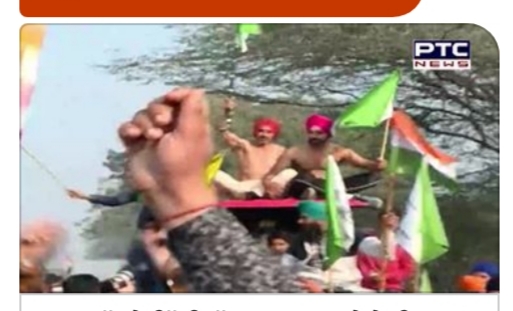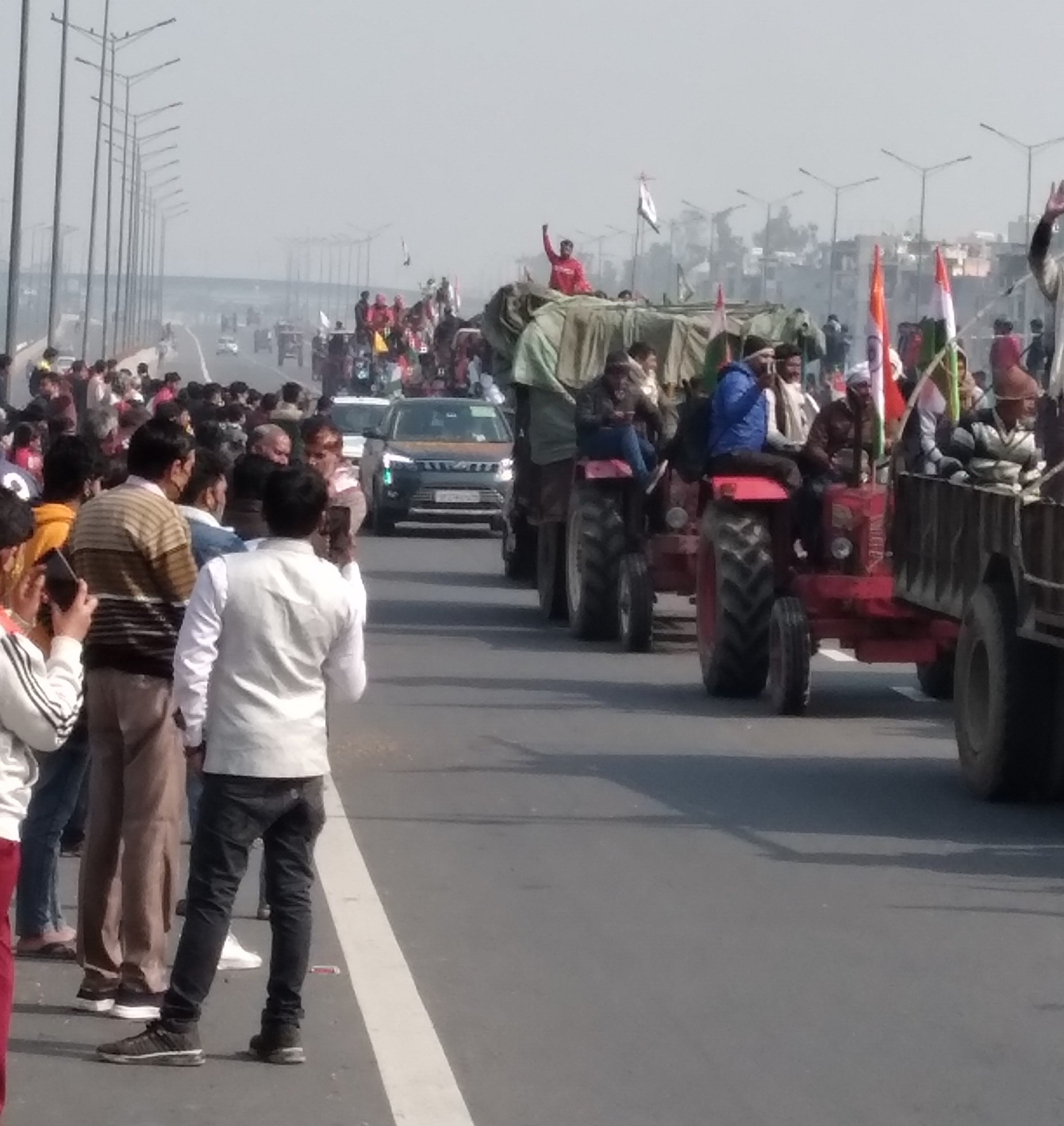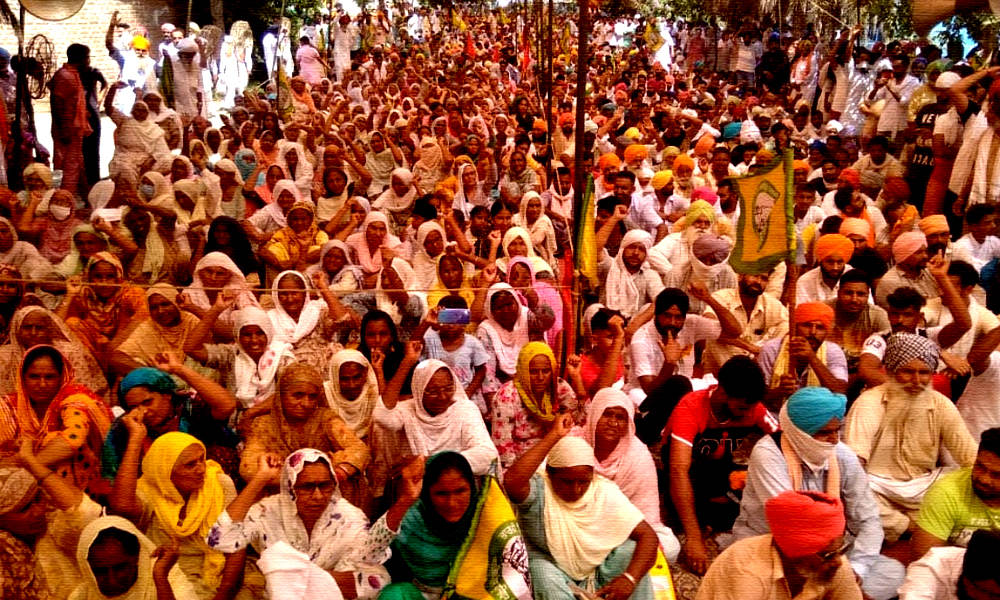
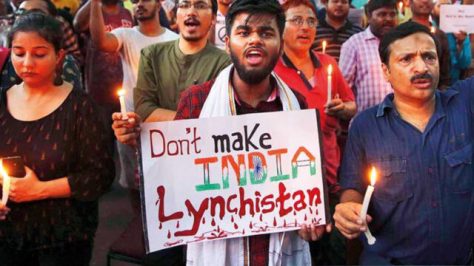
किसान आंदोलन और नए कंपनी राज के खतरे – अब बाक़ी देश को आगे आना होगा : राजेन्द्र चौधरी

Guest post by RAJINDER CHAUDHARY

दिल्ली पहुँचने के बाद और 26 जनवरी से पहले, ऊपरी तौर पर सरकार ने किसान आन्दोलन की राह में कोई रोड़े नहीं अटकाए और किसान आन्दोलन को दबाने की रणनीति दबी-ढकी थी। परन्तु अब सरकार खुल कर किसान आन्दोलन को दबाने का प्रयास कर रही है। न केवल आन्दोलनकारियों का बिजली पानी बंद किया जा रहा है और उन पर पथराव प्रायोजित किया जा रहा है बल्कि आन्दोलन स्थल तक पहुंचने के रास्ते भी बंद किये जा रहे हैं।  इन्टरनेट जो आज झूठी ख़बरों के साथ साथ जानकारी का भी मुख्य स्रोत बन चुका है, बल्कि आज जीवन की बुनियादी ज़रूरत बन चुका है उस पर भी आन्दोलन स्थलों के आसपास के इलाकों में रोक लगा दी गई है। यहाँ तक की आन्दोलनकारियों द्वारा कोई रूकावट न डाले जाने के बावजूद, रेलगाड़ियों के मार्ग परिवर्तन किये जा रहे हैं या रेल सेवा बंद की जा रही है जिस से न केवल आन्दोलनकारी किसानों या उन के समर्थकों को परेशानी हो रही है अपितु आमजन भी परेशान हो रहा है। ऐसा प्रतीत होता है कि सरकार किसान आन्दोलन से बिलकुल बेपरवाह है।

Continue reading किसान आंदोलन और नए कंपनी राज के खतरे – अब बाक़ी देश को आगे आना होगा : राजेन्द्र चौधरी

A people’s planning adequate to twenty-first century kerala

It is now about twenty-five years since the CPM in Kerala took the calculated risk of meeting neoliberalism half-way through an experiment in localising development. The People’s Planning Campaign drew eclectically on a range of ideologies, from Gandhian self-reliance to neoliberal self-help, not always in ways that were sufficiently self-conscious, but there can be little doubt that there was a conscious effort to build in some mechanisms, however minimal, to counter the possible ill-being that neoliberal responsibilized welfare could inflict.

Continue reading A people’s planning adequate to twenty-first century kerala

हमको डिक्टेटर मांगता!

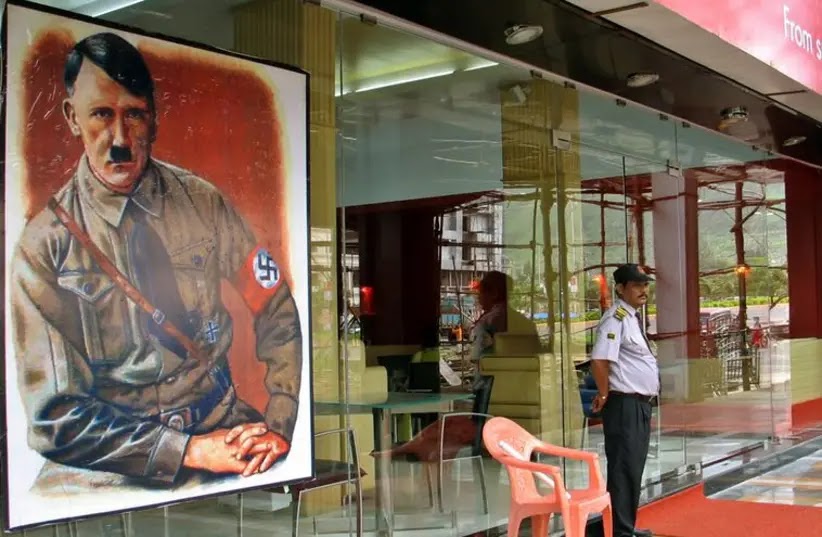
(अक्सर लोग बातचीत में यह कहते पाये जाते हैं कि इस देश में सैनिक शासन लागू कर देना चाहिए. ऐसा कहते समय वे यह भूल जाते हैं कि उनके पड़ोसी देशों में यह सब होता रहा है और इसने उन देशों का जहाँ पीछे किया है वहीं लोगों के जीवन को भी संकट में जब-तब डाल दिया है. जिस देश ने अपने इतिहास का सबसे महान और बड़ा संघर्ष अहिंसा, लोकतंत्र और धर्मनिरपेक्षता जैसे विराट मानवीय मूल्यों से जीता हो. वहां हिटलर की बढ़ती लोकप्रियता चिंतित करती है.

क्यों हम हिटलर को पसंद करने लग गयें हैं, क्यों हम किसी तानाशाह की प्रतीक्षा कर रहें हैं ? जबकि यह भारत और मानवजाति के लिए किसी विभीषिका से कम नहीं होगा.

प्रस्तुत आलेख इसी परिघटना की पड़ताल करता है .)

( मुंबई के एक रेस्तरां का दृश्य, फोटो आभार REUTERS)


“History teaches, but it has no pupils.”

Antonio Gramsci, (१)

क भारतीय प्रकाशक को इस मसले पर वर्ष 2018 में आलोचना का शिकार होना पड़ा जब बच्चों के लिए तैयार की गयी एक किताब जिसका फोकस विश्व के नेताओं पर था ‘जिन्होंने अपने मुल्क और अपनी जनता की बेहतरी के लिए जिंदगी दी’ उसमें हिटलर को भी उसने शामिल किया.

जानकार लोग बता सकते हैं कि ऐसी घटनाएँ- कम-से-कम यहां अपवाद नहीं हैं. अपनी मौत के लगभग 75 साल बाद हिटलर भारत में बार-बार ‘नमूदार’ होता रहता है.

एक स्पैनिश फिल्म निर्माता अल्फ्रेडो डे ब्रागान्जा- जो एक स्वतंत्र फिल्म निर्माता रहे हैं- और जिन्होंने कुछ साल पहले भारत में रह कर काम किया था, उन्होंने भारत में हिटलर की अलग किस्म की ‘मौजूदगी’ को लेकर एक फोटो निबंध तैयार किया था जिसमें बहुत कम लिखित सामग्री थी. वह हिटलर की उपस्थिति को लेकर इस कदर विचलित थे कि अपने इस निबंध की शुरूआत में उन्होंने पूछ ही डाला:

‘भारत हिटलर-प्रेम के गिरफ्त में है. हालांकि आबादी का बड़ा हिस्सा यह नहीं जानता कि आखिर ऐसा क्यों हैं, वे अपने निजी एवं पेशागत चिन्ताओं से परे सोचना भी नहीं चाहते कि क्यों भारत हिटलर से प्रेम करता है? क्या किसी लॉबी का हित इसके पीछे है.’ (2)

आज भारत में आलम यह है कि  यहूदी विरोधी हिटलर की चर्चित रचना ‘माईन काम्फ’ (मेरा संघर्ष) को आप किसी किताब की दुकान में ‘डायरी ऑफ़ एन फ्रांक- जो उस यहूदी लड़की की आत्मकथा है जो खुद हिटलर की यहूदी विरोध की नीतियों का शिकार हुई थी, के बगल में देख सकते हैं.

हिटलर ने भारतीयों के बारे में काफी अपमानजनक टिप्पणियां की थीं और उसने भारत की आज़ादी के संग्राम का कतई समर्थन नहीं किया था. ‘डिअर हिटलर’ इस फिल्म पर- जिसमें यह दावा किया गया था कि ‘हिटलर भारत का दोस्त रहा है’ अपनी प्रतिक्रिया देते हुए एक लेखक ने हिटलर के चित्रांकन पर आश्चर्य प्रकट करते हुए तथा निराशा जताते हुए लिखा था :

“हिटलर ने कभी भी भारतीय स्वशासन की हिमायत नहीं की. उसने ब्रिटिश राजनेताओं को सलाह दी कि गांधी और आज़ादी के आन्दोलन के सैकड़ों नेताओं को वह गोली से उड़ा दे. बार-बार उसने ब्रिटिश साम्राज्यवाद के प्रति अपना समर्थन दोहराया. वह यही सोचता था कि वह (ब्रिटिश शासन) उतना सख्त नहीं रहा है. ‘अगर हम भारत पर कब्जा जमा लेते हैं’ उसने कभी धमकाया था, तब भारतीय लोग ‘अंग्रेजी शासन के अच्छे दिनों को याद करते फिरेंगे.’ (3)

( Read the full article here : https://samalochan.blogspot.com/2021/02/blog-post_3.html)

Trump Has Gone, But Neofascism Is Alive In Mainstream American Society: Vishwas Satgar

Guest post by VISHWAS SATGAR

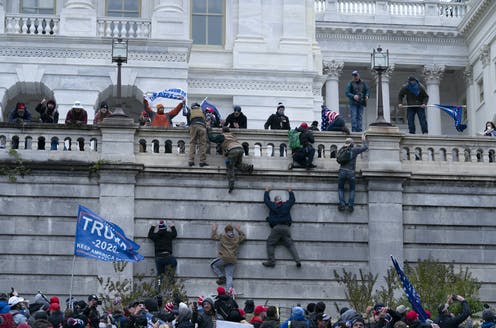
Capitol Attack, image courtesy Conversation.in

At last, the Trump Presidency has crash landed and he is out of the White House. Now, we can all start dealing with ‘Trump trauma’ and shock. What did we  live through over the past four years ? This is a planetary question. It is a question we are all grappling with because the world is now capitalist on a global scale and America is the leading power making that world. Post the Cold War we were all conscripted to  be Americans and the ‘American Dream’  was declared the global dream. Even China bought into it in its own self interested and authoritarian way. They became so good at it that even Trump baulked. He wanted it back and declared : “Make America Great Again”. While we do not physically live in America, through the global media we are front-row spectators gazing into it, watching the theatrics of its leaders while grappling with its presence in our everyday lives. It has set the standards of ‘civilization’ by asserting a set of universals – democracy, progress,  competition, individualism and free enterprise. These universals are the props of a mythic America, standing tall at the vanguard of the ‘free world’, and  which reveals itself through the iconic hamburger, unthinking patriotism, voting in elections, the veneration of  a masculine gun culture, Hollywood movies and mass consumption.

Continue reading Trump Has Gone, But Neofascism Is Alive In Mainstream American Society: Vishwas Satgar

How not to read Rakesh Tikait: Nakul Singh Sawhney

This article by NAKUL SINGH SAWHNEY was first published in Raiot.in

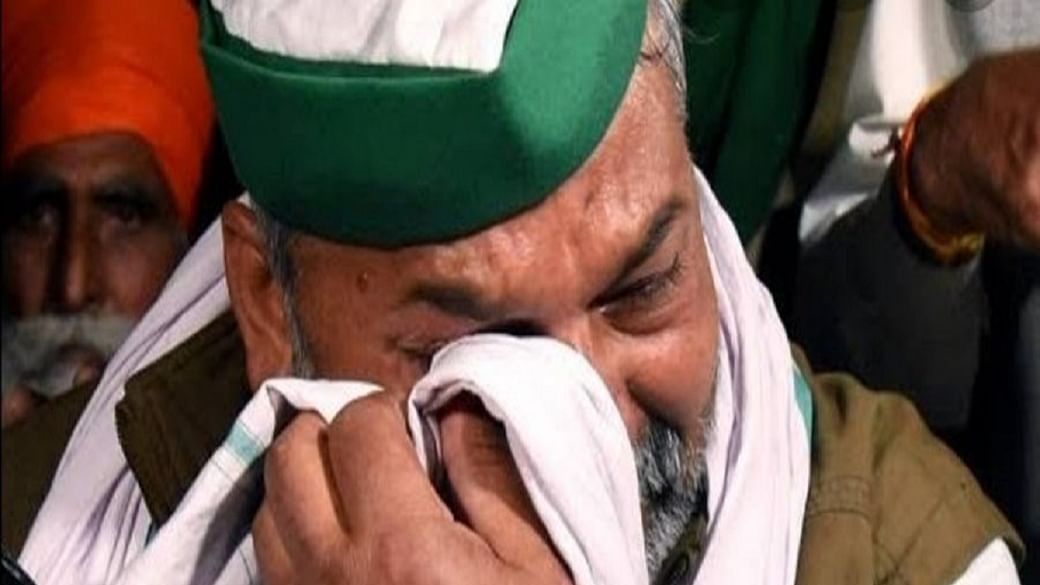
Rakesh Tikait (Image courtesy Twitter/ @iHShaheen at National Herald)

I have read several posts on social media the last few days where people are expressing apprehensions and even anger over all the excitement around Rakesh Tikait. Most of that anger stems from Bhartiya Kisan Union’s (BKU) irresponsible role in the 2013 sectarian violence in Muzaffarnagar and Shamli districts.

It’s been over seven and a half years since that madness engulfed West UP. We saw BKU split and many new factions emerged. The noticeable split was the breaking away of Gulam Mohammad Jaula, the biggest Muslim leader of BKU and often considered the late, Baba Tikait’s right hand man.

Interestingly, once Ajit Singh and Jayant Chaudhry lost their elections in 2014, many older Jats in the region were crestfallen. Many of them sobbed ‘Humne Chaudhry sahab ko kaise hara diya’. Many Jats (particularly of the older generation) were always upset with their younger generation for indulging in the violence of 2013. Secretly, between sobs they’d often say, ‘I hope it’s not too late before our youngsters realize where they’ve gone wrong’.

Continue reading How not to read Rakesh Tikait: Nakul Singh Sawhney

JNUTA REPORT ON THE UNIVERSITY 2016-2021 PART III – On Academic Programmes

This is the third part of a series of reports on Jawaharlal Nehru University (2016-2021) by the JNU Teachers’ Association.

Part I – Delhi High Court Orders .

Part II – Security on JNU Campus

On Academic Programmes

The directive issued by the Ministry of Education on the evening of 22 January announcing an extension for Prof. Jagadesh Kumar as Vice Chancellor till the time that the new incumbent is appointed, serves as yet another reminder of how consistently over the last five years, despite several representations backed by relevant Court Orders, the powers that be at the Centre have chosen to shut their eyes to the misdemeanours committed by the man heading JNU. The University Statutes and Act do not allow a second term for any Vice Chancellor and define the term of the Vice-Chancellor as five years only. The MHRD order does not award him a second term, and merely continues him in office until his successor is appointed. Yet, the Vice Chancellor on the 27th of January, called an emergency meeting of the Executive Council, at one hour’s notice and ‘reappointed’ all three Rectors, despite the fact that the tenure of the Rectors was not over. The JNUTA finds this disregard for the University Statutes shocking, as the VC cannot claim any knowledge that the new VC will not be appointed before the Rectors’ terms will be over. It strongly objects to the scant regard that the incumbent VC has for the Statutes of University he heads. Continue reading JNUTA REPORT ON THE UNIVERSITY 2016-2021 PART III – On Academic Programmes

When-an-Assassin-Fascinates-a People”

Behavioural psychologists say hatred and fear are two sides of the same coin. That explains the Hindu Right obsession with Gandhi and Godse.

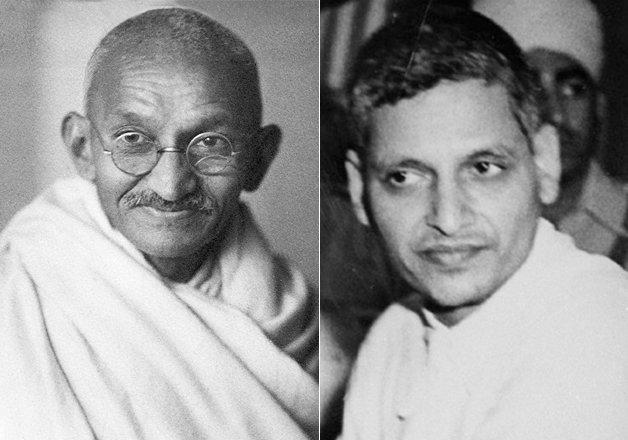
Gandhi and Godse

Image Courtesy: India TV News

For now, the invidious project of the Hindu Mahasabha to set up a Nathuram Godse Gyan Shala in Gwalior has been shelved. Perhaps what terminated thill-conceived venture was the sheer anachronism: while the country would mark Gandhi’s 73rd death anniversary on 30 January, one section would be found singing paens to his assassin, Nathuram GodseIt would only have served to remind people of how an unarmed man was shot down on his way to prayer meeting.

This killing was Godse’s so-called contribution and, according to leaders of the Mahasabha, marked his patriotism. The same Hindu Mahasabha haalready launched “Godse workshop”, where the members exhort Indians to “strive to follow his path”. It was also instrumental in installing his statue in the city which had invited opprobrium.

The killing of Gandhi has been shown to be part of an elaborate conspiracy hatched by the higher-ups in the Hindutva supremacist forces. Remembrance of Godse would have been a reminder of the five attempts on Gandhi’s life since the mid-thirties that involved Hindutva forces. There was even a sixth attempt, according to Chunnibhai Vaidya, a Gandhian from Gujarat. Justice Jinvanlal Kapur, who was entrusted with examining the conspiracy to assassinate the Mahatma had concluded in 1969, “All these facts taken together were destructive of any theory other than the conspiracy to murder by Savarkar and his group.”

( Read the full article here)

After the Farmers’ Republic Day Tractor Parade – Jab Raat hai Aisee Matwali Phir Subah ka Alam Kya Hoga


As media cacophony reached a delirous state, peddling the government narrative of violence and anarchy, an embedded journalist of Kargil fame even declared (on her public Faccebook page) that she was “furious and annoyed” – though she had till a few minutes ago “stood with the rights of the farmers to be heard”. She claimed that she had even “admired their protest for its generosity and dignity”. She recounted that she had spent the morning amidst a “Sea of Tirangas at #Singhu” where she had “met farmers who wore the Tricolor like a badge of joy.”

And then? “What has happened today [at Red Fort] is absolutely unacceptable”.  What she saw in the morning has been seen by thousands, if not millions across the world, through the two months that the farmers have been camping at the borders of Delhi, stoically bearing the freezing cold weather and losing over 150 of their fellow farmers. So did it occur to the morally revolted journalist to ask, “what actually happened?” “How did this happen?” This incident that went contrary to how the movement had been until then – did not the journalist (any journalist) need to probe it? She did not even ask the simplest questions. So eager was she to put her support to the farmers’ agitation in the past, and jump back to her comfort zone that there was no question of doing any further investigation. It was as if the entire history of the past two months and the legitmacy of the farmers’ demands were demolished at one stroke!

So let us hear the farmers’ leaders themselves and what they have to say about how things developed, and how on that very day by 6.30 pm, the SKM had started appealing to the participants to halt the tractor march. But the real story that should have been the concern of any serious, conscientious journalist, lies behind how the same Delhi Police that was not willing to allow a tractor march on Outer Ring Road, gave virtually free passage to some selected sections. How, with Republic Day’s high security, did masses of people reach Red Fort and ITO? Let us listen to the farmers’ leaders themselves in the second video below.

But before that, let us hear Balbir Singh Rajewal here, where he explains the whole way in which things started developing, since 13 December, when a group by the name of Kisan Mazdoor Sangharsh Committee (KSMC) was brought in, with what looks,  in retrospect, like a definite plan.

My independent conversations with people also confirm that the main group involved in this jugalbandi with the regime, the KMSC, had been allowed to put up its camps on the Delhi side of the border about two weeks ago, when all the others were simply not allowed to enter. This means that effectively, for that group, there were no barricades as Balbir Singh Rajewal underlines.

Continue reading After the Farmers’ Republic Day Tractor Parade – Jab Raat hai Aisee Matwali Phir Subah ka Alam Kya Hoga

JNUTA Report on the university 2016-2021 Part II – Security on JNU Campus

This is the second part of a series of reports on Jawaharlal Nehru University (2016-2021) by the JNU Teachers’ Association.

Part I – Delhi High Court Orders can be found here.

Growing Concerns over Security on JNU Campus

This statement, the second in the series brought out by JNUTA, focuses on the unprecedented deterioration of security issues on campus over the last five years. The word ‘unprecedented is consciously used because never have residents which includes faculty, students and non-teaching staff of the university felt so vulnerable and unsafe inside their 1000 acre campus. For a residential university like JNU, security on campus is a very important concern. However, as in other matters, in this area too, the responses of the university administration has been lax and has failed miserably in ensuring that residents feel secure and less vulnerable on campus.

Enumerated below are some of the serious events that have taken place on campus over the last five years, that have put a big question mark on the Vice Chancellor’s capabilities to effectively manage and deliver on this issue. Continue reading JNUTA Report on the university 2016-2021 Part II – Security on JNU Campus

Reclaiming the Republic – January 26, 2021

Farmers break barricades to enter Delhi, peacefully, disciplined.  Police have blocked off roads, but people gather along the roads, on rooftops, to greet our heroes.


At NH 24, Patparganj around 12.30 pm

For live, and unbiased coverage, stay tuned to this link.

Kisan Ekta Morcha

And a short video here

Bharti Kisan Union Ekta Ugrahan

By “unbiased” I mean coverage that does not allege chaos, Pakistani tweets, a few tukdas misleading innocent farmers, “Khalistani” infiltration etc.

These are farmers, they are here in their thousands, they know exactly what they are doing, and they may be our last line of defence against the devastation being wreaked by Hindutva politics and  corporate capitalism on an India that we stood by and were also deeply critical of, too.

If we want to continue being critical, it’s the farmers who will ensure us our freedom  to do so.

An Exorcism For Every Woman and A Curse on Every Man: Fulana Detail

This is a guest post by FULANA DETAIL

The post below is hard to read. It is written with a great deal of rage and pain and grief. It is a post about sexual violence. It is not explicit in any way. It does not describe sexual violence. It describes the feeling of being before the violence of masculinity. It describes the violence of the feeling of feeling. Which is why it is hard to read. You may wish to think carefully about whether you want to read further. Please consider this a trigger warning. 

Today I performed an exorcism. I performed an exorcism of every image that floods the media of sexual violence, of rape and mutilation, of violation, of violence that should be undoable and unthinkable. I decided to think it. I let these images move through my mind and my body. I performed an exorcism for every woman, and everyone who believes herself woman, and lives woman, and every one who lives as not man. I performed an exorcism for everyone who is not a man. I performed an exorcism for every man who is not a man. I let image, upon image, upon image, upon image, upon image, upon image, flood my mind. I opened my mind as wide as I could, without filter and protection. Eventually I let my mind break at the seams, for many hours. I let my mind descend into terror. I let my mind touch madness. I let my mind become a not mind. And not by reaching atman or bhramaan  believe you me. I let my mind become incoherent.

Continue reading An Exorcism For Every Woman and A Curse on Every Man: Fulana Detail

From Neo-liberalism to Neo-fascism : Prof Prabhat Patnaik

Eminent political economist and public intellectual, Prof Prabhat Patnaik, delivered the 7th Democracy Dialogues Series lecture on ‘From Neo-Liberalism to Neo-Fascism’ organised by the New Socialist Initiative on January 24, 2021, 6 PM IST

Facebook : facebook.com/newsocialistinitiative.nsi

Abstract:

FROM NEO-LIBERALISM TO NEO-FASCISM

There has of late been a sudden and rapid growth of neo-fascism all over the world. The neo-fascists are not yet in a position to capture power in many countries; and even where they do, they are not yet in a position to make the transition to a fascist State. But they contribute everywhere towards a fascification of the society and the polity. This emergence of neo-fascism is the culmination of the global pursuit of the neo-liberal trajectory, which greatly widened income and wealth inequalities in every country and led even to an absolute immiserization of vast masses of the working people in third world countries like India. For a while the hope was entertained that the people would become better off in due course as rapid growth continued. But with the onset of the global economic crisis, itself a result of the widened economic inequalities, such hopes have been belied. The corporate-financial oligarchy therefore has to find a new prop for itself and forms an alliance with neo-fascist elements to shift the discourse away from conditions of material life towards vilifying the “other”, typically a hapless religious and ethnic minority.

दाव पर केवल कुछ किसान या किसानी ही नहीं, पूरी अर्थव्यवस्था और लोकतंत्र हैं : राजेन्द्र चौधरी

Guest post by RAJINDER CHAUDHARY

कई लोगों को यह गलतफहमी है कि नए कृषि कानूनों से केवल किसान और वो भी केवल पंजाब के किसान परेशान हैं. दिल्ली की सिंघु सीमा से आन्दोलन स्थल के फोटो जिनमें सिक्ख किसानों की भरमार होती है, को देख कर यह गलतफहमी किसी भी अनजान व्यक्ति को हो सकती. यह भी सही है कि सड़कों पर जिस तादाद में पंजाब/हरियाणा/उत्तर प्रदेश के किसान आये हैं उस पैमाने पर शेष भारत से किसान इन कानूनों के खिलाफ होने के बावजूद सड़कों पर नहीं आये हैं. ऐसा दो कारणों से हुआ है. एक तो ये कानून केवल अंग्रेजी में उपलब्ध हैं. इस लिए देश के ज़्यादातर किसान स्वयं तो इन को पढ़ ही नहीं पाए. दूसरा मीडिया में केवल एमएसपी या न्यूनतम समर्थन पर खतरे का मुद्दा ही छाया रहा, जिस के चलते ऐसा प्रतीत हुआ कि केवल यही खतरा मुख्य है. अब जिन किसानों को वैसे भी आमतौर पर न्यूनतम समर्थन मूल्य से कम पर फसल बेचनी ही पड़ती है, उन को यह लगना स्वाभाविक ही है कि इन कानूनों से उन्हें कोई विशेष नुकसान नहीं होने वाला.

परन्तु इन कानूनों को पढ़ सकने वाला कोई भी व्यक्ति जान सकता है कि दाव पर केवल एमएसपी नहीं है. और खतरा न केवल करार कानून के तहत हुए समझौतों से कम्पनियों के मुकर जाने का है. करार खेती कानून धारा 2 (डी), धारा 2 (जी) (ii), धारा 8 (ख) और सरकार द्वारा सदन में रखे गए बिल के पृष्ट 11 पर दिए गई कृषि मंत्री के ‘कानून के उदेश्यों एवं कारणों’ पर प्रकाश डालते हुए वक्तव्य से यह शीशे की तरह स्पष्ट है, भले ही मीडिया में यह मुद्दा पूरे जोरशोर से नहीं आया, कि अब कम्पनियां न केवल खेती को अप्रत्यक्ष रूप से नियंत्रित करेंगी अपितु सीधे सीधे स्वयं खेती भी कर सकेंगी. एमएसपी पर संकट से भी बड़ा संकट यह है कि इस कानून के लागू होने के बाद ज़मीन भले ही किसान की रहेगी पर खेती कम्पनियां करने लगेंगी.

Continue reading दाव पर केवल कुछ किसान या किसानी ही नहीं, पूरी अर्थव्यवस्था और लोकतंत्र हैं : राजेन्द्र चौधरी

JNUTA Report on the university 2016-2021 Part I – Delhi High Court orders

This is the first part of a series of reports on Jawaharlal Nehru University (2016-2021) by the JNU Teachers’ Association.

On 26th January 2021, the five-year tenure of Prof. Mamidala Jagadesh Kumar as Vice Chancellor of JNU will formally come to an end. While there are press reports that confirm that the Search Committee constituted for identifying a replacement has yet to begin its work, which indicates the probability of Prof. Jagadesh Kumar getting an extension till the new incumbent finally takes over; his inevitable departure from JNU is significant.

Over the next few days, JNUTA would like to share with you relevant documentation that shows as to how a public university of the stature of JNU was single handedly destroyed over the last five years by none other than the Vice Chancellor who administered JNU as if it was his personal fiefdom, showing scant regard for the Statutes and Ordinances that had governed  University practices in the past.

In the first part of this series, starting today we would like to reproduce important observations made by the Honourable Delhi High Court on various cases concerning matters of the university. Over the five-year period 2016-21, there have been nearly over 150 cases that have been filed by the JNU community against the current Vice Chancellor and his administration. This high increase in legal cases, represents the tip of the iceberg. Deep within lies the rot which stems from the inability of the Vice Chancellor to engage in dialogue and resolve matters through correct interpretation of UGC guidelines as well as statutes and ordinances of the university, a lacuna in his personality that stems from inordinate conceit in his own abilities or some other ulterior motives. Continue reading JNUTA Report on the university 2016-2021 Part I – Delhi High Court orders

Malathi de Alwis 1963- 2021 – beloved friend, feminist comrade

Malathi de Alwis in Delhi, May 2014.

This is my Mala.

Every person touched by her friendship felt this sense of unique connection to Mala. To receive the gift of her attention was to forever feel the tug of a thread that attached you to a part of her heart. She would remember you at some point or the other even if you were not constantly in touch, with that fine-tuned sensitivity that brought to you the exact poem or thought or photograph or  experience that linked the two of you.

It was nothing short of magical, her capacity to make very single person in her widespread community of friends across the globe, feel special to her, linked to her through one or the other of her passionate interests. A feminist activist and scholar committed to understanding and countering ethno-nationalism in Sri Lanka, she was part of the wider community of South Asian feminists who constantly struggle to transcend the barbed wire borders of our nation-states in solidarity and hope. Her friends and colleagues in Sri Lanka can speak more about her activism, but one of the feminist enterprises with which she was involved was the collective, anonymous column called Cat’s Eye, which began in the Lanka Guardian in the late 1970s, and through several incarnations, is now a blog. Continue reading Malathi de Alwis 1963- 2021 – beloved friend, feminist comrade

Condemn the arrest warrant against Paranjoy Guha Thakurta: Media Foundation

Statement by MEDIA FOUNDATION

The Media Foundation notes with deep dismay that a lower court in Gujarat’s Kutch region has issued an arrest warrant against senior journalist Mr Paranjoy Guha Thakurta in a defamation case filed by the Adani group.

In June 2017, Mr Thakurta co-authored an expose in the Economic & Political Weekly outlining how the Adani group was able to evade paying the required amount of duty for an export venture with some help from the government. This series of articles was later reproduced in a news website, The Wire. Subsequently, the Adani group dropped the defamation charges against the publishers, the website and the co-authors of the investigation, barring Mr Thakurta.

While we hope that the higher judicial forums will provide immediate relief to Mr Thakurta, it does need to be emphasized that this defamation case is a vindictive act and intended to intimidate journalists and discourage professional journalism. This is part of a larger emerging trend of powerful vested interests misusing the processes of law to harass and hound independent and intrepid reporters and commentators.

The Media Foundation expresses its solidarity with Mr Thakurta and stands by him.

Harish Khare, President

Mannika Chopra, Honorary Secretary

What is a city – Dilli hai jiska naam IX: Sohail Hashmi

This is the final post in a series on Delhi that does not talk only of the narrow lanes of Shahjahanabad, the Mughalia, aka Mughlai delights and the lip-smacking Chaats of Chandni Chowk or the grand ruins of the seven Delhis and the wide open spaces and broad roads, but a series that also looks at the way Delhi has evolved. We wanted to explore the logic of the city and of the forces that have shaped the idea of the city itself.  It was this idea that made us approach people who have engaged with the city with love and care for decades and we requested them to write for Kafila.

This series is titled Dilli hai jiska naam and the links to the previous posts can be found at the end.

My post below is the final one in the series. It was originally presented at a seminar at the Srishti School of Art Design and Technology, Bangalore, and is included in “Radical City – Imagining Possibilities for the Indian City” (Sage Publishers).

What is a City? Sohail Hashmi

What exactly is a city, is it just a large settlement, is the size of the population living within a definable area the only criterion, is it merely a centre of production, exchange and transport, how does one distinguish it from a village or a small town?

Questions such as these have engaged scholars cutting across diverse disciplines and a large number of definitions of a city exist, A city has been defined in terms of its demographics alone – a densely populated area, through its size – a city is a large settlement, there are other definitions that try to define the city through its systems of public utilities, through the presence of centralised civic authority, as a centre of production, a site through which political power is exercised and even as a site with a continuous history cutting across centuries.

A city is all this and more and this essay would seek to present some partially formed ideas on what is this elusive ‘more’.

Continue reading What is a city – Dilli hai jiska naam IX: Sohail Hashmi

The gender between men’s legs and other learnings from a college in kerala

Over the past one year, I have been trying to make a college in Kerala – in a women’s college in Kerala– take some action against one of their faculty members who rained abuse on me publicly, including a public assertion about his possession of a penis, at a seminar in which I was an invited guest. This happened in November 2019.

Continue reading The gender between men’s legs and other learnings from a college in kerala

A lesson in political theory from farmers’ unions

A little bemused, I heard a writer addressing the farmers’ protests recently say in all solidarity and sincerity – “What we have been writing about for long, you have demonstrated at ground level.”

On the contrary, I believe that this massive and electrifying protest against the farm laws is at the cutting edge of political theory and political practice, from which writers and academics must listen and learn.

Please listen to the statement by Kanwaljeet Singh on the Supreme Court judgement staying the farm laws, and setting up an “expert” committee to “negotiate” between the farmers and the government.

Speaking on behalf of the joint forum of farmers’ unions, Kisan Ekta Morcha, Kanwaljeet (of Punjab Kisan Union) makes what I think are two critical points regarding the law and how movements can relate to it. These thought provoking points have larger resonance and require wide ranging debate and consideration. Continue reading A lesson in political theory from farmers’ unions

Invention of Merit and the ‘Millstone of Caste’: Mohan Rao

Guest post by MOHAN RAO

“And yet there must be deliverance for we are all otherwise convicted at birth.”

I want to thank Srivats and Anveshi for inviting to be part of a discussion about the book, Caste as Merit, by Ajantha Subramaniam.* I am not a scholar on these issues and I must confess this scares me sometimes, for I wonder if we can discuss these issues at all? Some friends actually advised me not to take part in this discussion, because I was, ineluctably,  going to be labelled as Brahmin, talking about a book written by a Brahmin in the US! In my own estimation though, I remain a nastika, a non-believer, out of Brahminical bounds.

I would like to begin by showing a lithograph – and a story.

Continue reading Invention of Merit and the ‘Millstone of Caste’: Mohan Rao

The Farmers’ Struggle – The Govt is Making a Big Mistake


Farmers’ protest, image courtesy Outlook India

The Central government is playing with fire – and along with it the Supreme Court of India. They had banked upon the ‘Modi magic’ or ‘Modi charisma’ to see them through this time as well, just as it had on earlier gambles like demonetization. The overconfidence that they can push through anything- even the most unpopular measure – by using a combination of the media-administered ‘nationalist potion’ and Modi’s ‘magic’, has led it to the corner it has painted itself into.

The situation is serious, as over 60 people have died and innumerable old people are still out there in the freezing cold. They have put their lives in danger, expecting the government to come out with the only solution that can save them, their livelihoods and their autonomy, namely the repeal of the laws. They aren’t prepared to go back home for the way they see it, it is better to die fighting than simply die the way the government wants them to.

However, the worst is yet to come – for the confrontation is bound to reach a flashpoint as 26 January draws closer and the farmers are forced into the desperate action of holding their proposed tractor rally by entering Delhi. If the government continues to fiddle, simply hoping that the storm will blow over, it is sadly mistaken.

Let’s face it: for the farmers there the new farm laws constitute a death warrant – as some of their leaders have put it – and therefore a matter of life and death. For the government, on the other hand, it is a question of further expanding the obscene super-profits of crony corporate capitalists, who have already made a killing even as lakhs and lakhs of ordinary people were pushed to destitution during the lockdown. Continue reading The Farmers’ Struggle – The Govt is Making a Big Mistake

DISSENT, DEBATE, CREATE