
Out of the dark, seemingly never-ending night, a streak of light! Two women of menstruating ages, Bindu and Kanakdurga, finally entered Sabarimala, breaking the concerted walls built against them by brahmanical-Hindutva male authorities on the right and left. Continue reading The Triumph of Streevaashi! Women break the wall of caste at Sabarimala
Category Archives: Culture
50 Years Later, Shadow of Keezhvenmani Continues to Hover Over our Republic
December 25, 1968, termed as ‘Black Thursday’, saw the first mass crime against Dalits in independent India, who were fighting for respectable wages under the leadership of the Communist Party.
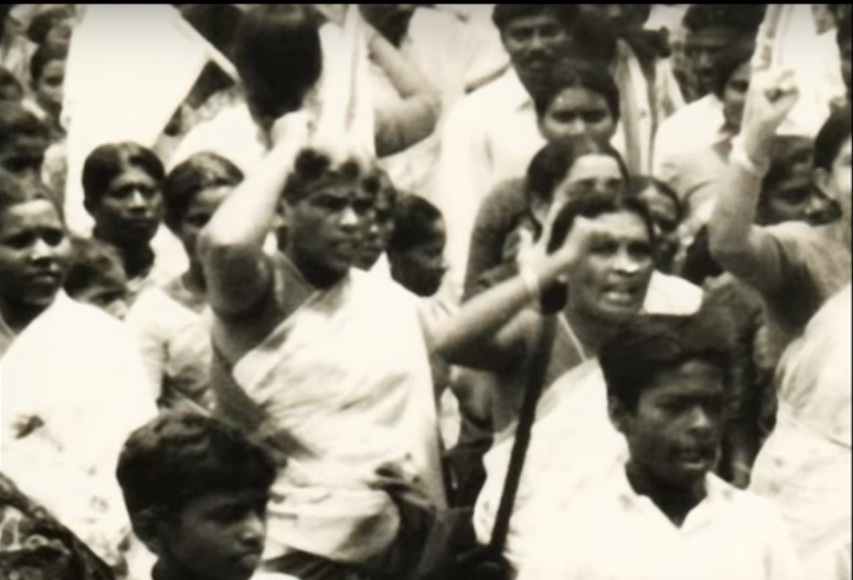
Image for representational use only; Image Courtesy : Socialist India
P Srinivasan, a veteran village functionary who cremates the dead had, in an interview done few years ago, described the darkening early morning on December 26, 1968, when the bodies began arriving from Keezhvenmani, a non-descript village in Thanjavur district of Tamil Nadu.
The village functionary, called Vettiyan, who is nearing 60 now, still remembered the number: “There were 42 corpses in all, horribly burnt and mangled. The stench was awful,” Pointing towards the plot of land where they were cremated, he said “All of them were Dalits, burnt to death in a caste clash. I cremated them on these very grounds.”
Srinivasan, then 23-year-old, shared vivid details of that ‘Black Thursday’ in 1968, a day that has remained etched in his mind.
December 25, 2018, completes 50 years of that ‘Black Thursday in 1968’, which is remembered as the first massacre of Dalits in independent India. The Dalits were martyred while fighting for respectable wages under the leadership of the Communist Party. All of these landless peasants had started to organise themselves into a campaign for higher wages following the increase in agricultural production in the area.
(https://www.newsclick.in/50-years-later-shadow-keezhvenmani-continues-hover-over-our-republic)
‘Beheading’ Marxism, Unleashing Desire: Ghya Chang Fou and the Marxist Unconscious
Ghya Chang Fou is not a Chinese or East Asian word – it is the name of this new dark Bengali satirical film that had its world premiere this September (2018), at the Transart Communication Festival, Nove Zamky, Slovakia. Below is the official trailer of the film, followed by my take on it – better not read as a review.
The quirky world of Ghya Chang Fou (Joyraj Bhattacharjee, 2017) is best seen and understood as a dream. For, a dream never really adheres to the conventions of linear realistic narrative, and characteristically, scrambles up time and space. Everything makes perfect sense while you are seeing it but do try interpreting your dreams through realist conventions, especially if you are a believer in any form of realism.
Continue reading ‘Beheading’ Marxism, Unleashing Desire: Ghya Chang Fou and the Marxist Unconscious
आई आई टी मद्रास – आधुनिक दौर का अग्रहरम !
नागेश / बदला हुआ नाम/ – जो आई आई टी मद्रास में अध्ययनरत एक तेज विद्यार्थी है, तथा समाज के बेहद गरीब तबके से आता है – उसे उस दिन मेस में प्रवेश करते वक्त़ जिस अपमानजनक अनुभव से गुजरना पड़ा, वह नाकाबिले बयानात कहा जा सकता है। उसे अपने गांव की जातीय संरचना की तथा उससे जुड़े घृणित अनुभवों की याद आयी। दरअसल किसी ने उसे बाकायदा मेस में प्रवेश करते वक्त़ रोका और कहा कि अगर वह मांसाहारी है, तो दूसरे गेट से प्रवेश करे।
मेस के गेट पर बाकायदा एक पोस्टर लगा था, जिसे इस नये ‘निज़ाम’ की सूचना दी गयी थी। यहां तक कि अपने खाने की पसंदगी के हिसाब से हाथ धोने के बेसिन भी बांट दिए गए थे। ‘शाकाहारी’ और ‘मांसाहारी’। एक रिपोर्टर से बात करते हुए नागेश अपने गुस्से को काबू करने में असमर्थ दिख रहे थे। उन्होंने पूछा कि आखिर आई आई टी का प्रबंधन ऐसे भेदभावजनक आदेश को छात्रों से सलाह मशविरा किए बिना कैसे निकाल सकता है। Continue reading आई आई टी मद्रास – आधुनिक दौर का अग्रहरम !
IIT-Madras, a Modern Day Agraharam ?
The institute’s recent order, now withdrawn, of separate entrance for non-vegetarians is just a part of the overall policing and push for vegetarianism after the Modi government’s ascent.
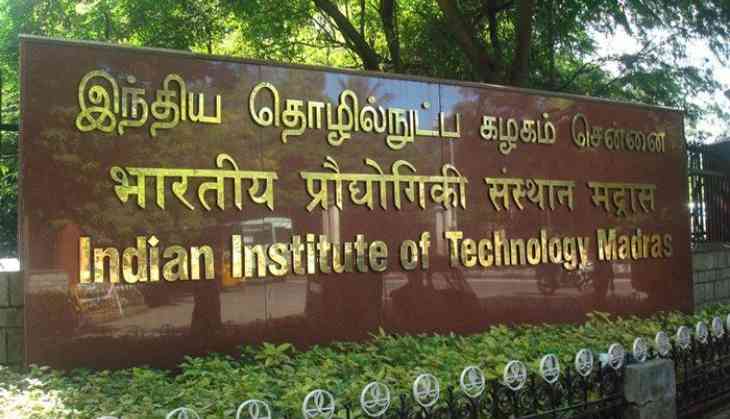
Image Courtesy: Catch News
Nagesh (name changed), a bright student at the Indian Institute of Technology- Madras, who hails from a very poor economic background, had a shock of his life when he was entering the hostel mess. Someone literally stopped him at the gate and asked him to enter the mess from the other door if he is not a vegetarian.
A notice was duly pasted at the entrance of the mess, informing everyone of this ‘new order’. Even separate basins were demarcated for the students’ cuisine choices. Talking to a reporter with rage in his eyes, Nagesh questioned how the IIT-Madras management could issue such a discriminatory order without even consulting the students.
As of now, the notices have been removed after taking into consideration the uproar this ‘untouchability of a different kind’ caused at the national level. management is now trying to save itself by putting the blame on the caterer. Anybody can guess that a caterer, who is basically a contractor serving food for a fixed period, cannot suddenly disturb the existing arrangements, divide the mess into two separate sections, and have the courage ‘instructing’ his customers to use separate gates.
Commenting on this episode, the Ambedkar Periyar Study Circle – a student group within the institute- which brought this issue to national attention, says:
“Caste masquerades as something else in ‘modern’ society. In IIT Madras campus, it manifests itself as separate entrance, utensils, dining area and wash area in the mess for vegetarian and non-vegetarian students…:
( Read the rest of the article here : https://www.newsclick.in/iit-madras-modern-day-agraharam)
Scrap the Citizenship (Amendment) Bill, 2016, It is Unconstitutional, Illegal and Immoral : 70 People’s Organizations of Assam
Guest Post by 70 People’s Organizations of Assam

( Photo Courtesy : AISA)
Protestors from various democratic organisations in Assam have began an indefinite dharna in Jantar Mantar from today 9 Dec. This includes KMSS and peasant leader Akhil Gogoi, AJYCP, Tai Ahom Satra Sontha, Asom Moran Sabha, All Asam Motok Sonmilon, All Asam Minority Students Union, and 70 other organizations of indigenous population of Assam, who are part of an umbrella platform against the Citizenship (Amendment) Bill 2016. This Bill seeks to change the very definition of a Citizen of the country and include a religious dimension to it as part of the RSS’s ideological project. The effects of this Bill can be seen in starkly in Assam – which has been to fuel ethnic and religious anxieties and conflict. Protests against it has also taken unprecedented forms in recent months with participation of millions of indigenous people, including Assam bandhs, and so on.Find below the text of the Leaflet issued by them. Please forward and Join in the Solidarity.
The Citizenship (Amendment) Bill, 2016 which was introduced in the Lok Sabha on 15thJuly, 2016 [Bill No. 172 of 2016] has already caused deep anguish in the minds of the democratic India. A Joint Parliamentary Committee has also been constituted to examine this Bill. Despite wide-spread protests in Assam against the Bill, the BJP aggressively aims to pass the Bill in the coming Winter Session of the Parliament which will help to make their dream of the Hindurashtra a reality.
*Why the Citizenship (Amendment) Bill, 2016 is unconstitutional, illegal, unethical and immoral?*
The Citizenship (Amendment) Bill, 2016 seeks to make fundamental alterations in the citizenship and immigration norms of India on the basis of religion. The Bill proposes to exclude ‘minority communities, namely, Hindus, Sikhs, Buddhists, Jains, Parsis and Christians from Afghanistan, Bangladesh and Pakistan’ – from the scope of the definition of being ‘illegal migrant’. The Bill further reduces the requirement of 11 years to acquire “citizenship by naturalization” to only six years of ordinary residence for such immigrants. The ‘Statement of objects and reasons’ of the Citizenship (Amendment) Bill, 2016 also makes it clear that the Bill intends to declare ‘illegal migrants’ as Indian citizens. Several Indian government notifications and orders have already enabled persons of these communities who had entered India till 31st December, 2014 to get shelter without valid documents.
The Bill will change the philosophical premise on which Indian citizenship is granted. The principle on which Indian citizenship is granted is jus soli where citizenship of a person is determined by the place where a person is born. However,if the Bill passes, it will make a shift from jus soli to jus sanguinis, where a person acquires citizenship on the principle of blood, which our Constitution-makers consciously avoided. India’s Constitutional experts have opined that the Bill is unprecedented as never before has religion been specifically identified in the citizenship law as the ground for distinguishing between citizens and non-citizens. The ideas spelt out in the proposed Bill are against the ethos and spirit of the Indian Constitution. It will violate the spirit of the Preamble of the Indian Constitution and is also against the Articles 14, 15, 25 and 26 of the Indian Constitution.
An extra-ordinary and widespread peoples’ movement has now swept across Assam and the entire North-East India against the Bill. We, the people of Assam feel that the Bill will change Assam’s political, economic and social fabric forever. The Bill will violate the clause 6 (A) of the Citizenship Act, 1955, a special provision for Assam, which is a non-obstante clause. If the Bill passes, it will make the Assam Accord null and void. It will be a violation of the national promise. The people of Assam are afraid that the Bill will open ways to creating further insecurity and pressures in a region already over-burdened with large-scale demographic changes due to illegal migration. It will create religious basis for it, and fuel fresh rounds of ethnic and religious conflict.
*We, an umbrella platform of 70 ‘Jatiya’ (national) organizations of Assam, are on a hunger strike for an indefinite period in Delhi from 9th December, 2018 demanding the immediate scrapping of the Citizenship (Amendment) Bill, 2016 for the sake of the Indian Constitution, and its moral, legal and ethical values, and to protect Assam and her inhabitants from another long spell of social and political strife.*
*The Government of India plans to pass the Bill in this Winter Session of the Parliament. We appeal all political parties, organizations and individuals of India to be united to oppose this unconstitutional Bill. We sincerely believe that you will extend your support to us, and oppose the Bill to save our Constitution and democracy.*
contact: secretarykmss@gmail.com, 8638084494, 8826219749
पवित्र गाय, त्याज्य लोग !
..बुलंदशहर की घटनाएं इस बात की ताईद करती हैं कि हिंदुत्व वर्चस्ववाद का यह नज़रिया जिसमें मानवीय जीवन के प्रति गहरी असम्वेदनशीलता और असम्पृक्तता टपकती है और जो एक चतुष्पाद को पूजनीय बनाती है, आज उरूज पर है।..

( Photo Courtesy : indianculturalforum.in)
कभी कभी एक अदद वक्तव्य किसी नेता की एकमात्र निशानी बन कर रह जाती है। विश्व हिन्दू परिषद के नेता गिरिराज किशोर इसका क्लासिकीय उदाहरण कहे जा सकते हैं जिनका नाम लेने पर अक्सर उनका विवादित वक्तव्य ही लोगों की जुबां पर आ जाता है। याद है कि उन्होंने कहा था कि ‘‘पुराणों में गाय को मनुष्य से अधिक पवित्रा समझा गया है।’’
वह अवसर बेहद शोकाकुल करनेवाला था, जब उनका वह वक्तव्य आया था। दिल्ली से बमुश्किल पचास किलोमीटर दूर दुलीना नामक स्थान पर पांच दलितों की भीड़ द्वारा पीट पीट कर हत्या कर दी गयी थी Continue reading पवित्र गाय, त्याज्य लोग !
വിട, IFFK! വിട, ബീനാ!
പ്രിയ ബീനാ
IFFK എന്ന പ്രസ്ഥാനത്തിനോട് വിട പറയാൻ സമയമായിയെന്ന് തോന്നുന്നു. ബീനയ്ക്ക് വേണം ഈ വിടവാങ്ങൽ കത്തെഴുതാനെന്നും തോന്നി. കാരണം ഇതിനെ ഒരു ജനകീയ പ്രസ്ഥാനമാക്കിയത് നിങ്ങളാണ്. ഇന്ന് അത് മറ്റൊന്നായി മാറിയിരിക്കുന്നു. ഇടങ്ങളെല്ലാം മാറിക്കൊണ്ടിരിക്കുന്ന ഈ കാലത്ത് ഇതു പ്രതീക്ഷിതമാണ്, അതുകൊണ്ട് ഇതു വ്യക്തിപരമായ കുറ്റപ്പെടുത്തലല്ല. Continue reading വിട, IFFK! വിട, ബീനാ!
Of Angry Women and Insecure Men – Hindi cinema and the MeToo Age: Rama Srinivasan
Guest Post by RAMA SRINIVASAN
Men have had every advantage of us in telling their own story. Education has been theirs in so much higher a degree; the pen has been in their hands. I will not allow books to prove anything.”
― Jane Austen, Persuasion
Austen’s words, a searing commentary on how patriarchy controls the narrative, remains relevant today despite tenacious efforts by women to wrest authorial control from men and narrate our own stories. Even as the struggle to find one’s voice and to be heard continues, we might also ask ourselves what we will be left with after we have successfully challenged male authority and supremacy in our stories, the idea of heroes and villains, of chaste wives and women of disreputable characters. In the moment of triumph, is there also a need of introspection? The MeToo movement, in India and elsewhere, opens our world(s) up to these and many other questions that do not have easy or ready answers. A standard reply, reproduced in several platforms when questions like ‘why now’ or ‘what next’ are raised is illuminating of the problem societies face when women tell stories: “For now, we should just listen to the women who want to speak up.” It not only represents the struggle to tell our stories on our own terms but also tell them without a fixed agenda or plan.
The current moment in Hindi cinema has been complementing these societal struggles, perhaps even foreshadowing the MeToo challenges to patriarchy by both wresting authorial power to tell stories of relatable people, especially of women, but also displacing plot devices and narrative arcs familiar to stories that end up reaffirming patriarchal authority. Continue reading Of Angry Women and Insecure Men – Hindi cinema and the MeToo Age: Rama Srinivasan
100th day of Shahidul Alam’s Detention – Eminent South Asians Write to Bangladesh Prime Minister
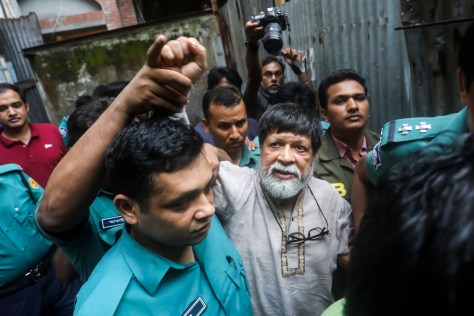
Today, it is 100 days of the detention of acclaimed photographer and cultural activist Shahidul Alam. On this occasion, Arundhati Roy, Aparna Sen, Vikram Seth, Romila Thapar, Amitav Ghosh, Shabhana Azmi, Buddhadeb Dasgupta, Nandita Das, Mohammad Hanif, Anish Kapoor among other eminent persons from across South Asia have written a letter to Bangladesh Prime Minister Sheikh Hasina Wazed demanding his immediate release. on the 100th day of his detention.

H.E. Sheikh Hasina Wazed
Prime Minister of Bangladesh
Prime Minister’s Office
Dhaka, Bangladesh
13 November 2018
Subject: Appeal for release of Shahidul Alam on 100th day in custody
Your Excellency:
As well-wishers of Bangladesh and supporters of its 166 million citizens’ struggle for dignity, social justice and prosperity, we are distressed by the continued imprisonment of photographer and cultural activist Shahidul Alam. Since the founding of the nation in 1971, the people of Bangladesh have led by example, fighting poverty, ending social injustices and being standard-bearers of participatory development. This advance has been made possible by the democratic spirit of the people, who have challenged military rulers and autocrats alike. As well-wishers of Bangladesh, we fear that these gains are in danger due to the rising political intolerance and denial of fundamental freedoms.
Shahidul Alam is a Bangladeshi citizen, but the rest of us in South Asia are also proud to call him our own, for the values of truth, justice and social equality he promotes. His work and activism are respected all over our region and beyond, with innumerable friends who admire his concern for the voiceless and marginalised. One example is his latest work highlighting the tragedy of the Rohingya people, who have been given refuge in Bangladesh by your Government.
Since Shahidul Alam was forcefully taken from his home on the 5th of August, he was remanded first in Detective Branch custody for seven days and, then held at Dhaka Central Jail at Keraniganj. He is accused of ‘hurting the image of the nation’ while reporting on protests by young students demanding road safety.
It is clear to us that the case of Shahidul Alam is being used as a means to suppress criticism by others in civil society. His arrest and continued detention appear to be manifestation of an intolerant political atmosphere, an attempt to threaten and silence the voice of Bangladeshi citizens. With the country preparing for general elections, this is a time when there should be more space for debate and discussion, not less.
As believers in the rule of law, we are shocked to learn that government lawyers continue to oppose Shahidul Alam’s release on bail using various stratagems and delays intended to deprive him of his fundamental rights to liberty and due process. Across South Asia, politicians and citizens have fought for the right to speak, and to write, and it is astonishing to us that a government today, especially one which seeks to harness technology for progress, should choose to use a law to proscribe online speech to jail a citizen.
Prime Minister,
We the undersigned urge you to ensure the release of Shahidul Alam on this, the 100th day of his detention. We look forward to Bangladesh retaining its place as an exemplar of
participatory democracy in South Asia.
Sincerely,
1. Akram Khan, London
2. Amar Kanwar, New Delhi
3. Amitav Ghosh, Goa
4. Anish Kapoor, London
5. Aparna Sen, Kolkata
6. Arundhati Roy, New Delhi
7. Ashok Vajpeyi, New Delhi
8. Buddhadeb Dasgupta, Kolkata
9. Dayanita Singh, New Delhi
10. Ina Puri, Kolkata
11. Jayadeva Uyangoda, Colombo
12. Kanak Mani Dixit, Kathmandu
13. Laila Tyabji, New Delhi;
14. Manjushree Thapa, Toronto
15. Mohammed Hanif, Karachi
16. Moushumi Bhowmik, Kolkata
17. Nandita Das, Kolkata
18. Nimalka Fernando, Colombo
19. Patricia Mukhim, Shillong
20. Pooja Sood, New Delhi
21. Rachana Singh, New Delhi
22. Raghu Rai, New Delhi
23. Rajdeep Sardesai, New Delhi
24. Ramchandra Guha, Bangalore
25. Romila Thapar, New Delhi
26. Salima Hashmi, Lahore
27. Sanjay Kak, New Delhi
28. Sanjoy Hazarika, Shillong
29. Sankha Ghosh, Kolkata
30. Shabana Azmi, Mumbai
31. Sushila Karki, Kathmandu
32. Vijay Prashad, New Delhi
33. Vikram Seth, New Delhi
34. Vrinda Grover, New Delhi
One month at an Indian Yoga Centre: Dhruv Ramnath
Guest post by DHRUV RAMNATH
“When you are in India, you must follow Modi. When you are in America, you must follow Trump,” said the semi-literate Odia instructor to a batch of 70-odd students at Swami Vivekananda Yoga Anusandhana Samsthana (S-VYASA), a university which received crores from our prime minister not so long ago. 30 kms from Bangalore, its Vice-Chancellor, Dr. H. R. Nagendra (“Guruji” to his devotees), went further. “Thanks to Modi, we are now taking yoga to the world,” he said on the first day. Both the Odia speaker and Guruji told us to “have a smile on our face all the time”. Repeated so often whilst we performed our asanas, it became patently corny and destroyed any sense of feeling welcome and of enjoying a simple, one-hour class.
Continue reading One month at an Indian Yoga Centre: Dhruv Ramnath
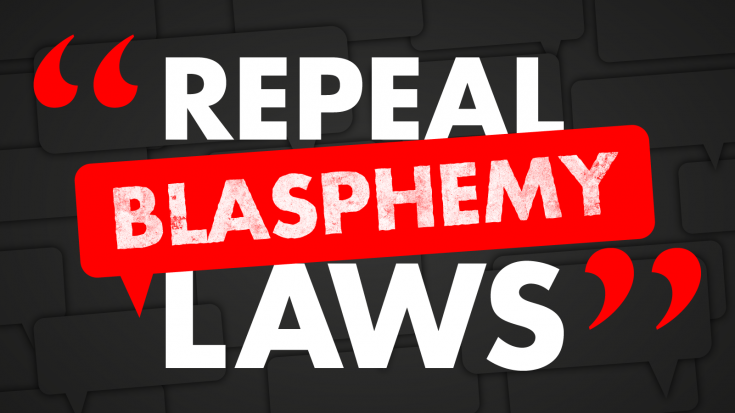
Time to Dump Blasphemy Laws
Can the countries from this part of Asia walk in the footsteps of Ireland?
Mera azm itna bulund hae, Parae sholon se dar nahin.
Mujhe dar hae tu atish e gul se hae, Ye kahin chaman ko jala na dein
(my confidence in self is strong, I’m unafraid of foreign flames
I’m scared those sparks may ignite, that in the blossom’s bosom lay )
— Shakeel Badayuni’s couplet which was very dear to Salman Taseer who was assassinated by Islamists
Know Meilana, a 44-year-old ethnic Chinese Buddhist from Indonesia, whose conviction under Indonesia’s controversial blasphemy laws, caused an uproar in the country, merely few months ago. The only ‘offence’ registered against her was that this woman from Sumatra had merely complained about ‘the volume of adzan or call to prayer, from her local mosque’. Her complaint was considered ‘blasphemous’ and even triggered an anti-Chinese riot in which several Buddhist temples were burnt.
(Read the full article here : https://www.newsclick.in/time-dump-blasphemy-laws)
Love Patriarchy, Hail Hindu Rashtra!
From Hindu Code Bill to Sabarimala via Roop Kanwar’s Sati — keeping women subjugated under the cloak of tradition

It was the mid-1980s when a 18-year-old Roop Kanwar’s burning on the pyre of her husband — under controversial circumstances — had made national headlines. There was national outrage over the incident because more than 150 years after the banning of this custom — the practice of Sati, was seeing a revival of sorts. One can still recollect how thousands of women had come out on streets then in different parts of North India, glorifying the act in the name of tradition.
Women were ‘celebrating’ a woman’s self-immolation on the pyre of her husband and resisting state intervention which wanted to enforce her autonomy, her individuality!
This may sound strange today, but was true!
India, had its ‘Roop Kanwar moment’ — albeit a bit differently — once again recently when in Kerala women came out in hundreds or thousands to resist the implementation of Supreme Court judgement that had removed the bar on women aged 10-15 or ‘menstruating women’s entry in the temple of Ayappa at Sabarimala’.
( Read the full article here : https://www.newsclick.in/love-patriarchy-hail-hindu-rashtra)
Keep Calm and Carry On: Dealing with Patriarchal Carpet Bombing in Kerala
For all women in India, what is happening in Kerala should be an eye-opener. This is how Indian society rewards you for reaching the top, aspiring seriously to be on top, and actually asking questions to authorities about why they keep drawing on women’s energies and resources while simultaneously undermining the very ground on which they survive. In Kerala, two things are going on: there is on the one hand, a vicious gang led by Rahul Easwar which is openly threatening women who would dare to enter Sabarimala with the worst kinds of violence, on the other, the horrid misogyny of the press was revealed at the press conference held by the Women in Cinema Collective who expressed their deep disquiet at the way in which the organization of cinema actors, AMMA, and its president Mohanlal, were eager to protect oppressors and ignore survivors. Also, even male intellectuals who have been very supportive of feminist and gender justices causes have been named in the MeToo campaign among journalists in Kerala.
Kerala is a society where, in the past twenty years, we have seen women come up everywhere — in journalism, literature, academics, cinema, architecture, engineering, art, management, sports, trade unionism, activism. Women in Kerala have been the force of social democratizing as evident from the struggles ranging from the Munnar tea garden workers’ struggle to the brave nuns protesting against sexual violence. For sure, a very large number of women in Kerala are ultra-conservative, and that is apparent both in their presence in the muck that Easwar and his gang are raking up in Kerala, as well as in the shameless way in which some of them were emboldened to hurl caste insults at the Chief Minister of Kerala. This is therefore reminiscent not so much of the Battle of Britain in World War II, but for the Battle of Stalingrad — which was heavily bombed by the Luftwaffe, even as there was hand-to-hand combat on the ground for control of the tiniest slices of the city, and where the city residents were often subject to the terrors of both the Nazi and the Soviet sides alike.
If you want to see male hubris overflowing, please take a look at this video, of https://www.facebook.com/plugins/video.php?href=https%3A%2F%2Fwww.facebook.com%2FWomeninCinemaCollectiveOfficial%2Fvideos%2F249328929064857%2F&show_text=0&width=267“>the press conference held by the Women in Cinema collective. All I can tell us all is, Keep Calm and Carry on. After all, unlike in the World War II, the ammunition of these creeps need not hurt us at all; it can make it only more powerful.
സ്ത്രീവാശിയുടെ ആവശ്യകത :ശബരിമലപ്രശ്നം, സ്ത്രീകൾ, സാമൂഹ്യജനാധിപത്യം
അഭിനവ അച്ചിയാകാൻ എനിക്കു സമ്മതമില്ല. അതുകൊണ്ട് രാഹുൽ ഈശ്വറെ എന്തുവില കൊടുത്തും ഞാൻ എതിർത്തു തോൽപ്പിക്കും.
കുറേ സ്ത്രീകളെ തെരുവിൽ കൊണ്ടുവന്ന് ആചാരസംരക്ഷണത്തിൻറെ പേരിൽ സ്വന്തം താത്പര്യങ്ങൾക്കെതിരെ സംസാരിപ്പിക്കുക, അവരുടെ പൊതുജീവിതപരിചയമില്ലായ്മയുടെ ഫലങ്ങൾ കൊയ്തെടുക്കുക (പിണറായിയെ ജാതിത്തെറി വിളിച്ച ആ വിഡ്ഢിസ്ത്രീ തന്നെ ഉദാഹരണം), ബ്രാഹ്മണമൂല്യങ്ങൾ തങ്ങൾക്കു സമ്മാനിക്കുന്ന അപമാനഭാരത്തെ ആത്മീയസായൂജ്യമായി എണ്ണുന്ന അഭിനവ അച്ചി-സ്ഥാനത്തെ ഉത്തമസ്ത്രീത്വമായി ചിത്രീകരിക്കുക –ഇതൊക്കെയാണ് ശബരിമലപ്രശ്നത്തിൽ കേരളത്തിലെ ഹിന്ദുത്വശക്തികൾ ചെയ്തുകൊണ്ടിരിക്കുന്നത്. Continue reading സ്ത്രീവാശിയുടെ ആവശ്യകത :ശബരിമലപ്രശ്നം, സ്ത്രീകൾ, സാമൂഹ്യജനാധിപത്യം
നായർസമുദായാഭിമാനികളോട്: ശബരിമലപ്രശ്നം ഉയർത്തുന്ന ചില ചോദ്യങ്ങൾ
നായർ സർവീസ് സൊസൈറ്റി ശബരിമലപ്രശ്നത്തിൽ പുനഃപരിശോധനാഹർജി സമർപ്പിച്ച സ്ഥിതിയ്ക്ക് ആ പ്രസ്ഥാനത്തോട് നായർസമുദായത്തിൽ ജനിക്കാനിടയായ ഒരു സ്ത്രീയെന്ന നിലയ്ക്ക് എനിക്ക് ചില ചോദ്യങ്ങളുന്നയിക്കാനുണ്ട്. Continue reading നായർസമുദായാഭിമാനികളോട്: ശബരിമലപ്രശ്നം ഉയർത്തുന്ന ചില ചോദ്യങ്ങൾ
Do Not Ride the Tiger of Hindtuva: Sabarimala Entry and Hindutva Women
The Supreme Court judgment on women’s entry into Sabarimala has got Hindutva women in Kerala into a hand-wringing, hair-tearing frenzy, and that is to put it lightly. I say ‘Hindutva women’ deliberately, to refer to a sub-set of Hindu women, who (1) believe, like the RSS chief, that the Hindu(tva) lion is under threat from dogs (guess who the dogs are in this case) (2) identify craven submission to Hindutva commonsense about gender as ‘Indian tradition’ (3) are willing to sacrifice all public decency for the sake of upholding that common sense. Continue reading Do Not Ride the Tiger of Hindtuva: Sabarimala Entry and Hindutva Women
Sewer Workers Deaths – The Meaning of Dalit for Bhartiya Janta Party
Guest post by PRAVEEN VERMA
If Prime Minister Narendra Modi were to write about the recent deaths of sewer workers in India, the headline would be:
Some people attained moksha (nirvana) while experiencing spirituality,
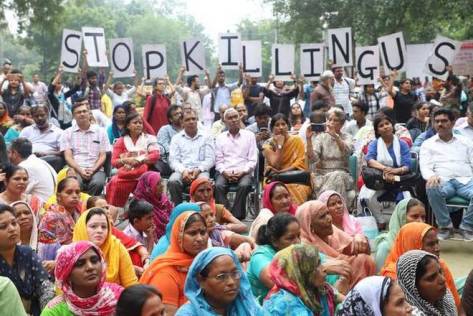
In his casteist book Karmayog, he wrote that manual scavenging is a spiritual experience, hence if some people die during cleaning sewers manually, that would be attaining moksha! In a caste Hindu society this should have been a matter of joy, that even in Kaliyuga, there are still some ‘pious’ soul who could give up all moh-maya and do this punya karma! How true this depiction/ description, one feels like saying: why not make the umpteen godmen-led spiritual movements in India take this route to spiritual moksha? This would perhaps have saved the many rapist-rioter babas from arrest and they could truly do their prayaschit (atonement) in these various, very Indian jails. This is after all the real world of this ‘spiritual experience’ of manual scavenging/sewer cleaning, where ‘Moksha’ means institutional killing!
Continue reading Sewer Workers Deaths – The Meaning of Dalit for Bhartiya Janta Party
How to Deal with Male Chauvinist Piorge: Ten Tips
After the floods comes the pestilence. Even as the rest of us are focusing all our energies on making sure that epidemics and sheer psychological trauma aren’t going to bring our people devastated by floods to the brink of their endurance, here is a bizarre person, a certain P C George, MLA from Poonjar, Kerala, indulging in the worst kinds of patriarchal excess. At this time one would expect our elected representatives to be aiding and comforting people in their respective constituencies. Instead, we have this man spew unspeakable, stupid trash on the public. I do not want to reproduce it here; you can read for yourself. I’d rather try to think of how we may deal collectively with those of his ilk. Continue reading How to Deal with Male Chauvinist Piorge: Ten Tips
Beneath the glitter – Looking at The Asian Games : Praveen Verma
Guest post by PRAVEEN VERMA
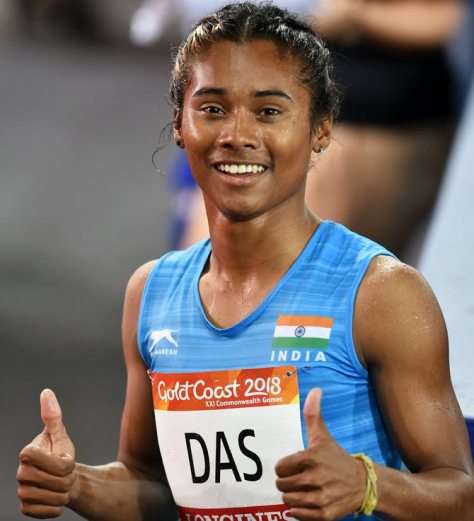
Does it amaze you when you hear the stories of poverty and success in same sentence? Does it amaze us when we hear the stories of some of the best sports-persons and the hardship they have dealt with before and throughout their careers? Does it amaze us when we hear about the sorry state of affairs of sports facilities and some athletes still coming up with great performances? Does it amaze that most of these athletes come from rural India and mostly where they have much economic and social constraints, where work and employment is still precarious? Does it alarm when one get to know that some of these phenomenal sports-persons come from the areas which are still dealing with the issues of hunger, high rate of unemployment, major gender gap? Areas where women coming out and trying to make cut into sports are still taboo? How often does one hear about women from marginal sections (Dalit/Backward caste/tribal) becoming a sportsperson?
Some stories of these kinds make usual snippets in many Hindi newspapers around big sports events. Though, these stories, which are posed as individual heroic one and less of a critical approach to see the working of sports administration, are meant to be sensational and don’t do justice to the entire sports affairs in India. Continue reading Beneath the glitter – Looking at The Asian Games : Praveen Verma
Three decades after Ameena, ‘Bride-Bazars’ continue to thrive in Hyderabad: Lovish Garg
Guest Post by LOVISH GARG
Ameena Begum was only ten years old when she was married to a man old enough to be her grandfather. The man- a 60-year-old Arab from Saudi Arabia had come to her house in Hyderabad to see Ameena’s elder sister for marriage but found her to be too ‘ugly and dark.’ He instead expressed desire to marry the young Ameena which the father readily agreed in exchange for a paltry sum of Rs 6,000. She was later rescued by Amrita Ahluwalia- then an air-hostess with Indian Airlines after she found the young girl crying inconsolably on the Hyderabad-Delhi flight in-route to Saudi Arabia.
This incident put the global spotlight for the first time on the practice of ‘bride-shopping’ in the old city area of Hyderabad where minor Muslim girls from poverty-stricken families are married to older, mostly Arab men for a small sum of money. About three decades after this incident of August 1991- nothing much has changed and the practice of Sheikh marriages continue unabated with estimates suggesting around 2000 of such marriages performed only in the last one year.
The genesis of Sheikh marriages can be traced to the late 19th century when the Nizam of Hyderabad started hiring Chaush Arabs from what is the present-day Yemen. These men served as the military guards and later on high positions in the Nizam’s army and administration. The Arabs also brought with them the ritual of offering gifts and dowry to families who would marry their daughters to them. However, when oil stuck in the Gulf and situation in Hyderabad turned chaotic because of the rising peasant movement and later fall of Nizam- many such Chaush Arabs returned to their homelands.

