
 The writings of Ismat Chughtai and Saadat Hasan Manto, perhaps two of the finest writers of the short story in any language, have begun to attract a much larger audience thanks to the many translations in English and other languages and transliterations in Hindi that have become available in recent years. All the translations are not as good as they should be but Asaduddin’s work is top-of-the-shelf stuff.
The title chosen by Ismat for her autobiography—Kaghazi Hai Pairahan, literally robes of paper—is an allusion to petitioners appearing in court dressed in paper robes with their complaints inscribed upon them. The phrase is iconic, drawn as it is from the first ghazal from Ghalib’s anthology. Asaduddin’s translation of the title, A Life in Words: Memoirs, is a little extended perhaps, but translating Ghalib, with all the hidden, multi-layered nuances, is next to impossible. Everything else about the book is worth treasuring. You can’t possibly commend a translation more than this; if there are faults, they are faults carried over from the original, like the mixing up of Sheikh Chilli and Sheikh Saleem Chishti in ‘Conflict’ or perhaps a little printer’s devil that has turned Majaz’s sister Safia Siraj, who was to marry Jan Nisar Akhtar, into Sufia Siraj. Continue reading Life and its suburbs
 Not that we needed any evidence of the prevalence of caste in India – even amongst the elites who like to pretend caste doesn’t exists when it comes to the reservation debate. The Times of India reports from Mumbai:
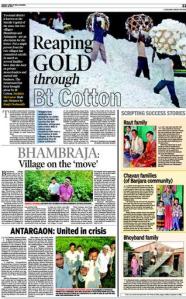 The Times of India did not hear of any dead people because Monsanto paid for the taxi from the city to the village for its reporter. Or is that all that Monsanto paid for? P Sainath in The Hindu:

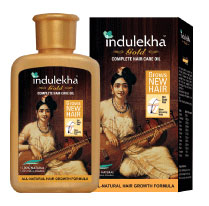 Well, the truth is that I care two hoots for Indulekha Hair Oil, their stupid ads, and the wide-eyed chubby-cheeked teenage girls who they usually cast as epitomes of Malayalee feminine grace. All of Mallu FB world is agog with discussion about a brainless ad for the Indulekha Hair Oil, in which a fiery-looking woman whose dress-style follows the dress conventions of our Malayalee AIDWA Stars, bursts with indignation over the terrible harassment that women with long hair face on buses, how we are all forced to cut off “the hair that we have” (‘Ulla mudi’) and go about with short hair “like men” because of this horrible injustice, and finally, how we all ought to grow our hair long (and let it down, possibly) and hit back at such harassers. This stupid ad is actually only one among other stupid ads for this hair-oil which uses currently-common ideas like ‘women’s collectives’ (stree koottaimakal). All of them are jarring since the concepts they use, and what they aim at, simply don’t mix.Part of the outrage has been fueled by the fact that the ad uses as a model Sajitha Madathil, who is well-known as a feminist theatre activist in Kerala.
