Category Archives: Politics

The ‘Whore of Babylon’ – Or, Misogyny, Sexism, CPM Style

It has to be seen and heard to be believed! Former Arambagh CPM(M) MP Anil Basu , addressing an election rally in his home turf likened Mamata Banerjee to a ‘whore of Sonagachi’, who is now getting rich clients from the US to give money for her election campaign! I draw attention to this with the greatest of respect for the women  he is referring to, sex workers who work hard to make a living. When Basu refers to them, however, it nothing but a statement of  misogynist contempt for women in public and reveals, once again the mindset of the Left leadership that rules West Bengal.

Some extracts from today’s Indian Express report:

 “Addressing a rally yesterday, Basu made references to Sonagachi — Kolkata’s red-light area. “Where is she getting the money from?” he asked. “From which bhatar (Bengali derogatory slang for a woman’s “illicit male partner”) did she get Rs 24 crore to fund the Trinamool Congress’s poll expenses?”

Saying that prostitutes in Sonagachi “do not even look at smaller clients” when they get a “big client”, Basu said now that the Trinamool has got a “big client” — the USA — to fund its poll expenses, it is not interested in the “smaller clients” from Chennai, Andhra Pradesh and other places in the country.”

Continue reading The ‘Whore of Babylon’ – Or, Misogyny, Sexism, CPM Style

The gospel according to a divine identifier – An essay on the biblical origins of UID: Taha Mehmood

Guest post by TAHA MEHMOOD

1.

Simon Bar Jona was a fisherman based in small town called Bethaida. They say one day Simon’s brother, Andrew, led him to a man who called himself Jesus. They say Simon and Andrew became disciples of Jesus.

One day Jesus asked his disciples, “Who do you think I am?”

His disciples looked at each other. They did not know anything about him. They did not know who he was. Some disciples said Jesus was actually John the Baptist: some said he was Elijah; and others though he was Jeremias. Jesus could have been any of these or none of these. But Jesus was not satisfied with the answer, so he asked again, “Who do you think I am?”

At that point Simon Bar Jona, the fisherman answered, “Are you not Christ, the Son of the living God?’“

Jesus was pleased, he replied, “Bless you, Simon Bar Jona: for flesh and blood has not revealed it to you, but my Father who is in heaven.” Continue reading The gospel according to a divine identifier – An essay on the biblical origins of UID: Taha Mehmood

The Paradoxical Figure of Mamata: Monobina Gupta

Guest post by MONOBINA GUPTA

With the coming assembly elections, West Bengal seems to be poised on the edge of a historic upheaval that will, in all probability, enter the collective memory of its people, much like the momentous 1977 elections. The most palpable moment of this churning will manifest in what looks like an unbelievable denouement – that of the thirty-four year old monolithic rule of the Left Front. Equally stunning might be the image of Mamata Banerjee, bringing the red fortress down – a politician, almost bludgeoned to death by CPI-M cadres on 16th August 1990, now transformed into the emblematic face of this extraordinary hour. The 2011 polls may be billed as the great unraveling of West Bengal, its politics and culture – but also, I think, of gender relations. Banerjee is on the verge of acquiring a unique status, becoming the first woman head of a state well known for its misogynist culture, notwithstanding many claims to the contrary.

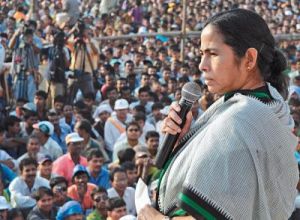
mamata banerjee
Mamata Banerjee. Courtesy The Hindu, Arunangsu Roy Chowdhury

An important aspect of Banerjee’s ascendancy may be lost if we fail to locate her persona within this grid of power and gender relations; if we do not contextualize her in Bengal’s thriving culture of male chauvinism. The association of West Bengal and its ruling Marxists with the autonomy and radicalization of women – who are supposedly respected in Bengal unlike in other parts of the country – is a well preserved myth. Bengal respects its women, but only if they belong to the hallowed league of ‘Mothers and Sisters’. Like elsewhere, ‘deviant’ women have little place in the land of the Renaissance.

Continue reading The Paradoxical Figure of Mamata: Monobina Gupta

Chronicle of a Bail Foretold: Saroj Giri

Guest post by SAROJ GIRI

Till very recently it was not possible to discuss Binayak Sen without referring to the corporate land grab and state repression in Chhattisgarh. Somehow Salwa Judum, the displacement of thousands of adivasis and the Maoist movement would come in the picture. Above all, what would come out is Sen’s work in the specific context of the suffering of the adivasis. Indeed soon after the bail order was granted, it came so naturally for Sen’s beaming wife to state that he will of course go back to resume his work in Chhattisgarh.

Upon his release from Raipur Central Jail on April 18 2011, Sen immediately called for a dialogue between the Maoists and the government and reminded us of so many other political prisoners languishing in the country’s jails. In the video showing Sen being greeted by his supporters after his release he enthusiastically joins in giving slogans saying, ‘Shankar Guha Niyogi Zindabad’. But the supporters soon after break into ‘Binayak Sen Zindabad’. You could immediately see this embarrassed look on his face, totally disapproving this iconisation.

Indeed, Sen seems very far off from celebrating his release as a major victory for democracy or a boost forIndia’s image as a modern democracy and so on. He seems really far off from the dominant discourse which seeks to cleanse the ‘Binayak Sen issue’ of the harsh realities of India’s dirty war, the inequality and the injustice towards the adivasis and their suffering. Continue reading Chronicle of a Bail Foretold: Saroj Giri

He’s Out on Bail- Time to Think Again: Dilip D’Souza

Guest post by DILIP D’SOUZA

So you’ve been following the Binayak Sen case. What now? What are the aspects and implications of the case to consider now that he is out on bail?

Here are a few that come to my mind. Your mileage may vary.

*The suspicious things Sen is supposed to have done. For example, you have heard often that Sen visited Narayan Sanyal in jail multiple times. Why, you ask. Whatever the reason, think of this: In 2006, before the first time (and indeed before each subsequent time), he wrote to the Raipur Jail Superintendent asking for permission to visit Sanyal. After this request made its way through the police bureaucracy, senior police officials in Raipur wrote to the same Superintendent saying “Central Jail Raipur mein bandi Narayan Sanyal se bhent karne ke liye Dr. Binayak Sen jaata hai to is karyalay ko koi aapatti nahin hai.” (“This department has no objection if Dr. Binayak Sen goes to meet Narayan Sanyal who is detained in Central
Jail, Raipur.”)

If the police had no objection to the visits “at the time”, why was this later an issue at all? Why have learned commenters made so much of this, hinting at dark things Sen must have been doing? One example,  note how the author of the ‘report’ says “Admittedly, the meetings took place with prior permission from jail officials”, but has let stand the implication that there was something dark going on).

Continue reading He’s Out on Bail- Time to Think Again: Dilip D’Souza

Is It Nineteen Eighty Four Already?

On 9 April 2011, 11 members of the English Department of Delhi University (almost the entire Department) resigned from various (non-statutory) work committees within the Department. They carried on all their other duties, including teaching, regardless. This mass resignation followed repeated requests from them to their Head of Department to call a meeting of the Department Council of the English Department. By resigning (only from the non-statutory committees), the members of the Department were hoping to bring largely symbolic and moral pressure to bear on the Head, to perform his duties!!

You know something is seriously wrong with a workplace when members of Department have to bring pressure to bear on a Head to perform his or her regular, statutory duties. You should really smell a rat when it’s not the minions and juniors but the bosses at the highest levels that are bending and twisting rules to their advantage; publicly ignoring long-standing statutes and conventions; inventing new ones almost overnight; and practising selective amnesia about procedures.

Continue reading Is It Nineteen Eighty Four Already?

Anna At Nehru Place?!: Aditya Sarkar

Guest post by ADITYA SARKAR

On the afternoon of 25 March, Nehru Place felt different. The rectangular maze of shops and offices wore its usual air of busy activity, but instead of being concentrated around a million acts of individualized consumption as it normally is, the energy humming through the place circulated around a public spectacle. Visitors, bystanders, and low-paid office and shop employees clustered in the central square, and on the balconies of the first floor, their gazes fixed on a street play taking place right outside the central Bajaj office. About twenty young men and women, all dressed in black, raised fists, shouted slogans, and mocked the usual suspects – MNCs, netas, and plutocrats, in the name of the aam aadmi. Shop after shop emptied out. Hundreds of people watched, many applauding loudly. The specific target of this public campaign, though, seemed opaque to most, as the publicity leaflets circulated rather more sluggishly than the sentiments evoked by the performers.

Continue reading Anna At Nehru Place?!: Aditya Sarkar

‘Justice on Trial’ in the Times of Tilism: The Absence of Binayak Sen and the Presence of Anna Hazare on Television in April 2011

Sometime today, the Supreme Court bench of the honorable Justices H. S. Bedi and C.K. Prasad will hear arguments for and against the petition asking that  Dr. Binayak Sen, currently sentenced to life imprisonment by the Chhattisgarh High Court on charges of sedition and several other sections of the Indian Penal Code,  be given bail. Continue reading ‘Justice on Trial’ in the Times of Tilism: The Absence of Binayak Sen and the Presence of Anna Hazare on Television in April 2011

लोकतंत्र की आत्मसमीक्षा का क्षण

अण्णा हजारे के ‘नेतृत्व’ मे शुरू हुए भ्रष्टाचार विरोधी आन्दोलन का पहला चरण सफलतापूर्वक समाप्त हो गया है. अनेक लोगों को सरकार को हिला देने का सुख और संतोष इस आंदोलन ने दिया है. हजारे ने खुद यह कहा कि एक बार तो भगत सिंह ने अंग्रेजों को भगाया था, इस बार ‘काले’ अंग्रेजों को भगा दिया गया है. इसे दूसरी आज़ादी की लड़ाई भी कहा जा रहा है. इसके पहले एक और ‘दूसरी आज़ादी’ की लड़ाई लड़ी गई थी लेकिन शायद वह असली नहीं रही होगी तभी तो इसे तीसरी नहीं दूसरी आज़ादी की जंग कहा जा रहा है. यह सोचने का विषय है कि इस देश में हर प्रकार के संघर्ष को अपना औचित्य सिद्ध करने के लिए क्यों खुद को स्वतंत्रता संग्राम के रूप में प्रचारित करना पड़ता  है. कहा जा सकता है कि यह तो भाषा का रूपकात्मक प्रयोग है, इसे आगे खींचने की ज़रूरत नहीं. इस रूपक को गढ़ने  को मजबूर दिमाग जिस ग्रंथि से जूझता है , वह शायद यह है कि हममें से अधिकतर को यह रंज और गम है कि हम 1947 के पहले पैदा नहीं हो सके थे और इस देश को आज़ाद कराने में हमारा कोई हिस्सा नहीं.दूसरे, उस आन्दोलन के अंतिम क्षण के शत्रु रक्त से रंजित न होने के कारण नवीन राष्ट्रीय शिशु के जन्म की वास्तविक अनुभूति से हम वंचित रह गए. इसके कारण हम सबको एक स्तर पर अपना राष्ट्रीय अस्तित्व ही अप्रामाणिक प्रतीत होता है.   हर पीढ़ी को इस कुंठा से मुक्ति के लिए कभी न कभी एक स्वतंत्रता संग्राम की आवश्यकता पड़ती  है. गोरे अंग्रेजों और काले अंग्रेजों को ‘भगाने’ के जिस  विकृत सुख लाभ की आकांक्षा इस तरह के वक्तव्यों में झलक पड़ती है, उसके पीछे छिपी हिंसा को पहचानना भी आसान नहीं होता. क्या यह इसलिए करना होता है कि ऐसे आन्दोलन एक ‘राष्ट्रीय’ कल्पना को उत्तेजित करना चाहते हैं और इस लिए राष्ट्रीय संदर्भों के सहारे अपनी वैधता हासिल करते हैं? जंतर मंतर के अनशन मंच की पृष्ठभूमि में भारत के मानचित्र को आवृत्त किए हुए, बल्कि उसकी सीमा से बाहर राष्ट्रीय ध्वज को लहराते हुए  गौर वर्णा भारत माता की छवि के विह्वल  आह्वान को जो अनसुना करे क्या उसे दुखियारी माता का पुत्र कहलाने का अधिकार रह जाएगा?  क्या उसके उद्धार के लिए, महिषासुर का दलन करने के लिए पुन: अपने अस्त्र-शस्त्र को शाणित न किया जाएगा? Continue reading लोकतंत्र की आत्मसमीक्षा का क्षण

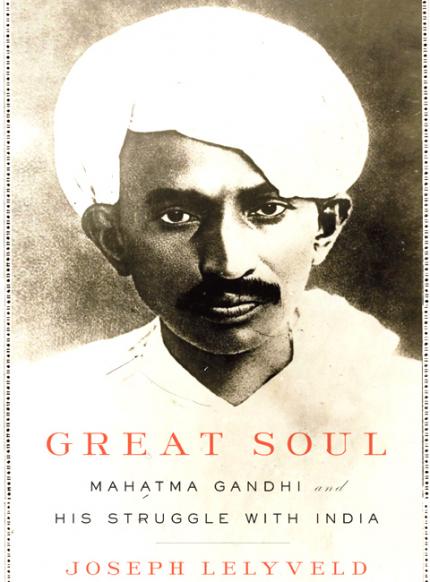
Joseph Lelyveld’s “Great Soul” or How to Damn with Faint Praise: Mridu Rai

Great Soul: Mahatma Gandhi and His Struggle with India by Joseph Lelyveld; Alfred A. Knopf, 425 pp., $28.95

Guest post by MRIDU RAI

Joseph Lelyveld’s book was banned in Mohandas Karamchand Gandhi’s native state of Gujarat a day after its publication in the United States. On 30 March 2011, the Hindu right-wing Bharatiya Janata Party that rules the state, led by its chief minister Narendra Modi, charged Lelyveld with committing “the most reprehensible act by hurting the sentiments of millions of people and demanded that he tender a public apology”. The provocation for this proscription was the mention in some reviews that Lelyveld had suggested Gandhi was bisexual and racist. At the very least, it is surprising that the first public outcry in India against the review — the book has not yet been released in India — should come from the Hindu Right, the political constituency of Nathuram Godse who assassinated Gandhi on 30 January 1948. This must join the many ironies Lelyveld’s book brings out, not least that of latter-day politicians in India (and South Africa) claiming to be his heirs and yet honouring his teaching, if at all, only in their most diluted and least recognizable versions. As Lelyveld writes in his author’s notes, ‘‘[I]t was hard to see what remained of him beyond his nimbus”. Continue reading Joseph Lelyveld’s “Great Soul” or How to Damn with Faint Praise: Mridu Rai

The Making of Anna Hazare

[This piece is based on my extensive field work on Anna Hazare and his movement in Ralegan Sidhi over some years and is also a part of my forthcoming book Green and Saffron: Hindu Nationalism and Indian Environmental Politics. MS]

The anti-corruption movement, spearheaded by Anna Hazare, and the passage of the Lokpal Bill have generated unprecedented interest amongst a wide spectrum of society about the ideas, politics and organisations of civil society in general, and Anna Hazare in particular. Hazare’s anti-corruption crusade merits attention not only for its importance in ensuring a corruption-free society, but also due to its multifaceted nature. Hazare’s politics however has to be seen in a larger framework and in a wider historical context. Howsoever laudable the goals of anti-corruption movement in India today, the movement is not beyond the categories of gender, caste, authority, democracy, nationalism and ultra-nationalism. Far from transcending them, the movement is transforming and being transformed by the implicit deployment of such categories. I wish to place Hazare in the larger context of his environmental journeys, where the elusive but crucial element is one of authority that is exercised due to a large degree of consent and conservatism. Yet, almost all accounts on him, largely celebratory in nature, do not examine the ideology and politics of his works. These are crucial not only to critically assess the present and the future of our anti-corruption movements, but also to interrogate certain brands of civil society activisms and environmentalisms. Continue reading The Making of Anna Hazare

Of a Few, By a Few, For the Few: Bobby Kunhu

Guest post by BOBBY KUNHU, carrying the debate on the Anti-corruption movement forward

I am distinctly uncomfortable with predictions – using either scientific or unscientific tools. For me it smacks of charlatanry – from astrology to psephology to stock market speculation. But with the charade that was unleashed for the past few days on news television by the mainstream media and of course at Jantar Mantar and a few other town squares across the “mainstream” Indian political landscape by Anna Hazare’s fast – I did dare to make an attempt – both at prediction and more comfortably with dissent. I foretold the outcome of the fast tableau at an emergency meeting that was convened by some co-travellers at the Salem Citizen’s Forum to debate on whether and how to show solidarity to Anna Hazare…

…Well, it is not just Anna Hazare and his team who won this match comfortably. All actors who joined the show have won the match. Everyone – the “civil society” that sat on fast at Jantar Mantar and other places, the Corporate media, the glamour world, the Government, political establishment of all hues and shades – everyone who bothered to join the game. It was like bathing in the Ganges during the Maha Kumbh – everyone’s sins were washed away. And of course nobody in their right minds regardless of political affiliations or ideologies could take a position “for corruption”!!! A veritable Bush-ian position — either you are with Anna Hazare or you are with corruption. And yes, India Incorporated has won the match and it is time for celebrations!

Read the full post on Countermedia

At the Risk of Heresy: Why I am not Celebrating with Anna Hazare

At the risk of heresy, let me express my profound unease at the crescendo of euphoria surrounding the ‘Anna Hazare + Jan Lokpal Bill’ phenomenon as it has unfolded on Jantar Mantar in New Delhi and across several hysterical TV stations over the last few days.

This time around, I have to say that the print media has acted (upto now) with a degree of restraint that I think is commendable. Partly, this has to do with the different natures of the two media. If you have to write even five hundred words about the Jan Lokpal bill, you run out of platitudes against corruption in the first sentence (and who can speak ‘for’ corruption anyway?) and after that you have to begin thinking about what the bill actually says, and the moment you do that, you cannot but help consider the actual provisions and their implications. On television on the other hand, you never have to speak for more than a sound-byte, (and the anchor can just keep repeating himself or herself, because that is the anchor’s job) and the accumulation of pious vox-pop sound bytes ‘against corruption’ leads to a tsunami of ‘sentiment’ that brooks no dissent. Continue reading At the Risk of Heresy: Why I am not Celebrating with Anna Hazare

Shiraz Hassan on cricket diplomacy

کرکٹ ڈپلومیسی، تنازعات کے پرامن حل کا عزم

پاکستان اور بھارت کی تریسٹھ سالہ تاریخ تنازعات کی ایک لمبی داستان ہے۔ دونوں ممالک کے تعلقات اس دوران کئی بات انتہائی کشیدگی کا شکار بھی رہے۔ قیام پاکستان اور ہندوستان کی انگریز حکومت سے آزادی کے بعد سے ہی دونوں ممالک کے مابین اعتماد کی فضا قائم نہ ہو سکی۔ اس ضمن میں دونوں ممالک کے مابین پہلا معرکہ 1948ءمیں کشمیر کے محاذ پر ہوا۔ جس کے بعد حالات مزید کشیدگی کی جانب مائل ہوتے گئے۔ 1965ءمیں ایک بار پھر دونوں ممالک کے افواج آمنے سامنے آئیں۔ 65ءکی جنگ کو ابھی چند ہی برس بیتے تھے کہ پاکستان کو 1971ءکے سانحے کا سامنا کرنا پڑا۔ اس جنگ میں پاکستان کو شکست کا خمیازہ دولخت ہونے کی صورت میں بھگتنا پڑا۔ پاک بھارت کے درمیان 1999ء میں کارگل کے محاذ پر بھی فوجیں آمنے سامنے آئیں اور حالات روایتی جنگ کے آغاز کے دہانے تک آپہنچے۔ البتہ موجودہ دور میں ممالک کے سرحدی علاقے اس وقت خاموش ہیں اور امن کی فضاء تیزی سے فروغ پا رہی ہے گویا دونوں ممالک کے سیاسی و دفاعی ماہرین نے تناو ¿ بھرے ماضی سے یہ سبق سیکھ لیا ہے کہ ”جنگ سے نہیں بلکہ امن سے ترقی ممکن ہے۔ “
پاکستان اور بھارت کے سفارتی تعلقات کے استحکام اور امن کے فروغ کے لئے کرکٹ کا کردار بھی نہایت اہم رہا ہے۔ ورلڈ کپ 2011ءمیں دونوں ٹیمیں موہالی کے میدان میں سیمی فائنل میچ میں آمنے سامنے آئیں ۔ پاکستان اور بھارت کی کرکٹ ٹیموں نے 2008ءمیں ہوئے ممبئی حملوں کے بعد ایک دوسرے کے مدمقابل نہیں کھیلا تھا۔ ان دہشت گرد حملوں میں کم و بیش ایک سو پچاس سے زائد افراد ہلاک ہوئے تھے اور بھارت کی جانب سے ان حملوں کے لئے پاکستان کو ذمہ دار ٹھہرایا گیا تھا۔ ممبئی حملوں کے بعد پاکستان اور بھارت کے درمیان تعلقات ایک بار پھر سخت کشیدہ ہوگئے تھے جس میں وقت گزرنے کے ساتھ کمی آئی ہے تاہم بھارتی وزیراعظم من موہن سنگھ کی جانب سے وزیراعظم گیلانی کو موہالی میں میچ دیکھنے کی خصوصی طور پر دعوت دی گئی جسے وزیراعظم نے قبول کیا اور اس عزم کے ساتھ موہالی پہنچے کہ ان کا یہ اقدام نہ صرف پاکستان بھارت کے درمیان پیدا شدہ کشیدگی کو کم کرنے بلکہ خطہ میں مستقل امن و استحکام کے لئے بھی معاون ثابت ہوگا۔ وزیر اعظم گیلانی اور بھارتی وزیراعظم من موہن سنگھ نے ایک ساتھ میچ دیکھا اور مختلف امور پر تبادلہ خیال بھی کیا۔ میچ کے بعد وزیراعظم گیلانی نے خصوصی عشائیے میں بھی شرکت کی جسے پاکستان بھارت کے درمیان بہتر تعلقات کے استحکام اور تنازعات کے حل کی جانب Continue reading Shiraz Hassan on cricket diplomacy

Indians who want Pakistan to win and Pakistanis who want India to win!

To make our point against jingoism.

To say that no one needs a cricket match to prove their patriotism.

To hope the best for those we’re told we should hope the worst for.

Please join this Facebook Event page and ask your friends across the border to do so, too.

Enter the Paavam: Women Candidates in Kerala’s Elections

I am not surprised that  neither the LDF nor the UDF both of which had endorsed the reservation of fifty percent seats in the panchayats for women, have not fielded a significantly higher number of women in the forthcoming elections to the Kerala State Assembly.  Anyone who has observed the shaping and widening of the division between ‘high politics’ and ‘local governance’ in Kerala since the mid-1990s can well see that the rules of the game remain totally unchanged in ‘high politics’ and it will stay so even if ‘local governance’ is entrusted completely to women’s love and care.  None of the women leaders who entered public life through the panchayats and have by now completely got beyond the loving-caring-maternal stereotype are in, of course. At least one of them,Latika Subhash, who had indeed been a successful leader in local governance, saw the writing on the wall well in advance. I had a chance to listen to an interview she gave a researcher from our team studying gender and governance a few years back, in which she clearly indicated that in order to move up the political ladder, it was necessary to move into high politics. This is how she justified her decision to get back into politics despite being quite popular as a leader of the panchayat.Not surprisingly, most of the women who have indeed become candidates are well-versed with the ways of high politics and possess the necessary connections. Continue reading Enter the Paavam: Women Candidates in Kerala’s Elections

It’s Here, The Privatisation of Higher Education In India

I do not exaggerate. I am not being hasty. The writing is on the wall. What started as a glimmer in the eyes of the IIC-frequenting bureaucrat, the industrialist with profit-making dreams and the politician with an obscenely large government house in Lutyens’ Delhi is now a raging reality. Pick up any newspaper or magazine and check out the number of advertisements for private universities. Do a google search for the latest news reports on committees on higher education. If you have the time and patience, go through all the government documents on higher education in the past five years, almost neatly coinciding with the exit of Arjun Singh as Human Resources Minister and the entry of Kapil Sibal. Speaking of Mr. Sibal, if his cheerfully unapologetic blundering on the 2G scam is anything to go by, we should have an idea of the kind of subtle and layered approach he has in mind when he speaks of ‘reforming the education system.’

Continue reading It’s Here, The Privatisation of Higher Education In India

Ghettoes of the Mind: Khalid Anis Ansari on ‘minority status’ for Jamia Milia Islamia

Guest post by KHALID ANIS ANSARI

Teri azaān mein nahin meri sahar ka payām. [Your call to prayer heralds not my dawn] – Allama Iqbal

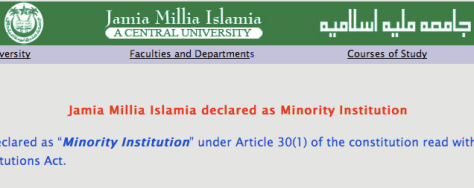
A grab from the university's website

The recent judgment of the National Commission for Minority Educational Institutions (NCMEI), favoring ‘minority status’ for Jamia Millia Islamia University, has generated vigorous debate. While it seems to me that most of the articulations have probably been reluctant in staging the immanent logics governing the entire controversy, I see this debate as offering yet another opening for democratic transformation within the Muslim community. While I will resist from taking a straightforward for/against position on the issue, it would be my endeavor to trace the discursive ruptures that instantiated the articulation around the ‘minority status’ for Jamia, and to indicate at the need to frame the Muslim ‘community’ now as a contested terrain with multiple sites of negotiations, cleavages and transformations.

Continue reading Ghettoes of the Mind: Khalid Anis Ansari on ‘minority status’ for Jamia Milia Islamia

What does it mean to be a Muslim in India today?: Mahtab Alam

Guest post by MAHTAB ALAM

Shahina KK

Recently, Shanina K K, a journalist from Kerala, who worked with Tehelka news weekly and now works with Open magazine, received the Chameli Devi Award for being an outstanding woman journalist. While receiving the award she said, “See, I happen to be a Muslim, but I am not a terrorist.” What made her say that and what was she trying to convey or explain? It means, as she explains, “If you belong to the minority community, they will also profile you. It is very difficult to prove that you are not a terrorist. It is equally difficult to prove that you are not a Maoist in our life and times.” Continue reading What does it mean to be a Muslim in India today?: Mahtab Alam

Nukes, Wikileaks and Corruption: National Alliance of People’s Movements

Press Release by NAPM

PM Must Reveal Truth to Nation
Cancel all the Proposed Nuclear Power Plants and Related Facilities
Moratorium on Dams in High Seismic Zones

New Delhi Delhi, March 18 : Prime Minister Manmohan Singh’s statement after the nuclear disaster in Japan that there is no need to be panicky as India will take all safety measures is not only amateurish but also lacks wisdom.
His statement gives the impression that the Japanese have not taken adequate safety measures. What type of natural calamities or man made lapses are in store for us, no one can visualise or predict leave alone taking safety measures against them.

The Prime Minister who has no control over his own cabinet ministers and has unashamedly wailed in public that he was ineffective due to coalition government, and caused the nation unimaginable and unprecedented loss by allowing mind blowing scams, issuing such absurd statements like taking all safety measures- lacks any tangible weight. Continue reading Nukes, Wikileaks and Corruption: National Alliance of People’s Movements

Wikileaks: The India Cables – At Long Last

Mr. [Murli] Deora’s “long-standing connection” to the Reliance industrial group, which includes significant energy equities, was described by the cable as his “only vulnerability.” Besides Mr. Deora, the new entrants with strong pro-U.S. credentials, according to the cable, included Mr. Saifuddin Soz, Mr. Anand Sharma, Mr. Ashwani Kumar, and Mr. Kapil Sibal. [Link]

Gems like the one above should keep readers of The Hindu entertained for days. Congratulations to them on getting the whole set of 5,100 India-related cables from WikiLeaks. They’ve created a sub-site for this. Here’s N. Ram on how they got the cables. Makes you wonder if others tried.