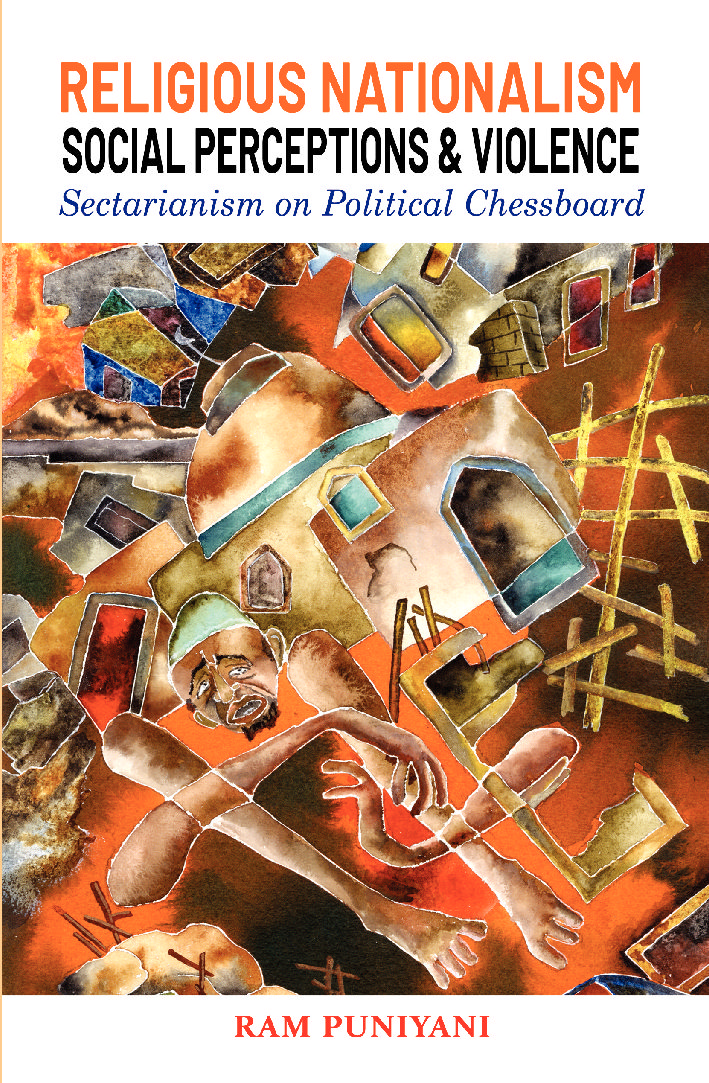
Review of ‘Religious Nationalism – Social Perceptions and Violence : Sectarianism on Political Chessboard‘- Ram Puniyani (Media House 2020)
“Blatant dictatorship – in the form of fascism, communism, or military rule – has disappeared across much of the world. Military coups and other violent seizures of power are rare. Most countries hold regular elections. Democracies still die, but by different means.
Since the end of the Cold War, most democratic breakdowns have been caused not by generals and soldiers but by elected governments themselves.”
(How Democracies Die, Steven Levitsky and Daniel Ziblatt)
हम बारीकी से विश्लेषण करें तो हम पाते हैं कि वर्ष 2014 के बाद भारत में लिबरल जनतंत्र के बरअक्स हिन्दुत्व की जो बहुसंख्यकवादी सियासत हावी होती गयी, उसके कई तत्व इसी आंदोलन /सरगर्मी में मजबूती पाते गए हैं।
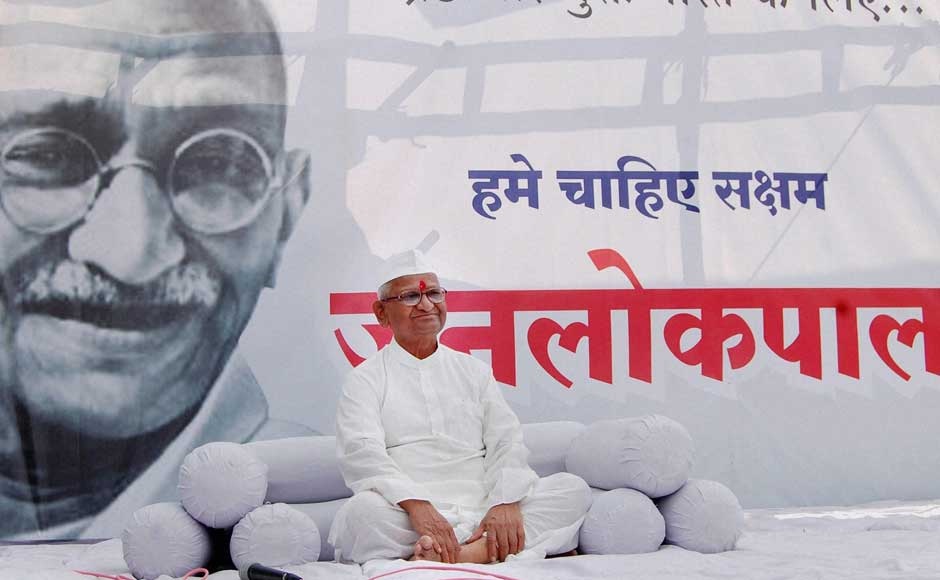
वर्ष 2011 के जनलोकपाल आंदोलन के दौरान अण्णा हजारे (फाइल फोटो)। साभार : गूगल
ग्रीक पुराणों में मिनर्वा को ज्ञान, विवेक या कला की देवी समझा जाता है, जिसका वाहन है उल्लू।
उन्नीसवीं सदी के महान आदर्शवादी दार्शनिक हेगेल का ‘फिलॉसाफी आफ राइट’ नामक किताब का चर्चित कथन है, ‘‘मिनर्वा का उल्लू तभी अपने पंख फैलाता है, जब शाम होने को होती है’’; (Only when the dusk starts to fall does the owl of Minerva spread its wings and fly.) – कहने का तात्पर्य दर्शन किसी ऐतिहासिक परिस्थिति को तभी समझ पाने के काबिल होता है, जब वह गुजर गयी होती है।]
अपनी अतीत की ग़लतियों की तहे दिल से आलोचना करना, साफ़गोई के साथ बात करना, यह ऐसा गुण है, जो सियासत में ही नहीं बल्कि सामाजिक जीवन में भी इन दिनों दुर्लभ होता जा रहा है। इसलिए अग्रणी वकील एवं नागरिक अधिकार कार्यकर्ता जनाब प्रशांत भूषण ने अपनी अतीत की ग़लतियों के लिए जब पश्चताप प्रगट किया तो लगा कुछ अपवाद भी मौजूद हैं।
दरअसल इंडिया टुडे से एक साक्षात्कार में उन्होंने ‘इंडिया अगेन्स्ट करप्शन’ आंदोलन जिसका चेहरा बन कर अण्णा हजारे उभरे थे – जिसकी नेतृत्वकारी टीम में खुद प्रशांत शामिल थे – को लेकर एक अनपेक्षित सा बयानदिया। उनका कहना था कि यह आंदोलन ‘संघ-भाजपा’ द्वारा संचालित था। ईमानदारी के साथ उन्होंने यह भी जोड़ा कि उन्हें अगर इस बात का एहसास होता तो वह तुरंत अण्णा आंदोलन से तौबा करते, दूर हट जाते।
विडम्बना ही है इतने बड़े खुलासे के बावजूद छिटपुट प्रतिक्रियाओं के अलावा इसके बारे में मौन ही तारी है या बहुत कमजोर सी सफाई पेश की गयी है।
Democracy Dialogues Lecture Series Organised by New Socialist Initiative – 3 rd Lecture
Topic: State of the Judiciary and Reforms Required Speaker: Prashant Bhushan, eminent Supreme Court lawyer and civil rights activist Date and Time: Sunday, September 20, 2020 at 6 PM IST
Zoom and Facebook Live details in the poster below.
[New Socialist Initiative Presents Democracy Dialogues – Lecture Series
The idea behind this series – which we call ‘Democracy Dialogues’ – is basically to initiate as well as join in the on-going conversation around this theme in academic as well as activist circles.
The inaugural lecture in the series was delivered by Prof Suhas Palshikar on 12 th July 2020. The theme of Prof Palshikar’s presentation was TRAJECTORY OF INDIA’S DEMOCRACY AND CONTEMPORARY CHALLENGES, Professor Pratap Bhanu Mehta delivered the second lecture on THE STRUCTURAL CONTRADICTIONS OF INDIAN DEMOCRACY AND THE RISE OF THE BJP on 16 th August 2020 ]
It is disheartening when the Constitution is not followed in letter and spirit, but the balm of monetary compensation will not fix the problem.
Someone must have been telling lies about Joseph K, he knew he had done nothing wrong but one morning, he was arrested.
These opening lines of Franz Kafka’s classic novel, The Trial, published just over a century ago, in 1925, still ring true.
Joseph K, the novel’s protagonist, is cashier at a bank. On his 30th birthday, two unidentified agents arrest him for an unspecified crime. The plot of the novel revolves around his efforts to deduce what the charges against him are, and which never become explicit. Joseph K’s feverish hopes to redeem himself of these unknown charges fail and he is executed at a small quarry outside the city—“like a dog”—two days before his 31st birthday.
Kafka, a major figure of 20th century-literature died of tuberculosis in 1924, when he was barely 40 years old. He had wanted all his manuscripts, including of the unfinished The Trial, destroyed after his death, but close friend and executor of his will, Max Brod, ignored the instruction and the world gained a strong literary indictment of an apathetic and inhuman bureaucracy and how completely it can lack respect for civil rights.
Kafka’s novel resonates with us today for it is not difficult to spot people who have been wronged by our system. Their endless wait for justice, especially those charged with petty crimes, or those who spend the prime of their lives behind bars on concocted charges, is on open public display.
Those who disagreed that the internet would challenge dictatorships have been proven right.
Belarus-born American writer Evgeny Morozov, a scholar of the political and social implications of technology, is among the early technology sceptics whose words have now proved prescient. Morozov had questioned the claim that the internet would challenge dictatorships even at an inconvenient time to do so. While thousands were out on streets during the Arab Spring, he delivered a Ted Talk on How Internet Aids Dictatorships. Considering that the Arab Spring protests had been organised and coordinated through social media, it quite a brave, even blasphemous, thing to do in those days.
Morozov’s 2011 book, The Net Delusion: The Dark Side of Internet Freedom, focuses on two delusions, namely, “cyber-utopianism” or the belief that the internet fosters an inherently emancipatory culture; and “internet-centrism” or the belief that every important question about modern society and politics can be framed in terms of the internet. His views were considered eccentric for the mood around the net was celebratory at the time. To cite another instance, the noted journal, MIT Technology Review, wrote in 2013 that new technologies would prove “deadly to dictators”.
The bias that social media platforms such as Facebook display reflects their own world-view as much as it does the regimes they support.
A few gave the appearance of being truly psychopathic individuals. The mass of others were ragged and illiterate peasants easily roused to hatred of the Tutsi. Perhaps the most sinister people I met were the educated political elite, men and women of charm and sophistication who spoke flawless French and who could engage in long philosophical debates about the nature of war and democracy. But they shared one thing in common with the soldiers and the peasants: they were drowning in the blood of their fellow countrymen.
Fergal Kane, a journalist with the BBC, wrote these chilling lines in his book, Season of Blood: A Rwandan Journey, winner of the Orwell prize in 1995. The organised and planned killing in Rwanda, one of the darkest episodes of the 20th century, resulted in the death of eight lakh Tutsi.
It is a strange coincidence that a year and a half before these unfortunate developments, the biggest democracy in the world went through its own cataclysmic moment, when Hindutva supremacist forces demolished a 500-year-old mosque after a long and bloody campaign. Even after the demolition large-scale communal riots broke out all over India, in which thousands died and whose scars are still difficult to heal.
There is at least one thing in common between what Rwanda went through and what India witnessed in 1992: both tragedies demonstrated how the media can prepare and provoke ordinary people into unleashing untold miseries on their neighbours. Continue reading Corporate Social Media in India: Sell Hate, Enjoy Profit→
घेरेबन्दी में पड़े अपने शहर के हालात को लेकर अपने जमाने का शायर कैसी प्रतिक्रिया देता है? अचानक इस बारे में कुछ कहना मुश्किल जान पड़ सकता है, अलबत्ता एक तरीका है फिलिस्तीन के महान कवि महमूद दरवेश के नक्शेकदम पर चलना, जिनकी लम्बी कविता ‘मेमरी फॉर फरगेटफुलनेस’ अर्थात ‘भुलक्कड़पन/स्मृतिलोप के लिए स्मृति’ वर्ष 1982 में लेबनान पर हुए इजरायली आक्रमण का चित्र खींचती है।
लेबनान की राजधानी बेरूत जहां वह रह रहे थे, बमबारी का शिकार हो रही थी। वे लिखते हैं, ‘‘बेरूत, इज़रायली टैंकों से और आधिकारिक अरबपस्ती से घिरा हुआ’, वह बेरूत ‘अन्दर से अपने आप को थामे हुए था ताकि ‘अरब उम्मीद की राजधानी के उसके मायने की चमक की हिफाज़त की जा सके।’ किताब में दरवेश फैज़ अहमद फैज़ के साथ अपना सम्वाद शुरू करते हैं, जो उन दिनों बेरूत में ही थे।
कलाकार कहां हैं?
कौन कलाकार, फैज़, मैं पूछता हूं
बेरूत के कलाकार
तुम उनसे चाहते क्या हो?
यही कि शहर की दीवारों पर युद्ध को उकेरना
तुम्हें क्या हो गया है फैज़, मैं ताज्जुब प्रकट करता हूं। क्या तुम देख नहीं रहे हो दीवारें ही गिर रही हैं?
जन संस्कृति मंच, प्रगतिशील लेखक संघ, दलित लेखक संघ, प्रतिरोध का सिनेमा, इप्टा, संगवारी, न्यू सोशलिस्ट इनिशिएटिव और जनवादी लेखक संघ ने प्रशांत भूषण को अदालत की अवमानना का दोषी क़रार दिए जाने तथा भीमा-कोरेगाँव और दिल्ली दंगों के मामलों में बुद्धिजीवियों-मानवाधिकारकर्मियों को फ़र्ज़ी आरोपों के तहत फंसाये जाने के विरोध में यह साझा बयान जारी किया :
भारतीय लोकतंत्र का संकट लगातार गहराता जा रहा है. अभिव्यक्ति की आज़ादी और वाजिब माँगों के लिए चलने वाले संघर्ष का जैसा दमन मौजूदा निज़ाम में हो रहा है, उसकी मिसाल आज़ाद भारत के इतिहास में ढूँढे नहीं मिलेगी. सबसे ताज़ा उदाहरण स्वाधीनता दिवस की पूर्व संध्या पर सर्वोच्च न्यायालय द्वारा प्रशांत भूषण को अदालत की अवमानना का दोषी ठहराया जाना है. यह विचारणीय है कि फ़ैसले में उन्हें भारतीय लोकतंत्र के जिस “महत्त्वपूर्ण स्तम्भ की बुनियाद को अस्थिर” करने के प्रयास का दोषी पाया गया है, उसकी अस्थिरता के मायने क्या हैं और उसके वास्तविक कारक कौन-से हैं/हो सकते हैं! पर यह जितना भी विचारणीय हो, सवाल है कि क्या आप विचार कर भी सकते हैं? इस तरह के विचार-विमर्श की गुंजाइश/स्वतंत्रता/अधिकार को बहुत क्षीण किया जा चुका है और ऐसा जान पड़ता है कि जिनके ऊपर ‘रीज़नेबल रेस्ट्रिक्शन्स’ के दायरे में अभिव्यक्ति की आज़ादी को सुनिश्चित करने का दारोमदार है, वे खुद आगे बढ़कर उस आज़ादी का दमन कर रहे हैं. पिछले कुछ समय में दो घटनाओं को बहाना बनाकर सामाजिक-राजनैतिक कार्यकर्त्ताओं, मानवाधिकार-कर्मियों और लेखकों-बुद्धिजीवियों की गिरफ़्तारी, या तफ़्तीश के नाम पर उत्पीड़न के सिलसिले ने जो गति पकड़ी है, वह बेहद चिंताजनक है. भीमा-कोरेगाँव मामले और उत्तर-पूर्वी दिल्ली के दंगों के असली अपराधी बेख़ौफ़ घूम रहे हैं जबकि इन्हीं मामलों में फ़र्जी तरीक़े से बड़ी संख्या में सामाजिक कार्यकर्त्ताओं और बुद्धिजीवियों को गिरफ़्तार किया जा चुका है. केंद्र के मातहत काम करने वाली राष्ट्रीय जाँच एजेंसी (एनआईए) और दिल्ली पुलिस इन मामलों में पूरी बेशर्मी से अपनी पक्षधर भूमिका निभा रही हैं. ऐसा लगता है कि नियंत्रण एवं संतुलन के सारे लोकतांत्रिक सरंजाम ध्वस्त हो चुके हैं. Continue reading साझा बयान : बुद्धिजीवियों-मानवाधिकारकर्मियों को फ़र्ज़ी आरोपों के तहत फंसाये जाने के विरोध में →
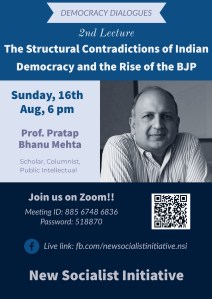
[Democracy Dialogues Lecture Series ( Webinar) Organised by New Socialist Initiative]
Date and Time: Sunday, August 16, 2020, at 6 PM IST (8.30 AM EST in the US)
Topic: The Structural Contradictions of Indian Democracy and the rise of the BJP
Abstract:
This talk explores the deep social transformations that have made the dominance of the BJP possible. It will take a longer view of the trajectory of Indian democracy and explore the profound changes in social and economic identities underway that have prepared a propitious ground for the rise of the BJP.
The Speaker: Prof Pratap Bhanu Mehta
Internationally renowned scholar and political scientist Prof Pratap Bhanu Mehta taught at Harvard, at New York University and at JNU. He was the Vice Chancellor of the Ashoka University till recently and served as the President of the premier think tank, Centre for Policy Research. Educated at Oxford and a Ph.D. from Princeton University, Prof Mehta is a columnist at Indian Express, a leading public intellectual and a bold and thoughtful voice for reason and justice. Among many honours and prizes to his credit, he is recipient of the Infosys Prize, the Adisheshiah Prize and the Amartya Sen Prize.
[New Socialist Initiative Presents
Democracy Dialogues – Lecture Series
The idea behind this series – which we call ‘Democracy Dialogues’ – is basically to initiate as well as join in the on-going conversation around this theme in academic as well as activist circles.
We feel that the very idea of democracy which has taken deep roots across the world, has come under scanner for various reasons. At the same time we have been witness to the ascendance of right-wing forces and fascistic demagogues via the same democratic route. There is this apparently anomalous situation in which the spread and deepening of democracy have often led to generating mass support for these reactionary and fascistic forces.
Coming to India, there have been valid concerns about the rise of authoritarian streak among Indians and how it has helped strengthen BJP’s hard right turn. The strong support for democracy here is accompanied by increasing fascination towards majoritarian-authoritarian politics. In fact, we would like to state that a vigorous electoral democracy here has become a vehicle for hindutva-ite counterrevolution.
The inaugural lecture in the series was delivered by Prof Suhas Palshikar on 12 th July 2020. The theme of Prof Palshikar’s presentation was TRAJECTORY OF INDIA’S DEMOCRACY AND CONTEMPORARY CHALLENGES]
अगर हम प्रोफेसरों के पदों की बात करें तो यूजीसी के मुताबिक अनुसूचित जाति से आने वाले प्रत्याशियों के लिए आरक्षित 82.82 फीसदी पद, अनुसूचित जनजाति तबके से आने वाले तबकों के लिए आरक्षित 93.98 फीसदी पद और अन्य पिछड़ी जातियों के लिए आरक्षित 99.95 फीसदी पद आज भी खाली पड़े हैं। असोसिएट प्रोफेसर के पदों की बात करें तो स्थिति उतनी ही खराब दिखती है: अनुसूचित जातियों के लिए आरक्षित 76.57 फीसदी पद, अनुसूचित जनजातियों के लिए आरक्षित 89.01 फीसदी पद और अन्य पिछड़ी जातियों के लिए आरक्षित 94.30 फीसदी पद खाली पड़े हैं।
क्या हम कभी जान सकेंगे कि मुल्क के चालीस केन्द्रीय विश्वविद्यालयों में नियुक्त उपकुलपतियों के श्रेणीबद्ध वितरण- अर्थात वह किन सामाजिक श्रेणियों से ताल्लुक रखते हैं- के बारे में ?
शायद कभी नहीं !
विश्वविद्यालय अनुदान आयोग के केन्द्रीय विश्वविद्यालय ब्युरो में ऐसे कोई रेकॉर्ड रखे नहीं जाते।
किसी बाहरी व्यक्ति के लिए इन सूचनाओं का अभाव बेहद मामूली लग सकता है अलबत्ता अगर हम अधिक गहरे में जाकर पड़ताल करें तो हम पूछ सकते हैं कि सर्वोच्च पदों की यह कथित ‘जातिविहीनता’ का सम्बन्ध क्या इसी तथ्य से जोड़ा जा सकता है कि इन चालीस विश्वविद्यालयों में- सामाजिक और शारीरिक तौर पर हाशिये पर रहने वाले तबकों से आने वाले अध्यापकों की मौजूदगी नगण्य है। फिर वह चाहे अनुसूचित जाति, जनजाति हो या अन्य पिछड़ी जातियां हो या विकलांग तबके से आने वाले लोग हों। इन तबकों की इन पदों से साद्रश्यता के अभाव का अन्दाज़ा इस बात से लगाया जा सकता है कि इन श्रेणियों से आने वाले तबकों के लिए आरक्षित प्रोफेसरों के 99 फीसदी पद आज भी खाली पड़े हैं।
दिल्ली विश्वविद्यालय के एक कालेज में, एडहॉक/तदर्थ अध्यापक के तौर पर कार्यरत लक्ष्मण यादव द्वारा विश्वविद्यालय अनुदान आयोग को सूचना अधिकार के तहत जो याचिका दायर की गयी थी, उसी के औपचारिक जवाब के तौर पर ऐसे कई सारे अचम्भित करने वाले तथ्य सामने आए हैं। अगर हम प्रोफेसरों के पदों की बात करें तो यूजीसी के मुताबिक अनुसूचित जाति से आने वाले प्रत्याशियों के लिए आरक्षित 82.82 फीसदी पद, अनुसूचित जनजाति तबके से आने वाले तबकों के लिए आरक्षित 93.98 फीसदी पद और अन्य पिछड़ी जातियों के लिए आरक्षित 99.95 फीसदी पद आज भी खाली पड़े हैं। अगर हम असोसिएट प्रोफेसर के पदों की बात करें तो स्थिति उतनी ही खराब दिखती है: अनुसूचित जातियों के लिए आरक्षित 76.57 फीसदी पद, अनुसूचित जनजातियों के लिए आरक्षित 89.01 फीसदी पद और अन्य पिछड़ी जातियों के लिए आरक्षित 94.30 फीसदी पद खाली पड़े हैं। असिस्टेंण्ट प्रोफेसर पद के लिए आरक्षित पदों के आंकड़े उतने खराब नहीं हैं जिसमें अनुसूचित जातियों के लिए आरक्षित 29.92 फीसदी पद, अनुसूचित जनजातियों के लिए आरक्षित 33.47 फीसदी पद और अन्य पिछड़ी जातियों के लिए आरक्षित 41.82 फीसदी पद खाली पड़े हैं। (देखें- मीडिया विजिल की रिपोर्ट)
A caste-based society will overcome legal codes that make equality the norm unless people actively bring change.
Will we ever know the category-wise distribution of vice chancellors of the forty central universities located across the country? Thanks to the rules governing these universities, and those of the University Grants Commission, there is no such record.
This form of “castelessness” at the top is coupled with marginal representation of teachers from socially and physically marginalised sections. Be it the Scheduled Castes, Scheduled Tribes the Other Backward Classes or persons with disabilities, they are hardly ever appointed to teaching posts in central universities. A marker of the invisibilisation of these social groups is the fact that up to 96.65% of the posts of professor meant for candidates from these categories were unfilled on 1 January 2020.
This was discovered by a Delhi University teacher, who sought the information from the UGC under the Right to Information Act. More than 82% posts of professors meant for Scheduled Caste candidates, 93.98% posts meant for Scheduled Tribes and 96.65% posts meant for OBCs still remain vacant. The situation for associate professors is equally dismal, though there are fewer vacant posts of assistant professors for OBCs.
Any news can go viral these days but this explosive disclosure, which raises questions about recruitment procedures and their inherent biases was barely noticed. An explanation is that such news has lost its novelty. Perhaps everybody is aware of the metamorphosis of central universities into a new kind of Agraharam or abode of elite castes.
यह मानने के पर्याप्त आधार हैं कि राम मंदिर के भूमि पूजन के लिए चुना गया यह समय एक छोटी रेखा के बगल में बड़ी रेखा खींचने की क़वायद है, ताकि नरेंद्र मोदी और उनकी सरकार की बढ़ती असफलताएं जैसे- कोविड कुप्रबंधन, बदहाल होती अर्थव्यवस्था और गलवान घाटी प्रसंग- इस परदे के पीछे चले जाएं.
अयोध्या में राम मंदिर के भूमि पूजन से पहले लगा प्रधानमंत्री नरेंद्र मोदी और अन्य नेताओं का एक होर्डिंग. (फोटो: पीटीआई)
बीते दिनों जनाब उद्धव ठाकरे द्वारा अयोध्या में राम मंदिर के प्रस्तावित भूमि पूजन को लेकर जो सुझाव दिया गया है, वह गौरतलब है.
मालूम हो कि आयोजकों की तरफ से जिन लोगों को इसके लिए न्योता दिया गया है, उसमें महाराष्ट्र के मुख्यमंत्री का नाम भी शामिल है, उसी संदर्भ में उन्होंने इस बात पर जोर दिया है कि ‘ई-भूमि पूजन किया जा सकता है और भूमि पूजन समारोह को वीडियो कॉन्फ्रेंसिंग के जरिये भी अंजाम दिया जा सकता है.’
उनका कहना है कि इस कार्यक्रम में लाखों लोग शामिल होना चाहेंगे और क्या उन्हें वहां पहुंचने से रोका जा सकता है? कोरोना महामारी को लेकर देश-दुनिया भर में जो संघर्ष अभी जारी है और जहां धार्मिक सम्मेलनों पर पाबंदी बनी हुई है, ऐसे में उनकी बात गौरतलब है.
गौर करें कि ऐसा आयोजन जिसका लाइव टेलीकास्ट भी किया जाएगा, कोई चाहे न चाहे देश में जगह जगह जनता के अच्छे-खासे हिस्से को सड़कों पर उतरने के लिए प्रेरित करेगा.
और अगर दक्षिणपंथी जमातें इस बारे में अतिसक्रियता दिखा दें तो फिर जगह जगह भीड़ बेकाबू भी हो सकती है और केंद्र सरकार और गृह मंत्रालय द्वारा जारी गाइडलाइंस की भी धज्जियां उड़ सकती हैं.
क्या कोई जानता है 21वीं सदी की शुरुआत में चकवारा के दलितों के एक अहम संघर्ष को? जयपुर से बमुश्किल पचास किलोमीटर दूर चकवारा के दलितों ने गांव के सार्वजनिक तालाब पर समान हक पाने के लिए इस संघर्ष को आगे बढ़ाया था। अठारह साल का वक्फा गुजर गया जब दलितों ने इस संघर्ष में जीत हासिल की थी, जिसमें तमाम मानवाधिकार संगठनों एवं प्रगतिशील लोगों ने भी उनका साथ दिया था। (सितम्बर 2002)
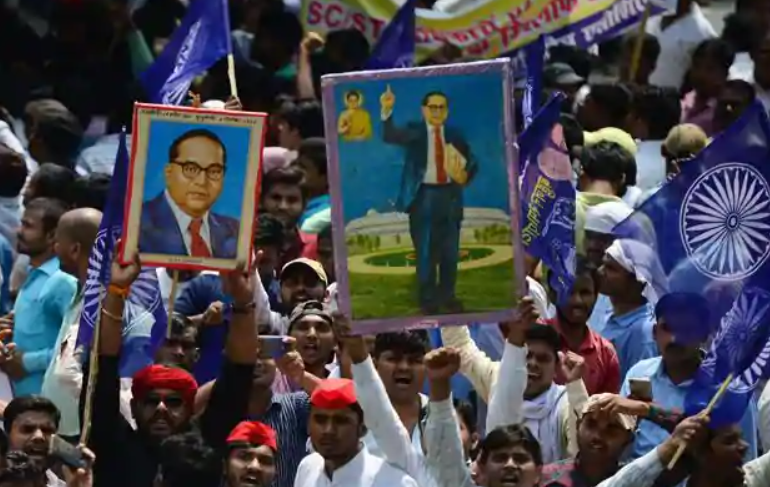
विश्लेषकों को याद होगा कि इस संघर्ष में तमाम लोगों को डॉ. अम्बेडकर द्वारा शुरू किए गए ऐतिहासिक महाड़ सत्याग्रह की झलक दिखायी दी थी जब मार्च 1927 में हजारों दलित एवं अन्य मानवाधिकारप्रेमी महाड़ के चवदार तालाब पर जुलूस की शक्ल में गए थे और वहां उन्होंने पानी पीया था। जानवरों को वहां पानी पीने से कोई मना नहीं करता था, मगर दलितों को रोका जाता था। (ज्यादा जानकारी के लिए देखें: Mahad – The Making of the First Dalit Revolt – Dr Anand Teltumbde, Navayana)
चकवारा में बाद में क्या हुआ इसके बारे में तो अधिकतर लोग नहीं जानते होंगे।
The attitude of respect and reverence towards fellow men is yet to develop in India.
Does anybody still remember the Dalits of Chakwara, a village around 50km from Jaipur in Rajasthan, who had launched a struggle to gain access to the pond in their village? It is more than 18 years since the Dalits, supported by human rights organisations, won that fight for water. Their undertaking had echoes with the historic struggle launched by Dr BR Ambedkar in March 1927 at Chavdar tank at Mahad to assert the equal rights of Dalits to water. It is well known to most people that while animals were allowed to use the water of this tank in present-day Raigad district of the state, the Dalits were not. Anand Teltumbde has described the events of this satyagraha in his book, Mahad: The Making of the First Dalit Revolt, published by Navayana in 2016.
But what happened at Chakwara after the Dalits started using the village pond is hardly known: the upper castes slowly stopped using the water from the pond once the Dalits gained access to it, saying it had become “impure”. Enraged by the assertion of the Dalits and keen to humiliate them for it, they dug up the village sewer and directed the waste water to their own village pond. There is no change in the status quo there.
Around 700km away, in Viramgam near Ahmedabad in Gujarat, a village cemetery used by Dalits was recently flooded with sewer water, a stark reminder that the gap of two decades has not changed the caste scenario in the country. The executioners of this sinister plan in Viramgam were the residents of two housing societies in which the well-off and educated middle classes live. For more than the last six months, the graves of the socially-disadvantaged Vankar, Chamar, Rohit, Dangasia, Shetwa and other communities have been surrounded by dirty water. The district administration did not intervene on behalf of the Dalits despite their repeated complaints. The fact that dignity after death is being denied to marginalised communities did not seem to rouse the administration.
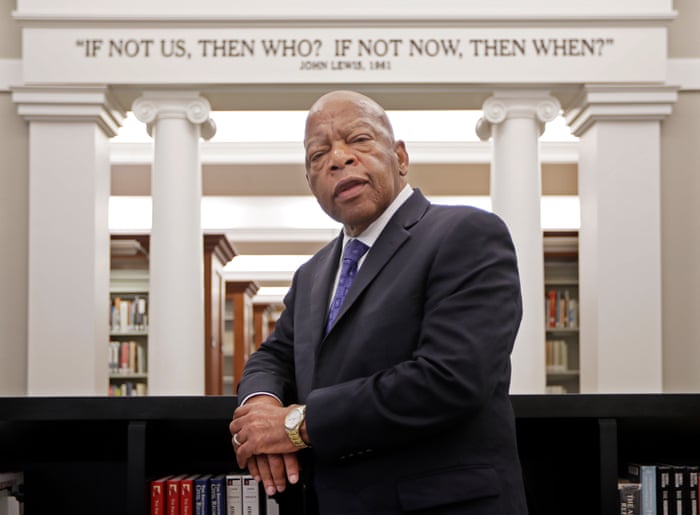
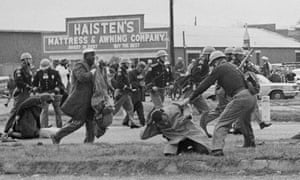
Legendary Civil Rights leader John Lewis died on 17 th July 2020.
An analyst wrote ”Lewis, a titan of the civil rights movement, died on Friday at the age of 80, severing a vital link with the generation that rose in the 60s to resist the US’s version of racial apartheid. The news was met with a depth of grief normally reserved for former presidents. Lewis transcended party politics and was truly admired and beloved.”
A state trooper beats John Lewis (kneeling, right) with a club in Selma, Alabama, in 1965. Lewis sustained a fractured skull in the assault. Photograph: unknown/AP
A CNN documentary entitled John Lewis: Good Trouble, quotes him: “I tried to do what was right, fair and just. When I was growing up in rural Alabama, my mother always said, ‘Boy, don’t get in trouble … but I saw those signs that said ‘white’, ‘colored’, and I would say, ‘Why?’
“And she would say again, ‘Don’t get in trouble. You will be beaten. You will go to jail. You may not live. But … the words of Dr King and the actions of Rosa Parks inspired me to get in trouble. And I’ve been getting in trouble ever since. Good trouble. Necessary trouble.”
Shakespeare said, what is past is prologue. A simple-minded rationalist may be contented to assume that past is fixed as it has already gone into the making of the present. Nothing can be done to change it. The truth however is that past is being ‘remade’ every day. Imaginations of ancient glories or of humiliating defeats in the distant past are being deployed in contemporary politics all across the world. This phenomenon has been a key element behind the resurgence of rightwing in many countries. Contemporary India is a calamitous example where a perverse variant of mass-democratic politics has been fashioned through the political ideology of Hindutva resulting in serious damage to democracy and to people’s welfare.
Contemporary politics is driven more pressingly to such ideological re-imaginings in the conditions of vigorously competitive electoral democracies. The phenomenon is far more pronounced in countries with a significant minority (religious, racial, linguistic-cultural etc.) that can be portrayed as a historical villain. The majority can, then, be mobilized through the political process of polarisation in which some historical-civilizational-social tectonic plate is deployed in the service of electoral-political objectives. India is a pre-eminent example of this tragic phenomenon.
Invariably, left and progressive forces find themselves handicapped in these circumstances. Attempts to prove that such polarising strategies based on re-imagining the past are malignant turn out to be politically ineffective. A typical response from such forces has been to counter the emotive with the economic and to challenge cultural nationalism with anti-colonial, anti-imperialist nationalism. These strategies have failed miserably. Other social and resistance movements too have attempted partial re-imagining of India’s past from the standpoint of traditionally oppressed communities (Dalit, feminist, native-ist, etc.). While offering some resources to the respective movements, these efforts have failed equally miserably in challenging the Hindutva’s cultural nationalism. The efforts of some of the liberal bourgeois forces, on the other hand, to gain ground by partly imitating the Hindutva forces (variants of soft hindutva) have been no more than a laughing stock. Continue reading Imagining India for Contemporary Politics- What Should the Left Do? : Ravi Sinha→
[Inaugural Lecture of ‘Democracy Dialogues’ Series ( Webinar) Organised by New Socialist Initiative, 12 th July 2020]
Join us on facebook.com/newsocialistinitiative.nsi for further updates
( Prof Suhas Palshikar, Chief Editor, Studies in Indian Politics and Co-director, Lokniti at the Centre for the Study of Developing Societies, delivered the inaugural lecture in the ‘Democracy Dialogues’ Series initiated by New Socialist Initiative.
In this lecture he attempted to trace the roots of the current moment of India’s democracy in the overall global journey of democracy, the extra-ordinarily ambitious and yet problematic foundational moment of Indian democracy and the many diversions India’s democracy has taken over time. He argued that unimaginative handling of the extra-ordinary ambition and Statist understanding of the ‘power-democracy’ dialectic formed the basis for easy distortions of democratic practice and that while populism and majoritarianism are the current challenges, they are by no means only special to the present and therefore, even as critique and course-correction of present political crisis is urgently required, a more long-term view of the trajectory of Indian democracy is necessary.
Here follows a detailed summary of his presentation prepared by Dr Sanjay Kumar)
How discrimination is integrated into the daily lives of the Indian diaspora still needs to be understood.
What happens to caste when Indians migrate to Western countries? Do their feelings of being born superior or inferior, their belief in the purity-pollution ethic, just melt away? The “model minority” has tried to avoid a conversation on this issue but it returns to haunt them time and again. Now the American state of California is at the centre of yet another caste controversy.
The last serious discussion around Indian-Americans and caste took place in 2015, when the California State Board of Education initiated a regular ten-year public review of the school curriculum framework. The conservative Hindu American Foundation (HAF) and the South Asian Histories for All Coalition (an interfaith, multi-racial, inter-caste coalition) clashed over HAF’s proposed interventions, which essentially sought to erase caste from the syllabus. The Coalition took the position that evidence and record of the injustices of caste and religious intolerance in South Asian must not be erased.
भीमा कोरेगाँव मामले तथा अन्य सभी मामलों में विचाराधीन लेखकों-मानवाधिकारकर्मियों को रिहा करो !
(न्यू सोशलिस्ट इनिशिएटिव, जन संस्कृति मंच, दलित लेखक संघ, प्रगतिशील लेखक संघ, जनवादी लेखक संघ, जन नाट्य मंच, इप्टा, प्रतिरोध का सिनेमा और संगवारी की ओर से जारी साझा बयान )
( Photo Courtesy : New Indian Express)
‘…कब डरता है दुश्मन कवि से ?
जब कवि के गीत अस्त्र बन जाते हैं
वह कै़द कर लेता है कवि को ।
फाँसी पर चढ़ाता है
फाँसी के तख़्ते के एक ओर होती है सरकार
दूसरी ओर अमरता
कवि जीता है अपने गीतों में
और गीत जीता है जनता के हृदयों में।’
–वरवर राव, बेंजामिन मोलेस की याद में, 1985
देश और दुनिया भर में उठी आवाज़ों के बाद अन्ततः 80 वर्षीय कवि वरवर राव को मुंबई के जे जे अस्पताल में शिफ्ट कर दिया गया है। राज्य की असंवेदनशीलता और निर्दयता का इससे बड़ा सबूत क्या होगा कि जिस काम को क़ैदियों के अधिकारों का सम्मान करते हुए राज्य द्वारा खुद ही अंजाम दिया जाना था, उसके लिए लोगों, समूहों को आवाज़ उठानी पड़ी। Continue reading वरवर राव को रिहा करो!→
क़ुव्वत ऐ फ़िकरो अमल पहले फ़ना होता है फिर किसी क़ौम की शौकत पे ज़वाल आता है
(किसी क़ौम के दबदबे या रौब में तब गिरावट आती है, जब उसकी सोचने-विचारने की ताक़त खत्म हो जाती है)
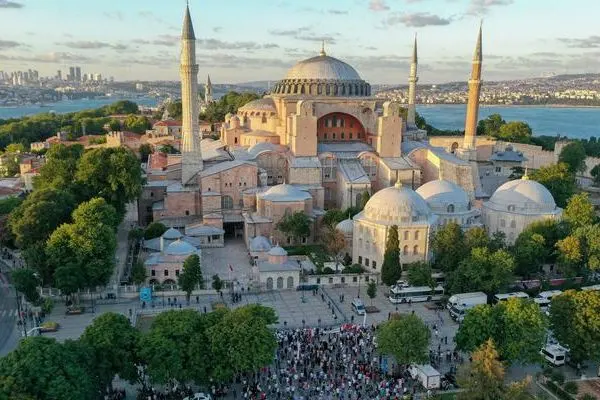
8 जुलाई 2020 को तुर्की के राष्ट्रपति तय्यप इरदुगान ने चर्च से मस्जिद फिर मस्जिद से म्यूजियम बना दी गयी ऐतिहासिक इमारत हय्या सोफ़िया को फिर से मस्जिद बनाने की घोषणा की इसके बाद 10 जुलाई को वहां के सुप्रीम कोर्ट ने इरदुगान के फैसले के पक्ष में फैसला दिया। इस घटना के बाद दुनिया भर के मुसलमानों में खुशी की लहर दौड़ गयी और पस्ती में डूबी हुई क़ौम को एक विजय का अहसास हुआ। इस घटना के बाद मैं इंटरनेट पर मुसलमानों की प्रतिक्रिया का अध्ययन करता रहा था। मैं इस तलाश में था कि इस घटना के विरोध में इसकी मज़्ज़मत में मुस्लिमो की तरफ़ से कोई तो आवाज़ सुनाई देगी लेकिन जहां तक इंटरनेट पर मैं ढूंढ पाया एक भी आवाज़ विरोध की नही मिल पायी जबकि समर्थन करती और खुशियां मनाती पोस्टें भरी पड़ी थी। मेरी नज़र में यह घटना वैसी ही है जैसी बाबरी मस्जिद ढहने की है और वहां के सुप्रीम कोर्ट का फैसला भी वैसा ही है जैसा नवम्बर 2019 में भारत के सुप्रीम कोर्ट ने बाबरी मस्जिद के संबंध में सुनाया। तुर्की में हय्या सोफिया को ढहाया नही गया लेकिन सांकेतिक रूप से माने तो यह ढहाने जैसा ही क़दम है। बाबरी मस्जिद, मंदिर तोड़कर बनाई गई अभी यह बात विवादित बनी हुई है लेकिन हय्या सोफिया 1453 से पहले चर्च था यह ऐतिहासिक रूप से प्रमाणित है। जब मुस्तफा कमाल अतातुर्क ने मस्जिद बना दिये गए चर्च को म्यूजियम में 1934 में बदला तब विवाद को समाप्त करने का उनका बहुत ही समझदारी भरा क़दम था मगर तुर्की राष्ट्रपति तय्यप इरदुगान ने कमाल अतातुर्क के सारे किये कराए पर अपने निजी स्वार्थ में पानी फेर दिया और दुनिया भर में मुसलमानों की जो खराब छवि बना दी गयी है उसको और खराब कर दिया। उनके इस काम से मुसलमानों की जो बुनियादी समस्याये हैं वो हल होने की जगह और बढ़ गईं। Continue reading तुर्की – गैर धर्मनिरपेक्ष रास्ते पर : मुशर्रफ अली→
भारतीयों के मन में व्याप्त दोहरापन यही है कि वह ऑस्ट्रेलिया में भारतीय छात्रों पर होने वाली ज़्यादतियों से उद्वेलित दिखते हैं, पर अपने यहां के संस्थानों में आए दिन दलित-आदिवासी या अल्पसंख्यक छात्रों के साथ होने वाली ज़्यादतियों को सहजबोध का हिस्सा मानकर चलते हैं.
(फोटो: रॉयटर्स)
‘जाति समस्या- सैद्धांतिक और व्यावहारिक तौर पर एक विकराल मामला है. व्यावहारिक तौर पर देखें तो वह एक ऐसी संस्था है जो प्रचंड परिणामों का संकेत देती है. वह एक स्थानीय समस्या है, लेकिन एक ऐसी समस्या जो बड़ी क्षति को जन्म दे सकती है. जब तक भारत में जाति अस्तित्व में है, हिंदुओं के लिए यह संभव नहीं होगा कि वह अंतरजातीय विवाह करें या बाहरी लोगों के साथ सामाजिक अंतर्क्रिया बढ़ाएं. और अगर हिंदू पृथ्वी के दूसरे हिस्सों में पहुंचते हैं, तो फिर भारतीय जाति विश्व समस्या बनेगी.’
– डॉ. बीआर आंबेडकर (1916)
वर्ष 1916 के मई महीने में कोलंबिया विश्वविद्यालय में मानव वंशशास्त्र विभाग में सेमिनार में डॉ. आंबेडकर ने ‘भारत में जाति- उनकी प्रणाली, उनका उद्गम और विकास’ (Castes In India- Their Mechanism, Genesis and Development) पर अपना पेपर पढ़ा था.
पेपर पढ़ते हुए उन्होंने इस बात की भविष्यवाणी की थी कि किस तरह एक दिन जाति विश्व समस्या भी बनेगी, उनके बोल थे, ‘अगर हिंदू दुनिया के दूसरे हिस्सों में पहुंचते हैं, तो फिर भारतीय जाति विश्व समस्या बनेगी.’
उनके इस वक्तव्य के 104 साल बाद उसी अमेरिका के कैलिफोर्निया से आई यह खबर इसी बात की ताईद करती है.










 KAFILA - COLLECTIVE EXPLORATIONS SINCE 2006