
If there is one thing, besides the pervasive Islamophobia in Kerala in both the Left and Right, that the Hadiya case reveals, it is the deeply entrenched commitment to patriarchy everywhere — on the Right, Left, the radical civil society, wherever. Continue reading Judicial Ghar Wapsi : Update on the Hadiya Case
Category Archives: Bad ideas
Time for Akhara ‘certified’ Babas?
For a law against Superstition at the National Level

( Image Courtesy : http://antisuperstition.org/faith-in-time-of-rationality/)
These are really ‘bure din‘ for the spiritual gurus of India.
While the likes of Ram Rahim, Asaram Bapus and Rampal are cooling their heels behind bars for their not so spiritual acts, Sant Swami Bhimanand Ji Maharaj Chitrakoot Wale who is also known as “Ichadaari Baba” among his followers has also joined them for running a high profile sex racket.
It was unprecedented in recent history that Odisha had witnessed mass movements targeting many such Babas/spiritual gurus which had compelled the state government to arrest few of them. In fact the judiciary had also expressed grave concern over such Babas masquerading as spiritual leaders, robbing innocent followers of money and leading a “licentious life”.(https://www.telegraphindia.com/1160528/jsp/odisha/story_88018.jsp) Continue reading Time for Akhara ‘certified’ Babas?
Statement Against Genocide and Deportation of Rohingya Muslims
Violence is sweeping Myanmar and in a short span of two weeks lakhs of ethnic Rohingya refugees have fled to Bangladesh and thousands have lost their lives. Satellite data shows, large parts of the Rakhine state, home to most of the Burmese Rohingya population have been set on fire, and murders, rape, arson, loot and forced displacement of the Rohingya population is taking place on a scale, that should be alarming for all humanity. Even the UN secretary general has called out to Mayanmar to end violence against the Rohingya and Nobel laureate Desmond Tutu has urged Mayanmar state Councillor Aung San Suu Kyi to speak out against the persecution of the Rohingya. The tragedy facing the Rohingya is of an unprecedented scale and needs to be addressed with a sense of utmost urgency.
As Indian citizens, we need to break the silence on ethnic violence against the Rohingya and the unconstitutional proposed deportation of a wide and long-residing Rohingya community from India, to certain death that awaits them in Myanmar. The Rohingyas have been living as a peaceful refugee community in various parts of India since the 1970s, with no criminal records or history of crime. Let us not be a part of this genocide. Let us stand up for justice and humanity, and raise our voice against the killings, displacement and deportation of the Rohingya!
Continue reading Statement Against Genocide and Deportation of Rohingya Muslims
Poo’, poo’ Dilip and his Valiant Knights
Poo’ poo’ Dilip is an effect of the discourse on the Malayalam cine actor Dilip , who is facing trial for his alleged involvement in the conspiracy behind the despicable attack on a young woman actor in Kochi in February 2017. Now, as his next bail plea (thrice refused) draws near, there seems to be a concerted effort to produce public sympathy for the jailed actor – which has produced its own discourse, much to the distaste of those who feel that the wronged actor, and not the one accused of wrong-doing, needs to be supported. Poo'(r) Poo'(r) Dilip is a direct (and feminist) translation of the funny distortion of the piece of sentimental shit going around social media on his behalf – Dilip paavamaa, eda (Dilip is a nice guy, bro). Continue reading Poo’, poo’ Dilip and his Valiant Knights
पाकिस्तान का वर्तमान अब भारत का भविष्य नज़र आने लगा है
शब्द और विचार हर किस्म के कठमुल्लों को बहुत डराते हैं. विचारों से आतंकित लोगों ने अब शब्दों और विचारों के ख़िलाफ़ बंदूक उठा ली है.

Gauri, you are more than a memory
You are a direction
For a world that should not be!
– K P Sasi
1
कुछ लोग जीते जी किवदंती बन जाते हैं. कन्नड़ भाषा के अग्रणी हस्ताक्षर पी लंकेश (जन्म 8 मार्च, 1935) ऐसे ही शख़्सियतों में शुमार किए जा सकते हैं. समाजवादी आंदोलन से ताउम्र सम्बद्ध रहे लंकेश, जो कुछ समय तक अंग्रेज़ी के प्रोफेसर भी रहे.
आज भी उनकी अपनी साप्ताहिक पत्रिका ‘लंकेश पत्रिके’ के लिए याद किए जाते हैं, जो उत्पीड़ितों, दलितों, स्त्रियों और समाज में हाशिये के तबकों का एक मंच बनी थी, जिसने कन्नड़ भाषा में आज सक्रिय कई नाम जोड़े, जो उसूल के तहत विज्ञापन नहीं लेती थी और एक समय था जब उसकी खपत हज़ारों में थी और उसके पाठकों की संख्या लाखों में.
लंकेश के बारे में मालूम है कि 25 जनवरी, 2000 को अपने साप्ताहिक का संपादकीय लिख कर सोने चले गए तो फिर जगे ही नहीं. कर्नाटक का समूचा विचारजगत स्तब्ध था. इसे विचित्र संयोग कहा जाना चाहिए कि दिल का दौरा पड़ने से हुई उनकी मौत के सत्रह साल आठ महीने और दस दिन बाद महज कर्नाटक ही नहीं, पूरे देश का विचारजगत स्तब्ध है, जब उनकी बड़ी बेटी गौरी लंकेश की मौत की ख़बर लोगों ने सुनी है, जो हत्यारों की गोलियों का शिकार हुईं.
( Read the full text of the article here : http://thewirehindi.com/18088/gauri-lankesh-murder-fundamentalist-dissent/)
Indian State, Society and ‘Public’ Through the Lens of Panchkula Killings : Sanjay Kumar
Guest Post by Sanjay Kumar
Nearly forty people were killed last Friday (25th August) during public disturbances at Panchkula in Haryana after the CBI court verdict in the rape case of Gurmeet Ram-Rahim. Surprisingly, even though these people died in public, till Tuesday, little information was available on how were they killed. The burning, arson and assault by followers of Ram-Rahim hogged the attention of media, state administration and judiciary. Yet, a deafening silence reined on the cause of death of forty people! It is as if the media, state administration, and judiciary, had implicitly assumed that people indulging in arson after conviction of a rapist deserve to be killed any way. Continue reading Indian State, Society and ‘Public’ Through the Lens of Panchkula Killings : Sanjay Kumar
A letter to Kummanam-ji, but also to all Pujya/Poojya/Poo Hindutva fanatics from Kerala, in the wake of revolution in the prasad-giving practices in Haryana
Dear Kummanamji
This is to let you know how the events presently unfolding in Dharmakshetra- kurukshetra (or at least its vicinity) are making even me, a lapsed sudrathy from Kerala, more and more creative about convincing your masters in Delhi that Hindutva fanatics in Kerala are no less worthy of kind consideration than their own home-grown fanatics. Actually, is this not the time you should be making a splash? Alas, despite your earnest efforts, these days, the Kerala police (and even your arch-enemies in Kerala, though they seem to be a bit less enthusiastic these days), take all the credit of minority-bashing and gender-criminalising. And the best you can do is go home to home telling Hindu women to cover up etc. and shout at Muslim groups doing the same, accusing them of nearly the same acts.
My ex-sudra blood boils perhaps when I notice how in the course of post-independence history, Kerala politicians in Delhi with the exception of a few of the likes of AK Gopalan, have performed mostly sudravritti especially after the 1980s even when they were in powerful posts (often clearing the shit your predecessors have made according to the instructions from above and to the extent to which they permit). Now is your chance, I think, to rise, or at least put your head above the ground. Continue reading A letter to Kummanam-ji, but also to all Pujya/Poojya/Poo Hindutva fanatics from Kerala, in the wake of revolution in the prasad-giving practices in Haryana
The True Bargain : How Dr. Ram Rahim Singh Insaan Defined His Time
[ Random notes made in the wake of the conviction of Dr. Baba Ram Rahim Singh Ji Insaan of Dera Saccha Sauda for the offense of rape in Panchkula, Haryana, with some attention paid to the testimonials of his close friends. ] Continue reading The True Bargain : How Dr. Ram Rahim Singh Insaan Defined His Time
The Heavy Footsteps of Brahmanical Dandaneethi : The Hadiya Case
It appears that for women in India, the modern judiciary is fading and in its place, the terrifying face of Brahmanical Dandaneethi is emerging. A ten year old rape victim is denied abortion, women fleeing dowry harassment are to submit to the rule of local elders and leaders of ‘family welfare committees’, and now, in the Hadiya case, the judges declared that unmarried daughters should be under their parents according to ‘Indian tradition’.
Read more: https://thewire.in/169543/hadiya-islam-conversion-supreme-court/
Academic Community stands firmly with JNUSU President; 100+ academicians, activists, writers issue statement of solidarity
Guest Post by Shehla Rashid on behalf of the signatories
We, the undersigned, are deeply shocked by the shameful attempts by JNU Administration to crush dissent in the University through imposition of arbitrary fines on student activists, denial of registration to students engaged in protests against the administration, including the elected President of the Students’ Union, Mohit Pandey. We stand in solidarity with the JNUSU President who has decided not to pay the arbitrarily imposed fine of 20,000. Many more Students’ Representatives and activists of JNU campus are facing 5-6 inquiries and false FIRs for raising students’ issues.
It is also shocking that a duly elected representatives of the students is being fined such massive amounts for merely raising students’ issues. Several other students have paid the fines, in order to be allowed to register, being forced to succumb under the threat of having their registration held up. Several students with pending inquires are not getting their degree- mark sheets and unable to continue their studies further. This amounts to imposition of a tax/fee on dissent, thereby creating a chilling effect on freedom of expression in the University. This is unacceptable in a University where knowledge creation is contingent upon freedom of ideas.
We call upon the JNU administration to display maturity and stop penalising alternative viewpoints. The current fine of Rs. 20,000 that the JNUSU President is being asked to pay for restoration of his studentship pertains to an instance of anti-administration protests led by the students’ union against the complicity of the JNU Administration in the disappearance of an M.Sc. Biotechnology student named Najeeb Ahmed following a mob assault on him by members of a students’ group affiliated to the ruling party – who were indicted for the assault by a report of the Proctor’s Office, but shielded by the higher ups in the administration, leading the then Proctor to resign from office.
So, the students guilty of leading the lynch mob against Najeeb Ahmed were given no punishment at all, whereas students protesting against his disappearance – who were demanding that the JNU Administration should file a police complaint in the matter – were fined Rs. 20,000 each! Ever since the JNU VC has been appointed by the present government, students not belonging to the ruling party student group have been systematically targeted and penalised for speaking out. There is no record of similar fines upon right-wing groups which routinely engage in vandalism on campus. This clearly amounts to blatant viewpoint discrimination and also serves as a green signal to lynch mobs on campus.
The JNU Administration is using an archaic statute in the book to ban protests at the Administration Block. However, JNU has always had a healthy culture of dissent and protest. Protests against the administration have always been held outside the administration block itself. That the protests disturb the working of the administration is the most dubious pretext for crushing dissent, as there have been historic student movements on JNU campus which have only made the University stronger, its academic traditions more robust and its intellectual environment more egalitarian.
We, therefore, demand that
1) the JNU administration must end its petty tactics of penalising dissent;
2) JNUSU President, Mohit Pandey, must be allowed to register for the next academic semester, unconditionally;
3) all fines against students being imposed for the mere act of protest must be revoked unconditionally;
4) JNU Administration must stop trying to deprive students of the right to protest at the Administration Block, and engage, instead in dialogue with the elected students’ body without bias against the ideology held by the student union representatives;
5) JNU Administration must punish the students who assaulted Najeeb Ahmed, resulting in his disappearance.
Sd/-
Prof. Anand Teltumbde, Senior Professor, Goa Institute of Management
Prof. Anil Sadgopal, Former Dean, Faculty of Education, University of Delhi; Member, Presidium, All India Forum for Right to Education
Dr. Rohan D’Souza, Associate Professor, Kyoto University, Japan
Prof. Chaman Lal, Retired Professor, JNU; Former President, JNUTA
Prof. Nivedita Menon, Professor, Centre for Comparative Politics and Political Theory, School of International Studies, JNU, New Delhi
Jairus Banaji, Research Professor, SOAS, University of London
Prof. Laxman Gaddam, Professor of Commerce, Osmania University
Anwesha Sengupta, Assistant Professor, Institute of Development Studies, Kolkata
Arvind, Professor, IISER Mohali
Rana Partap Behal, Associate Professor (Retd.), Deshbandhu College, University of Delhi. Association of Indian Labour Historians.
Madhu Kushwaha, Professor, BHU
Brinda Bose, Associate Professor, JNU
Debaditya Bhattacharya, Assistant Professor, Nivedita College, University of Calcutta
Dr. Rohini Hensman, Writer and Independent Scholar
Anand Mathew, Director, Prerana Kala Manch, Varanasi
Mary E John, Researcher, Centre for Women’s Development Studies
Padma Velaskar, Professor (Retd.), Tata Institute of Social Sciences
Ravi Kumar, Associate Professor, South Asian University
Ritajyoti Bandyopadhyay, Assistant Professor, IISER Mohali
R. Nandakumar, Art Historian, IGNCA
Madhu Prasad, Associate Professor (Retd.), Zakir Hussain College, DU
K. Laxminarayana, Professor, Hyderabad Central University
Jean Chapman, Adjunct Professor, Concordia University, Montreal, Quebec, Canada
T K Arun, Editor, Opinion, The Economic Times
John Cherian, Journalist, Frontline
Teesta Setalvad, Journalist, Activist, Educationist; Citizens for Peace and Justice; Sabrang India
Ravindra Tomar, Senior Researcher, Parliament of Australia
Manorama Sharma, Retired Professor, NEHU
Dr. Sushmita Sengupta, Associate Professor, NEHU
Prof. K. Chakradhar Rao, Member, Presidium, All India Forum for Right To Education
Perumal Vijayan, Research Associate, University of Saskatchew
Sangeeta Chatterji, Doctoral Candidate, Rutgers, The State University of New Jersey
Mohd Mushtaq, Assistant Professor, Govt. Degree College, Baramulla, J&K
Hiren Gohain, Retired University Teacher
Nandini Rao, Social Activist, JNU Alumnus
Devyani Borkataki, Activist, Northeast Network
Kiran Shaheen, Director, Media Action Group
Wilfred Dcosta, Convenor, Indian Social Action Forum (INSAF)
Firoz Ahmed, Teacher, Lok Shikshak Manch
Manoj Chahal, Research Scholar, University of Delhi
Manuj Mukherjee, Ph.D. Scholar, Indian Institute of Science
Sanjay Palshikar, Professor, University of Hyderabad
Dr Navneet Sharma, Assistant Professor, Central University of Himachal Pradesh
Bhangya Bhukya, Associate Professor, University of Hyderabad
Abani K Bhuyan, Professor, University of Hyderabad; President of the University of Hyderabad Teachers’ Association
Dr. G. Vijay, Assistant Professor, University of Hyderabad
Sohail Hashmi, Freelance Writer, Filmmaker, JNU Alumnus
Nikhil Kumar, Policy Analyst
Roger Alexander, Independent Journalist, Pink City Press Club
Saeed Haider, Associate Editor, Saudi Gazette
Rajesh, Activist, Lok Shikshak Manch
N.D. Jayaprakash, JNU Alumnus
Anjal Lele, Travel Consultant; former JNU Student
Dr. Vikas Bajpai, Assistant Professor, Centre for Social Medicine and Community Health, Jawaharlal Nehru University
Indira C, Public Health Researcher; Consultant
Rashmi Kumari, Ph. D., Jawaharlal Nehru Univerity
Dr. C. Sadasiva, Associate Professor, Deptt. of Botany, Dyal Singh College, University of Delhi
Sajid, National Vice-President, Campus Front of India; Ph.D. Scholar, JNU
Shehla Rashid Shora, Research Scholar, JNU
Mohit P Gandhi, Ph.D. Scholar, CSMCH, JNU
Vasanthi Gupta, Academician; JNU Alumnus
Apurba K. Baruah, Retired Professor, North Eastern Hill University, Shillong
K. Laxminarayana, Professor, University of Hyderabad
Dayaram Yadav, Former General Secretary
Dr. M. Gangadhar, Chief Editor, Adhyapaka Jwala; Democratic Teachers’ Federation, Telangana
Avinash Chandra Jha, former Associate Professor; former JNU student
Mohan Rao, Professor, JNU
Shashwati Goswami, Research Scholar, CSMCH, JNU
Joby Joseph, Associate Professor, University of Hyderabad
Sumegha, student, JNU
Caroline C. Netto, Ph.D. Scholar, JNU
Ramesh Patnaik, Former General Secretary, JNUSU
Sri Raghunath Joshi, Professor (Retd.)
Thokchom Surjit Singh, Social Activist; All India forum for Right to Education
Ratan Kumar, Ph.D. Scholar, Centre for Historical Studies, JNU
Susmit Isfaq, Student, NLU Assam; Students’ Federation of India
Roobala, Ressearch Scholar, Indian Institute of Science
Himangshu Baruah, student
D N Reddy, Professor of Economics (Retd.), University of Hyderabad
Akshay Pathak, General Secretary, AIRSO
K Venugopal, Chief Editor, Upadhyaya Dharshini
B Sudha, Retird Teacher, TPTF
M. Raghushankerreddy, State President, Democratic Teachers’ Federation; All India Forum for Right to Education
Aviroop Sengupta, Ph.D. Scholar, Centre for Historical Studies, JNU
M. Balakumar, Headmaster; DTF
Arunank, State General Secretary, Democratic Students’ Union, Telangana
V. Raji Reddy, HM, Democratic Teachers’ Federation
Manjari Gupta, Post Doctoral Fellow, HRI
M. Somaiah, Teacher; State Vice-President, DTF
Vijay Kumar, Central Committee Member, CPI(ML) Red Star
Somasekharasarma, Retd. English Lecturer; AIFRTE
Kalyani Menon Sen, JNU Alumnus, (1977 batch)
T. Sobha Rani, Associate Professor, University of Hyderabad
Shephali Frost, Writer, Poet, Musician
Srinivas Reddy A., Teacher, Democratic Teachers’ Federation
Bittu Karthik, Associate Professor, Ashoka University
Shuddhabrata Sengupta, Artist / Writer, Raqs Media Collective, Delhi
Madhu, State Secretary, Democratic Teachers’ Federation
Suraj Beri, Doctoral Candidate, Centre for the Study of Social Systems, JNU
Vijay Shankwe Choudhary, Producer/Director Films and Television, former JNU Student (1972-81 batch)
Shilpa Shital, Research Scholar, IIT Delhi
Partho Sarothi Ray, Assistant Professor, IISER Kolkata
Nupur, Research Scholar, JNU
Susie Tharu, Retired Professor, EFLU
Sarwat Ali, Associate Professor, IASE (Jamia Millia Islamia)
Dyuti, Researcher and Activist
P. S. Mukherjee, Founder Member, Friends of Latin America-India
D. M. Diwakar, Professor, A N Sinha Institute of Social Sciences, Patna, Bihar
Muzaffar Ahmad Dar, Research Scholar, Centre for Historical Studies, JNU
Aishik Gupta, Activist
Aijaz Ahmed, Lecturer, Shinas College of Technology, Ministry of Manpower, Oman
Vandana Mahajan, Independent Development Practitioner, Feminist Movement for Equality, Justice and Non-discrimination
Afzal Hussain, Masters Student, CAAS, JNU
Masood Ahmed Azhar, Research Scholar, JNU; NSUI
Harshad Tayade, Engineering Student, Pune University
Shivam, Student, University of Hyderabad
Dharti Putra, Student, BIT Sindri, Dhanbad, Jharkhand
In JNU, the Struggle to Define the University: Kartik Maini
Guest post by KARTIK MAINI
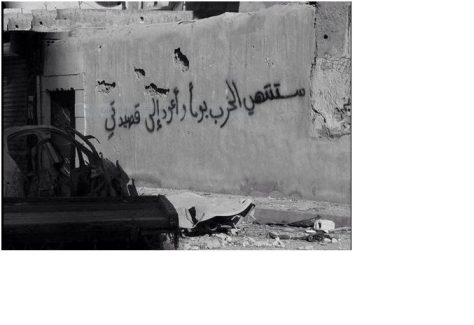 One day, the war will end, and I will return to my poetry
Contemporary India loves its army. For a civilisation that defines itself as intrinsically nonviolent, we do also love our wars.
On 23 July, 2017, Vice Chancellor Jagadesh Kumar, students of the Jawaharlal Nehru University, and members of Veterans India – a collective of ex-servicemen, gathered to commemorate the Kargil Vijay Diwas. The impulse of the commemoration is two-fold – it is a celebration of the Indian army’s reclamation of Kargil from Pakistani encroachment, as also an occasion to mourn the war’s martyrs who sacrificed their lives in service of the nation. For a university, commemoration should involve a quiet moment of reflection on the enormous human costs of war.
Continue reading In JNU, the Struggle to Define the University: Kartik Maini
“No research please, we are college teachers” – On the HRD Ministry’s latest bright idea.
A version of this piece appeared yesterday in The Wire
“I would like to thank Huddersfield University for enabling me to have a sabbatical semester to work on this revised edition and for providing such a supportive environment. Thanks to many of the students on my Women, Power and Society module for their hard work and enthusiasm.”
That is the dedication in a book by British scholar and teacher Valerie Bryson – a text I often use for teaching at a college in Delhi University. Evidently, Bryson found her teaching and research lives complementing each other beautifully, as have thousands of university and college teachers who have had the luck to have what she calls a “supportive” professional and academic environment. What are the elements of this support? A sabbatical semester or year every once in a while, ready research facilities within the college premises or nearby, and an opportunity to formulate teaching courses that ally with your research focus. With these elements in place, both teaching and research benefit dramatically.
Until recently, college teachers in this country had the first two conditions. They were given in their entire careers – say from the age of 26 or 27 when one normally began teaching at a college to the age of 65 – three years of paid study leave to pursue or finish their PhDs (with the usual conditions and caveats including a strict bond that they signed with college promising to return the three years’ pay if the PhD remained incomplete, or if they resigned upon return to the institution) and a further two years of (until recently, paid and now invariably unpaid or “extraordinary”) leave to take a break from teaching and pursue a postdoctoral or visiting fellowship at a research institute.
Have Indian Muslims become the new ‘Make in India’ Punching Bag? Sabiha Farhat
Guest Post by Sabiha Farhat
[ A month ago from yesterday, a teenager called Junaid was lynched and murdered on a train in Haryana. Sabiha Farhat writes in the wake of visiting his house and meeting his family. The news cycles may have moved on to other stories, but we need to keep remembering Junaid, and why he was killed. – Kafila]
Once upon a time there was a 15 year old boy called Hamid, who went shopping on the day of Eid with his Eidi . A few days ago there was Junaid who went shopping on the eve of Eid. Premchand’s Hamid was an orphan and lived with his grandmother in extreme poverty. Junaid lived surrounded with love of his brothers, a sister, a doting mother, father and friends. Instead of the old, decrepit house of Hamid, Junaid’s house has two rooms, it is not falling apart but it’s size and unplastered walls, do speak about the economic condition of his family.
As we approached Khandawli, Junaid’s village in Ballabhgarh a fear gripped me. I did not have the courage to walk upto the house. Junaid was brutally murdered on 22nd and here I was on 25th. It was too soon, my mind said. I should have let Eid pass. But how could I have prepared Sewai in my house when a mother like myself had lost a young, healthy, happy child to hindutva fanatics? I am a mother, I was angry and ashamed at home. And here, standing outside Junaid’s door, I was weak and helpless. Useless too.
Continue reading Have Indian Muslims become the new ‘Make in India’ Punching Bag? Sabiha Farhat
Promoting Superstition – Everything Official About It !

Bhupendra Singh Chudasama, Education minister of Gujarat and his colleague Atmaram Paramar, who handles the Social Justice Ministry, were in the news sometime back- albeit for wrong reasons. A video went viral which showed them participating in a felicitation ceremony of exorcists in Botad. They were also seen watching how a couple of the exorcists were beating themselves with metal chains to live music near the stage.
Perhaps it did not matter to them that the Constitution frowns upon such activities and Article 51A (h) of the Indian constitution clearly says that it shall be a fundamental duty of all citizens “to develop the scientific temper, humanism and the spirit of inquiry and reform.” Neighbouring state Maharashtra has even enacted a law (The Maharashtra Prevention and Eradication of Human Sacrifice and other Inhuman, Evil and Aghori Practices and Black Magic Act, 2013) to rein in all such activities and it criminalises practices related to black magic, human sacrifices, use of magic remedies to cure ailments and other such acts which exploit people’s superstitions. And it was a culmination of a prolonged movement led by activists led by Dr Dabholkar – who even faced martyrdom for his activities. Continue reading Promoting Superstition – Everything Official About It !
No Flag Large Enough – Jubilation in India and Collateral Damage in Kashmir
The recent incident of violence that led to the death of a police officer, DSP Ayub Pandith, was condemned by all kinds of people in Kashmir, as well as elsewhere. It prompted introspection, sadness and regret – like any tragedy of this nature should.
Yesterday two unarmed civilians, Tahira Begum, a forty three year old woman and a young man called Shahdab Ahmed Chopan of Brenty Batapora Village in Anantnag district in South Kashmir were killed along with two Kashmiri combatants (Bashir Ahmed Lashkari and another person who may or may not be called Abu Maz) in the course of a joint operation by the 19th Rasthriya Rifles of the Indian Army, CRPF and the Special Operations Group of Jammu & Kashmir police.
Continue reading No Flag Large Enough – Jubilation in India and Collateral Damage in Kashmir
प्रधानसेवक का मौन
ऊपर से शांत दिखने वाली भीड़ का हिंसक बन जाना अब हमारे वक्त़ की पहचान बन रहा है. विडंबना यही है कि ऐसी घटनाएं इस क़दर आम हो चली हैं कि किसी को कोई हैरानी नहीं होती.

15 वर्ष का जुनैद ख़ान, जिसकी चाहत थी कि इस बार ईद पर नया कुर्ता पाजामा, नया जूता पहने और इत्र लगा कर चले, लेकिन सभी इरादे धरे के धरे रहे गए. उसे शायद ही गुमान रहा होगा कि ईद की मार्केटिंग के लिए दिल्ली की उसकी यात्रा ज़िंदगी की आख़िरी यात्रा साबित होगी. दिल्ली बल्लभगढ़ लोकल ट्रेन पर जिस तरह जुनैद तथा उसके भाइयों को भीड़ ने बुरी तरह पीटा और फिर ट्रेन के नीचे फेंक दिया, वह ख़बर सुर्ख़ियां बनी है.
दिल्ली के एम्स अस्पताल में भरती उसका भाई शाकिर बताता है कि किस तरह भीड़ ने पहले उन्हें उनके पहनावे पर छेड़ना शुरू किया, बाद में गाली गलौज करने लगे और उन्हें गोमांस भक्षक कहने लगे और बात बात में उनकी पिटाई करने लगे. विडम्बना है कि समूची ट्रेन खचाखच भरी थी, मगर चार निरपराधों के इस तरह पीटे जाने को लेकर किसी ने कुछ नहीं बोला, अपने कान गोया ऐसे बंद किए कि कुछ हुआ ही न हो.
ट्रेन जब बल्लभगढ़ स्टेशन पर पहुंची तो भीड़ में से किसी ने अपने जेब से चाकू निकाल कर उन्हें घोंप दिया और अगले स्टेशन पर उतर कर चले गए. एक चैनल से बात करते हुए हमले का शिकार रहे मोहसिन ने बताया कि उन्होंने ट्रेन की चेन भी खींची थी, मगर उनकी पुकार सुनी नहीं गई. इतना ही नहीं, रेलवे पुलिस ने भी मामले में दखल देने की उनकी गुजारिश की अनदेखी की.
विडंबना ही है कि उधर बल्लभगढ़ की यह ख़बर सुर्ख़ियां बन रही थी, उसी वक़्त कश्मीर की राजधानी श्रीनगर की मस्जिद के बाहर सादी वर्दी में तैनात पुलिस अधिकारी को आक्रामक भीड़ द्वारा मारा जा रहा था. जुनैद अगर नए कपड़ों के लिए मुंतज़िर था तो अयूब पंडित को अपनी बेटी का इंतज़ार था जो बांगलादेश से पहुंचने वाली थी.
( Read the full article here : http://thewirehindi.com/12095/mob-lynching-and-india/)
The method in madness and the case of Adarsha Vidyalayas in Assam : Delhi Action Committee for Assam
Statement by Delhi Action Committee for Assam
(Protest in Guwahati against unconstitutional and discriminatory policy of the Assam govt. in teacher recruitment, organised by KMSS on 19 June 2017 (Photo courtesy: Amar Asom)
In an unconstitutional and discriminatory move, the Education Department of the Assam government has recently come up with a notification that bars candidates who have studied in the vernacular medium from appearing for the Special Teachers Eligibility Test (TET) for Graduate Teachers in the Adarsha Vidyalayas in Assam. The advertisement No. RMSA/Special TET/842/2017/2 dated 7 June 2017, issued by the Secondary Education Department of the state government states: “The candidates must be passed out from English Medium Schools as Adarsha Vidyalayas are CBSE affiliated English Medium School (sic).” To further clarify the matter, the Education Minister of the state, Himanta Biswa Sharma, said in a press conference that those who studied in Assamese or vernacular medium schools do not have the essential ability to teach in English medium schools. Mr. Sharma not only ridiculed and questioned the qualifications of those who studied in the vernacular medium but also invalidated the entire vernacular medium education system of the state. Continue reading The method in madness and the case of Adarsha Vidyalayas in Assam : Delhi Action Committee for Assam
Boycott Republic TV – the hounding of S. P. Udayakumar
Is it not time for this channel that sets new lows with each programme, to be totally boycotted by all right-thinking people?
Don’t watch Republic TV, don’t participate in its programmes.
Dr SP Udayakumar’s complaint to the Press Council of India follows. He is
Coordinator, People’s Movement Against Nuclear Energy (PMANE) and
Pachai Tamizhagam Katchi (Green Tamil Nadu Party)
June 21, 2017
Hon’ble Mr. Justice Chandramauli Kumar Prasad
The Chairman, Press Council of India
Dear Sir:
Greetings! I write to bring your kind attention to the ongoing deceit and harassment of me and my family by Mr. Arnab Ranjan Goswami and a few of his colleagues such as Shweta and Sanjeev from the Republic TV.
On April 8, 2017, one “Shweta Sharma” (I later found out that her real name was Shweta Kothari) came to my home at Nagercoil and introduced herself as a “research scholar” from the Cardiff University in the UK. She asked for my help with her dissertation research. She had been accompanied by her “local friend” Sanjeev. I gave her several books and answered her questions.
On April 9, 2017 she requested me to stop by her hotel room as she had a few more questions. There she told me that “one of her British professors” was very keen on supporting our struggle against the Koodankulam nuclear power plant. I told her that we did not accept money from foreigners and our movement had no bank account also. She then asked me if there was any other way of donating money to us. I told her that my personal account was frozen and that even our party account could not receive foreign funds.
धर्म का बोझ और बच्चे
आखिर जिन छोटे बच्चों को क़ानून वोट डालने का अधिकार नहीं देता, जीवनसाथी चुनने का अधिकार नहीं देता, उन्हें आध्यात्मिकता के नाम पर इस तरह जान जोखिम में डालने की अनुमति कैसे दी जा सकती है?

17 साल का वर्षिल शाह – जिसने 12 वीं की परीक्षा में 99.93 परसेन्टाइल हासिल किए, अब इतिहास हो गया है.
दुनिया उसे सुविरा महाराज नाम से जानेगी और वह अपने गुरु कल्याण रत्न विजय की तरह बाल भिक्खु में शुमार किया जाएगा, ऐसे लोग जिन्होंने बचपन में ही जैन धर्म की दीक्षा ली और ताउम्र जैन धर्म के प्रचार में मुब्तिला रहे.
बताया जा रहा है कि इन्कम टैक्स आफिसर पिता जिगरभाई शाह और मां अमीबेन शाह ने अपनी सन्तान को बिल्कुल ‘धार्मिक’ वातावरण में पाला था, उनके घर में टीवी या रेफ्रिजरेटर भी नहीं था और बिजली का इस्तेमाल भी बहुत जरूरी होने पर किया जाता था क्योंकि शाह दंपति का मानना था कि उर्जा निर्माण के दौरान पानी में रहने वाले जीव मर जाते हैं, जो जैन धर्म के अहिंसा के सिद्धांत के खिलाफ पड़ता है.
वर्षिल-जो अभी कानून के हिसाब से वयस्क नहीं हुआ है, जो वोट भी डाल नहीं सकता है, यहां तक कि अख़बारों में प्रकाशित उसकी तस्वीरों में मासूमियत से भरे उसके चेहरे को भी देखा जा सकता है- के इस हालिया फैसले ने बरबस तेरह साल की जैन समुदाय में जन्मी हैदराबाद की आराधना (जो चार माह से व्रत कर रही थी) के बहाने उठी बहस को नए सिरे से जिंदा किया है, जो पिछले साल खड़ी हुई थी.
( Read the full article here : http://thewirehindi.com/11503/monk-jain-bal-diksha-fasting/)
Losing the Soul’s Acid Tongue … Terrorist State, Unbowed Children at Kerala’s Puthvype
[The title is inspired by Balachandran Chullikkad’s searing poetry]
I have recently been asked about why I didn’t write anything about the anniversary of the CPM-led government of Kerala. Have also been asked why I don’t write about politics in Kerala anymore. The answer to the first is easy and painless: governments are not organic things. You measure your kid’s height and weight and other things and think about how they have grown in their minds and hearts on their birthdays. There is nothing that proves that anniversaries are the best occasions to reflect on how governments have grown and thrived. The answer to the second question is more conflicted and excruciatingly painful: it is because we have no politics in Kerala, but plenty of anti-politics. therefore, what one needs to do is invest in the silent, unglamorous, unpopular, long-haul intellectual and political labour that may preserve the possibilities of politics in the future, and that may even create internalities capable of courage and responsibility necessary for being political. Continue reading Losing the Soul’s Acid Tongue … Terrorist State, Unbowed Children at Kerala’s Puthvype
Elephants in the Room – Who Gets the Autonomy in Autonomous Colleges? : Sanjay Kumar
Guest Post by Sanjay Kumar
In February this year, University of Delhi officials invited chairpersons of the six best known colleges to apply for autonomy. So far, only the governing body of St Stephen’s College has reacted, authorising its principal to take up the application process. Teachers and staff associations of the university, DUTA (Delhi University Teachers’ Association) and DUCKU (Delhi University Karamchari Union), are against the move. Besides affecting the working conditions of faculty and staff, college autonomy has bearing on the academic content of undergraduate learning. It is surprising that many of the academic red flags are not even noticed in the policy. These obvious blind spots indicate that real motivations are not academic, but lie elsewhere.
The XII plan document of the UGC sets the target to make 10 percent of eligible colleges autonomous by the end of the plan period. It boldly declares, ‘(t)he only safe and better way to improve the quality of undergraduate education is to the link(sic) most of the colleges from the affiliating structure’. The claim is surprising, because world over university education is considered a good undergraduate education. A university with active research, accomplished faculty and diversity of subjects to offer is the best place for a young person to get initiated into the adventure and challenges of higher education. How taking students away from the ambit of a university becomes the way to better education requires a bit of an explanation. Continue reading Elephants in the Room – Who Gets the Autonomy in Autonomous Colleges? : Sanjay Kumar
 KAFILA - COLLECTIVE EXPLORATIONS SINCE 2006