Category Archives: Feminism

Sita’s Voice in the Assamese Ramayana: Tilottoma Misra

An excerpt from Sita’s Voice in the Assamese Ramayana: Selected Verses from the RAMAYANA of  Madhava Kandali and UTTARAKANDA by Sankaradeva, Translated, with Introduction and commentary  by TILOTTOMA MISRA (Zubaan: April 2024 Forthcoming) 

The figure of Rāma has seldom attracted the Assamese vaiṣnava devotees as much as that of Kṛṣṇa. Rāma has been considered as an incarnation of Viṣṇu, while Kṛṣṇa has been worshipped as Viṣṇu himself. Significantly, there is also no known religious sect in Assam which claims to be “exclusively Ramaite”. While there are many references to Kṛṣṇa in the copper-plate inscriptions found in Assam which date back to the early seventh century, there is hardly any mention of Rāma in the early literary records of the region. Biswanarayan Shastri has observed that while a large number of temples dedicated to Rāma or Māruti exist all over India, there is no evidence of the existence of such a temple with the images of Rāma or Maruti, intact or in ruins, in Assam. According to him even in the architecture of ancient Assam, there is no known evidence of the Rāma legend being represented anywhere.

The Rāmāyaṇa of Mādhava Kandalī, therefore, as well as the two kāṇḍas prefixed and appended to it by Mādhavadeva and Śaṅkaradeva, have never held “that exalted position in popular estimation which the Rāmacarita-mānasa of Tulsidas has been occupying for the last few centuries in north India.” Rāma and Sītā seldom attained the stature of divinity in the imagination of the Assamese people although the heroic and miraculous elements in the Rāmāyaṇa and ‘Rāma-kathā’ have continued to be a lively ingredient of folk-drama and musical performances of the ojā-pāli. It is understandable therefore that for the common people of this region the Assamese Rāmāyaṇa is hardly the religious text that the Bhāgavata-purāṇa is. Continue reading Sita’s Voice in the Assamese Ramayana: Tilottoma Misra →

Patriarchy and Misogyny in Sandeep Reddy Vanga’s ‘Animal’: Bebaak Collective

This guest post was written by HASINA, with co-authorship contributions from Sanjhana and Mridul from Bebaak Collective, ‘Voices of the Fearless,’ a collective dedicated to addressing the citizenship rights of marginalized communities.

A thread of commonality that ties together Indian society – from familial space to the entertainment industry, from the personal sphere to the political sphere – is the oppression of gender minorities under patriarchy. The longstanding structures of patriarchy and misogyny subject women to various forms of violence and abuse within and outside the household. Such a harsh reality of society is reflected by the popular media and film industry very promptly. The new movies that are being directed and the new music that’s being produced are a great reflection of how we, as a society, have failed women and queer communities. The peppy lyrics that objectify and hyper-sexualise women’s bodies and the movies that glorify toxic masculinity do nothing but perpetuate and normalise gendered violence. As we step into the New Year, we must ask ourselves if we can leave these outdated notions behind and step into a society that fosters peace, equality, and love amongst all.

When we talk about violence, we cannot leave out the impact of mainstream popular media on the larger Indian society. Sandeep Reddy Vanga’s newest blockbuster- Animal, is a disturbing film laden with sexism, misogyny, and toxic masculinity. Continue reading Patriarchy and Misogyny in Sandeep Reddy Vanga’s ‘Animal’: Bebaak Collective →

Surviving the Suresh Gopis and their Gender-Insults

At a media interaction on 26 October, the Malayali actor-turned-politician tried to turn his reel-life into real life. Once known mainly for his cine-avatar as the perpetually-angry, elite-justice hungry, thoroughly-misogynist ‘hero’ characters (yes, despite some better roles), Mr Gopi behaved with unbelievable condescension towards a woman journalist who asked him a question. Instead of answering her in a meaningful and civil manner, he turned into one of his obnoxious on-screen avatars. He put his hand on her shoulder and addressed her as ‘mole’ (daughter, literally, but also a condescending reference used by male lovers/husbands to refer to their loves/wives). She was clearly unhappy with the gesture, and backed away. Probably because the man has now become actually indistinguishable from the rotten, stinking masculinity he represents on-screen — knowingly or otherwise — he put his hand right back on her shoulder.

Continue reading Surviving the Suresh Gopis and their Gender-Insults →

Same Sex Marriage, Welfarism and the Indian Supreme Court: Thoughts from Kerala

When I read the Supreme Court Bench’s disappointing judgment on same-sex marriage, it was a line from Lalithambika Antharjanam’s autobiography that came to my mind. Remembering her youthful struggles against the barbaric oppression of women in the traditional Malayala brahmin caste, she wrote: “Never had my heart trembled so hard than when I placed my hand on that forbidding door”. She was referring to the terrifying, dehumanising, violent structure of restrictions under which Malayala brahmin women lived.  Over centuries, she says, innumerable women had battered it with their heads. Until one day it collapsed at a small push, soaked with their blood and tears.

Continue reading Same Sex Marriage, Welfarism and the Indian Supreme Court: Thoughts from Kerala →

The Body Politic of Family Loyalty :’Kerala ‘ at the IAWS Conference, Thiruvananthapuram

An unlikely phantom seemed to hover over me as I hung around the Government Women’s College at Thiruvananthapuram where this year’s Annual Conference of Indian Association of Women’s Studies was on last week. ‘Unlikely’, because the conference is usually a platform in which this spectre is thoroughly examined, counted, listened upon, critiqued, reimagined etc etc — and therefore one would imagine that it would not dare to tread in in such spaces.

Continue reading The Body Politic of Family Loyalty :’Kerala ‘ at the IAWS Conference, Thiruvananthapuram →

An Open Letter from a Dissident Feminist to the Delegates at the IAWS Conference 2023 at Thiruvananthapuram, Kerala

Dear friends and colleagues

I write this letter to you as a dissident feminist who leads a beleagured life under what can only be described in George Orwell’s words from 1984: the majoritarian post-socialist oligarchy that presently rules Kerala.

Continue reading An Open Letter from a Dissident Feminist to the Delegates at the IAWS Conference 2023 at Thiruvananthapuram, Kerala →

Response to Law Commission of India on UCC: Feminist Working Group on Law Commission Submission on the UCC

In response to the LCI ‘s invitation to “stakeholders, including public and recognised religious organisations” to share their views on the Uniform Civil Code, some feminist groups and individuals came together in Delhi on July 4-5 2023 to draft a considered response. The UCC has been debated in feminist circles for decades, and a broad consensus has gradually emerged since the 1990s that gender justice and not uniformity should be the focus of reforms of laws pertaining to family, whether governed by Personal Laws (religious communities) or customary laws (Scheduled Tribes). The following response emerged on the basis of these discussions, which in turn drew on the long history of serious engagement with the issue in feminist circles for decades.

To,

The Hon’ble Chairperson and members,

Law Commission of India

14 July 2023

Sub: Response of feminist, queer and women’s rights groups and individual feminists to Public Notice of the Law Commission of India dated 14/06/2023, soliciting views on the Uniform Civil Code (UCC).

Respected Chairperson and members of the Law Commission of India,

We, the undersigned, write to you as representatives of feminist, queer and women’s rights groups, as well as concerned citizens, who have been working on issues related to gender justice and equality for women from diverse communities across the country. We draw upon our collective experience over many decades, as we respond to the current discussion on the proposed Uniform Civil Code.

Our submission is in three parts:

  1. Concerns related to the procedure adopted to initiate these discussions by the Law Commission of India (LCI).
  2. Comments on substantive issues of uniformity, equality and non-discrimination vis à vis gender justice.
  3. Governing principles for any efforts towards gender justice for all

Continue reading Response to Law Commission of India on UCC: Feminist Working Group on Law Commission Submission on the UCC →

Dismantle the structures of sexual violence, NOT the protesters’ tent! Statement by concerned citizens

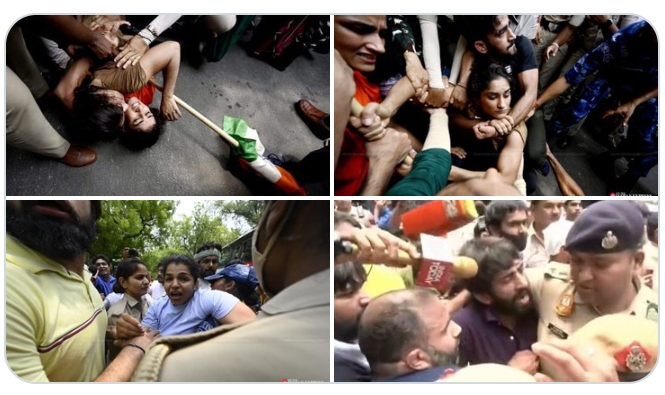
On the day that the Prime Minister was inaugurating a new Parliament house, democratic space was being crushed outside.

More than 1150 people including activists, lawyers, academics, former civil servants, artists and concerned citizens have released a statement condemning the brutal police action against the protesting wrestlers and those who had come out in support of their call from all over Delhi, Haryana and Uttar Pradesh for a Mahila Samman Mahapanchayat today.

We, concerned individuals, are absolutely horrified to see the violence unleashed by the government and police today, to suppress the powerful grassroots support for our brave wrestlers and their struggle against Wrestling Federation of India chief Brij Bhushan Sharan Singh, who stands accused of sexual harassment of women wrestlers stretching back over a decade. The wrestlers have been protesting since 18th of January, 2023. They had given a call to all women’s organisations, activists and all other civil society organisations to join a Mahila Samman Mahapanchayat outside the new parliament building today, i.e 28 May 2023.

Thousands of women from Delhi and nearby states responded to the call.  Fearing the  collective strength of Indian women – the police pre-emptively blocked all border roads, shut down proximal metro stations, and cordoned off roads. This is how scared a patriarchal State is of the sight of the women of India standing shoulder to shoulder with each other. Despite this crackdown, the government was unable to block the flow of solidarity; activists and concerned citizens found ways of trying to reach the protest site. Continue reading Dismantle the structures of sexual violence, NOT the protesters’ tent! Statement by concerned citizens →

महिला पहलवानों का सुबकता चेहरा – राष्ट्र अपने अंतरात्मा के दर्पण में : माया जॉन

Guest post by MAYA JOHN

यह लेख डेक्कन हेरल्ड में लिखे गए लघु लेख का हिन्दी रूपान्तरण है।

रात के अंधेरे में महिला पहलवानों से दिल्ली पुलिस की हालिया हाथापाई के बाद उनका आँसुओं से भरा  चेहरा दिखा। अंतर्राष्ट्रीय ख्याति प्राप्त यह महिला पहलवान सत्तारूढ़ पार्टी के सांसद और भारतीय कुश्ती संघ के अध्यक्ष द्वारा महिला पहलवानों के कथित यौन उत्पीड़न के खिलाफ लगातार विरोध प्रदर्शन कर रही हैं। पिछले कुछ महीनों में आरोपी सांसद के खिलाफ इन विरोध प्रदर्शनों का यह दूसरा दौर है। विडम्बना है कि सुप्रीम कोर्ट में मामला पहुँचने के बाद ही आरोपी के खिलाफ प्राथमिकी दर्ज हो पाई। आरोपी के खिलाफ लैंगिक अपराधों से बालकों का संरक्षण (पोक्सो) अधिनियम के तहत मामला दर्ज होने के बावजूद उसकी अभी तक गिरफ्तारी नहीं हुई है, और यहाँ तक कि वो अभी भी कुश्ती संघ के अध्यक्ष पद पर आसीन है। पहलवानों के यूँ सुबकते चेहरे, उनके अपमान और हताशा हमारे ज़मीर को भी झकझोरते हैं कि आखिर हमारे देश की क्या हालत हो रही है।

Continue reading महिला पहलवानों का सुबकता चेहरा – राष्ट्र अपने अंतरात्मा के दर्पण में : माया जॉन →

B 32 to 44: Body Politics or No Body/Politics?

B 32 to 44 is the title of a movie — it refers to the bra sizes of the protagonists of director and scriptwriter Sruthi Sharanyam’s debut film, which has been generating highly positive reviews in the Malayalam facebook world. It has also been highly-awaited  after it received funding from the Ministry of Culture and the Kerala State Film Development Corporation.

Continue reading B 32 to 44: Body Politics or No Body/Politics? →

Can we now practice some love? Thoughts on safety and feminism from Kerala

Around two weeks back, just about a week after the ritual of Women’s Day celebrations in Thiruvananthapuram, a 49-year-old woman decided to go get herself some pain medication at 10 30 at night, after all home remedies failed against her persistent body ache. She lives in the beating heart of the city of Thiruvananthapuram in a rented house. This house is in a leading middle-class residential locality, full of houses, usually very quiet. She is , however, not a typical owner-resident. An employee at a local firm earning a very modest salary, she has lived alone for years in rented accommodation, raising her young daughter. The daughter is now a confident young woman who has worked for some years and now seeks to expand her career options. The rent takes up nearly half of her income, but mother and daughter have struggled together to protect each other.

Continue reading Can we now practice some love? Thoughts on safety and feminism from Kerala →

An Open Letter to the National Leadership of the AIDWA : Struggle in Unity for Equality, or Struggle in Unity against Impunity?

To the National Leadership which is currently participating in the 13th National Conference of the AIDWA in Thiruvananthapuram.

Dear sisters in struggle

I write to you from Kerala, where the CPM is currently in power for a second time, a rare achievement indeed, in a state where power changes hands usually in each election. I know that most of you hail from places where the CPM is very far from power. I know the difference that makes to activism.

Continue reading An Open Letter to the National Leadership of the AIDWA : Struggle in Unity for Equality, or Struggle in Unity against Impunity? →

മാറുന്ന ഭരണകൂടം, നവബ്രാഹ്മണിക പിതൃമേധാവിത്വം, ദണ്ഡനീതി ഫെമിനിസം കേരളത്തിൽ — 5

ഉപസംഹാരം

ഫെമിനിസ്റ്റ് ദണ്ഡനീതി നിയമ ഉപകരണങ്ങൾ നിരോധിക്കണമെന്നോ അവ തീർത്തും അപ്രസക്തമാണെന്നോ അല്ല ഈ ലേഖനത്തിൽ ഞാൻ വാദിച്ചിട്ടുള്ളത്. നേരെ മറിച്ച് അവ ഉപയോഗിക്കുമ്പോൾ ജനാധിപത്യവും മനുഷ്യാവകാശങ്ങളും ലിംഗാനീതിയ്ക്കെതിരെയുള്ള പോരോട്ടങ്ങളുടെ സാധ്യതകൾ തന്നെയും അധികാരത്തിൻറെ മേൽ-കീഴറ്റങ്ങൾ കാണാനാകാത്തവിധം പിളർന്ന വായിലകപ്പെട്ടു പോകും വിധം അവരെ പുണരുന്നത് അങ്ങേയറ്റം അപകടകരമായിരിക്കും എന്ന മുന്നറിപ്പ് വായനക്കാരുടെ മുന്നിൽ വയ്ക്കാനാണ് എൻറെ ശ്രമം.

Continue reading മാറുന്ന ഭരണകൂടം, നവബ്രാഹ്മണിക പിതൃമേധാവിത്വം, ദണ്ഡനീതി ഫെമിനിസം കേരളത്തിൽ — 5 →

മാറുന്ന ഭരണകൂടം, നവബ്രാഹ്മണിക പിതൃമേധാവിത്വം, ദണ്ഡനീതി ഫെമിനിസം കേരളത്തിൽ –4

ദണ്ഡനീതി ഫെമിനിസവും നവബ്രാഹ്മണ പിതൃമേധാവിത്വവും

കേരളത്തിൽ ഇരുപതാം നൂറ്റാണ്ടിൽ രൂപമെടുത്ത ബ്രാഹ്മണിക പിതൃമേധാവിത്വത്തിന് സവിശേഷസ്വഭാവങ്ങളുണ്ടായിരുന്നു. ഇരുപതാം നൂറ്റാണ്ടിൽ ഉയർന്നുവന്ന നവവരേണ്യസമുദായങ്ങളെ — നവോത്ഥാന വ്യവഹാരത്തിൻറെ വാഹകങ്ങളെ — പണിതെടുത്ത അടിസ്ഥാന അധികാര-കൂടങ്ങളിൽ ഒന്നായിരുന്നു നവബ്രാഹ്മണിക പിതൃമേധാവിത്വം.

Continue reading മാറുന്ന ഭരണകൂടം, നവബ്രാഹ്മണിക പിതൃമേധാവിത്വം, ദണ്ഡനീതി ഫെമിനിസം കേരളത്തിൽ –4 →

മാറുന്ന ഭരണകൂടം, നവബ്രാഹ്മണിക പിതൃമേധാവിത്വം, ദണ്ഡനീതി ഫെമിനിസം കേരളത്തിൽ –3

സംരക്ഷക-അന്നദാതാ ഭരണകൂടവും ദണ്ഡനീതി ഫെമിനിസവും

കേരളത്തിലിന്ന് രാഷ്ട്രീയരംഗത്തും ഭരണരംഗത്തും (ഉദ്യോഗസ്ഥകളല്ലാത്ത) സ്ത്രീകളുടെ പ്രാതിനിധ്യവും അധികാരവും ഇടതുഭരണത്തിനു കീഴിൽപോലും കുറവാണ്. ഇടതുരാഷ്ട്രീയക്കാരികൾക്കു പോലും സ്വന്തമായ രാഷ്ട്രീയസ്വാധീനവലയം ഉണ്ടാക്കാൻ അനുവാദം ഇല്ലെന്നതിന് തെളിവ് ഇപ്പോഴത്തെ സർക്കാർ തന്നെ തന്നിട്ടുമുണ്ട് — ശൈലജ ടീച്ചറെ മാറ്റി സർക്കാരിലെ ആൺ അധികാരികളെ തികച്ചും ആശ്രയിച്ചു മാത്രം നിലനില്പുള്ള മറ്റൊരു സ്ത്രീയെ അവരുടെ സ്ഥാനത്ത് പ്രതിഷ്ഠിച്ചതോടെ. പാർട്ടി അധികാരശ്രേണികളിൽ സ്ത്രീകൾ കുറയുകയും കീഴ്ത്തല-കാലാളുകളുടെ കൂട്ടത്തിൽ അവരുടെ സാന്നിദ്ധ്യം ഉയരുകയും ചെയ്യുന്നുണ്ട്. പൊതുവെ ഭരണനയതലത്തിൽ ഫെമിനിസ്റ്റ് സ്വാധീനം കുറഞ്ഞിട്ടുമുണ്ട് (മഹിളാ സമഖ്യയിലും കുടുംബശ്രീയിലും ഇതു പ്രകടമാണ്). എങ്കിലും സ്ത്രീശാക്തീകരണ സർക്കാരെന്ന പ്രതിച്ഛായ നിലനിർത്താൻ ഇപ്പോഴത്തെ സോഷ്യലിസ്റ്റ്- അനന്തര ദുഷ്പ്രഭുത്വത്തിൻറെ വാഹനമായ സിപിഎമ്മിനും അവർ നയിക്കുന്ന സർക്കാരിനും കഴിഞ്ഞിട്ടുണ്ട്.

Continue reading മാറുന്ന ഭരണകൂടം, നവബ്രാഹ്മണിക പിതൃമേധാവിത്വം, ദണ്ഡനീതി ഫെമിനിസം കേരളത്തിൽ –3 →

മാറുന്ന ഭരണകൂടം, നവബ്രാഹ്മണിക പിതൃമേധാവിത്വം, ദണ്ഡനീതി ഫെമിനിസം കേരളത്തിൽ — 2

മലയാളി ഫെമിനിസത്തിലെ ‘ദണ്ഡനീതിനിമിഷം’?

ദണ്ഡനീതി ഫെമിനിസം (Carceral feminism) എന്ന സങ്കല്പനം ഇന്ന് ലോകഫെമിനിസ്റ്റ് ചർച്ചകളിൽ സുപരിചിതമാണ്. പോലീസ്, കോടതി, ശിക്ഷ, തടവ് മുതലാവയുൾപ്പെടുന്ന ഭരണകൂടശാഖയെ മുഖ്യമായും ആശ്രയിച്ചുകൊണ്ട് സ്ത്രീകൾക്കെതിരെയുള്ള എല്ലാത്തരം ഹിംസയും പരിഹരിക്കാമെന്ന വിശ്വാസത്തിൽ ഊന്നിനിൽക്കുന്ന ഫെമിനിസ്റ്റ് പ്രയോഗങ്ങളെയും ചിന്തയെയുമാണ് അത് സൂചിപ്പിക്കുന്നത്. പാശ്ചാത്യ ഫെമിനിസത്തിൽ ഏറെ പഴക്കമുണ്ടെങ്കിലും അത് 1980-90 ദശകങ്ങളിൽ അമേരിക്കൻ ഫെമിനിസത്തിലെ പ്രമുഖ ധാരയായി ഉയർന്നുവന്നു. ലൈംഗികത്തൊഴിലിനെപ്പറ്റിയുള്ള ചർച്ചകളിലാണ് സമീപകാലത്ത് അതിൻറെ പുനരുജ്ജീവിതരൂപം പ്രത്യക്ഷമായത്.

Continue reading മാറുന്ന ഭരണകൂടം, നവബ്രാഹ്മണിക പിതൃമേധാവിത്വം, ദണ്ഡനീതി ഫെമിനിസം കേരളത്തിൽ — 2 →

മാറുന്ന ഭരണകൂടം, നവബ്രാഹ്മണിക പിതൃമേധാവിത്വം, ദണ്ഡനീതി ഫെമിനിസം കേരളത്തിൽ — 1

സംശയത്തിൽ നിന്ന് സ്വീകാര്യതയിലേക്ക്

കേരളത്തിൽ ഫെമിനിസത്തിൻറെ രാഷ്ട്രീയപരിണാമത്തെ മാറുന്ന ഭരണകൂടത്തിൻറെ പശ്ചാത്തലത്തിൽ മനസ്സിലാക്കാനൊരു ശ്രമമാണ് ഈ എഴുത്ത്. ഫെമിനിസം എന്ന പേര് സ്വയം അവകാശപ്പെടുന്ന രാഷ്ട്രീയം ഇവിടെ 1980കളിലാണ് പൂർണമായ അർത്ഥത്തിൽ പ്രത്യക്ഷമാകുന്നത്.

Continue reading മാറുന്ന ഭരണകൂടം, നവബ്രാഹ്മണിക പിതൃമേധാവിത്വം, ദണ്ഡനീതി ഫെമിനിസം കേരളത്തിൽ — 1 →

Letter to Consul General, Iranian Consulate, Mumbai: Indian women’s organisations

The following letter, signed by over 300 individuals from different national and regional organisations was handed over at the  Iranian Consulate in Mumbai by six representatives on September 29, 2022.  It was received politely and acknowledged.

Mr. Abolfazi Mohammad Alikhani
Consul General,
Iran Consulate, Mumbai.

Sir,

We, women and women’s organization from India, are writing this letter to register our horror at the  brutal attacks on the women and citizens  of Iran as they protest the killing of Mahsa Amini at the hands of the Gasht-e-Ershad. These brutal attacks have resulted in and continue to result in further deaths and imprisonments.

These brave women of Iran are demanding freedom from the Morality Police and the State imposing upon them what they must or must not wear and how to wear it; what they must and must not do, or act, or behave. They are rejecting this control. The men of Iran are giving full support and putting their bodies on the line alongside them. The resulting violent repression is heinous and inhuman.

We stand in solidarity with the women of Iran who came out in public to protest killing of Mahsa Amini and to voice their demands for  freedom, equality and autonomy. Continue reading Letter to Consul General, Iranian Consulate, Mumbai: Indian women’s organisations →

In solidarity with the Iranian people fighting for democracy and justice: Ayesha Kidwai & Nivedita Menon

This post is jointly written by AYESHA KIDWAI AND NIVEDITA MENON

On this international day of solidarity with the Iranian people, two feminists from India send you our greetings, in complete awe of your courage, your creativity, your solidarity with one another, your relentless resistance in the face of cruel and brutal repression.

Watching the panel discussion on Jadaliyya on the ongoing struggle of the Iranian people against the authoritarian regime, we were struck by the complexity of the arguments being made. The struggle is not against Islam, and it is not about hijab everywhere and at all times. What we are witnessing in Iran is reflected all over the world wherever there is resistance to the gendered ways in which all states control populations – whether by compulsory conscription in wars the people have no interest in, or by making the hijab central to the reason of state – in Iran by compulsory veiling, in France and in India by compulsory unveiling of the Muslim woman; or in the USA by denying autonomy over their bodies to women by criminalizing abortion. Continue reading In solidarity with the Iranian people fighting for democracy and justice: Ayesha Kidwai & Nivedita Menon →

Feminist reflections on the brave women of Iran: Ayesha Kidwai

Guest post by AYESHA KIDWAI

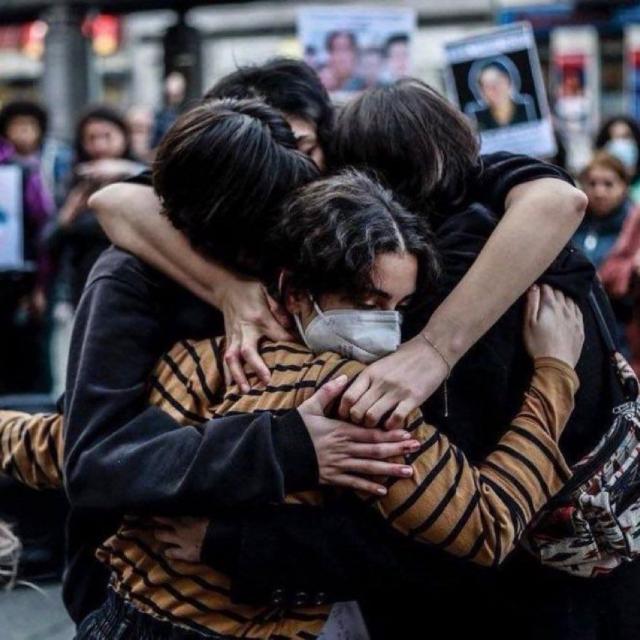
Women in Iran cast off their hijabs and occupy the streets.

Looking at these women in this photo, I think of what feelings they struggle with at this moment.

How many emotions populate this picture? Courage, triumph, feelings of being exposed, fear, the sense of a point of no-return being crossed…

But one knows they have found the one thing that will carry them beyond this moment—the long, deep embrace of sisterhood.

Inquilab Zindabad is not only said with clenched fists, it’s said with interlinked arms and bodies curved into each other. Continue reading Feminist reflections on the brave women of Iran: Ayesha Kidwai →

SL Govt – Stop Labeling Student Protestors and Activists as Terrorists! South Asian Feminists

Statement released by feminists from Sri Lanka, Bangladesh, Pakistan, Fiji, Malaysia and India, August 27, 2022

We are a group of feminists writing to call urgent attention to the extra-constitutional attempts of the Government of Sri Lanka (GoSL) to suppress dissent. Lacking a popular mandate, hunting down student protestors and activists, including a LGBTIQ activist has become a central strategy of the political élite to retain power. The latest move by the GoSL is to brand three student leaders and the student union they represent, the Inter University Student Federation (IUSF), as ‘terrorists’.

Wasantha Mudalige, Convenor of IUSF, Galwewa Siridhamma thero, Convenor of the Inter-University Bhikkhu Federation, and Hashan Jeewantha, a student activist, were among the 20 arrested on August 18, 2022, for participating in a peaceful protest led by the student movement. All three of them are prominent student leaders who have been at the forefront of struggles for socio-economic justice in Sri Lanka, particularly against numerous ongoing attempts to dismantle free education. Continue reading SL Govt – Stop Labeling Student Protestors and Activists as Terrorists! South Asian Feminists →