Category Archives: Literature

Between Axiality and Modernity

Bhakti Era as the Plebeian Plateau in the Civilizational Landscape of India

Guest Post by Ravi Sinha on a possible framework for looking at the millennial trajectory of Indian civilization

We have by now devoted several sessions to mapping the millennial trajectory of the Bhakti Movement across the history and the cultural geography of the subcontinent. Starting with the Tamil lands in the 7th century we followed Bhakti performing the pradakshina of the cultural landmass of the subcontinent, crossing the Vindhyas in its northward journey sometime in the 13-14th century. Our endeavour has been to understand the role of Bhakti in shaping the cultural and the civilizational mind of India. This, in turn, has been motivated by task of making sense of the role this mind plays in contemporary politics and in the rise of fascistic Hindutva in recent decades.

As we stated in the proposal to a previous session, we seek to understand the impact of Bhakti at two different time-scales. On the shorter time-scale of contemporary politics one looks at the phenomenon of communalism. The mainstream of the anti-colonial national movement considered Bhakti Movement as the harbinger of religious tolerance and syncretism that would help evolve the Indian brand of secularism. The subsequent history, however, paints a mixed picture. A social fabric and a cultural mind weaved by the Bhakti ideologies do not offer the kind of resistance to communalism and sectarianism as was expected of them. In our previous sessions we mainly stayed with evaluating the impact of Bhakti at the political-historical time-scale characterized by the problem of communalism and the rise of Hindutva.

On a longer – millennial – time-scale, however, one can evaluate the Bhakti phenomenon in the civilizational context. One can ask something like the Needham Question – why did the Indian civilization, despite its glory and accomplishments in the ancient and the medieval periods, fail to realize its cultural and scientific potentials? Why was it defeated often and why was it eventually colonized? Why did the West forge ahead, why has India lagged behind? Did the cultural mind and social ethos prepared by the Bhakti Movement play a role in the civilizational decline of India? These are very large questions not amenable to easy answers. But one must prepare to wrestle with them as they are of crucial importance for imagining and fashioning a desirable future for India. In this session, we finally arrive at the task of outlining a framework for asking and answering these questions.

For this purpose, we propose to take help of two large concepts – one of Axiality and the other of Modernity. The idea of axial revolutions was proposed for the civilizational breakthroughs that happened in the middle centuries of the first millennium BC in several different and unconnected societies – Judea (land of the Old Testament in the era of prophets), Greece (of pre-Socratic philosophers as well as of Socrates, Plato and Aristotle), China (of Confucius, Mencius and others) and India (of Upanishads, six systems of philosophies, and of Buddha) being the prime examples. We will briefly go through the idea of Axiality and see how we can understand it in the sequence of human cultural and cognitive evolution progressively from the mimetic (pre-linguistic, primarily based on gestures, rituals and body-language) to the mythic (linguistic but largely oral and narrative-based) to the theoretic (rational, abstract, normative and self-reflective). We will try to locate the Indian antiquity in the sequence of cultural evolution.

We will then make a millennial jump and outline the idea of Modernity, which can, in this context, be seen as a new kind of axial transition. The first axial transition did take the civilizations concerned from the mythic era to the theoretic era, but it still depended on the idea of the transcendental to reorder life in the realm of the mundane. The transition to Modernity, for the first time in human history, brings human autonomy to the centre-stage of history and civilization. Elimination of human dependence on the super-natural and on the transcendental is brought explicitly on the agenda and an objective and scientific knowledge of the cosmos is deployed into the service of human emancipation and freedom.

While the Indian civilization was a key example of the axial breakthrough two and a half millennia ago, its transition to Modernity has been faltering and patchy. While this may be true for many civilizations, it is especially disconcerting in the case of India which has had such a glorious antiquity at least in the domains of the mythic and of the theoretic. Of course, entire history of the intervening two millennia culminating in the colonial subjugation at the hands of the modernist imperialists is implicated in the complex and faltering progress of Modernity on the subcontinent and it cannot be explained on the basis of one cause or developments in any single arena. But one can be reasonably certain that the developments in the cultural-religious-civilizational arena play an important role in the civilizational transitions and transformations. The role of the millennial march of Bhakti must be assessed and evaluated in this context.

We will also engage with the theoretical issues that arise in this context of the materialist explanation of historical progress. There is no doubt that the historical breakthroughs and the transitions from one stage of history to the next happen through the push of advancing forces of production and, in this respect, the cultural-civilizational transformations are correlated with the developments in the material conditions of life. But there is a significant difference between the respective dynamics of systems and civilizations. While history progresses through replacement of one system by the next, in case of civilizations the older ones never entirely go out of existence. The older ones merely become the subterranean layers on which new layers arise or get deposited. The mimetic-ritualistic and the mythic, for example, have not disappeared from human civilization even after the axial-theoretic and the modernist-scientific stages have become increasingly entrenched.

Once again, I am not sure whether all this can be covered in one session even at the level of very sketchy outline of the argument. But the idea is to start thinking about these issues which, abstract and theoretical as they may sound, are of critical importance in making sense of contemporary politics and history.

Select Bibliography

  1. Johann P Arnason, “The Labyrinth of Modernity: Horizons, Pathways and Mutations”, Rowman and Littlefield, 2020
  2. Robert N Bellah, “Religion in Human Evolution: From the Paleolithic to the Axial Age”, Harvard University Press, 2011
  3. S N Eisenstadt, “The Great Revolutions and the Civilizations of Modernity”, Brill, 2006
  4. Neville Morley, “Antiquity and Modernity”, Wiley-Blackwell, 2009
  5. Sheldon Pollock, “The Language of the Gods in the World of Men: Sanskrit, Culture, and Power in Pre-modern India”, University of California Press, 2006
Sita’s Voice in the Assamese Ramayana: Tilottoma Misra

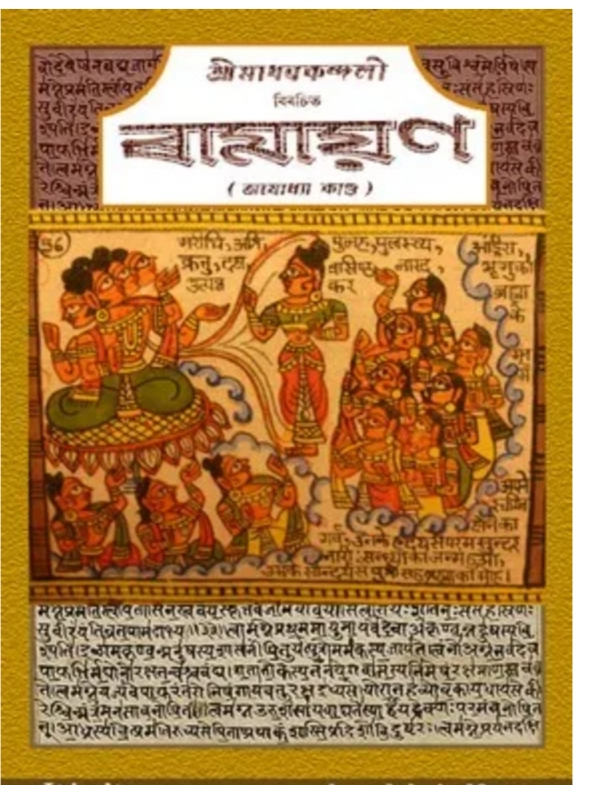
An excerpt from Sita’s Voice in the Assamese Ramayana: Selected Verses from the RAMAYANA of  Madhava Kandali and UTTARAKANDA by Sankaradeva, Translated, with Introduction and commentary  by TILOTTOMA MISRA (Zubaan: April 2024 Forthcoming) 

The figure of Rāma has seldom attracted the Assamese vaiṣnava devotees as much as that of Kṛṣṇa. Rāma has been considered as an incarnation of Viṣṇu, while Kṛṣṇa has been worshipped as Viṣṇu himself. Significantly, there is also no known religious sect in Assam which claims to be “exclusively Ramaite”. While there are many references to Kṛṣṇa in the copper-plate inscriptions found in Assam which date back to the early seventh century, there is hardly any mention of Rāma in the early literary records of the region. Biswanarayan Shastri has observed that while a large number of temples dedicated to Rāma or Māruti exist all over India, there is no evidence of the existence of such a temple with the images of Rāma or Maruti, intact or in ruins, in Assam. According to him even in the architecture of ancient Assam, there is no known evidence of the Rāma legend being represented anywhere.

The Rāmāyaṇa of Mādhava Kandalī, therefore, as well as the two kāṇḍas prefixed and appended to it by Mādhavadeva and Śaṅkaradeva, have never held “that exalted position in popular estimation which the Rāmacarita-mānasa of Tulsidas has been occupying for the last few centuries in north India.” Rāma and Sītā seldom attained the stature of divinity in the imagination of the Assamese people although the heroic and miraculous elements in the Rāmāyaṇa and ‘Rāma-kathā’ have continued to be a lively ingredient of folk-drama and musical performances of the ojā-pāli. It is understandable therefore that for the common people of this region the Assamese Rāmāyaṇa is hardly the religious text that the Bhāgavata-purāṇa is. Continue reading Sita’s Voice in the Assamese Ramayana: Tilottoma Misra

Turning a Blind Eye: Power and the Intellectual in Kerala Today

Today someone who is an absolute darling of the post-socialist oligarchy in Kerala and their army of hanger-ons told me, without a tinge of irony, with the most endearing innocence, that they were not celebrated at all in Kerala. That they were excluded from circles that praised and glorified the work of many other authors. It was most intriguing, to say the least. I think it reveals a lot about how the present dispensation manages intellectuals and minimises critical thinking.

You can be a rebel without any serious losses in present-day Kerala if you desist from any serious criticism of the establishment and its acolytes. You can spout feminism, dalit politics, espousals of the solidarity economy, liberal Muslim thought, queer thinking, soft Hindutva– literally anything except Islamism if you keep your mouth shut about the establishment and the post-socialist oligarchy, or at least limit yourself to weak, occasional noises. You can also present yourself in combinations of the above laced with hints of your slant towards the establishment and reap much success in classrooms and academic fora, and much applause on the social media. If you have connections with the Nair deep state and ‘deep intellectual elite’, you can pornify, sell, any kind of abuse of women.

Continue reading Turning a Blind Eye: Power and the Intellectual in Kerala Today

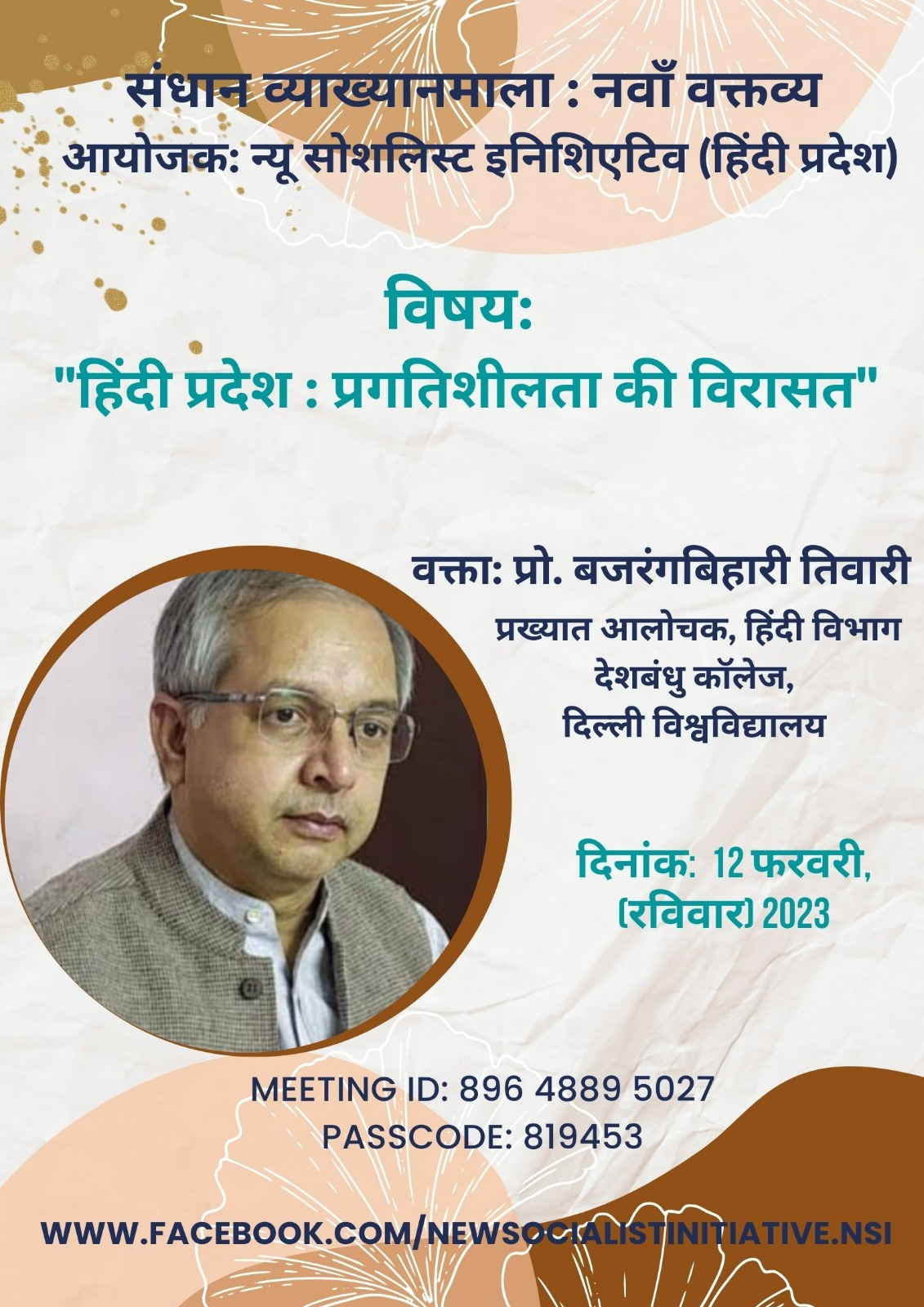
हिंदी प्रदेश : प्रगतिशीलता की विरासत – प्रोफेसर बजरंग तिवारी

विषय : हिंदी प्रदेश : प्रगतिशीलता की विरासत

इस व्याख्यान में निम्न पहलुओं को समेटने की कोशिश रहेगी –

अर्वाचीन बोध क्या है? हिंदी प्रदेश में इसकी बुनियाद को कैसे समझें ? छठी से ग्यारहवीं शताब्दी का दौर।

भक्ति आंदोलन के दौर में क्या बदलाव हुए ? कला और साहित्य में दरबारीपन को कैसे समझें ?

स्वतंत्रता आंदोलन में साहित्य और साहित्यकारों की क्या भूमिका रही? अपने विगत से इस आंदोलन ने क्या ग्रहण किया ?

प्रगतिवाद ने हिंदी-उर्दू-संस्कृत साहित्य को कैसे प्रभावित किया ? प्रगतिवाद के आरंभिक चरण में क्या मुद्दे रहे ?

अस्मितामूलक साहित्य के उभार को कैसे समझें? दलित साहित्य की विकासयात्रा का हाल-मुकाम क्या है ?

Why remember Partition? And what to remember? Ayesha Kidwai

AYESHA KIDWAI reflects on the injustice done to Bilkis Bano on the 75th anniversary of India’s independence, by the release of the 11 convicted rapists (who raped her during the Gujarat carnage of 2002, and killed her 3 year-old daughter), by way of her translation of Krishn Chander’s short story written in 1948, entitled Ek Tawaif ka Khat, 

Our readers would remember that Ayesha has had translations posted here on Kafila earlier, some into Hindustani from English. Now you can visit her site to read all of her translations as and when she posts them there.

Here is the link to Ayesha Kidwai’s site.

Here we publish her preface and an extract from the translation. The whole story may be read on her site.

PREFACE BY AYESHA KIDWAI

There have been many in India and Pakistan (and what eventually became Bangladesh) who have always remembered the Partition of 1947. They remembered it as it the long Partition of India drew out, because they bore the marks of it on their bodies and in their families, they remembered it as they were in Parliament trying to build a state that would never face such a terrible event of rupture ever again; they remembered it even when they apparently appeared to forget it, because the only way to not let the events of terrifying trauma — of the looting, abduction, sexual violence, exile and murder— overshadow the present and the futures that had to be built. At every stage in the last 75 years, there have been people in both countries who have taken instruction from the horrors of the long Partition to interrogate what must not be done, what was must be changed, what must be erased.

Continue reading Why remember Partition? And what to remember? Ayesha Kidwai

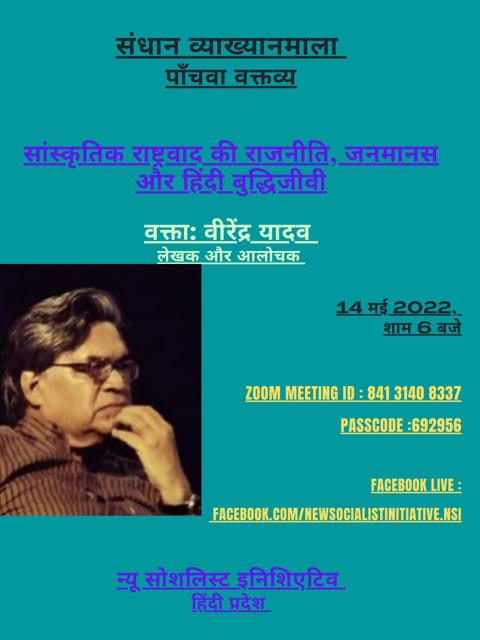
Politics of Cultural Nationalism, People’s Opinion and Hindi Intellectual : Virendra Yadav

Leading Writer and Critic Virendra Yadav will be delivering the fifth lecture in the ‘Sandhan Vyakhyanmala Series’ ( in Hindi) on Saturday,14 th May,  2022, at 6 PM (IST).

He will be speaking on ‘सांस्कृतिक राष्ट्रवाद की राजनीति , जनमानस और हिंदी बुद्धिजीवी’ ( Politics of Cultural Nationalism, People’s Opinion and Hindi Intellectual)

This online lecture would be held on zoom and will also be shared on facebook as well : :facebook.com/newsocialistinitiative.nsi

Join Zoom Meeting
https://us02web.zoom.us/j/84131408337?pwd=ZUp6eWg5WGdYVVY1ZkdzQ3ZzRnhoQT09

Meeting ID: 841 3140 8337
Passcode: 692956

Organised by :

NEW SOCIALIST INITIATIVE ( NSI) Hindi Pradesh

——–

संधान व्याख्यानमाला – पांचवा वक्तव्य

विषय : सांस्कृतिक राष्ट्रवाद की राजनीति , जनमानस और हिंदी बुद्धिजीवी 

वक्ता : अग्रणी लेखक एवं आलोचक वीरेंद्र यादव 

शनिवार, 14 मई , शाम 6 बजे 

सारांश :

1- ‘सांस्कृतिक राष्ट्रवाद’ मात्र एक राजनीतिक व्यूहरचना न होकर एक ऐसी अवधारणा है जिसकी गहरी जड़े पारम्परिक रूप से  हिंदू जनमानस में  मौजूद हैं।
2- 1857 से लेकर 1947 तक विस्तृत ‘स्वाधीनता’ विमर्श में इस हिन्दू मन की शिनाख्त की जा सकती है।
3- स्वाधीनता आंदोलन इस हिन्दू मन से मुठभेड़ की नीति न अपनाकर मौन सहकार की व्यावहारिकता की राह पर ही चला।
4- हिंदी क्षेत्र में तर्क, ज्ञान  व  वैज्ञानिक चिंतन की धारा भारतीय समाज की वास्तविकताओं में कम अवस्थित थीं, उनकी प्रेरणा के मूल में पश्चिमी आधुनिकता व वैश्विक प्रेरणा अधिक थी।
5- हिंदी क्षेत्र व समाज में ज़मीनी स्तर व हाशिये के समाज के बीच से जो तार्किक, अंधविश्वास विरोधी व विज्ञान सम्मत सुधारवादी प्रयास हुए उन्हें मुख्यधारा के चिंतन-विचार में शामिल नहीं किया गया।
6- ध्यान देने की बात है कथित ‘हिंदी नवजागरण’ विभेदकारी वर्ण-जातिगत सामाजिक संरचना की अनदेखी कर प्रभुत्ववादी मुहावरे में ही विमर्शकारी रहा।
7- संविधान सम्मत धर्मनिरपेक्ष आधुनिक भारत की परियोजना में    भारतीय समाज की धर्म व जाति की दरारों के जड़मूल से उच्छेदन को प्रभावी ढंग से शामिल नहीं किया जा सका।
8-सारी आधुनिकता के बावजूद हिंदी बुद्धिजीवियों का वृहत्तर संवर्ग वर्ण और वर्ग से मुक्त होकर   जनबुद्धिजीवी की भूमिका न अपना सका।
9- सामाजिक न्याय की अवधारणा का मन में स्वीकार भाव न होना, हिंदी बुद्धिजीवी की एक बड़ी बाधा है।
10- ‘सांस्कृतिक राष्ट्रवाद’ का प्रतिविमर्श रचने के हिंदी बुद्धिजीवी के उपकरण वही रहे जो हिंदू बुद्धिजीवियों के।
11- हिंदी बुद्धिजीवी के सवर्णवादी अवचेतन से उपजा दुचित्तापन ‘सांस्कृतिक राष्ट्रवाद’ का प्रतिविमर्श रचने में एक बड़ी बाधा है।

आयोजक : न्यू सोशलिस्ट इनिशिएटिव NSI  ( हिंदी प्रदेश)

हिंदी साहित्य और स्त्रीवादी चिंतन का नया आलोक : प्रोफेसर  सविता सिंह

The third lecture in the ‘Sandhan Vyakhyanmala’ series  – initiated by New Socialist Initiative ( Hindi Pradesh) will be delivered by Prof Savita Singh, leading poetess, feminist scholar and writer on Saturday 19 th February 2022, at 6 PM (IST). She will be speaking on ‘Hindi Literature and New Light of Feminist Thought   (हिंदी साहित्य और स्त्रीवादी चिंतन का नया आलोक’ )

The focus of this lecture series – as you might be aware – is on the Hindi belt, especially, on literature, culture, society and politics of the Hindi region where we intend to invite writers, scholars with a forward looking, progressive viewpoint to share their concerns.

You are cordially invited to attend and participate in the ensuing discussion.

This online lecture would be held on zoom and will also be shared on facebook as well : :facebook.com/newsocialistinitiative.nsi

 Zoom Link

https://us02web.zoom.us/j/89853669536?pwd=OTVkZUNKejhNem5hODE5ZEsveGZTQT09

Meeting ID : 898 5366 9536
Passcode  : 825447

 New Socialist Initiative ( Hindi Pradesh)

संधान व्याख्यानमाला – तीसरा वक्तव्य

वक्ता: प्रोफ़ेसर सविता सिंह
प्रसिद्ध कवयित्री, नारीवादी सिद्धांतकार और लेखिका

विषय: ‘हिंदी साहित्य और स्त्रीवादी चिंतन का नया आलोक’

19 फरवरी शाम 6बजे

सारांश
स्त्रीवाद को लेकर हिंदी साहित्य में आजकल बहुत सारी बातें हो रही हैं। वे अपनी अंतर्वस्तु में नई भी हैं और पुरानी भी। यह भी कह सकते हैं की पितृसत्ता ने अपने भी स्त्रीवादी विमर्श तैयार किए हैं स्त्रियों के लिए। जब स्त्रियां इसे अपना लेती हैं, अपना कह कर इसे किसी वसन की तरह पहन लेती हैं  तो जरूरी हो जाता है इनपर गहनता और गहराई से बात करना। वह एक बात थी जब स्त्री लेखिकाओं ने अपने को स्त्रीवादी होने या कहे जाने से परहेज किया, और यह दूसरी जब स्त्रीवाद के अनेक रूप गढ़े गए। भारतीय परिवेश में स्त्री विमर्श के भीतर बहुलता और भिन्नता तो होनी ही थी। इसी विषय पर हम क्यों न इसपर बात करें। क्या हिंदी में स्त्रीवादी लेखन कोई नया समाज बनाने के संकल्प से लिखा जा रहा है या फिर अभी भी पितृसत्ता का सह उत्पादन ही हो रहा है, यह हमारे लिए चिंता और बहस का मुद्दा बनना ही चाहिए।

साहित्य का विचार : अशोक वाजपेयी

May be an image of one or more people and text that says 'सुन्धान व्याख्यानमाला पहला वक्तव्य विषय: साहित्य का विचार वक्ता: श्री अशोक वाजपेयी वरिष्ठ कवि, अग्रणी विचारक 6 बजे शाम शनिवार 13 नवंबर 2021 ZOOM ID: 841 7299 8046 PASSCODE: 885810 फेसबुक लाइव: FACEBOOK.COM/NEWSOCIALISITIATIVE. NSI आयोजक न्यू सोशलिस्ट इनिशिएटिव (हिंदी प्रदेश)'

अभिवादन

हिन्दी इलाके को लेकर विचार-विमर्श के लिये “सन्धान व्याख्यानमाला” की शुरुआत इस शनिवार, 13 नवम्बर, को शाम 6 बजे प्रख्यात कवि और विचारक श्री अशोक वाजपेयी के व्याख्यान से हो रही है.

इस व्याख्यानमाला की शुरुआत के पीछे हमारी मंशा ये है कि हिन्दी में विचार, इतिहास, साहित्य, कला, संस्कृति और समाज-सिद्धान्त के गम्भीर विमर्श को बढ़ावा मिले. हिन्दी इलाक़े के सामाजिक-सांस्कृतिक विकास को लेकर हमारी चिन्ता पुरानी है. आज से बीस साल पहले हमारे कुछ अग्रज साथियों ने “सन्धान” नाम की पत्रिका की शुरुआत की थी जो अनेक कारणों से पाँच साल के बाद बन्द हो गयी थी. इधर हम हिंदी-विमर्श का यह सिलसिला फिर से शुरू कर रहे हैं. यह व्याख्यानमाला इस प्रयास का महत्वपूर्ण अंग होगी.

हममें से अधिकांश लोग “न्यू सोशलिस्ट इनिशिएटिव” नाम के प्रयास से भी जुड़े हैं. यह प्रयास अपने आप को सामान्य और व्यापक प्रगतिशील परिवार का अंग समझता है, हालाँकि यह किसी पार्टी या संगठन से नहीं जुड़ा है. इसका मानना है कि भारतीय और वैश्विक दोनों ही स्तरों पर वामपन्थी आन्दोलन को युगीन मसलों पर नए सिरे से विचार करने की और उस रौशनी में अपने आप को पुनर्गठित करने की आवश्यकता है. यह आवश्यकता दो बड़ी बातों से पैदा होती है. पहली यह कि पिछली सदी में वामपन्थ की सफलता मुख्यतः पिछड़े समाजों में सामन्ती और औपनिवेशिक शक्तियों के विरुद्ध मिली थी. आधुनिक लोकतान्त्रिक प्रणाली के अधीन चलने वाले पूँजीवाद के विरुद्ध सफल संघर्ष के उदहारण अभी भविष्य के गर्भ में हैं. दूसरी यह कि बीसवीं सदी का समाजवाद, अपनी उपलब्धियों के बावजूद, भविष्य के ऐसे समाजवाद का मॉडल नहीं बन सकता जो समृद्धि, बराबरी, लोकतन्त्र और व्यक्ति की आज़ादी के पैमानों पर अपने को वांछनीय और श्रेष्ठ साबित कर सके.

“सन्धान व्याख्यानमाला” का प्रस्ताव यूँ है कि हिन्दी सभ्यता-संस्कृति-समाज को लेकर हिंदी भाषा में विचार की अलग से आवश्यकता है. हिन्दी में विचार अनिवार्यतः साहित्य से जुड़ा है और हिन्दी मनीषा के निर्माण में साहित्यिक मनीषियों की अग्रणी भूमिका है. हम हिन्दी साहित्य-जगत के प्रचलित विमर्शों-विवादों से थोड़ा अलग हटकर साहित्य के बुनियादी मसलों से शुरुआत करना चाहते हैं. प्रगतिशील बिरादरी का हिस्सा होते हुए भी हम यह नहीं मानते कि साहित्य की भूमिका क्रान्तियों, आन्दोलनों और ऐतिहासिक शक्तियों के चारण मात्र की है. हम यह नहीं मानते कि साहित्यकार की प्रतिबद्धता साहित्य की उत्कृष्टता का एकमात्र पैमाना हो सकता है. हम अधिक बुनियादी सवालों से शुरू करना चाहते हैं, भले ही वे पुराने सुनायी पड़ें. मसलन, साहित्य कहाँ से आता है – ऐसा क्यों है कि मानव सभ्यता के सभी ज्ञात उदाहरणों में साहित्य न केवल पाया जाता है बल्कि ख़ासकर सभ्यताओं के शैशव काल में, और अनिवार्यतः बाद में भी, उन सभ्यताओं के निर्माण और विकास में महती भूमिका निभाता है. साहित्य के लोकमानस में पैठने की प्रक्रियाएँ और कालावधियाँ कैसे निर्धारित होती हैं? क्या शेक्सपियर के इंग्लिश लोकमानस में पैठने की प्रक्रिया वही है जो तुलसीदास के हिन्दी लोकमानस में पैठने की? निराला या मुक्तिबोध के लोकमानस में संश्लेष के रास्ते में क्या बाधाएँ हैं और उसकी क्या कालावधि होगी? इत्यादि. हमारा मानना है कि “जनपक्षधर बनाम कलावादी” तथा अन्य ऐसी बहसें साहित्य के अंतस्तल पर और उसकी युगीन भूमिका पर सम्यक प्रकाश नहीं डाल पातीं हैं. बुनियादी और दार्शनिक प्रश्न संस्कृतियों और सभ्यताओं पर विचार के लिए अनिवार्य हैं.

इस व्याख्यानमाला में हम विचार-वर्णक्रम के विविध आधुनिक एवं प्रगतिशील प्रतिनिधियों को आमन्त्रित करेंगे. ज़रूरी नहीं है कि वक्ताओं के विचार हमारे अपने विचारों से मेल खाते हों. हमारी मंशा गम्भीर विमर्श और बहस-मुबाहिसे की है.

प्रख्यात कवि और विचारक श्री अशोक वाजपेयी इस शृंखला के पहले वक्ता होंगे जिनका मानना है कि साहित्य की अपनी “स्वतन्त्र वैचारिक सत्ता होती है; उस विचार का सामान्यीकरण नहीं किया जा सकता; वह विचार अन्य विचारों से संवाद-द्वन्द्व में रहता है पर साहित्य को किसी बाहर से आये विचार का उपनिवेश बनने का प्रतिरोध करता है; साहित्य का विचार विविक्त नहीं, रागसिक्त विचार होता है.”

आप सभी इस शृंखला में भागीदारी और वैचारिक हस्तक्षेप के लिये आमन्त्रित हैं.

Join Zoom Meeting
https://us02web.zoom.us/j/84172998046?pwd=dHRzRDhsTFNSOURKQjA3R1o2Y0xsQT09

Meeting ID: 841 7299 8046
Passcode: 885810

facebook live : facebook.com/newsocialistinitiative.nsi

मुक्तिबोध : हृदय के पंख टूटने पर

यह मुक्तिबोध की जन्मशती नहीं है. कोई ऐसा अवसर जिसके बहाने कवि या रचनाकार पर वार्ता फिर से शुरू करने का आयोजन किया जाए. एक तरह से यह मुक्तिबोध को असमय, बिना किसी प्रसंग के पढ़ने का निमंत्रण है. हर दूसरे दिन हम मुक्तिबोध के साथ हाजिर होंगे.

मुक्तिबोध शृंखला;1

प्रिय नेमि बाबू,

आपका पत्र नहीं. समय का भाव नित्य से अधिक ही होगा. पर याद आपकी आती रहती है. आजकल धूप अच्छी खिलती है और मन तैर तैर उठता है, और आपकी याद भी इसी सुनहले रास्ते से उतर आया करती है.”

देखा अक्टूबर का ख़त है. 26 अक्टूबर,1945 का. शारदीया धूप ही रही होगी? सोचता हूँ, मुक्तिबोध को “अँधेरे में” लिखने में अभी वक्त है. कोई 13 साल बाद वे इस कविता को लिखना शुरू करेंगे. और फिर उनकी याद से धीरे-धीरे यह धूप, यह सुनहली धूप पोंछ दी जाएगी. मुक्तिबोध अँधेरे के कवि रह जाएँगे. भीषण, भयंकर के भावों के.

उस युवा कवि का, लेखक का अपने मित्र को उसका पत्र न मिलने पर दिया गया उलाहना आगे पढ़ता हूँ. धूप ने उसके मन को रंग दिया है.

“गो मैं यह सोचता हूँ कि यह सब गलत है. दिन के बँधे हुए कार्य को अधिक बाँधकर करने के पक्ष में रहते हुए भी कामचोरी से दिली मुहब्बत टूट नहीं पाती. मैं मानता हूँ कि कर्तव्य ही सबकुछ है. … क्या ज़रूरी है कि कर्तव्य किया ही जाय और उस समय आनेवाली आपकी याद को बाहर खड़ा रखकर मन के दरवाज़े को बंद कर दिया जाय.”

यह कर्तव्य है रोज़मर्रा की ज़िंदगी को पटरी से लगाए रखने का कर्तव्य. जो आदमी को धीरे धीरे घिस डालता है और उसे औसतपन की सतह से बाँध देता है. इससे कैसे छुटकारा पाएँ?

Continue reading मुक्तिबोध : हृदय के पंख टूटने पर

Postcolonial Critiques of Modernity : Dr Ravi sinha

( New Socialist Initiative presents the 2nd Lecture* in the Series on Modernity, 18 th October 6 pm IST)

*Youtube Link to the first lecture : https://youtu.be/J5m7Z-I8jPg

https://youtu.be/3e0RtzlDeVI


Continue reading Postcolonial Critiques of Modernity : Dr Ravi sinha

“लहू से मेरी पेशानी पे हिंदुस्तान लिख देना” – सलाम राहत इंदौरी साहब, अलविदा

http://https://www.youtube.com/watch?v=SKXXIAC4ctI&feature=youtu.be

Paean – A Song for Triumphs, For Usha Ganguly and Irrfan Khan: The Mocking Birds

Guest Post by the group THE MOCKING BIRDS

आज की रात न फ़ुट-पाथ पे नींद आएगी
सब उठो, मैं भी उठूँ तुम भी उठो, तुम भी उठो
कोई खिड़की इसी दीवार में खुल जाएगी
ये ज़मीं तब भी निगल लेने पे आमादा थी
पाँव जब टूटती शाख़ों से उतारे हम ने
उन मकानों को ख़बर है न मकीनों को ख़बर
उन दिनों की जो गुफाओं में गुज़ारे हम ने ( कैफ़ी आज़मी )
              सच है इस लॉक डॉउन में हमने लगभग गुफाओं में दिन गुजारे है, कुछ आब ला पा सड़क पर दर ब दर है, कुछ ऐसे है जो इस फानी दुनिया से चले गए, ऐसा लगता है जैसे उनको इस आगत का इलहाम हो गया था आज के ग़म का, और जल्द ही चले गए …. फ़ैज़ से कुछ पंक्तियां लेकर

Continue reading Paean – A Song for Triumphs, For Usha Ganguly and Irrfan Khan: The Mocking Birds

Talking Faiz: ‘In This Hour of Madness’

( Note : To be published in the Annual Number of ‘Mainstream’)

In this conversation academician, writer and social activist Zaheer Ali talks about his latest book ‘Romancing With Revolution : Life and Works of Faiz Ahmed Faiz’ (Aakar Books, Delhi, 2019) and why Faiz is ‘ extremely relevant in today’s India’

This is the hour of madness, this too the hour of chain and noose You may hold the cage in your control, but you don’t command The bright season when a flower blooms in the garden. So, what if we didn’t see it? For others after us will see The garden’s brightness, will hear the nightingale sing

(This Hour of Chain and Noose (Faiz, Tauq o dar ka Mausam, 1951)

Continue reading Talking Faiz: ‘In This Hour of Madness’

Still Life, Aflutter – Harold Bloom and an Old Incantation: Prasanta Chakravarty

Guest post by PRASANTA CHAKRAVARTY

Harold Bloom had made it clear many times that his investment in the Greek literary critic Dionysius Longinus, writing in the first century AD, was a way to address and revisit the fundamental encounter of the sublime in our living. Commentators have noticed a remarkable ‘agon’ being played out in Bloom’s career: between his idealizing enthusiasm in romantic-messianic visions and his equal investment in gnostic wisdom and stoic classicism. This agon, or contestation, was his way of addressing a certain space of the uncanny in dealing with art and literature, in contrast to the modernizers and tropologists who, he believed, rejected subjectivity itself as a fallacy. Not Bloom—who had always claimed that the ‘strong critic’ is a kind of poet. As he saw it, literary criticism is an ongoing tussle between the pathos of the heroic will and the ‘literalizers’ who deal in tropes and textual juggleries. But has he been successful in strictly distinguishing the daemonic from the analytic? Are the uncanny and surpassing moments entirely separable from the sensory and the figurative? 

Here is a singular song, penned and sung by Suman Chattopadhyay (now Kabir Suman) decades ago. Continue reading Still Life, Aflutter – Harold Bloom and an Old Incantation: Prasanta Chakravarty

Books About Wars in Your Country

A brief history of books, resistance, the police and politicians.

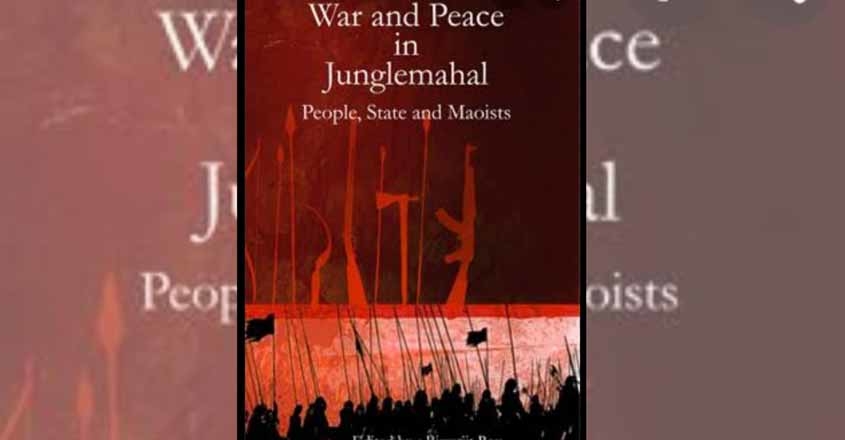
War and Peace

It is humanly impossible for even the most learned judge to have read every book referred to in their court. For a brief while this week, the judge conducting the trial of activist Vernon Gonsalves, an accused in the Bhima Koregaon incident of 2018, became an example of this. That was until the judge clarified that he is, in fact, aware of the Russian writer Leo Tolstoy and his epical novel War and Peace.

His response when the Bhima Koregaon charge sheet was placed before his court proves he knew of the provenance and contents of War and Peace. The confusion, it now appears, arose because the charge sheet had mentioned another book with a similar title. That is how the judge had ended up asking Gonsalves’ lawyers why their client possessed a book about wars in “other countries.”

It is not the judge’s knowledge of great literature but his belief that books about wars in other countries should not be owned (or read) by Indians that is a bigger surprise. Of course, since that remark, many commentators have pointed out that Tolstoy’s writings supported peace and not war. Accordingly, Mahatma Gandhi’s long correspondence with the literary legend is being highlighted afresh.

That said, this is not the first time that judges have expressed a curious indifference to the value of the written word, whether fictional or literary. The question arises, how can we tell if this incident is an aberration or the tip of an iceberg of flimsy excuses to keep people behind bars.

( Read the full article here : https://www.newsclick.in/books-about-wars-your-country)

Marx in Brussels

The most remarkable development during his time in Brussels was the penning down of the Communist Manifesto, which firmly established Marx as well as Engels as the intellectual leaders of the working class movement.

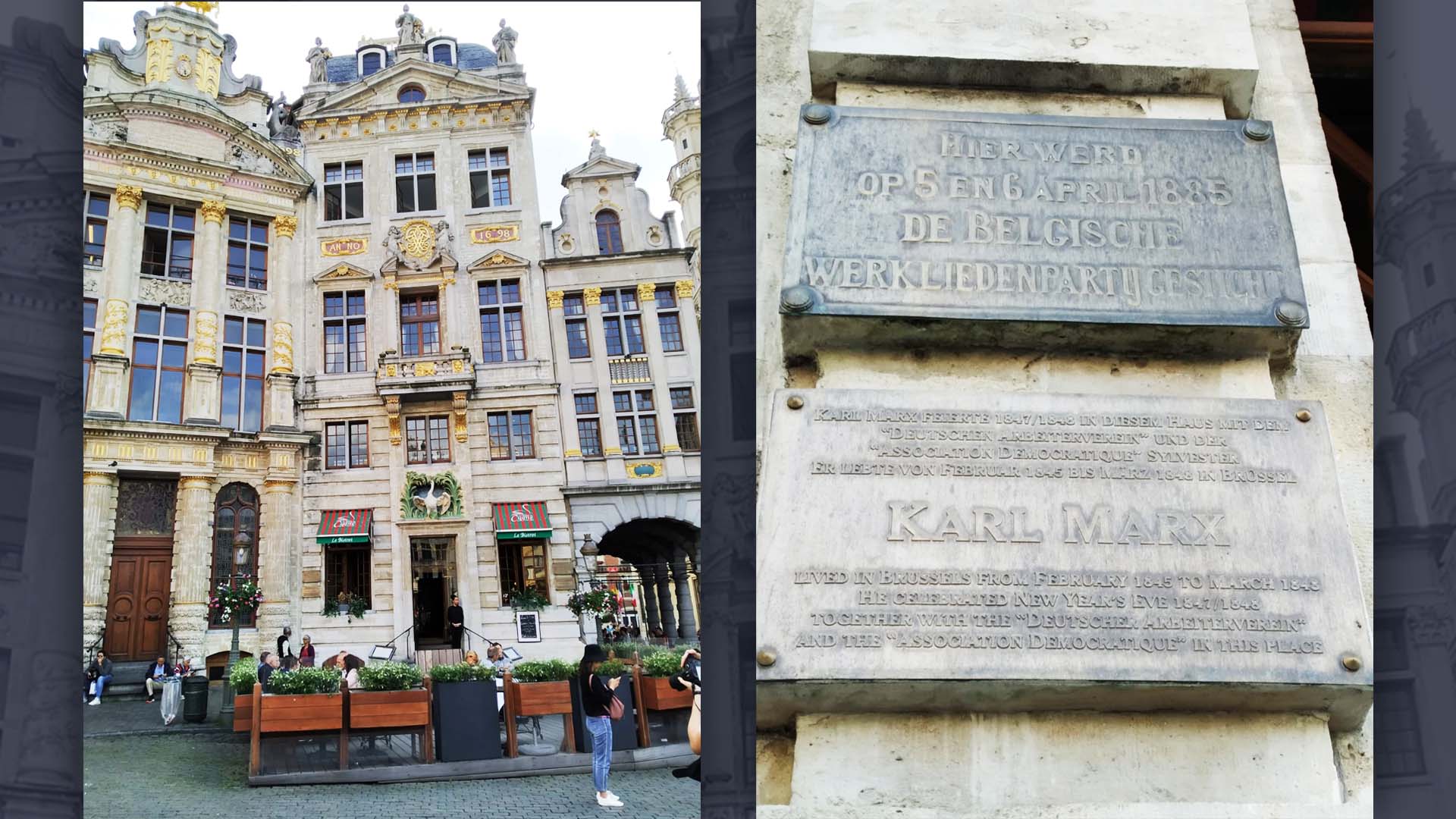
Marx in Brussels

Karl Marx

Lived in Brussels from February 1845 to March 1848

He celebrated New Year’s Eve 1947/48 together with the “Deutscher Arbeiterverein” and the “Association Democratique” in this place

The plaque put on a building which housed a restaurant ‘Le Cygne, The Swan’ now is the only memory left of the days when history was ‘made’ here. According to legend, it is the same place ‘[w]here the First International had convened’  and Marx and his lifelong friend and comrade Engels ‘[h]ad written the Communist Manifesto’.

No doubt it was the same place when Marx, Engels, Mozes Hess – who was another early luminary of socialism and who supposedly had influenced Engels about communism – and other associates of the surging workers movement pondered over many of those ideas which have been memorialised in the opening sentences of the Manifesto, “A spectre is haunting Europe — the spectre of communism….”

May be the historic slogan ‘Workers of the World Unite, You have nothing to lose but your chains’ which later reverberated throughout the world – whose echoes are still heard – had its ‘humble’ beginning in one of those very rooms, where Marx and his close associates used to educate workers about their exploitation.

Scores of people sitting in this particular restaurant which was serving them sumptuous food and choicest drinks were completely oblivious of all those details. Few of them rather looked at us with a sense of disbelief and dismay, when they witnessed us taking photos of the nondescript wall which had the plaque put on it. Perhaps they looked more satisfied that they are enjoying food at a place which is situated on the Grand Place or Grote Markt, which is the central square of Brussels and is considered one of the most beautiful squares in Europe and is also part of UN Heritage.

( Read the full article here : https://www.newsclick.in/karl-marx-in-brussels)

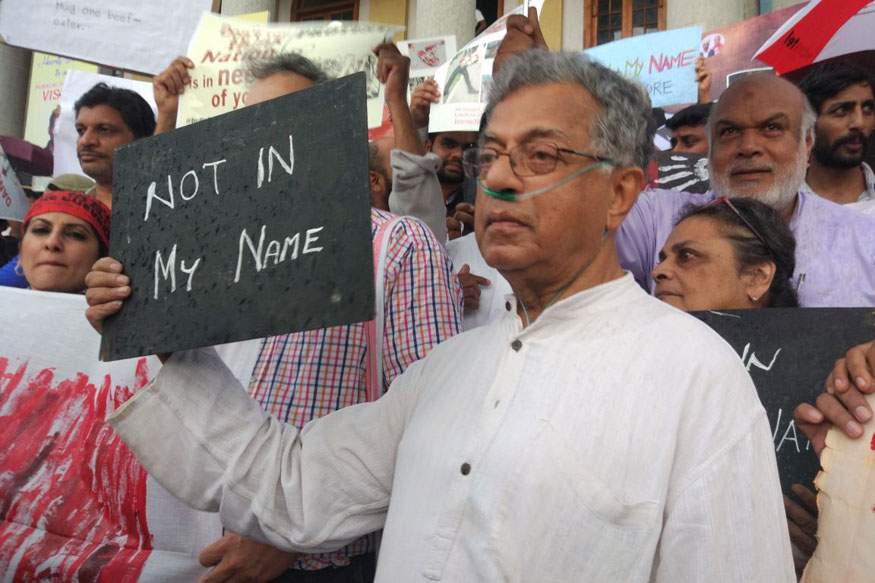
Alvida, Girish Karnad, we promise to keep up the fight for India

Girish Karnad 1938-2019

In Imagination, in Resistance, in Solidarity and Rage – People’s Literary Festival in Kolkata: Tamoghna Halder

Guest post by TAMOGHNA HALDER

“It was the unlikeliest setting for a ‘literature festival’. A run-down auditorium with rickety chairs secured with rope. Noisy ceiling and pedestal fans. Battle scarred tables covered with threadbare cloth. But the first edition of the People’s Lit Fest, held in Kolkata, was designed to be just that – a radically different interpretation of literature and its role in modern India”

These were the opening lines of a report by Scroll.in, on the 1st edition of People’s Literary Festival, 2018. In less than a couple of weeks, the 2nd edition of People’s Literary Festival (henceforth, PLF) will commence, once again at that run-down auditorium with rickety chairs, namely ‘Sukanta Mancha’ in Kolkata. The present article hopes to shed some light on the reasons why those rickety chairs or the noisy fans are related to PLF, but before that, as a member of Bastar Solidarity Network (Kolkata Chapter), I feel compelled to explain why we even organize PLF in the first place.

Continue reading In Imagination, in Resistance, in Solidarity and Rage – People’s Literary Festival in Kolkata: Tamoghna Halder

Adam, Eve, Art – Neither Belief Nor Unbelief: Prasanta Chakravarty

Guest post by PRASANTA CHAKRAVARTY

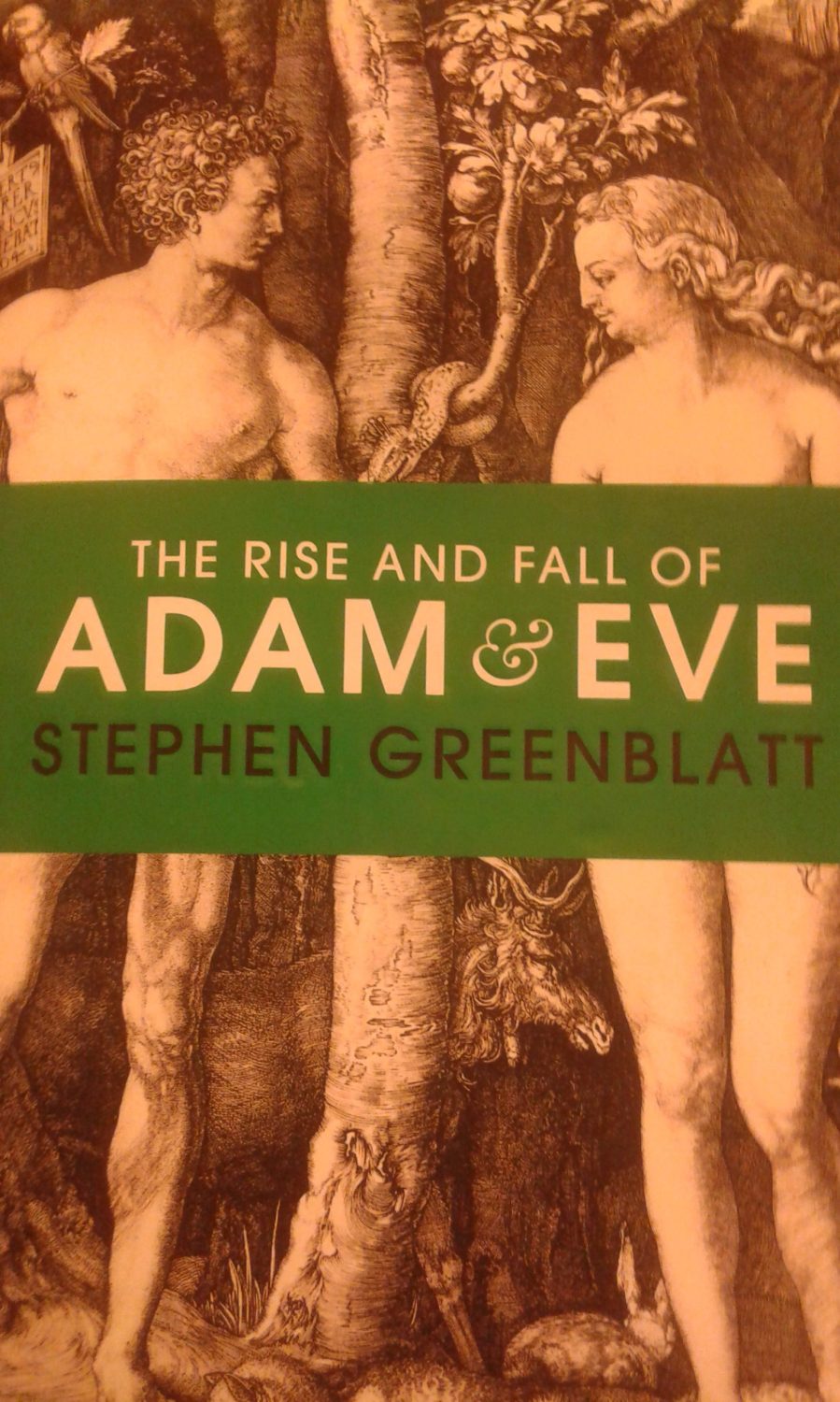
Stephen Greenblatt has struck upon a sheer and stupendous idea: to retell the tale of the first couple of the Christian world, Adam and Eve. The Rise and Fall of Adam and Eve is a sweeping work with a remarkably ranging scholarship, galloping through centuries in minutes. The tone and the expanse of the book successfully hide the vertical depth of laborious research that has gone into bringing such an ambitious endeavour into culmination.  This is also a book of reliving an ancient art: the bare act of telling a story, holding up the full panoply of its rich narrative contours. The book jauntily speculates as much as it reveals. The very subject matter allows Greenblatt to do so. But there is yet another dimension to this project— a life-long, intense personal engagement with the idea of how conscious human intervention may have altered man’s relationship with whatever is cosmic, mythical and animistic. To that end it is also an ideological book that tells the story of Adam and Eve as it tries to grapple with our modern condition.

Continue reading Adam, Eve, Art – Neither Belief Nor Unbelief: Prasanta Chakravarty

‘Why Ghalib appears so contemporary even today ?’ : Interview with Hasan Abdullah

Ghalib has fascinated generations of people and they have tried to understand/ interpret his poetry in their own way. For any such individual it is really difficult to recollect when and how Ghalib entered her/ his life and ensconced himself comfortably in one’s heart.

This wanderer still faintly remembers how many of Ghalib’s shers were part of common parlance even in an area whose lingua franca is not Hindustani. His andaaz-e-bayaan, his hazaron khwahishein, his making fun of the priest etc. could be discerned in people’s exchanges – without most of them even knowing that they were quoting the great poet.

To be very frank, to me, it is bewildering that a poet – who died over 150 years back – looks so contemporary or at times even a little ahead of our own times. Is it because, he talks about primacy of human being, at times philosophising about life,  and on occasions talking about rebelling against the existing taboos in very many ways? But then have not many other great poets have dealt with the same subjects/ topics? Continue reading ‘Why Ghalib appears so contemporary even today ?’ : Interview with Hasan Abdullah

Jignesh Mevani, The Meltdown of Modi-Men and Dadhichi’s Bones

[ This post is based on updates posted by me on my Facebook wall ]

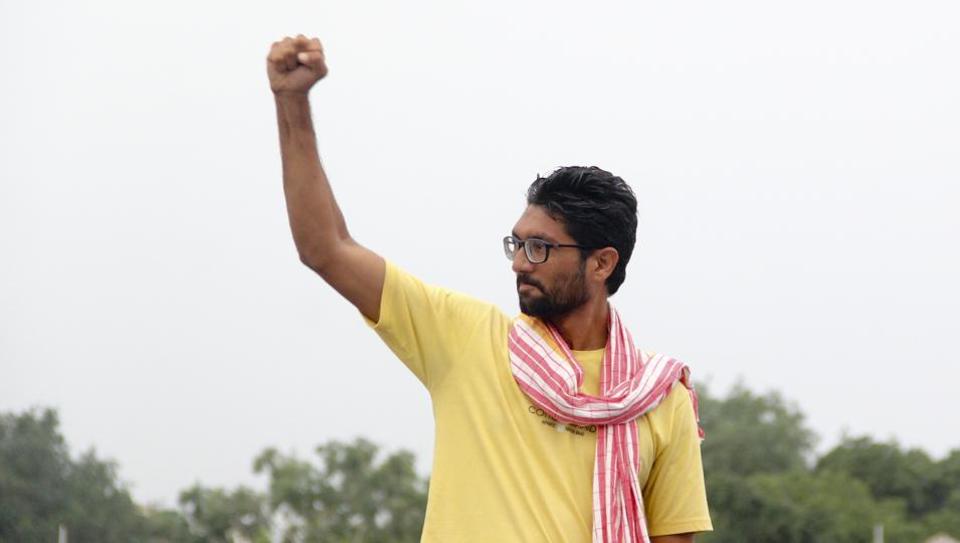
Jignesh Mevani. Photograph by Siddharaj Solanki, HT (Hindustan Times) File Photo, accessed from the HT website

A great kerfuffle has ensued ever since the recently elected independent MLA from Vadgam, Gujarat and Rashtriya Dalit Adhikar Manch activist Jignesh Mevani gave an interview in which he had some choice things to say about the Prime Minister and BJP leader Narendra Modi. Mr. Mevani made some positive and gentle suggestions, to the effect that because Mr. Modi has stopped being relevant, has not delivered on even one of the promises made by him, he should retire, proceed towards the Himalayas, and in the phrase that has caused the greatest commotion, ‘melt his bones’.

Predictably, Mr. Modi’s personal broadcasting service, known as Republic TV has kicked up the greatest fuss. Arnab Goswami has been especially indignant, and he was joined in his rage by BJP spokesperson, the orotund television commentator and historical photo-shop scam artist, Mr. Sambit Patra. Mr. Mevani offered a robust and dignified  refusal to apologize for what he said about Mr. Modi, when Republic TV demanded that he do so. Continue reading Jignesh Mevani, The Meltdown of Modi-Men and Dadhichi’s Bones