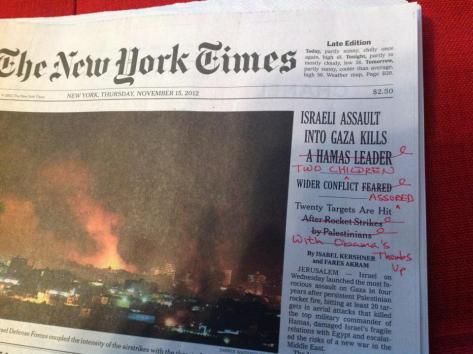
Sherry J. Wolf writes: Am sending my resume to the New York Times along with this clip. Clearly, they are in need of a copy editor…and a soul.

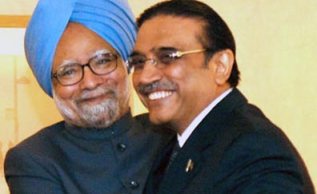
Dr Manmohan Singh is the longest serving Indian prime minister since Jawaharlal Nehru, but history will perhaps note more pertinently that he was the most discredited and unpopular prime minister since Chandra Shekhar Singh, who was in office for a mere eight months. So spectacularly disastrous has his second term in power been that the speed of political crises he battles is now more than one a week. Few will be able to count a single achievement of UPA-2.
And yet there is one achievement, and that is his handling of Pakistan.
The Indian home secretary was returning from a very positive visit to Pakistan when 26/11 happened. The 2008 terrorist attacks in Mumbai shocked not just India but the world. They were not like the bomb blasts we have become accustomed to; their impact was much more than 166 lives. They held India’s commercial capital hostage. They were an act of war and few even in Pakistan pretend that those attacks did not originate from Pakistani soil, across the Arabian Sea. Few in India buy the theory that state actors in Pakistan were not involved. Continue reading Why Manmohan Singh should not visit Pakistan
List of world-wide protests from Bethlehem to Quebec, November 14-17, 2012

Child wounded in Israeli air strike on November 14th
[From The Electronic Intifada]
Yesterday Israel ended an effective truce with armed groups in Gaza, and carried out the extrajudicial execution of Ahmed al-Jabari, the commander of the military wing of Hamas.
Israeli attacks today killed at least seven people including two young girls in Gaza.
Aside from the fact that it almost always violates truces and ceasefires, seeking escalation where instead there could be calm, what motives might Israel have?
Israel’s “Minister of Home Front Defense” [Avi Dichter] says Gaza must be “reformatted” as if it were a computer hard drive, just like Israel did in the West Bank in 2002 during a series of massacres it called “Operation Defensive Shield.”
Israel’s Ynet reported in Hebrew that Dichter
said in a closed meeting, in the course of his visit in the south under the escalation, that “there is no other choice, Israel must carry out a formatting action in Gaza, actually format the system and clean it out, the way we did in Judea & Samaria during Operation Defensive Shield.”
Protest in London over Israeli airstrikes in Gaza in 2009

This post is the third of a series based on a visit by Nivedita Menon and myself to Palestine in mid-September 2012. The first two are Nakba and Sumoud and Waiting for the Third Intifada.
It was the 18th of September, our third evening in Ramallah. We were at the Ramallah Cultural Palace to listen to Palestinian youth bands perform. The place was teeming with people, mostly young, in their twenties and thirties. The hall was packed, the atmosphere so electric that even if Magid had not been there to explain, there was no way we could have missed the excitement and the anger that the songs evoked in the audience. Interestingly, not all the songs were about Zionist oppression and the travails of everyday life in occupied Palestine. When a song critical of the PA (Palestinian Authority) began, the hall went up in spontaneous applause, endorsing the sarcastic lyrics directed at PA that has lately been involved in carrying out repression on its own population.
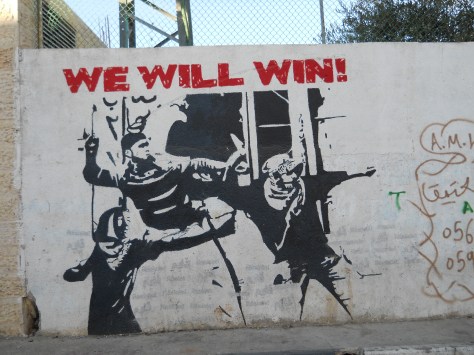
The complexity of the current phase of the movement arises from the fact that now, the new forces of Palestinian liberation are arrayed, not merely against Israeli occupation but also against this entity called PA and the Oslo Accords that put in place the political arrangements that mark the division of territories today. An arrangement that was supposed to be merely an interim one lasting but a few years, until the question of Palestinian statehood could be settled, has become a quasi-permanent one that is seen to threaten the longer-term goal itself.
Continue reading Imagining Post-Zionist Futures – Israeli Apartheid and Palestinian Resistance III
This release was put out by the RIHAI MANCH on 9 November
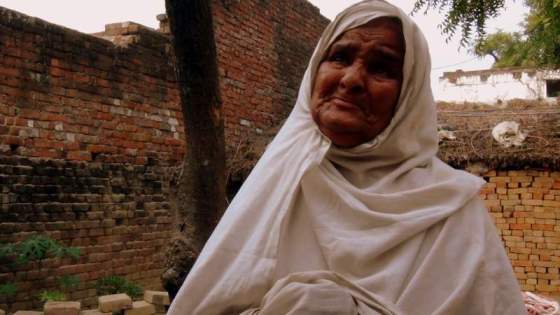
Faizabad 9 November 2012: An investigation team of Rihai Manch visited the Bhadarsa village which was affected by communal violence during Dussehra celebrations. The team found out that the violence was well planned and was executed by communal elements in connivance with the administration. The role of the media in this incident is also suspicious. The team also found that the administration is forcing the affected families to erase any evidence of the incident and they have not even been compensated. No FIR has yet been registered yet. The team has also requested the Sheetla Singh Investigation Commission (constituted by the Press Council of India) to visit the area. Continue reading The Uttar Pradesh administration has a prominent role in the burning of Bhadarsa: Rihai Manch
Guest post by SOHAIL ABID
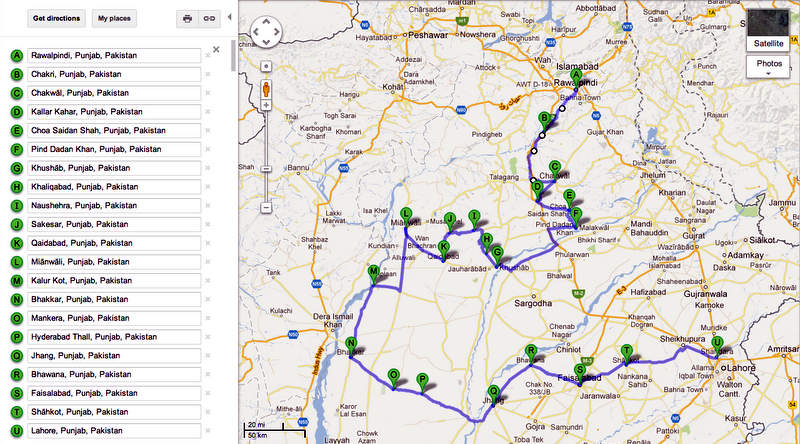
In 2010, I embarked on an ambitious bike trip of Punjab, visiting 30 cities in 30 days, covering 5,000km. That was a wonder experience but limited to big cities and towns. This time I want to see the rural side of Punjab. The idea is to avoid highways and travel through the roads connecting villages and small towns of Punjab. The following photographs are from the first phase of this trip, from Rawalpindi to Lahore through the towns and villages in west Punjab, away from the G.T. Road. I quit my day-job a few months ago. The 9-6 life wasn’t meant for me, I guess. Folklore and Punjab are the two things that fascinate me the most. That’s the reason I founded folkpunjab.com. These travels will one day provide me the base for writing something substantial on the folklore of Punjab. Continue reading A Journey in the Punjab: Sohail Abid
This release in Hindi about recent communal violence in the Bhadarsa area of Faizabad district of Uttar Pradesh comes to us from the RIHAI MANCH. Please help us translate this into English by translating just one paragraph in the comments
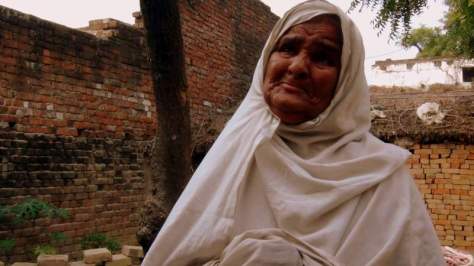
फैजाबाद, 9 नवम्बर 2012। रिहाई मंच के जांचदल ने दशहरा के दौरान हुयी साम्प्रदायिक हिंसा से प्रभावित भदरसा गांव का दौरा किया। जांच दल ने पाया कि भदरसा में हुयी हिंसा पूरी तरह सुनियोजित थी जिसे साम्प्रदायिक तत्वों और प्रशासन की मिलीभगत से अंजाम दिया गया जिसमें मीडिया की भूमिका भी संदिग्ध थी। जांच दल ने यह भी पाया कि प्रशासन की तरफ से आगजनी से पीडित परिवारों से घटना के साक्ष्य जबरन मिटवाए जा रहे हैं जबकि पीडि़तों को न तो उचित मुआवजा मिला है और ना ही एफआईआर दर्ज किये गये हैं। जांच दल ने प्रेस काउंसिल द्वारा गठित शीतला सिंह जांच आयोग से भी भदरसा जाने की मांग की है। Continue reading भदरसा के जलने में प्रशासन की अहम भूमिका: रिहाई मंच
Guest post by KALYANI MENON SEN
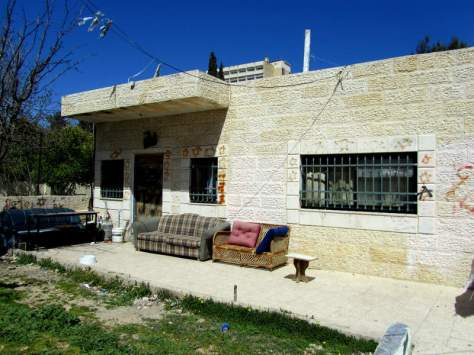
Umm Nabil al Kurd is 82 years old. She is tiny and frail – her hands tremble as she takes the mike. But her voice is steady as she describes how she lost her home.
“We came to Jerusalem from Haifa as refugees in 1948” she says. “The Jordanians allotted us our house. We have lived there for 60 years – my children were born there. It was small and broken when we moved in – we extended it and improved it as our family grew. We planted a garden. When my son got married and the grandchildren came, we built a separate unit for him at the back of the main house. We built with our own money, with our own hands. Then, two years ago, the Israelis came with the police and told us to leave. They said the house was theirs. They pushed me to the ground, called me filthy names, turned their dogs on me. They threw out our furniture and moved into the house. We went to court but the judge said we were occupying the house illegally – he told us to pay 100,000 shekels as rent for the years that we had lived in the house. We had to pay – my husband would have been imprisoned if we did not. We are still fighting the case – the next hearing is in July but I don’t know if we will ever get the house back.” Continue reading “We may weep but we will stay”: Women resist evictions in Palestine: Kalyani Menon Sen
Planning to visit Palestine? Good news, Indian citizens don’t need a visa to enter Palestine. One small thing though. Palestine is occupied, and you cannot enter Palestine except through Israeli border control. The occupied Palestinian territories (OPT) have no control over their external borders.

Entry to Ayda refugee camp in the West Bank, established in 1950. The key is the symbol of the Right of Return of Palestinians. (Photo AN/NM)
Whether you fly in through Ben Gurion airport in Tel Aviv, or enter by road from Jordan or Egypt – it’s an Israeli visa that is required – there is no such thing as a visa to Palestine. Indeed, from the point of view of the occupying state, there is no Palestine, only Palestinian Territories – that is, West Bank and Gaza, the two green bits in the fourth map reproduced in the previous post. (There are also no Palestinians, according to Israeli state classifications – there are Israelis and there are bureaucratically differentiated Arabs, as we’ll see below). Continue reading Israeli Apartheid and Palestinian Resistance II – Living the Occupation
Onwards to the Dharna and Hunger Strike of 7th and 8th November !!
The Maruti Suzuki Workers Union (MSWU: Reg. no. 1923) has decided to hold a protest dharna in the form of a two-day hunger strike on 7th and 8th November 2012. Our family members, relatives and well-wishers and organizations have staged regular protests across Haryana and given memorandum to all the ministers in the state but to no avail. We were not allowed to unite and express our side of the story and our indignation atbeing falsely implicated in the unfortunate incident of 18th July 2012.
Continue reading Maruti Suzuki Workers Union Release – Dharna and Strike on 7th and 8th November
Guest post by RAHUL VERMA
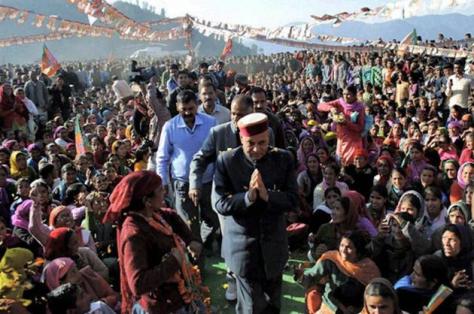
Even though Hiamchal Pradesh voted on November 4, Gujarat has been hogging all the limelight. The election in Gujarat is only in the third week of December. Gujarat captures our political imagination as a ‘role model state’ whereas Hiamchal Pradesh is just in our tourism agenda as a top holiday destination. It is hard for anyone to notice Himachal as a political entity among the big brothers like Uttar Pradesh, West Bengal, Bihar, Andhra Pradesh, Tamil Nadu, and Maharashtra. The irony is that some smaller states like Manipur and Nagaland still manage to get some attention because of violent manifestations of political choices in these states. Himachal Pradesh is absent from our discourses as the state is just ‘small’ and ‘beautiful’. However, the great turn around in Himachal over last two decades demands that India at least recognizes the “Himachal Pradesh model of development”. Continue reading Gujarat vs. Himachal Pradesh: Rahul Verma
This statement is based on a Seminar attended by representatives of Safai Karamchari Andolan, Republic Trade Union of India, Centre of Indian Trade Unions, Tamil Nadu Untouchability Eradication Front; Advocates, Doctors and Health Activists; Faculty and Students of MIDS, IIT-M, New College, ACJ, MSE, Madras University among others. The discussion was one among many incidents happening across the country to support the struggle for abolishing manual scavenging and rehabilitation of manual scavengers.
Others who would wish to endorse this statement may please use the link attached along with this post (from change.org) to sign it. http://www.change.org/en-IN/petitions/end-the-scourge-of-manual-scavenging-now.
More than a million people (mostly Dalit women and children) in India are still being ordained by the caste-ridden social order to clean the refuse of society with their bare hands. They are systemically forced to sell their labour-power, at a minimal price, to perform this inhuman task – what is termed as “Manual Scavenging”. People from particular Dalit communities, cutting across region and religion, are vulnerable to early death due to fatal infections, disease and exposure to toxic gases that manual scavenging entails. Further, age old casteism, continues to stigmatize and humiliate manual scavengers suppressing them to the status of “lesser humans”. Continue reading Petition – End the Scourge of Manual Scavenging
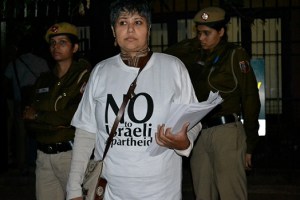 On Sunday evening, November 4th, about 60 friends of Palestine — theatre persons, writers, artists, film makers, academics, students and activists — gathered outside Delhi’s Siri Fort auditorium, the venue for the Israeli state-sponsored performance by The Cameri Theatre. Their form of protest was an unusual one. All of them wore T shirts which said, in bold black letters on white, No to Israeli Apartheid. There were no slogans or placards. Instead, they stood around the entrance, distributing leaflets and talking to theatre goers about the boycott. A few theatre goers actually responded and did not go in. A couple even joined the protest. One woman, who took a T shirt to wear inside, found a different form of discrimination being practiced in the auditorium; the Israeli theatre goers were let in, but the Indians had to wait. She read the leaflet in her hand, came out to join the protestors. Read more
नीतीश कुमार और मीडिया दोनों एक-दूसरे को बहुत प्रिय हैं. (यहां मीडिया से तात्पर्य मुख्यतः बिहार के मुख्यधारा के बड़े अखबारों से है.) नीतीश कुमार बतौर मुख्यमंत्री मुख्यधारा की मडिया पर बिहार का खजाना लुटाते हैं और बदले में मीडिया अपना युगधर्म भूलकर उनकी झूठी-सच्ची तारीफ में लगा रहता है, उनके पक्ष में तर्क-कुतर्क गढ़ता है, अखबार संदर्भ-बेसंदर्भ उनकी बड़ी-बड़ी तसवीरें छापते हैं. वैसे नीतीश कुमार और मीडिया के बीच के मधुर रिश्ते की और भी दूसरी बड़ी वजहें भी हैं, लेकिन उनकी चर्चा फिर कभी. फिलहाल इस रिश्ते का जिक्र इस कारण क्योंकि पिछले दिनों नीतीश अखबारों के पहले पन्नों पर दिखाई तो दे रहे थे, मगर कुछ दूसरे अंदाज में उनकी तस्वीरें छप रही थीं.
मामला कुछ यूं था. बिहार को विशेष राज्य दिलवाने की मांग (या कहें जिद) के लिए जन-समर्थन जुटाने जब इस बार नीतीश कुमार बिहार भर की ’अधिकार-यात्रा’ पर निकले तो जनता-जर्नादन को अपने अधिकारों की भी याद आ गई. (लिखत-पढ़त में यह उनकी सरकारी यात्रा नहीं थी!) मिथिलांचल इलाके से इस यात्रा के दौरान आम लोगों, खासकर नियोजित शिक्षकों ने अपने मांगों के समर्थन में नीतीश कुमार का ध्यान खींचना शुरू किया. गौरतलब है कि इस मंहगाई में नौकरी करते हुए भी मात्र छह-सात हजार मासिक पाने वाले ‘सरकारी’ शिक्षकांे को बिहार में कई महीनों से वेतन तक नहीं मिल रहा था. अब जनता का तो अपना तरीका होता है (कहीं-कहीं बहकावे में भी आ जाती है, कहीं-कहीं जनता की भीड़ में शरारती तत्व भी घुस जाते हैं), वह कहीं काला झंडा लहराने लगी तो कहीं मंच की ओर चप्पल दिखाने-उछालने लगी. उपेक्षा और परेशानियों से उपजे लोगों के आक्रोश ने खगड़िया जिले में रौद्र रूप धारण कर लिया. और खगड़िया के बाद ही नीतीश कुमार अखबारों में उस अंदाज में दिखाई देने लगे, जिस बदले रूप का ऊपर जिक्र है.
Continue reading लोकतंत्र के ईश से दूर होते नीतीश : मनीष शांडिल्य
This is the text of GIRISH KARNAD‘s speech at the Mumbai Literature Festival, as compiled by Outlookindia.com from various sources.
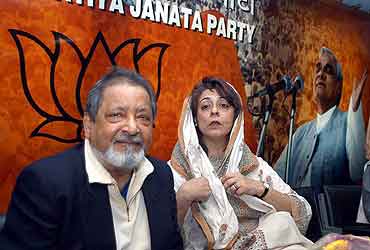
On Friday afternoon at the Tata Literature Live! festival in Mumbai, playwright Girish Karnad surprised audiences with an unexpected and spirited critique of Nobel laureate Vidia Naipaul. Naipaul was awarded the Landmark and Literature Alive’s Lifetime Achievement Award on October 31. Karnad was originally supposed to talk about “his life in theatre” in his session, but instead launched into a scathing critique of Naipaul and the conferral of the award to him
This is what he said at the festival:
At the Mumbai Literature Festival this year, Landmark and Literature Alive have jointly given the Lifetime’s Achievement Award to Sir Vidia Naipaul.
The award ceremony held on the 31st of October at the National Centre of the Performing Arts coyly failed to mention that Naipaul was not an Indian and has never claimed to be one. But at no point was the question raised. Continue reading Why is Naipaul Being Honoured?: Girish Karnad

In 1988 Lutyen’s Delhi, was declared a heritage zone by prohibiting building activity within the 26 square kilometre area out of the 43 Sq. Km. area that falls within the civic control of New Delhi Municipal Committee (NDMC). A move has now been initiated to get the entire area declared a World Heritage site.
The very logic of an area being declared a Heritage Zone should preclude any interference with the layout and design of the entire zone. Non-interference also means that, future building and development activity, if at all permitted, has to conform to the original parameters of design, materials, fittings and fixtures used, building techniques, landscaping and the kinds of trees planted in the heritage zone.
Even before the 1988 freeze on construction, there was a master plan for Delhi and it clearly identified the Lutyen’s Bungalow Zone as an area where high rises were not to be permitted.
The actual violations began when this rule was selectively relaxed beginning with permission given in the mid 70s to construct the high rise Sagar Apartments on Tilak Marg. High rises like Asha Deep and Dakshineshwar on Hailey Road followed shortly thereafter. Continue reading New Delhi: A heritage zone at 80!
In August this year, I moved to Ethiopia to cover the growth of Indian investment in Africa. As many of our readers may know, a flurry of reports by groups like Human Rights Watch and the Oakland Institute have implicated Indian companies in what they call “land grab” in Africa. While it is too early for me to pronounce any sort of verdict on the modalities and support for large-scale land investments in Ethiopia and elsewhere in the continent; one of my early reports suggests that things havent quite worked out as some Indian companies expected.
Indian companies which invested in controversial deals involving hundreds of thousands of acres of land in Ethiopia have found themselves out of their depth in a fast-growing African economy that is still in the process of building critical transport and irrigation networks.
Documents related to one such transaction reveal how Emami Biotech, a subsidiary of the Rs.2,200-crore Emami Group, pulled out of a Rs. 400-crore, 40,000-hectare, bio-fuel plantation only a year after the project was announced.
Indian companies are the second largest investors in the Ethiopian economy with approved investments worth nearly $5 billion.
While a majority of the businesses are small manufacturing and trading enterprises run by business families long settled in East Africa, the big money has come with the recent entry of large Indian investors.
A number of Indian companies have signed agreements to lease more than 4,40,000 hectares of land across Ethiopia, 1,00,000 hectares of which has been granted to a single Bangalore-based company, Karuturi Global Ltd. International. Rights organisations and NGOs have characterised the deals as instances of land grab and have accused the government of forcibly resettling pastoral communities.

भारत के दो महानगरों राष्ट्रिय राजधानी दिल्ली और बम्बई को यूनेस्को द्वारा विश्व धरोहर की सूची में नामांकित करने की तैयारियां चल रही हैं, कुछ मित्रों ने दिल्ली या बम्बई की बहस शुरू कर दी है जो वास्तव में पूर्णत: अनर्गल बात है.
में दिल्ली बनाम बम्बई के पचड़े में पड़ने के बजाये ये सवाल पूछना चाहता हूँ के ऐसा क्यों है के 65,436,552 की कुल आबादी और 6,74,800 वर्ग किलोमीटर के कुल क्षेत्रफल वाले फ्रांस में 35 स्थान, नगर, इमारतें प्राकृतिक स्थल आदि ऐसे हैं जो विश्व धरोहर की सूची में शामिल किये गए हैं मगर इस सूची में भारत का नाम केवल 29 बार ही आता है.
जो सवाल पूछना ज़रूरी है वो यह के सिर्फ दिल्ली या/और बम्बई ही क्यों? जोधपुर, जयपुर, अजमेर, इंदौर, उज्जैन, भोपाल, बनारस, इलाहबाद, लखनऊ, पटना, वैशाली, हैदराबाद, विदिशा कालिंजर, मदुरै, कांचीपुरम कलकत्ता और मद्रास क्यों नहीं ?, आप ने नोट किया होगा के बम्बई कलकत्ता और मद्रास के नए नाम में इस्तेमाल नहीं कर रहा हूँ और दिल्ली को भी देहली नहीं लिखा है. यह जान बूझ कर किया जा रहा है दरअसल विरासत कहीं अतीत में जड़ हो गयी कोई चीज़ नहीं है और इसलिए नाम बदलने की समस्त परियोजनाएं विरासत से छेड़ छाड करने की निन्दनीय प्रवर्ति का ही हिस्सा हैं. Continue reading दिल्ली बनाम बम्बई
This guest post by PRASAD SHETTY, RUPALI GUPTE and PRASAD KHANDOLKAR is research work in progress for Sarai Reader 09 @ Devi Arts Foundation, Gurgaon
When a new city settles, new systems are made, new vocabularies get invented, new relations are formed, new methods are devised, new networks are forged, new enterprises are produced, and new life is led to settle the ruffles. This work is a compilation of such systems, vocabularies, relations, methods, enterprises and networks that get formed to shape and settle the city.
CLU:
‘Change of Land Use’ is a town planning provision that is generally a part of town planning acts of various states across India. This provision allows land use changes in the statutory plan. This provision is made to allow governments to respond to unforeseen requirements of the future, where some lands need to be used differently from the planned use. Continue reading Gurgaon Glossaries: Prasad Shetty, Rupali Gupte and Prasad Khandolkar
Guest post SHOAIB DANIYAL

Nothing good comes of having your status as capital snatched from you by Delhi. As a Calcuttan I know the pain. Of course, my city’s had it relatively easy when you consider the fate of Sasaram in Bihar. That’s where Afghan warlord (what a useful phrase: right from Bihar in the 16th century to the US invasion in the 21st) Sher Shah Suri had his capital, as ruler of Bengal and Bihar, before he overthrew Humayun and moved shop to the Purani Qila in Delhi. Unlike the Afghan warlords of today though, Sher Shah was a pretty impressive ruler. He introduced the rupiya. which was the predecessor of the modern rupee. More interestingly, he introduced a small denomination coin called the dam which probably gave rise to the English phrase “I don’t give a damn”. The administrative set-up introduced by him was so impressive that Akbar copied liberally from it and Sher Shah’s ideas therefore ruled India for centuries after the man’s death. Continue reading Chai, Autos and Sher Shah Suri: Shoaib Danyal
This release was put out yesterday by the
JAMMU & KASHMIR COALITION OF CIVIL SOCIETY
On 24 October 2012, the news of the death of former Deputy Inspector General [DIG] Allah Baksh broke out. Politicians, government officials, business groups, and certain elite sections of the Kashmir valley shamelessly competed with each other in offering condolences.
It is a shocking phenomenon which JKCCS condemns as Allah Baksh was notoriously known for his involvement in the 21 January 1990 Gaw Kadal massacre when he was the Deputy Superintendent of Police [DSP]. The Gaw Kadal massacre was one of the first massacres in the post-1990 armed conflict in which reportedly more than 50 civilians were killed. For this massacre an FIR was registered against the dead and surviving civilians [3/1990 Police Station Kralkhud] but no one was held accountable for the massacre itself.

