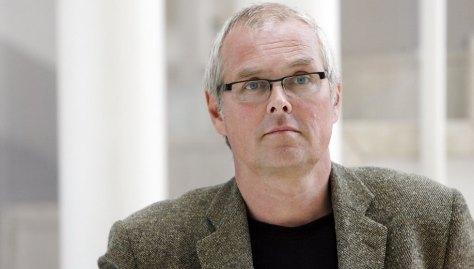
This guest post by MANISHA SETHI is a response to “Congress and the Problem with the Deluded Liberals” by Mihir Srivastava in Open magazine
Mihir Srivastava is very upset that the debate on Batla House refuses to die down. In his view, his piece in India Today – “Inside the Mind of the Bombers – appearing soon after the ‘encounter’ should have settled the debate once and for all. But he was surprised that it wasn’t received as a resolution. He is even more upset that deluded liberals (read Arundhati Roy) are no longer on talking terms with him.
“In the Batla House case, which I reported much the same way I had reported so many of the cases they were happy with, it is just that the facts I saw and reported did not mesh with what they wanted to believe.”
This is simply not true. The many stories that deluded liberals approved of, according to, Mr. Srivastava, and which he cites to bolster his own reputation, are in fact very different from his India Today’s ‘story’. His expose on the Red Fort terror attack in Tehelka, for example, critically examined the evidence produced by the police, verified and cross checked the statements made by the accused in court and even brought out the discrepancies in the observations made by the court and its eventual judgement which upheld the death sentence of Md. Arif alias Ashfaq alias Abu Hamad. ‘Wrong Man to the Gallows’ is an example of good investigative journalism, not because it confirms our worst suspicions about the ways in which investigative agencies frame innocents, but because it painstakingly pieces together evidence and doesn’t get swamped under nationalist hyperbole spun by the mainstream media to take a cold, hard look at the evidence. Continue reading Batla House and the problem with the deluded journalist: Manisha Sethi
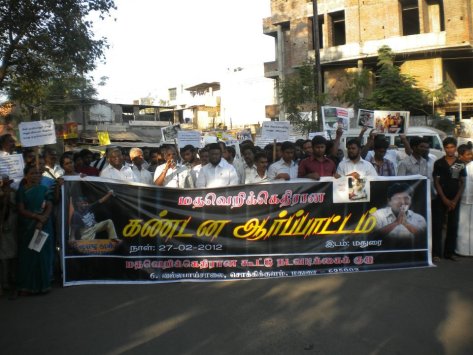
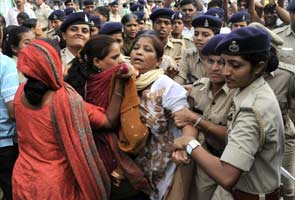


 The United People’s Freedom Alliance government’s inability to put forward economic policies that address the grievances of the downtrodden sections of the Sri Lankan polity, outside the frameworks of neo-liberalism, has led to chaos in the country. The government’s move to privatize the higher education sector created a major uproar in the country last year. The academic staff attached to Sri Lanka’s universities began a trade union action demanding higher wages in 2011. In the Katunayake Free Trade Zone, garment sector workers took to the streets against a pension scheme introduced by the government much against the interest of the workers. These protests have brought to light the government’s ill-conceived economic policies, and its indifference to the concerns of the working people. Financial mismanagement, corruption at the various levels of the state, the escalating expenditure on the militarization of the North and East provinces, and the government’s sheer disregard for the fundamental needs of the people have created an atmosphere of economic instability. This situation might lead to political unrest in the future, if the Sri Lankan government continues to lack the will to salvage the economy from neo-liberalism and mismanagement. The government’s move to increase the prices of fuels has aggravated this situation.