Trajectory of India’s Democracy and Contemporary Challenges : Prof Suhas Palshikar

[Inaugural Lecture of ‘Democracy Dialogues’ Series ( Webinar)
Organised by New Socialist Initiative, 12 th July 2020]

Join us on facebook.com/newsocialistinitiative.nsi for further updates


( Prof Suhas Palshikar, Chief Editor, Studies in Indian Politics and Co-director, Lokniti at the Centre for the Study of Developing Societies, delivered the inaugural lecture in the ‘Democracy Dialogues’ Series initiated by New Socialist Initiative.

In this lecture he attempted to trace the roots of the current moment of India’s democracy in the overall global journey of democracy, the extra-ordinarily ambitious and yet problematic foundational moment of Indian democracy and the many diversions India’s democracy has taken over time. He argued that unimaginative handling of the extra-ordinary ambition and Statist understanding of the ‘power-democracy’ dialectic formed the basis for easy distortions of democratic practice and that while populism and majoritarianism are the current challenges, they are by no means only special to the present and therefore, even as critique and course-correction of present political crisis is urgently required, a more long-term view of the trajectory of Indian democracy is necessary.

Here follows a detailed summary of his presentation prepared by Dr Sanjay Kumar)

Continue reading Trajectory of India’s Democracy and Contemporary Challenges : Prof Suhas Palshikar

Cisco Case Shows Indians Still Take Caste Where they Go

How discrimination is integrated into the daily lives of the Indian diaspora still needs to be understood.

Cisco Case Shows Indians

What happens to caste when Indians migrate to Western countries? Do their feelings of being born superior or inferior, their belief in the purity-pollution ethic, just melt away? The “model minority” has tried to avoid a conversation on this issue but it returns to haunt them time and again. Now the American state of California is at the centre of yet another caste controversy.

The last serious discussion around Indian-Americans and caste took place in 2015, when the California State Board of Education initiated a regular ten-year public review of the school curriculum framework. The conservative Hindu American Foundation (HAF) and the South Asian Histories for All Coalition (an interfaith, multi-racial, inter-caste coalition) clashed over HAF’s proposed interventions, which essentially sought to erase caste from the syllabus. The Coalition took the position that evidence and record of the injustices of caste and religious intolerance in South Asian must not be erased.

( Read the full article here)

वरवर राव को रिहा करो!

भीमा कोरेगाँव मामले तथा अन्य सभी मामलों में विचाराधीन लेखकों-मानवाधिकारकर्मियों को रिहा करो !

(न्यू सोशलिस्ट इनिशिएटिव, जन संस्कृति मंच, दलित लेखक संघ, प्रगतिशील लेखक संघ, जनवादी लेखक संघ, जन नाट्य मंच, इप्टा, प्रतिरोध का सिनेमा और संगवारी की ओर से जारी साझा  बयान )

State trying to kill Varavara Rao in jail, he needs immediate ...

( Photo Courtesy : New Indian Express)

‘…कब डरता है दुश्मन कवि से ?

जब कवि के गीत अस्त्र बन जाते हैं

वह कै़द कर लेता है कवि को ।

फाँसी पर चढ़ाता है

फाँसी के तख़्ते के एक ओर होती है सरकार

दूसरी ओर अमरता

कवि जीता है अपने गीतों में

और गीत जीता है जनता के हृदयों में।’

–वरवर राव, बेंजामिन मोलेस की याद में, 1985

देश और दुनिया भर में उठी आवाज़ों के बाद अन्ततः 80 वर्षीय कवि वरवर राव को मुंबई के जे जे अस्पताल में शिफ्ट कर दिया गया है। राज्य की असंवेदनशीलता और निर्दयता का इससे बड़ा सबूत क्या होगा कि जिस काम को क़ैदियों के अधिकारों का सम्मान करते हुए राज्य द्वारा खुद ही अंजाम दिया जाना था, उसके लिए लोगों, समूहों को आवाज़ उठानी पड़ी। Continue reading वरवर राव को रिहा करो!

तुर्की – गैर धर्मनिरपेक्ष रास्ते पर : मुशर्रफ अली

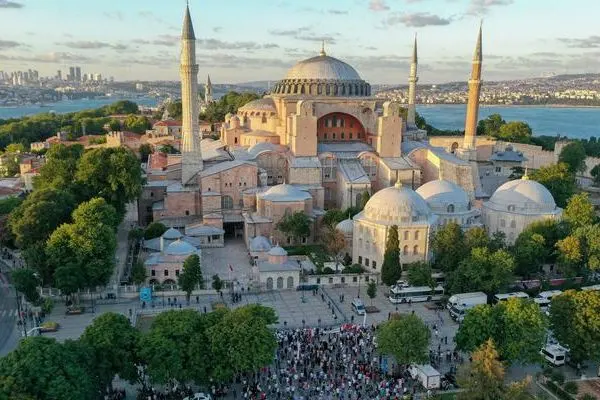
Guest Post by Musharraf AliThe Hagia Sophia Court Judgment — What Lies Beneath?  

क़ुव्वत ऐ फ़िकरो अमल पहले फ़ना होता है
फिर किसी क़ौम की शौकत पे ज़वाल आता है


(किसी क़ौम के दबदबे या रौब में तब गिरावट आती है, जब उसकी सोचने-विचारने की ताक़त खत्म हो जाती है)

8 जुलाई 2020 को तुर्की के राष्ट्रपति तय्यप इरदुगान ने चर्च से मस्जिद फिर मस्जिद से म्यूजियम बना दी गयी ऐतिहासिक इमारत हय्या सोफ़िया को फिर से मस्जिद बनाने की घोषणा की इसके बाद 10 जुलाई को वहां के सुप्रीम कोर्ट ने इरदुगान के फैसले के पक्ष में फैसला दिया। इस घटना के बाद दुनिया भर के मुसलमानों में खुशी की लहर दौड़ गयी और पस्ती में डूबी हुई क़ौम को एक विजय का अहसास हुआ। इस घटना के बाद मैं इंटरनेट पर मुसलमानों की प्रतिक्रिया का अध्ययन करता रहा था। मैं इस तलाश में था कि इस घटना के विरोध में इसकी मज़्ज़मत में मुस्लिमो की तरफ़ से कोई तो आवाज़ सुनाई देगी लेकिन जहां तक इंटरनेट पर मैं ढूंढ पाया एक भी आवाज़ विरोध की नही मिल पायी जबकि समर्थन करती और खुशियां मनाती पोस्टें भरी पड़ी थी। मेरी नज़र में यह घटना वैसी ही है जैसी बाबरी मस्जिद ढहने की है और वहां के सुप्रीम कोर्ट का फैसला भी वैसा ही है जैसा नवम्बर 2019 में भारत के सुप्रीम कोर्ट ने बाबरी मस्जिद के संबंध में सुनाया। तुर्की में हय्या सोफिया को ढहाया नही गया लेकिन सांकेतिक रूप से माने तो यह ढहाने जैसा ही क़दम है। बाबरी मस्जिद, मंदिर तोड़कर बनाई गई अभी यह बात विवादित बनी हुई है लेकिन हय्या सोफिया 1453 से पहले चर्च था यह ऐतिहासिक रूप से प्रमाणित है। जब मुस्तफा कमाल अतातुर्क ने मस्जिद बना दिये गए चर्च को म्यूजियम में 1934 में बदला तब विवाद को समाप्त करने का उनका बहुत ही समझदारी भरा क़दम था मगर तुर्की राष्ट्रपति तय्यप इरदुगान ने कमाल अतातुर्क के सारे किये कराए पर अपने निजी स्वार्थ में पानी फेर दिया और दुनिया भर में मुसलमानों की जो खराब छवि बना दी गयी है उसको और खराब कर दिया। उनके इस काम से मुसलमानों की जो बुनियादी समस्याये हैं वो हल होने की जगह और बढ़ गईं। Continue reading तुर्की – गैर धर्मनिरपेक्ष रास्ते पर : मुशर्रफ अली

सलाह: मुरीद बरघूती/अनुवाद: आयेशा किदवाई

You can read the English translation by Radwa Ashour, of Palestinian poet Mourid Barghouti’s poem Counsel, below this translation into Hindustani by AYESHA KIDWAI

“La reproduction interdite” by Rene Magritte 1937.

सलाह 

हैरत ज़दा, असमंजस में,

उस ने हमें बुलवाया

और हम हाज़िर हुए.

उसकी संगेमरमर की बालकनी के तले खड़े हुए:

दुखी लग रहा था वो.

हाथ लरज़ रहे थे

जब से एक ज्योतिष ने उस से ये कह दिया था

किसी की सलाह नहीं लोगे, तो मौत पक्की है“. Continue reading सलाह: मुरीद बरघूती/अनुवाद: आयेशा किदवाई

जातिगत भेदभाव को लेकर कब ख़त्म होगा भारतीयों का दोहरापन

भारतीयों के मन में व्याप्त दोहरापन यही है कि वह ऑस्ट्रेलिया में भारतीय छात्रों पर होने वाली ज़्यादतियों से उद्वेलित दिखते हैं, पर अपने यहां के संस्थानों में आए दिन दलित-आदिवासी या अल्पसंख्यक छात्रों के साथ होने वाली ज़्यादतियों को सहजबोध का हिस्सा मानकर चलते हैं.

(फोटो: रॉयटर्स)

(फोटो: रॉयटर्स)

‘जाति समस्या- सैद्धांतिक और व्यावहारिक तौर पर एक विकराल मामला है. व्यावहारिक तौर पर देखें तो वह एक ऐसी संस्था है जो प्रचंड परिणामों का संकेत देती है. वह एक स्थानीय समस्या है, लेकिन एक ऐसी समस्या जो बड़ी क्षति को जन्म दे सकती है. जब तक भारत में जाति अस्तित्व में है, हिंदुओं के लिए यह संभव नहीं होगा कि वह अंतरजातीय विवाह करें या बाहरी लोगों के साथ सामाजिक अंतर्क्रिया बढ़ाएं. और अगर हिंदू पृथ्वी के दूसरे हिस्सों में पहुंचते हैं, तो फिर भारतीय जाति विश्व समस्या बनेगी.’

– डॉ. बीआर आंबेडकर (1916)

वर्ष 1916 के मई महीने में कोलंबिया विश्वविद्यालय में मानव वंशशास्त्र विभाग में सेमिनार में डॉ. आंबेडकर ने ‘भारत में जाति- उनकी प्रणाली, उनका उद्गम और विकास’ (Castes In India- Their Mechanism, Genesis and Development) पर अपना पेपर पढ़ा था.

पेपर पढ़ते हुए उन्होंने इस बात की भविष्यवाणी की थी कि किस तरह एक दिन जाति विश्व समस्या भी बनेगी, उनके बोल थे, ‘अगर हिंदू दुनिया के दूसरे हिस्सों में पहुंचते हैं, तो फिर भारतीय जाति विश्व समस्या बनेगी.’

उनके इस वक्तव्य के 104 साल बाद उसी अमेरिका के कैलिफोर्निया से आई यह खबर इसी बात की ताईद करती है.

ध्यान रहे कैलीफोर्निया राज्य सरकार की तरफ से वहां की एक अग्रणी बहुदेशीय कंपनी सिस्को सिस्टम्स के खिलाफ दायर एक मुकदमे के बहाने यही बात नए सिरे से उजागर हुई है, जिसका फोकस वहां कार्यरत एक दलित इंजीनियर के साथ वहां तैनात दो कथित ऊंची जाति के इंजीनियर द्वारा जातिगत भेदभाव की घटना से है. Continue reading जातिगत भेदभाव को लेकर कब ख़त्म होगा भारतीयों का दोहरापन

लो मैं उठी: माया एंजलो/अनुवाद: निवेदिता मेनन

MAYA ANGELOU recites her iconic poem Still I Rise, followed by the translation into Hindustani by NIVEDITA MENON below.


चाहे लिख दो मेरी कहानी,

झूठी, विकृत, कडवी सी,

चाहे कुचलो   मिट्टी में,

उड़ जाऊंगी,  धूल जैसी।


मेरी गुस्ताखी से हो नाराज़?

क्या इतना दुःख है दिल में?

मेरी चाल का यह गुरूर,

मानो तेल के कुँए बैठक में।

Continue reading लो मैं उठी: माया एंजलो/अनुवाद: निवेदिता मेनन

Gendering the Pandemic in the Prison: Pratiksha Baxi, Navsharan Singh

Excerpts from an article published in The India Forum. Link to whole article given below.

A powerful analysis of the injustice of the prison system in India (in which 70 percent of the incarcerated are under trial), the authors PRATIKSHA BAXI and NAVSHARAN KAUR make an argument for recognizing women, as well as gender and sexual minorities, as ‘custodial’ minorities.   

We argue that all women inmates may be defined “custodial” minorities. As per the 2020 statistics we collated, there are 68 persons incarcerated under the category “others”. No grave threat is posed to society by UTPs belonging to sexual and gender minorities that non-custodial alternatives cannot be found for them, while they wait for investigations and trials to be over. And alternatives to prison system need to be innovated for all convicted women, and gender and sexual minorities. There does not seem to be an attempt to recognise that their right to health and life is made far more precarious in a transphobic prison-medical complex. They must be counted and accounted for…

All women in prisons without distinction of charge, crime or sentence, whether pregnant, lactating, menstruating or menopausal, differently abled or ailing may be thought of as “custodial” minorities. Muslim women face terrible targeting and blame, as do Dalit women who face intolerable discrimination and bear the brunt of misuse of law against them. Similarly, Muslim and Dalit male undertrials are also subjected to sexualised forms of torture in police and judicial custody. And policies that exclude foreigners from interim bail position them as custodial minorities, who face institutionalised racism. However, the law has difficulty in “seeing” these prison inmates, especially undertrials, as custodial minorities.

Continue reading Gendering the Pandemic in the Prison: Pratiksha Baxi, Navsharan Singh

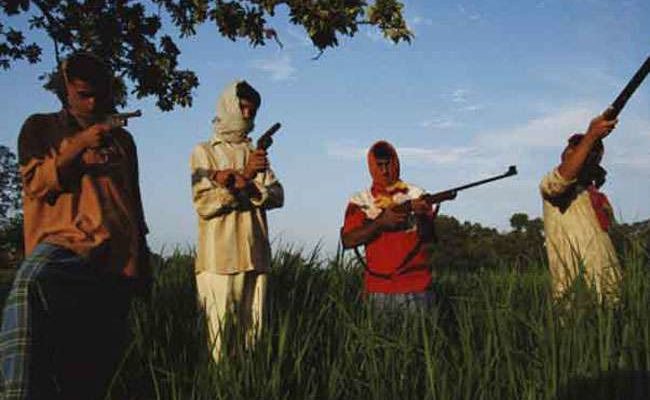
बिहार चुनाव आते ही प्रतिबंधित रणवीर सेना को एक बार फिर कौन हवा दे रहा है?

रणवीर सेना, जिस पर बहुत पहले पाबंदी लगायी जा चुकी है, नए सिरे से सुर्खियों में है।

पिछले दिनों उसने अपने सोशल मीडिया पेज पर भीम आर्मी के बिहार प्रमुख गौरव सिराज और एक अन्य कार्यकर्ता वेद प्रकाश को खुलेआम धमकाया है। उसने अपने ‘सैनिकों’ को आदेश दिया है कि उन्हें ‘जिन्दा या मुर्दा’ गिरफ्तार करें। बताया जाता है कि इस युवा अम्बेडकरवादी ने ब्रह्मेश्वर मुखिया- जो रणवीर सेना के प्रमुख थे और 2012 में किसी हत्यारे गिरोह के हाथों मारे गए थे- के बारे में जो टिप्पणी की, वह रणवीर सेना के लोगों को नागवार गुजरी है।

प्रश्न उठता है कि इस तरह खुलेआम धमकाने के लिए, मारने पीटने की बात करने के लिए क्या ‘सेना’ पर कार्रवाई होगी? अगर इतिहास को गवाह मान लिया जाए तो इसकी संभावना बहुत कम दिखती है। Continue reading बिहार चुनाव आते ही प्रतिबंधित रणवीर सेना को एक बार फिर कौन हवा दे रहा है?

Shadow of Laxmanpur Bathe on Bihar Election

An unpredictable element has found a new lease of life thanks to the coming Assembly election.

Laxmanpur Bathe on Bihar Election

The outlawed Ranvir Sena—the private army of upper caste landlords of Bihar—is in the news again. It recently threatened the Bihar chief of the Bhim Army, Gaurav Siraj, and one of its activists, Ved Prakash, through a Facebook post. The so-called army has “ordered” its “sainiks” to “arrest” him dead or alive. The sena is apparently peeved over how the young dynamic leader of the Ambedkarite organisation has described Brahmeshwar Singh, their slain “Mukhiya” who was killed in 2012.

Will there be any action against those who have threatened the young leader? If history is any guide then there is little possibility of this.

Merely two years ago, Nawal Kishor Kumar, Editor Hindi, Forward Press was targeted by this “sena”. The aggrieved journalist had lodged a police complaint but there has been no progress in the investigation.

It is not that there is no law to punish such miscreants. Social media posts of the threatening kind relate to various offences under the Indian Penal Code, from criminal intimidation punishable under section 503 to section 505 related to creating mischief in public, to section 506 which awards punishment for criminal intimidation and section 153A which relates to penalties for promoting enmity between different groups and so on. In fact, based on its activities, the Ranvir Sena is also liable to be prosecuted under section 3 of the Bihar Control of Crimes Act, section 3 of the Arms Act and section 3 of the Scheduled Castes and Scheduled Tribes (Prevention of Atrocities) Act, 1989.”

( Read the full text here)

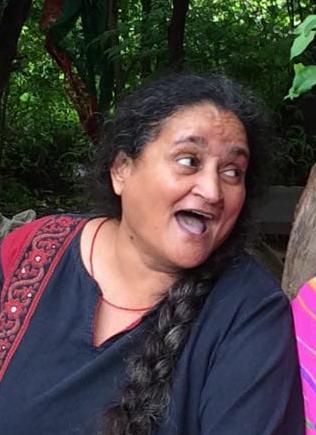
Farewell Kalpana Mehta – Remembering a Feminist Activist

The following is a statement Women against Sexual Violence and State Repression  on the passing away of leading feminist activist Kalpana Mehta. This English version was earlier published in Mainstream Weekly.

Women against Sexual Violence and State Repression (WSS) deeply mourns the passing away of Kalpana Mehta in Indore, Madhya Pradesh. The loss of a fellow traveller and a comrade at a time when we are going through a massive public health crisis and continuous clampdown on the right to dissent through arrests and detention is hard to bear. Kalpana has been with WSS ever since its inception in 2009.

Having done B. Tech in Aeronautical Engineering from IIT, Kanpur she had left for the US to pursue a degree in MBA. She came back to India in 1976, as it happened with many other fellow Indians who returned in those times, when the country was reeling under the clampdown of the National Emergency imposed by the Congress-led government in power at the centre. Within a few years in trade union work, she became part of a vibrant and powerful political current that brought to light women’s oppression and subordination in society and the need to organize as women, which was becoming well nigh impossible in the left and socialist movements of those years. Her life and politics have thus been shaped by the emergence of the autonomous women’s movement in the late 70s and early 80s. Kalpana was a co-founder of the autonomous feminist collective Saheli Women’s Resource Centre that was set up in 1981; she continued to remain at the forefront of the women’s movement ever since. Read the full statement here.

अलविदा कल्‍पना मेहता – एक श्रद्धांजलि

विमन अगेन्स्ट सेक्शूअल वायलेंस एंड स्टेट रिप्रेशन’ (WSS)

की कल्पना मेहता को श्रद्धांजलि

‘विमन अगेन्स्ट सेक्शूअल वायलेंस एंड स्टेट रिप्रेशन’ (WSS) कल्पना मेहता के उनके निवास इंदौर, मध्य प्रदेश में निधन पर गहरा शोक व्यक्त करता है. एक ऐसे समय में जब हम व्यापक पैमाने पर अभूतपूर्व सार्वजनिक स्वास्थ्य संकट से गुजर रहे हैं और जब सत्ता द्वारा असहमति के अधिकार को लगातार बेरहमी से कुचला जा रहा है, हमारे बीच से एक हमसफ़र और कॉमरेड का चले जाना बेहद पीड़ादायक है. 2009 में, WSS की स्थापना के समय से ही कल्पना लगातार इसके साथ जुड़ी रहीं.

Continue reading अलविदा कल्‍पना मेहता – एक श्रद्धांजलि

कोविड-19 संकट के दौरान मिसाल बनकर उभरा क्यूबा

मार्च महीने में इटली के मिलान में मालपेंसा एयरपोर्ट पर क्यूबाई डॉक्टर्स का दल. (फोटो: रॉयटर्स)

मार्च महीने में इटली के मिलान में मालपेंसा एयरपोर्ट पर क्यूबाई डॉक्टर्स और स्वास्थ्यकर्मियों का दल. (फोटो: रॉयटर्स)

हेनरी रीव, इस नाम से कितने लोग परिचित हैं?

यह अलग बात है कि इस युवा की याद में बनी एक मेडिकल ब्रिगेड की दुनिया भर की सक्रियताओं से तो सभी परिचित हैं, जिसने कोविड महामारी के दिनों में भी अपने चिकित्सा के कामों में- जो अंतरराष्ट्रीयतावाद की भावना को मजबूती देते हुए आगे बढ़ी है, कहीं आंच नहीं आने दी है, जिसका निर्माण क्यूबा ने किया है.

मालूम हो कि हेनरी रीव के बारे में इतना ही हम जानते हैं कि 19 साल का यह अमेरिकी नौजवान था, जो न्यूयॉर्क के ब्रुकलिन स्थित अपने घर को छोड़ते हुए 19वीं सदी के अंतिम दौर में स्पेनिश हुक्मरानों के खिलाफ क्यूबाई संघर्ष से जुड़ गया था.

और क्यूबा ने अपने इस अनूठे स्वतंत्राता सेनानी की याद में मेडिकल ब्रिगेड का गठन किया है जो आज की तारीख में 22 मुल्कों में सक्रिय है.

आप को याद होगा वह दृश्य, जो कैमरे में कैद होते वक्त ही कालजयी बने रहने का संकेत दे रहा था. जब मिलान, जो इटली के संपन्न उत्तरी हिस्से का मशहूर शहर है, वहां अपने डॉक्टरी यूनिफॉर्म पहने एक टीम मालपेंसा एयरपोर्ट पर उतर रही थी और उस प्रसिद्ध एयरपोर्ट पर तमाम लोग खड़े होकर उनका अभिवादन कर रहे थे. (18 मार्च 2020)

यह सभी डॉक्टर तथा स्वास्थ्य पेशेवर हेनरी रीव ब्रिगेड के सदस्य थे, जो इटली सरकार के निमंत्रण पर वहां पहुंचे थे. एयरपोर्ट पर खड़े लोगों में चंद ऐसे भी थे, जिन्होंने तब अपने सीने पर क्रॉस बनाया, अपने भगवान को याद किया क्योंकि उनके हिसाब से क्यूबा के यह डॉक्टर किसी ‘फरिश्ते’ से कम नहीं थे. Continue reading कोविड-19 संकट के दौरान मिसाल बनकर उभरा क्यूबा

पानी की फ़र्माबरदारी: मुरीद बरघूती /अनुवाद: आयेशा किदवाई

You can see the English translation of the original poem by the Palestinian poet Mourid Barghouti , after this translation into Hindustani by AYESHA KIDWAI

कितनी कला, बारीक़ सोच, हिचकिचाहट, और क़ुरबानी की रातें,
कम या ज़्यादा कीमत अदा कर,
तुम्हें लगती हैं एक सरल सा
आला अविष्कार करने में?

एक तानाशाह बनाने में तुम्हें सिर्फ
एक बार ही घुटना टेकना है. Continue reading पानी की फ़र्माबरदारी: मुरीद बरघूती /अनुवाद: आयेशा किदवाई

Break the Chain, Break the (Unconventional) Family?

My earlier posts on the Kerala Left’s inability to forge an adequate and democratizing response to the ‘societal emergencies’ that have challenged Malayali society in the 21st century, and on the completely-unjustified attack on the body artist Rehana Fathima seem to have irritated, even angered, many supporters of the CPM on Facebook.

These people are not youngsters, a detail that is really important. Indeed, they largely belong to the upper-middle-class professional elite, indeed, perhaps among the best-off sections of Malayali society, which include medical professionals, male and female. Their responses reveal very interesting details about how the pandemic shapes our understanding of ‘useful expertise’:  at this moment, we are told, just listen to medical professionals, and not just their views on issues pertaining to health, but also to ‘social health’.  Many of these professionals believe that the brazen violence unleashed against Rehana Fathima’s family — her mother-in-law has been denied free dialysis simply because she is Rehana Fathima’s mother-in-law, and BSNL has ordered the eviction of the family on completely ridiculous grounds – is a minor diversion, an irritating, trivial one, compared to the task of controlling the pandemic on the ground, which of course, brings the medical professional (even when he/she works in Kerala’s private hospitals, which are surely not the epitome of altruism) to the centre of public discourse as the ‘hero’ that everyone should be eternally grateful to. And if such heroes tell you that Rehana Fathima is just a child-abusing publicity-seeker, then you have to just say yes. And, as as the artist Radha Gomathy put it, participate in the Break-the-Chain-and-Break-the-Family campaign — or punish Rehana’s supportive family for not being freakishly conservative, like good Malayali families.

Bolstering their claim to be the only ‘real experts’ to talk about Malayali society at the moment is their implicit understanding that medical professionals are somehow more ‘scientific’ than others. Yet I was amazed — indeed, alarmed — by the carelessness with which they dealt with empirical information and their easy abandonment of logic.  The tendency to equate technical training with scientific is very strong in these Facebook debates, as also the idea that social science and history are some airy-fairy romance that lacks scientific basis.

I am mentioning these features not to put these people down — and I am also aware of, and grateful to, many other medical professionals who expressed unease at these acts of hubris. I wish only to flag what seems to me an emerging axis of power in post-pandemic Kerala. A form in which the state’s apparatus of biopower is projected insistently as the sole benevolent source of human sustenance that must engage us constantly; it is not that critical discourse should be abolished, but it must focus, and gently, on this pre-given object. In it, the biological body is the object on which the state builds its new protectionism; the only kind of body it is bound to protect. The ‘new expert’ wields power on it, and their technical interventions will henceforth be recognized as ‘scientific’  — and the significance of the gap between the two will be ignored. The suspension of neoliberal logic during the pandemic has indeed allowed the Left to behave, even think, like the left — this emerging protectionism seems to be actually riding on it.

It is not surprising at all then that for some of these experts, those of us who contested the purportedly ‘scientific claim’ that Rehana’s children will be necessarily harmed psychologically by the sight of their mother’s exposed torso, or the equally-shaky idea that they necessarily lack the psychological strength the resist the taunts of society, seem dangerous to society.  Rehana’s use of the body is aimed at the long-term; it signals the possibility of seeing the body as the site of aesthetic play and creativity; its androgynous appearance and breaking of stereotypes about the maternal body make it defy gendered classification (so necessary for the state). Her husband deserves punishment because he had abandoned the role of Reformer-Husband so central to the twentieth-century reformist discourse. Our experts’ ‘scientific temperaments’ do not allow them to perceive the fact that the Reformer-Husband carried the burden of ushering his wife into (a gendered) modernity, while in twenty-first century Kerala, women no longer need such ushering — there is data that shows that more women than men complete their education and enter higher education; that they outperform men in most examinations and have entered most modern professions; that in marriages, the bride is now likely to be more educated than the groom. The family needs to be punished as a whole for allowing such explorations of the body.

I still repose faith in the democratizing possibilities that this window of time gives us, but that does not make me blind to this wilful shutting out of the long-term and the agency of citizens. It is as if future society may be imagined by citizens only with or after the state. The state sees a vague and uncertain future, and therefore all citizens should, therefore, limit themselves to the immediate and present. Nothing should be allowed to disrupt the Left’s hegemony-building through pandemic-control exercises. Even if that requires that we turn a blind eye to the fact that the refurbishing of this hegemony may not be antithetical to the further entrenchment of biopower and the reign of these new experts.


 

Working Class Movement and ‘Sudden Death’ of the 1980s – Challenges For Rebuilding the Left II


Let us call it ‘sudden death’ football style – even though, strictly speaking, there was no ‘tie’. Yet, even the highly frayed but continued existence of the earlier Nehruvian legacy (our version of the welfare state) had provided a kind of buffer that had kept in place an intricate balance between labour and capital. The Nehruvian state was no ‘socialism’ but it did represent a ‘social contract’ of sorts that had kept the worst caprices of capital in check and provided a certain legitimacy to issues and demands of labour. The balance was always tilted in favour of capital but was a balance nevertheless. This is what some ideologues of the neoliberal dispensation that succeeded it continue calling socialism – for that gave them the legitimacy, in the post-Soviet 1990s, to institute the unbridled rule of corporate capital. In that sense, there was a tie – and neoliberalism was the tie-breaker.

Protest_Photo, Image New Indian Express

The defeat of working class politics in the 1980s is a story that remains to be told – at any rate, properly analyzed. There are of course, layers and layers to that story  and no single article or even a book can do justice to it but it is nevertheless worth looking at some aspects – not all of which may have been apparent to players involved at that time. But that is precisely why it is so important to look back, especially if we are interested in building a movement in the future, avoiding the mistakes of the past.

Continue reading Working Class Movement and ‘Sudden Death’ of the 1980s – Challenges For Rebuilding the Left II

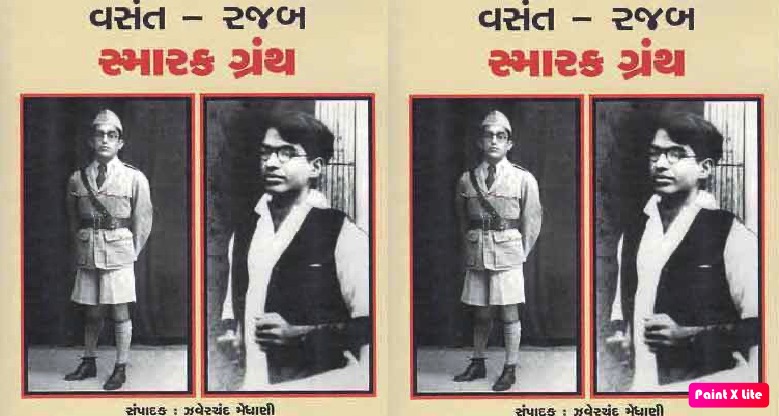
साझी शहादत-साझी विरासत: वसंत राव और रजब अली को याद करना क्यों जरूरी है ?

वसंतराव और रजब अली। साभार-इंडियन एक्सप्रेस

अहमदाबाद के जमालपुर के पास स्थित वसन्त-रजब चौक कितने लोगों ने देखा है? देखा तो कइयों ने होगा, और आज की तारीख में उससे रोज गुजरते भी होंगे, मगर अंगुली पर गिनने लायक लोग मिलेंगे जिन्होंने चौराहे के इस नामकरण का इतिहास जानने की कोशिश की होगी। मुमकिन है गुजरने वाले अधिकतर ने आज के इस इकहरे वक्त़ में- जबकि मनुष्य होने के बजाय उसकी खास सामुदायिक पहचान अहम बनायी जा रही है- इस ‘विचित्र’ नामकरण को लेकर नाक भौं भी सिकोड़े होंगे।

वह जून 1946 का वक़्त था जब आज़ादी करीब थी, मगर साम्प्रदायिक ताकतों की सक्रियता में भी अचानक तेज़ी आ गयी थी और उन्हीं दिनों यह दो युवा साम्प्रदायिक ताकतों से जूझते हुए मारे गए थे। वसंत राव हेगिश्ते का जन्म 1906 में अहमदाबाद के एक मराठी परिवार में हुआ था तो रजब अली लाखानी एक खोजा मुस्लिम परिवार में कराची में पैदा हुए थे (27 जुलाई 1919) और बाद में उनका परिवार अहमदाबाद में बस गया था। हमेशा की तरह उस साल रथयात्रा निकली थी और उसी बहाने समूचे शहर का माहौल तनावपूर्ण हो चला था।

कांग्रेस सेवा दल के कार्यकर्ता रहे इन जिगरी दोस्तों ने अपने ऊपर यह जिम्मा लिया कि वह अपने-अपने समुदायों को समझाएंगे कि वह उन्मादी न बनें, इसी काम में वह जी जान से जुटे थे, छोटी बैठकें कर रहे थे, लोगों को समझा रहे थे। 1 जुलाई को एक खांड नी शेरी के पास एक उग्र भीड़ ने – जो जुनूनी बन चुकी थी – उन्हें उनके रास्ते से हटने को कहा और उनके इन्कार करने पर उन दोनों को वहीं ढेर कर दिया। Continue reading साझी शहादत-साझी विरासत: वसंत राव और रजब अली को याद करना क्यों जरूरी है ?

महिला आन्दोलनकारियों की गिरफ्तारियां और भारत सरकार की पितृसत्ता : अमन अभिषेक

Guest Post by Aman Abhishek

Big Brother's Patriarchal Authoritarianism

गुलफीशा फ़ातिमा, सफुरा जरगर, देवांगना कलिता और नताशा नरवाल

दुनिया के जाने-माने प्रोफ़ेसर और पत्रकार डॉक्टर लेता होन्ग फ़िंचर अपनी किताब “बिट्रेइंग बिग ब्रदर: दी फेमनिस्ट अवेकनिंग इन चाइना” में लिखती हैं कि किस तरह चीनी सरकार के द्वारा मार्च 2015 में पांच कार्यकर्तायों की गिरफ्तारी ने चीनी नारीवादी आन्दोलन को एक नया मोड़ दे दिया | जिन पांच महिलाओं को गिरफ्तार किया गया था वे विश्वमहिला दिवस के मौके पर यौन उत्पीडन के खिलाफ बसों और ट्रेनों में पर्चे बाँट रही थी | परन्तु चीनी सरकार ने झगड़े उसकाने के आरोप लगाकर गिरफ्तारी कर ली | इसका परिणाम यह हुआ कि ये पांच महिलाएं “फेमस फाइव” यानी “पांच प्रसिद्ध” के नाम से जानी गई | इन गिरफ्तारियों ने चीनी नारीवादी आदोंलन को कमजोर करने के बजाए एक नयी उर्जा प्रदान की और गिरफ्तारियों के विरोध में बड़े पैमाने पर आन्दोलन शुरू हो गए|

अब भारत में हाल की परिस्थितियों पर गौर करें | दिसम्बर 2019 से मार्च 2020 तक देश के सैकड़ों सार्वजनिक स्थानों पर हजारों आन्दोलनकारियों ने, महिलाओं के नेतृत्व में, सीएए के विरोध में सशक्त और शांतिपूर्ण आन्दोलन किया और लगातार धरना चला | शाहीनबाग जैसे जगहों पर रात दिन धरने चले | देश भर के आन्दोलनकारी उसी सीएए का विरोध कर रहे थे जिसे संयुक्त्त राष्ट्र संघ और और अनेकों मानवाधिकार संगठनों ने मुस्लिम विरोधी और घोर पक्षपातपूर्ण करार दिया है| महिलाओं के नेतृत्व और भागीदारी की वजह से सीएए विरोधी आन्दोलन केवल नागरिकता के सवालों तक सीमित न रहकर भारतीय नारीवादी आन्दोलन के इतिहास में एक अहम कड़ी बन गया |

अप्रैल से भारत सरकार ने सीएए विरोधी आन्दोलन के महिला नेतृत्व की गिरफ्तारियां शुरू कर दी | इन महिलाओं की गिरफ्तारियों की वजह हिंसा भड़काने से लेकर आतंकवाद तक बताई गई | गिरफ्तार लोगों में शामिल गुलफीशा फ़ातिमा मुस्लिम समुदाय की नेता हैं, सफुरा जरगर जामिया मिलिया की छात्रा हैं तथा गिरफ्तारी के वक्त तीन माह से गर्भवती थी | देवांगना कलिता और नताशा नरवाल , पिंजड़ा तोड़ आन्दोलन की संस्थापक हैं (पिंजड़ा तोड़ समूह के कार्यकर्ताओं ने शैक्षणिक संस्थाओं में लैंगिक भेद-भाव और पितृसत्ता के खिलाफ आन्दोलन किया है) | यह गिरफ्तारियां एक वैश्विक महामारी के दौरान की गई है, जो इस महिलाओं की जिन्दगी के लिए घातक साबित हो सकता है | Continue reading महिला आन्दोलनकारियों की गिरफ्तारियां और भारत सरकार की पितृसत्ता : अमन अभिषेक

An Appeal for an Artist: Buy Brushes for Rehana Fathima’s Son

I am making appeal here to all people who really care for children’s rights beyond the hypocrisies of the global child rights discourse.

A controversy is raging in Kerala over a video of body art posted by the body-activist Rehana Fathima in which her two children paint an image of a phoenix on the exposed torso of their mother. The children are not nude, they don’t look outside the frame. Rehana herself does not look out, nor is her body being displayed in any explicit sense. There is nothing pornographic; the video was not made for commercial purposes. However, the video has unleashed a storm of outrage and the bitter conservatism of both Right and Left-wing politics in Kerala now engulfs the family like a toxic fog.

Rehana has been subject to unimaginable violence online. She is no stranger to it; her insistent efforts to keep radical body politics alive in a society in which bodies are strictly subject to caste and religions communities and bound firmly within heternormative sexuality, patrilineal family-forms and marriages that insist of huge dowry payment to the groom have stirred all sort of insecurities, unconscious and otherwise, of the Malayali masculinist elite. During the conservative backlash against the Supreme Court’s verdict approving the entry of female devotees to the Sabarimala temple in 2018, Rehana Fathima (who claims that she had converted long back and is also known by the name Surya Gayatri) made an attempt to make the pilgrimage, resulting in her arrest and jailing. She was accused of obscenity for uploading a picture of herself in the pilgrim’s costume, but showing a little skin off her thigh.

In the present case, she is accused of corrupting her children by exposing them to her naked body and then making the video public. The first complaint was filed by a BJP functionary and then the Kerala State Commission for the Protection of Child Rights directed the police to file cases against her charging the provisions of the POCSO Act. Other cases against her have used the provisions of the IT Act and the Juvenile Justice Act.

The police raided her home — and seized the laptop and, appalling, her son’s cherished set of brushes and paints. This violence remains unnoticed. There has been much hand-wringing by hypocrites who claim that they are not offended by the art but because children have been involved. These people do not seem to notice the violence against this young boy.

Rehana’s 13 year old is serious about his art. He is not like the kids who parents force into art classes so that they can brag about it in their circle. He is not traumatised by the sight of his mother’s body, but by the loss of his brushes, taken away by the Kerala Police as ‘evidence’ of the ‘crime’! The investigation of alleged violation of child rights gets an auspicious start, I suppose, with the police committing precisely such violation.

I appeal to all of you who think this is injustice — irrespective of whether it is technically proper or not — to speak up. If you can, please contribute brushes. Or pay Rs 10.  The child’s father, Manoj K Sreedhar, is on Facebook.  The address is : Rujul manav (appu) c/o Rehana fathima Ernakulam 682036 Mob: manoj 9446767666.


J Devika.

मनु को इतिहास तक सीमित करने का सवाल बनाम मनुस्मृति को ‘सैनिटाइज़’ करने के षडयंत्र

कितने लोगों ने डॉ. अम्बेडकर की अगुवाई में छेड़े गए पहले ‘दलित विद्रोह’ अर्थात महाड़ सत्याग्रह (1927) के बारे में पढ़ा होगा और यह जाना होगा कि किस तरह उसके पहले चरण में (19-20 मार्च) को महाड़ नामक जगह पर स्थित चवदार तालाब पर हजारों की तादाद में लोग पहुंचे थे और उन्होंने वहां पानी पीया था। जानवरों को भी जिस तालाब पर पानी पीने से रोका नहीं जाता था, उस तालाब पर दलितों को मनाही थी और इसी मनाही के खिलाफ इस सत्याग्रह ने बग़ावत का बिगुल फूंका था।

सत्याग्रह के दूसरे चरण में (25 दिसम्बर 1927) में उसी महाड में डॉ. अम्बेडकर ने मनुस्म्रति का दहन किया था और उनकी इस कार्रवाई की तुलना फ्रेंच इन्कलाब (1789) से की थी। इस दहन के पहले जिस प्रस्ताव को गंगाधर सहस्त्रबुद्धे नामक डॉ. अम्बेडकर के सहयोगी ने पढ़ा था- जो खुद पुरोहित जाति से सम्बद्ध थे, उसके शब्द इस प्रकार थे: “यह सम्मेलन इस मत का मजबूत हिमायती है कि मनुस्‍मृति, अगर हम उसके उन तमाम श्लोकों को देखें जिन्होंने शूद्र जाति को कम करके आंका है, उनकी प्रगति को अवरुद्ध किया है, और उनकी सामाजिक, राजनीतिक और आर्थिक गुलामी को स्थायी बनाया है… ऐसी किताब नहीं है जो एक धार्मिक या पवित्र किताब समझी जाए। और इस राय को अभिव्यक्ति प्रदान करने के लिए, यह सम्मेलन ऐसी धार्मिक किताब के दहन की कार्रवाई को अंजाम दे रहा है जो लोगों का विभाजन करती है और इन्सानियत को तबाह करने वाली है।“ ( Page 351, Mahad The Making of the First Dalit Revolt, Anand Teltumbde, Navayana, 2017) Continue reading मनु को इतिहास तक सीमित करने का सवाल बनाम मनुस्मृति को ‘सैनिटाइज़’ करने के षडयंत्र

Why does the Left in Kerala fear Rehana Fathima and not COVID- 19?

Before I start, a request:    Friends who are reading this, if you are close to Noam Chomsky, Amartya Sen, or Soumya Swaminathan, or the other left-liberals who appear in the Kerala government-sponsored talk series from outside Kerala, please do forward this to them? I hope to reach them.


The Left government in Kerala is gathering its international intellectual-activist support base to cash on its commendable  — ongoing — success in dealing with the COVID-19 pandemic.  This is not new — it has always been part of the dominant Left’s hegemony-bolstering exercises, especially after the 1990s, when its unquestionable hegemony in Kerala began to face a series of challenges. It has also been forced to pay attention to the oppositional civil society which relentlessly questions the dominant Left’s fundamental understanding of social justice and forces it to take seriously such ideas as freedom, autonomy, as well as identities not reducible to class. Continue reading Why does the Left in Kerala fear Rehana Fathima and not COVID- 19?

DISSENT, DEBATE, CREATE